
Introduction
Exporting mangoes is no walk in the park; it demands a sharp focus on quality to navigate the myriad of Exporting Mango Quality Risks that can jeopardize your business. From strict EU pesticide regulations to phytosanitary threats, every step must be meticulously managed to ensure your mangoes meet international standards. Recognizing and addressing these risks early on can make the difference between a thriving export venture and costly rejections at customs.
In the complex world of mango exporting, understanding potential pitfalls such as cold chain breaches, substandard packaging & labeling, and supplier and farm audits is crucial. These Exporting Mango Quality Risks are not just minor inconveniences—they can lead to market access issues, regulatory penalties, or damage to your brand reputation. Staying ahead means implementing robust packhouse and cold chain verification processes and leveraging pesticide residue testing support to safeguard your product’s integrity.
By grasping how these Exporting Mango Quality Risks impact your supply chain, you can develop proactive strategies that save time, money, and reputation. Properly managing phytosanitary threats alongside strict adherence to EU pesticide regulations ensures compliance while satisfying consumer expectations worldwide. Ultimately, understanding these risks empowers you to protect your mango export business at every stage—from farm to final destination—keeping quality high and rejection rates low.
Understanding Exporting Mango Quality Risks
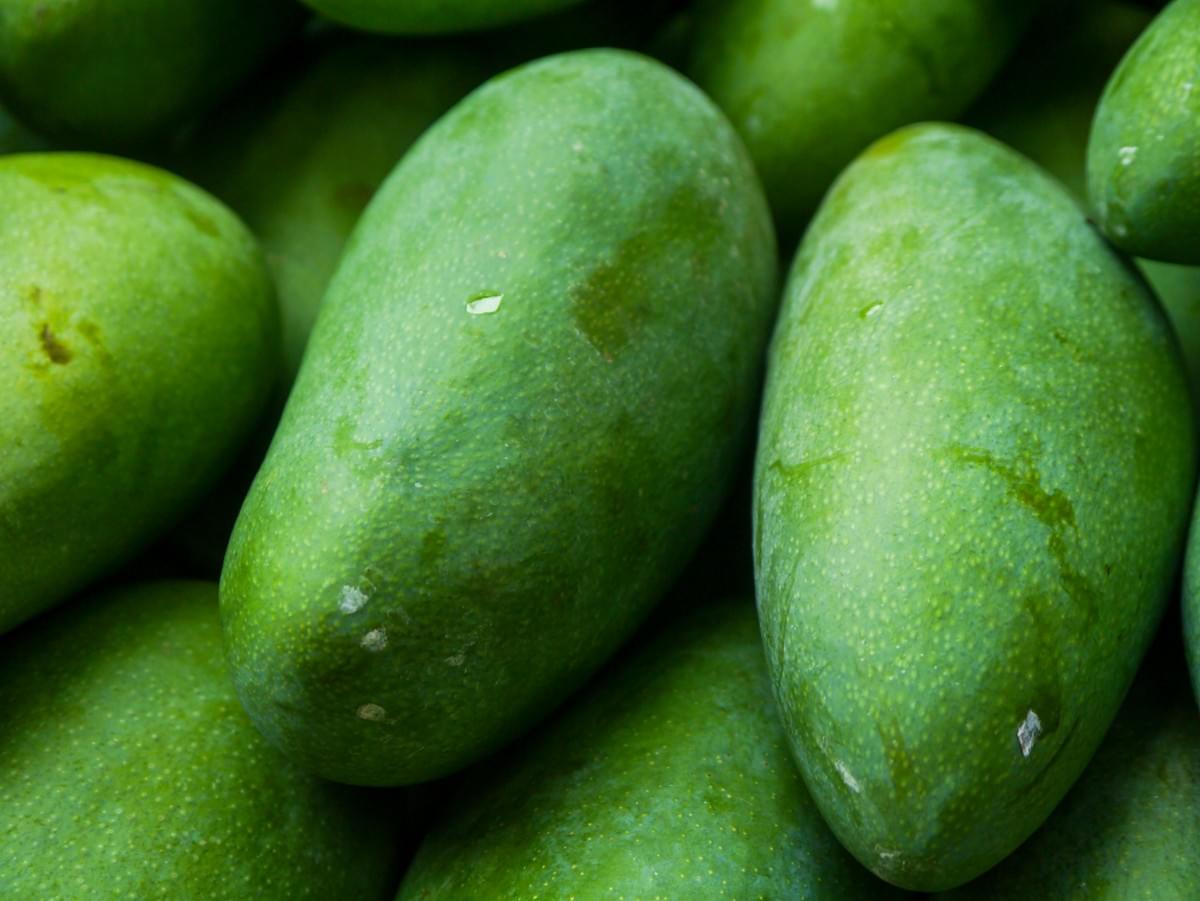
Navigating the world of mango exports can feel like walking a tightrope—one misstep related to Exporting Mango Quality Risks and your entire market access could be at stake. From strict EU pesticide regulations to phytosanitary threats, exporters face a minefield of challenges that threaten to spoil their shipments before they even leave the dock. Recognizing these pitfalls early is crucial; neglecting them can lead to costly rejections, damaged reputation, and lost business opportunities.
One of the biggest hurdles in Exporting Mango Quality Risks is compliance with strict EU pesticide regulations. The EU’s rigorous standards demand meticulous pesticide residue testing support and adherence to maximum residue limits (MRLs). Failing to meet these standards often results in rejected shipments or hefty fines, making packhouse and cold chain verification essential steps in maintaining quality and regulatory compliance. Ignoring these aspects can turn a promising export into a costly headache.
Phytosanitary threats are another sneaky aspect of Exporting Mango Quality Risks that cannot be overlooked. Pest infestations or quarantine issues detected late can result in shipment delays or outright rejection at borders, especially if proper farm and packhouse inspections aren’t conducted regularly. Implementing best practices for pest control and quarantine measures helps mitigate these risks, ensuring that mangoes arrive pest-free and ready for market.
Cold chain breaches are silent killers of mango quality during export journeys. A lapse in temperature control or humidity levels during transit can cause spoilage, mold growth, or loss of flavor—turning premium fruit into unsellable produce. Cold chain verification procedures are vital; they ensure each step maintains optimal conditions, safeguarding the integrity of exported mangoes from farm to shelf.
Substandard packaging & labeling also pose significant export risks by damaging the fruit’s appearance or causing regulatory issues upon arrival. Incorrect labeling can lead to customs delays or penalties, while poor packaging may result in physical damage during transit—all factors that undermine consumer confidence. Proper packaging strategies combined with accurate labeling backed by supplier and farm audits help uphold quality standards throughout the supply chain.
In essence, managing Exporting Mango Quality Risks demands a comprehensive approach: conducting thorough supplier and farm audits ensures consistent quality; leveraging pesticide residue testing support confirms compliance with strict regulations; and rigorous packhouse & cold chain verification keeps mangoes fresh from harvest to destination. Staying proactive in these areas not only prevents costly mistakes but also builds trust with buyers eager for top-quality fruit every season.
Strict EU Pesticide Regulations and Compliance
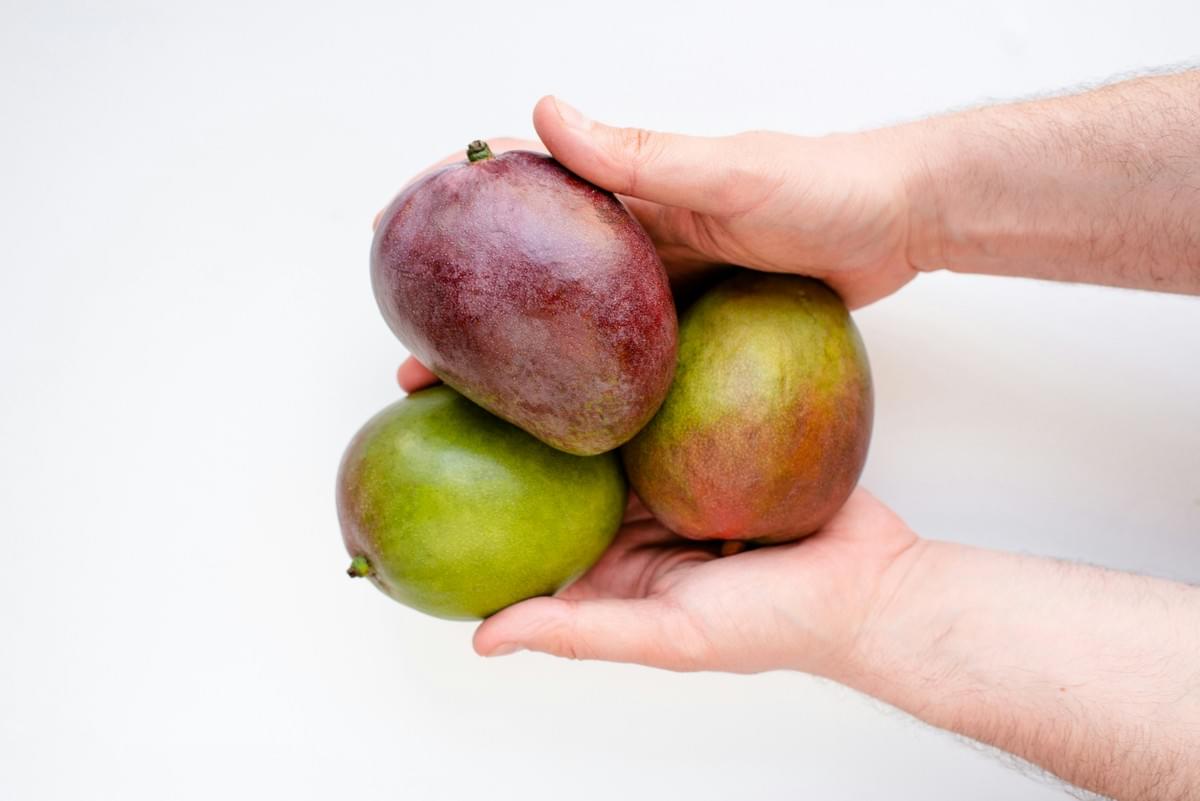
Navigating the world of exporting mangoes means understanding that the EU has some of the strictest pesticide regulations globally. Failure to meet these standards can turn your smooth export process into a nightmare of rejections and penalties, highlighting the importance of controlling exporting mango quality risks. Ensuring compliance with these regulations is not just about avoiding fines; it’s about safeguarding your reputation and market access in a competitive landscape where phytosanitary threats are ever-present.
The Importance of Meeting EU Pesticide Standards
Meeting EU pesticide standards is critical because non-compliance directly impacts your ability to access lucrative markets. These standards are designed to protect consumers from harmful residues, which means exporters must stay vigilant against exporting mango quality risks linked to pesticide residues. Ignoring these regulations can lead to rejected shipments, damaged relationships with buyers, and significant financial losses—an outcome no exporter wants when aiming for global success.
How Pesticide Residue Testing Support Ensures Compliance
Pesticide Residue Testing Support plays a pivotal role in verifying that mango batches meet EU pesticide limits before they hit the shelves. Regular testing helps identify potential violations early, allowing exporters to take corrective actions swiftly—saving time, money, and reputation in the process. Incorporating rigorous packhouse and cold chain verification processes further supports compliance by maintaining optimal conditions that prevent residue escalation during post-harvest handling.
Strategies to Minimize Pesticide Residue Risks
To minimize exporting mango quality risks associated with pesticide residues, proactive strategies are essential. Working closely with reliable suppliers like Fresh Del Monte or Dole ensures farm practices align with strict EU standards through comprehensive supplier and farm audits—reducing phytosanitary threats from the source itself. Additionally, implementing best practices such as proper pest management, timely application of pesticides within legal limits, and routine pesticide residue testing support keeps your mangoes compliant throughout the supply chain while avoiding cold chain breaches that could compromise quality or safety.
By understanding how strict EU pesticide regulations influence exporting mangoes and integrating consistent testing support along with vigilant verification procedures, exporters can significantly reduce their exposure to exporting mango quality risks—keeping their products safe, legal, and market-ready at every step of the journey.
Phytosanitary Threats and Pest Management

Navigating the world of exporting mangoes involves more than just juicy fruit; it requires a keen eye on phytosanitary threats that could jeopardize your entire supply chain. These threats are often sneaky, hiding in plain sight during farm or packhouse inspections, and can lead to rejection at borders if not properly managed. Understanding how phytosanitary issues intertwine with exporting mango quality risks is essential to avoid costly delays and maintain compliance with strict EU pesticide regulations.
Identifying Key Phytosanitary Threats in Mango Exports
Phytosanitary threats such as fruit flies, scale insects, and fungal infections pose significant risks to exported mangoes. These pests and diseases can compromise the fruit’s quality and trigger regulatory actions under strict EU pesticide regulations, which demand rigorous pest management protocols. Recognizing these threats early through diligent monitoring helps exporters implement targeted pest control strategies, reducing the chances of substandard packaging & labeling that may result from pest damage or contamination.
The Role of Farm and Packhouse Inspections
Farm and packhouse inspections serve as critical checkpoints for identifying phytosanitary threats before mangoes leave the country of origin. These inspections are vital for ensuring compliance with export standards, especially when dealing with stringent regulations like those governing pesticide residue testing support in the EU market. Regular audits also reinforce the importance of supplier and farm audits for quality assurance, helping to catch potential issues related to cold chain breaches or improper handling that could affect export quality risks.
Best Practices for Pest Control and Quarantine Measures
Implementing best practices for pest control involves integrated pest management (IPM) techniques aligned with strict EU pesticide regulations—minimizing pesticide residues while effectively controlling pests. Quarantine measures such as proper sanitation, quarantine zones, and validated cold chain verification procedures help prevent phytosanitary threats from hitchhiking into new markets. Combining these strategies with comprehensive supplier and farm audits ensures your mango exports stay resilient against export quality risks like pests or disease outbreaks while maintaining optimal cold chain condition
Cold Chain Breaches and Post-Harvest Handling
Maintaining the integrity of the cold chain is crucial when it comes to exporting mangoes, as even minor breaches can significantly impact fruit quality and shelf life. Cold chain breaches often lead to premature ripening, mold development, or internal deterioration that isn't immediately visible but can ruin a shipment. Ignoring proper post-harvest handling practices increases the risk of exposing mangoes to exportation hurdles linked to exporting mango quality risks, especially under strict EU pesticide regulations and phytosanitary threats.
The Dangers of Cold Chain Breaches for Mango Quality
Cold chain breaches are a silent threat that can sabotage your efforts to meet export standards and regulatory requirements like strict EU pesticide regulations. When temperature fluctuations occur during transportation or storage, they can accelerate spoilage and compromise mango safety, leading to failed pesticide residue testing support or phytosanitary inspections. Such issues not only jeopardize market access but also tarnish your reputation by delivering substandard packaging & labeling, which consumers quickly notice.
Packhouse and Cold Chain Verification Procedures
Implementing rigorous packhouse and cold chain verification procedures is essential for preventing cold chain breaches that threaten exporting mango quality risks. Regular inspection of refrigeration units, temperature monitoring devices, and handling protocols ensures compliance with international standards and helps identify potential weak links early on. Partnering with trusted suppliers like Fresh Del Monte or Dole often includes leveraging their expertise in packhouse audits and cold chain verification processes—an investment that pays off by reducing costly rejections at customs due to non-compliance with EU regulations.
Tips for Maintaining Optimal Temperature and Humidity
To keep mangoes fresh during transit, maintaining optimal temperature (around 13-15°C) combined with proper humidity levels (85-90%) is critical—otherwise, you risk cold chain breaches that could lead to market rejection or consumer dissatisfaction. Use advanced data loggers during shipping to monitor conditions in real-time; this way, you catch any deviations before they turn into major problems affecting export quality risks. Consistent training for staff on post-harvest handling best practices also minimizes errors related to substandard packaging & labeling or mishandling that can compromise your entire export strategy.
Substandard Packaging and Labeling Risks
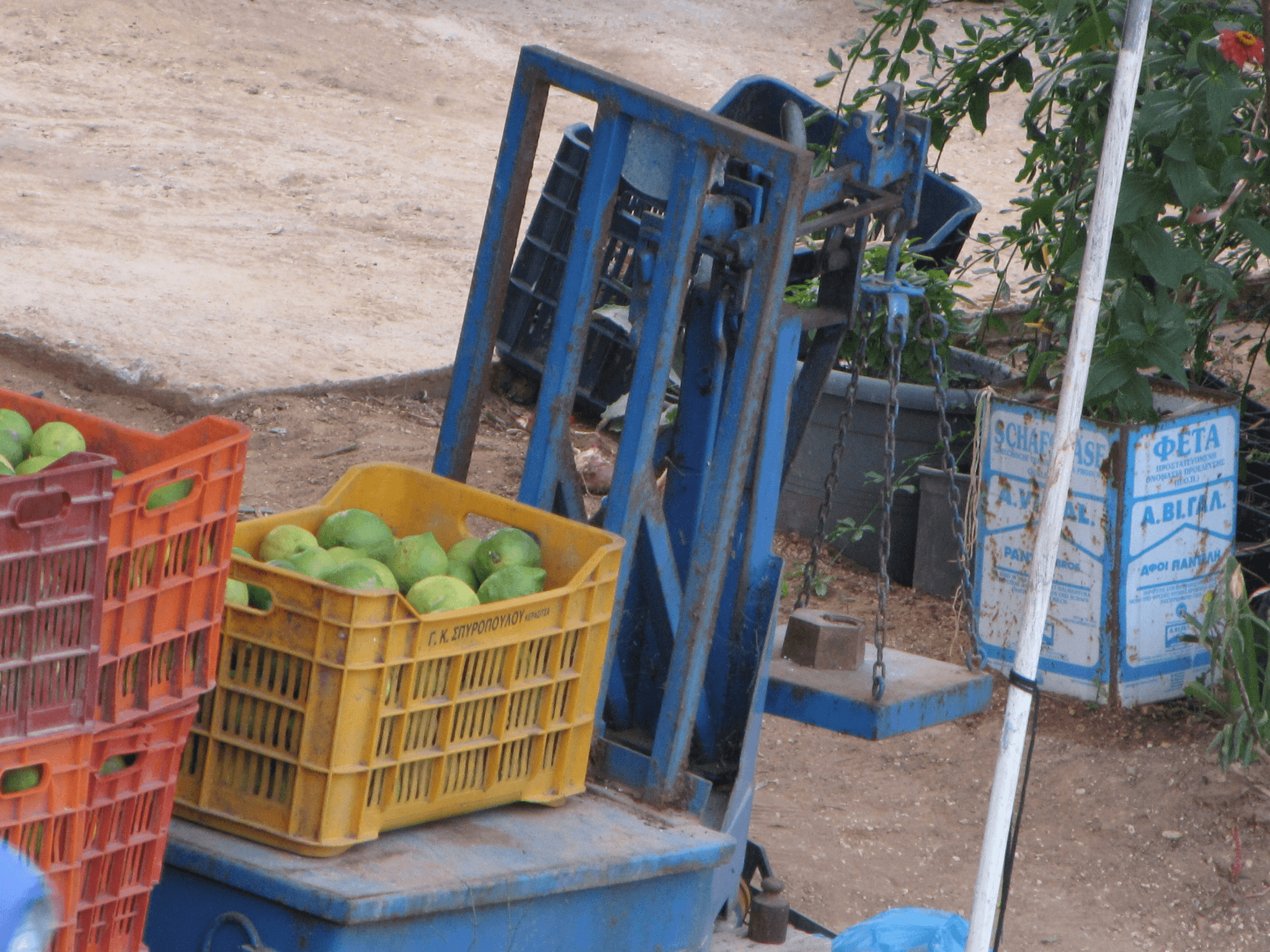
When it comes to exporting mangoes, substandard packaging and labeling can turn a smooth operation into a nightmare. Poor packaging not only jeopardizes the fruit’s quality but also opens the door for phytosanitary threats and cold chain breaches that compromise freshness. Additionally, inaccurate or non-compliant labels can lead to regulatory penalties, rejection at customs, and lost consumer trust—an outcome no exporter wants.
Common Packaging Mistakes That Hurt Mango Quality
One of the biggest mistakes in exporting mangoes is using inadequate packaging materials that don’t provide proper ventilation or protection against physical damage. Failing to adhere to strict EU pesticide regulations can result in residues contaminating packaging surfaces, risking non-compliance during Pesticide Residue Testing Support procedures. Moreover, neglecting packhouse and cold chain verification often results in mismatched temperatures or humidity levels that accelerate spoilage, making substandard packaging a silent killer of export quality.
Labeling Accuracy and Regulatory Requirements
Incorrect labeling is more than just a typo; it’s a potential legal landmine that can delay shipments or lead to rejection at borders. Labels must accurately reflect product origin, pesticide usage, and compliance with strict EU pesticide regulations—failing which could trigger regulatory scrutiny or sanctions. Proper labeling also supports traceability through supplier and farm audits, ensuring every mango batch meets phytosanitary threats standards while aligning with export regulations.
How Proper Packaging Boosts Consumer Confidence
Investing in high-quality packaging demonstrates professionalism and respect for consumer expectations, especially within markets governed by strict EU pesticide regulations. Well-designed packages protect against cold chain breaches during transit, maintaining optimal temperature and humidity levels essential for preserving mango quality. When combined with accurate labeling verified through packhouse and cold chain verification processes, proper packaging reassures buyers about your commitment to quality while boosting consumer confidence—ultimately translating into repeat business.
Supplier and Farm Audits for Quality Assurance
Ensuring your mango exports are free from the pitfalls of exporting mango quality risks starts right at the source—your suppliers and farms. Conducting thorough audits helps identify potential issues like pesticide residue levels, phytosanitary threats, or substandard packaging that could jeopardize market access. These audits serve as a frontline defense against exporting mango quality risks, giving you peace of mind before your fruit even hits the packing line.
Conducting Effective Audits for Mango Farms
Effective farm audits go beyond just ticking boxes; they’re about uncovering hidden risks that could lead to non-compliance with strict EU pesticide regulations or introduce phytosanitary threats into your supply chain. During an audit, scrutinize pest management practices to prevent phytosanitary threats and verify adherence to pesticide residue testing support standards. Regularly evaluating farm hygiene, crop handling procedures, and pest control measures ensures your mangoes meet international quality expectations and reduces the risk of cold chain breaches during harvest.
Partnering with Reliable Suppliers Like Fresh Del Monte and Dole
Partnering with reputable suppliers such as Fresh Del Monte or Dole significantly minimizes exporting mango quality risks because these giants prioritize rigorous supplier and farm audits. These companies invest heavily in packhouse and cold chain verification processes to uphold strict EU pesticide regulations while avoiding substandard packaging & labeling mistakes that can damage brand reputation. Collaborating with such trusted partners ensures consistent compliance, reduces phytosanitary threats, and guarantees that every mango meets stringent export standards.
Using China Inspection Pro for Expert Quality Inspection
When it comes to maintaining high-quality standards in exporting mangoes, leveraging services like China Inspection Pro offers an extra layer of assurance through expert quality inspection. Their team conducts detailed packhouse inspections and verifies cold chain integrity—crucial steps in preventing cold chain breaches that compromise fruit freshness or lead to spoilage issues upon arrival abroad. Employing such specialists helps you stay ahead of potential export pitfalls related to substandard packaging & labeling or other export risks tied to supplier performance.
The Importance of Packhouse and Cold Chain Verification
Ensuring consistent quality when exporting mangoes is no small feat, especially given the numerous Exporting Mango Quality Risks that can crop up along the way. Proper packhouse and cold chain verification act as your first line of defense against issues like Cold Chain Breaches, substandard packaging, or mislabeled products that could jeopardize market access. By implementing rigorous inspection protocols, exporters can catch potential problems early—whether it’s pesticide residue levels exceeding limits or phytosanitary threats lurking in the shipment—saving time and money in the long run.
Collaborating with quality inspection experts becomes essential when tackling Exporting Mango Quality Risks head-on. These specialists bring a keen eye for detail to verify compliance with Strict EU Pesticide Regulations and ensure that Pesticide Residue Testing Support is thorough and accurate. Partnering with trusted entities like Fresh Del Monte or Dole for supplier and farm audits further strengthens your defenses against phytosanitary threats while maintaining high standards for substandard packaging & labeling.
Verification isn't just about catching mistakes; it’s a strategic move to support export success at every stage of the supply chain. Regular packhouse inspections combined with Cold Chain Verification help prevent Cold Chain Breaches that can cause mango spoilage or deterioration of quality during transit. When exporters prioritize these checks, they not only minimize risks but also demonstrate commitment to quality assurance—building trust with regulators and consumers alike, which is vital in competitive markets demanding strict compliance
Conclusion
Navigating the world of exporting mangoes can be a bumpy ride if you neglect the importance of managing Exporting Mango Quality Risks. Protecting your business starts with proactive measures like rigorous supplier and farm audits, which help identify potential pitfalls before they reach your customers. Staying ahead of issues such as Substandard Packaging & Labeling or Cold Chain Breaches ensures your mangoes arrive fresh, flavorful, and compliant with strict regulations.
Leveraging verification processes like Packhouse and Cold Chain Verification is crucial to maintaining consistent quality throughout the supply chain. Regular Pesticide Residue Testing Support not only keeps you compliant with Strict EU Pesticide Regulations but also builds trust with international buyers who expect safe, residue-free produce. Remember, thorough checks on phytosanitary threats and pest management are vital to avoiding costly rejections or quarantine holds that could jeopardize your export success.
Partnering with knowledgeable experts in quality assurance can make all the difference in navigating complex export standards. Whether it’s conducting detailed supplier and farm audits or ensuring packaging meets regulatory requirements, expert guidance helps you stay compliant while satisfying customer expectations. By integrating these strategies, you’ll safeguard your reputation and enjoy a steady flow of satisfied clients eager for top-quality mangoes.