
Introduction
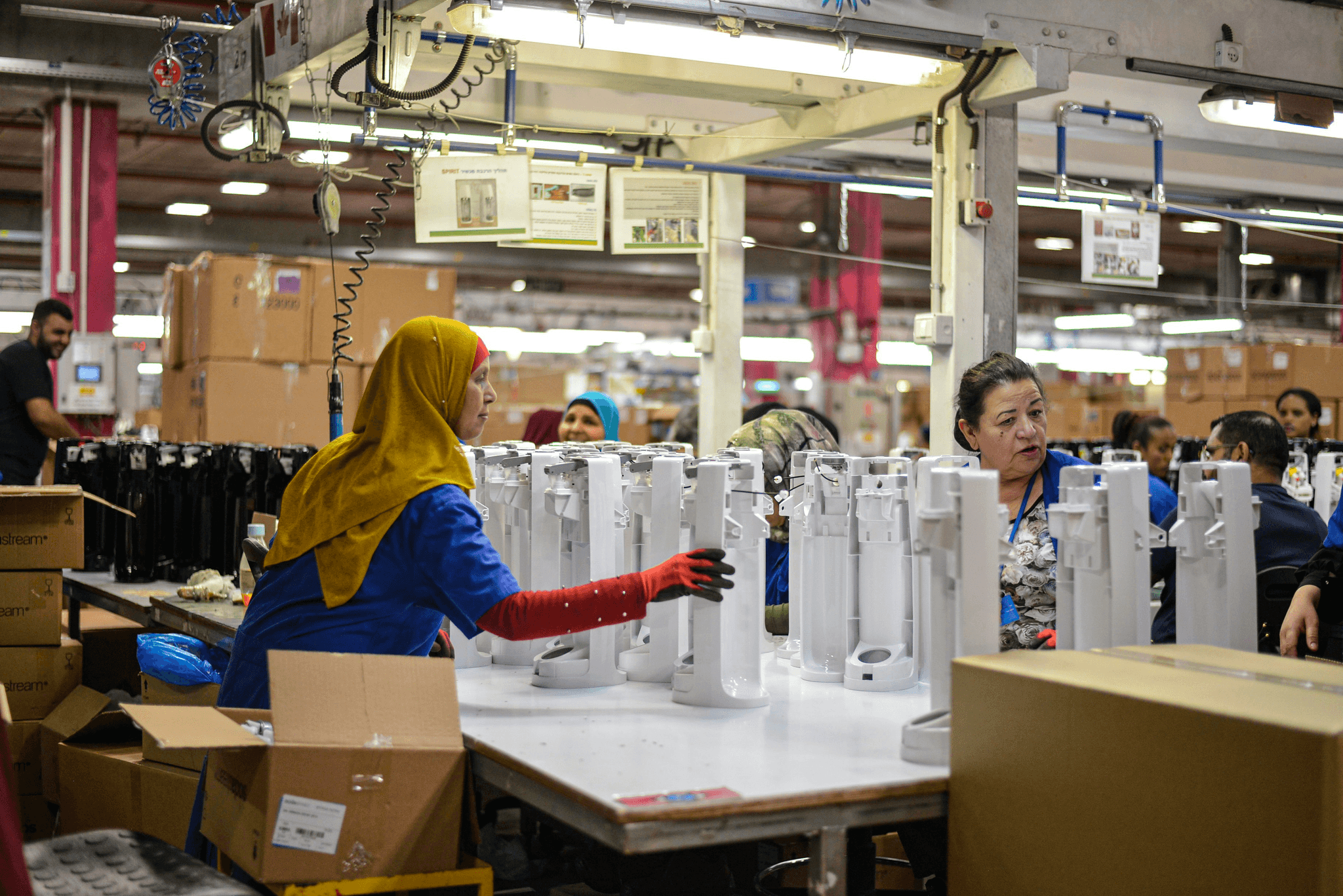
In the ever-evolving landscape of manufacturing, ensuring quality and compliance is paramount. A manufacturing audit serves as a crucial tool for businesses to evaluate their processes, products, and overall operational integrity. By understanding the nuances of a manufacturing audit, companies can significantly enhance their efficiency and product quality.
Understanding the Manufacturing Audit
A manufacturing audit is a systematic examination of various aspects within a production environment. This includes assessing processes, compliance with regulations, and product quality standards. The purpose is to identify areas for improvement while ensuring that operations align with industry benchmarks and customer expectations.
Importance of a Manufacturing Audit
Manufacturing audits play an essential role in safeguarding product quality and minimizing compliance risks. Regular audits help organizations maintain high standards, thereby boosting customer satisfaction and loyalty. Additionally, they provide insights into operational inefficiencies that can be optimized for better productivity.
Overview of Types of Audits
The types of audits in the manufacturing industry vary widely but generally include compliance audits, process audits, and product audits. Each type serves its unique purpose; for instance, compliance audits focus on adherence to regulations while process audits evaluate the effectiveness of manufacturing procedures. Understanding these distinctions allows companies to implement targeted strategies that enhance their overall audit effectiveness.
What is a Manufacturing Audit?

Manufacturing audits are systematic evaluations aimed at assessing the efficiency, compliance, and quality of manufacturing processes. These audits serve as a critical tool for organizations to ensure that their production practices align with industry standards and regulations. By identifying areas for improvement, a manufacturing audit can lead to enhanced product quality and operational efficiency.
Definition and Purpose
A manufacturing audit is defined as an in-depth examination of the production processes, practices, and systems within a manufacturing facility. The primary purpose of this audit is to evaluate whether the operations meet specific regulatory requirements, internal policies, and customer expectations. By utilizing a manufacturing audit checklist, auditors can systematically assess various aspects of the manufacturing process to ensure compliance and identify potential risks.
Key Objectives of a Manufacturing Audit
The key objectives of a manufacturing audit include evaluating adherence to safety regulations, assessing product quality standards, and identifying inefficiencies in the production process. Auditors aim to ensure that all aspects of the operation are functioning optimally while minimizing risks associated with non-compliance or poor-quality products. Additionally, by conducting regular audits—whether they focus on compliance audits or product audits—manufacturers can continuously improve their processes and maintain competitive advantages in the market.
Differences from Other Audits
Manufacturing audits differ from other types of audits in several significant ways. While financial audits primarily focus on monetary transactions and accounting practices, manufacturing audits delve into operational effectiveness and product integrity within production environments. Furthermore, unlike general compliance checks that might apply across various sectors, manufacturing process audits specifically target industry-related standards pertinent to production methods and material handling—making them essential for maintaining high-quality outputs tailored to customer needs.
The Manufacturing Audit Process

The manufacturing audit process is a structured approach that ensures compliance, efficiency, and quality within the production environment. By breaking down this process into three main phases—preparation, conducting the audit, and reporting findings—organizations can effectively assess their manufacturing practices. Each phase plays a crucial role in achieving the overall goals of the manufacturing audit.
Preparing for the Audit
Preparation is key to a successful manufacturing audit. This involves gathering relevant documentation, such as previous audit reports and standard operating procedures, to understand existing processes and compliance levels. Additionally, creating a comprehensive manufacturing audit checklist helps streamline the preparation phase by ensuring that all necessary aspects are covered before the actual audit begins.
During this stage, it's essential to communicate with all relevant stakeholders about the upcoming audit. This includes informing team members about their roles and responsibilities while encouraging them to review their areas of focus related to different types of audits in the manufacturing industry. A well-prepared team can significantly enhance the effectiveness of both the process and product audits that follow.
Lastly, setting clear objectives for what you aim to achieve from the manufacturing process audit is critical. Whether it’s identifying inefficiencies or ensuring adherence to safety regulations, having defined goals will guide your actions throughout each step of the auditing process.
Conducting the Audit
The actual execution of a manufacturing audit requires careful observation and analysis of operations on-site. Auditors should utilize their prepared checklist during this phase to ensure all critical areas are evaluated thoroughly—from equipment performance to employee adherence to safety protocols. It's important that auditors maintain an objective stance while collecting data; bias can skew results and undermine trust in findings.
Engaging with employees during audits can provide valuable insights into daily operations and potential challenges they face. By fostering open communication during product audits or other types of audits in manufacturing industry settings, auditors can uncover hidden issues that may not be evident through documentation alone. This collaborative approach not only enhances data collection but also promotes a culture of continuous improvement within teams.
After completing observations, auditors will compile their findings for analysis later on; however, it’s vital they document any immediate concerns that require urgent attention right away during this phase as well.
Reporting Findings
Once an auditing session concludes, reporting findings becomes paramount for driving improvement actions within an organization’s production processes. The report should clearly outline both strengths identified during audits as well as areas needing enhancement based on established benchmarks from your manufacturing audit checklist or industry standards alike.
When drafting reports for various types of audits in the manufacturing industry—such as compliance or product audits—it’s essential they are detailed yet concise enough for stakeholders at all levels to understand easily without getting lost in jargon-heavy language or excessive technicalities! Clear recommendations based on observed issues will help management prioritize corrective actions effectively moving forward too!
Finally—and perhaps most importantly—sharing these insights with relevant teams fosters accountability while encouraging ongoing dialogue about quality assurance practices across departments involved throughout future iterations of any upcoming audits! After all: continuous improvement is what we’re really aiming for here!
Types of Audits in the Manufacturing Industry
In the diverse landscape of manufacturing, audits play a crucial role in ensuring that processes, products, and compliance standards are met. Understanding the various types of audits in the manufacturing industry can help organizations identify areas for improvement and maintain high-quality standards. Each type of audit serves a specific purpose and contributes to the overall efficiency and effectiveness of manufacturing operations.
Compliance Audits
Compliance audits are essential for verifying that manufacturing processes adhere to regulations and industry standards. These audits focus on ensuring that all operational practices meet legal requirements, safety protocols, and quality benchmarks set by governing bodies. By implementing a comprehensive manufacturing audit checklist during compliance audits, companies can systematically evaluate their adherence to necessary guidelines.
The primary objective of compliance audits is to minimize risks associated with non-compliance, which can lead to financial penalties or reputational damage. Regular compliance checks not only safeguard against potential violations but also foster a culture of accountability within organizations. Ultimately, these audits provide stakeholders with confidence that their manufacturing practices are sound and responsible.
Process Audits
Process audits delve into the efficiency and effectiveness of specific manufacturing processes, aiming to identify bottlenecks or inefficiencies that could hinder productivity. These audits assess how well each step in the production line aligns with established protocols outlined in the manufacturing audit checklist. By examining workflows closely, organizations can uncover opportunities for improvement that enhance overall performance.
During a process audit, evaluators analyze various elements such as equipment utilization, employee performance, and adherence to standard operating procedures (SOPs). The insights gained from these assessments help manufacturers streamline operations and reduce waste while boosting output quality. As a result, process audits become invaluable tools for maintaining competitiveness in an ever-evolving market landscape.
Product Audits
Product audits focus specifically on finished goods to ensure they meet predetermined quality standards before reaching customers or entering distribution channels. This type of audit examines product specifications against actual outputs through rigorous testing and inspection methodologies outlined by a robust manufacturing audit checklist. By conducting regular product audits, manufacturers can quickly identify defects or inconsistencies that could affect customer satisfaction.
The significance of product audits cannot be overstated; they serve as critical checkpoints in maintaining product excellence throughout the supply chain process. Companies like China Inspection Pro specialize in delivering professional services focused on ensuring every item meets or exceeds industry standards through thorough examination processes. With actionable recommendations derived from these findings, businesses can make informed decisions about quality enhancements while safeguarding their reputation among consumers.
The Role of a Manufacturing Audit Checklist

A manufacturing audit checklist serves as an indispensable tool in ensuring that audits are thorough and systematic. This checklist not only streamlines the audit process but also enhances the accuracy of findings during various types of audits in the manufacturing industry. By having a structured approach, organizations can maintain high standards and ensure compliance with industry regulations.
Essential Elements of the Checklist
An effective manufacturing audit checklist should include several key elements that address critical aspects of the audit process. First, it should cover compliance requirements to ensure all regulatory standards are met during the manufacturing process audit. Additionally, it must incorporate quality control measures, such as product specifications and testing criteria, to guarantee that products meet established benchmarks.
Moreover, including sections for documenting observations and non-conformities is vital for tracking issues that arise during the audit. Each item on the checklist should be clear and actionable to facilitate easy understanding and implementation by auditors. By focusing on these essential elements, companies can create a robust manufacturing audit checklist that drives meaningful improvements.
How to Create an Effective Checklist
Creating an effective manufacturing audit checklist begins with identifying specific objectives tailored to your organization’s needs. Start by reviewing past audits and pinpointing areas where improvements are necessary; this will help you tailor your checklist to address specific challenges encountered in previous audits or product audits. Engaging stakeholders from different departments can also provide valuable insights into what should be included in the checklist.
Next, organize the checklist logically; group related items together to enhance usability during audits. It’s crucial to ensure that each item is measurable so auditors can easily assess compliance levels or identify gaps in processes efficiently. Finally, regularly review and update your checklist based on new regulations or internal changes within your organization; this ensures its continued relevance and effectiveness over time.
Integrating the Checklist into Audits
Integrating a manufacturing audit checklist into your auditing processes is essential for maximizing its benefits during different types of audits in the manufacturing industry. Begin by training all relevant personnel on how to use the checklist effectively; this will foster consistency across various teams conducting audits. Incorporate it as a standard operating procedure so that every auditor understands its importance and applies it diligently.
During actual audits—whether they be compliance audits or product audits—encourage auditors to refer back to their checklists frequently as they gather data and perform evaluations. This practice not only helps maintain focus but also ensures no critical areas are overlooked during assessments of production practices or quality assurance measures. After completing an audit, review findings alongside entries from the checklist; this allows for comprehensive analysis while providing clarity on any discrepancies identified throughout the process.
By utilizing a well-structured manufacturing audit checklist effectively within your auditing framework, you’ll enhance overall efficiency while ensuring adherence to best practices across all facets of production operations—ultimately leading towards better quality outcomes.
Benefits of Regular Manufacturing Audits
Manufacturing audits are essential for maintaining high standards in production processes. Regularly conducting these audits can yield significant benefits that enhance product quality, minimize compliance risks, and optimize manufacturing efficiency. By leveraging a manufacturing audit checklist, organizations can systematically evaluate their operations and implement necessary improvements.
Enhancing Product Quality
One of the primary benefits of regular manufacturing audits is the enhancement of product quality. By employing a detailed manufacturing audit checklist, companies can identify areas where quality may be compromised during the manufacturing process. This proactive approach helps ensure that products meet or exceed industry standards, ultimately leading to greater customer satisfaction and loyalty.
Incorporating product audits into the overall audit strategy allows for thorough inspections at various stages of production. These assessments not only highlight defects but also provide insights into potential improvements in processes and materials used. As a result, businesses can refine their manufacturing practices to produce higher-quality products consistently.
Moreover, enhancing product quality through regular audits fosters a culture of excellence within the organization. Employees become more aware of quality standards and are encouraged to take ownership of their roles in maintaining those standards throughout the entire manufacturing process.
Minimizing Compliance Risks
Compliance with industry regulations is crucial for any manufacturing business to avoid costly penalties and reputational damage. Regular manufacturing audits play an instrumental role in minimizing compliance risks by ensuring adherence to relevant laws and standards in the manufacturing industry. Utilizing a comprehensive checklist during these audits helps organizations stay on track with regulatory requirements.
By identifying non-compliance issues early on through systematic evaluations like compliance audits, businesses can take corrective actions before problems escalate into larger concerns that could derail operations or lead to legal ramifications. This proactive stance not only protects the company but also enhances its credibility with customers and stakeholders alike.
Additionally, partnering with experts like China Inspection Pro can further bolster compliance efforts by providing specialized knowledge about local regulations and best practices in the industry. Their rigorous examination processes help ensure that all aspects of compliance are meticulously addressed, allowing companies to focus on what they do best—manufacturing high-quality products.
Optimizing Manufacturing Efficiency
Regular manufacturing audits significantly contribute to optimizing operational efficiency within production facilities. By analyzing workflows through methods like process audits, organizations can identify bottlenecks or inefficiencies that may be hindering productivity levels. Addressing these issues leads to smoother operations and ultimately reduces costs associated with wasted time or resources.
The insights gained from conducting thorough product audits allow manufacturers to refine their processes continuously based on real data rather than assumptions or guesswork alone. With improved efficiency comes increased output without sacrificing quality—a win-win situation for any manufacturer striving for excellence.
Furthermore, embracing an ongoing audit culture encourages teams to innovate and seek new efficiencies actively within their roles—transforming employees from mere operators into proactive contributors toward organizational success! In this way, regular auditing becomes not just a task but an integral part of strategic growth initiatives across all sectors within the types of audit in the manufacturing industry.
Conclusion
In summary, manufacturing audits are essential tools that help organizations maintain quality and compliance while optimizing their production processes. By understanding the different types of audits in the manufacturing industry, businesses can tailor their strategies to meet specific objectives and enhance overall operational efficiency. Utilizing a comprehensive manufacturing audit checklist ensures that no critical aspect is overlooked during the audit process.
Key Takeaways on Manufacturing Audits
Manufacturing audits serve as a critical mechanism for ensuring product quality and compliance with industry standards. The key objectives include identifying inefficiencies, assessing adherence to regulations, and providing actionable insights for improvement. By leveraging various types of audits—such as compliance, process, and product audits—companies can effectively monitor their operations and drive continuous improvement.
Future Trends in Manufacturing Audits
As technology continues to evolve, so too will the methodologies employed in manufacturing audits. The integration of automation and data analytics promises to streamline the auditing process, making it more efficient and accurate than ever before. Additionally, companies will increasingly rely on specialized partners like China Inspection Pro to navigate complex regulatory landscapes while ensuring that products not only meet but exceed market expectations.
Partnering with Experts like China Inspection Pro
Collaborating with experts such as China Inspection Pro can significantly enhance the effectiveness of your manufacturing audit efforts. Their professional services focus on delivering product excellence through rigorous examination and actionable recommendations that elevate quality standards across your operations. With deep experience in various types of audits in the manufacturing industry, they provide invaluable guidance that helps companies overcome challenges while maintaining compliance.