
Introduction
In the ever-evolving world of manufacturing, understanding Factory Acceptance Testing (FAT) is crucial for ensuring that products meet specified requirements before they leave the factory floor. So, what does FAT stand for in manufacturing? It refers to a systematic process where equipment and systems are tested at the manufacturer’s facility to confirm functionality and compliance with design specifications. This proactive approach not only helps in identifying potential issues early but also sets the stage for smoother installation and operation down the line.
The importance of FAT in manufacturing cannot be overstated. By executing a thorough FAT, companies can significantly reduce risks associated with product failures post-installation, which can lead to costly downtimes and repairs. Additionally, implementing a robust testing plan before deployment ensures that manufacturers deliver high-quality products that meet customer expectations while adhering to industry standards.
Key players in the FAT process include engineers, quality assurance teams, and project managers who work collaboratively to execute an effective Factory Acceptance Test Protocol. These professionals coordinate efforts across engineering and materials documentation to ensure all aspects of the testing are covered comprehensively. When everyone is on the same page during FAT planning, it leads to successful outcomes that benefit both manufacturers and end-users alike.
What Is Factory Acceptance Testing?

Factory Acceptance Testing (FAT) is a crucial process in the manufacturing landscape that ensures equipment and systems meet specified requirements before they are shipped to the installation site. This testing phase serves as a final check, allowing manufacturers to validate the performance, functionality, and compliance of their products. By conducting FAT, companies can identify potential issues early on, reducing risks associated with deployment.
Definition of Factory Acceptance Testing
So, what does FAT stand for in manufacturing? Factory Acceptance Testing refers to a systematic evaluation conducted at the manufacturer's facility prior to equipment delivery. The primary aim is to verify that all components operate according to predetermined specifications and standards. This testing phase not only confirms product functionality but also enhances customer confidence in the quality and reliability of the equipment being produced.
Scope of Testing in Manufacturing
The scope of Factory Acceptance Testing encompasses various aspects of product performance, including software functionality, hardware integrity, safety protocols, and compliance with industry regulations. During this phase, engineers assess whether each component works seamlessly within the overall system architecture. By ensuring thorough testing across different parameters, manufacturers can mitigate post-deployment issues that could disrupt operations.
Typical Industries Utilizing FAT
Factory Acceptance Testing is not limited to one particular sector; rather, it spans multiple industries including aerospace, automotive, pharmaceuticals, oil and gas, and food processing. Each industry has its unique requirements for FAT based on regulatory standards and operational demands. For instance, pharmaceutical companies may focus on stringent compliance checks due to health regulations while automotive manufacturers look for efficiency and safety validations during their FAT processes.
Purpose of a Factory Acceptance Test

Factory Acceptance Testing, or FAT, serves several critical purposes in the manufacturing process. Understanding why FAT is essential can help organizations streamline their operations and enhance product quality. This section delves into the primary objectives of implementing a Factory Acceptance Test.
Ensuring Compliance with Specifications
One of the main purposes of a Factory Acceptance Test is to ensure compliance with specifications. What does FAT stand for in manufacturing? It stands for a systematic process that verifies whether equipment and systems meet predefined requirements before they are deployed on-site. By conducting these tests, manufacturers can confirm that all aspects of production align with industry standards and client expectations.
Compliance checks during FAT are crucial as they help identify any discrepancies early on, avoiding costly mistakes later in the installation process. If equipment fails to meet specifications during testing, adjustments can be made before it reaches the installation phase, ensuring that all parties are satisfied with the final product. Ultimately, this proactive approach minimizes potential issues and fosters trust between manufacturers and clients.
Reducing Risks Before Installation
Another vital purpose of a Factory Acceptance Test is risk reduction prior to installation. By identifying potential problems at this stage, companies can address them before they escalate into significant issues during actual deployment. This foresight is particularly important in complex manufacturing environments where errors can lead to delays and financial losses.
Conducting FAT allows teams to simulate real-world conditions without the pressures associated with live environments. With thorough testing protocols in place—such as those outlined in a Factory Acceptance Test Protocol—manufacturers can evaluate performance under various scenarios while ensuring that all components function seamlessly together. By mitigating risks ahead of time, organizations not only protect their investments but also enhance overall project efficiency.
Cost-Effectiveness of Pre-Deployment Testing
Lastly, one cannot overlook the cost-effectiveness associated with pre-deployment testing like Factory Acceptance Testing. Investing time and resources into rigorous FAT planning may seem daunting initially; however, it pays off significantly by preventing expensive rework or modifications after installation begins. The adage an ounce of prevention is worth a pound of cure rings especially true here.
By catching defects or non-compliance issues during FAT rather than post-installation, companies save substantial amounts on labor costs and materials needed for corrections down the line. Furthermore, efficient Engineering and Materials Documentation generated during these tests ensures that all stakeholders remain informed about each step taken throughout the process—a valuable asset when managing budgets or timelines effectively. In essence, embracing FAT translates into smarter spending decisions for manufacturers committed to quality assurance.
Is a Factory Acceptance Test Different from a Site Acceptance Test?
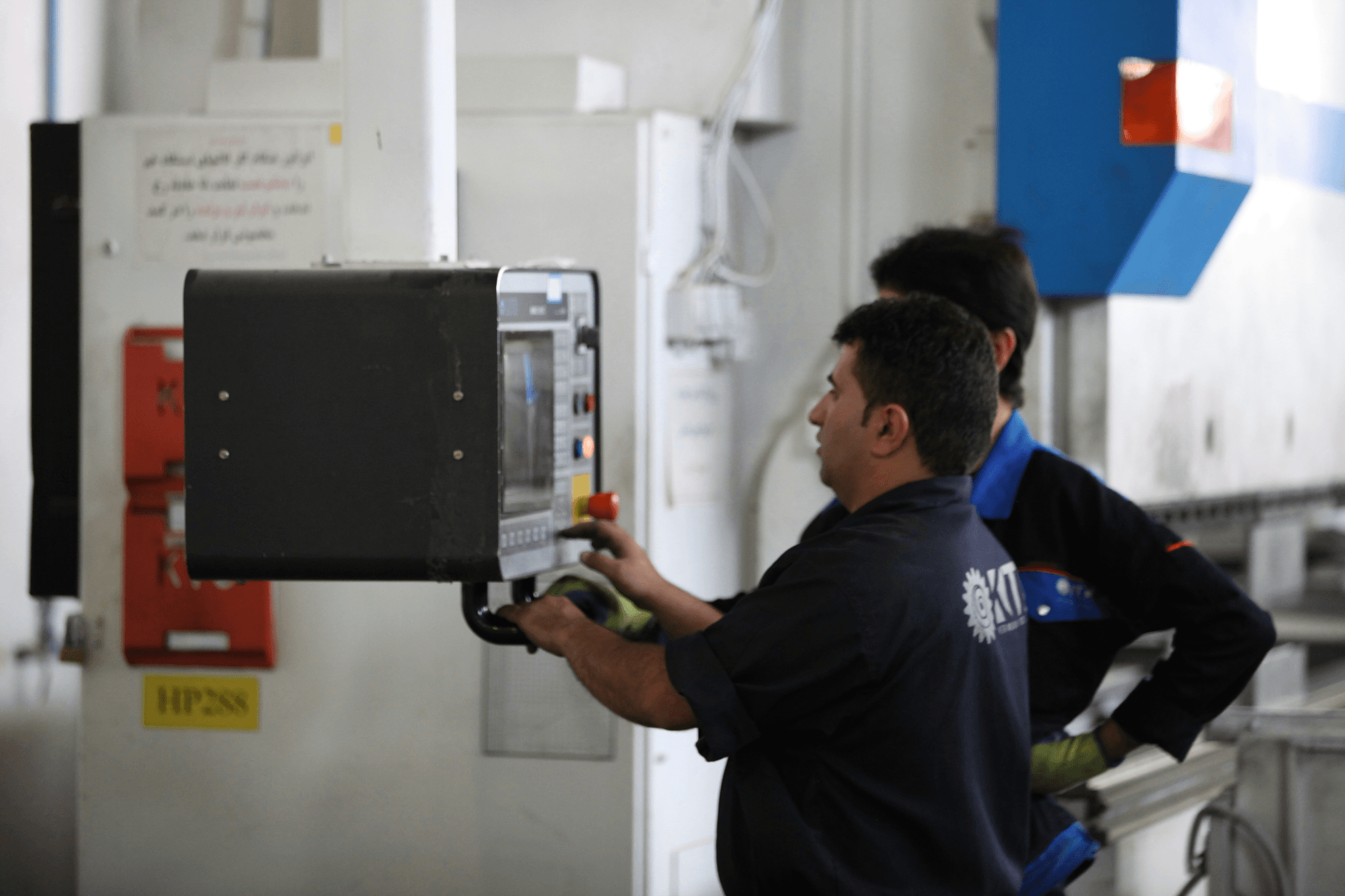
When diving into the world of manufacturing, one might wonder, What does FAT stand for in manufacturing? The acronym represents Factory Acceptance Testing, a crucial procedure that ensures equipment and systems meet specified requirements before being shipped to their final destination. In contrast, Site Acceptance Testing (SAT) occurs after installation at the final site and serves to confirm system functionality in its operational environment. Understanding these distinctions is essential for effective project management and risk mitigation.
Key Differences Explained
The primary difference between FAT and SAT lies in their timing and purpose. Factory Acceptance Testing occurs at the manufacturer's facility before equipment is shipped, focusing on verifying that all components function correctly according to design specifications. Conversely, Site Acceptance Testing takes place after installation at the client's site, ensuring that the system operates as intended within its actual environment—this includes factors such as local conditions and integration with existing systems.
Another key difference is who conducts these tests. FAT typically involves a collaboration between the manufacturer’s engineering team and client representatives to validate compliance with predetermined specifications outlined in the Factory Acceptance Test Protocol. On the other hand, SAT often includes end-users or operators who assess how well the system performs under real-world conditions. This distinction not only highlights different testing environments but also emphasizes varying stakeholder involvement.
When to Use Each Type of Test
Understanding when to implement FAT versus SAT can significantly impact project success and efficiency. The Purpose of a Factory Acceptance Test is primarily preventive; it identifies potential issues before equipment deployment, thus reducing risks associated with malfunction during operation. If any problems are identified during FAT, they can be addressed while still at the factory—saving time and resources compared to dealing with issues post-installation.
On the flip side, Site Acceptance Testing is essential when ensuring that all components work seamlessly together in an actual operational setting after installation has been completed. This type of testing becomes particularly critical for complex systems where environmental variables may influence performance differently than anticipated during factory tests. By using both FAT and SAT strategically within a project timeline, manufacturers can ensure comprehensive validation of their systems.
Examples of FAT and SAT Scenarios
Consider a scenario involving an advanced manufacturing robot designed for automotive assembly lines; this situation exemplifies both types of testing effectively. During Factory Acceptance Testing (FAT), engineers would run simulations to ensure all robotic functions align with design specifications set out in Engineering and Materials Documentation—this could involve checking software controls or mechanical movements before shipping it off to the client’s facility.
Once installed on-site at an automotive plant, Site Acceptance Testing (SAT) would occur where operators test how well this robot interacts with existing machinery under real production conditions—evaluating speed, precision, and integration capabilities within an assembly line setup. Such scenarios illustrate how each type of test plays its role: FAT focuses on verifying compliance against specifications while SAT confirms operational readiness in situ.
In summary, distinguishing between Factory Acceptance Tests (FAT) and Site Acceptance Tests (SAT) is vital for successful manufacturing processes; knowing when each should be used ensures thorough validation throughout production cycles while minimizing risks associated with equipment failures post-installation.
Factory Acceptance Test Protocol

Factory Acceptance Testing (FAT) is a crucial step in the manufacturing process, ensuring that equipment and systems meet specified requirements before being deployed on-site. A well-structured Factory Acceptance Test Protocol outlines the procedures, responsibilities, and documentation needed to carry out effective testing. Understanding the components of this protocol is essential for all stakeholders involved in FAT planning.
Components of a Standard FAT Protocol
A standard FAT protocol typically includes several key components that guide the testing process. First, it outlines the objectives of the test, which often include verifying compliance with specifications and identifying any potential issues before installation. Additionally, it includes detailed testing procedures that define how each component will be evaluated, such as performance metrics and safety standards.
Moreover, a comprehensive FAT protocol incorporates criteria for acceptance and rejection to ensure clarity in evaluating test results. This structured approach not only enhances accountability among team members but also streamlines communication regarding what does FAT stand for in manufacturing contexts. By adhering to these components, organizations can efficiently execute their Factory Acceptance Tests while minimizing risks associated with equipment deployment.
Documentation Requirements for FAT
Documentation is a vital aspect of Factory Acceptance Testing that supports transparency and traceability throughout the testing process. Essential documents include test plans outlining specific tests to be conducted, along with their respective objectives and methodologies—this is where Engineering and Materials documentation becomes indispensable. Additionally, records of test results must be meticulously maintained to provide evidence of compliance with specifications.
Furthermore, all stakeholders should ensure that any deviations from expected outcomes are documented thoroughly along with corrective actions taken during testing. This meticulous record-keeping not only aids in addressing issues but also serves as a reference point for future projects involving Factory Acceptance Tests or similar evaluations. Ultimately, proper documentation reinforces the integrity of the FAT process while clarifying its purpose within manufacturing operations.
Role of China Inspection Pro in FAT
China Inspection Pro plays an integral role in facilitating effective Factory Acceptance Testing by offering specialized services tailored to meet industry standards. Their expertise ensures that all aspects of the FAT protocol are adhered to meticulously—this includes everything from initial planning through execution and final reporting on test outcomes. With their support, organizations can navigate complex regulatory environments while maintaining high-quality standards throughout their production processes.
Moreover, China Inspection Pro’s involvement helps bridge communication gaps between manufacturers and clients by providing clear insights into what does FAT stand for in manufacturing terms as well as its significance within various industries. Their team works closely with engineering professionals to ensure all necessary Engineering and Materials documentation is accurately compiled and readily accessible during tests—ultimately leading to more efficient project timelines and successful deployments.
In conclusion, understanding Factory Acceptance Test Protocols is essential for anyone involved in manufacturing projects aiming for optimal performance while mitigating risks associated with equipment failures post-installation.
FAT Planning and Execution

Effective Factory Acceptance Testing (FAT) planning is crucial to ensure that the testing process is efficient, thorough, and meets all necessary standards. A well-structured FAT plan not only outlines the scope of testing but also defines roles, responsibilities, and timelines for all involved parties. By adhering to a systematic approach, manufacturers can avoid common pitfalls and ensure that their equipment meets specifications before it even leaves the factory.
Steps for Effective FAT Planning
To kick off the FAT planning process, it's essential to define clear objectives based on what does FAT stand for in manufacturing: ensuring compliance with specifications and functionality. The first step involves gathering all relevant documentation, including engineering designs and materials specifications, which will serve as a reference throughout the testing phase. Next, stakeholders should create a detailed testing schedule that outlines specific tests to be conducted, who will conduct them, and expected timelines for completion.
Once the initial plan is in place, it’s time to conduct risk assessments to identify potential issues that could arise during testing or installation. This proactive approach helps mitigate risks associated with non-compliance or equipment failure later on. Additionally, regular reviews of the FAT plan with all stakeholders will help maintain alignment and ensure everyone understands their roles—ultimately leading to smoother execution.
Coordination Among Engineering and Materials Teams
Successful Factory Acceptance Testing hinges on seamless coordination between engineering teams and materials management teams. When both departments work together effectively, they can ensure that Engineering and Materials Documentation aligns with project requirements and facilitates comprehensive testing procedures. This collaboration fosters an environment where concerns can be addressed promptly—whether they relate to design flaws or material discrepancies.
Moreover, ongoing communication between these teams allows them to adapt quickly if any issues arise during the FAT process itself. For example, if a component fails during initial tests due to material quality issues identified by the materials team, engineers can quickly pivot towards alternative solutions without derailing overall progress. Ultimately, this teamwork enhances efficiency while minimizing delays related to re-testing or modifications after installation.
Real-World Case Studies
Real-world case studies illustrate how effective FAT planning can significantly impact project outcomes in various industries utilizing Factory Acceptance Testing protocols. One notable example comes from an aerospace manufacturer who implemented rigorous FAT procedures before deploying new aircraft systems into service. By conducting extensive pre-deployment tests based on defined protocols—including both functional assessments and compliance checks—they were able to reduce installation-related errors by over 30%.
Another case study highlights a pharmaceutical company that faced challenges with regulatory compliance due to inadequate pre-testing measures prior to site acceptance tests (SAT). After adopting a more structured approach towards their Factory Acceptance Test Protocols—including thorough documentation practices—the company successfully passed subsequent audits without any major findings related to equipment performance or safety concerns.
These examples showcase not only how critical effective FAT planning is but also demonstrate its role in achieving operational excellence across diverse sectors—proving once again why understanding what does fat stand for in manufacturing matters so much!
Conclusion
In summary, Factory Acceptance Testing (FAT) plays a pivotal role in modern manufacturing processes. By ensuring compliance with specifications and reducing risks before installation, FAT serves as a vital checkpoint that can save companies both time and money. As industries increasingly rely on automation and complex systems, the importance of rigorous testing cannot be overstated.
Benefits of Implementing FAT
The benefits of implementing FAT are manifold. First and foremost, it ensures that the equipment meets all specified requirements before it is shipped to the installation site; this directly ties back to understanding what does FAT stand for in manufacturing: a safeguard against costly errors. Additionally, by identifying potential issues early on through a well-structured Factory Acceptance Test Protocol, manufacturers can avoid delays during installation and minimize downtime.
Moreover, the cost-effectiveness of pre-deployment testing cannot be ignored; addressing problems at the factory level is significantly cheaper than rectifying them post-installation. With effective FAT planning, teams can coordinate seamlessly across engineering and materials documentation to ensure that every detail is accounted for before equipment deployment. Ultimately, implementing FAT enhances product reliability and customer satisfaction while fostering trust between manufacturers and clients.
Challenges in Factory Acceptance Testing
Despite its benefits, Factory Acceptance Testing comes with its own set of challenges. For one, coordinating among different stakeholders—engineers, quality assurance teams, and suppliers—can lead to miscommunication or delays if not managed effectively during the FAT planning phase. Moreover, ensuring comprehensive Engineering and Materials Documentation can sometimes become overwhelming due to varying standards across industries.
Another challenge lies in resource allocation; dedicating time for thorough testing may conflict with tight production schedules or budget constraints. Additionally, not all organizations fully understand what does FAT stand for in manufacturing or its critical role in risk mitigation which can lead to underestimating its importance in overall project success. Addressing these challenges requires strategic planning and commitment from all parties involved.
The Future of Testing in Manufacturing
Looking ahead, the future of testing in manufacturing appears promising yet complex as new technologies emerge at an unprecedented pace. Automation will likely enhance efficiency during Factory Acceptance Testing by streamlining procedures through advanced software solutions that facilitate real-time data analysis based on predefined criteria from What Is Factory Acceptance Testing? This could revolutionize how we approach both FATs and Site Acceptance Tests (SATs), making them faster and more reliable.
Moreover, as industries adapt to changing market demands—such as sustainability—there will be an increased focus on integrating environmentally friendly practices into testing protocols including energy efficiency evaluations within the scope of Purpose of a Factory Acceptance Test processes. The distinction between Is a Factory Acceptance Test Different from a Site Acceptance Test? may also blur as hybrid models emerge that leverage both methods for optimal results.
In conclusion, embracing innovative approaches while staying committed to rigorous standards will shape the landscape of manufacturing testing moving forward—ensuring products not only meet but exceed expectations across various sectors.