
Introduction
Ensuring the safety and reliability of lighters starts with thorough on-site testing. Accurate Lighter On-site Tests are essential to catch potential issues early, saving manufacturers from costly recalls and protecting consumers from hazards. When it comes to lighter safety, skipping or rushing these tests can lead to dangerous malfunctions that could have been easily prevented.
Quality inspection plays a pivotal role in confirming that each lighter meets strict standards before hitting the shelves. Techniques like Switch and flame adjuster check help identify adjustment flaws, while full function testing for lighters ensures all features operate smoothly. These meticulous inspections help build trust in the product and minimize the risk of customer complaints or safety incidents.
Stringent testing is not just about compliance; it’s about safeguarding consumers’ well-being. The continuity burning test verifies consistent flame performance over time, preventing unexpected fire hazards. Incorporating aging tests for lighters and switch life tests for lighters guarantees long-term durability, making sure your product remains safe and functional even after prolonged use.
Switch and Flame Adjuster Check
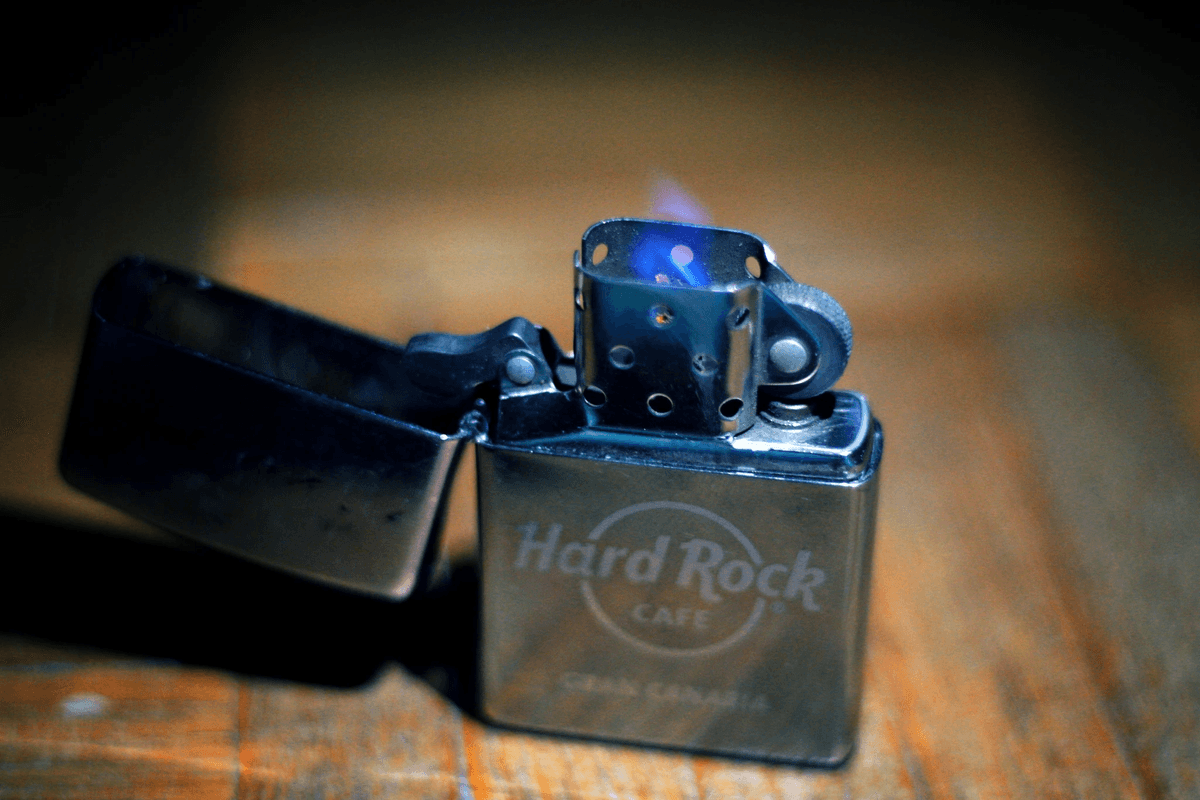
The switch and flame adjuster check is a critical step in Lighter On-site Tests, ensuring each lighter performs reliably before reaching consumers. During this process, inspectors meticulously examine the adjustment mechanisms to confirm they operate smoothly without slipping or sticking. This part of full function testing for lighters helps identify any faulty components that could compromise safety or usability.
A properly functioning switch and flame adjuster are vital for consistent ignition performance, which directly impacts user satisfaction. By conducting thorough on-site tests, manufacturers can detect issues early—saving time and avoiding costly recalls later. Incorporating the switch life test for lighters into this process further assesses durability under repeated use, guaranteeing long-term reliability.
Verifying flame stability and safety is also paramount during the switch and flame adjuster check. Inspectors simulate various conditions to ensure the flame remains steady without flickering or extinguishing unexpectedly. These steps are essential parts of comprehensive continuity burning tests, which assess how well the lighter maintains a consistent flame over time—crucial for consumer confidence.
Full Function Testing for Lighters
Full function testing for lighters is an essential step to ensure every aspect of the product performs flawlessly before reaching consumers. During this process, technicians simulate real-world usage scenarios to verify that all features work as intended. This comprehensive approach helps identify potential issues that might otherwise slip through, such as faulty switches or flame adjusters, which are crucial components assessed during lighter on-site tests.
Switch and flame adjuster check are integral parts of full function testing for lighters. By meticulously examining these mechanisms, inspectors confirm that the ignition system is reliable and safe under various conditions. Detecting problems early with lighter on-site tests prevents defective units from shipping out, safeguarding consumer safety and brand reputation.
The continuity burning test is also incorporated into full function testing for lighters to evaluate flame consistency over time. This step ensures that each lighter maintains a steady flame during prolonged use, reducing fire hazards linked to unstable flames. Incorporating this test into your quality inspection routine highlights the importance of thorough lighter on-site tests in delivering a dependable product.
Continuity Burning Test

The continuity burning test is a crucial step in the Lighter On-site Tests process, ensuring that every lighter can sustain a consistent flame over an extended period. This test helps identify potential issues with flame stability before the product hits the shelves, saving manufacturers from costly recalls and safety hazards. By integrating this step into full function testing for lighters, brands can confidently deliver reliable products that meet safety standards.
During the continuity burning test, technicians simulate real-world usage scenarios to verify that the lighter maintains a steady flame without flickering or extinguishing unexpectedly. This process involves monitoring the flame over time and checking for any irregularities that could indicate faulty components or design flaws. Conducting this test as part of switch and flame adjuster check ensures all mechanisms work harmoniously to produce a safe, reliable ignition every time.
Preventing unexpected fire hazards is at the heart of conducting thorough continuity burning tests during on-site inspections. A lighter that fails this test may pose serious risks if it cannot sustain a controlled flame during normal use. Incorporating this into full function testing for lighters guarantees that consumers receive products with predictable performance and enhanced safety features, including robust switch life and aging resistance.
Aging Test for Lighters
Understanding the aging test for lighters is crucial when considering Lighter On-site Tests, as it simulates how a lighter performs over time. During this process, the lighter undergoes conditions that mimic long-term usage, helping inspectors identify potential issues before products hit the shelves. This step ensures that only durable and safe lighters pass through quality inspection.
Over time, materials in a lighter can degrade due to exposure to heat, moisture, or repeated use. The aging test for lighters detects material degradation that might compromise safety or functionality, such as cracks in the casing or weakening of internal components. Incorporating this into full function testing for lighters guarantees that every product maintains its integrity throughout its lifespan.
Performing an aging test is vital for guaranteeing product longevity and safety, especially when combined with switch and flame adjuster check and switch life test for lighters. These tests help ensure that the lighter remains reliable after extended use, reducing customer complaints and safety hazards. Ultimately, comprehensive aging testing forms a cornerstone of effective quality inspection practices to deliver high-quality products.
Switch Life Test for Lighters
Ensuring the durability of a lighter’s switch is crucial for both safety and customer satisfaction. The switch life test for lighters involves rigorous assessments to simulate thousands of on/off cycles, revealing how well the switch withstands repeated use over time. Incorporating Lighter On-site Tests that focus on switch durability helps manufacturers identify potential failure points before products reach consumers, ultimately reducing returns and enhancing brand reputation.
Measuring Switch Durability Under Repeated Use
The switch and flame adjuster check forms the backbone of the switch life test for lighters, as it evaluates how many times the switch can be toggled without malfunctioning. During full function testing for lighters, each unit undergoes simulated repeated activation to mimic real-world usage patterns, ensuring consistent performance. Conducting these Lighter On-site Tests allows inspectors to detect early signs of wear and tear risks that could compromise product safety or functionality.
Identifying Wear and Tear Risks
Wear and tear risks become evident through meticulous testing that examines the internal mechanisms of switches after numerous cycles. The aging test for lighters plays a vital role here, exposing materials that degrade prematurely under repeated operation—potentially leading to ignition failures or safety hazards. By integrating switch life tests into their quality inspection process, manufacturers can proactively address issues before shipment, maintaining high standards in their full function testing for lighters.
Extending Product Lifespan with Proven Testing
Proven testing methods like the switch life test not only improve product reliability but also extend the overall lifespan of lighters by pinpointing weak components early on. When combined with continuity burning tests—assessing flame stability over time—and aging tests for long-term performance insights, these evaluations form a comprehensive approach to quality assurance. Implementing regular Lighter On-site Tests ensures consumers receive durable products that stand up to daily use while minimizing safety concerns linked to faulty switches.
Conclusion
Choosing the right on-site tests for lighters is crucial to ensure safety, durability, and customer satisfaction. Implementing comprehensive Lighter On-site Tests—such as switch and flame adjuster check, full function testing for lighters, and continuity burning tests—helps identify potential issues early. By selecting the most effective testing procedures, manufacturers can confidently deliver products that meet quality standards and consumer expectations.
China Inspection Pro plays a pivotal role in enhancing product quality through meticulous testing processes. Their expertise in conducting switch and flame adjuster checks, aging tests for lighters, and switch life tests for lighters ensures each product withstands real-world use. Partnering with professionals who understand the nuances of Lighter On-site Tests guarantees reliable results that support brand reputation.
Making informed decisions with reliable results is essential in the competitive lighter market. Incorporating thorough on-site testing like full function testing for lighters and continuity burning tests helps detect hidden defects before shipment. This proactive approach minimizes recalls, enhances safety, and builds consumer trust—making your products stand out with confidence.