
Introduction
In today’s fast-paced and competitive marketplace, the significance of Incoming Quality Control cannot be overstated. It serves as the frontline defense against defects and inconsistencies, ensuring that products meet established standards before they enter production. By implementing effective quality assurance practices, businesses can safeguard their reputation while enhancing customer satisfaction.
The Role of Incoming Quality Control
Incoming Quality Control plays a pivotal role in the overall quality assurance process by meticulously inspecting materials and components prior to their integration into manufacturing. This proactive approach not only identifies potential issues early but also minimizes the risk of costly errors down the line. With a strong emphasis on quality inspection, companies can maintain high standards and foster trust with their clients.
Importance of Quality Assurance Across Industries
Quality assurance is a universal necessity that transcends various industries—from manufacturing to healthcare to food services. Each sector relies on robust quality control measures to ensure safety, reliability, and compliance with regulations. When organizations prioritize quality assurance and quality practices, they not only enhance operational efficiency but also gain a competitive edge in their respective markets.
How Quality Control Prevents Costly Mistakes
Implementing effective quality control mechanisms is essential for preventing costly mistakes that can arise from defective products or subpar services. By investing time and resources into thorough inspections, companies can avoid expensive recalls, rework costs, and damage to brand reputation. Ultimately, a strong focus on Incoming Quality Control translates into long-term savings and improved profitability for businesses.
What is Incoming Quality Control?
Incoming Quality Control (IQC) is a crucial component of the broader quality assurance framework in any industry. It involves the systematic inspection and evaluation of incoming materials, components, or products before they enter the production process. The primary purpose of IQC is to ensure that only items meeting established quality standards are utilized, thereby safeguarding the integrity of the final product.
Definition and Purpose of Incoming Quality Control
Incoming Quality Control refers to the processes and procedures employed to assess the quality of materials or products received from suppliers. The main objective is to identify defects or deviations from specifications early in the supply chain, which helps prevent costly rework or product failures later on. By implementing effective IQC practices, companies can enhance their overall quality assurance strategies and maintain high-quality standards throughout their operations.
The Process of Quality Inspection
The process of quality inspection in Incoming Quality Control typically begins with defining acceptance criteria based on specifications provided by the engineering team or industry standards. Once materials arrive at a facility, inspectors conduct visual checks, measurements, and various tests to determine if they meet these criteria. This thorough inspection process not only ensures compliance with quality control measures but also fosters a culture where quality assurance takes precedence over mere quantity.
Key Players in Quality Assurance
Quality assurance is a collaborative effort involving several key players within an organization and its supply chain partners. Typically, this includes quality control inspectors who perform hands-on evaluations, procurement teams responsible for sourcing materials that meet required standards, and management personnel who establish policies governing IQC practices. Each player contributes to building a robust framework for incoming quality control that ultimately enhances product reliability and customer satisfaction while reducing defects across all stages of production.
Benefits of Incoming Quality Control

Incoming Quality Control (IQC) plays a crucial role in ensuring that products meet established quality standards before they enter the production line. By meticulously inspecting materials and components, companies can catch potential issues early, thereby enhancing overall product reliability. This proactive approach not only fortifies quality assurance but also builds trust with customers who expect consistent quality.
Enhancing Product Reliability
When businesses implement Incoming Quality Control, they significantly enhance product reliability by ensuring that every component meets predefined specifications. Reliable products are less likely to fail, which translates into fewer returns and repairs—saving both time and resources for companies. Moreover, a robust quality assurance process instills confidence in consumers, fostering brand loyalty and repeat business.
Reducing Defects and Waste
Another critical benefit of Incoming Quality Control is its ability to reduce defects and waste throughout the manufacturing process. By catching subpar materials before they are used in production, companies can minimize the occurrence of defects that lead to costly rework or scrap. This not only streamlines operations but also contributes to sustainability efforts by reducing waste associated with faulty products.
Increasing Customer Satisfaction
Ultimately, effective Incoming Quality Control leads to increased customer satisfaction—a cornerstone of any successful business strategy. When customers receive high-quality products that perform as promised, their trust in a brand grows stronger, leading to positive reviews and referrals. In today’s competitive market, where quality assurance is paramount, businesses that prioritize IQC will stand out as leaders committed to excellence.
Incoming Quality Control Best Practices
When it comes to optimizing Incoming Quality Control, establishing best practices is essential. These practices not only enhance the quality assurance process but also ensure that products meet customer expectations consistently. By focusing on standardizing procedures, leveraging technology, and training employees effectively, businesses can significantly improve their quality control measures.
Standardizing Inspection Procedures
Standardizing inspection procedures is a cornerstone of an effective Incoming Quality Control system. When every team member follows the same protocols for quality inspection, it minimizes discrepancies and ensures that all products are evaluated against uniform criteria. This consistency in quality assurance leads to fewer defects slipping through the cracks and ultimately fosters a culture of accountability within the organization.
Moreover, standardized procedures allow for easier training of new employees, as they have clear guidelines to follow from day one. This clarity reduces confusion and promotes efficiency across teams tasked with maintaining quality assurance and quality control processes. In industries where precision is paramount, having a well-documented set of standards can be the difference between success and costly mistakes.
Utilizing Technology for Quality Assurance
In today's fast-paced world, utilizing technology for quality assurance is no longer optional; it's a necessity. Advanced tools such as automated inspection systems and data analytics software streamline the quality inspection process by providing real-time insights into product performance. These technologies not only enhance accuracy but also reduce human error—an essential factor in maintaining high standards in Incoming Quality Control.
Furthermore, integrating technology enables companies to track trends over time, allowing them to identify recurring issues before they escalate into larger problems. With predictive analytics at their disposal, organizations can proactively address potential defects and make informed decisions about their production processes. Embracing these technological advancements in quality control enhances overall operational efficiency while simultaneously boosting customer satisfaction.
Training Employees for Quality Control
No matter how robust your Incoming Quality Control system may be, its success hinges on well-trained employees who understand the importance of quality assurance and quality control principles. Investing in ongoing training programs empowers workers with the knowledge they need to perform effective inspections confidently and accurately. This investment pays off by reducing error rates and fostering a workplace culture where everyone prioritizes product integrity.
Training should cover not just technical skills related to specific inspection tools but also instill an understanding of why quality matters—both from a business perspective and customer satisfaction standpoint. Engaged employees who recognize their role in maintaining high-quality standards are more likely to take pride in their work and contribute positively towards achieving overall company goals related to incoming product inspections.
Ultimately, building a knowledgeable workforce around the principles of Incoming Quality Control strengthens an organization’s commitment to excellence across all levels.
Challenges in Implementing Quality Control
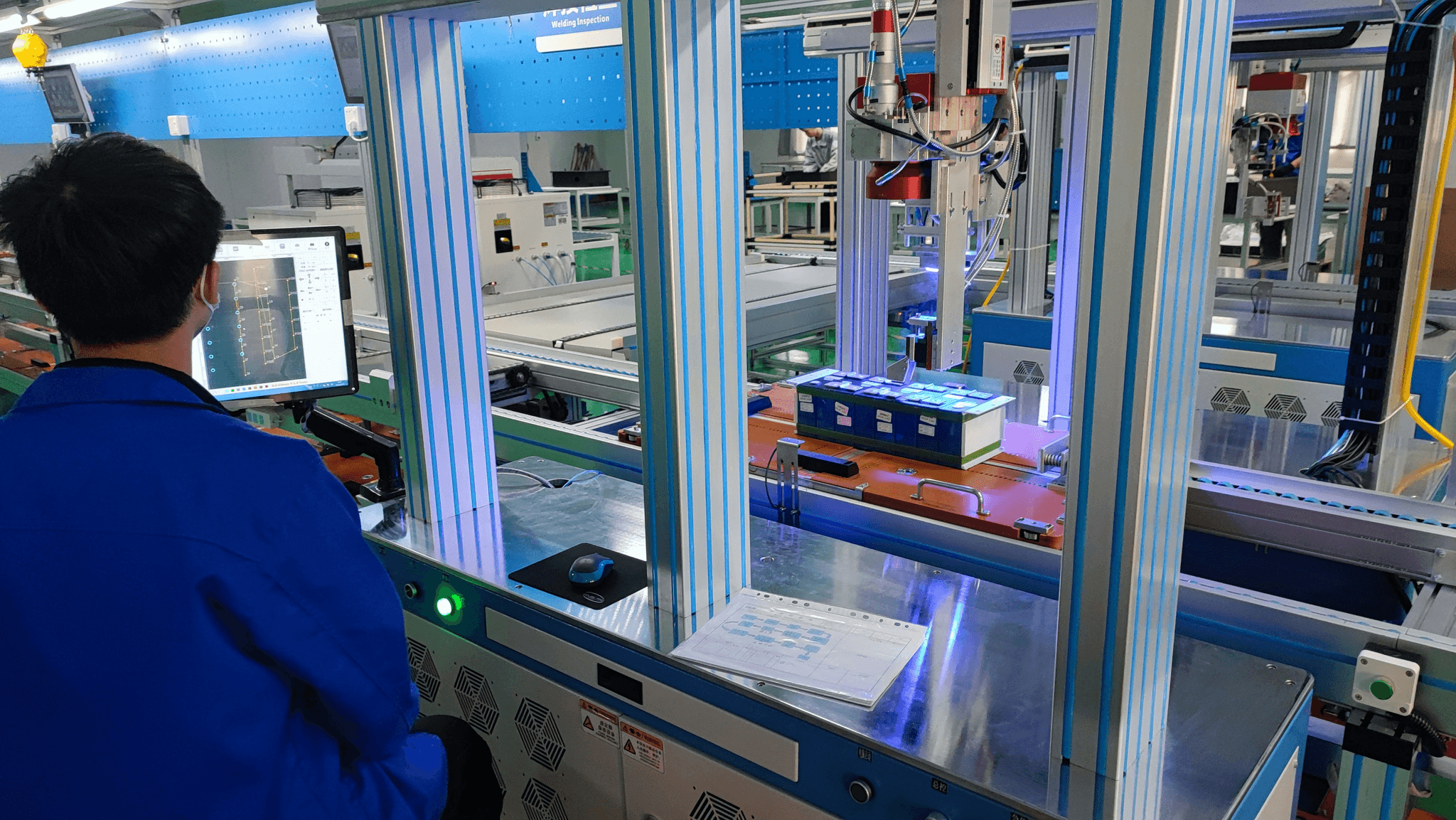
Implementing Incoming Quality Control can be a daunting task for many organizations. Despite the clear benefits of quality assurance, companies often face challenges that hinder their ability to maintain high standards. Identifying and addressing these issues is crucial for establishing effective quality control processes.
Common Pitfalls in Quality Inspection
One common pitfall in quality inspection is the lack of standardized procedures, which can lead to inconsistencies in how products are evaluated. Without a well-defined process, different inspectors may have varying interpretations of quality assurance criteria, resulting in unreliable outcomes. Additionally, inadequate training for employees involved in quality control can contribute to oversight and errors during inspections.
Another frequent challenge is underestimating the importance of communication between departments. When there is a disconnect between production teams and quality assurance personnel, critical information about product specifications may not be effectively shared. This lack of collaboration can result in defects slipping through the cracks and ultimately impacting customer satisfaction.
Finally, many organizations struggle with outdated technology that cannot keep pace with modern quality inspection demands. Relying on manual processes or obsolete equipment makes it difficult to accurately assess product quality and increases the likelihood of human error. Embracing new technologies is essential for enhancing efficiency and effectiveness within Incoming Quality Control.
Solutions to Overcome Quality Issues
To address these challenges, companies should prioritize developing standardized inspection procedures that all employees can follow consistently. By creating clear guidelines and checklists for quality inspection, organizations can ensure that everyone involved understands what constitutes acceptable quality assurance practices. This standardization not only minimizes discrepancies but also fosters accountability among team members.
Investing in employee training programs tailored to enhance skills related to Incoming Quality Control is another effective solution. Regular workshops or seminars focused on best practices for quality inspection will empower staff members with the knowledge they need to identify defects efficiently and accurately. Furthermore, fostering an environment where employees feel comfortable reporting potential issues can lead to proactive problem-solving.
Lastly, leveraging advanced technology such as automated inspection systems or data analytics tools will significantly improve the accuracy of quality control measures. These innovations allow for real-time monitoring of production processes while providing valuable insights into areas needing improvement within your organization's overall approach to quality assurance and quality management.
Case Studies of Quality Assurance Failures
Several high-profile cases illustrate the consequences of failing to implement effective Incoming Quality Control measures properly. One notable example involves a major automotive manufacturer whose oversight led to a significant recall due to defective airbags that posed safety risks for drivers and passengers alike. The lack of rigorous testing protocols during production resulted in costly litigation fees and damage to their reputation—a stark reminder that neglecting quality control can have dire consequences.
Another case centers around a food processing company that faced severe backlash after contaminated products made it onto supermarket shelves due to insufficient inspections at their facilities. The resulting health crisis not only harmed consumers but also led to extensive financial losses as well as regulatory scrutiny from health authorities—demonstrating how lapses in compliance with stringent food safety standards directly impact public trust.
These examples highlight how critical it is for businesses across industries—whether automotive or food processing—to prioritize robust Incoming Quality Control processes as part of their overall strategy towards achieving excellence through effective quality assurance initiatives.
The Future of Incoming Quality Control
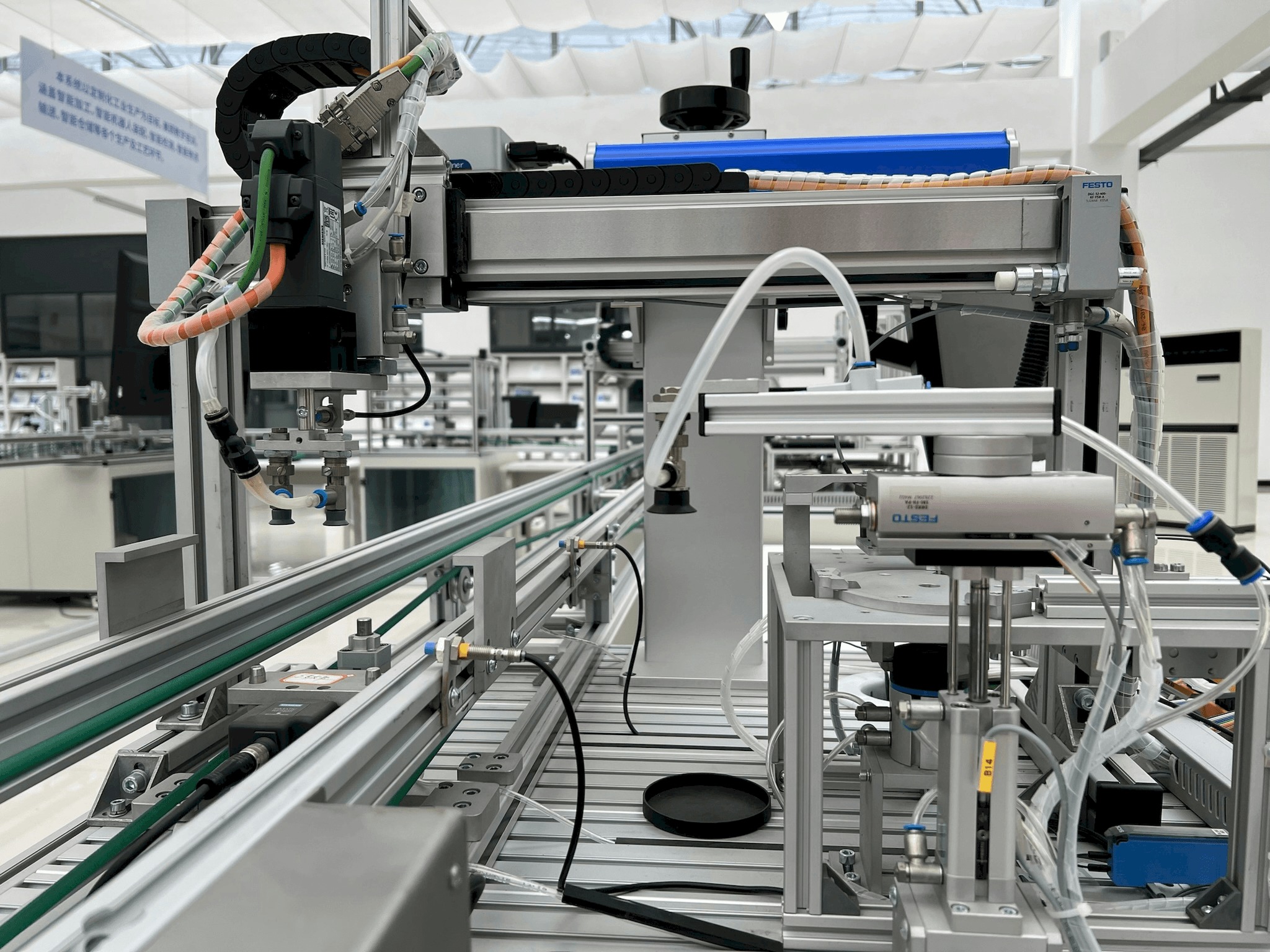
As industries evolve, so too does the approach to Incoming Quality Control (IQC). Innovations in technology and methodologies are shaping the landscape of quality assurance, making it more efficient and effective. Organizations that embrace these changes will likely gain a competitive edge by enhancing their quality assurance processes.
Innovations in Quality Control Technology
The advent of advanced technologies such as artificial intelligence (AI) and machine learning is revolutionizing quality control practices. These innovations enable real-time quality inspection, allowing businesses to detect defects faster than ever before. With data analytics, companies can identify patterns in quality issues, leading to proactive solutions that bolster overall product reliability.
Moreover, automation tools are streamlining the inspection process, reducing human error and increasing efficiency in Incoming Quality Control. Drones and robotics are being employed for complex inspections that were once labor-intensive and time-consuming. As these technologies continue to develop, they promise to further enhance the effectiveness of quality assurance across various industries.
Emerging Trends in Quality Assurance
Quality assurance is witnessing several emerging trends that reflect a shift toward more integrated approaches. One notable trend is the move towards predictive analytics in quality control; organizations are harnessing historical data to forecast potential defects before they occur. This proactive stance not only minimizes waste but also significantly reduces costs associated with rework.
Another trend gaining traction is the emphasis on sustainability within quality assurance practices. Companies are increasingly focusing on eco-friendly materials and processes as part of their commitment to corporate social responsibility (CSR). By aligning their Incoming Quality Control efforts with sustainable practices, organizations can improve their brand image while ensuring high-quality products.
The Role of Companies like China Inspection Pro
Companies like China Inspection Pro play a pivotal role in advancing Incoming Quality Control standards globally. They provide essential services such as comprehensive inspections and audits tailored for various industries seeking robust quality assurance solutions. By leveraging their expertise, businesses can navigate complex supply chains while maintaining high levels of product integrity.
Furthermore, partnerships with firms specializing in quality inspection help companies stay ahead of regulatory requirements and market expectations. With an emphasis on transparency and accountability, these partnerships foster trust between manufacturers and consumers alike—essentially enhancing overall customer satisfaction through reliable products. As we look toward the future, organizations must prioritize collaboration with trusted partners like China Inspection Pro to ensure continued success in their quality assurance endeavors.
Conclusion

In the grand tapestry of business operations, Incoming Quality Control (IQC) serves as a vital thread that weaves together reliability, efficiency, and customer satisfaction. The lasting impact of quality control cannot be overstated; it not only prevents costly errors but also fosters a culture of excellence that resonates throughout an organization. As industries evolve, the importance of quality assurance remains steadfast, ensuring that products meet rigorous standards and expectations.
The Lasting Impact of Quality Control
The legacy of effective Incoming Quality Control is evident in the enhanced reputation companies build over time. When organizations prioritize quality assurance, they create a ripple effect—reducing defects and waste while boosting overall productivity. This commitment to quality not only safeguards resources but also fortifies customer loyalty, proving that quality assurance is indeed synonymous with long-term success.
Key Takeaways for Businesses
Businesses should recognize that quality assurance is not merely a checkbox on their to-do list; it’s a fundamental aspect of their operational strategy. Implementing robust incoming quality control processes can lead to significant reductions in costs associated with returns and rework while simultaneously increasing customer satisfaction levels. Ultimately, embracing a culture centered around quality inspection will empower teams to strive for excellence at every stage, setting the foundation for sustainable growth.
Building a Culture of Quality Assurance
Fostering a culture of quality assurance requires more than just policies—it demands engagement at all levels within an organization. Training employees on the significance of Incoming Quality Control ensures everyone understands their role in maintaining high standards and preventing issues before they arise. By instilling pride in craftsmanship and encouraging open communication about quality challenges, businesses can cultivate an environment where continuous improvement thrives.