
Introduction
In recent years, local brands in China have experienced a notable surge, capturing the attention of consumers both domestically and internationally. This rise can be attributed to a significant shift towards improved product quality that populates local Chinese brands, allowing them to compete with established global players. As these brands gain momentum, they are also embracing sustainability in their manufacturing processes, which is becoming increasingly vital in garment manufacturing countries.
The Rise of Local Brands in China
The landscape of consumer goods has transformed dramatically as improved product quality populates local Chinese brands, leading to heightened competition and innovation. With a growing middle class eager for quality and value, these brands are stepping up their game by focusing on craftsmanship and design that resonates with modern consumers. This shift not only enhances brand loyalty but also elevates the perception of Made in China from cheap knockoffs to desirable products.
Understanding the Quality Shift
Understanding the quality shift is essential for grasping how improved product quality populates local Chinese brands and influences consumer preferences. Factors such as increased investment in technology and skilled labor have contributed significantly to this transformation, allowing manufacturers to produce higher-quality goods at competitive prices. As consumers become more discerning, they demand better standards—prompting brands to adapt or risk being left behind.
The Role of Sustainability in Manufacturing
Sustainability plays a crucial role in shaping the future of garment manufacturing countries as they switch to more sustainable practices that resonate with eco-conscious consumers. By focusing on reducing or eliminating harmful emissions during production processes, local brands are not only improving their environmental footprint but also enhancing their market appeal. Furthermore, adopting strategies that reduce the resources used for production demonstrates a commitment to responsible business practices—an increasingly important factor for today’s shoppers.
Improved Product Quality Populates Local Chinese Brands
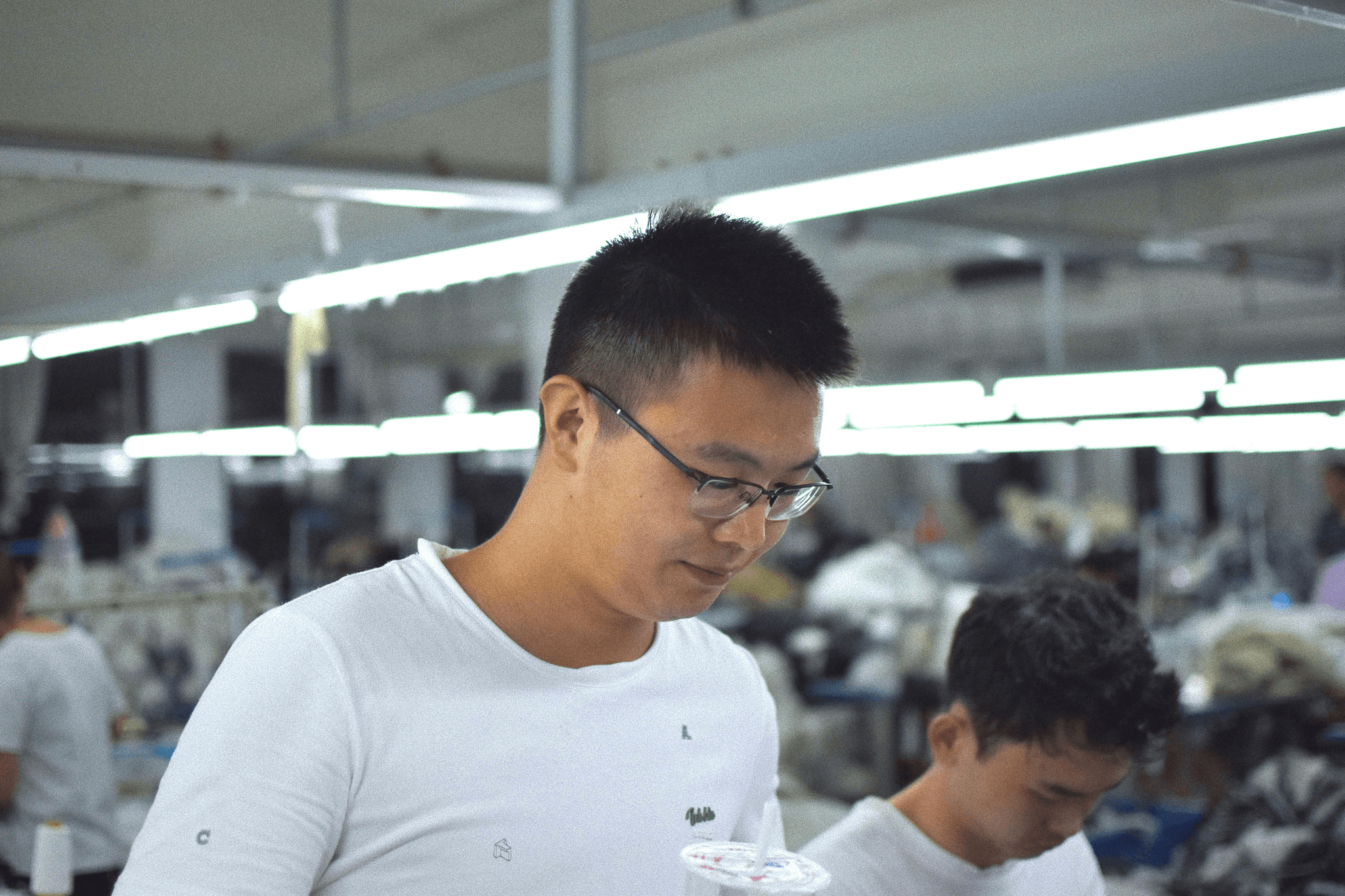
The landscape of local Chinese brands is undergoing a remarkable transformation, driven by an urgent need for improved product quality. As consumers become more discerning, these brands are stepping up their game, shifting from mere quantity to a focus on quality that resonates with both domestic and international markets. This quality revolution is not just about aesthetics; it encompasses durability, functionality, and sustainability—all critical factors in today’s garment manufacturing countries.
Factors Driving the Quality Revolution
Several factors contribute to the rise of improved product quality populating local Chinese brands. First and foremost is the increasing consumer awareness regarding product standards and sustainability practices; shoppers are no longer willing to settle for subpar items that harm the environment or their health. Additionally, competition has intensified among local brands as they strive to capture market share from international giants, prompting them to innovate and enhance their offerings significantly.
Moreover, advancements in technology have enabled manufacturers to reduce or eliminate harmful emissions while improving production efficiency. Automation and smart manufacturing techniques allow for tighter control over processes, ensuring that products meet higher quality benchmarks without compromising on sustainability. These elements collectively create an environment ripe for brands focused on improved product quality populating the market.
Case Studies of Successful Brands
One notable example of a brand thriving through improved product quality is Anta Sports Products Limited. This homegrown athletic wear giant has made significant strides in both performance apparel and sustainable practices by investing heavily in R&D and eco-friendly materials. Their commitment to reducing resources used for production while enhancing durability has positioned them as a formidable competitor against global names like Nike and Adidas.
Another success story is Li-Ning Company Limited, which has embraced innovation by incorporating advanced fabric technologies into its lines while maintaining an eye towards sustainability. Their campaigns highlight not only stylish designs but also functional benefits that resonate with environmentally conscious consumers—showcasing how improved product quality populates their brand identity effectively.
These case studies serve as compelling illustrations of how local Chinese brands can thrive through elevated standards of craftsmanship while addressing modern consumer concerns about sustainability.
Market Impact and Consumer Reaction
The impact of this shift towards improved product quality populating local Chinese brands is profound, influencing consumer behavior across various demographics. As more shoppers prioritize ethical consumption alongside aesthetics, there’s been a noticeable rise in demand for locally produced goods that boast high-quality standards without the environmental baggage often associated with fast fashion.
Consumer reactions have been overwhelmingly positive; many appreciate the transparency these brands offer regarding their production processes—an essential factor when considering purchases today. The trend indicates that when local brands commit to reducing harmful emissions and optimizing resource use during production, they not only gain consumer trust but also cultivate brand loyalty among increasingly conscious shoppers.
In conclusion, the movement towards improved product quality populating local Chinese brands highlights a broader narrative: one where innovation meets responsibility in garment manufacturing countries striving for more sustainable futures.
Sustainability and Garment Manufacturing

The garment manufacturing industry is undergoing a seismic shift as global trends increasingly influence local practices, especially in China. The rise of local brands, fueled by an emphasis on improved product quality, populates the market with options that are not only stylish but also environmentally conscious. This transformation is a response to consumer demand for more sustainable products, pushing manufacturers to adopt greener methods.
How Global Trends Influence Local Practices
Global awareness about climate change and sustainability has permeated many garment manufacturing countries, including China. As consumers worldwide prioritize eco-friendly choices, local brands are stepping up their game by integrating sustainability into their production processes. This shift towards improved product quality populates local Chinese brands with an edge in both domestic and international markets.
The influence of global trends has led to a reevaluation of traditional practices in garment manufacturing. Brands are now more inclined to reduce or eliminate harmful emissions associated with production, aligning themselves with international standards for environmental responsibility. Consequently, this alignment not only enhances brand reputation but also drives consumer loyalty among those who value sustainability.
The Shift Towards Eco-friendly Processes
As the demand for sustainable fashion grows, many manufacturers are embracing eco-friendly processes that minimize environmental impact while improving product quality. This transition involves adopting new technologies and practices that reduce the resources used for production significantly. By focusing on efficiency and sustainability, these brands can offer high-quality garments without compromising the planet's health.
Moreover, the shift towards eco-friendly processes often includes using organic materials and implementing circular economy principles in garment manufacturing. These strategies help improve product quality while ensuring that waste is minimized throughout the supply chain. As a result, consumers can enjoy stylish clothing made from sustainable resources without feeling guilty about their environmental footprint.
Examples of Brands Embracing Sustainability
Several innovative local Chinese brands have emerged as leaders in sustainable garment manufacturing by effectively combining improved product quality with eco-conscious practices. For instance, companies like ICICLE focus on using organic fabrics and natural dyes while ensuring their production processes reduce or eliminate harmful emissions entirely. Their commitment to sustainability not only enhances their brand image but also attracts a growing base of environmentally aware consumers.
Another noteworthy example is NIO Life, which incorporates recycled materials into its apparel lines while emphasizing transparency in its supply chain management practices. These efforts showcase how improved product quality populates local Chinese brands that prioritize both style and sustainability—capturing the attention of modern shoppers who seek responsible fashion choices.
In conclusion, as global trends continue to shape local practices in garment manufacturing countries like China, we see an exciting evolution toward more sustainable methods across the industry landscape. With numerous examples of brands embracing these changes, it's clear that improved product quality will remain at the forefront of this movement toward a greener future.
Reducing Harmful Emissions in Production

As the garment manufacturing landscape evolves, reducing harmful emissions has become a crucial focus for local Chinese brands. Improved product quality populates these brands, driving them to adopt innovative practices that not only enhance their offerings but also align with global sustainability goals. By prioritizing cleaner manufacturing methods, these brands are setting a precedent for others in the industry.
Innovative Technologies for Cleaner Manufacturing
Innovative technologies are at the forefront of transforming traditional manufacturing processes into greener alternatives. For instance, many local Chinese brands are investing in advanced machinery that reduces or eliminates harmful emissions during production. This shift not only boosts improved product quality but also positions these brands as leaders in sustainability within garment manufacturing countries.
Additionally, automation and digitalization play pivotal roles in optimizing resource use and minimizing waste. By integrating smart technologies, manufacturers can significantly reduce the resources used for production while ensuring consistent quality across their product lines. The result is a win-win scenario: enhanced product offerings and a smaller environmental footprint.
Partnerships with Environmental Organizations
Collaboration with environmental organizations is another strategy that local Chinese brands are embracing to combat emissions effectively. These partnerships provide access to expertise and resources necessary for implementing sustainable practices that go beyond mere compliance with regulations. Improved product quality populates local Chinese brands through initiatives designed to elevate standards in eco-friendly production.
Such collaborations often lead to innovative solutions that help reduce or eliminate harmful emissions from various stages of manufacturing processes. For example, some companies have partnered with NGOs to develop sustainable sourcing strategies that prioritize environmentally friendly materials and methods. Through these alliances, local brands not only enhance their reputations but also contribute positively to the broader ecosystem.
The Economic Benefits of Going Green
Going green is not just an ethical choice; it also makes sound economic sense for local Chinese brands aiming for long-term success. By adopting cleaner technologies and practices, companies can achieve substantial cost savings through reduced energy consumption and fewer waste management expenses. In turn, this financial advantage allows them to invest more heavily in improving product quality—further solidifying their position in an increasingly competitive market.
Moreover, as consumer awareness around sustainability grows, there’s a rising demand for products from companies committed to reducing harmful emissions and utilizing resources efficiently. Improved product quality populates local Chinese brands can leverage this trend by marketing their eco-conscious efforts effectively—appealing directly to environmentally aware consumers who prioritize sustainable choices over fast fashion's fleeting allure.
In conclusion, the economic benefits of going green extend far beyond immediate savings; they pave the way for innovation and leadership within the garment industry as a whole—especially among those manufacturers willing to embrace change wholeheartedly.
Resource Efficiency in the Production Chain
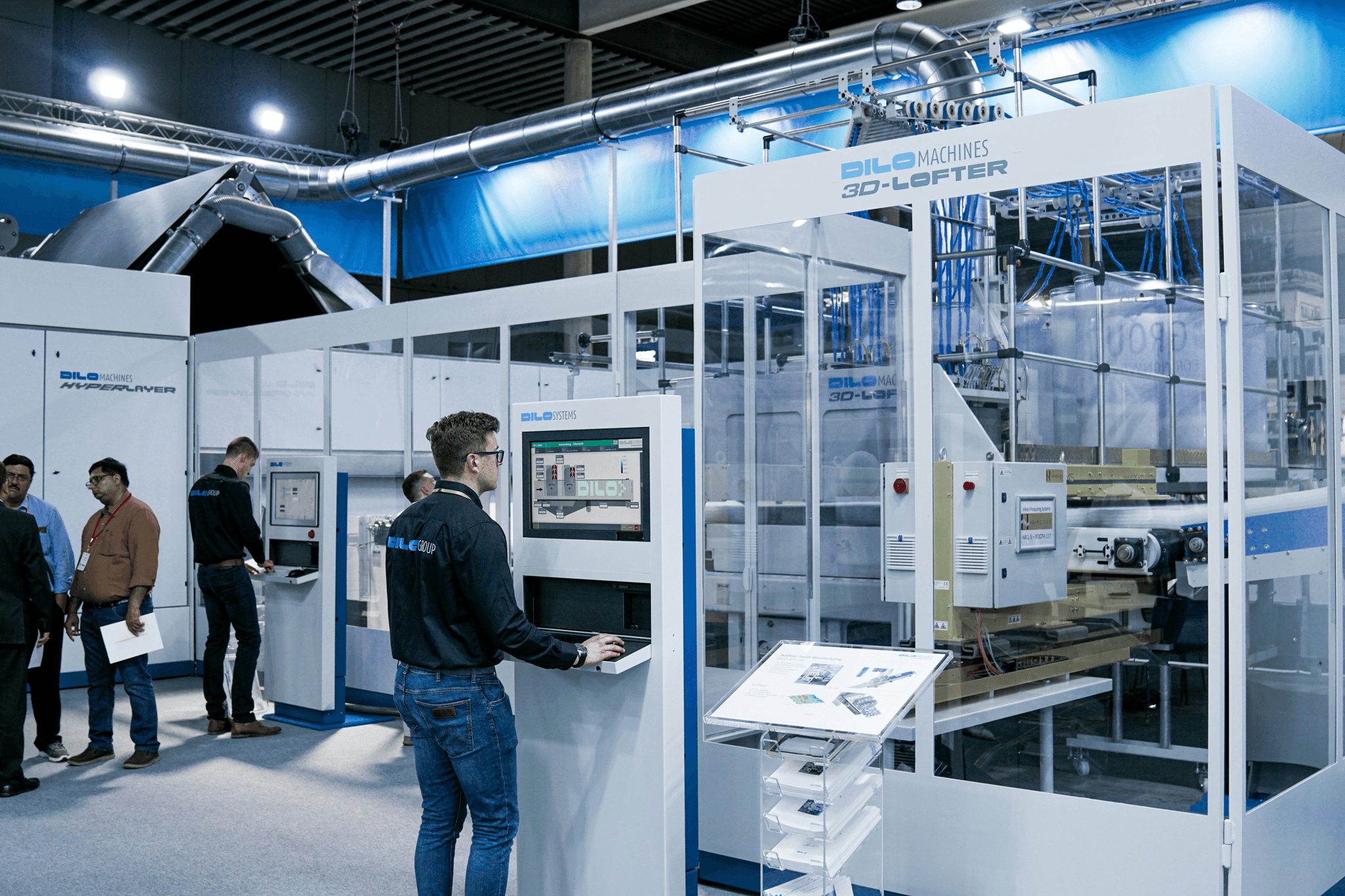
In the quest for improved product quality, local Chinese brands are increasingly focusing on resource efficiency within their production chains. By optimizing their processes, these brands not only enhance the quality of their offerings but also contribute to sustainability efforts that resonate with modern consumers. The shift towards reducing resources used for production is becoming a hallmark of successful garment manufacturing countries as they switch to more sustainable practices.
Strategies to Reduce Resource Consumption
To effectively reduce or eliminate harmful emissions and resource consumption, many local brands are adopting innovative strategies. These include implementing closed-loop systems that recycle water and materials, thereby minimizing waste throughout the manufacturing process. Additionally, there's a growing trend towards using renewable energy sources, which not only cuts down on emissions but also promotes a cleaner production environment.
Local brands are also leveraging data analytics to streamline operations and identify inefficiencies in their supply chains. By understanding where resources can be saved or repurposed, they can significantly reduce costs while maintaining improved product quality that populates their offerings. This holistic approach ensures that sustainability is woven into the very fabric of operations.
Success Stories from Leading Brands
Several leading local Chinese brands exemplify how resource efficiency can lead to both environmental benefits and enhanced product quality. For instance, a prominent apparel manufacturer recently revamped its production line by integrating eco-friendly dyes and water-saving technologies, resulting in a 30% reduction in water usage without sacrificing quality. Such initiatives not only highlight how improved product quality populates local Chinese brands but also set benchmarks for others in the industry.
Another success story comes from a footwear company that has adopted sustainable materials sourced from recycled plastics, drastically cutting down on raw material consumption while delivering high-quality products that appeal to eco-conscious consumers. These examples illustrate how embracing resource efficiency is not just good for the planet; it’s also good business.
The Role of Automation and Smart Manufacturing
Automation and smart manufacturing play pivotal roles in enhancing resource efficiency across production chains in China’s garment industry. By utilizing advanced robotics and AI-driven systems, manufacturers can optimize every step of the process—from design to distribution—ensuring minimal waste generation and reduced energy consumption. This technological leap allows companies to produce high-quality garments more efficiently than ever before.
Moreover, smart manufacturing solutions enable real-time monitoring of resource usage, helping companies quickly identify areas where they can cut back on resources used for production without compromising on quality standards. As improved product quality populates local Chinese brands’ portfolios through these innovations, it becomes clear that technology is an ally in achieving sustainability goals.
Ultimately, as garment manufacturing countries continue transitioning towards more sustainable practices by reducing harmful emissions and conserving resources through automation, we witness a profound transformation within this vital industry sector.
Quality Inspection in the Modern Marketplace
In today's fast-paced marketplace, quality inspection has become a crucial pillar for success, especially as improved product quality populates local Chinese brands. Consumers are increasingly discerning, demanding not only aesthetically pleasing products but also those that meet high-quality standards. As local brands rise to the challenge, rigorous quality control measures are essential to ensure that they can compete on a global scale.
The Importance of Quality Control
Quality control is not just a checkbox in the production process; it's a fundamental aspect that can make or break a brand’s reputation. Improved product quality populates local Chinese brands by instilling consumer confidence and fostering brand loyalty. When manufacturers prioritize stringent quality inspections, they reduce or eliminate harmful emissions associated with defective products and wasted materials, ultimately benefiting both their bottom line and the environment.
How China Inspection Pro Ensures Excellence
China Inspection Pro stands at the forefront of ensuring excellence in quality control for local brands aiming for global recognition. By employing advanced methodologies and technologies, this organization helps businesses uphold high standards while promoting sustainability practices within garment manufacturing countries as switching to more sustainability becomes paramount. Their comprehensive inspection services not only verify product integrity but also guide brands on how to reduce resources used for production without compromising on quality.
Navigating Regulatory Challenges with Professional Support
Navigating the complex landscape of regulatory challenges can be daunting for local brands striving to maintain improved product quality that populates their offerings. Professional support from organizations like China Inspection Pro provides invaluable insights into compliance requirements while ensuring adherence to international standards. This partnership enables manufacturers to focus on reducing or eliminating harmful emissions during production while optimizing their processes and maintaining resource efficiency throughout the supply chain.
Conclusion
As we wrap up our exploration of the evolution in China's manufacturing landscape, it’s clear that improved product quality populates local Chinese brands, creating a ripple effect across various industries. This transformation is not just about aesthetics or functionality; it's a fundamental shift that resonates with consumers who are increasingly discerning about what they purchase. In a market once dominated by low-cost production, the emphasis on quality now serves as a beacon for both local and international buyers.
Why Improved Product Quality Matters
Improved product quality populates local Chinese brands, establishing trust and loyalty among consumers who have long been skeptical of domestic goods. When products meet or exceed international standards, it not only elevates brand reputation but also encourages repeat purchases and positive word-of-mouth marketing. Furthermore, high-quality offerings allow local brands to compete effectively on a global scale, showcasing China not just as a manufacturing hub but as a source of innovation and excellence.
Local Brands Leading the Charge
Local brands are leading the charge in this new era of manufacturing by prioritizing improved product quality populates their offerings with unique designs and superior craftsmanship. These companies are not only enhancing their reputations domestically but are also making significant inroads into international markets where consumers demand high standards. By embracing sustainable practices alongside improved product quality, these brands set an example for garment manufacturing countries as switching to more sustainability becomes imperative for future growth.
The Future of Sustainable Manufacturing in China
Looking ahead, the future of sustainable manufacturing in China hinges on continued innovation and commitment to reducing harmful emissions while improving product quality populations within local brands. As technology advances and consumer awareness grows, we can expect more companies to adopt eco-friendly processes that reduce resources used for production without sacrificing quality or performance. This progressive mindset will pave the way for an industry that balances profitability with environmental stewardship, ensuring that improved product quality populates every corner of the market.