
Introduction

In an era where environmental concerns are at the forefront, Sustainable Manufacturing has emerged as a pivotal approach for industries seeking to reduce their ecological footprint while maintaining profitability. This paradigm shift not only emphasizes the efficient use of resources but also integrates quality as a fundamental component of sustainability. As consumers become increasingly aware of their choices, brands that prioritize sustainable practices are not just responding to demand; they are driving significant change in how products are made and perceived.
The Impact of Sustainable Manufacturing
Sustainable Manufacturing is revolutionizing traditional production methods by focusing on reducing waste and optimizing resource use. Companies embracing this model can significantly lower their environmental impact while enhancing operational efficiency. By adopting practices that prioritize sustainability, businesses can create a positive ripple effect throughout the supply chain, ultimately benefiting both the planet and their bottom line.
Quality: The Heart of Sustainability
At the core of Sustainable Manufacturing lies an unwavering commitment to quality; after all, sustainable manufacturing begins with quality. High-quality products not only meet consumer expectations but also minimize waste through durability and longevity. Brands that implement rigorous quality control measures can effectively reduce waste through quality control, ensuring that every item produced is built to last and less likely to end up in landfills.
How Brands Drive Change
Brands play a crucial role in promoting sustainable practices by setting examples for others to follow. Through innovative strategies and transparent communication about their sustainability efforts, companies can inspire consumers to make more conscious purchasing decisions. Third-party inspection companies can help you meet sustainability goals by providing unbiased evaluations of manufacturing processes, ensuring that brands remain accountable in their commitment to sustainable manufacturing practices.
Understanding Sustainable Manufacturing

Sustainable manufacturing is not just a buzzword; it’s a crucial paradigm shift in how industries operate. It encompasses practices that minimize environmental impact while maximizing resource efficiency and social responsibility. This approach is essential for brands aiming to reduce waste through quality control, ensuring that their production methods align with ecological goals.
Defining Sustainable Manufacturing
At its core, sustainable manufacturing refers to the creation of products using processes that are environmentally friendly and socially responsible. This means utilizing resources efficiently, reducing waste, and ensuring that the entire lifecycle of a product—from design to disposal—is considered. By integrating sustainability into their operations, brands can create products that not only meet consumer demands but also contribute positively to the planet.
Key Principles Behind Sustainability
The key principles behind sustainability in manufacturing include resource efficiency, waste reduction, and ethical labor practices. Brands must focus on optimizing their supply chains to ensure minimal waste generation while maximizing productivity. Additionally, adopting eco-friendly materials and processes can significantly enhance a brand's sustainability profile—showing consumers that they care about more than just profit.
Importance of Quality in Sustainability
Quality plays a pivotal role in sustainable manufacturing; without it, efforts to reduce waste can be undermined by defective products or inefficient processes. When brands prioritize quality control, they inherently lower the likelihood of returns and re-manufacturing—essentially cutting down on unnecessary waste. Moreover, third-party inspection companies can help you meet sustainability goals by ensuring that quality standards are consistently upheld throughout the production process.
The Role of Quality Control
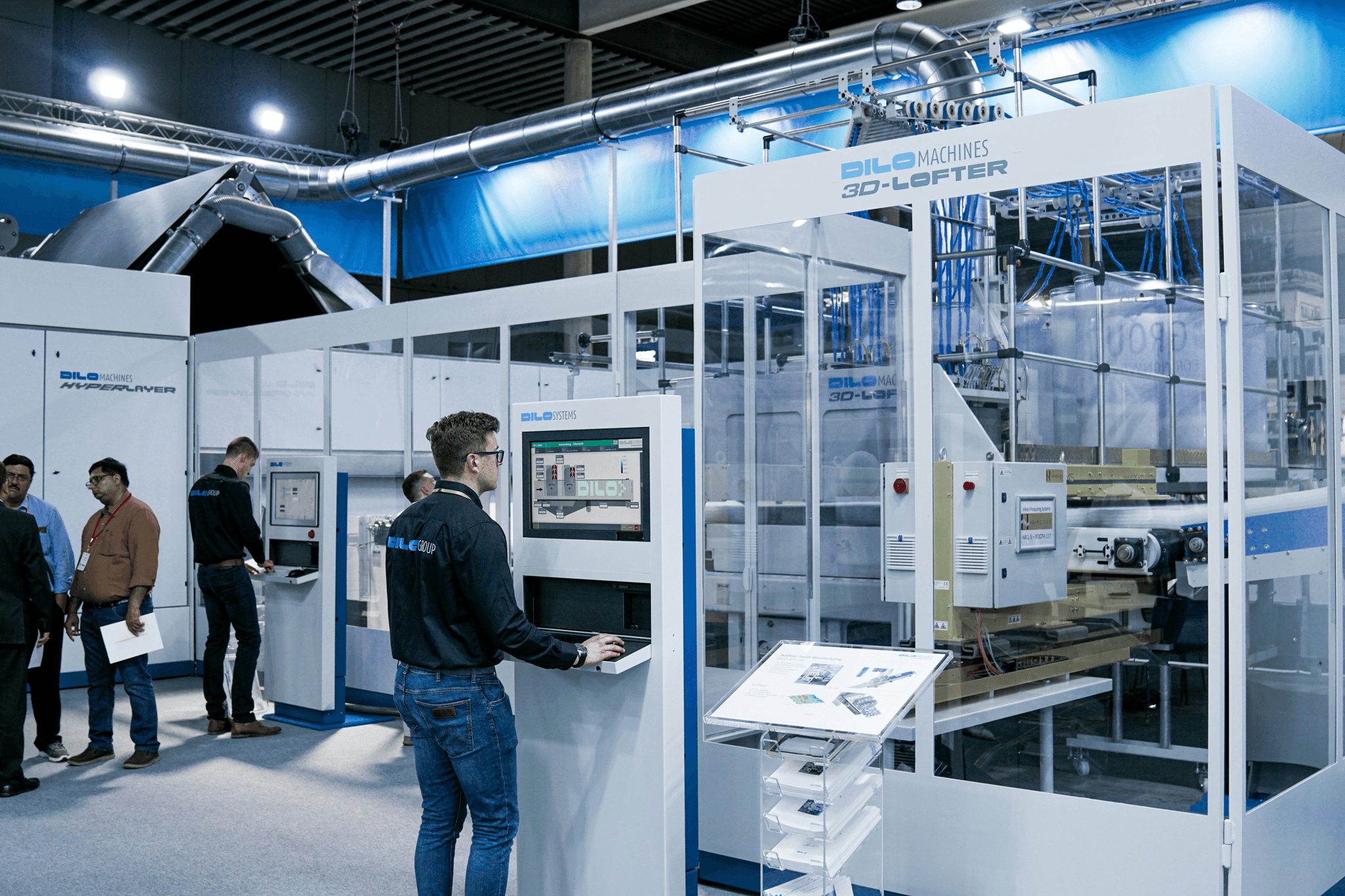
In the realm of sustainable manufacturing, quality control serves as the bedrock upon which product integrity is built. When companies prioritize quality, they not only ensure that their products meet safety and performance standards but also align with sustainability goals. This focus on excellence helps brands maintain consumer trust while minimizing environmental impact.
Ensuring Product Integrity
Ensuring product integrity is paramount for sustainable manufacturing. High-quality products are less likely to fail, reducing the need for replacements and thus lowering resource consumption over time. By implementing rigorous quality control processes, businesses can guarantee that their offerings are durable and reliable, which ultimately contributes to a more sustainable future.
Quality control also plays a critical role in compliance with industry regulations and standards related to sustainability. When brands uphold these standards, they demonstrate accountability and commitment to ethical practices in production. This not only fosters customer loyalty but also positions them as leaders in sustainable manufacturing.
Reducing Waste Through Quality Control
How brands can reduce waste through quality control is a game-changer for sustainable manufacturing initiatives. By identifying defects early in the production process, companies can minimize scrap materials and avoid unnecessary energy expenditure associated with rework or disposal of subpar products. The result? A leaner operation that conserves resources while supporting environmental goals.
Moreover, effective quality control measures help streamline operations by enhancing efficiency across supply chains. When every component meets strict quality criteria, manufacturers can optimize their processes without compromising on sustainability efforts. In this way, reducing waste becomes an integral part of a brand’s commitment to sustainable manufacturing.
Real-Life Examples of Quality Impact
Numerous companies illustrate the profound impact that robust quality control can have on sustainability efforts within their operations. For instance, a well-known electronics manufacturer implemented stringent testing protocols that resulted in a 30% reduction in defective units shipped out each year—significantly lowering waste associated with returns and replacements while enhancing customer satisfaction.
Another example comes from a clothing brand that shifted its focus towards eco-friendly materials while simultaneously tightening its quality assurance processes. This dual approach not only improved product durability but also elevated the brand's reputation as a pioneer in sustainable manufacturing practices among consumers who value both style and ethics.
These real-life examples underscore how third-party inspection companies can help you meet sustainability goals by providing external validation of quality standards and practices within your supply chain. With expert assistance guiding these efforts, brands are better equipped to embrace quality as an essential pillar of their sustainable initiatives.
Third-Party Inspection Companies
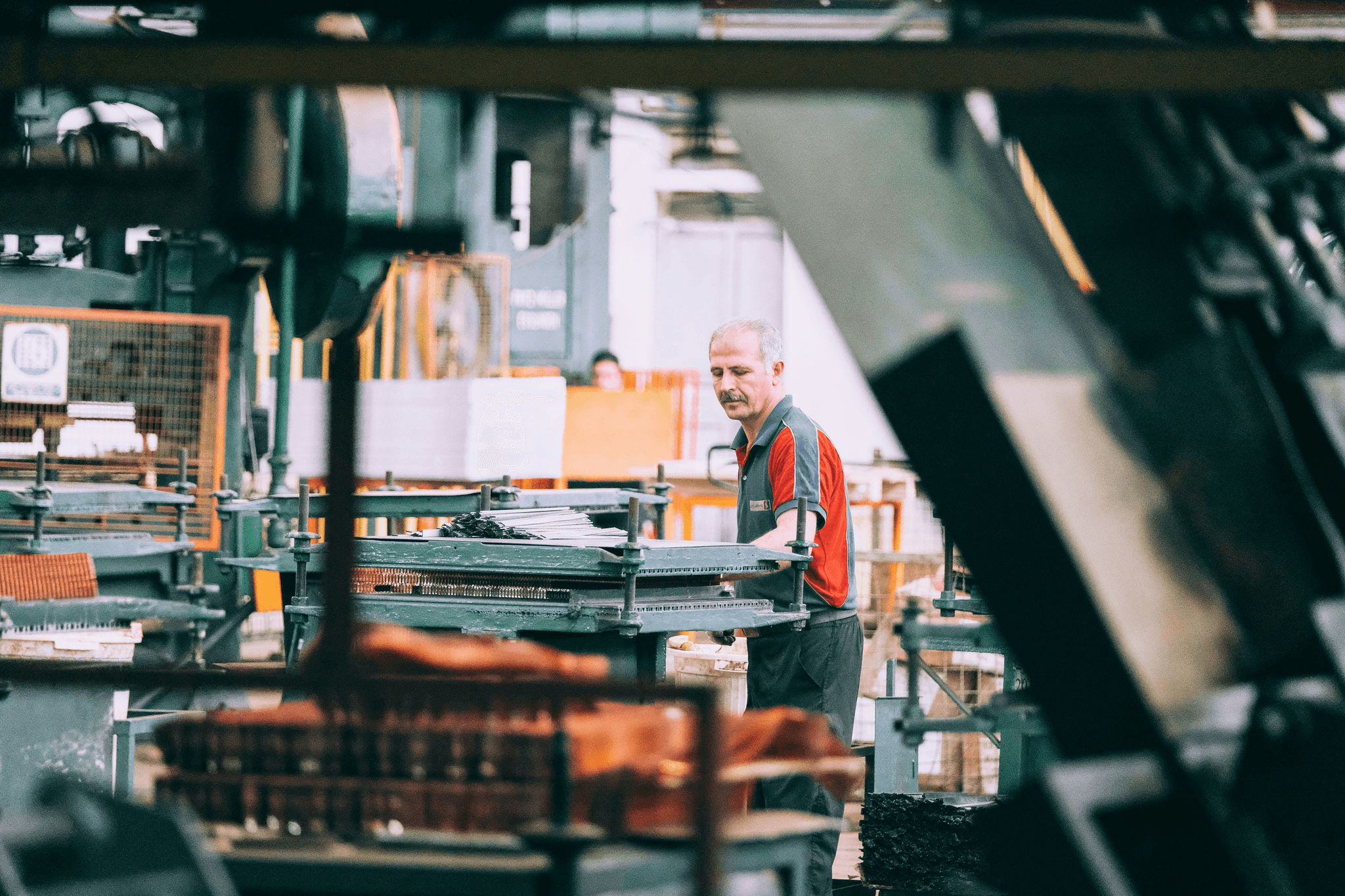
In the quest for Sustainable Manufacturing, third-party inspection companies play a pivotal role in ensuring that products meet both quality and sustainability standards. By bringing an unbiased perspective to the manufacturing process, these companies help brands identify areas for improvement and compliance with environmental regulations. Ultimately, their involvement not only enhances product integrity but also supports brands in their mission to reduce waste through quality control.
Benefits of Using Third-Party Inspections
One of the most significant benefits of using third-party inspections is the expert evaluation they provide, which can lead to enhanced product quality. These inspections ensure that manufacturers adhere to established sustainability practices, allowing brands to confidently market their products as eco-friendly and high-quality. Additionally, third-party inspectors often have access to advanced technologies and methodologies that can identify inefficiencies and waste reduction opportunities—essentially helping brands understand how they can reduce waste through quality control.
Moreover, partnering with third-party inspection companies allows brands to stay ahead of regulatory changes related to sustainable practices. This proactive approach not only safeguards against potential fines but also builds consumer trust by demonstrating commitment to ethical manufacturing processes. In this way, sustainable manufacturing begins with quality at every stage of production.
How China Inspection Pro Enhances Quality
China Inspection Pro stands out among third-party inspection companies by offering tailored solutions designed specifically for diverse industries engaged in Sustainable Manufacturing. Their team employs rigorous testing protocols that assess both product quality and compliance with environmental standards—ensuring that brands can maintain high-quality outputs while minimizing ecological footprints. With a deep understanding of local regulations and international sustainability benchmarks, China Inspection Pro equips businesses with insights needed for continuous improvement.
Additionally, their innovative approach includes utilizing data analytics tools that monitor production processes in real-time, helping brands pinpoint inefficiencies before they become costly issues. This capability ensures that manufacturers not only produce high-quality goods but also align closely with sustainability goals—making it easier for them to showcase their commitment to responsible practices. By leveraging partnerships like these, businesses can effectively demonstrate how they are meeting sustainability goals while maintaining excellence in product quality.
Meeting Sustainability Goals with Expert Help
To truly embrace Sustainable Manufacturing practices, businesses must recognize the value of expert assistance from third-party inspection companies like China Inspection Pro. These partnerships enable organizations to streamline operations while focusing on critical aspects such as reducing waste through quality control measures—the heart of any successful sustainability initiative. With experts guiding them through best practices and regulatory requirements, brands are better equipped to meet their environmental objectives without compromising on product integrity.
Furthermore, collaboration with experienced inspectors provides valuable insights into emerging trends within sustainable manufacturing processes—allowing businesses to adapt quickly in an ever-evolving market landscape. This adaptability is crucial as consumers increasingly demand transparency regarding sourcing materials and production methods; thus reinforcing the notion that sustainable manufacturing begins with quality at its core. By investing in expert guidance from reputable inspection firms, brands position themselves as leaders committed not just to profitability but also social responsibility.
Innovations in Sustainable Processes
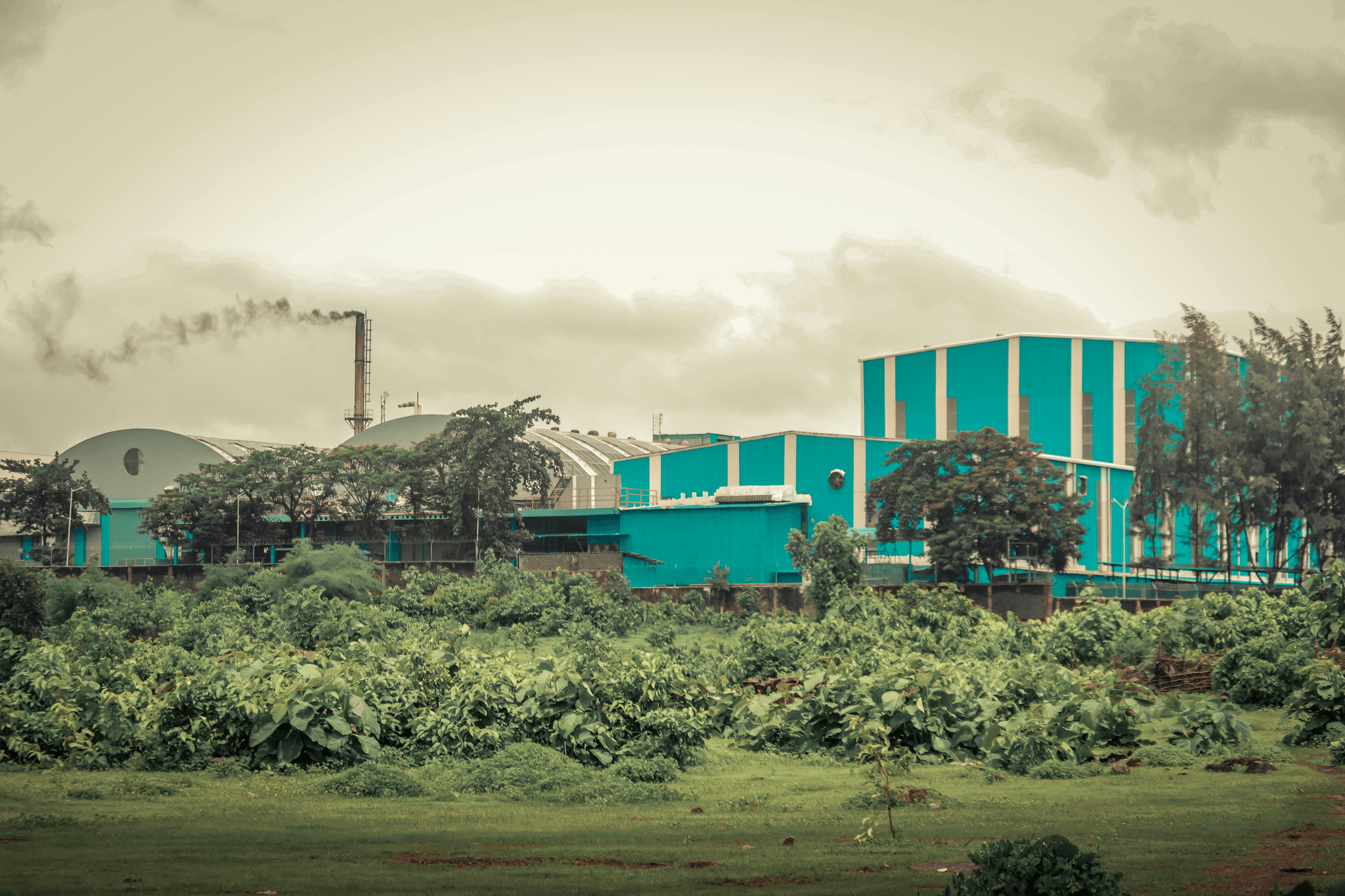
The landscape of sustainable manufacturing is rapidly evolving, driven by advancements in technology and innovative practices that prioritize environmental responsibility. Companies are now leveraging new technologies not just to increase efficiency but also to ensure that their operations align with sustainability goals. As brands become more aware of their ecological footprint, the integration of these innovations is crucial for maintaining quality while reducing waste.
New Technologies in Manufacturing
New technologies are revolutionizing the way products are made, with a strong focus on sustainable manufacturing principles. Automation and artificial intelligence (AI) play significant roles in optimizing production processes, which helps brands reduce waste through quality control. By implementing smart technologies, manufacturers can monitor production lines in real-time, ensuring that every product meets stringent quality standards while minimizing excess materials.
Moreover, 3D printing has emerged as a game-changer in sustainable manufacturing. This technology allows for on-demand production, reducing inventory waste and energy consumption associated with traditional manufacturing methods. As brands embrace these innovations, they not only enhance product integrity but also contribute to a circular economy where resources are reused rather than discarded.
Eco-Friendly Materials and Practices
The shift towards eco-friendly materials is essential for sustainable manufacturing practices that prioritize both quality and environmental impact. Brands are increasingly opting for biodegradable plastics, recycled materials, and sustainably sourced components to create products that align with consumer demands for greener options. These materials not only reduce waste but also ensure that the final products maintain high-quality standards.
In addition to material choices, companies are adopting cleaner production methods such as waterless dyeing techniques or low-energy processes that cut down on emissions and resource usage. These practices demonstrate how brands can reduce their carbon footprint while still delivering exceptional quality to consumers. By integrating eco-friendly materials into their supply chains, manufacturers can achieve sustainability goals without compromising on performance or aesthetics.
Case Studies of Successful Innovations
Several companies have successfully integrated innovative practices into their operations to exemplify the potential of sustainable manufacturing. For instance, a leading apparel brand implemented a closed-loop system where old garments are collected and recycled into new fabric—significantly reducing textile waste while maintaining high-quality output. This initiative showcases how brands can drive change by prioritizing sustainability from design through to production.
Another notable example is an automotive company that has adopted renewable energy sources across its factories while using recycled aluminum in vehicle components—minimizing both resource depletion and energy consumption during production processes. These case studies highlight how third-party inspection companies can help you meet sustainability goals by ensuring compliance with industry standards throughout the innovation process.
As we witness these successful innovations unfold across various sectors, it becomes clear that sustainable manufacturing begins with quality at its core—setting the stage for lasting change within industries worldwide.
Measuring Sustainability Success

Measuring the success of sustainable manufacturing initiatives is essential for brands committed to making a real difference. By establishing clear metrics, companies can assess their progress and identify areas for improvement. This evaluation not only aids in achieving sustainability goals but also emphasizes the critical role that quality plays in the process.
Metrics for Sustainable Manufacturing
To effectively measure sustainable manufacturing, organizations need to establish specific metrics that align with their sustainability objectives. Common metrics include energy consumption, waste reduction rates, and carbon footprint assessments. For brands looking to reduce waste through quality control, tracking defect rates and product recalls can provide valuable insights into how well they are maintaining high standards while minimizing environmental impact.
Sustainable manufacturing begins with quality; therefore, integrating these metrics into regular assessments helps ensure ongoing compliance with sustainability goals. Brands can also benchmark against industry standards to gauge their performance relative to competitors. By focusing on these key performance indicators (KPIs), companies can refine their processes and enhance their overall sustainability efforts.
Evaluating Quality and Environmental Impact
Evaluating the interplay between quality and environmental impact is crucial for sustainable manufacturing success. High-quality products often translate into longer lifespans and reduced waste, aligning perfectly with sustainability objectives. Furthermore, brands must consider how their production processes affect natural resources—this includes evaluating energy use during production as well as sourcing materials responsibly.
Incorporating third-party inspection companies can help brands assess both product quality and environmental impact more accurately. These inspections provide an unbiased perspective on whether a company’s practices meet established sustainability criteria while ensuring that products are made to last. Ultimately, this dual focus on quality and environmental responsibility leads to better outcomes for both consumers and the planet.
Tools to Track Progress and Improvements
To track progress in sustainable manufacturing effectively, organizations should leverage various tools designed specifically for this purpose. Software solutions like enterprise resource planning (ERP) systems or specialized sustainability tracking platforms allow brands to monitor key metrics continuously. These tools enable real-time data analysis, making it easier for companies to identify trends related to waste reduction or improvements in product quality.
Moreover, third-party inspection companies can assist in implementing these tools by providing expertise on best practices in data collection and analysis techniques tailored toward meeting sustainability goals. Regular audits facilitated by these experts ensure that brands remain compliant while striving towards higher standards of sustainable manufacturing begins with quality initiatives. As a result, businesses are empowered not only to track progress but also make informed decisions based on comprehensive data insights.
Conclusion
In the grand tapestry of sustainable manufacturing, quality weaves the most crucial threads. It serves not only as a measure of a product's reliability but also as a cornerstone for reducing waste and enhancing sustainability. When brands prioritize quality, they create products that last longer, perform better, and ultimately contribute to a healthier planet.
Quality as a Pillar of Sustainable Manufacturing
Sustainable manufacturing begins with quality; it’s the foundation upon which all other practices are built. By embedding quality control into every stage of production, companies can significantly reduce waste through streamlined processes and fewer defects. This commitment to excellence ensures that resources are utilized efficiently and responsibly, reinforcing the idea that high-quality products contribute to environmental conservation.
Future Trends in Sustainable Practices
Looking ahead, we can expect exciting innovations in sustainable practices driven by advancements in technology and materials science. Brands will increasingly leverage data analytics to optimize their supply chains, ensuring that every component meets stringent quality standards while minimizing environmental impact. Furthermore, partnerships with third-party inspection companies can help businesses meet sustainability goals more effectively by providing unbiased assessments of their practices and products.
Embracing Quality for Lasting Change
Embracing quality is essential for lasting change in sustainable manufacturing; it’s not just about meeting current standards but setting new benchmarks for future generations. As consumers become more discerning about the environmental impact of their purchases, brands must rise to the occasion by demonstrating their commitment to sustainability through superior quality control measures. Ultimately, those who prioritize sustainable manufacturing will lead the charge toward a more responsible future.