
Introduction
In today's competitive manufacturing landscape, the importance of quality control cannot be overstated. Quality control serves as the backbone of production processes, ensuring that products meet established standards and satisfy customer expectations. By implementing effective qc inspections, businesses can minimize defects, enhance efficiency, and ultimately boost their reputation in the marketplace.
Importance of Quality Control in Manufacturing
Quality control plays a pivotal role in maintaining the integrity of manufacturing processes. It helps define quality by establishing benchmarks that products must meet before they reach consumers. Without robust quality control measures in place, companies risk not only financial losses but also damage to their brand image due to subpar products.
Role of Factory Inspections in Quality Assurance
Factory inspections are essential for effective quality assurance, acting as a safety net that catches potential issues before they escalate into larger problems. These inspections provide a systematic approach to evaluating production lines, ensuring compliance with industry standards and regulations. By leveraging qc inspections as part of a comprehensive quality assurance strategy, manufacturers can foster trust with clients while delivering consistent product excellence.
Overview of Quality Inspection Services
Quality inspection services encompass a range of activities designed to assess and verify product quality throughout the manufacturing process. From pre-production assessments to final product evaluations, these services employ various tools and techniques to ensure every item meets stringent quality control criteria. Engaging with reliable inspection partners not only streamlines operations but also reinforces a commitment to delivering high-quality products consistently.
Understanding Quality Control
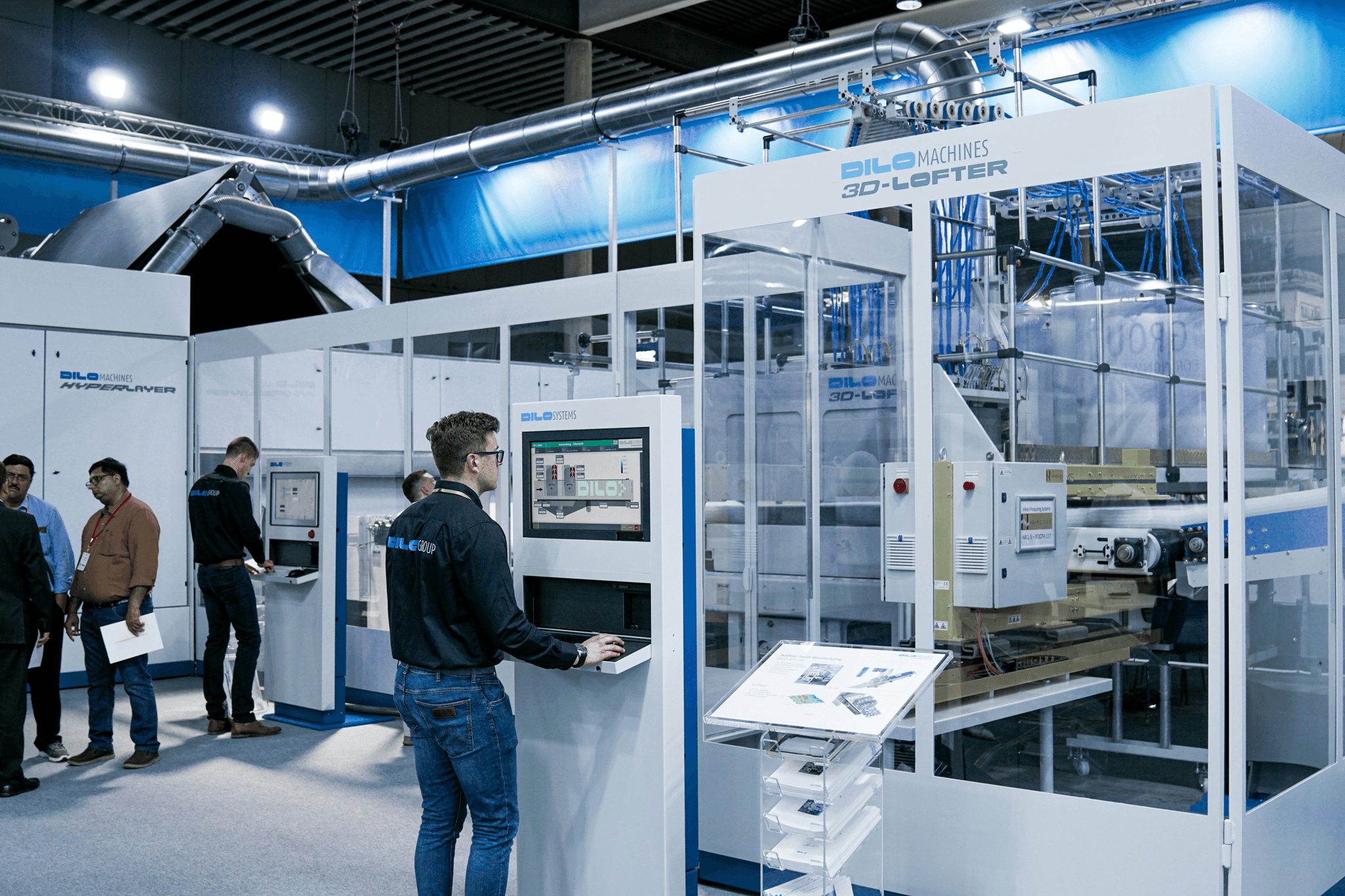
Quality control (QC) is the backbone of manufacturing, ensuring that products meet specific standards and customer expectations. It encompasses a range of processes and practices designed to prevent defects and maintain consistency throughout production. By implementing effective QC inspections, businesses can enhance their quality assurance efforts, leading to improved product reliability and customer satisfaction.
What is Quality Control?
To define quality control, it's essential to recognize it as a systematic process that monitors and manages production activities. QC focuses on identifying defects or variations in products before they reach the consumer, thus safeguarding brand reputation and consumer trust. By conducting regular qc inspections, manufacturers can ensure adherence to industry standards while continuously improving their processes.
Key Components of Quality Control
The key components of quality control include planning, inspection, testing, and feedback loops. Planning involves establishing quality benchmarks that products must meet; inspection entails examining products at various stages of production; testing assesses functionality against specifications; and feedback loops facilitate continuous improvement based on inspection results. Together, these components form a robust framework that enhances quality assurance efforts across the board.
Importance of Quality Control for Businesses
Quality control is vital for businesses because it directly impacts customer satisfaction and loyalty. When companies prioritize qc inspections as part of their operations, they reduce the risk of defective products reaching consumers, which can lead to costly recalls or reputational damage. Moreover, effective quality control strategies foster efficiency by minimizing waste and rework—ultimately boosting profitability while ensuring product excellence.
The Process of QC Inspections

Quality Control (QC) inspections are pivotal in ensuring that products meet specified standards before they reach consumers. The process involves a systematic approach to evaluating and verifying the quality of products at different stages of production. By implementing effective QC inspections, manufacturers can uphold quality assurance and mitigate risks associated with defective products, ultimately leading to enhanced customer satisfaction.
Steps Involved in QC Inspections
The steps involved in qc inspections typically start with defining quality criteria based on industry standards and customer expectations. Next, inspectors conduct a thorough examination of raw materials, components, and finished goods to ensure compliance with these established benchmarks. Finally, any discrepancies identified during these inspections prompt corrective actions to address potential issues before they escalate into larger problems.
In essence, the qc inspection process is not just about finding faults; it's about fostering a culture of continuous improvement within the manufacturing environment. By regularly assessing quality control measures, businesses can adapt their practices based on feedback from inspections. This proactive approach ensures that quality assurance remains at the forefront of their operations.
Tools and Techniques Used in Quality Inspection
To effectively carry out qc inspections, various tools and techniques are employed that facilitate accurate assessments of product quality. Commonly used tools include calipers for measuring dimensions, gauges for checking tolerances, and visual inspection aids such as magnifying glasses or cameras for detailed examinations. Advanced technologies like automated inspection systems or statistical sampling methods also play a crucial role in enhancing the efficiency and accuracy of quality control processes.
Moreover, employing software solutions for data analysis helps streamline the inspection process by providing real-time insights into production trends and potential areas for improvement. These technological advancements not only optimize workflow but also significantly contribute to maintaining high-quality standards throughout manufacturing cycles. Ultimately, leveraging these tools ensures that businesses remain competitive while adhering to stringent quality assurance protocols.
Common Challenges in QC Inspections
Despite their importance, qc inspections often encounter several challenges that can hinder effective quality control efforts. One common issue is human error during manual inspections; even seasoned inspectors can overlook defects due to fatigue or oversight. Additionally, variations in production processes may lead to inconsistencies that complicate the assessment of product quality.
Another challenge is balancing thoroughness with efficiency; while it's essential to conduct comprehensive checks, lengthy inspection times can disrupt production schedules and increase costs. Furthermore, communication gaps between teams involved in manufacturing and those conducting inspections may result in misunderstandings regarding quality expectations or corrective actions needed after an inspection failure. Addressing these challenges requires ongoing training for personnel involved in qc inspections as well as fostering collaboration across departments focused on achieving robust quality assurance outcomes.
Quality Assurance vs. Quality Control

Quality assurance and quality control are often used interchangeably, but they represent distinct concepts within the realm of qc inspections and manufacturing. While both aim to ensure product excellence, their approaches and methodologies differ significantly. Understanding these differences is crucial for businesses striving to maintain high standards in their production processes.
Defining Quality Assurance
Quality assurance (QA) refers to the systematic processes put in place to ensure that a product meets certain quality standards before it reaches the consumer. It encompasses everything from planning and documentation to training and process management, all aimed at preventing defects during manufacturing. In essence, QA is about building quality into the product from the outset, ensuring that every step of the production process adheres to established protocols.
Differences Between Quality Assurance and Quality Control
While quality assurance focuses on preventing defects through planned processes, quality control (QC) is concerned with identifying defects in finished products through inspections and testing. QC inspections serve as a final checkpoint before products reach consumers, ensuring that any issues are caught early on. Essentially, QA creates a framework for producing high-quality products, while QC acts as a safety net that catches any missteps along the way.
How They Work Together for Product Excellence
The synergy between quality assurance and quality control is key to achieving product excellence in manufacturing environments where qc inspections play a vital role. By integrating QA practices with robust QC measures, companies can foster an environment of continuous improvement where both prevention and detection work hand-in-hand. This collaboration not only enhances product reliability but also builds consumer trust—critical elements in today’s competitive market landscape.
The Impact of Factory Inspections
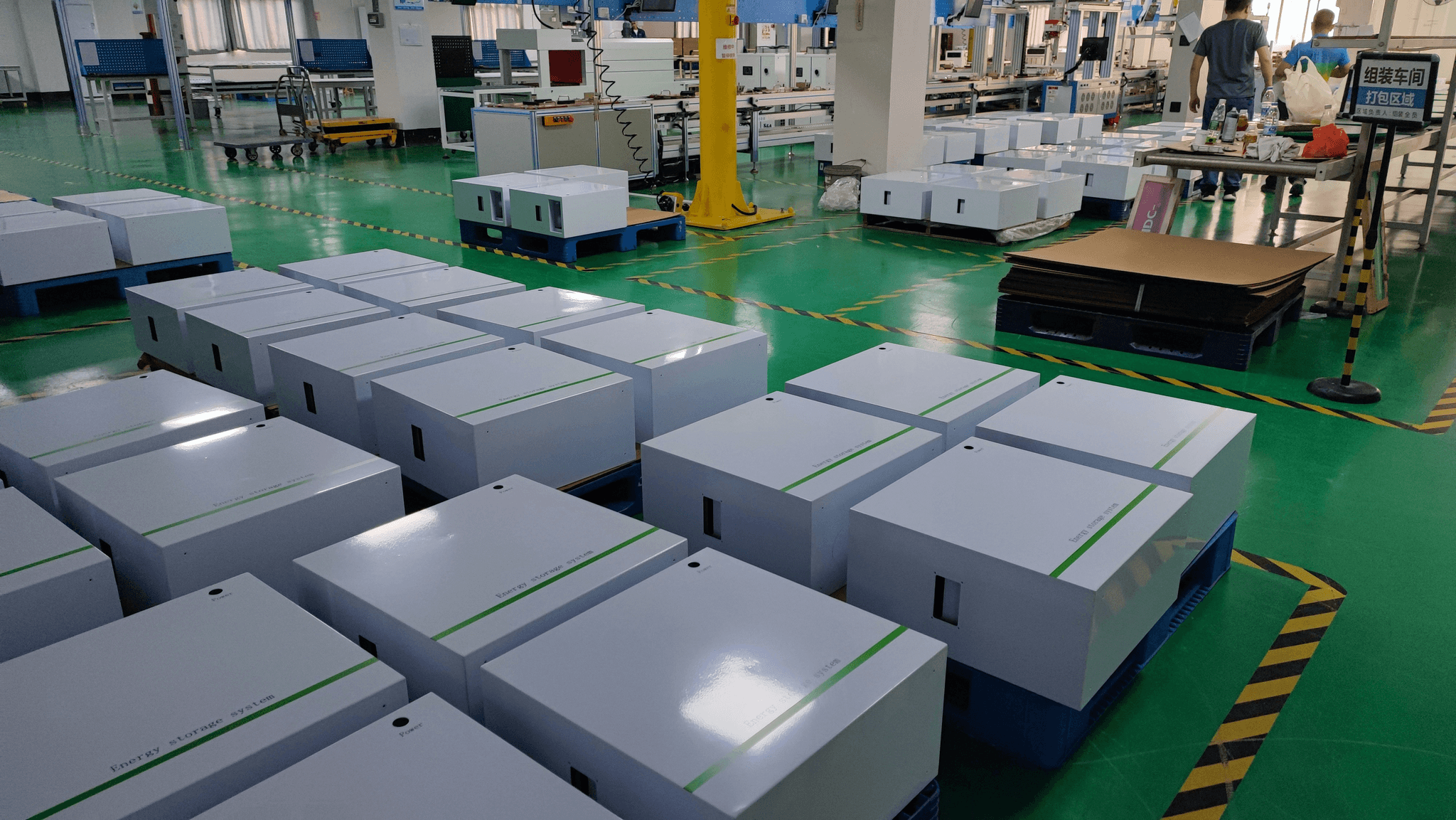
Factory inspections are a critical component of quality control that significantly influence the overall performance and reliability of products. Regular qc inspections not only ensure compliance with industry standards but also help in identifying potential issues before they escalate into larger problems. By incorporating these inspections into the manufacturing process, businesses can enhance their quality assurance efforts, leading to increased customer satisfaction and loyalty.
Benefits of Regular Factory Inspections
Regular factory inspections offer numerous benefits that extend beyond mere compliance checks. First and foremost, they serve as a proactive measure to identify defects early in the production cycle, which can save time and resources in the long run. Furthermore, consistent qc quality control fosters a culture of accountability within manufacturing teams, ensuring that everyone is aligned with quality assurance goals.
Another significant advantage is the enhancement of brand reputation through improved product quality. When customers recognize that a company prioritizes thorough quality inspection processes, trust in the brand increases, resulting in repeat business and referrals. Additionally, regular inspections can lead to cost savings by reducing waste and minimizing returns due to defective products.
How Inspections Affect Product Quality
The relationship between qc inspections and product quality is undeniable; effective inspections directly contribute to superior outcomes. By meticulously assessing each stage of production, manufacturers can define quality standards tailored to their specific needs and customer expectations. This rigorous approach ensures that any deviations from these standards are promptly addressed before reaching consumers.
Moreover, robust inspection protocols help maintain consistency across product lines by establishing benchmarks for performance. This consistency not only enhances customer satisfaction but also strengthens market competitiveness by ensuring that products meet or exceed industry norms for safety and reliability. Ultimately, effective factory inspections play an indispensable role in reinforcing the principles of quality control throughout the manufacturing process.
Case Studies: Success Through Inspections
Numerous case studies illustrate how diligent factory inspections have led companies toward remarkable success stories rooted in enhanced product quality and operational efficiency. For instance, a leading electronics manufacturer implemented regular qc inspections across its production lines after experiencing an increase in defect rates. As a result, they not only reduced defects by over 30% but also saw a significant boost in customer satisfaction ratings.
Another notable example involves a clothing manufacturer who faced challenges with inconsistent sizing across their apparel range due to inadequate oversight during production runs. By integrating comprehensive quality inspection practices into their workflow—particularly focusing on fabric integrity and stitching accuracy—they managed to elevate their brand image while simultaneously decreasing return rates caused by sizing errors.
These cases underscore the importance of prioritizing systematic qc inspections as part of an overarching strategy for achieving excellence in manufacturing practices while ensuring long-term viability within competitive markets.
Choosing the Right Quality Inspection Partner

Selecting a quality inspection partner is a pivotal decision that can significantly impact your manufacturing processes and product quality. In an era where quality assurance is non-negotiable, having the right partner for qc inspections can mean the difference between success and failure. A well-chosen inspection service not only ensures compliance with industry standards but also fosters trust with customers through consistent quality control.
Key Qualities to Look for in an Inspection Partner
When searching for an ideal inspection partner, there are several key qualities to consider. First and foremost, experience in qc inspections is crucial; partners should have a proven track record in your specific industry or product category. Additionally, look for partners that prioritize transparency and communication—after all, effective collaboration enhances overall quality assurance efforts.
Another vital aspect is the use of advanced tools and techniques in their qc quality control processes. An inspection partner should be equipped with modern technology to perform thorough assessments efficiently. Lastly, consider their adaptability; a flexible approach allows them to tailor their services to meet your unique needs while ensuring high standards of quality control.
Why China Inspection Pro Stands Out
Among various options available, China Inspection Pro shines brightly as a leader in the field of quality inspections. Their extensive experience in managing qc inspections across multiple industries sets them apart from competitors who may lack specialized knowledge. With a strong commitment to quality assurance, they employ rigorous testing methods that align with international standards.
Furthermore, China Inspection Pro boasts an impressive network of skilled inspectors who are well-versed in local manufacturing practices and regulations—an invaluable asset for businesses looking to navigate complex markets effectively. Their customer-centric approach ensures that clients receive timely reports and actionable insights during every stage of the inspection process, making it easier to define quality benchmarks.
Lastly, their dedication to continuous improvement reflects positively on their reputation; as they adapt to evolving industry trends and technological advancements, they remain at the forefront of effective qc quality control strategies.
How to Collaborate with Your Inspection Service
Collaboration with your chosen inspection service can greatly enhance overall efficiency and effectiveness during qc inspections. Start by establishing clear lines of communication; share your expectations regarding product specifications and timelines upfront so everyone is on the same page from day one. Regular updates throughout the process will help ensure any potential issues are addressed promptly.
Next, provide comprehensive documentation about your products or materials—this information will enable inspectors to better understand what constitutes acceptable quality standards for your specific needs. Engaging actively during pre-inspection discussions allows you both to define quality parameters clearly while fostering mutual trust between parties.
Finally, embrace feedback from your inspection service after each project concludes; this creates opportunities for continuous improvement within both organizations over time! By working together harmoniously towards shared goals like enhanced product excellence through rigorous qc inspections, you’ll build a robust partnership that stands up against even the toughest manufacturing challenges.
Conclusion
In today's competitive manufacturing landscape, ensuring product excellence through inspections is not just a best practice; it's a necessity. QC inspections serve as the backbone of quality assurance, providing businesses with the confidence that their products meet established standards. By prioritizing these inspections, manufacturers can significantly reduce defects and enhance customer satisfaction, ultimately leading to long-term success.
Ensuring Product Excellence Through Inspections
To truly define quality in manufacturing, one must recognize that it goes beyond mere compliance; it’s about delivering value and reliability to consumers. Quality inspection processes are vital in identifying flaws before products reach the market, ensuring that only the best makes it to consumers' hands. With rigorous qc inspections in place, manufacturers can maintain high-quality control standards while fostering trust and loyalty among their clients.
The Future of Quality Control in Manufacturing
As industries evolve with technological advancements, the future of quality control promises even greater integration of smart technologies and data analytics. This evolution will redefine how we approach quality assurance and qc inspections by enabling real-time monitoring and predictive analysis of potential defects. Embracing these innovations will not only streamline the quality control process but also enhance overall product excellence.
Best Practices for Effective Quality Assurance
To optimize your quality assurance efforts, it's essential to adopt best practices tailored for your specific industry needs. Regular training for staff on qc quality control methods ensures everyone is aligned with current standards and practices while empowering them to identify issues proactively. Additionally, collaborating closely with a reliable inspection partner can provide invaluable insights into enhancing your quality inspection protocols.