
Introduction
In today’s interconnected world, the concept of Raw-Material Traceability has emerged as a cornerstone of effective supply chain management. Understanding Raw-Material Traceability not only involves tracking the origin and journey of materials but also recognizing its critical role in ensuring quality and compliance across various industries. As businesses face increasing scrutiny from consumers and regulators alike, the need for robust traceability systems is more pressing than ever.
Supply chain disruptions have become an all-too-common reality in recent years, highlighting the vulnerabilities inherent in global trade networks. The Importance of Supply Chain Disruptions goes beyond mere inconvenience; they can lead to significant financial losses, reputational damage, and erosion of consumer trust. By implementing effective traceability measures, companies can proactively identify potential risks and mitigate them before they escalate into full-blown crises.
Building Trust in Global Supply Chains is essential for fostering long-term relationships with suppliers and customers alike. Transparency Builds Trust Throughout the Supply Chain by offering insights into sourcing practices, production processes, and ethical standards. In an era where consumers demand accountability and sustainability from brands, embracing Raw-Material Traceability not only enhances operational resilience but also positions businesses as leaders in responsible supply chain practices.
What Is Raw-Material Traceability

Raw-Material Traceability refers to the ability to track and trace the origins, processing, and distribution of raw materials throughout the supply chain. This concept is crucial for ensuring quality control, compliance with regulations, and maintaining ethical standards in sourcing. By understanding what Raw-Material Traceability entails, businesses can better manage risks and enhance their operational efficiency.
Definition and Key Components
At its core, Raw-Material Traceability involves a systematic approach to documenting the journey of raw materials from their source to the final product. Key components include data collection at each stage of production, robust record-keeping systems, and real-time tracking technologies that allow stakeholders to access information easily. This comprehensive framework not only helps in identifying potential disruptions but also fosters a culture of accountability within organizations.
Historical Context and Evolution
Historically, traceability was a reactive measure often employed after issues arose in supply chains. However, as globalization expanded trade networks, businesses recognized the need for proactive measures to prevent disruptions before they occurred. Over time, advancements in technology—such as blockchain and IoT—have revolutionized Raw-Material Traceability by enabling real-time data sharing and enhancing transparency throughout the supply chain.
Real-World Examples of Traceability
Numerous companies have successfully implemented Raw-Material Traceability practices that showcase its importance in modern business operations. For instance, brands like Patagonia have developed systems that allow consumers to trace the origins of their materials back to specific suppliers committed to sustainable practices. Similarly, major food producers are utilizing traceability technologies to ensure food safety by tracing ingredients back through complex supply chains—demonstrating how effective traceability can prevent disruptions while building consumer trust.
How Traceability Prevents Supply Chain Disruptions
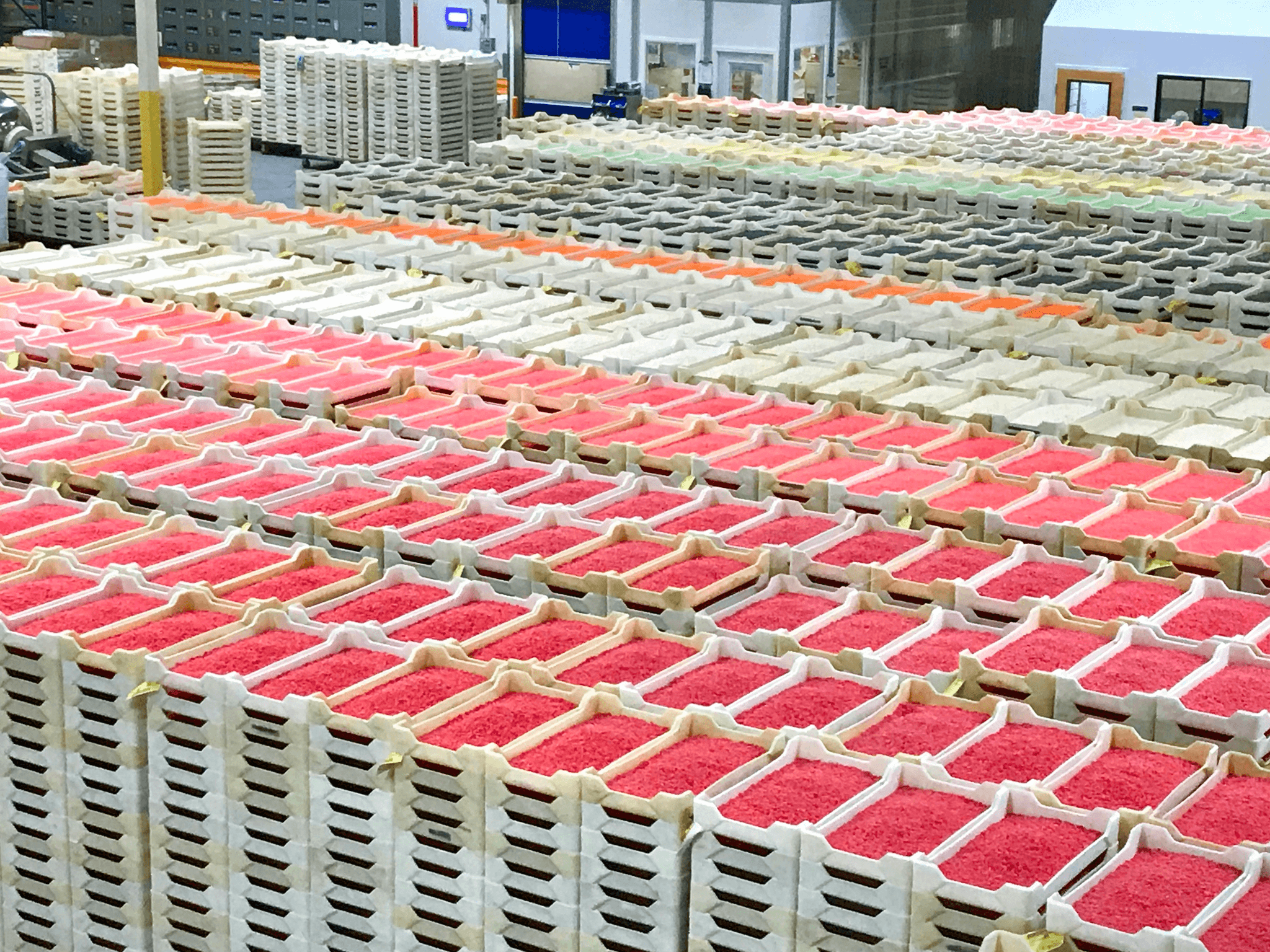
In an increasingly complex global marketplace, the significance of raw-material traceability cannot be overstated. By ensuring that every step in the supply chain is documented and transparent, companies can effectively identify potential risks before they escalate into major disruptions. This proactive approach not only safeguards operations but also enhances overall supply chain resilience.
Identifying and Mitigating Risks
Identifying risks in the supply chain is crucial for maintaining operational efficiency, and raw-material traceability plays a pivotal role in this process. By tracking materials from their origin through to their final destination, businesses can pinpoint vulnerabilities such as supplier inconsistencies or geopolitical issues that may affect material availability. The ability to swiftly mitigate these risks ensures that companies remain agile and responsive, ultimately preventing costly disruptions.
Moreover, understanding what raw-material traceability entails allows organizations to implement robust monitoring systems that alert them to irregularities or delays. For instance, if a specific supplier faces quality issues or production halts due to unforeseen circumstances, businesses with effective traceability measures can quickly pivot to alternative suppliers without significant downtime. This strategic foresight fosters a more resilient supply chain capable of weathering unexpected challenges.
Case Studies of Disruption Prevention
Real-world examples illustrate how raw-material traceability has successfully prevented disruptions across various industries. Take the automotive sector: when a major manufacturer faced delays due to a critical component shortage, their comprehensive traceability system enabled them to identify alternative sources rapidly. This swift action not only minimized production downtime but also reinforced relationships with secondary suppliers who could step in during emergencies.
Similarly, in the food industry, companies utilizing robust traceability measures were able to swiftly address contamination concerns by tracing affected products back through the supply chain. By isolating problematic batches quickly and efficiently, they mitigated health risks while preserving consumer trust—an invaluable asset in today's market where transparency builds trust throughout the supply chain.
These case studies highlight how effective implementation of raw-material traceability not only averts crises but also strengthens overall operational integrity by fostering collaboration among stakeholders.
The Role of Technology in Traceability
The advent of technology has revolutionized how businesses approach raw-material traceability and its role in preventing supply chain disruptions. Advanced tracking systems powered by blockchain technology provide unparalleled transparency and security throughout the entire production process. With immutable records accessible at every stage—from sourcing raw materials to delivery—companies can ensure authenticity and quality while maintaining rigorous compliance standards.
Additionally, Internet of Things (IoT) devices facilitate real-time monitoring of materials as they move through various phases of production and distribution. This level of insight allows organizations to respond dynamically to potential issues before they escalate into larger problems—a proactive strategy essential for strengthening supply chains against disruption threats.
As we look ahead, it's clear that technology will continue shaping the future landscape of raw-material traceability; innovations such as AI-driven analytics are set to enhance risk assessment capabilities even further while ensuring sustainability remains at the forefront of industry practices.
Transparency Builds Trust Throughout the Supply Chain

In today's interconnected world, transparency is not just a buzzword; it's a vital ingredient for building trust throughout the supply chain. When businesses embrace Raw-Material Traceability, they provide stakeholders with insights into their sourcing and production processes. This openness fosters strong relationships among suppliers, manufacturers, and consumers alike, ultimately enhancing collaboration and loyalty.
The Impact of Trust on Business Relationships
Trust is the bedrock of any successful business relationship, especially in complex supply chains where multiple parties are involved. When companies implement What Is Raw-Material Traceability?, they create a culture of accountability that resonates with partners and customers. As trust deepens, businesses can negotiate better terms, share resources more freely, and innovate together to address challenges.
Moreover, the ripple effect of trust can extend beyond immediate relationships; it influences brand reputation in the marketplace. Companies known for their commitment to transparency often find themselves at a competitive advantage as consumers gravitate towards brands that align with their values. Ultimately, fostering trust through transparency strengthens supply chains by creating an environment conducive to collaboration and resilience.
Consumer Expectations in an Informed Market
Today's consumers are more informed than ever before; they demand transparency from brands regarding their sourcing practices and ethical standards. With access to information at their fingertips, they are increasingly aware of what Raw-Material Traceability entails and expect companies to uphold high standards of accountability. This shift in consumer behavior compels businesses to prioritize traceability as a means to meet these expectations while also differentiating themselves in crowded markets.
Furthermore, consumers are willing to support brands that demonstrate a commitment to ethical practices and sustainability—an area where traceability plays a crucial role. By showcasing how products are sourced responsibly through How Traceability Prevents Supply Chain Disruptions initiatives, brands can build stronger emotional connections with their audience. In this informed market landscape, failing to provide clarity around sourcing can lead to lost sales and diminished customer loyalty.
Case Examples of Brands Fostering Transparency
Several companies have successfully harnessed Raw-Material Traceability as part of their strategy for fostering transparency within their supply chains. For instance, Patagonia has become synonymous with ethical sourcing by openly sharing information about its materials' origins and environmental impact—showing that sustainability is not just an add-on but integral to its brand ethos. By doing so, Patagonia has cultivated a loyal customer base that appreciates its commitment to responsible practices.
Another notable example is Unilever's Sustainable Living Plan which emphasizes transparency across its supply chain while committing to sustainable sourcing practices for raw materials like palm oil—often associated with deforestation concerns. Through initiatives like these, Unilever demonstrates how embracing traceability not only aligns with consumer expectations but also contributes positively towards global sustainability efforts.
By taking steps toward transparent operations through effective traceability measures such as these examples illustrate how companies can enhance credibility while simultaneously driving positive change in society.
Traceability as a Driver for Sustainability

In the modern landscape of supply chains, **Raw-Material Traceability** emerges as a pivotal factor driving sustainability efforts. Companies are increasingly recognizing that understanding the journey of their materials is not just about compliance but also about making environmentally responsible choices. By integrating **traceability** into their practices, businesses can significantly reduce waste and ensure that their operations align with sustainable principles.
Linking Sustainability with Supply Chain Practices
Sustainability in supply chains hinges on transparency and accountability, both of which are fostered through **Raw-Material Traceability**. When companies can trace the origins of their materials, they can make informed decisions that minimize environmental impact and promote ethical sourcing. This connection between traceability and sustainability is crucial for organizations aiming to enhance their reputation while contributing positively to the planet.
Moreover, effective **traceability** helps identify areas where resources can be conserved or recycled, ultimately reducing carbon footprints across industries. This proactive approach not only benefits the environment but also strengthens supply chains by ensuring that all stakeholders are aligned with sustainable practices. In essence, linking sustainability with supply chain practices through **raw-material traceability** creates a win-win situation for businesses and the environment alike.
Notable Brands Committed to Sustainable Traceability
Several brands have taken significant strides in adopting **traceability as a driver for sustainability**, setting examples for others to follow. Companies like Patagonia have established robust systems that allow customers to track the origins of materials used in their products, showcasing a commitment to ethical sourcing and environmental responsibility. Similarly, Unilever has implemented comprehensive traceability programs aimed at ensuring sustainable sourcing across its vast portfolio.
These brands not only enhance consumer trust through transparency but also demonstrate how **raw-material traceability** can lead to more sustainable practices within global supply chains. By prioritizing transparency and accountability, these companies inspire others in the industry to adopt similar approaches—ultimately contributing to a more sustainable future for all. Their initiatives highlight how embracing traceable practices can elevate brand loyalty while promoting eco-friendly operations.
Measuring the Impact of Sustainable Practices
Measuring the impact of sustainable practices linked to **Raw-Material Traceability** involves analyzing various metrics such as resource efficiency, waste reduction, and overall carbon footprint improvements. Companies increasingly use data analytics tools to assess how effective their traceability efforts are in driving sustainability goals forward. These metrics provide valuable insights into how well an organization is performing regarding its environmental commitments.
Furthermore, consumer feedback plays a critical role in gauging success; brands that prioritize transparency often receive positive responses from environmentally conscious consumers who value ethical sourcing practices. By continuously refining their processes based on measurable outcomes related to **traceability**, organizations can strengthen supply chains while promoting sustainability at every level—from raw material extraction through production and distribution.
In conclusion, integrating **raw-material traceability** into business strategies not only enhances operational efficiency but also drives significant strides towards sustainability—creating resilient supply chains fit for future challenges.
Strengthening Supply Chains with Traceability

In today's complex global marketplace, strengthening supply chains through raw-material traceability has become essential for businesses aiming to thrive. By implementing effective strategies, companies can navigate potential disruptions and enhance their operational resilience. This section will delve into the methods organizations can adopt, spotlight how China Inspection Pro bolsters quality assurance, and explore future trends in raw-material traceability.
Strategies for Implementation Across Industries
Implementing raw-material traceability requires a tailored approach that suits the unique needs of various industries. First, companies should invest in robust tracking systems that provide real-time visibility into the supply chain; this ensures that every component is accounted for from source to end product. Additionally, fostering collaboration among suppliers can create a culture of transparency that enhances trust and accountability—key components of effective raw-material traceability.
Training employees on the importance of traceability is equally crucial; when staff understand how their roles contribute to overall supply chain integrity, they are more likely to prioritize these practices. Regular audits and assessments can help identify gaps in traceability efforts and lead to continuous improvement across all processes. Ultimately, adopting these strategies not only strengthens supply chains but also positions organizations as leaders in transparency builds trust throughout the supply chain.
How China Inspection Pro Enhances Quality Assurance
China Inspection Pro plays a pivotal role in enhancing quality assurance by providing comprehensive solutions focused on raw-material traceability. Their services include rigorous inspections at various stages of production to ensure that materials meet established standards before they enter the supply chain ecosystem. By integrating advanced technology such as blockchain and IoT devices, China Inspection Pro offers unparalleled visibility into sourcing practices—making it easier for businesses to identify any discrepancies or risks along the way.
Moreover, their commitment to transparency builds trust throughout the supply chain by enabling companies to share verified information with consumers about product origins and safety measures taken during production. This not only helps brands comply with regulatory requirements but also boosts consumer confidence in their products—an invaluable asset in today's informed market landscape where expectations are high regarding ethical sourcing practices. Through such initiatives, China Inspection Pro exemplifies how quality assurance linked with raw-material traceability can significantly strengthen supply chains.
Future Trends in Raw-Material Traceability
As we look ahead, several trends are poised to shape the future of raw-material traceability within global supply chains. One notable trend is increased adoption of digital platforms that facilitate seamless data sharing among stakeholders; this will enhance collaboration while reducing errors associated with manual tracking processes. Furthermore, artificial intelligence (AI) and machine learning technologies are expected to play a transformative role by predicting potential disruptions before they occur—allowing businesses time to mitigate risks effectively.
Another emerging trend is the growing emphasis on sustainability within raw-material traceability efforts; consumers increasingly demand insight into how products impact both people and the planet. Companies committed to sustainable practices will likely invest more heavily in tracking systems that provide clear visibility into environmental impacts throughout their supply chains—a move that aligns perfectly with transparency builds trust throughout the supply chain ethos. As these trends unfold, organizations must remain agile and responsive if they wish to capitalize on opportunities presented by enhanced raw-material traceability.
Conclusion
In wrapping up our exploration of raw-material traceability, it’s clear that the journey of tracking materials from origin to end-user has evolved significantly. Once a mere afterthought in supply chain management, raw-material traceability has now emerged as a cornerstone for modern businesses seeking resilience and transparency. As we look ahead, it’s important to recognize how these practices not only enhance operational efficiency but also foster trust among stakeholders.
The Evolution of Traceability Practices
Raw-material traceability has come a long way from its rudimentary beginnings. Initially focused on compliance and regulatory needs, today it encompasses advanced technologies such as blockchain and IoT, which provide real-time data and visibility throughout the supply chain. This evolution reflects a broader shift in business priorities—companies are now recognizing that effective traceability is vital for mitigating risks and ensuring sustainability.
Building a Resilient Supply Chain
To truly strengthen supply chains, organizations must embrace raw-material traceability as an integral part of their strategy. By identifying vulnerabilities and proactively addressing them through transparent practices, businesses can build resilience against disruptions caused by various factors like natural disasters or geopolitical tensions. Moreover, fostering transparency builds trust throughout the supply chain, enhancing collaboration between suppliers and consumers alike.
The Future of Raw-Material Transparency
Looking forward, the future of raw-material transparency seems promising yet challenging. With increasing consumer awareness and demand for ethical sourcing practices, companies will need to leverage technology to maintain robust traceability systems that meet these expectations. Ultimately, embracing raw-material traceability not only drives sustainability but also positions brands as leaders in responsible business practices—a win-win for everyone involved.