
Introduction

In the world of textiles, color fastness is not just a fancy term tossed around in design meetings; it’s a critical factor that can make or break a product’s success. Consumers expect their favorite garments to retain their vibrant hues through countless washes and wear, which is where textile color fastness tests come into play. These tests ensure that colors remain stable and do not bleed or fade, safeguarding both the integrity of the fabric and the satisfaction of the consumer.
Importance of Textile Color Fastness
Textile color fastness holds immense importance in maintaining quality and consumer trust within the textile industry. When colors bleed or fade, it can lead to dissatisfaction among customers, resulting in returns and damaged reputations for brands. Therefore, implementing effective methods such as on-site checks for color bleeding and off-side color bleeding tests becomes essential for ensuring product reliability.
Overview of ISO 105 Standards
The ISO 105 standards serve as a benchmark for evaluating textile color fastness across various conditions such as washing, light exposure, and rubbing. These internationally recognized standards guide manufacturers in conducting comprehensive assessments to determine how well their fabrics will perform over time. By adhering to these guidelines during textile color fastness testing in a laboratory setting, companies can confidently assure consumers about their products' durability and quality.
Practical Applications in the Textile Industry
In practical terms, understanding and applying textile color fastness tests can significantly enhance product offerings within the industry. From fashion apparel to home textiles, ensuring that colors withstand everyday use is paramount for brand loyalty and customer satisfaction. Moreover, utilizing both on-site checks for color bleeding during production and rigorous off-side testing helps manufacturers uphold high-quality standards while minimizing risks associated with poor color performance.
Understanding Textile Color Fastness Tests
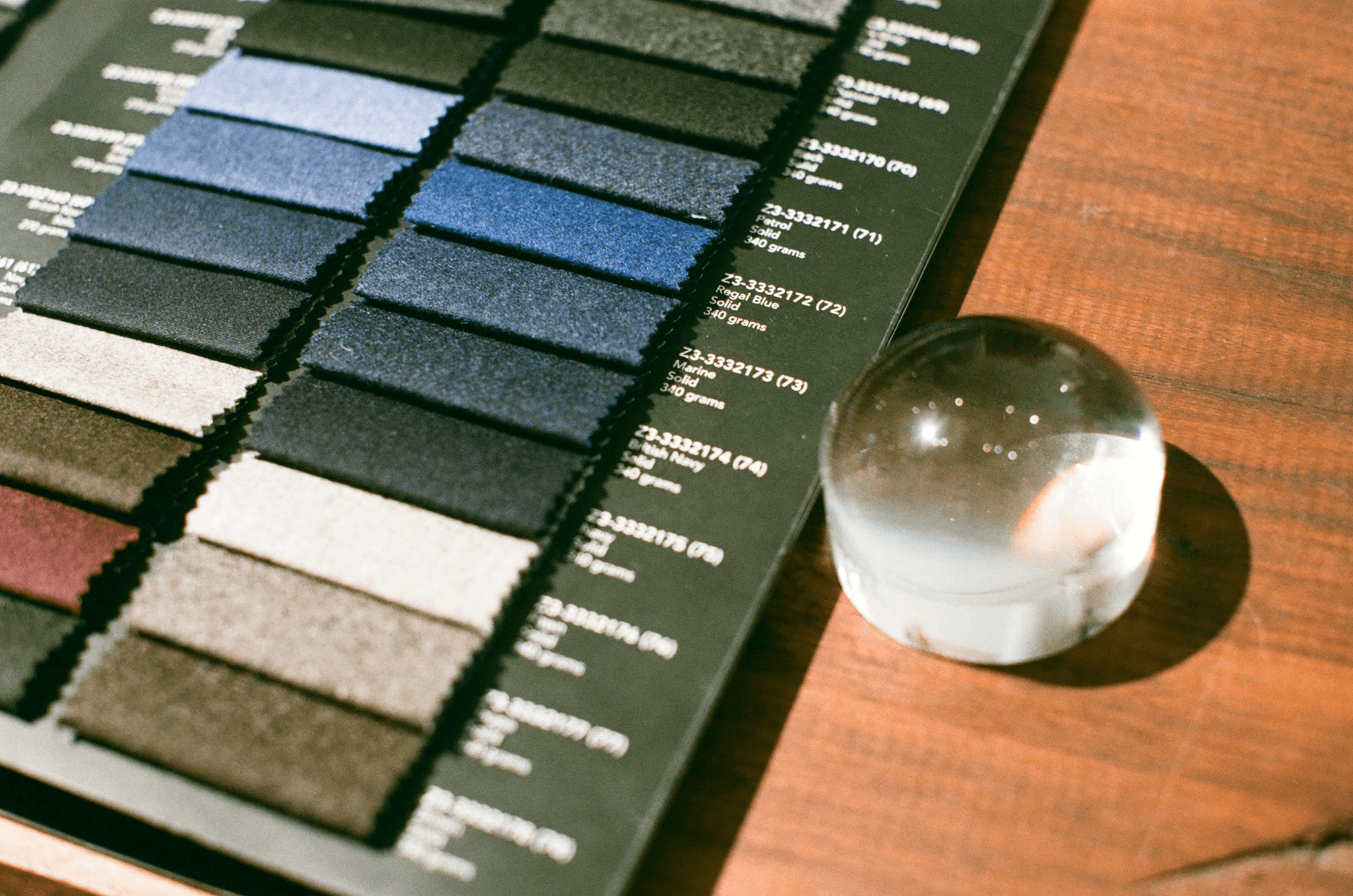
Textile color fastness tests are essential evaluations that determine how well a fabric retains its color when subjected to various conditions. These tests are crucial not only for manufacturers but also for consumers who expect durability and quality in their textile products. By assessing the resistance of colors to fading, bleeding, or running, stakeholders can ensure that textiles meet industry standards and consumer expectations.
Definition and Purpose of Fastness Tests
Fastness tests measure a fabric's ability to maintain its original color under specific conditions such as washing, light exposure, and rubbing. The primary purpose of these tests is to predict how a textile will perform in real-world scenarios, giving manufacturers insights into potential issues before products reach the market. Ultimately, these assessments help ensure customer satisfaction by providing reliable information about the longevity of color in their favorite garments.
Types of Color Fastness Tests Explained
There are several types of textile color fastness tests designed to evaluate different aspects of color retention. Among them are wash fastness tests, light fastness tests, and rub fastness tests—each targeting specific factors that could affect a fabric's appearance over time. Additionally, on-site checks for color bleeding allow for immediate assessment during production or retail environments, while off-side color bleeding tests provide thorough evaluations away from the manufacturing site.
Significance of Fastness in Consumer Products
The significance of textile color fastness testing cannot be overstated when it comes to consumer products; it directly impacts brand reputation and customer loyalty. Consumers expect their clothing and home textiles to remain vibrant after multiple washes or exposure to sunlight—failure to meet these expectations can lead to dissatisfaction and returns. Furthermore, rigorous testing ensures compliance with safety regulations and industry standards, reinforcing trust between consumers and brands while promoting higher quality across the textile market.
On-site Check for Color Bleeding

In the fast-paced world of textile production, ensuring that colors remain vibrant and intact is crucial. An on-site check for color bleeding serves as a frontline defense against potential quality issues that could arise during manufacturing or before products reach consumers. This immediate assessment helps to identify color fastness problems right where they occur, saving time and resources down the line.
What Is an On-site Check?
An on-site check refers to the process of visually inspecting textiles in their production environment to assess color stability and adherence to quality standards. Unlike off-side color bleeding tests, which are conducted in controlled laboratory settings, these checks happen directly at the manufacturing site, allowing for quick identification of any issues related to textile color fastness tests. This proactive approach ensures that any discrepancies can be addressed immediately, reducing the risk of faulty products making their way to market.
Benefits of Immediate Color Assessment
The advantages of conducting an on-site check for color bleeding are manifold. First and foremost, immediate assessments allow manufacturers to quickly rectify any problems before they escalate into larger issues that could compromise entire batches of fabric. Furthermore, these checks enhance overall efficiency by minimizing delays in production timelines and reducing waste associated with rejected goods due to poor color fastness.
Common Practices for On-site Testing
Common practices for on-site testing include visual inspections under natural light conditions and performing simple rub tests with white cloths or other materials to evaluate potential bleeding. Technicians may also utilize portable devices designed specifically for quick assessments of dye stability as part of textile color fastness testing strategies. By integrating these practices into their quality control processes, manufacturers can ensure that their products meet consumer expectations regarding durability and performance.
Off-side Color Bleeding Test

The off-side color bleeding test is an essential component in the realm of textile color fastness tests. This method is designed to evaluate how well a fabric retains its color when subjected to various environmental conditions, such as washing or exposure to light. By simulating real-world scenarios, manufacturers can better understand their products' durability and performance.
Introduction to Off-side Testing
Off-side testing involves evaluating the colorfastness of textiles in a controlled environment, often away from the actual production site. This testing method allows for a more comprehensive analysis of how dyes react under specific conditions, which might not be achievable during an on-site check for color bleeding. By utilizing standardized procedures, off-side testing provides reliable data that can inform quality control processes.
How It Differs from On-site Checks
While on-site checks for color bleeding are typically quick assessments conducted during or immediately after production, off-side tests offer a deeper dive into fabric performance over time. On-site checks focus on immediate results and can sometimes miss underlying issues that may only surface after prolonged exposure to elements like water or heat. Conversely, off-side tests allow for controlled variables and longer observation periods, leading to more accurate representations of textile color fastness.
Importance for Quality Control Processes
Incorporating off-side color bleeding tests into quality control processes is crucial for manufacturers aiming to uphold high standards in their products. These tests provide valuable insights that help identify potential weaknesses in dye application or fabric treatment before items reach consumers. By ensuring compliance with rigorous textile color fastness testing in a laboratory setting, companies can enhance their reputation and reduce returns due to unsatisfactory product performance.
Textile Color Fastness Testing in a Laboratory
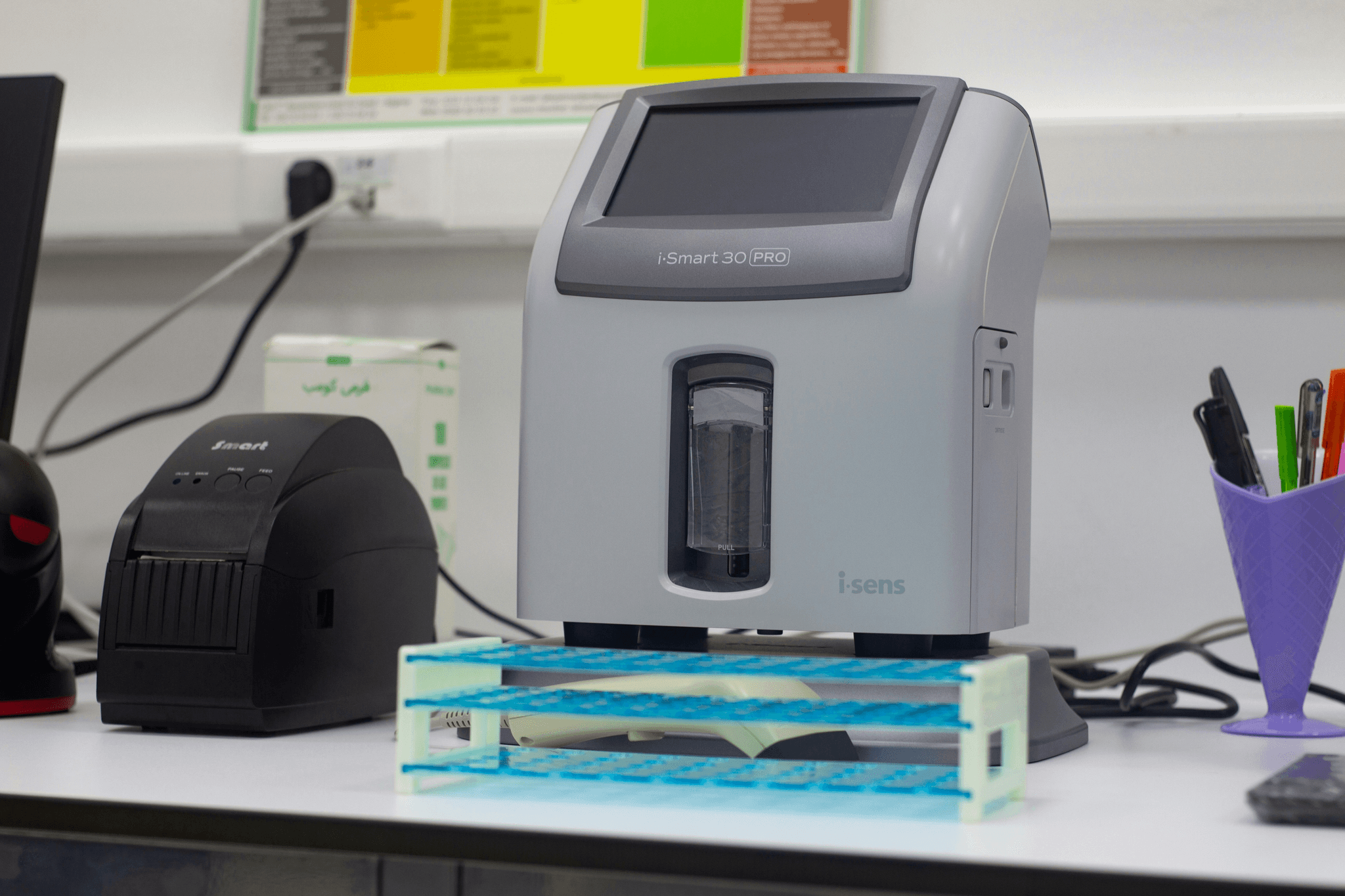
When it comes to ensuring that textiles maintain their vibrant colors over time, laboratory testing is the gold standard. Textile color fastness tests conducted in controlled environments provide precise and consistent results that on-site checks or off-side tests may not always deliver. This level of scrutiny is essential for manufacturers aiming to meet consumer expectations and industry standards.
Advantages of Laboratory Testing
One of the primary advantages of laboratory testing for textile color fastness is the ability to control environmental variables meticulously. Factors such as temperature, humidity, and light exposure can be regulated to simulate real-world conditions accurately, leading to reliable outcomes. Additionally, laboratories often employ advanced technology and methodologies that enhance the accuracy of textile color fastness tests compared to more informal assessments like on-site check for color bleeding.
Laboratory-based evaluations also allow for comprehensive analysis beyond just initial color retention; they can assess how fabrics respond over time under various stressors. This thorough approach helps manufacturers identify potential issues before products reach consumers, reducing returns and enhancing brand reputation. Ultimately, investing in laboratory testing leads to better quality assurance and customer satisfaction.
Standard Procedures and Methods Used
Textile color fastness testing in a laboratory typically follows standardized procedures established by organizations such as ISO (International Organization for Standardization). Common methods include wash fastness tests, light fastness tests, and rub fastness tests, each designed to evaluate different aspects of how colors hold up under specific conditions. For instance, wash fastness tests measure how well dyes withstand laundering processes while light fastness tests gauge resistance against fading from sunlight exposure.
In addition to these methods, laboratories may also implement accelerated aging techniques that mimic long-term usage scenarios within a shorter timeframe. This allows manufacturers to predict product performance with confidence while adhering to industry regulations surrounding textile quality. By following these standard procedures closely, labs ensure that the results are credible and applicable across various market segments.
Interpreting Laboratory Test Results
Interpreting results from textile color fastness testing can seem daunting at first glance but becomes manageable with practice and understanding of key metrics involved. Typically presented as numerical values or ratings based on performance criteria—such as scale ratings from 1 (poor) to 5 (excellent)—these results provide clear insights into how a fabric will behave in real-life situations compared to both on-site checks and off-side color bleeding tests.
For example, if a fabric receives a low rating in wash fastness but performs well under light exposure conditions, manufacturers might adjust their dyeing processes or recommend specific care instructions for consumers. Understanding these nuances enables brands not only to improve their products but also empowers them with knowledge when communicating with customers about care practices related specifically to textile color fastness tests outcomes.
Ultimately, skilled professionals must analyze test data critically while remaining informed about evolving standards within the industry—ensuring compliance while fostering innovation in textile production practices moving forward.
Role of China Inspection Pro in Testing
In the ever-evolving textile industry, ensuring the quality and durability of fabric is paramount. China Inspection Pro stands at the forefront of this mission, offering a suite of comprehensive quality inspection services that cater to various facets of textile manufacturing. Their expertise not only enhances product reliability but also builds trust between manufacturers and consumers.
Comprehensive Quality Inspection Services
China Inspection Pro provides a holistic approach to quality assurance with its extensive range of inspection services tailored for textiles. From initial material assessments to final product evaluations, their thorough inspections cover critical areas such as color fastness tests, including on-site checks for color bleeding and off-side color bleeding tests. This comprehensive service ensures that every stage of production meets stringent quality standards, significantly reducing the risk of defective products reaching the market.
Moreover, their commitment to excellence means they utilize state-of-the-art technology and methodologies in textile color fastness testing in a laboratory setting. This ensures accurate results that manufacturers can rely on when making decisions about their products. By integrating these robust inspection practices, China Inspection Pro helps businesses maintain high-quality outputs while adhering to international standards.
Expert Recommendations for Color Fastness
One of the standout features of China Inspection Pro is its team of seasoned professionals who provide expert recommendations specifically focused on textile color fastness tests. Understanding that different fabrics require unique approaches, they guide manufacturers through selecting appropriate testing methods based on fabric type and intended use. This tailored advice not only improves product durability but also enhances consumer satisfaction by ensuring vibrant colors remain intact even after multiple washes or exposure to sunlight.
Their insights extend beyond mere recommendations; they actively assist clients in implementing best practices for conducting on-site checks for color bleeding and off-side color bleeding tests effectively within their facilities. By fostering a culture of continuous improvement, they empower companies to preemptively address potential issues before they escalate into costly problems down the line.
Ensuring Compliance with Industry Standards
In an industry where compliance with regulations is non-negotiable, China Inspection Pro plays a vital role in ensuring that all textile products meet established industry standards regarding color fastness and overall quality. Their rigorous testing protocols are designed to align with international guidelines, providing clients with peace of mind that their products are compliant before hitting retail shelves.
Through meticulous analysis during textile color fastness testing in a laboratory environment, they generate detailed reports outlining compliance status as well as areas needing improvement or modification in production processes. This proactive approach not only mitigates risks associated with non-compliance but also enhances brand reputation by showcasing commitment to quality assurance—an essential attribute in today’s competitive marketplace.
As we look toward the future of textiles and consumer expectations become increasingly demanding, partnering with experts like China Inspection Pro will be crucial for brands aiming to thrive while maintaining high standards across all aspects—from manufacturing through testing right up until delivery.
Conclusion
In the ever-evolving world of textiles, understanding the significance of textile color fastness tests is paramount. These tests not only ensure consumer satisfaction but also protect brand reputation by minimizing returns and complaints due to color bleeding. By incorporating both on-site checks for color bleeding and off-side color bleeding tests, manufacturers can uphold quality standards that resonate with consumers.
Key Takeaways on Color Fastness Importance
Textile color fastness tests are crucial for verifying that fabrics maintain their vibrant colors through various conditions, from washing to exposure to sunlight. The importance of these tests cannot be overstated; they serve as a benchmark for quality assurance in the textile industry. Ultimately, robust color fastness ensures that consumers receive products that meet their expectations and withstand the test of time.
The Future of Textile Testing Methods
As technology advances, we can expect innovative approaches to textile color fastness testing methods that will streamline processes and improve accuracy. Digital testing methods may emerge, allowing for quicker assessments without compromising reliability—think instant results at your fingertips! Moreover, the integration of artificial intelligence could lead to predictive analytics in testing outcomes, enhancing overall product development strategies within the textile industry.
Enhancing Product Quality Through Fastness Tests
The implementation of thorough textile color fastness testing in a laboratory setting provides an unparalleled level of detail regarding fabric durability and performance under various conditions. By combining laboratory results with practical applications like on-site checks for color bleeding and off-side tests, brands can ensure superior product quality from production to retail shelves. Ultimately, prioritizing these testing methods not only elevates consumer confidence but also fosters long-term loyalty in an increasingly competitive market.