
Introduction
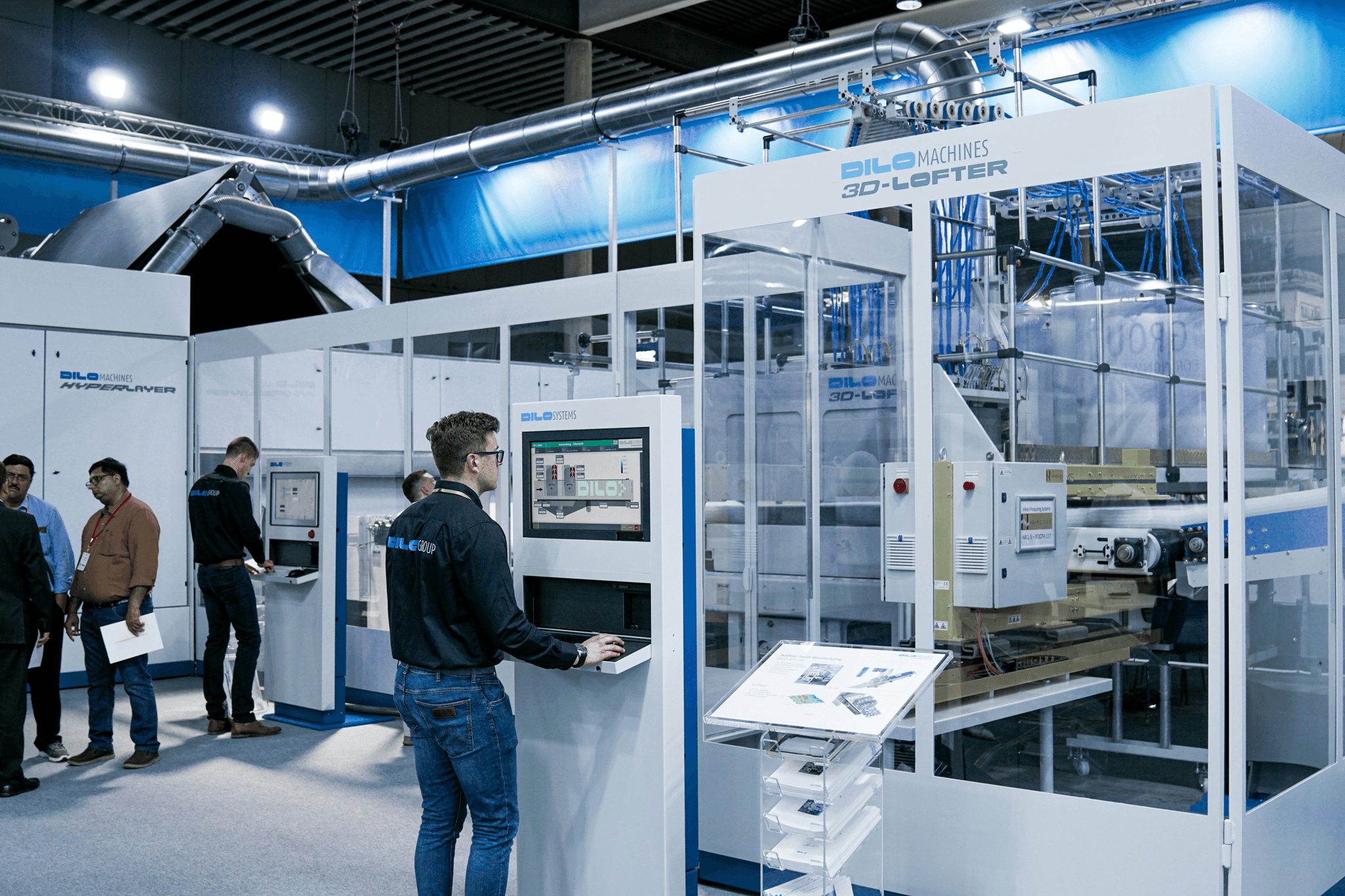
In the world of manufacturing, the Extrusions Inspection Process plays a critical role in ensuring that products meet quality standards before they reach consumers. This process is not just a bureaucratic step; it’s an essential practice that safeguards against defects and ensures the integrity of extrusion materials. By understanding this inspection journey, stakeholders can appreciate how meticulous attention to detail can lead to superior products.
Understanding the Extrusions Inspection Process
The Extrusions Inspection Process encompasses various techniques and methodologies aimed at evaluating the quality of extruded materials. It involves assessing everything from material composition to performance metrics, ensuring that each product meets stringent industry standards. This comprehensive approach helps identify potential issues early on, allowing manufacturers to address them proactively rather than reactively.
Importance of Quality in Extrusion Materials
Quality in extrusion materials cannot be overstated; it directly impacts product durability, performance, and safety. Poor-quality materials can lead to catastrophic failures down the line, affecting not only consumer trust but also a company’s bottom line. Therefore, implementing rigorous Extrusion Materials Inspection is vital for maintaining high standards and fostering long-term success in any manufacturing operation.
Key Steps in the Inspection Journey
The inspection journey consists of several key steps designed to ensure thorough evaluation and validation of extruded products. These steps typically include initial material assessments, detailed visual inspections, and performance evaluations against established criteria. By following these key steps meticulously within the Extrusion Visual Inspection framework, companies can effectively minimize risks and enhance product reliability throughout their supply chain.
Overview of the Extrusion Inspection Process
The Extrusions Inspection Process is a crucial aspect of manufacturing that ensures the quality and reliability of extruded materials. This process involves a series of systematic evaluations designed to identify any defects, inconsistencies, or non-compliance in extrusion products. The ultimate goal is to guarantee that these materials meet industry standards and customer expectations.
Definition and Purpose
At its core, the Extrusions Inspection Process encompasses all methods used to assess the quality of extruded materials through various stages of production. It serves multiple purposes, including detecting defects early, ensuring compliance with specifications, and maintaining high-quality standards throughout production. By implementing rigorous inspection techniques, manufacturers can minimize waste and enhance overall product performance.
Common Challenges Faced
While the Extrusion Materials Inspection process is essential for quality assurance, it’s not without its challenges. One common issue is variability in material composition which can lead to inconsistent performance during extrusion processes; this makes thorough inspection even more critical. Additionally, inspectors often face limitations in technology or resources that can hinder effective visual inspections or performance evaluations.
Stakeholders Involved
The successful execution of the Extrusion Visual Inspection relies on collaboration among various stakeholders within an organization. Key players typically include quality control inspectors, production managers, and material suppliers who all play vital roles in ensuring compliance with established standards. Moreover, external partners like testing laboratories may also contribute expertise to enhance the overall effectiveness of the Extrusion Performance Inspection process.
Extrusion Materials Inspection Techniques
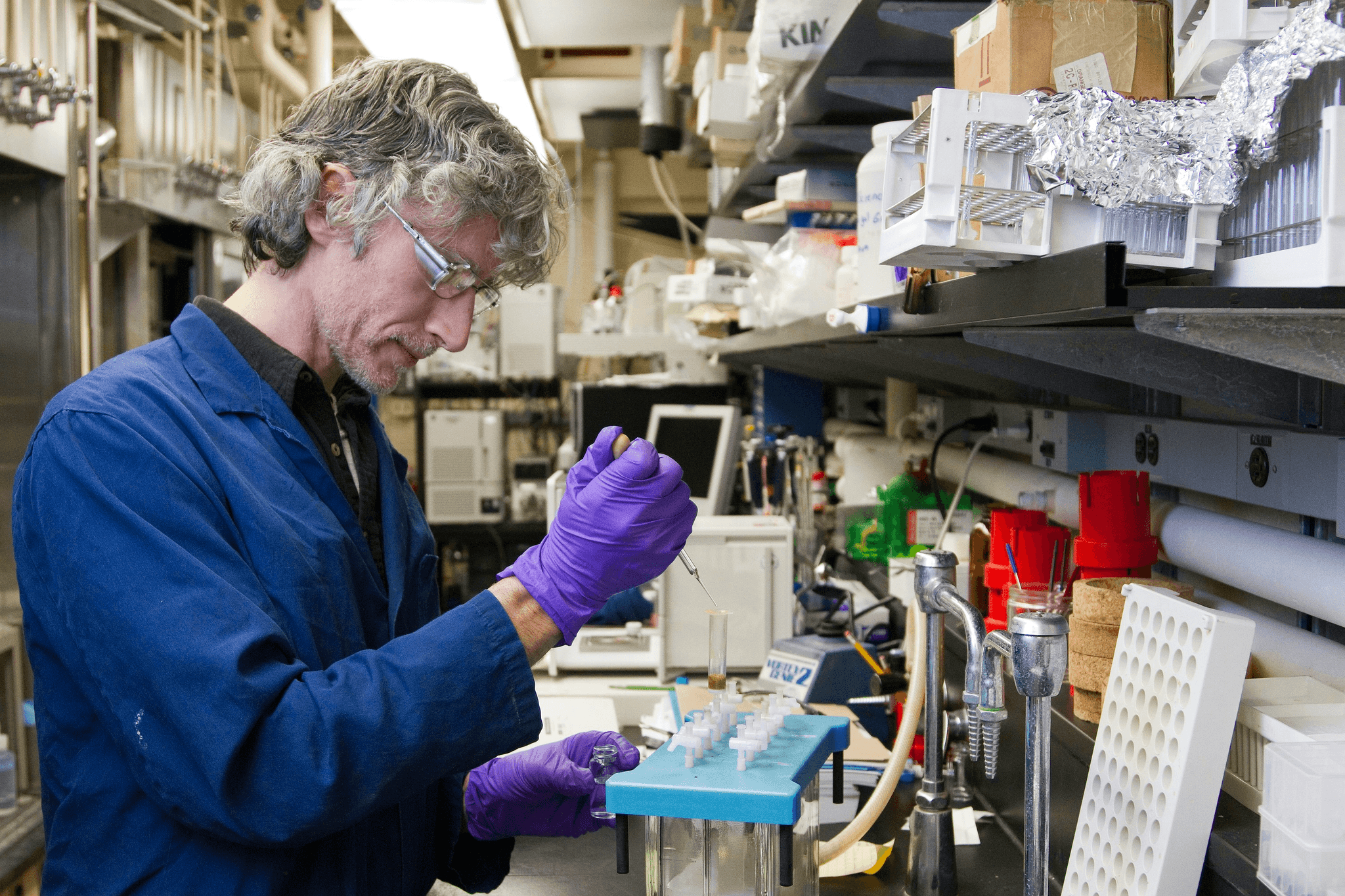
In the realm of the Extrusions Inspection Process, understanding material composition is crucial for ensuring product quality and performance. The techniques employed in Extrusion Materials Inspection are not only essential for identifying defects but also for maintaining compliance with industry standards. This section delves into the core methodologies used to assess materials in the extrusion process.
Material Composition Analysis
Material composition analysis is a fundamental technique in the Extrusions Inspection Process, aimed at verifying that materials meet specified standards. This involves using advanced methods such as spectroscopy or chromatography to analyze the chemical makeup of extrusion materials. By ensuring that the correct materials are used, manufacturers can prevent potential failures and enhance overall product reliability.
Moreover, understanding material properties helps in predicting how these extrusions will behave under various conditions, which is vital for performance evaluation during Extrusion Performance Inspection. Accurate material composition analysis not only aids in quality control but also plays a pivotal role in reducing waste and optimizing production processes. Ultimately, it serves as a solid foundation upon which effective inspections can be built.
Testing for Defects and Contaminants
Testing for defects and contaminants is another critical aspect of the Extrusion Materials Inspection process that cannot be overlooked. Various techniques such as non-destructive testing (NDT) or visual inspection are implemented to identify any irregularities that could compromise product integrity. These tests ensure that extruded products are free from physical flaws like cracks or inclusions, which could lead to catastrophic failures down the line.
Furthermore, contaminant testing is vital; even minute traces of foreign substances can significantly affect material properties and performance during use. Implementing rigorous testing protocols helps companies maintain high-quality standards while minimizing risks associated with defective products—an essential component when considering safety regulations and customer satisfaction during Extrusion Visual Inspection processes.
Role of China Inspection Pro in Quality Control
When it comes to maintaining high standards in extrusion manufacturing, organizations like China Inspection Pro play an invaluable role in quality control throughout the entire Extrusions Inspection Process. They specialize in providing comprehensive inspection services tailored specifically for extrusion materials, ensuring adherence to both local and international quality standards. Their expertise encompasses everything from material composition analysis to defect detection, making them a go-to partner for manufacturers seeking reliable inspections.
Additionally, China Inspection Pro employs advanced technologies and methodologies that streamline the inspection process while enhancing accuracy—allowing businesses to focus on production without compromising on quality assurance during their Extrusion Performance Inspections. Their commitment to excellence fosters trust between manufacturers and consumers alike by delivering consistent results that uphold brand reputation across markets.
Extrusion Visual Inspection Standards
The Extrusion Visual Inspection is a critical component of the Extrusions Inspection Process, ensuring that products meet stringent quality standards before they reach the market. This section delves into the guidelines, tools, and training necessary for effective visual inspections of extrusion materials. By adhering to these standards, manufacturers can enhance their quality control measures and minimize defects.
Visual Inspection Guidelines
Visual inspection guidelines serve as the backbone of the Extrusion Materials Inspection process, providing a structured approach to identifying defects and ensuring product integrity. Inspectors are trained to look for various indicators of quality, including surface finish, color consistency, and dimensional accuracy. A well-defined set of criteria not only streamlines the inspection process but also enhances communication among stakeholders involved in extrusion performance inspection.
To effectively implement these guidelines, organizations should develop checklists tailored to their specific products and materials used in extrusions. This ensures that every inspector is aware of what to look for during an assessment and can consistently apply these standards across different production batches. Regular reviews and updates to these guidelines also help keep pace with evolving industry standards and technological advancements.
Tools and Technologies Used
In today's fast-paced manufacturing environment, utilizing advanced tools and technologies is essential for enhancing the Extrusion Visual Inspection process. Optical inspection systems equipped with high-resolution cameras can capture minute details that may be missed by the naked eye during manual inspections. These systems often employ image processing algorithms that automatically detect defects such as cracks or inconsistencies in texture.
Additionally, handheld devices like laser measurement tools enable inspectors to verify dimensions accurately without disrupting production flow. Integrating digital solutions such as data analytics platforms allows companies to collect real-time feedback on extrusion performance inspection outcomes while facilitating continuous improvement efforts based on this data analysis.
Furthermore, employing augmented reality (AR) technology can revolutionize training methods for inspectors by providing interactive simulations that allow them to experience potential defects in a controlled environment before evaluating actual products.
Importance of Training Inspectors
Training inspectors is paramount in ensuring consistent application of visual inspection standards throughout the Extrusions Inspection Process. Well-trained personnel are better equipped to identify subtle defects that could compromise product quality or performance over time—ultimately safeguarding a company’s reputation in an increasingly competitive market.
A comprehensive training program should cover not only technical skills related to visual inspection but also foster an understanding of material science relevant to extrusion materials inspection techniques used within the industry today. By investing time into building expertise among inspectors—such as through workshops or hands-on practice sessions—companies can create a workforce capable of upholding high-quality assurance levels.
Moreover, ongoing education helps inspectors stay informed about emerging trends or technologies influencing extrusion performance inspection criteria—a crucial aspect when striving for excellence in manufacturing processes.
Extrusion Performance Inspection Criteria

In the realm of the Extrusions Inspection Process, understanding performance criteria is crucial for ensuring that products meet industry standards and customer expectations. The evaluation of extrusion materials hinges on specific metrics that gauge their effectiveness and reliability in practical applications. By focusing on these criteria, companies can enhance their quality control measures and reduce the likelihood of defects.
Key Performance Indicators
Key Performance Indicators (KPIs) serve as vital benchmarks in the Extrusion Performance Inspection landscape. These indicators typically include metrics such as tensile strength, elongation at break, and surface finish quality, which collectively provide a comprehensive view of material performance. Monitoring these KPIs allows manufacturers to assess whether their extrusion materials are up to par or if adjustments are needed to optimize production processes.
Additionally, other KPIs like dimensional accuracy and weight consistency play significant roles in evaluating extruded products. Each of these metrics contributes to a holistic understanding of how well the materials perform under various conditions, making them essential for any thorough Extrusion Materials Inspection process. By establishing clear KPIs, companies can streamline their quality assurance efforts and ensure that only top-tier products reach the market.
Methods for Evaluating Performance
Evaluating performance in extrusions involves a variety of methods designed to provide accurate insights into material behavior under stress or use conditions. Techniques such as mechanical testing—where samples undergo tensile tests or impact tests—are standard practices in assessing material integrity during the Extrusion Visual Inspection phase. Additionally, non-destructive testing methods like ultrasonic inspection can reveal internal defects without compromising sample integrity.
Another effective method is thermal analysis, which helps evaluate how temperature variations affect material properties over time—critical for applications exposed to extreme conditions. These evaluation methods not only support effective Extrusions Inspection Process but also help identify potential areas for improvement within manufacturing protocols or material selection strategies.
Real-World Examples of Performance Issues
Real-world examples often highlight the importance of rigorous performance inspections within extrusion processes; failure to adhere to established criteria can lead to significant complications down the line. For instance, an automotive parts manufacturer faced serious challenges when structural components failed due to inadequate tensile strength—a direct result of insufficient inspection during production phases involving extrusion materials inspection techniques.
Similarly, a construction company experienced delays after discovering that some extruded profiles had dimensional inaccuracies that did not meet project specifications; this oversight stemmed from improper visual inspections during earlier stages of production. Such cases underscore why implementing robust extrusion performance inspection criteria is not merely beneficial but essential for maintaining product integrity and customer satisfaction across various industries.
Continuous Improvement in Extrusions Inspection
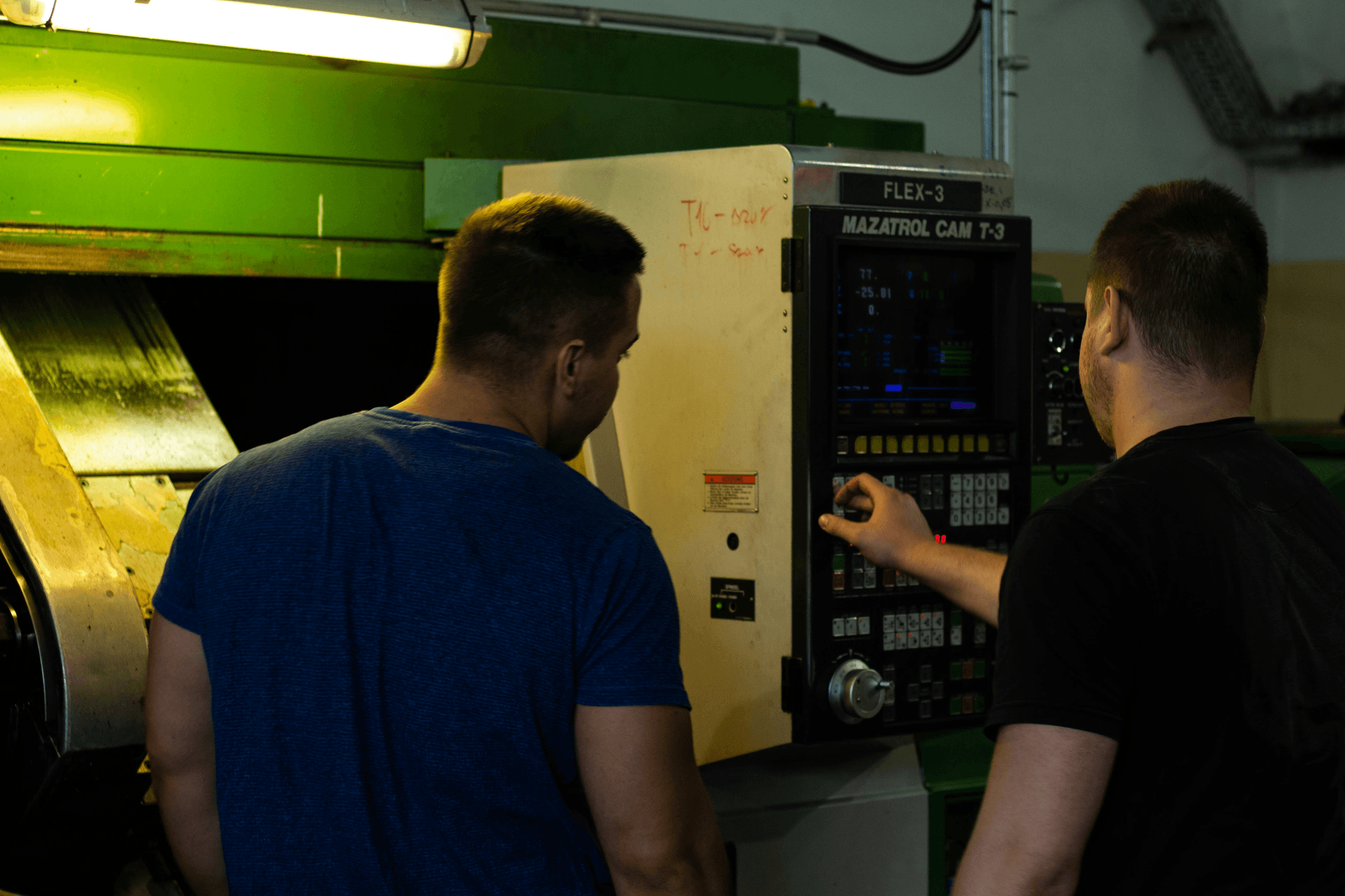
In the fast-paced world of manufacturing, continuous improvement in the Extrusions Inspection Process is essential for maintaining high-quality standards. This involves not just identifying defects but also implementing strategies that foster ongoing development and refinement of inspection methods. By focusing on feedback loops and data analysis, companies can enhance their approach to Extrusion Materials Inspection and ensure that they are meeting industry standards efficiently.
Feedback Loops and Data Analysis
Feedback loops play a crucial role in the Extrusions Inspection Process by allowing manufacturers to learn from past inspections and make informed decisions moving forward. By systematically collecting data from each inspection phase, stakeholders can identify trends, recurring issues, and areas for improvement in their processes. This data-driven approach not only enhances the quality of Extrusion Visual Inspection but also informs better decision-making regarding material usage and production techniques.
Additionally, leveraging advanced analytics tools can help organizations pinpoint specific defects or inefficiencies within their extrusion lines. For instance, if a particular defect arises frequently during inspections, it may indicate a need for equipment maintenance or process adjustment. Ultimately, utilizing feedback loops fosters a culture of continuous improvement that is vital for maintaining high standards in Extrusion Performance Inspection.
Adopting Best Practices
To elevate the standards of the Extrusions Inspection Process, adopting best practices across all levels of operation is essential. This includes implementing standardized protocols for each stage of inspection—from material composition analysis to final performance evaluation—ensuring consistency and reliability throughout the process. Furthermore, training inspectors on these best practices enhances their ability to conduct thorough Extrusion Materials Inspections effectively.
One effective strategy involves benchmarking against industry leaders who have successfully optimized their inspection processes. By studying how top-performing companies manage their inspections—such as utilizing cutting-edge technologies or fostering collaboration among teams—organizations can glean insights that lead to improved efficiency and quality outcomes in their own operations. Embracing such best practices ensures that every aspect of Extrusion Visual Inspection aligns with current industry demands.
Success Stories from Leading Companies
Numerous leading companies have embraced continuous improvement strategies within their Extrusions Inspection Processes with remarkable success stories worth noting. For example, Company X implemented an innovative feedback system that allowed them to reduce defect rates by 30% within six months through real-time data analysis during inspections. Their commitment to refining both technology and training has resulted in exceptional performance metrics across all extrusion products.
Another notable case is Company Y which adopted advanced imaging technologies for its Extrusion Performance Inspections; this not only improved defect detection rates but also significantly sped up inspection times by 40%. Their proactive approach illustrates how embracing new technologies can transform traditional inspection methods into agile systems capable of adapting quickly to market needs while ensuring product quality remains uncompromised.
These success stories highlight how organizations willing to invest time and resources into refining their processes will reap significant rewards over time—proving once again that consistent attention to detail is key when it comes to excellence in extrusions manufacturing.
Conclusion
In the world of manufacturing, quality is king, and the Extrusions Inspection Process plays a pivotal role in ensuring that products meet stringent standards. By systematically addressing defects and inconsistencies through various inspection techniques, manufacturers can enhance the overall quality of their extrusion materials. Ultimately, a robust inspection process not only protects consumer safety but also bolsters brand reputation and customer satisfaction.
Enhancing Quality Through Inspections
The importance of the Extrusion Materials Inspection cannot be overstated; it is essential for identifying potential issues before they escalate into costly problems. Implementing rigorous inspection protocols allows companies to catch defects early on, resulting in significant savings and reduced waste. Moreover, by adhering to established standards in Extrusion Visual Inspection, manufacturers can ensure that their products consistently meet or exceed expectations.
The Future of Extrusions Inspection
Looking ahead, advancements in technology are set to revolutionize the Extrusions Inspection Process even further. Innovations such as artificial intelligence and machine learning will enable more precise detection of flaws during both visual inspections and performance evaluations. As these technologies evolve, they promise not only to streamline inspection procedures but also to enhance accuracy in assessing extrusion performance.
Choosing the Right Inspection Partner
Selecting an appropriate partner for your extrusion inspection needs is crucial for achieving optimal results in your quality control efforts. A reliable partner should have expertise in Extrusion Materials Inspection as well as experience with advanced tools for effective Extrusion Visual Inspection. By collaborating with a knowledgeable provider, businesses can ensure they are equipped with best practices that lead to continuous improvement throughout the entire inspection journey.