
Introduction
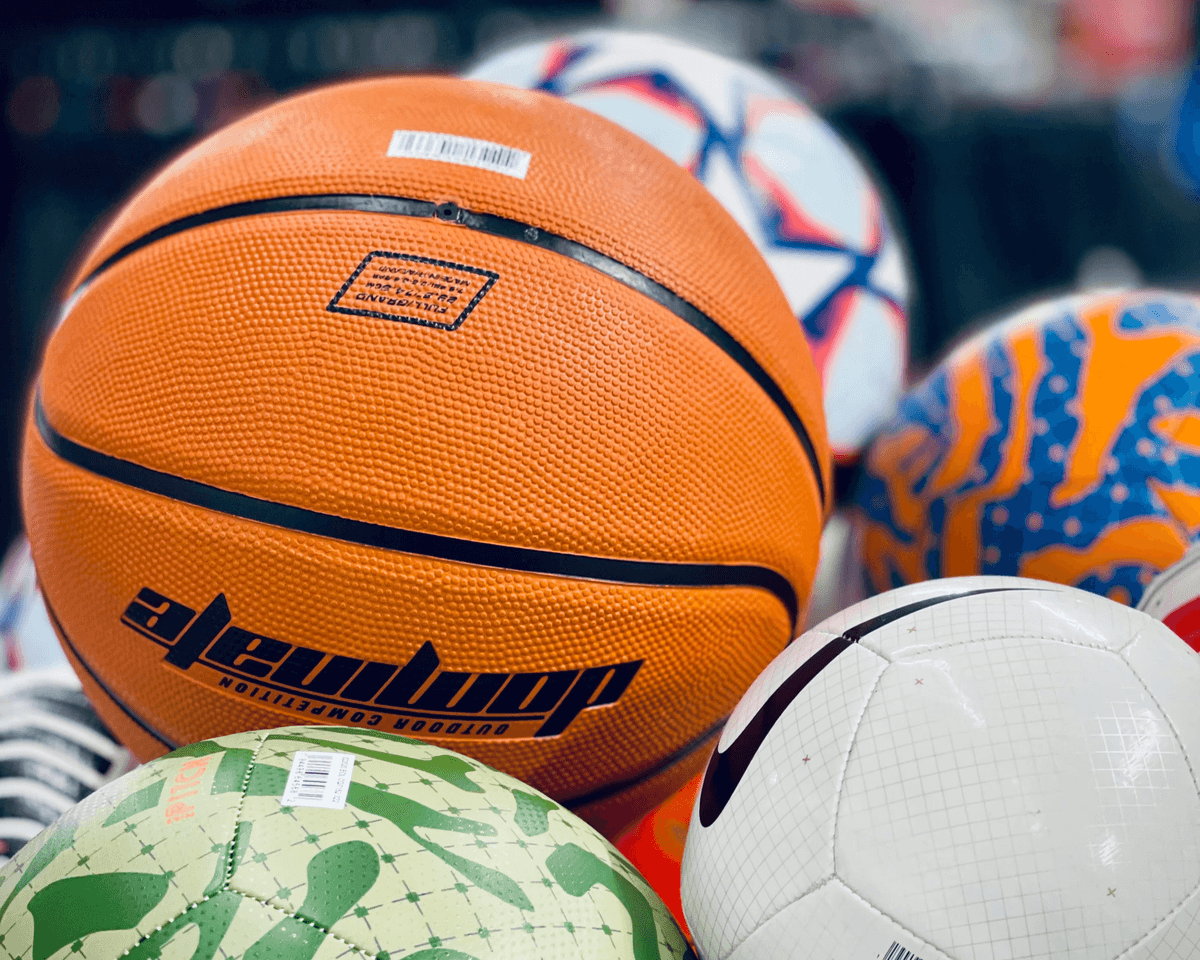
In the world of sports, the equipment used can make or break an athlete's performance, and this is especially true for sports balls. Quality Control for Sports Balls is not just a buzzword; it’s a fundamental aspect that ensures each ball meets rigorous standards before it hits the field or court. Understanding the importance of quality control helps brands maintain their reputation while providing athletes with reliable gear that enhances their game.
Manufacturing sports balls comes with its own set of challenges, from material selection to ensuring durability under various conditions. The key challenges in sports ball manufacturing include maintaining consistency throughout production and meeting diverse consumer expectations. These hurdles highlight why implementing effective quality control measures is crucial for manufacturers aiming to deliver top-notch products.
Quality Control Assistance for Sports Brands plays a vital role in navigating these challenges, offering expertise and resources to streamline processes. By partnering with quality control experts, brands can ensure their products not only meet industry standards but also resonate with consumers seeking excellence in performance. As we delve deeper into the basics and practices of quality control, we'll uncover how proper checks can elevate the integrity of sports balls across the board.
The Basics of Quality Control for Sports Balls
Quality control for sports balls is not just a buzzword; it’s the backbone of manufacturing excellence in the sports industry. Defining quality control standards is crucial, as they serve as the benchmarks against which all products are measured. These standards encompass everything from material selection to performance testing, ensuring that each ball meets or exceeds expectations.
Defining Quality Control Standards
Establishing clear quality control standards is essential for any manufacturer aiming to produce high-quality sports balls. These standards often include specifications related to materials, construction techniques, and performance metrics such as bounce height and grip texture. By defining these parameters, brands can ensure that every ball produced adheres to the same level of excellence, thus reinforcing their reputation in a competitive market.
Importance of Consistency in Production
When manufacturers adhere strictly to their established quality control standards, they minimize variations that could impact performance and durability. This consistency not only builds trust with consumers but also reduces waste and rework costs—both critical factors in maintaining profitability.
How Quality Control Enhances Performance
Quality control plays a significant role in enhancing the performance of sports balls by ensuring that each product meets specific functional criteria. Through rigorous testing and adherence to established standards, manufacturers can produce balls that perform reliably across various conditions—whether on a sunny field or a rainy court. Ultimately, effective quality control assistance for sports brands translates into superior products that athletes can depend on during critical moments of competition.
5 Important Quality Checks to Perform
The following five important quality checks are essential for maintaining high standards and meeting the expectations of athletes and consumers alike. By implementing these checks, sports brands can achieve a reputation for excellence in their products.
Inspection of Material Quality
The first step in any effective quality control process is the inspection of material quality. This involves examining raw materials to ensure they meet industry standards and specifications before they even enter the production line. High-quality materials not only enhance the durability of sports balls but also contribute significantly to performance, making this check a cornerstone of Quality Control Assistance for Sports Brands.
During this inspection, manufacturers should look for consistency in texture, color, and overall integrity of materials used—whether it's leather, synthetic composites, or rubber. Defects such as tears or irregularities can compromise both appearance and performance, leading to dissatisfied customers and potential returns. By prioritizing material quality inspections, brands can significantly reduce waste and improve their bottom line while ensuring that athletes receive top-notch equipment.
Testing for Durability and Performance
Once materials have passed initial inspections, it's time to put them through rigorous testing for durability and performance—two critical components in Quality Control for Sports Balls. This stage often involves subjecting balls to various stress tests simulating real-world conditions like extreme weather or intense gameplay scenarios. Such tests help manufacturers determine how well their products hold up under pressure.
Durability testing might include drop tests from different heights or repeated impacts against surfaces mimicking actual playing conditions. Performance assessments could involve measuring bounce height or flight stability during kicks or throws; both are essential factors influencing an athlete's experience on the field. These evaluations provide invaluable insights into how well a ball will perform over time, allowing brands to make necessary adjustments before mass production.
Ensuring Accurate Weight and Size
Another crucial aspect within the 5 Important Quality Checks to Perform is ensuring accurate weight and size specifications are met consistently throughout production runs. Each sport has specific regulations regarding ball dimensions; failing to adhere could lead to disqualification during competitions or dissatisfaction among players who expect standard sizes in their equipment.
To achieve this accuracy, manufacturers should implement regular calibrations of weighing scales and measurement tools used during production processes—keeping everything precise down to the last gram or millimeter is non-negotiable! Additionally, conducting periodic audits ensures that any deviations from set standards are quickly identified and rectified before reaching consumers' hands—ultimately safeguarding brand reputation through unwavering commitment towards quality control.
The Role of Testing Equipment in Quality Control
In the realm of sports ball manufacturing, testing equipment plays a pivotal role in ensuring that quality control standards are met. Utilizing advanced technology in inspections not only enhances the accuracy of quality checks but also streamlines the entire production process. This integration of technology allows manufacturers to identify defects and inconsistencies swiftly, ultimately leading to superior products that meet consumer expectations.
Utilizing Advanced Technology in Inspections
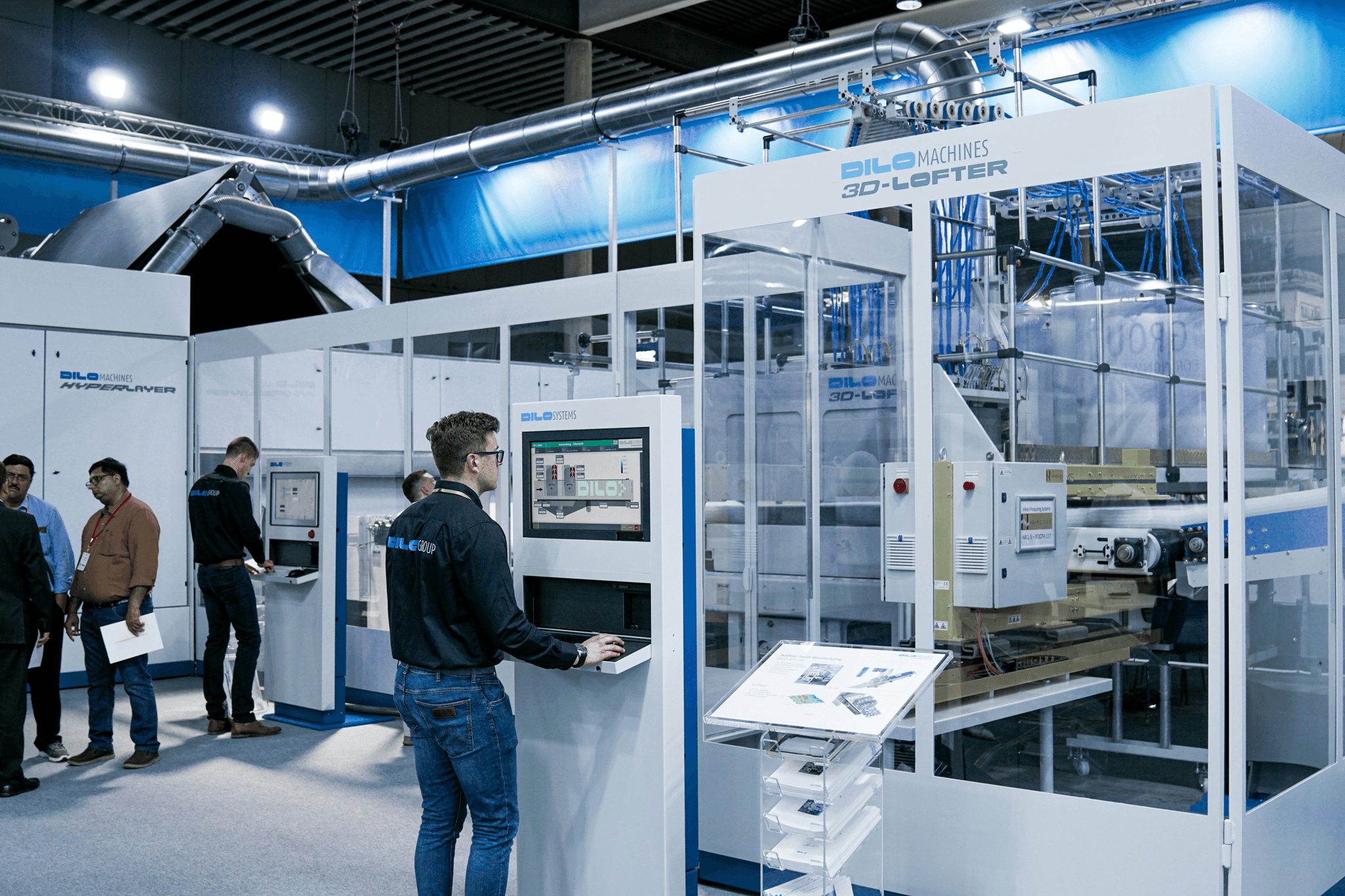
Modern quality control for sports balls has evolved significantly with the advent of advanced technologies. From automated inspection systems equipped with high-resolution cameras to pressure testing machines that assess durability, these tools are indispensable for manufacturers aiming for excellence. By employing such sophisticated equipment, brands can conduct the 5 important quality checks to perform more efficiently and effectively than ever before.
Additionally, tech-driven solutions like AI algorithms can analyze data from inspections, providing insights into potential areas for improvement in both materials and processes. This level of detail not only enhances product quality but also saves time and resources by identifying issues before they escalate into larger problems. Ultimately, leveraging advanced technology ensures that every ball produced meets stringent performance standards while maintaining brand integrity.
Common Testing Tools Every Manufacturer Needs
Some common testing equipment includes durometers for measuring hardness, balance scales for weight accuracy, and tensile testers that evaluate material strength under stress. These tools help manufacturers conduct thorough inspections during various stages of production.
Moreover, specialized machines like inflatable pressure testers ensure that each ball maintains optimal air retention levels—a crucial factor in performance consistency. Without these essential tools at hand, manufacturers risk producing subpar products that could lead to customer dissatisfaction or brand damage. Thus, investing in reliable testing equipment is a foundational step towards establishing a robust quality control framework.
Interpreting Test Results for Quality Assurance
Once testing has been conducted using state-of-the-art equipment, interpreting test results becomes paramount in maintaining high-quality standards within sports ball manufacturing. Understanding what these results indicate about material integrity and overall performance allows brands to make informed decisions about production adjustments or enhancements needed before market release.
Quality control for sports balls doesn't just end at passing tests; it requires ongoing analysis and refinement based on data collected during inspections. By regularly reviewing test outcomes against established benchmarks or industry standards, brands can proactively address potential issues while fostering continuous improvement within their manufacturing processes. This commitment ultimately reinforces a brand's reputation as a leader in producing reliable and high-performing sports balls.
Real-World Examples of Quality Control Success
In the competitive world of sports ball manufacturing, quality control is not just a checkbox; it's a game-changer. Brands like Wilson Sporting Goods, Spalding, and Adidas have set the bar high with their innovative approaches to ensuring top-notch products. Let’s dive into how these industry leaders exemplify effective quality control for sports balls.
Case Study: Wilson Sporting Goods
Wilson Sporting Goods has long been synonymous with quality in the sports industry, particularly known for its basketballs and footballs. Their commitment to quality control begins at the material sourcing stage, where they conduct rigorous inspections to ensure only the best materials are used. By implementing 5 important quality checks to perform throughout the production process, Wilson guarantees that every ball meets strict performance standards before it hits store shelves.
One standout example is their use of advanced testing equipment that evaluates durability and performance under various conditions, simulating real-game scenarios. This proactive approach not only enhances product reliability but also strengthens customer trust in their brand. As part of their ongoing commitment to excellence, Wilson continually seeks out quality control assistance for sports brands to refine their processes further.
Innovations at Spalding
Spalding has embraced innovation in its quest for superior quality control for sports balls, particularly through technology integration in its manufacturing processes. The company employs automated inspection systems that can detect flaws invisible to the human eye, ensuring each ball meets rigorous specifications before leaving the factory floor. This use of cutting-edge technology exemplifies how Spalding prioritizes consistency and performance enhancement through meticulous quality checks.
Moreover, Spalding's research teams regularly collaborate with athletes and coaches to gather feedback on product performance, which informs their ongoing adjustments in design and materials used. By marrying athlete insights with stringent testing protocols, Spalding solidifies its reputation as a leader in basketball manufacturing while adhering closely to essential quality standards. Their dedication showcases how effective partnerships and innovative solutions can elevate overall product integrity.
How Adidas Ensures Ball Quality
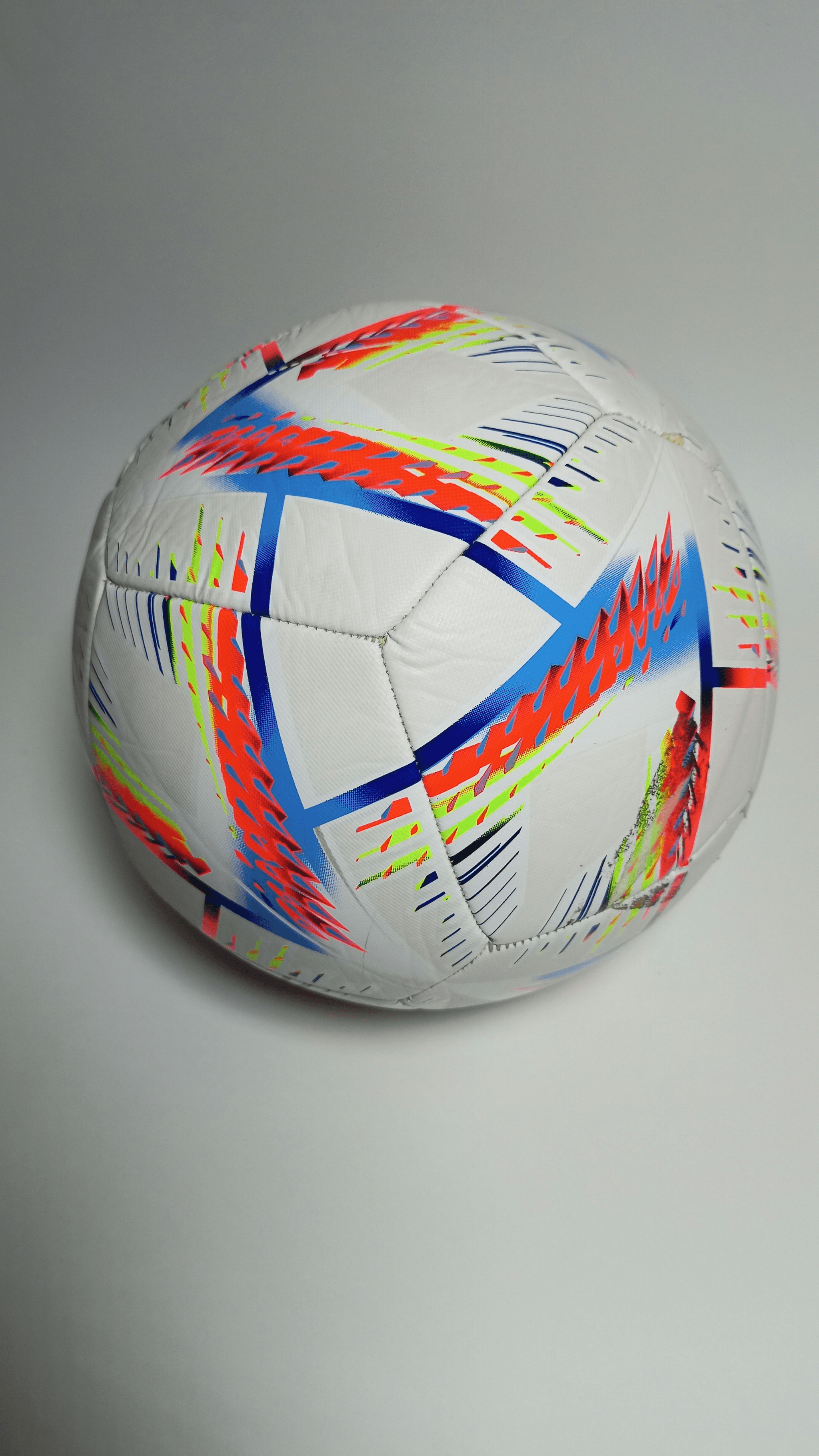
Adidas takes a comprehensive approach when it comes to ensuring ball quality throughout its production line—a strategy rooted deeply in robust quality control practices for sports balls. Known primarily for soccer balls like the Brazuca and Tango 18, Adidas applies extensive testing methodologies that include both manual inspections and automated systems tailored specifically for weight accuracy and size compliance—two critical aspects outlined among the 5 important quality checks to perform.
The brand also invests significantly in R&D initiatives aimed at enhancing material durability while reducing environmental impact—a win-win scenario! By collaborating with specialized organizations focused on sustainable practices within manufacturing processes, Adidas not only ensures high-quality products but also builds a strong reputation as an environmentally conscious brand within the sporting community. Such strategic partnerships highlight how crucial collaboration is when seeking effective quality control assistance for sports brands aiming for excellence.
Partnering with Quality Control Services

In the competitive world of sports ball manufacturing, partnering with quality control services can be a game-changer. Brands that prioritize Quality Control for Sports Balls not only enhance their product offerings but also build trust among consumers. Collaborating with experts like China Inspection Pro provides invaluable assistance in maintaining high standards throughout the production process.
Benefits of Working with China Inspection Pro
When it comes to ensuring top-notch Quality Control for Sports Balls, working with a reliable partner like China Inspection Pro offers numerous advantages. Their expertise in conducting the 5 Important Quality Checks to Perform ensures that every ball meets stringent quality standards before reaching the market. With access to a network of experienced inspectors, brands can save time and resources while still achieving exceptional quality assurance.
Moreover, China Inspection Pro provides tailored solutions designed to meet specific needs within the sports industry. This level of customization allows brands to focus on their core business while leaving the complexities of quality checks to seasoned professionals. The result? A significant reduction in defects and an overall boost in customer satisfaction.
Streamlining Quality Processes with Experts
Streamlining quality processes is crucial for any sports brand aiming to maintain its reputation and competitiveness. By leveraging Quality Control Assistance for Sports Brands from experts, companies can implement efficient systems that ensure consistency and reliability in production. These specialists help identify bottlenecks and inefficiencies, paving the way for smoother operations.
Additionally, advanced technology utilized by these professionals enhances the effectiveness of inspections and testing procedures. This means that manufacturers can conduct thorough evaluations based on data-driven insights rather than guesswork alone, leading to better decision-making regarding materials and production techniques. Ultimately, this streamlined approach not only saves time but also contributes significantly to overall product excellence.
Building a Quality-Centric Brand Reputation
A strong emphasis on quality is essential in building a reputable brand within the sports industry, especially when it comes to Quality Control for Sports Balls. By consistently delivering high-quality products through effective partnerships with inspection services, brands cultivate loyalty among consumers who value performance and durability in their sporting equipment. A well-established reputation for quality can set a brand apart from competitors who may overlook these critical aspects.
Furthermore, engaging in proactive communication about quality checks reinforces consumer confidence in your products—after all, transparency is key! Showcasing your commitment through marketing efforts or social media campaigns can further enhance public perception while highlighting your dedication to excellence through rigorous adherence to the 5 Important Quality Checks to Perform during manufacturing processes.
In conclusion, partnering with dedicated quality control services like China Inspection Pro not only streamlines operations but also solidifies your brand’s standing as a leader committed to delivering exceptional products—ensuring long-term success within an ever-evolving marketplace.
Conclusion
In the world of sports ball manufacturing, quality control is not just an afterthought; it is the backbone of a successful brand. A robust Quality Control for Sports Balls framework ensures that every product meets rigorous standards, which in turn enhances customer satisfaction and loyalty. By integrating effective quality checks and leveraging Quality Control Assistance for Sports Brands, manufacturers can maintain a competitive edge in a bustling market.
Key Takeaways on Quality Control Practices
First and foremost, understanding the 5 Important Quality Checks to Perform is essential for any sports ball manufacturer aiming for excellence. These checks—material inspection, durability testing, size and weight accuracy—serve as critical benchmarks that uphold product integrity. Additionally, consistent application of these practices fosters trust among consumers who expect nothing less than top-tier performance from their sporting equipment.
Moreover, establishing clear quality control standards not only streamlines production but also minimizes costly errors and returns. By prioritizing quality assurance processes, brands can build a reputation that resonates with athletes and enthusiasts alike. Ultimately, investing in Quality Control for Sports Balls is investing in long-term success.
Future Trends in Sports Ball Quality Assurance
As technology continues to evolve, so too will the methods employed in ensuring high-quality sports balls. Advanced materials and smart manufacturing techniques are set to revolutionize how quality control is approached; think sensors that monitor performance metrics during production! The future will likely see an increased reliance on data analytics to predict potential issues before they arise.
Furthermore, sustainability will play a significant role in shaping future quality standards as consumers become more environmentally conscious. Brands will need to adapt by integrating eco-friendly materials without compromising performance or safety—an exciting challenge for manufacturers! This shift towards sustainability will undoubtedly influence how we think about Quality Control Assistance for Sports Brands moving forward.
Ensuring Long-Term Quality in Manufacturing
To ensure long-term quality in manufacturing sports balls, companies must commit to continuous improvement and innovation within their processes. Regular training programs on the latest quality control techniques can empower employees while reinforcing the importance of maintaining high standards across all operations. Collaborating with experts who specialize in Quality Control Assistance for Sports Brands can further enhance these efforts by providing valuable insights into industry best practices.
Additionally, fostering a culture where feedback loops are encouraged can lead to ongoing enhancements throughout the production cycle. By embracing both traditional checks and modern advancements like automated inspections or AI-driven analyses, brands can establish a resilient framework that stands up against market fluctuations and consumer demands alike. In essence, prioritizing robust quality control measures today sets the stage for success tomorrow.