
Introduction
In the dynamic world of footwear production, brands face a myriad of challenges that can affect their market standing and consumer loyalty. From sourcing high-quality raw materials to managing poor workmanship, the intricacies of production are both complex and critical. Moreover, with consumers increasingly aware of their choices and the environmental footprint associated with these products, the pressure to deliver quality while meeting expectations has never been higher.
Understanding Footwear Brand Challenges
Footwear brands today must navigate a landscape filled with challenges ranging from fluctuating material costs to evolving consumer preferences. The importance of quality in footwear production cannot be overstated; it is often the defining factor that sets a brand apart in a crowded marketplace. Brands must also contend with issues like poor workmanship, which can tarnish reputations built over years of trust and dedication.
The Role of Quality in Footwear Production
Quality serves as the backbone of successful footwear production, influencing everything from durability to aesthetic appeal. High-quality raw materials are essential, as they directly impact the final product's performance and longevity. Furthermore, rigorous Pre-Production Inspection (PPI) processes help ensure that these materials meet stringent standards before they enter the manufacturing phase.
Balancing Consumer Expectations and Production
Meeting consumer expectations is an art form in itself; customers now demand not only style but also sustainability and ethical production practices in their footwear choices. Brands must stay agile, adapting to trends while maintaining quality standards—no easy feat when considering factors like poor workmanship or supply chain disruptions. Ultimately, balancing these elements requires innovative solutions that keep both consumers satisfied and environmental footprints minimized.
Quality of Raw Materials

In the world of footwear production, the quality of raw materials is paramount. High-quality materials not only enhance the durability and performance of shoes but also play a critical role in shaping brand reputation. Sourcing top-notch materials can often be the difference between a shoe that sells and one that ends up collecting dust on store shelves.
Importance of Sourcing High-Quality Materials
Sourcing high-quality materials is essential for any footwear production process, as it directly influences product longevity and customer satisfaction. When brands prioritize quality, they not only meet consumer expectations but also reduce return rates and increase customer loyalty. Moreover, using superior raw materials can significantly lower the environmental footprint by reducing waste generated from poorly made products.
In an era where consumers are more conscious about sustainability, brands must recognize that sourcing environmentally friendly materials is no longer optional but a necessity. By investing in high-quality raw materials, companies can create footwear that stands out in a saturated market while also appealing to eco-conscious buyers. Ultimately, choosing quality over quantity helps brands build credibility and fosters long-term success.
Analyzing Material Suppliers Like Nike and Adidas
When examining material suppliers like Nike and Adidas, it's evident that these industry giants prioritize the quality of raw materials in their footwear production processes. Both companies have established rigorous standards for their suppliers to ensure consistency and excellence in material sourcing. They often collaborate with innovative textile manufacturers to develop cutting-edge fabrics that improve performance while minimizing environmental impact.
Nike’s commitment to sustainable practices has led them to invest heavily in recycled materials, demonstrating how major players are adapting to consumer expectations for eco-friendly options without compromising on quality. Similarly, Adidas has garnered attention for its use of ocean plastic waste in their products, showcasing how premium raw material sourcing can align with environmental initiatives. By analyzing these successful strategies from leading brands, smaller companies can learn valuable lessons about integrating sustainable practices into their own supply chains.
Solutions for Ensuring Material Quality
To ensure material quality throughout footwear production, it's vital to implement robust supplier evaluation processes that focus on transparency and accountability. Brands should establish long-term relationships with trusted suppliers who share their commitment to high standards—this includes regular audits and assessments of material sources to maintain compliance with quality benchmarks. Additionally, adopting technologies such as blockchain can enhance traceability throughout the supply chain.
Another effective solution is investing in Pre-Production Inspection (PPI) protocols before commencing manufacturing runs; this ensures that all sourced materials meet specified criteria prior to production kick-off. Training teams on identifying poor workmanship during initial inspections will further safeguard against potential issues down the line—after all, even the best raw materials won't shine if they're mishandled during assembly! Finally, fostering an open dialogue with consumers about material choices can help brands better align their offerings with shifting consumer expectations while reinforcing brand loyalty through transparency.
Pre-Production Inspection (PPI)

In the world of footwear production, ensuring quality from the get-go is not just a good practice; it’s essential. Pre-Production Inspection (PPI) serves as a vital checkpoint that can save brands from costly errors down the line. By addressing potential issues before manufacturing begins, brands can significantly enhance their product quality and align with consumer expectations.
The Necessity of Thorough Inspection
Thorough inspection during the pre-production phase is crucial for identifying any discrepancies in raw materials and workmanship before they escalate into larger problems. Quality of raw materials is often overlooked, but it’s fundamental to the overall success of footwear production. Without a robust PPI process, brands risk producing shoes that not only fail to meet consumer expectations but also contribute to an increased environmental footprint due to waste and rework.
How China Inspection Pro Ensures Quality Standards
China Inspection Pro plays a pivotal role in maintaining high-quality standards in footwear production through its comprehensive PPI services. This organization specializes in scrutinizing every aspect of production, from material quality checks to workmanship evaluations, ensuring that brands like Nike and Adidas don’t compromise on their reputation. By employing experienced inspectors who understand the nuances of footwear production, they help companies mitigate risks associated with poor workmanship and subpar materials.
Best Practices for Implementing PPI
Implementing effective PPI requires a strategic approach that includes clear communication with suppliers about quality expectations and standards. Brands should develop checklists tailored to their specific needs while also considering environmental impacts associated with poor practices in footwear production. Regular training sessions for inspection teams can further enhance their ability to identify issues early on, ultimately leading to superior craftsmanship and meeting consumer expectations more effectively.
Poor Workmanship
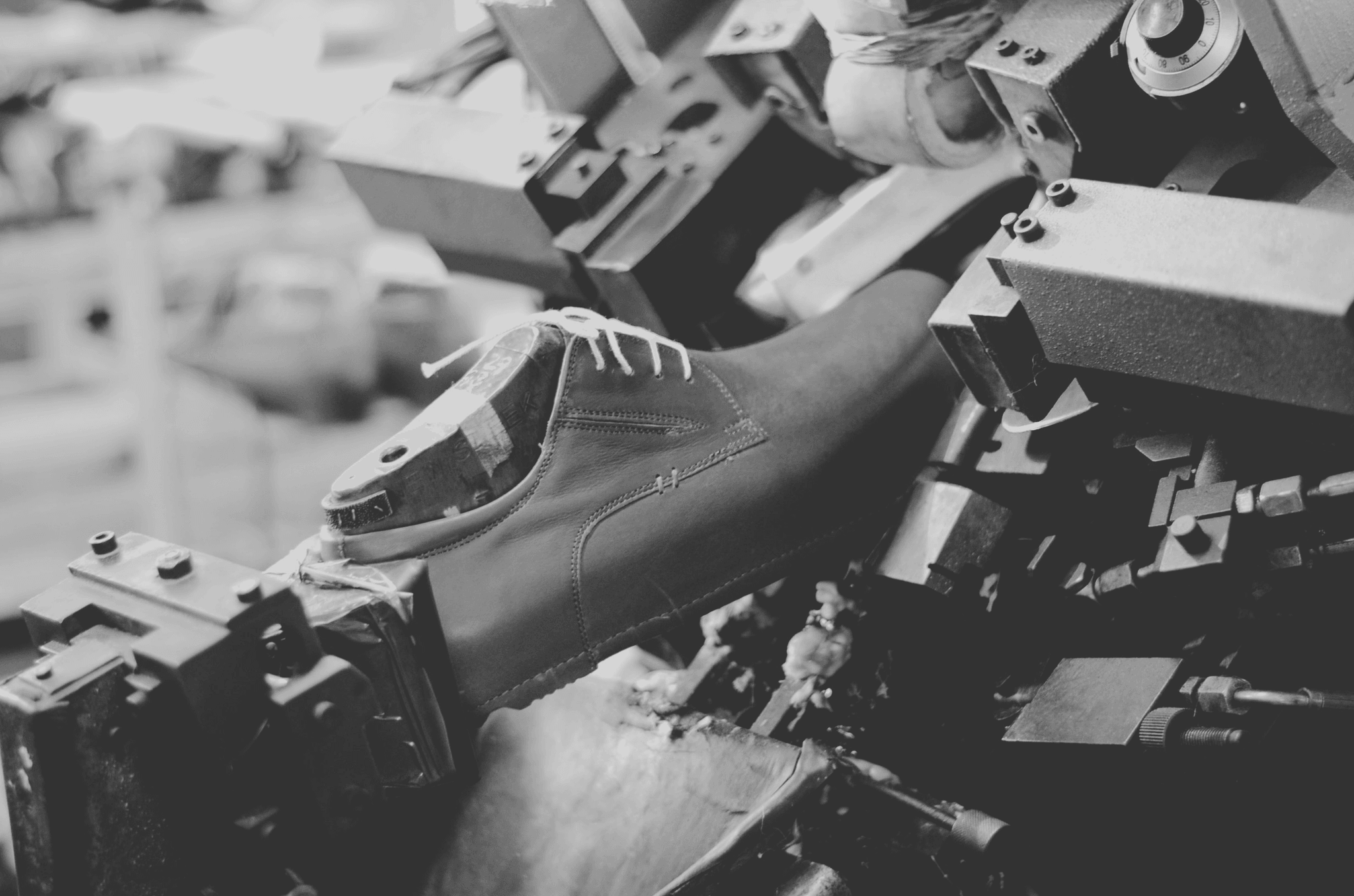
In the world of footwear production, poor workmanship can be a brand's Achilles' heel. Subpar craftsmanship not only affects the durability and aesthetics of shoes but also tarnishes a brand's reputation in an increasingly competitive market. Identifying common issues early on can help brands mitigate risks and maintain high standards.
Identifying Common Workmanship Issues
Common workmanship issues in footwear production often include uneven stitching, misaligned components, and inadequate finishing touches. These flaws can lead to significant consumer dissatisfaction, as they directly impact the comfort and functionality of the shoes. Moreover, such defects may also contribute to a larger environmental footprint due to increased waste from discarded products.
Another prevalent issue is the use of inferior adhesives that fail to hold up under stress, leading to sole separation or other structural failures. This not only affects product longevity but also raises concerns about quality control throughout the manufacturing process. By recognizing these common pitfalls, brands can take proactive steps toward improving their craftsmanship.
Case Studies: Brands That Overcame Production Flaws
Several prominent footwear brands have faced challenges related to poor workmanship but successfully turned their situations around through strategic interventions. For instance, Nike once encountered backlash over quality issues in its popular sneaker lines; however, they implemented rigorous Pre-Production Inspection (PPI) protocols that significantly enhanced their quality assurance processes. By focusing on sourcing high-quality raw materials and investing in skilled labor training, Nike managed to restore consumer confidence.
Similarly, Adidas faced criticism for inconsistent product quality across its diverse offerings but responded by refining its supplier relationships and enforcing strict quality standards during production phases. This included regular audits of factories and improved communication with material suppliers to ensure adherence to expectations. These case studies illustrate how addressing craftsmanship flaws head-on can lead brands back into consumers' good graces.
Strategies to Enhance Craftsmanship
To enhance craftsmanship effectively within footwear production, companies should prioritize comprehensive training programs for workers focused on best practices in shoe construction techniques. Investing in employee skill development fosters pride in workmanship and reduces errors stemming from lack of knowledge or experience—ultimately leading to higher-quality products that meet consumer expectations.
In addition to training initiatives, implementing more stringent Pre-Production Inspection (PPI) measures is essential for identifying potential flaws before they become widespread problems on the production line. Brands should also consider leveraging technology such as 3D modeling or automated inspection systems that can detect inconsistencies at an early stage while minimizing environmental footprints associated with defective products.
Finally, establishing strong partnerships with reliable material suppliers ensures that only high-quality raw materials are used throughout the manufacturing process—an important factor for achieving superior craftsmanship consistently over time. By combining skilled labor with top-notch materials and rigorous inspection processes, brands can create footwear that stands out for both style and durability while meeting evolving consumer demands.
Addressing Consumer Expectations

In the fast-paced world of footwear production, understanding consumer expectations is crucial for brands to thrive. Today's consumers are not just looking for stylish shoes; they seek quality, sustainability, and ethical practices in their footwear choices. By grasping what truly drives consumer decisions, brands can align their production processes with these expectations to foster loyalty and satisfaction.
Understanding What Consumers Really Want
At the heart of consumer expectations lies a desire for high-quality products that reflect personal values and lifestyle choices. Shoppers increasingly prioritize the quality of raw materials used in footwear production, seeking out brands that utilize sustainable and ethically sourced components. Additionally, consumers are becoming more discerning about craftsmanship; poor workmanship can lead to dissatisfaction and tarnished brand reputation.
To meet these demands effectively, brands must engage in active listening—gathering feedback through surveys or social media channels to understand what features consumers value most. This insight allows manufacturers to tailor their offerings based on preferences for comfort, durability, style, and environmental footprint considerations. Ultimately, aligning product development with consumer desires creates a win-win scenario where both parties benefit from enhanced satisfaction.
Adapting to Trends: Lessons from Converse and Vans
Brands like Converse and Vans have mastered the art of adapting to ever-changing trends while maintaining their core identities in footwear production. These companies have successfully navigated shifts in consumer preferences by embracing cultural movements and collaborating with artists or influencers who resonate with their target audience. By staying relevant without sacrificing quality or craftsmanship, they demonstrate how important it is to balance innovation with tradition.
Converse's limited-edition releases often tap into nostalgia while integrating modern design elements that appeal to younger audiences—a clever strategy that keeps them at the forefront of fashion trends. Similarly, Vans leverages its skateboarding heritage by promoting authenticity through community engagement initiatives focused on youth culture and sportsmanship. These lessons illustrate how vital it is for brands to remain agile in responding to market dynamics while upholding high standards of quality throughout their supply chains.
Innovative Solutions for Meeting Expectations
To address evolving consumer expectations effectively, footwear brands must embrace innovative solutions at every stage of production—from sourcing materials to final inspections like Pre-Production Inspection (PPI). Implementing advanced technologies such as 3D printing can revolutionize product development by allowing rapid prototyping while reducing waste associated with traditional manufacturing processes—ultimately lowering environmental footprints.
Additionally, establishing strong partnerships with suppliers who prioritize quality raw materials ensures that each component meets rigorous standards before reaching assembly lines. Brands should also invest in training programs aimed at enhancing craftsmanship among workers; this not only reduces instances of poor workmanship but fosters a culture of pride within the workforce—leading directly back into improved customer experiences.
By taking proactive steps toward transparency regarding sourcing practices and environmental impacts alongside consistent communication about product benefits—footwear companies can build lasting relationships rooted in trust with today's conscientious consumers.
Conclusion
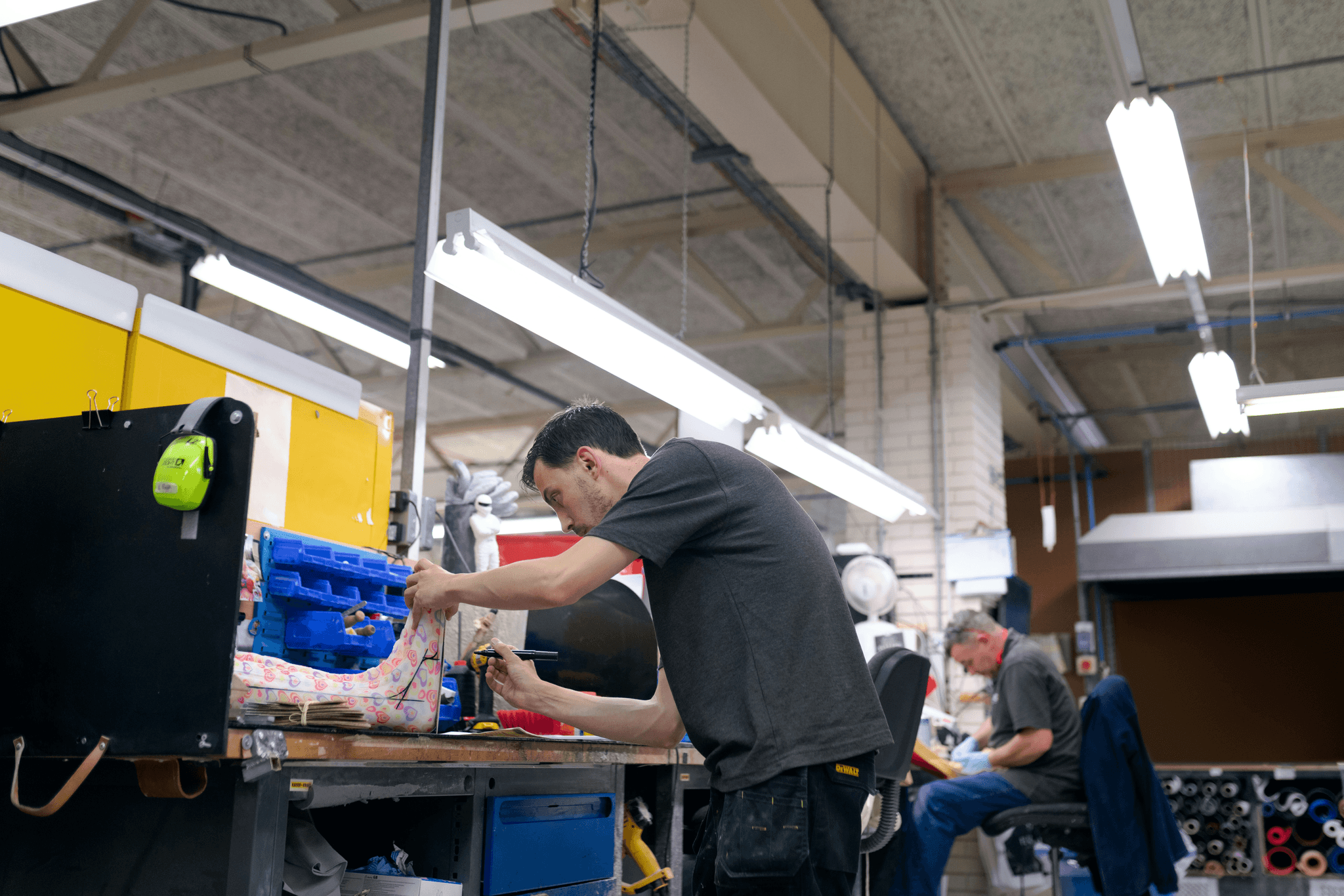
In the dynamic world of footwear production, maintaining high standards of quality is paramount. With ever-increasing consumer expectations and a competitive marketplace, brands must prioritize quality at every stage of their production process. This includes not only sourcing the finest raw materials but also implementing rigorous Pre-Production Inspections (PPI) and addressing issues related to poor workmanship.
Enhancing Quality Control in Footwear Production
To enhance quality control in footwear production, brands must adopt a holistic approach that encompasses all aspects of the manufacturing process. This means investing in advanced technologies for monitoring material quality, ensuring that every component meets stringent industry standards before assembly begins. Furthermore, fostering a culture of craftsmanship among workers can significantly reduce instances of poor workmanship, leading to products that truly resonate with consumer expectations.
Key Takeaways on Raw Materials and Inspections
The quality of raw materials is undeniably the backbone of any successful footwear production line; without it, even the most innovative designs can fall flat. Sourcing high-quality materials from reputable suppliers not only enhances product durability but also aligns with growing consumer demands for sustainability and ethical practices. Additionally, implementing effective Pre-Production Inspections (PPI) ensures that potential flaws are caught early on, saving time and resources while boosting overall brand reputation.
Future-Proofing Footwear Brands Against Challenges
As the landscape of consumer preferences continues to evolve, future-proofing footwear brands against challenges requires adaptability and foresight. Brands must stay ahead by embracing trends while remaining committed to reducing their environmental footprint through sustainable practices in both material sourcing and production methods. By continuously engaging with consumers to understand their expectations and incorporating feedback into product development, companies can build lasting relationships while securing their place in an increasingly competitive market.