
Introduction
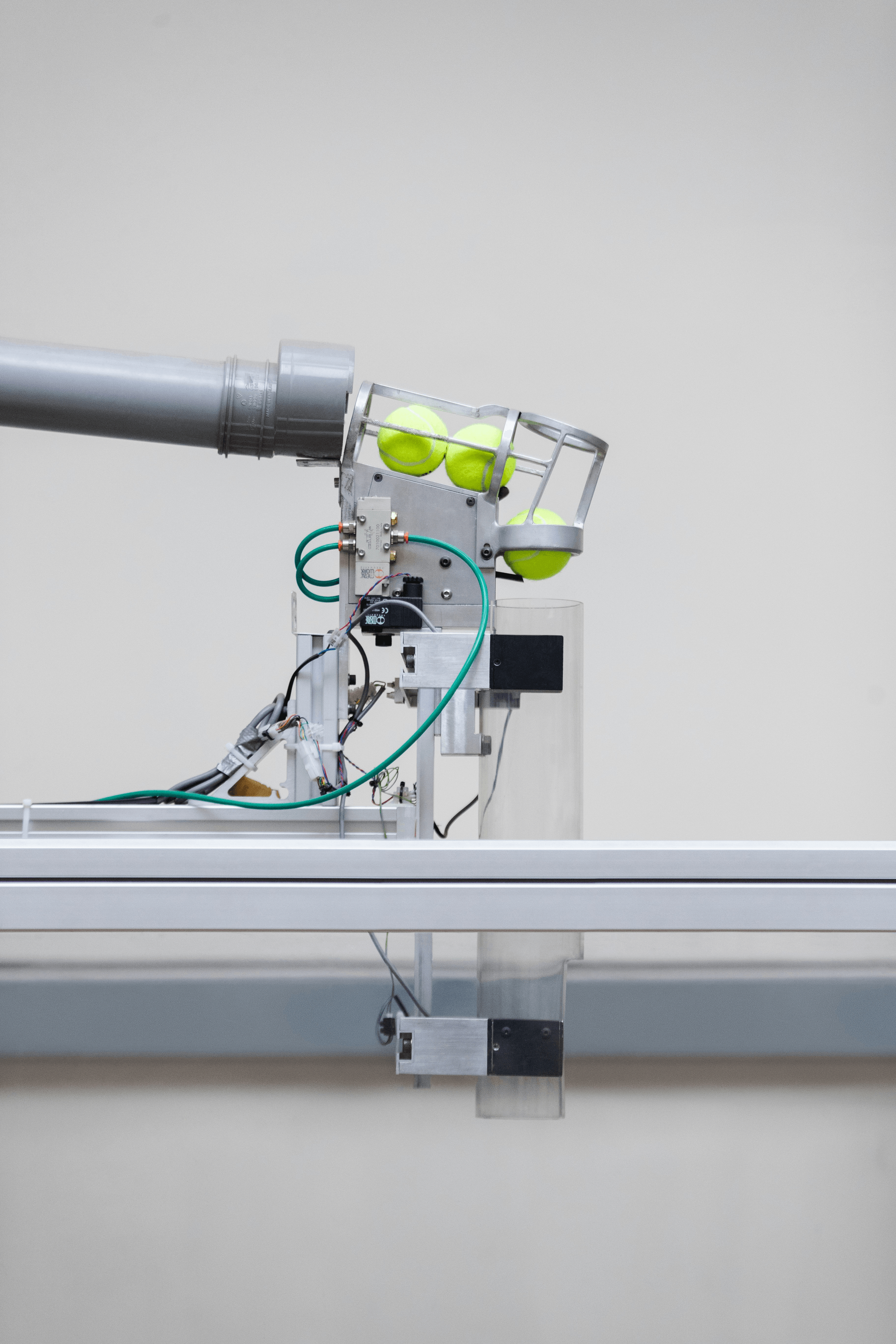
In the fast-paced world of tennis, where milliseconds and millimeters can make all the difference, ensuring your gear is in top shape is crucial. Tennis Equipment Inspection isn't just about spotting flaws; it’s about guaranteeing peak performance on every serve and volley. From PRE-PRODUCTION INSPECTION to FINAL INSPECTION, a comprehensive quality control process keeps players confident and brands reputable.
A well-organized approach to Tennis Equipment Inspection involves multiple layers of checks—each designed to catch issues early and prevent problems down the line. Starting with meticulous MATERIALS INSPECTION ensures that only durable, high-quality components are used, setting the stage for a successful product. As production progresses, ASSEMBLY INSPECTION guarantees that every handle, grip, and string is perfectly aligned before hitting the market.
Consistent Visual Inspection helps maintain an impeccable aesthetic finish while identifying structural flaws that could compromise safety or performance. Meanwhile, MEASUREMENT AND WEIGHT INSPECTION ensure each racket hits the right balance point for optimal playability. Ultimately, FINAL INSPECTION seals the deal by performing a final quality check before products reach players’ hands—because in tennis, perfection isn’t optional.
The Foundations of Tennis Equipment Inspection
Tennis Equipment Inspection is the backbone of ensuring players get the best gear possible, free from defects and ready for action. It involves a series of meticulous checks throughout the manufacturing process, starting with PRE-PRODUCTION INSPECTION to set quality standards early on. Without a solid understanding of these foundational steps, even the most advanced tennis gear can fall short when it hits the court.
Effective quality control hinges on several key components, including MATERIALS INSPECTION, ASSEMBLY INSPECTION, VISUAL INSPECTION, and MEASUREMENT AND WEIGHT INSPECTION. These steps work together to catch issues at every stage—from raw materials to final assembly—helping brands maintain consistency and durability. Implementing comprehensive tennis equipment inspection protocols ensures that each racket or string meets performance expectations and safety standards.
Common defects in tennis gear often stem from lapses in quality control processes like improper material selection or assembly errors. Cracks in frames, uneven grips, or misaligned strings are typical issues that can compromise playability and safety. Regular visual inspection plays a crucial role here by catching aesthetic flaws and structural imperfections early before products reach consumer
PRE-PRODUCTION INSPECTION in Tennis Manufacturing

Before a single racket hits the factory floor, the process of Tennis Equipment Inspection kicks off with rigorous PRE-PRODUCTION INSPECTION. This crucial step ensures all materials and components meet strict quality standards, setting the foundation for top-tier gear. Skipping this phase can lead to costly defects later, so brands like Wilson and Babolat double down on thorough checks right at the start.
Setting Standards Before Production Begins
Establishing clear standards before production begins is vital for effective Tennis Equipment Inspection. Manufacturers define specifications for materials, dimensions, and performance benchmarks to ensure every piece aligns with brand promises. By setting these standards early on, companies like Wilson and Babolat create a blueprint that guides every step of MATERIALS INSPECTION and manufacturing processes, reducing errors down the line.
Materials Inspection at Wilson and Babolat
During MATERIALS INSPECTION, brands like Wilson and Babolat scrutinize raw inputs—be it graphite composites or synthetic strings—to confirm they meet quality benchmarks. This step is essential because subpar materials can compromise durability and playability, leading to dissatisfied players. Consistent MATERIALS INSPECTION not only safeguards performance but also fortifies brand reputation by preventing defective products from progressing further in production.
Ensuring Proper Manufacturing Processes with HEAD and Prince
Once materials pass muster, the focus shifts to ensuring proper manufacturing processes through meticulous ASSEMBLY INSPECTION. HEAD and Prince emphasize precise assembly techniques to guarantee that each racket’s structural integrity remains intact. Regular inspections during this phase help identify potential flaws early—like misaligned handles or improper stringing—before products reach visual inspection or final testing stages.
Materials Inspection for Durability and Playability
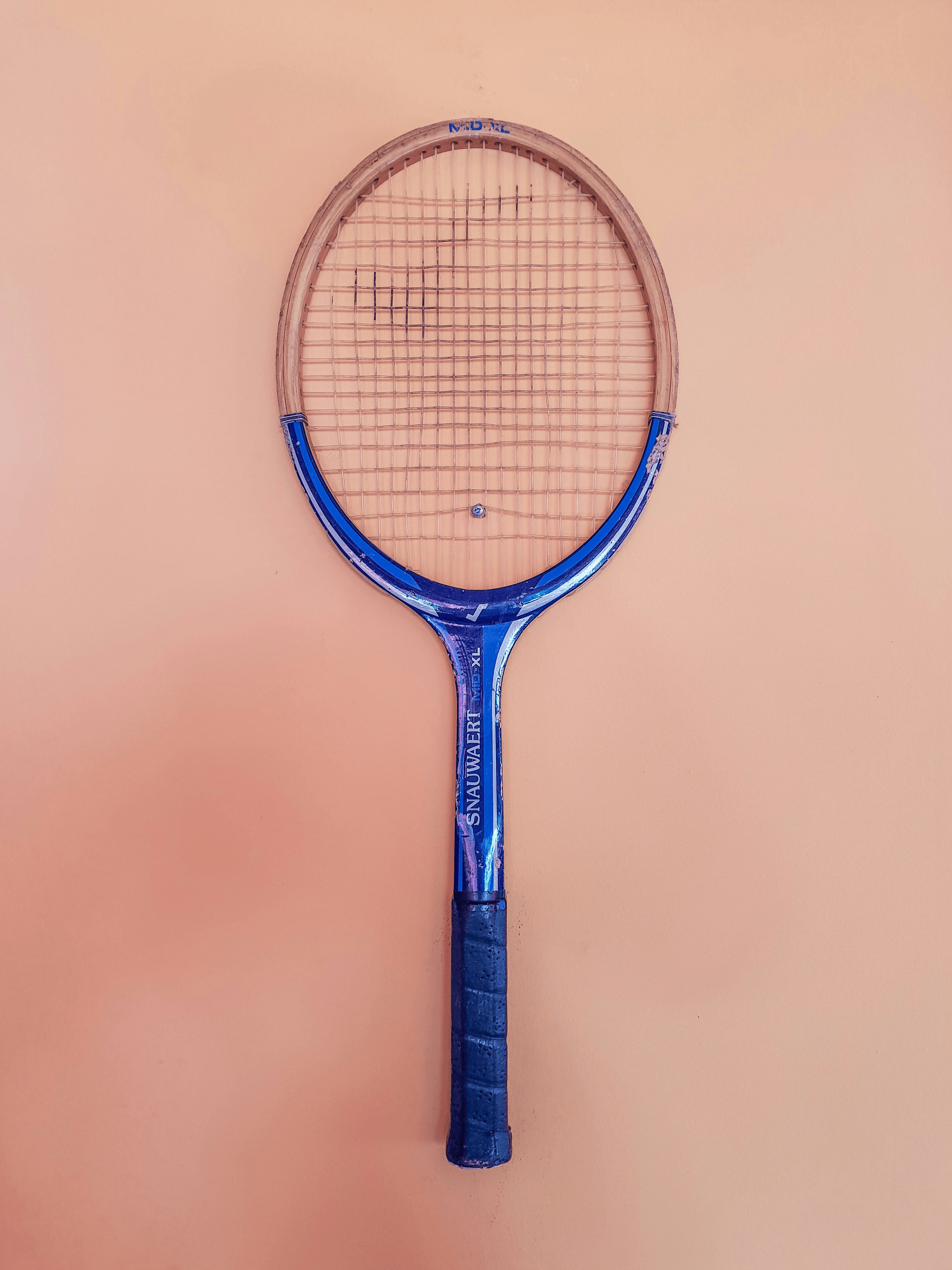
When it comes to Tennis Equipment Inspection, materials inspection is the backbone of ensuring each racket can withstand the rigors of play while maintaining optimal performance. During this phase, manufacturers focus on verifying that raw materials meet strict quality standards before moving into PRE-PRODUCTION INSPECTION. This proactive approach helps catch potential issues early, preventing defective gear from reaching players and preserving brand reputation.
A critical part of material inspection involves confirming compliance with industry standards set by brands like Yonex and Wilson. These companies implement rigorous MATERIALS INSPECTION protocols to ensure that strings, grips, and racket frames are made from durable, high-quality substances. When materials pass these checks, it guarantees that the final product will perform reliably on court and reduces the risk of breakage during intense rallies.
Rubber components and strings are especially scrutinized during this process because they directly influence playability and safety. Quality checks involve testing for elasticity, tension retention, and resistance to wear—key factors in tennis gear durability. Proper MATERIALS INSPECTION not only enhances player safety but also ensures consistent performance across different batches, reinforcing the importance of thorough Tennis Equipment Inspection at every stage.
Confirming Material Compliance with Yonex and Wilson
Ensuring that materials used in tennis rackets meet strict standards is essential for reliable Tennis Equipment Inspection. Brands like Yonex and Wilson conduct detailed MATERIALS INSPECTION to confirm adherence to safety regulations and performance requirements before production begins. This step is vital during PRE-PRODUCTION INSPECTION to prevent subpar components from compromising the final product's integrity.
During material compliance checks, inspectors verify specifications such as tensile strength for strings or chemical composition for grips—elements directly linked to durability and playability. When materials fail these tests, manufacturers can address issues immediately rather than risking defective products hitting the market after assembly. Consistent application of MATERIALS INSPECTION ensures each tennis racket maintains high standards from initial raw material selection through final delivery.
Rubber and String Quality Checks
Rubber parts like grommets or bumper guards undergo meticulous quality assessments as part of Tennis Equipment Inspection because they impact both performance and safety. Similarly, string quality checks focus on tension stability, elasticity, and resistance to fraying—all crucial factors influencing shot accuracy and racket longevity. These components are scrutinized during MATERIALS INSPECTION stages at facilities handling brands like Babolat or Prince before moving into assembly processes.
By conducting rigorous rubber and string testing early in production—often during PRE-PRODUCTION INSPECTION—manufacturers reduce defects that could cause breakage or inconsistent gameplay later on. Proper inspection protocols help detect any anomalies such as weak spots or manufacturing flaws that might compromise durability or player confidence when swinging at full speed.
Impact of Material Inspection on Player Safety
Thorough MATERIALS INSPECTION plays a pivotal role in enhancing player safety by ensuring all components withstand high-stress conditions without failure during intense matches. Defective rubber parts or compromised strings identified through systematic Tennis Equipment Inspection can lead to accidents if left unchecked; thus, early detection prevents injuries caused by unexpected breakages or malfunctions.
Furthermore, consistent inspection throughout manufacturing—including FINAL INSPECTION—solidifies trust in a brand’s commitment to quality control standards like ASSEMBLY INSPECTION combined with VISUAL INSPECTION procedures. When players rely on equipment verified through comprehensive materials testing protocols, they gain peace of mind knowing their gear meets rigorous safety benchmarks established by leading brands worldwide.
Assembly Inspection to Guarantee Quality
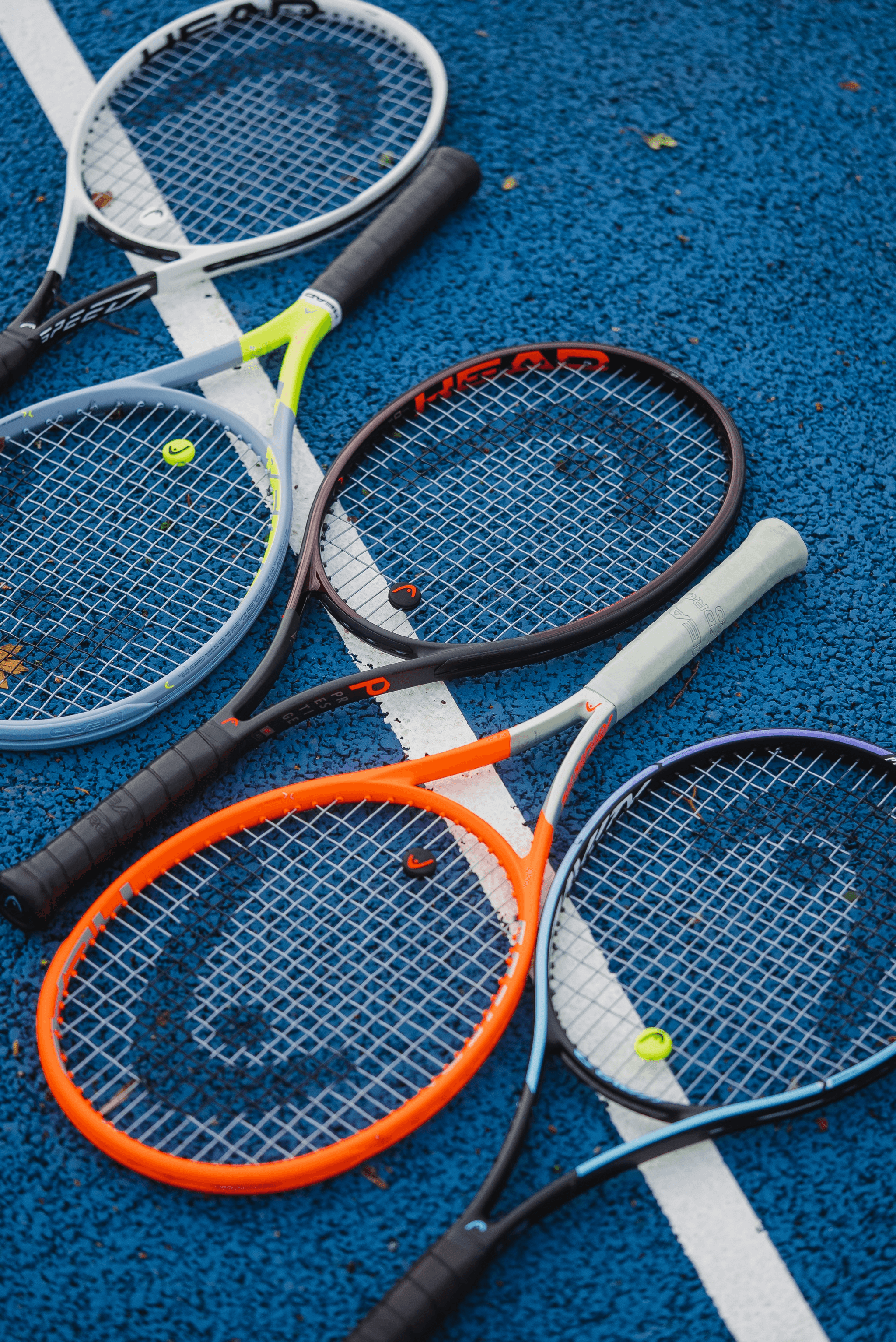
Once the materials are selected and prepared, the focus shifts to assembly inspection, a crucial step in ensuring each tennis racquet meets high standards. Proper assembly prevents defects that could compromise performance or safety, making it an essential part of the overall Tennis Equipment Inspection process. Attention to detail during assembly can save brands from costly recalls and unhappy players.
Ensuring Correct Assembly in Babolat and Head Racquets
During PRE-PRODUCTION INSPECTION, manufacturers establish strict guidelines for assembling tennis gear, which are then meticulously followed during assembly inspection. In Babolat and Head racquets, this involves verifying that each component—strings, frames, and grips—is correctly aligned and securely attached. This step helps catch misalignments or loose parts early on, ensuring consistent quality before the products reach consumers.
Inspection of Handle and Grip Attachments
The handle and grip attachments are often overlooked but are vital for player comfort and control. During assembly inspection, technicians scrutinize these areas for secure attachment, proper adhesion, and absence of defects like bubbles or peeling. Conducting thorough visual inspection here guarantees that every grip feels just right and stays put through intense matches—an important aspect of ongoing Tennis Equipment Inspection protocols.
Detecting Assembly Errors Before Products Hit the Market
Pre-market assembly inspection acts as a final checkpoint to detect errors such as misaligned strings or improperly glued parts that could affect performance or durability. Using measurement tools during this phase ensures each racquet’s weight distribution is accurate—a key factor in player performance—and confirms that all components meet strict quality standards. Catching these issues early prevents returns or complaints after the product has already hit store shelve
Visual Inspection for Flawless Finish
A crucial step in Tennis Equipment Inspection is the visual inspection process, which ensures that each racket not only performs well but also looks impeccable. During this stage, inspectors scrutinize every detail, from paint jobs to structural integrity, catching aesthetic and structural flaws before they reach players. This meticulous approach helps maintain high standards established during PRE-PRODUCTION INSPECTION and guarantees that all materials used meet strict quality criteria.
Spotting Aesthetic and Structural Flaws in Tennis Rackets
Spotting aesthetic flaws like scratches, discoloration, or uneven paint is just the tip of the iceberg in visual inspection. Structural issues such as cracks or warping can compromise performance and safety, making thorough visual checks essential. These inspections are a key part of MATERIALS INSPECTION and help prevent defective products from progressing further down the manufacturing line, saving brands from costly recalls and damaged reputations.
Visual Inspection Protocols at Wilson and Yonex
Wilson and Yonex have developed rigorous visual inspection protocols that serve as a benchmark for quality control in tennis gear manufacturing. Their inspectors meticulously examine each racket under bright lighting conditions to identify even the tiniest flaws. Incorporating advanced visual inspection techniques during final stages ensures that every product completes the process with flawlessness, reinforcing their reputation for excellence.
Maintaining Brand Reputation Through Visual Checks
Consistent visual checks play a vital role in maintaining brand reputation; a flawless finish signifies premium quality to consumers. By integrating comprehensive visual inspections into their quality control systems—particularly during FINAL INSPECTION—brands ensure that only top-tier products hit store shelves. This attention to detail not only delights players but also solidifies trust in the brand’s commitment to excellence.
Measurement and Weight Inspection for Consistency
Ensuring your tennis gear performs at its peak requires meticulous measurement and weight inspection, a critical part of the overall Tennis Equipment Inspection process. This step guarantees that every racket meets strict standards for weight, balance, and feel, which directly influence player performance. Skipping this phase can lead to inconsistencies that might throw off even seasoned pros during a match.
Verifying Racket Weight and Balance
When it comes to PRE-PRODUCTION INSPECTION, verifying racket weight and balance is essential to maintain uniformity across batches. Brands like Babolat and Prince rely on precise measurements to ensure each racquet delivers consistent power and control. A small deviation in weight or balance can dramatically change how a player perceives their gear, making this step vital for quality control.
Using Precision Tools at Babolat and Prince
During MATERIALS INSPECTION, high-precision tools such as digital scales and balancing rigs are employed to measure every aspect of the tennis equipment accurately. These tools help manufacturers like Babolat and Prince detect any deviations from specifications early in the process. Incorporating measurement and weight inspection into their quality protocols minimizes defects before assembly begins, saving time and resources.
Impact of Measurement and Weight Inspection on Performance
The importance of measurement and weight inspection extends beyond manufacturing; it directly impacts player performance on the court. Properly balanced tennis gear ensures optimal swing speed, maneuverability, and comfort—factors crucial during competitive play. When FINAL INSPECTION confirms these parameters are within tolerances, players can trust their equipment will perform reliably under pressur
Final Inspection to Seal the Deal
After all the meticulous steps of PRE-PRODUCTION INSPECTION, MATERIALS INSPECTION, ASSEMBLY INSPECTION, VISUAL INSPECTION, and MEASUREMENT AND WEIGHT INSPECTION, it’s time for the final checkpoint—the Final Inspection. This stage acts as the gatekeeper to ensure every tennis racket meets strict quality standards before reaching players’ hands. A comprehensive FINAL INSPECTION guarantees that no flaw slips through and that each piece is ready to perform at peak level.
Complete Quality Check Before Shipping
The complete quality check is where all previous inspection efforts come together in a thorough review process. During this phase, inspectors revisit key aspects like material integrity, assembly accuracy, visual perfection, and precise measurements. Conducting a rigorous FINAL INSPECTION ensures that every tennis equipment item aligns with brand standards and customer expectations.
Final Inspection Checklist Used by Wilson and Yonex
Leading brands like Wilson and Yonex employ detailed FINAL INSPECTION checklists to standardize their quality control process. These checklists cover critical points such as verifying grip attachment strength, confirming string tension consistency from MATERIALS INSPECTION, inspecting for cosmetic flaws via VISUAL INSPECTION, and ensuring proper weight distribution through MEASUREMENT AND WEIGHT INSPECTION. Using a well-structured checklist helps catch even the tiniest defect before products leave the factory.
How Final Inspection Ensures Customer Satisfaction
A meticulous FINAL INSPECTION acts as a safety net that boosts customer confidence by delivering flawless tennis gear every time. It minimizes returns due to defects or performance issues caused by overlooked flaws during earlier stages like ASSEMBLY or MATERIALS INSPECTION. Ultimately, this final step solidifies trust in the brand’s commitment to quality—because when it comes to tennis equipment inspection, perfection is non-negotiable.
Conclusion
Partnering with China Inspection Pro can truly elevate your tennis equipment standards, ensuring every racket, string, and grip meets rigorous quality benchmarks. Their expertise in Tennis Equipment Inspection, especially during the PRE-PRODUCTION INSPECTION phase, guarantees that only the best materials move forward in manufacturing. With a trusted partner handling MATERIALS INSPECTION, brands can confidently reduce defects and enhance durability right from the start.
Implementing comprehensive inspection protocols—including ASSEMBLY INSPECTION, VISUAL INSPECTION, and MEASUREMENT AND WEIGHT INSPECTION—creates a formidable shield against subpar products reaching consumers. These steps are vital for catching flaws early and maintaining consistency across batches. The FINAL INSPECTION then seals the deal by verifying that each product aligns perfectly with quality standards before it hits the market.
Elevating your tennis gear game isn't just about fancy marketing; it’s about adopting proven protocols that prioritize quality at every stage. Rigorous Tennis Equipment Inspection processes ensure safety, performance, and customer satisfaction while reinforcing your brand's reputation for excellence. By integrating these detailed inspection steps into your manufacturing cycle, you set yourself apart as a leader committed to delivering top-tier tennis gear.