
Introduction
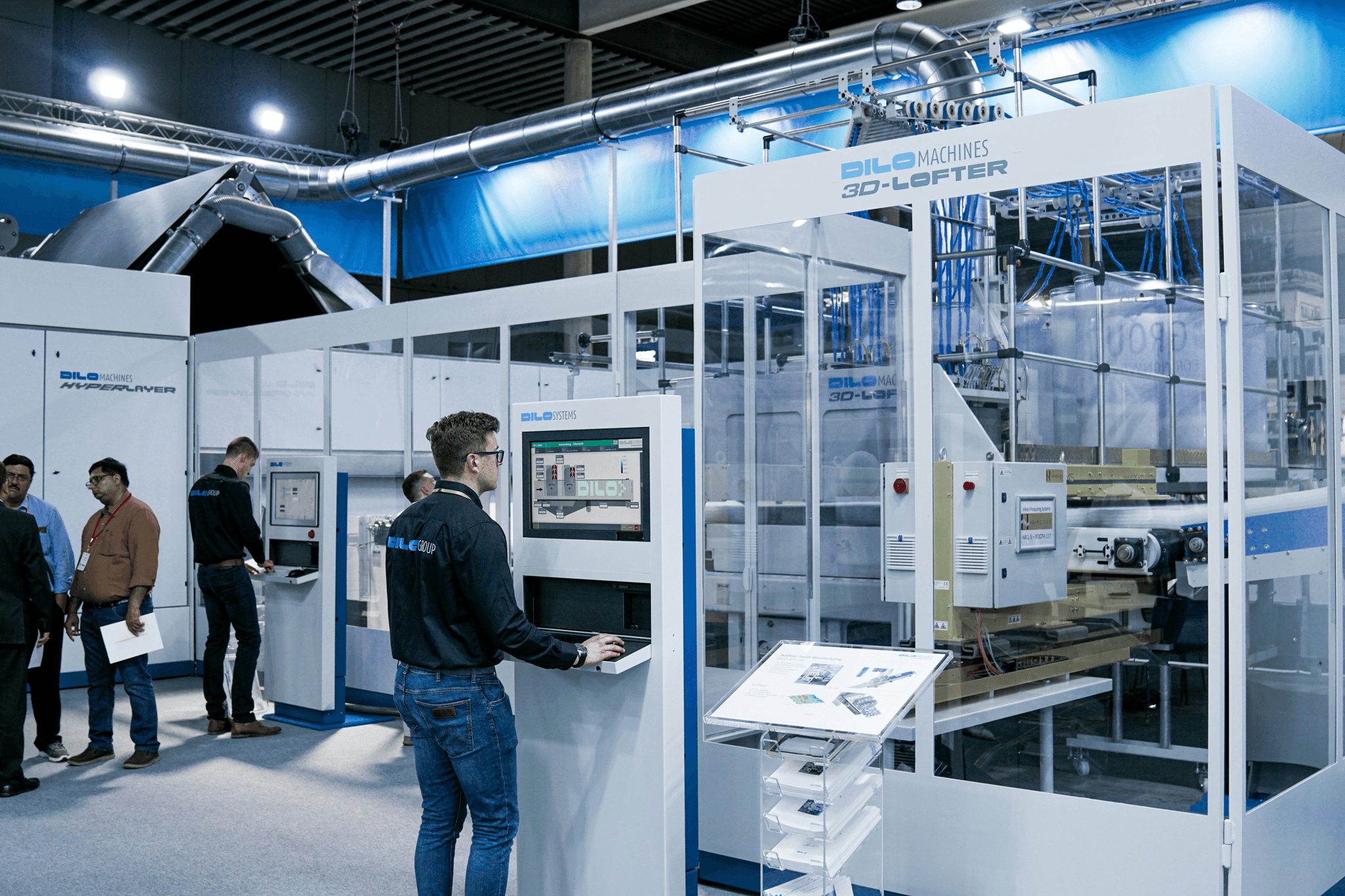
In the fast-paced world of manufacturing, the significance of pre-production inspection cannot be overstated. This vital process serves as the first line of defense against defects and inconsistencies, ensuring that products meet established quality standards before they enter full-scale production. By implementing thorough quality control measures, companies can significantly reduce waste, minimize rework costs, and enhance overall product reliability.
Importance of Pre-Production Inspection
Pre-production inspection plays a critical role in maintaining high standards within quality control in manufacturing. It allows manufacturers to identify potential issues early in the production cycle, thus preventing costly mistakes down the line. Moreover, engaging a skilled quality control inspector during this phase fosters confidence among stakeholders by assuring them that products are being scrutinized for quality assurance inspection.
Overview of Quality Control Processes
Quality control processes encompass a series of systematic checks designed to uphold product integrity throughout the manufacturing journey. These processes include everything from initial inspections to ongoing assessments during production runs and final evaluations before delivery. By integrating comprehensive quality checks in manufacturing, businesses can ensure that they consistently deliver products that meet or exceed customer expectations.
Benefits of Thorough Inspection Services
Thorough inspection services provide numerous advantages that extend beyond mere compliance with industry standards. They not only help in detecting defects but also contribute to improved operational efficiency and increased customer satisfaction through reliable product performance. Ultimately, investing in robust pre-production inspection services translates into long-term benefits such as enhanced brand reputation and reduced risk of recalls or returns.
Understanding Pre-Production Inspection

Pre-production inspection is a crucial phase in the manufacturing process, serving as the first line of defense against quality issues. It involves a thorough evaluation of materials, components, and processes before production begins, ensuring that everything aligns with quality standards. By implementing effective inspection services at this stage, manufacturers can significantly reduce defects and enhance overall product quality.
Definition and Objectives
Pre-production inspection refers to the systematic examination of products before they enter the manufacturing stage. The primary objective is to identify potential quality issues early on, allowing for timely corrections that prevent costly reworks or delays later in production. This proactive approach not only saves time but also reinforces the importance of quality control in manufacturing by establishing a foundation for consistent product excellence.
Role in Quality Assurance Inspection
The role of pre-production inspection within the broader context of quality assurance inspection cannot be overstated. It acts as a critical checkpoint where raw materials and components are assessed against predefined standards to ensure they meet specifications before assembly begins. This early intervention helps maintain high-quality benchmarks throughout the production process, ultimately leading to superior final products that satisfy customer expectations.
Importance of Early Quality Checks in Manufacturing
Early quality checks in manufacturing are essential for several reasons; they serve as an insurance policy against defects that could arise later on. By catching potential issues during pre-production inspections, companies can avoid expensive recalls or damage to their reputation caused by subpar products reaching consumers. Moreover, these checks foster a culture of accountability among teams, reinforcing the significance of maintaining high-quality standards from day one.
Key Components of Quality Control
Quality control is the backbone of successful manufacturing, ensuring that products meet established standards before they hit the market. A robust quality control system not only enhances product quality but also boosts consumer confidence and satisfaction. Understanding its key components can help businesses streamline their processes and reduce costly errors.
Essential Elements of Quality Control in Manufacturing
At the heart of effective quality control in manufacturing are several essential elements, including clear standards, comprehensive procedures, and skilled personnel. Establishing precise quality benchmarks is crucial; these serve as the foundation for all subsequent quality checks in manufacturing. Furthermore, having well-documented procedures ensures that every team member knows their role in maintaining high-quality outputs during pre-production inspection.
In addition to standards and procedures, investing in training for quality control inspectors is vital to success. These inspectors must be equipped with both the knowledge and skills necessary to identify defects early on in the production process. Lastly, utilizing advanced technology can enhance these efforts by automating certain inspection services, allowing for quicker identification of issues without compromising accuracy.
Impact of Effective Quality Control Inspector Work
The role of a quality control inspector cannot be overstated; their work directly influences product outcomes and overall business performance. An effective inspector identifies potential problems during pre-production inspection, preventing defects from cascading through the production line—saving time and resources down the road. When inspectors are diligent in their assessments, it significantly reduces rework costs and enhances customer satisfaction with higher-quality products.
Moreover, a proactive approach by quality control inspectors leads to continuous improvement within manufacturing processes. By providing feedback on recurring issues or inefficiencies identified during inspections, they contribute valuable insights that can refine production methods over time. This cycle of constant evaluation ensures that manufacturers remain competitive while consistently delivering exceptional products.
How Quality Checks Enhance Production Efficiency
Implementing rigorous quality checks in manufacturing not only safeguards product integrity but also optimizes overall production efficiency. When manufacturers prioritize pre-production inspection as part of their workflow, they can identify potential bottlenecks before they escalate into larger issues that disrupt operations later on. This foresight allows teams to allocate resources more effectively and maintain steady output levels.
Additionally, integrating regular quality assurance inspections throughout various stages of production fosters a culture focused on excellence among employees. When everyone understands the importance of maintaining high-quality standards from start to finish, it encourages collaboration and accountability across departments—ultimately leading to smoother operations overall. As a result, businesses experience reduced waste and increased profitability due to fewer defective products reaching consumers.
Choosing the Right Inspection Services
When it comes to pre-production inspection, selecting the right inspection services can make or break your manufacturing process. The quality control inspector you choose can significantly influence your product's success, ensuring that quality checks in manufacturing are thorough and effective. With so many options available, it's essential to understand what factors will help you make an informed decision.
Factors to Consider in Quality Inspection Providers
First and foremost, experience is key when evaluating quality inspection providers. Look for companies with a proven track record in quality control in manufacturing, as this often translates into better service and reliability. Additionally, consider the range of services offered; some providers specialize only in specific types of inspections while others might offer comprehensive solutions tailored to your needs.
Another important factor is the provider's understanding of industry standards and regulations related to quality assurance inspection. They should be well-versed in compliance requirements relevant to your products and markets. Finally, customer support and communication are crucial; a responsive provider can help address any issues quickly and efficiently during the inspection process.
Top Inspection Companies for Manufacturing Needs
In the realm of pre-production inspection, several companies stand out for their commitment to quality control excellence. Firms like SGS and Bureau Veritas have established reputations for rigorous quality checks in manufacturing across various sectors. Their extensive networks allow them to provide localized support while maintaining global standards.
Another noteworthy company is Intertek, which has a robust offering that includes not just inspections but also testing and certification services tailored for manufacturers worldwide. Their expertise ensures that businesses receive comprehensive solutions that encompass all aspects of quality assurance inspection. Lastly, TUV Rheinland is recognized for its specialized services that cater specifically to industries such as automotive and electronics.
Evaluating China Inspection Pro's Expertise
When considering China Inspection Pro as a potential partner for your pre-production inspection needs, it's essential to assess their unique strengths in the market. With years of experience focusing on quality control in manufacturing within China’s dynamic landscape, they bring valuable insights into local practices and challenges faced by international businesses. Their team of skilled quality control inspectors emphasizes thoroughness, ensuring that every aspect of production meets high-quality standards.
Moreover, China Inspection Pro offers various tailored services ranging from factory audits to product inspections aimed at enhancing overall product integrity before shipment. This versatility allows manufacturers to streamline their processes while minimizing risks associated with poor-quality products reaching consumers or retailers alike. By choosing a provider like China Inspection Pro that understands both local nuances and global expectations, businesses can significantly enhance their efficiency through effective pre-production inspections.
Implementing Quality Assurance Best Practices
In the world of manufacturing, implementing quality assurance best practices is essential for ensuring product excellence and customer satisfaction. A robust quality control framework not only minimizes defects but also enhances overall efficiency in production. By focusing on pre-production inspection and continuous improvement, businesses can establish a culture of quality that permeates every aspect of their operations.
Steps to Establish a Quality Control Framework
To establish an effective quality control framework, organizations should begin by defining clear quality objectives aligned with their business goals. This involves identifying critical stages in the production process where quality checks in manufacturing will be most impactful, particularly during pre-production inspection phases. Additionally, documenting standard operating procedures (SOPs) for each step ensures consistency and provides a reference point for quality control inspectors to follow.
Next, it’s crucial to invest in the right tools and technologies that facilitate efficient inspection services throughout the manufacturing process. This may include software solutions for tracking defects or automated systems that streamline data collection during quality assurance inspections. Finally, fostering collaboration among teams involved in production can enhance communication regarding quality expectations and outcomes.
Training Staff for Quality Control Excellence
Training staff is pivotal to achieving excellence in quality control within an organization. Employees must understand the importance of pre-production inspection and how their roles contribute to overall product quality. Regular training sessions focused on best practices in inspecting materials, components, and processes empower staff with the knowledge they need to identify potential issues early on.
Moreover, incorporating hands-on training opportunities allows employees to practice their skills under real-world conditions while receiving feedback from seasoned quality control inspectors. This not only builds confidence but also reinforces a commitment to maintaining high standards throughout the manufacturing process. Continuous learning should be encouraged by keeping staff updated on industry trends and advancements related to quality assurance inspection techniques.
Continuous Improvement in Quality Checks
Continuous improvement is at the heart of an effective quality control strategy in manufacturing environments. Organizations should regularly review their inspection processes and outcomes to identify areas needing enhancement or adjustment based on data collected during inspections. Implementing feedback loops where team members can share insights about challenges faced during pre-production inspections fosters a culture of innovation.
Additionally, adopting methodologies such as Six Sigma or Lean Manufacturing can help streamline processes while minimizing waste and defects associated with poor-quality products. By setting measurable goals for improvement initiatives related to quality checks in manufacturing, companies can track progress over time and celebrate successes along the way. Ultimately, this commitment to ongoing enhancement ensures that organizations remain competitive while consistently delivering high-quality products.
Overcoming Common Inspection Challenges
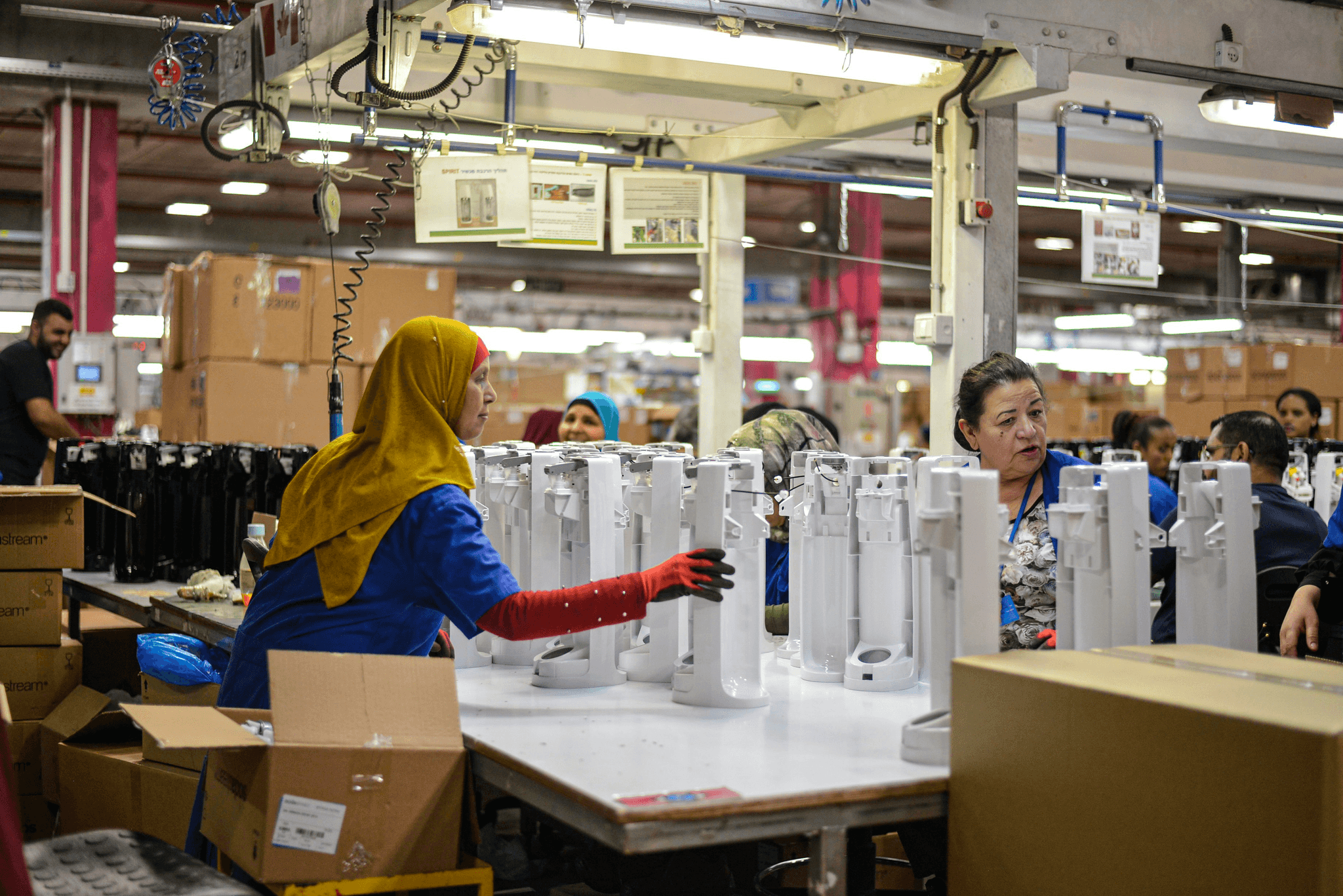
Navigating the world of pre-production inspection can feel like walking through a minefield, where one misstep could lead to costly quality control failures. Manufacturers often face a myriad of challenges that can derail even the best-laid plans. By identifying risks early and implementing effective solutions, businesses can ensure their quality checks in manufacturing are robust and reliable.
Identifying Risks in the Pre-Production Stage
The first step in overcoming inspection challenges is recognizing potential risks during the pre-production stage. Common pitfalls include inadequate supplier communication, unclear specifications, and insufficient testing protocols that may compromise quality assurance inspection efforts. These risks can lead to defects that not only affect product integrity but also damage brand reputation if left unchecked.
Moreover, understanding how variations in material quality or production processes can introduce inconsistencies is crucial for any quality control inspector. For instance, if raw materials do not meet specified standards, the entire production line could be at risk of failure. Thus, proactive identification of these issues allows manufacturers to address them before they escalate into larger problems.
Solutions for Addressing Quality Issues
Once risks are identified, it’s essential to implement targeted solutions to mitigate potential quality issues effectively. Establishing clear communication channels with suppliers ensures everyone is on the same page regarding expectations for materials and processes involved in manufacturing. Additionally, incorporating comprehensive training programs for staff involved in quality checks in manufacturing enhances their ability to spot discrepancies early on.
Another effective solution involves adopting advanced technology such as automated inspection systems or data analytics tools that provide real-time insights into production processes. These technologies empower quality control inspectors by allowing them to focus on critical areas while minimizing human error during inspections. Ultimately, embracing innovative approaches leads to more accurate assessments and improves overall efficiency within the manufacturing workflow.
Case Studies of Successful Inspections
To illustrate successful strategies in overcoming common inspection challenges, let’s look at a couple of case studies that highlight effective pre-production inspection practices. In one instance, a major electronics manufacturer faced significant delays due to defective components from overseas suppliers. By implementing rigorous pre-production inspections with dedicated quality control inspectors who established stringent criteria for incoming materials, they significantly reduced defect rates and improved overall product reliability.
Another example comes from a textile company that struggled with inconsistent fabric quality affecting their final products' appeal. They initiated regular inspections throughout their supply chain and trained their staff on key aspects of quality assurance inspection processes tailored specifically for textiles. This proactive approach resulted in higher customer satisfaction ratings and reduced returns due to defects—showcasing how thorough inspection services can turn challenges into opportunities.
Conclusion
In the fast-paced world of manufacturing, the significance of pre-production inspection cannot be overstated. It serves as a critical checkpoint that ensures quality control measures are in place before production begins, ultimately safeguarding both the manufacturer’s reputation and the consumer's trust. By prioritizing thorough quality checks in manufacturing, businesses can significantly reduce costly errors and enhance overall efficiency.
The Critical Role of Pre-Production Inspection
Pre-production inspection is essential for identifying potential issues before they escalate into major problems during production. This proactive approach allows quality control inspectors to address discrepancies early on, ensuring that products meet established standards and specifications. Without these inspections, manufacturers risk facing delays, increased costs, and dissatisfaction among customers due to subpar products.
Enhancing Product Quality with Effective Inspection
Effective inspection services play a pivotal role in enhancing product quality by implementing rigorous quality assurance inspections throughout the manufacturing process. By consistently applying quality checks in manufacturing, companies can identify defects or non-conformities before they reach the market. This not only boosts customer satisfaction but also fosters a culture of continuous improvement and accountability within organizations.
Future Trends in Quality Control and Assurance
The landscape of quality control is evolving rapidly with advancements in technology and data analytics shaping future practices. Emerging trends such as automated inspection systems and AI-driven analytics are set to revolutionize how pre-production inspections are conducted, making them more efficient than ever before. As manufacturers continue to embrace these innovations, we can expect an even greater emphasis on maintaining high-quality standards through effective inspection services.