
Introduction

In the world of dining, metal cutlery is not just a functional tool but also a reflection of quality and craftsmanship. Understanding Metal Cutlery Quality Control is essential for manufacturers and consumers alike, as it ensures that each piece meets high standards before reaching the table. With a keen eye on quality control, we can identify defects that may compromise both aesthetics and usability.
Understanding Metal Cutlery Quality Control
Metal Cutlery Quality Control involves rigorous testing and inspection processes to ensure that cutlery meets specific standards for durability and appearance. This includes evaluating factors such as material composition, finishing techniques, and overall design integrity. By implementing effective quality control measures, manufacturers can minimize issues like poor polishing on cutlery surfaces or scratches in metal cutlery before products hit the market.
Importance of Identifying Defects
Identifying defects in metal cutlery is crucial not only for maintaining brand reputation but also for ensuring customer satisfaction. Defects like dent marks in metal cutlery or gas porosity can significantly affect performance and longevity, leading to safety concerns or dissatisfaction among users. By prioritizing defect identification through robust quality control practices, companies protect their customers while enhancing their product offerings.
Overview of Common Metal Cutlery Issues
Common issues faced in metal cutlery production include poor polishing on cutlery surfaces, which detracts from visual appeal; scratches in metal cutlery that can lead to rusting; dent marks that compromise functionality; gas porosity affecting structural integrity; and dirt on cutlery posing hygiene risks. Each of these problems has its own set of causes and solutions that are vital for maintaining high standards in the industry. Addressing these common defects will not only improve the product's aesthetic value but also ensure safety during use.
Poor Polishing on Cutlery Surface

When it comes to metal cutlery, the first thing that catches the eye is its polish. Poor polishing on cutlery surface can lead to a lackluster appearance that detracts from the overall dining experience. In the world of Metal Cutlery Quality Control, ensuring a flawless finish is essential not only for aesthetic appeal but also for consumer satisfaction.
Impact on Aesthetics and Perception
The visual impact of poorly polished cutlery cannot be overstated. It creates an impression of negligence and can even raise questions about the quality of the product itself. Consumers often associate a shiny, well-polished surface with high standards, while dull or uneven finishes may suggest corners were cut during manufacturing.
Common Causes of Poor Polishing
Several factors contribute to poor polishing on cutlery surfaces, ranging from inadequate machinery to human error during production. Inconsistent polishing techniques can leave behind scratches in metal cutlery that further mar its appearance. Additionally, improper handling or storage may lead to dent marks in metal cutlery, compounding the issue and resulting in a less desirable product for consumers.
Solutions to Improve Polishing
To tackle poor polishing issues effectively, manufacturers should invest in advanced polishing equipment that ensures uniformity across all pieces. Regular training sessions for staff can help minimize human errors during production processes as well. Furthermore, implementing robust Metal Cutlery Quality Control measures will allow for early detection of defects before products reach consumers' hands.
Scratches in Metal Cutlery
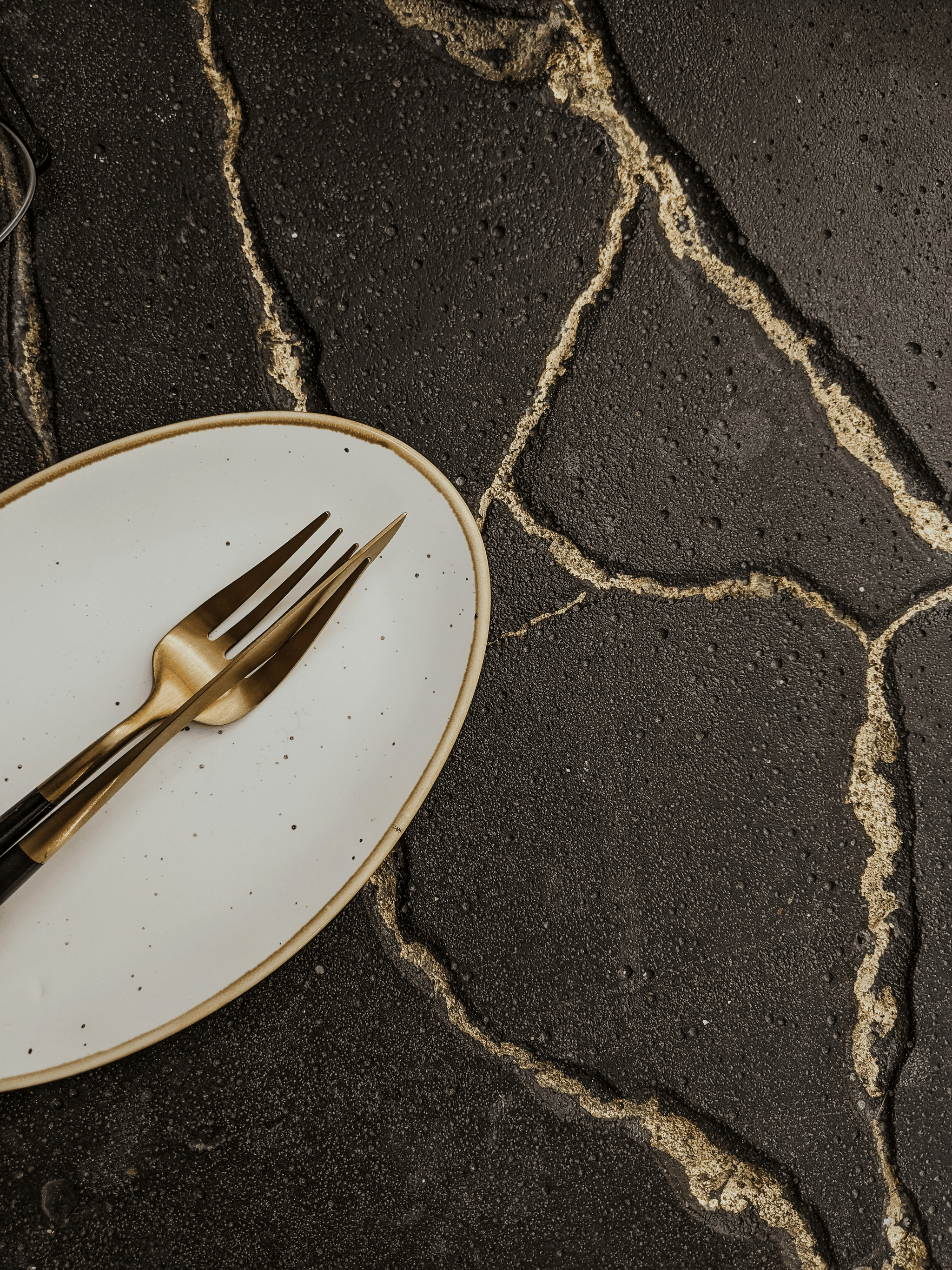
Scratches in metal cutlery can be more than just an aesthetic issue; they can signal underlying problems that affect both the functionality and longevity of the utensils. Understanding how these scratches occur is crucial for effective Metal Cutlery Quality Control. By identifying the causes, manufacturers can implement better practices to mitigate this common defect.
How Scratches Occur
Scratches often occur during manufacturing, handling, or even through regular use of the cutlery. For instance, improper stacking during storage or contact with abrasive materials can lead to unsightly marks on the surface. Additionally, poor polishing on cutlery surfaces may leave microscopic irregularities that become more pronounced over time as they accumulate wear and tear.
Implications for Use and Longevity
The presence of scratches in metal cutlery not only detracts from its visual appeal but can also impact its usability. Scratched surfaces may harbor bacteria, posing hygiene risks that are particularly concerning in food service environments where cleanliness is paramount. Moreover, these imperfections can weaken the structural integrity of the metal over time, leading to a shorter lifespan for your favorite forks and knives.
Preventive Measures
To avoid scratches in metal cutlery, manufacturers should prioritize robust quality control measures throughout production processes. Implementing proper handling techniques during storage and transportation is essential; using protective packaging or inserts can minimize contact between pieces. Regular training sessions for staff on best practices regarding cleaning and maintenance will also help ensure that dirt on cutlery does not contribute to further scratching.
Dent Marks in Metal Cutlery

Dent marks in metal cutlery can be a frustrating blemish, often overlooked during the manufacturing process. These imperfections can arise from improper handling, transportation mishaps, or even during the polishing phase when cutlery is stacked too closely together. Identifying dent marks early on is crucial for maintaining high standards of Metal Cutlery Quality Control.
Identifying Dent Marks
Detecting dent marks on metal cutlery involves a careful inspection of the surface and edges. Look for noticeable dimples or irregularities that disrupt the otherwise smooth finish of the piece. Utilizing good lighting can help reveal these defects, ensuring that any scratches in metal cutlery or poor polishing on cutlery surfaces do not overshadow more subtle issues like dent marks.
Effects on Functionality and Appeal
Dent marks may seem like minor flaws, but they can significantly impact both functionality and aesthetic appeal. A dent can create uneven surfaces that affect how well the cutlery performs during use, potentially making it less effective for cutting or serving food. Additionally, these imperfections detract from the overall beauty of the piece, which is critical in maintaining consumer trust and satisfaction regarding Metal Cutlery Quality Control.
Repair Techniques
Fortunately, there are several techniques to repair dent marks in metal cutlery without compromising their integrity. For minor dents, gentle tapping with a soft mallet on a sturdy surface may restore shape without damaging the finish. In more severe cases, professional refinishing might be necessary to ensure that both aesthetics and functionality are preserved while adhering to stringent quality control standards associated with metal products.
Gas Porosity in Metal Cutlery
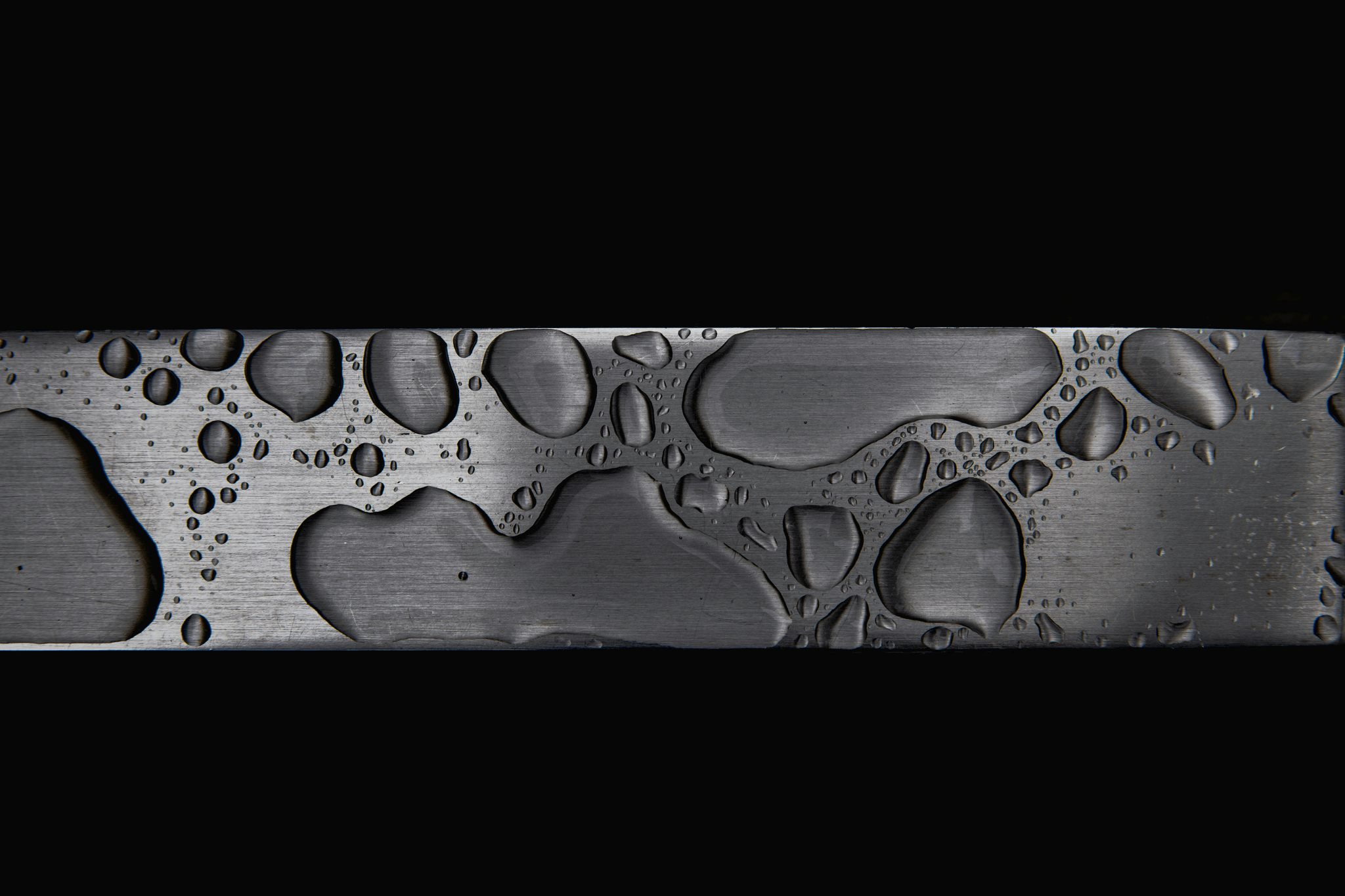
Gas porosity is a common defect that can occur during the manufacturing process of metal cutlery. It refers to the presence of tiny gas bubbles trapped within the metal, which can compromise the structural integrity of the cutlery. Understanding this phenomenon is crucial for ensuring high standards in Metal Cutlery Quality Control.
Explanation of Gas Porosity
Gas porosity typically arises when gases are released during the melting and solidification phases of metal production. These gases can become trapped in the molten metal, leading to voids once it cools and hardens. If not addressed, these small pockets can weaken the cutlery, making it susceptible to further defects like scratches in metal cutlery or even dent marks in metal cutlery.
Consequences for Metal Integrity
The presence of gas porosity can have significant implications for the longevity and usability of metal cutlery. Not only does it reduce strength and durability, but it also increases the risk of cracks developing over time due to stress during use. This ultimately affects customer satisfaction and trust in brands that fail to maintain rigorous standards in Metal Cutlery Quality Control.
Quality Control Measures
To mitigate gas porosity, manufacturers must implement stringent quality control measures throughout production processes. Techniques such as vacuum degassing during melting or using inert gas atmospheres can help minimize gas entrapment. Regular inspections for common issues like poor polishing on cutlery surfaces or dirt on cutlery should be part of a comprehensive strategy to ensure that all aspects, including potential gas porosity, are thoroughly evaluated.
Dirt on Cutlery

When it comes to metal cutlery, dirt can be an insidious foe that threatens both aesthetics and safety. Even the finest pieces can lose their appeal if they are not kept clean, leading to a negative perception of quality and hygiene. Understanding the sources of dirt contamination is crucial for maintaining the integrity of your cutlery.
Sources of Dirt Contamination
Dirt on cutlery can stem from various sources, including improper handling during manufacturing and packaging processes. Additionally, everyday use can introduce contaminants from food residues or unwashed surfaces, especially if cutlery is stored haphazardly. Even dust in the environment can settle on unprotected cutlery, making it essential to adopt proper storage solutions to minimize exposure.
Effects on Hygiene and Safety
The presence of dirt on metal cutlery poses significant hygiene risks that cannot be overlooked. Contaminants may harbor bacteria or other pathogens that could lead to foodborne illnesses if ingested. Moreover, dirt accumulation can also compromise the visual appeal of your cutlery, diminishing its perceived value and undermining efforts toward Metal Cutlery Quality Control.
Cleaning and Maintenance Tips
To ensure your metal cutlery remains in top-notch condition, regular cleaning is paramount. Utilize a mild detergent and warm water for washing; avoid abrasive materials that may cause scratches in metal cutlery or contribute to poor polishing on cutlery surface issues. For maintenance, consider periodic inspections for dent marks in metal cutlery or signs of gas porosity in metal cutlery—addressing these issues promptly will enhance longevity and overall performance.
Conclusion
In summary, understanding the common defects in metal cutlery is essential for both manufacturers and consumers. Issues like poor polishing on cutlery surfaces, scratches in metal cutlery, dent marks, gas porosity, and dirt can significantly impact the overall quality and usability of these kitchen essentials. Recognizing these problems not only helps in maintaining aesthetic appeal but also ensures longevity and safety.
Key Takeaways on Common Defects
Metal cutlery quality control is paramount to achieving high standards in manufacturing. Poor polishing on cutlery surfaces can lead to an unappealing finish that detracts from the dining experience. Similarly, scratches in metal cutlery not only compromise aesthetics but can also harbor bacteria, making cleanliness a concern for users.
Moreover, dent marks in metal cutlery can affect functionality during use, while gas porosity poses risks to the structural integrity of the utensils. Dirt on cutlery is another critical issue that must be addressed to maintain hygiene standards. By understanding these key defects, manufacturers can implement more effective quality control measures.
Importance of Quality Control in Cutlery
Quality control in metal cutlery production cannot be overstated; it directly influences customer satisfaction and brand reputation. Ensuring proper polishing techniques prevents poor polishing on cutlery surfaces that could otherwise lead to negative perceptions among consumers. Moreover, rigorous inspections for scratches in metal cutlery and other defects help guarantee a product that meets or exceeds market expectations.
Additionally, addressing issues like dent marks and gas porosity during manufacturing protects both the consumer's investment and health safety by ensuring durable products free from hidden flaws. Regular quality checks are essential for detecting dirt on cutlery before it reaches consumers' tables. In short, robust quality control processes are vital for delivering reliable and appealing products.
How China Inspection Pro Ensures Quality
China Inspection Pro stands at the forefront of ensuring excellence through comprehensive Metal Cutlery Quality Control practices tailored specifically for this industry. By employing skilled inspectors who meticulously check for poor polishing on cutlery surfaces as well as other common defects like scratches in metal cutlery or dent marks during production runs, they help maintain high standards throughout the supply chain.
Their commitment extends beyond mere inspection; they also provide actionable insights into preventing issues such as gas porosity and dirt contamination by advising manufacturers on best practices and improvements needed at various stages of production. With China Inspection Pro's thorough approach to quality assurance, clients can trust that their metal cutlery will not only look good but perform reliably over time.