
Introduction

In the fast-paced world of manufacturing, quality control is not just a buzzword; it's a lifeline that ensures products meet the highest standards. With the stakes higher than ever, understanding how quality checks in manufacturing influence efficiency and reliability is crucial for businesses aiming to thrive. Quality control in manufacturing serves as a foundation upon which successful operations are built, making it essential for manufacturers to embrace robust quality management systems.
Importance of Quality Control in Manufacturing
Quality control in the manufacturing industry plays a pivotal role in maintaining product integrity and customer trust. By implementing rigorous process control measures, manufacturers can identify defects early and prevent costly rework or returns later on. The relationship between manufacturing and quality control is symbiotic; effective quality checks lead to enhanced production processes that ultimately benefit both the company and its customers.
How Inspections Streamline Shipping Processes
Timely inspections are instrumental in streamlining shipping processes by ensuring that only products meeting specified standards are dispatched. This proactive approach not only reduces delays but also minimizes disruptions caused by unexpected issues down the line. By integrating inspections into their workflow, companies can maintain a steady flow of goods while adhering to quality control guidelines that keep their reputation intact.
The Role of Inspections in Timely Deliveries
Inspections act as gatekeepers for timely deliveries, ensuring that products reach customers without unnecessary holdups. When manufacturers prioritize quality checks in manufacturing during production, they can confidently commit to delivery schedules without compromising on standards. Ultimately, this commitment to thorough inspections fosters stronger relationships with clients who rely on consistent and dependable service.
Understanding Quality Inspection
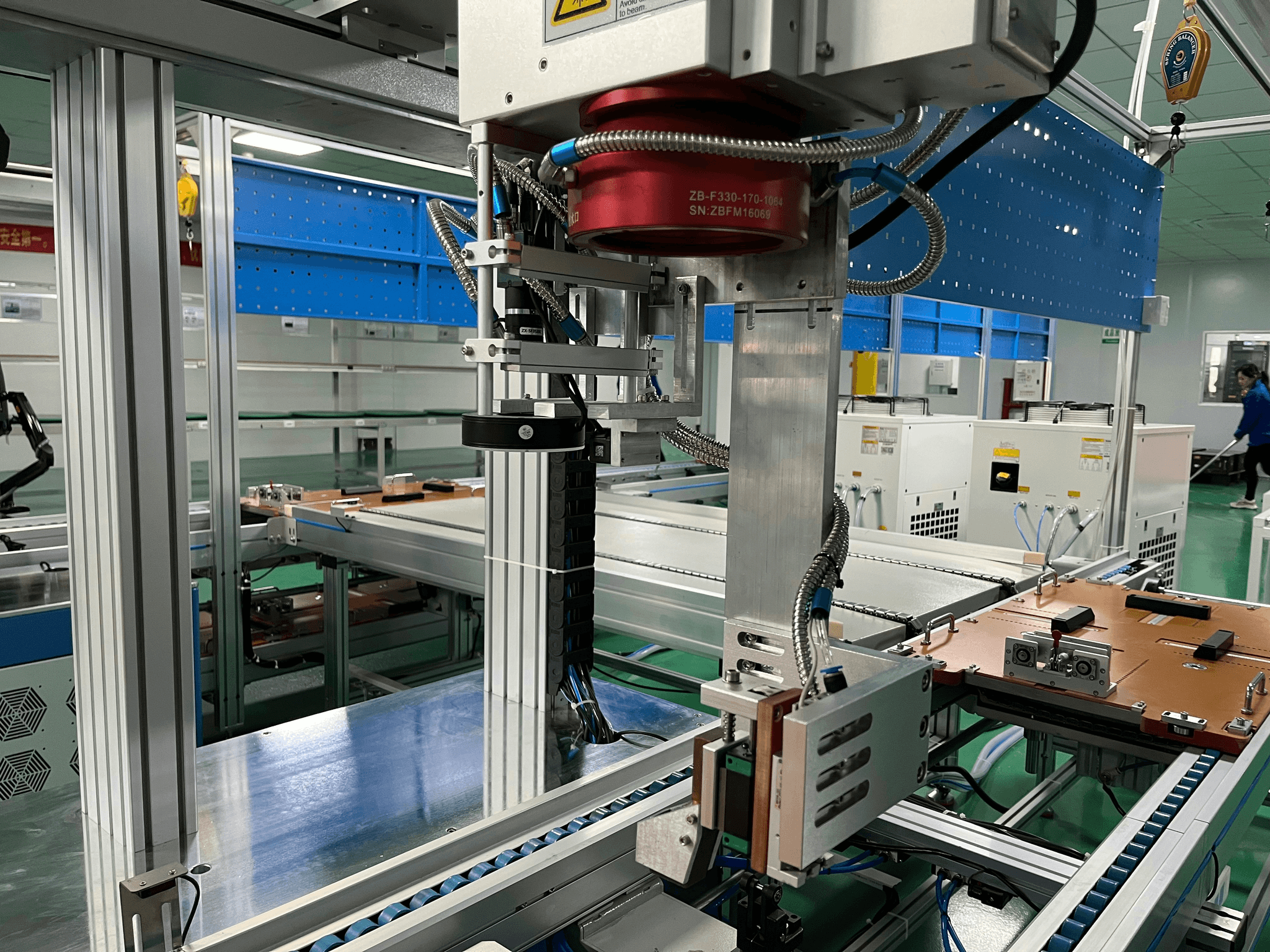
Quality inspection is a critical aspect of the manufacturing and quality control process that ensures products meet specified standards before they reach the market. It encompasses a range of activities designed to assess the quality of raw materials, components, and finished goods throughout the production cycle. By establishing clear definitions and scope for quality inspections, manufacturers can effectively minimize risks associated with poor-quality outputs, enhancing both their reputation and operational efficiency.
Definition and Scope of Quality Inspection
Quality inspection refers to the systematic examination of materials, products, or processes to ensure compliance with predefined specifications and standards. This process includes various methods such as visual checks, measurements, and testing to ascertain that every item produced meets quality control requirements in manufacturing. The scope extends beyond just finished goods; it also involves assessing incoming materials and monitoring ongoing production processes through robust quality management systems.
Key Components of Manufacturing and Quality Control
The interplay between manufacturing and quality control is vital for achieving superior product outcomes. Key components include process control techniques that monitor production variables to maintain consistency in product quality. Additionally, integrating thorough quality checks in manufacturing helps identify defects early on, reducing waste and rework while ensuring compliance with industry regulations.
Importance of Quality Checks in Manufacturing
Quality checks in manufacturing play an essential role in safeguarding against defects that could lead to costly recalls or customer dissatisfaction. By implementing rigorous inspection protocols within their quality control framework, manufacturers can detect issues before they escalate into larger problems down the line. Ultimately, these proactive measures not only enhance product reliability but also contribute significantly to overall business success by fostering trust among clients through consistent delivery of high-quality offerings.
The Manufacturing and Quality Control Relationship
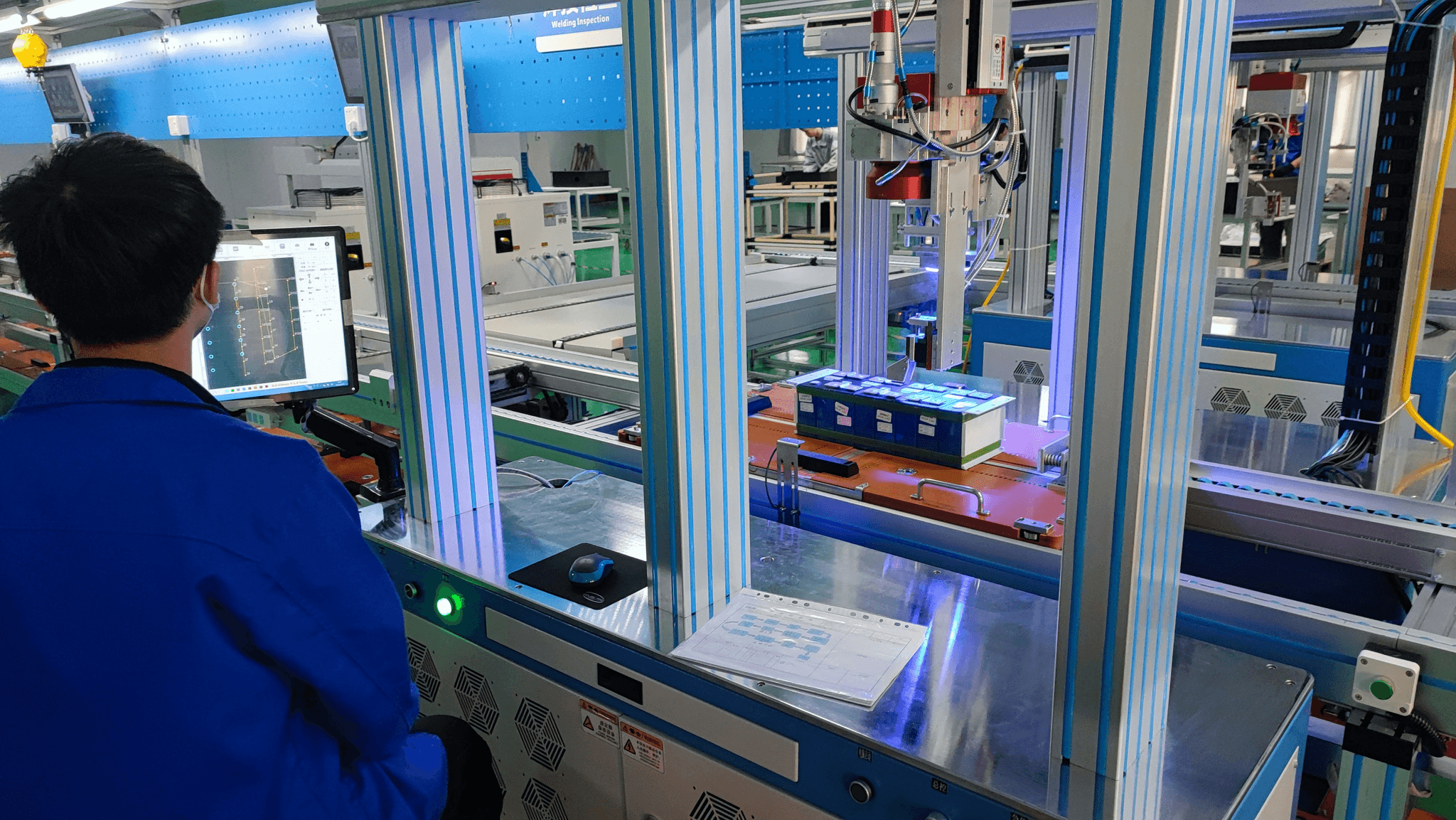
In the world of manufacturing, quality control is not just a box to check; it’s an integral part of the entire process. The relationship between manufacturing and quality control is symbiotic—each enhances the other. When implemented effectively, quality control in manufacturing can streamline production processes, reduce waste, and ultimately lead to higher efficiency.
How Quality Control Enhances Production Efficiency
Quality control in manufacturing serves as a backbone for operational excellence. By establishing rigorous quality checks in manufacturing, companies can identify defects early in the production line, preventing costly rework later on. This proactive approach not only saves time but also optimizes resource allocation, allowing manufacturers to focus on producing top-quality products without unnecessary interruptions.
Moreover, effective quality management systems streamline workflows by integrating inspection processes directly into production schedules. This integration ensures that any issues are addressed immediately rather than waiting until the end of a production run to discover problems. In turn, this creates a culture of continuous improvement where teams are motivated to uphold high standards at every stage of the manufacturing process.
Impact of Quality Management Systems on Manufacturing
Quality management systems have revolutionized how businesses approach their operations within the manufacturing and quality control landscape. These systems provide a structured framework that helps organizations adhere to industry standards while ensuring compliance with regulations. By implementing robust quality management systems, manufacturers can systematically track performance metrics that inform decision-making and drive improvements.
Additionally, these systems foster collaboration among departments by providing shared goals centered around product quality and customer satisfaction. With clear guidelines for conducting quality checks in manufacturing processes, teams can work cohesively towards common objectives without stepping on each other's toes. This synergy not only enhances productivity but also builds a strong foundation for long-term success in the competitive manufacturing industry.
Role of Process Control in Quality Assurance
Process control is an essential component of maintaining high standards within any effective quality assurance strategy in manufacturing environments. It involves monitoring various parameters during production to ensure they remain within specified limits—like temperature or pressure—thereby minimizing variability that could lead to defects or inefficiencies. By embedding process control into their operations, manufacturers can create repeatable outcomes that consistently meet customer expectations.
Furthermore, employing advanced technologies such as automation and real-time data analytics significantly enhances process control efforts within quality management systems. These tools allow manufacturers to respond swiftly to deviations from established standards before they escalate into larger issues affecting overall productivity or product integrity. Ultimately, effective process control acts as both a safety net and a springboard for innovation within the realm of manufacturing and quality control.
Benefits of Timely Quality Inspections
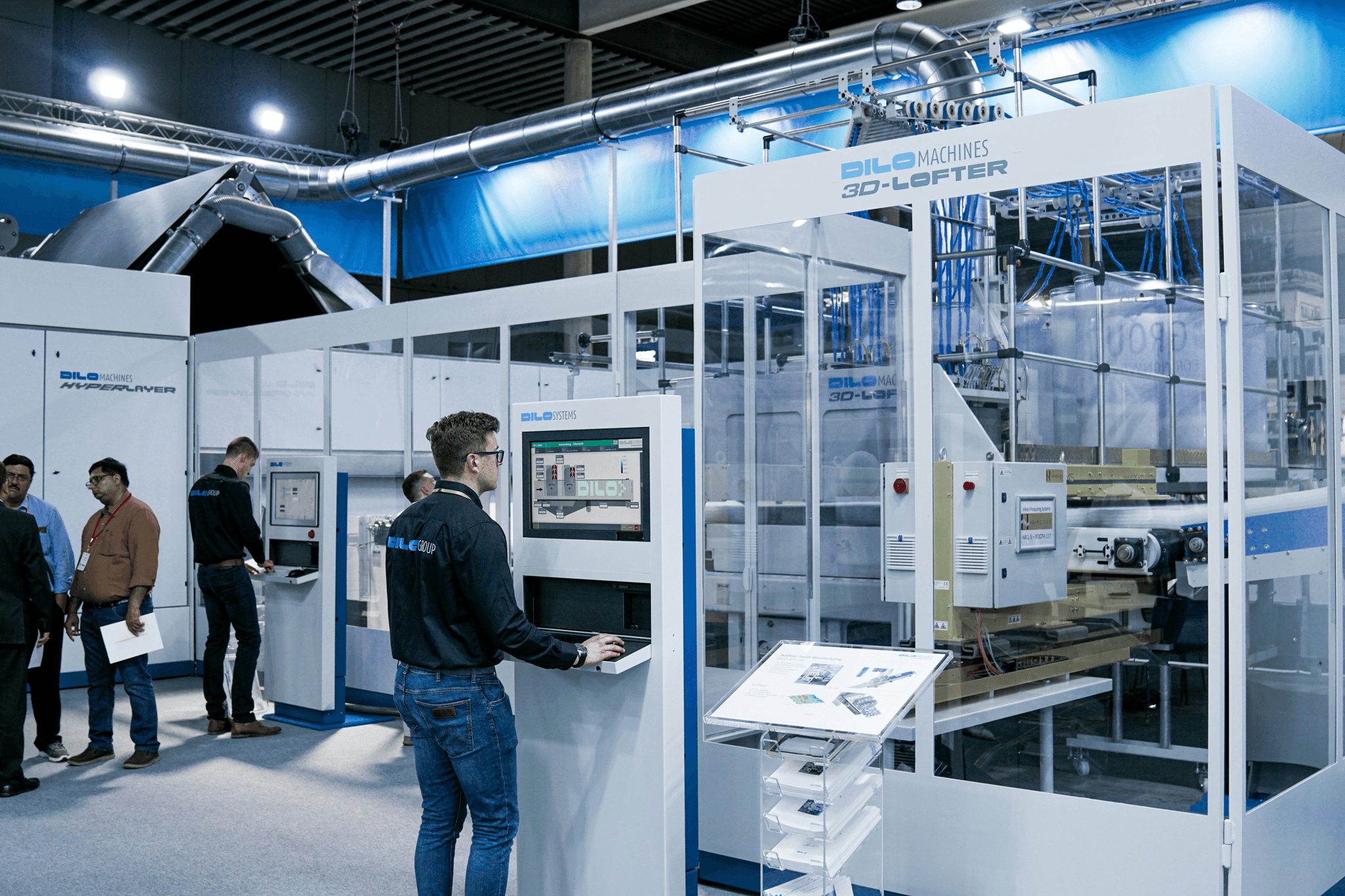
In the fast-paced world of manufacturing, timely quality inspections are not just a luxury; they’re a necessity. The ripple effects of efficient quality checks in manufacturing can be felt throughout the entire supply chain, leading to smoother operations and happier customers. By prioritizing these inspections, manufacturers can significantly enhance their overall performance.
Reducing Delays in Shipping Processes
Delays in shipping processes can wreak havoc on a manufacturer’s reputation and bottom line. Timely quality inspections act as a gatekeeper, ensuring that products meet required standards before they leave the factory floor. This proactive approach minimizes the chances of returns or rejections from customers, allowing for smoother logistics and on-time deliveries—key components of effective manufacturing and quality control.
When shipping delays occur due to poor-quality products, it can lead to costly repercussions, including lost contracts and damaged relationships with clients. By integrating comprehensive quality checks in manufacturing at every stage, businesses can identify potential issues early on. This not only streamlines shipping processes but also fosters a culture of accountability within the organization.
Mitigating Risks and Costs in Manufacturing
Manufacturing is inherently fraught with risks—ranging from defective products to regulatory compliance issues—that can lead to significant financial losses if not managed properly. Timely quality inspections serve as an essential tool for mitigating these risks by catching defects before they escalate into larger problems that could impact production efficiency or customer satisfaction.
The implementation of robust quality management systems allows manufacturers to track defects systematically and address them promptly. As a result, businesses reduce waste and avoid expensive recalls that could tarnish their brand's reputation in the competitive landscape of the manufacturing industry. Ultimately, investing in process control through regular inspections translates directly into cost savings over time.
Boosting Customer Satisfaction Through Quality
In today’s market, customer satisfaction hinges significantly on product quality; after all, happy customers are repeat customers! When manufacturers prioritize timely quality inspections as part of their operational strategy, they send a clear message about their commitment to excellence in manufacturing and quality control practices. This reliability builds trust with consumers who expect nothing less than top-notch products.
Moreover, consistent adherence to quality checks not only improves product performance but also enhances brand loyalty among consumers who appreciate transparency and accountability from manufacturers. By ensuring that every item meets high standards through effective process control measures, companies position themselves favorably against competitors who may overlook these critical aspects of production efficiency.
With each successful inspection reinforcing product integrity, businesses cultivate long-term relationships with clients based on mutual respect for high-quality outcomes—an invaluable asset in any industry focused on growth.
Case Studies of Successful Inspections
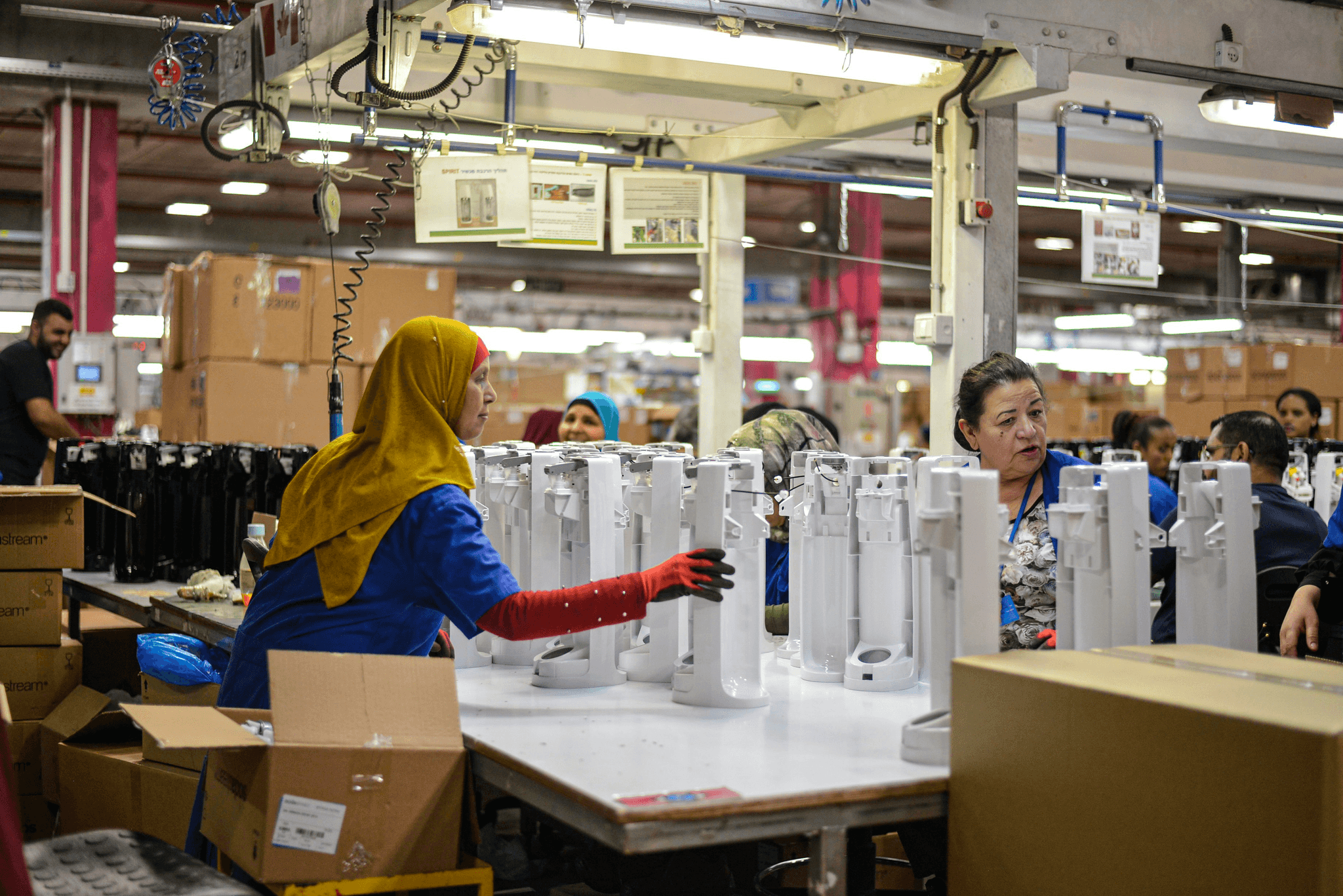
In the realm of manufacturing and quality control, real-world examples often provide the best insights into effective practices. By examining successful case studies, businesses can glean valuable lessons on implementing quality checks in manufacturing that yield tangible results. This section delves into notable success stories, lessons learned from industry practices, and how proactive inspections have averted potential failures.
Success Stories with China Inspection Pro
China Inspection Pro has become synonymous with excellence in quality control in the manufacturing industry. One standout case involved a major electronics manufacturer that faced recurring issues with defective components arriving at their assembly line. By partnering with China Inspection Pro for rigorous quality checks in manufacturing, they significantly reduced defects by over 30%, streamlining their production process and enhancing overall efficiency.
Moreover, another client in the textile sector reported a dramatic improvement after adopting China Inspection Pro's comprehensive inspection services. Through meticulous process control and detailed reporting, they were able to identify non-compliance issues early on, leading to timely corrective actions that saved both time and money. These success stories underscore the critical role that effective quality management systems play in ensuring consistent product quality and operational excellence.
Lessons Learned from Quality Control in the Industry
The journey through various manufacturing sectors reveals several key lessons about quality control that are universally applicable. First, integrating robust quality management systems fosters a culture of accountability among employees at all levels—ensuring everyone understands their role in maintaining standards. Additionally, frequent training sessions on best practices for quality checks in manufacturing can empower teams to identify problems before they escalate.
Another crucial lesson is the importance of data-driven decision-making within process control frameworks. Companies that leverage analytics to monitor production metrics can quickly adapt to changes or abnormalities—thereby minimizing waste and optimizing resources effectively. Ultimately, these insights highlight how embracing a proactive approach to quality control can lead to significant improvements across all facets of manufacturing operations.
How Quality Inspections Prevent Manufacturing Failures
Quality inspections serve as a safety net against potential failures within the manufacturing process—a fact demonstrated by numerous industry examples. For instance, one automotive manufacturer experienced a near-disaster when an overlooked defect was discovered just before shipment; timely inspections allowed them to rectify the issue without impacting delivery schedules or incurring hefty penalties. This incident illustrates how vigilant adherence to quality control measures can safeguard against costly mistakes.
Furthermore, regular inspections help identify systemic weaknesses within production lines—enabling companies to implement targeted improvements proactively rather than reactively addressing issues post-factum. By investing in thorough inspections as part of their overall strategy for quality control and manufacturing, organizations not only enhance product reliability but also bolster consumer trust and satisfaction over time. In essence, effective inspections are not merely an operational necessity; they are pivotal in fostering long-term success within competitive markets.
Implementing Effective Quality Management Systems
In today's competitive landscape, implementing effective quality management systems is crucial for success in the manufacturing and quality control sectors. A robust system not only enhances product reliability but also streamlines operations, ensuring that quality checks in manufacturing are both efficient and effective. By focusing on best practices, technology integration, and continuous improvement, manufacturers can elevate their quality control processes to new heights.
Best Practices for Quality Control in Manufacturing
Establishing best practices for quality control in manufacturing is essential to ensure consistent product excellence. Companies should adopt standardized procedures for conducting quality checks in manufacturing at every stage of production—from raw materials to final output. Regular training sessions for staff on these practices can significantly improve adherence to quality standards and foster a culture of accountability.
Moreover, implementing a comprehensive documentation system allows manufacturers to track compliance with established protocols effectively. This not only aids in identifying areas needing improvement but also reinforces the importance of process control within the organization. By prioritizing best practices, businesses can minimize defects and enhance overall efficiency within their manufacturing and quality control frameworks.
Integrating Technology for Enhanced Inspections
Incorporating technology into the inspection process has revolutionized the landscape of quality control in the manufacturing industry. Automated inspection systems utilize advanced algorithms and machine learning to detect defects that may be missed by human eyes, ensuring thoroughness in quality checks in manufacturing. Technologies such as IoT sensors can provide real-time data on production processes, allowing manufacturers to make immediate adjustments as needed.
Furthermore, employing software solutions designed specifically for managing quality management systems can streamline documentation and reporting tasks associated with inspections. These tools facilitate better communication between teams while providing valuable insights into production trends over time. Ultimately, integrating technology not only boosts accuracy but also enhances overall operational efficiency within the realm of manufacturing and quality control.
Continuous Improvement in Quality Management
Continuous improvement is a cornerstone principle of effective quality management systems that cannot be overlooked by manufacturers aiming for long-term success. Embracing a philosophy of ongoing assessment allows companies to identify weaknesses within their current processes while fostering innovation across all levels of operation—especially regarding process control measures. Regular audits and feedback loops can uncover opportunities where enhancements are necessary or beneficial.
Encouraging employee involvement through suggestion programs or team brainstorming sessions creates an environment where everyone feels invested in maintaining high-quality standards throughout production cycles. Additionally, benchmarking against industry standards enables organizations to measure their performance accurately against competitors’ achievements within the field of quality control and manufacturing practices. By committing to continuous improvement initiatives, businesses not only enhance their product offerings but also ensure sustained customer satisfaction over time.
Conclusion
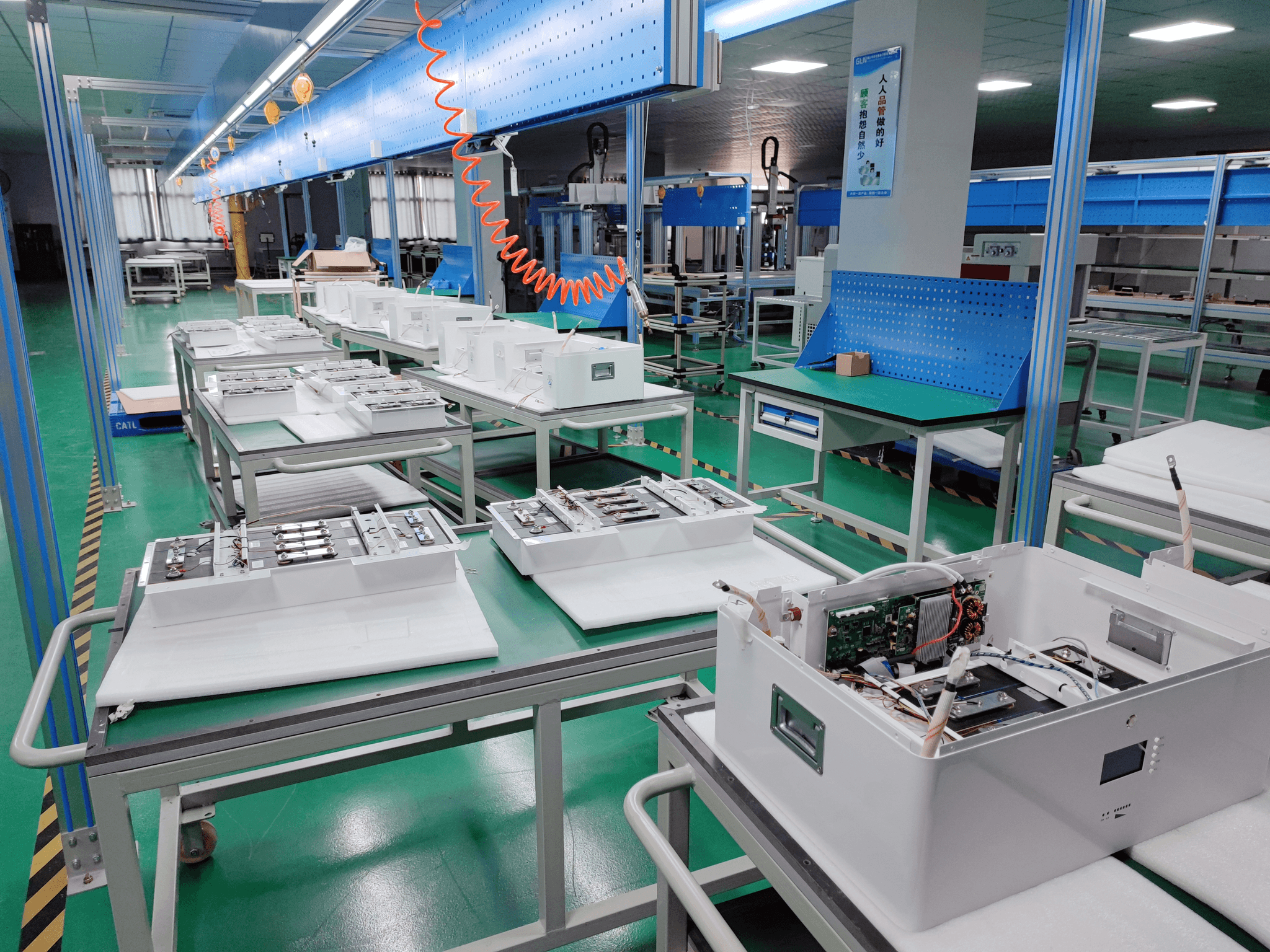
In the ever-evolving landscape of manufacturing, quality inspection stands as a pillar of efficiency and reliability. The intersection of manufacturing and quality control is where businesses can truly thrive, ensuring that every product meets stringent standards before reaching customers. By prioritizing quality checks in manufacturing, companies not only enhance their operational processes but also secure their reputation in a competitive market.
Maximizing Efficiency Through Quality Inspection
Quality inspections serve as the gatekeepers of excellence in the manufacturing process, directly influencing production efficiency. By implementing rigorous quality control in manufacturing, organizations can identify defects early on, reducing waste and minimizing costly reworks. This proactive approach to process control not only streamlines operations but also fosters a culture of continuous improvement within teams.
Moreover, timely quality checks in manufacturing lead to quicker turnaround times for products destined for shipping. When manufacturers prioritize these inspections, they mitigate potential delays caused by faulty goods or last-minute fixes. Ultimately, this commitment to efficiency translates into faster deliveries and happier customers—a win-win situation that reinforces the importance of integrating robust quality management systems.
Building Trust With Quality Standards
In today’s market, trust is currency; it’s built through consistent adherence to quality standards that customers can rely on. By establishing solid quality control and manufacturing practices, businesses create an environment where stakeholders feel confident about their investments and purchases. The relationship between manufacturers and consumers hinges on this trust—an assurance that every product delivered adheres to high-quality benchmarks set forth by effective quality management systems.
Furthermore, transparent communication regarding these standards strengthens customer relationships even more. When clients know what to expect from their products—thanks to established processes for monitoring quality—they are more likely to return for future business opportunities. Thus, building trust through unwavering commitment to quality checks in manufacturing becomes essential for long-term success.
Future Trends in Quality Control and Manufacturing
As industries continue embracing technological advancements, the future of manufacturing and quality control looks promising yet challenging. Innovations such as AI-driven analytics are poised to revolutionize how we conduct inspections—making them smarter and more efficient than ever before. These technologies will enable real-time monitoring of production lines while enhancing process control measures across various stages of manufacturing.
Additionally, sustainability will play an increasingly critical role in shaping future trends within the quality control in the manufacturing industry landscape. Manufacturers will need to adapt their practices not only for compliance with regulations but also to meet consumer demand for environmentally friendly products without compromising on quality standards. Embracing these trends ensures that businesses remain competitive while adhering closely to evolving expectations surrounding both product integrity and environmental responsibility.