
Introduction
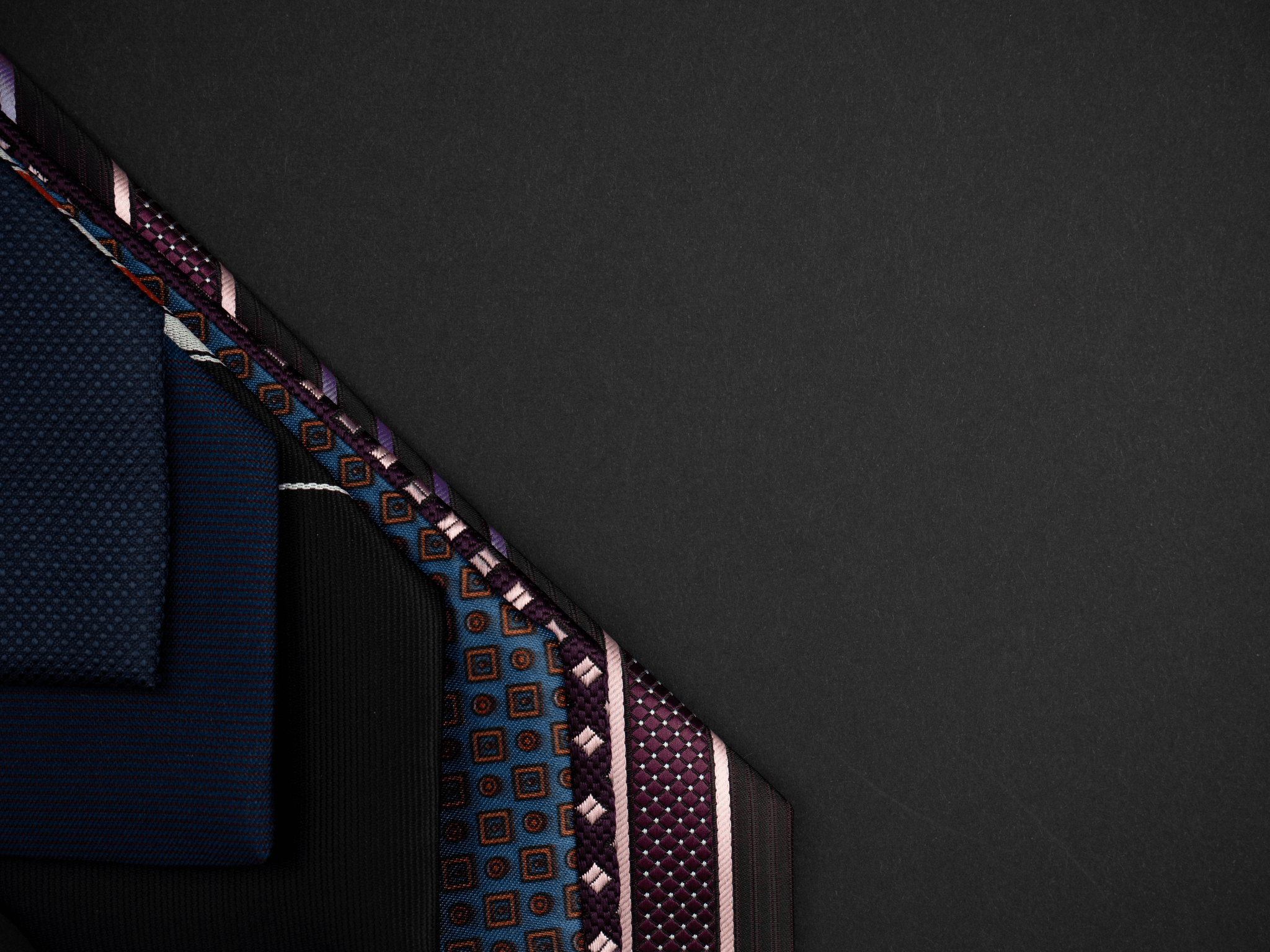
In the world of fashion, neckwear is more than just a practical accessory; it’s a statement of style and personality. Whether it's a classic necktie, a trendy scarf, or an elegant bow tie, these pieces can elevate an outfit from mundane to magnificent. However, to ensure that these items meet consumer expectations and stand the test of time, proper Neckwear Inspection is crucial.
Understanding the Importance of Neckwear Inspection
Neckwear Inspection serves as the first line of defense against defects that could tarnish a brand's reputation. With so many styles available—from ascot ties to bolo ties—ensuring quality can make or break customer loyalty. By focusing on rigorous inspection processes, manufacturers can guarantee that each piece not only looks good but also performs well over time.
Quality Control Standards in Fashion Accessories
Quality control standards in fashion accessories are essential for maintaining consistency and excellence across all products. From the materials used in scarves and shawls to the stitching in neckties and bow ties, every detail counts towards creating an impeccable final product. Adhering to these standards helps brands build trust with consumers who expect nothing less than perfection.
Common Issues in Neckwear Manufacturing
Despite best efforts, common issues often arise during neckwear manufacturing that can compromise quality. Problems such as uneven stitching or inferior fabric choices can lead to dissatisfaction among customers who purchase neckties or other accessories expecting high standards. Identifying these issues early through effective inspection processes is key to minimizing returns and enhancing overall customer satisfaction.
The Criteria for Neckwear Inspection
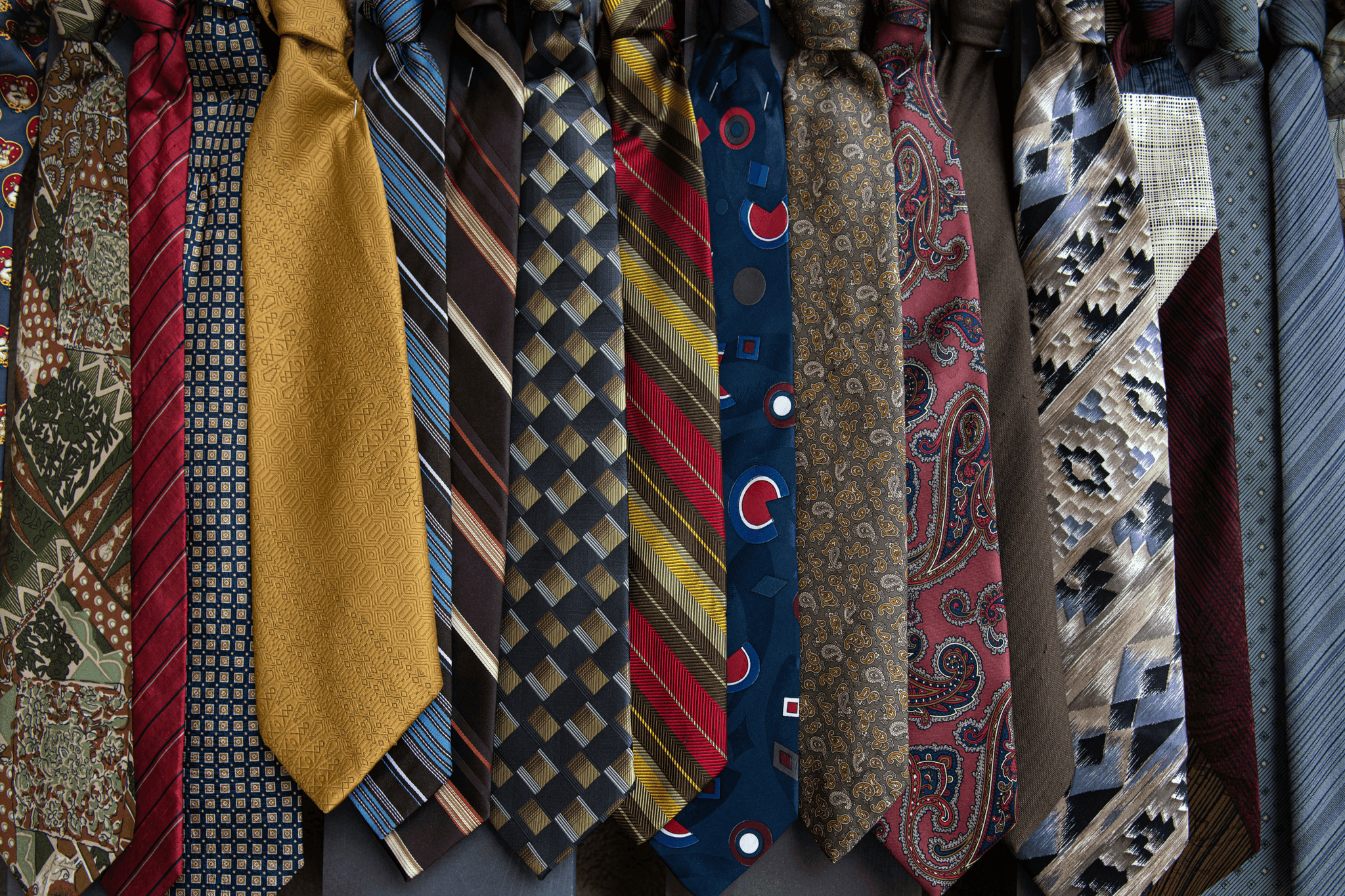
When it comes to neckwear inspection, a meticulous approach is essential to ensure that each piece meets the highest standards of quality. From neckties to scarves, and even more unique options like ascot ties and bolo ties, every detail counts in the world of fashion accessories. Let’s delve into the key criteria that dictate whether a neckwear item passes or fails the inspection process.
Material Quality and Durability
The first checkpoint in neckwear inspection revolves around material quality and durability. High-quality fabrics such as silk, cotton, or wool not only enhance the overall appearance but also contribute to longevity, making them ideal for neckties and shawls alike. Inspectors should assess factors like thread count, weave tightness, and resistance to wear; after all, no one wants their favorite bow tie fraying after just a few wears!
Durability is particularly crucial for items like scarves that may be exposed to various weather conditions or day-to-day use. A robust material will withstand the test of time while maintaining its aesthetic appeal—think vibrant colors and intricate patterns on ascot ties that don’t fade easily! Ultimately, ensuring that materials are both high-quality and durable can elevate a brand's reputation in the competitive fashion market.
Stitching and Craftsmanship
Next up in our neckwear inspection journey is stitching and craftsmanship—a detail often overlooked but critical for both functionality and style. The stitching on neckties should be even and secure; loose threads or uneven seams can spell disaster for any stylish ensemble! Inspectors must look closely at how well these pieces are constructed because even minor flaws can undermine an otherwise perfect accessory.
Craftsmanship extends beyond just stitching; it encompasses how well all elements come together harmoniously. For example, when evaluating a scarf or shawl, one should consider how neatly the edges are finished—raw edges can detract from elegance! In essence, impeccable craftsmanship ensures that each piece not only looks great but also performs well over time.
Design Integrity and Aesthetic Appeal
Lastly, design integrity plays a pivotal role in neckwear inspection by focusing on aesthetic appeal alongside functional design elements. Whether it's an eye-catching pattern on a bolo tie or an elegant print on an ascot tie, maintaining design integrity ensures that each piece resonates with its intended audience while staying true to brand identity. Inspectors need to evaluate whether colors complement each other effectively without clashing; this harmony adds value to any collection.
Furthermore, aesthetic appeal isn't just about looks—it’s about how well these pieces can transform an outfit from ordinary to extraordinary! A well-designed bow tie can make a statement at formal events while versatile scarves add flair to casual attire. Therefore, ensuring high standards of design integrity is paramount for brands aiming for longevity in the ever-evolving fashion landscape.
Types of Neckwear: A Closer Look
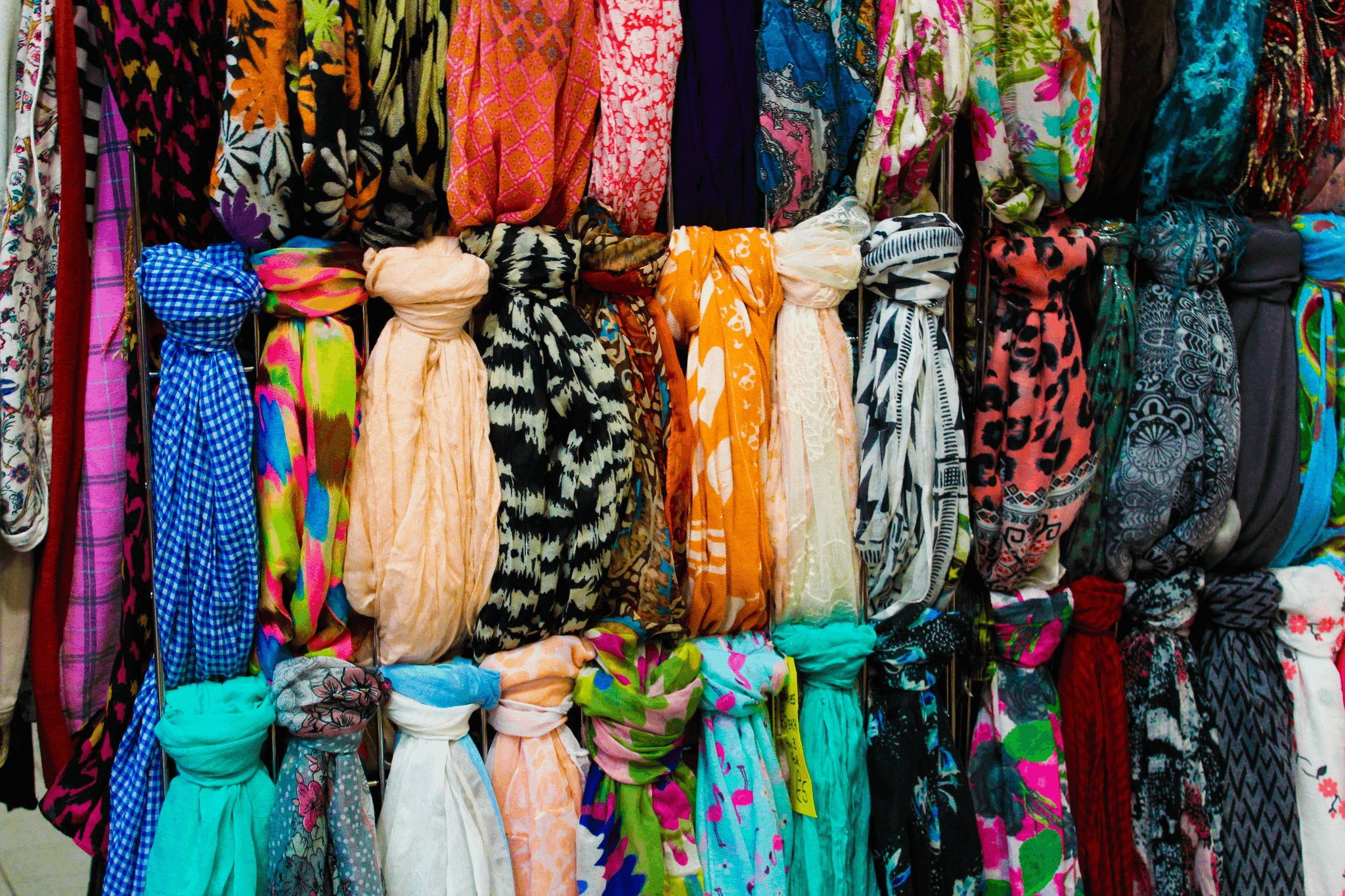
When it comes to neckwear, the variety is as rich as the fabrics used to create them. Each type of neckwear has its unique characteristics and requires specific inspection criteria to ensure quality and style. In this section, we will delve into the nuances of neckties, scarves, bow ties, ascot ties, and bolo ties to understand what makes each piece special.
Assessing Neckties and Bow Ties
Neckties are a staple in men's fashion, serving both functional and aesthetic purposes. During neckwear inspection, it’s crucial to assess the fabric for durability; after all, no one wants a tie that frays after a few wears! Additionally, stitching quality plays a pivotal role—neatly sewn edges not only enhance longevity but also contribute to the overall elegance of the tie or bow tie.
Bow ties deserve special attention too; their unique structure demands precise craftsmanship. Inspecting bow ties involves checking for symmetry in shape and ensuring that the knot holds firm without slipping. Remember that a well-made bow tie can elevate an outfit from ordinary to extraordinary with just one clever twist!
Evaluating Scarves and Shawls
Scarves and shawls add flair while providing warmth—a dual purpose that makes them beloved accessories in any wardrobe. When conducting neckwear inspection on these items, material quality is paramount; soft fabrics like cashmere or silk should be free from defects like pilling or uneven texture. Moreover, evaluating colorfastness ensures that vibrant hues remain intact after washing.
The craftsmanship involved in creating scarves often reflects intricate patterns or hand-stitched details which should be thoroughly examined during quality checks. Look for any loose threads or imperfections that could detract from their beauty. A scarf with excellent finishing touches not only enhances personal style but also stands out as a testament to fine workmanship.
Inspecting Ascot Ties and Bolo Ties
Ascot ties bring an air of sophistication typically reserved for formal events or high-fashion settings; they require meticulous attention during neckwear inspection due to their unique design elements. The fabric should drape elegantly while maintaining its shape around the collar—any sagging could indicate poor quality materials or construction methods used in manufacturing.
On the other hand, bolo ties offer a more laid-back yet stylish alternative often associated with Western wear culture. When inspecting bolo ties, focus on both the cord's integrity and any decorative elements such as slides or tips; these components need to be securely attached and made from durable materials for lasting appeal. Proper evaluation ensures that whether worn at a rodeo or a cocktail party, these pieces make an unforgettable statement.
The Role of Quality Control
Quality control in neckwear manufacturing is not just a luxury; it's a necessity. From neckties to scarves, every piece of neckwear undergoes rigorous inspection to ensure it meets industry standards and customer expectations. When quality control processes are robust, they help maintain consistency across various products like bow ties, ascot ties, and bolo ties.
Ensuring Compliance with Industry Standards
Compliance with industry standards is the backbone of effective neckwear inspection. Manufacturers must adhere to specific guidelines that dictate material quality, durability, and craftsmanship for items such as neckties and shawls. By ensuring that each piece meets these standards, brands can minimize defects and enhance customer satisfaction.
In today’s competitive market, failing to comply with industry standards can lead to costly recalls and damage to brand reputation. Regular audits and inspections help identify areas needing improvement before they become significant issues. Ultimately, adhering to these standards not only safeguards the product but also builds trust among consumers who expect nothing less than excellence.
Risk Management in Neckwear Production
Risk management is another critical aspect of quality control in neckwear production. Manufacturers must identify potential risks associated with materials used for scarves or bands and take proactive measures to mitigate those risks before they escalate into larger problems. This involves everything from sourcing high-quality fabrics for bow ties to ensuring that stitching techniques withstand wear over time.
By implementing comprehensive risk management strategies, companies can avoid costly errors that might arise from poor-quality materials or faulty designs in ascot ties or bolo ties. This foresight not only protects the company financially but also preserves the integrity of the brand’s reputation in the long run. In essence, effective risk management contributes significantly to maintaining high-quality standards across all types of neckwear.
The Impact of Quality on Brand Reputation
The impact of quality on brand reputation cannot be overstated when it comes to neckwear inspection processes. High-quality products like expertly crafted neckties or elegantly designed scarves elevate a brand's image and foster customer loyalty over time. Conversely, any lapses in quality can lead customers straight into the arms of competitors who prioritize excellence.
In an era where social media amplifies consumer voices, a single negative review about defective bow ties or poorly made shawls can have far-reaching consequences for brand perception. Therefore, investing in stringent quality control measures ensures that every product reflects positively on the brand itself while minimizing returns due to defects or dissatisfaction among customers seeking premium options like ascot ties or bolo ties.
In conclusion, effective quality control plays an essential role in ensuring compliance with industry standards while managing risks associated with production processes for various types of neckwear—ultimately shaping how brands are perceived by their audience.
Tools and Techniques for Effective Inspection
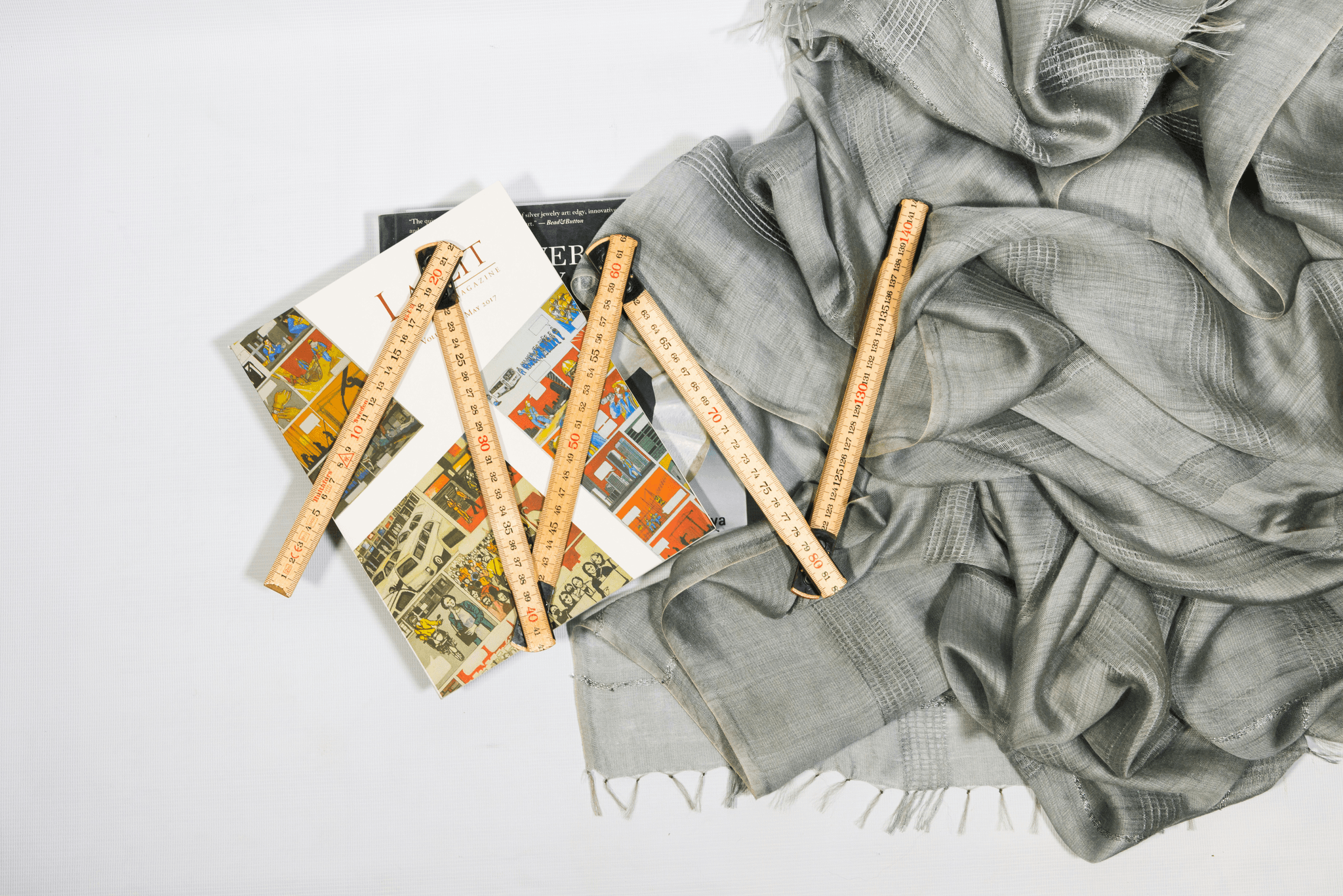
In the world of neckwear, where style meets craftsmanship, effective inspection tools and techniques are essential to maintain quality standards. From neckties to scarves, every piece must undergo rigorous checks to ensure it meets the expectations of discerning customers. This section will explore how technology, best practices in manual inspections, and specialized services like China Inspection Pro can enhance the neckwear inspection process.
Utilizing Technology in Neckwear Quality Control
Technology has revolutionized neckwear inspection by introducing innovative solutions that streamline the quality control process. Automated systems can analyze fabric patterns on neckties and bow ties for inconsistencies that human eyes might miss. Moreover, digital tools enable manufacturers to track defects in scarves and shawls throughout production, providing real-time data that helps catch issues before they reach consumers.
Advanced imaging technologies also play a significant role in inspecting ascot ties and bolo ties by ensuring precise measurements and alignment of design elements. With these technological advancements, businesses can reduce waste while improving overall product quality in their neckwear collections. Ultimately, investing in technology not only enhances efficiency but also reinforces a brand’s commitment to excellence.
Manual Inspection Processes: Best Practices
While technology plays a crucial role in neckwear inspection, manual processes remain indispensable for ensuring quality craftsmanship. Experienced inspectors should examine each piece of neckwear—be it a tie or scarf—by hand to assess stitching integrity and material durability closely. This tactile approach allows for a deeper understanding of how different fabrics behave under various conditions, which is vital for items like bow ties or shawls that may require delicate handling.
Best practices include establishing clear inspection criteria tailored specifically for each type of neckwear—such as assessing color consistency across ascot ties or evaluating the finishing details on bolo ties. Additionally, training staff on common defects ensures they can identify issues early on before products enter the market. By blending manual inspections with technology-driven insights, brands can maintain high standards while fostering an environment of continuous improvement.
The Contribution of China Inspection Pro
China Inspection Pro stands out as a vital partner in the realm of neckwear inspection due to its specialized focus on fashion accessories like neckties and scarves. Their comprehensive services encompass everything from pre-production checks to final inspections before shipping, ensuring that every piece meets global quality standards. With their expertise in identifying common defects specific to various types of neckwear—including bow ties and ascot ties—they provide invaluable support to manufacturers looking to enhance their quality control processes.
Moreover, China Inspection Pro employs advanced methodologies tailored for diverse markets while focusing on risk management strategies that protect brand reputation against potential setbacks caused by subpar products. By leveraging their services, brands gain peace of mind knowing their collections undergo thorough evaluations at every step of production—from raw materials through finished goods—ultimately leading to higher customer satisfaction levels across all categories of neckwear.
Handling Defects and Customer Feedback
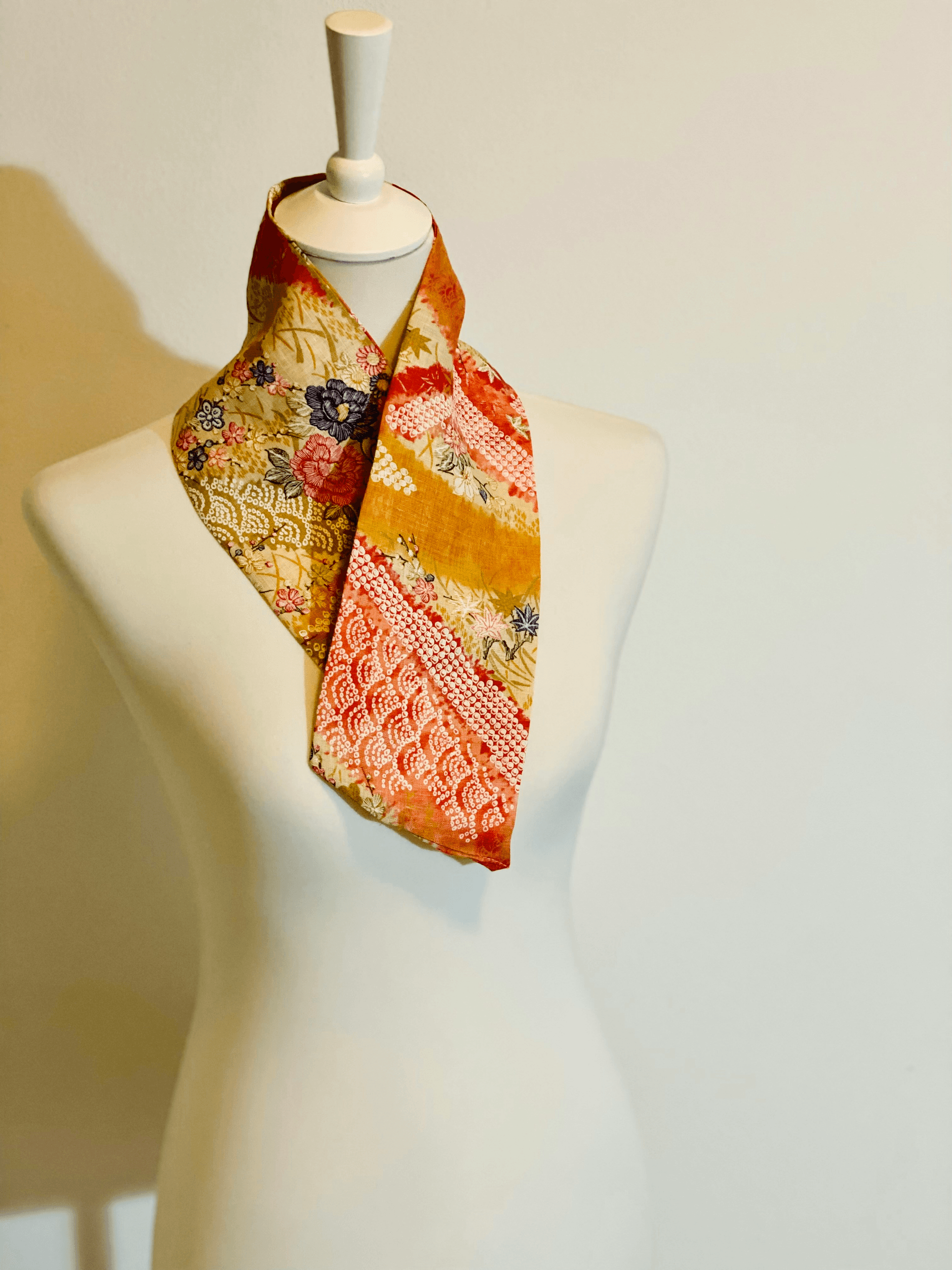
In the world of neckwear, ensuring quality is paramount. However, defects can slip through the cracks, leading to dissatisfied customers and tarnished reputations. By understanding how to identify these common issues and effectively manage customer feedback, brands can enhance their neckwear inspection processes.
Identifying Common Neckwear Defects
When it comes to neckties and bow ties, one of the most frequent defects is uneven stitching. This not only affects the aesthetic appeal but can also compromise durability over time. For scarves and shawls, color discrepancies or fabric pilling are common issues that can detract from their luxurious feel and appearance.
Another defect often seen in ascot ties is improper sizing; if they don't fit well around the neck or drape correctly, they lose their charm. Bolo ties may suffer from faulty clasps or poor-quality bands that fail to hold them securely in place. Recognizing these defects early on during neckwear inspection allows manufacturers to address problems before products reach consumers.
Implementing a Feedback Loop for Improvement
Creating a robust feedback loop is essential for continual improvement in neckwear quality control. Brands should actively encourage customers to share their experiences with products like scarves and bow ties through surveys or direct communication channels. This feedback provides invaluable insights into recurring issues that may not be apparent during initial inspections.
Once feedback is gathered, it should be analyzed systematically to identify trends related to specific types of neckwear—such as ascot ties or bolo ties—allowing for targeted improvements in manufacturing processes. Additionally, brands can implement changes based on customer suggestions, demonstrating responsiveness that enhances loyalty and trust in their products.
Turning Quality Control into Customer Satisfaction
Quality control isn't just about preventing defects; it's also about creating an exceptional experience for customers who purchase neckties, scarves, shawls, bow ties, ascot ties, and bolo ties. When brands prioritize thorough inspection processes that result in high-quality products free from defects, customer satisfaction naturally follows suit.
Moreover, addressing any issues swiftly when they arise shows commitment to excellence and fosters positive relationships with consumers who appreciate transparency and accountability in product quality. Ultimately, by turning quality control efforts into a cornerstone of customer satisfaction strategies, brands can cultivate a loyal following eager to recommend their exquisite neckwear options.
Conclusion
In the world of fashion, neckwear inspection is not just a formality; it’s an essential practice that ensures quality and customer satisfaction. From neckties to scarves, every piece of neckwear deserves meticulous scrutiny to maintain high standards. By adhering to quality control measures, brands can avoid common pitfalls and enhance their reputation in a competitive market.
Key Takeaways on Neckwear Quality Standards
Quality standards in neckwear are vital for ensuring that products like bow ties, ascot ties, and bolo ties meet consumer expectations. Inspecting materials for durability and assessing craftsmanship through stitching techniques are crucial elements of the process. Ultimately, these steps help maintain design integrity while delivering aesthetic appeal that customers desire.
The Importance of Continuous Improvement
Continuous improvement in neckwear inspection processes is key to staying ahead in the fashion industry. As trends evolve, so too must the methods used to evaluate products such as bands and shawls; this adaptability fosters innovation and enhances overall quality control. Regularly revisiting inspection criteria allows brands to refine their offerings while addressing any emerging issues swiftly.
Future Trends in Neckwear Inspection and Quality Control
Looking ahead, the future of neckwear inspection will likely be shaped by advancements in technology and data analytics. Automated systems may soon play a larger role in assessing everything from fabric quality to design flaws across various types of neckwear like scarves and ties. Additionally, integrating customer feedback into the quality control loop will ensure that brands remain responsive to market demands while upholding their commitment to excellence.