
Introduction
In the world of fashion and apparel, garment inspection steps are not just a formality; they are a critical component of the manufacturing process. Quality control plays an essential role in ensuring that every piece of clothing meets the expected standards before it reaches consumers. By implementing rigorous quality checks in manufacturing, brands can safeguard their reputation and ensure customer satisfaction.
Understanding the Importance of Garment Inspection
Garment inspection is vital for maintaining high-quality standards in the fashion industry. It helps identify potential issues with fabric and fabric quality early on, preventing costly mistakes down the line. By prioritizing effective quality inspection processes, manufacturers can enhance their operational efficiency and reduce waste.
The Role of Quality Control in Manufacturing
Quality control in manufacturing serves as a backbone for producing garments that meet or exceed market expectations. This systematic approach ensures that every stage of production undergoes thorough scrutiny, from fabric checking to final packaging. By embedding quality checks throughout the process, companies can mitigate risks associated with defective products.
Why Fabric Checking Matters
Fabric checking is a crucial step in garment inspection steps as it directly influences the overall quality of finished products. The integrity of fabric and fabric materials affects not just durability but also customer satisfaction and brand loyalty. Therefore, investing time and resources into comprehensive fabric inspections is essential for any manufacturer aiming to thrive in a competitive market.
Pre-Production Quality Checks

Before the first stitch is sewn, pre-production quality checks set the stage for successful garment inspection. These initial steps are crucial in ensuring that the fabric and fabric quality meet industry standards and align with your expectations. By focusing on these checks, you can minimize defects down the line and streamline your quality control in manufacturing processes.
Assessing Fabric and Fabric Quality
The journey of effective garment inspection begins with a thorough assessment of fabric and fabric quality. This involves examining the texture, weight, color consistency, and overall feel of the material to ensure it meets your design specifications. A meticulous fabric checking process not only helps in identifying potential issues but also ensures that the final product will be up to par with customer expectations.
Additionally, understanding different types of fabrics is essential for setting realistic quality control benchmarks. For instance, natural fibers may have different qualities compared to synthetic ones; knowing these distinctions can guide your quality checks in manufacturing effectively. Ultimately, a solid grasp on fabric characteristics allows for more informed decisions during production.
Evaluating Supplier Credentials
Selecting the right suppliers is integral to maintaining high standards in garment inspection steps. Evaluating supplier credentials includes assessing their experience, reputation in the industry, and previous performance records regarding quality control practices. This vetting process ensures that you're partnering with suppliers who prioritize quality inspection as much as you do.
Moreover, it’s wise to request samples or conduct site visits when possible; firsthand experience can reveal a lot about a supplier's commitment to maintaining high-quality fabrics and materials. Establishing strong relationships with reliable suppliers enhances your overall quality control in manufacturing efforts while minimizing risks associated with poor-quality materials entering production lines.
Setting Quality Standards and Expectations
Setting clear quality standards and expectations lays a solid foundation for all subsequent garment inspection steps. By defining specific criteria for what constitutes acceptable fabric & fabric qualities—like durability or colorfastness—you create a benchmark against which all products will be measured throughout production phases. This clarity not only streamlines communication among teams but also fosters accountability at every level.
Furthermore, involving all stakeholders—including designers, manufacturers, and suppliers—in this process can help ensure everyone is on the same page regarding what 'quality' means for your brand's garments. Regularly revisiting these standards allows for adjustments based on market trends or customer feedback while keeping your focus on continuous improvement through rigorous quality checks in manufacturing processes.
In conclusion, pre-production quality checks are vital components of an effective garment inspection strategy that sets up both manufacturers and consumers for success down the line.
In-Line Quality Inspection

In-line quality inspection is a critical phase in the garment manufacturing process. This stage focuses on monitoring production processes to ensure that each step adheres to established quality control standards. By implementing effective garment inspection steps during this phase, manufacturers can catch potential issues before they escalate, ensuring that the final product meets customer expectations.
Monitoring Production Processes
Monitoring production processes involves closely observing every stage of garment assembly. This includes checking fabric and fabric components for defects and ensuring that machinery operates smoothly throughout the manufacturing cycle. By maintaining vigilant oversight, manufacturers can implement necessary adjustments in real-time, which significantly enhances overall quality control in manufacturing.
Regular Quality Checks in Manufacturing
Regular quality checks in manufacturing are essential for identifying inconsistencies early on. These checks include assessing the stitching integrity, verifying color consistency, and ensuring proper fit and finish of garments at various points during production. By incorporating systematic fabric checking into these routine inspections, companies can maintain high standards and reduce waste caused by reworks or returns.
Addressing Issues as They Arise
Addressing issues as they arise is crucial for maintaining a seamless production flow. When discrepancies are detected during quality inspections, swift action must be taken to rectify them—whether it’s replacing faulty fabric or recalibrating machines to avoid further errors. This proactive approach not only saves time but also reinforces a culture of accountability within the team, ultimately leading to better overall outcomes in terms of product quality.
Final Random Inspection

The final random inspection is a crucial step in the garment inspection process, serving as the last line of defense against quality issues. This phase ensures that the finished products meet the established quality standards before they are shipped to customers. By conducting thorough checks, manufacturers can uphold their reputation and minimize returns or complaints.
Conducting Comprehensive Fabric Checking
During this stage, comprehensive fabric checking is essential to identify any defects that may have slipped through earlier inspections. Inspectors meticulously examine each garment for issues such as color inconsistencies, stitching flaws, and overall fabric quality. These garment inspection steps are vital not only for maintaining high standards but also for ensuring customer satisfaction with every piece produced.
Quality control in manufacturing relies heavily on these detailed fabric checks to catch any potential problems that could affect the final product. By implementing rigorous quality checks in manufacturing at this stage, companies can prevent defective items from reaching consumers and protect their brand integrity. Ultimately, effective fabric and fabric inspection leads to fewer returns and higher customer loyalty.
Ensuring Compliance with Quality Standards
Ensuring compliance with quality standards during the final random inspection is paramount for manufacturers aiming to deliver top-notch products. Each garment must meet specific criteria set forth by both internal guidelines and industry regulations to pass this critical evaluation phase. Quality control teams meticulously compare each item against these benchmarks, which include durability tests, colorfastness assessments, and overall craftsmanship.
By adhering strictly to these quality control measures, manufacturers can confidently assure clients that their products are reliable and well-made. This commitment not only helps in minimizing defects but also strengthens relationships with suppliers who prioritize excellence in their own processes. In an industry where reputation is everything, compliance becomes a key factor in sustaining long-term success.
Documenting Findings for Transparency
Transparency throughout the final random inspection process is crucial for building trust between manufacturers and stakeholders alike. Documenting findings allows companies to maintain a clear record of inspections conducted—highlighting both successes and areas needing improvement within their production lines. This practice not only aids internal reviews but also provides valuable insights during audits or when addressing client concerns about product quality.
Moreover, maintaining detailed records of fabric checking outcomes enhances accountability within teams responsible for quality assurance efforts. By sharing these documents with relevant parties—such as suppliers or clients—manufacturers demonstrate their commitment to maintaining high-quality standards throughout production cycles while fostering collaborative efforts towards continuous improvement initiatives in future projects. Ultimately, thorough documentation reinforces confidence among all parties involved in the supply chain regarding adherence to stringent garment inspection steps.
Packaging and Shipping Quality Control
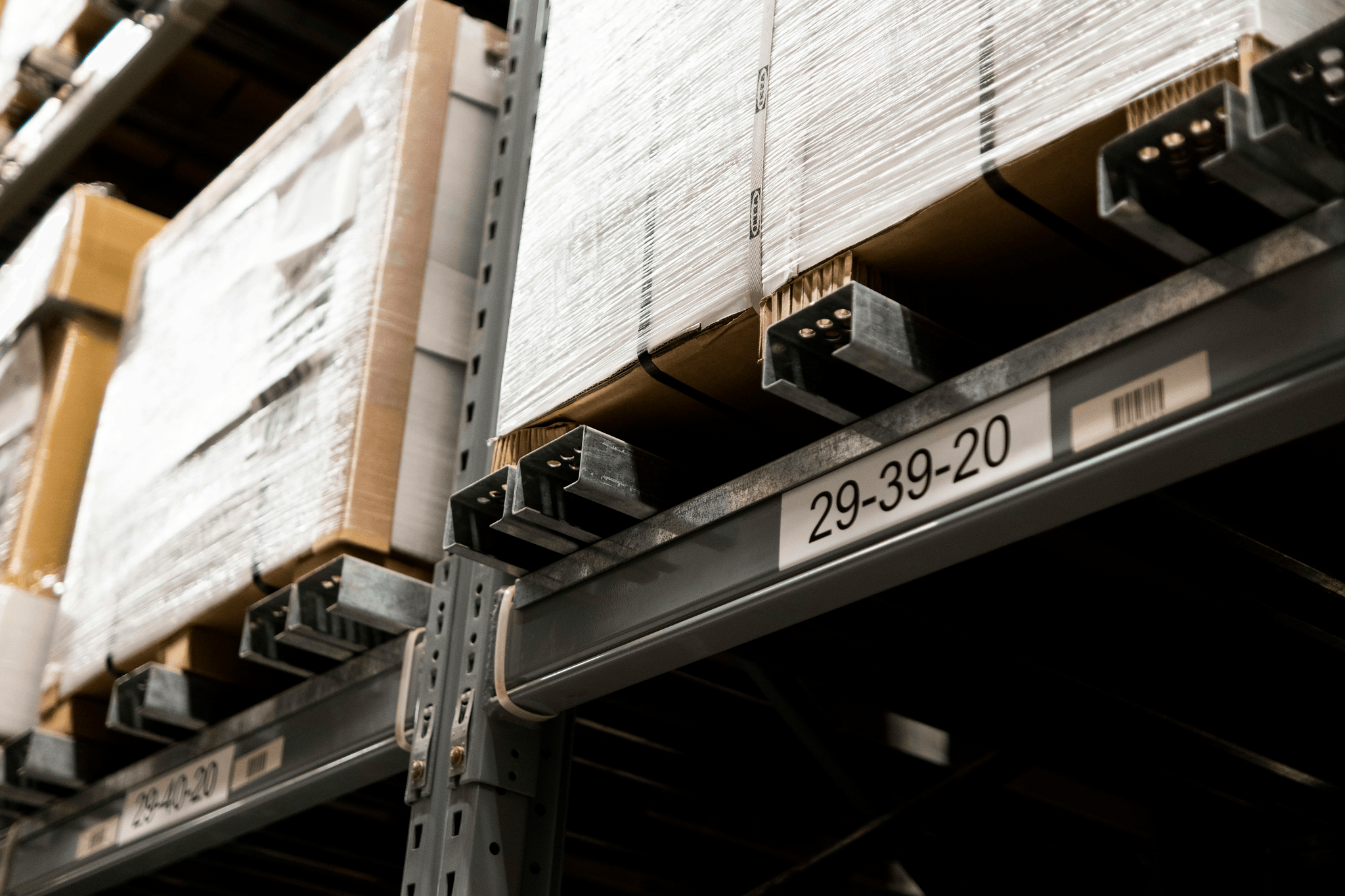
In the realm of garment production, packaging and shipping quality control is a critical step that can make or break the final product's success in the market. It's not just about getting items from point A to point B; it's about ensuring that every piece arrives in perfect condition, ready for consumers. Implementing rigorous quality checks in manufacturing during this phase can significantly enhance customer satisfaction and brand reputation.
Inspecting Packaging Materials
The first line of defense in protecting garments during transit is the packaging materials themselves. Quality control begins with selecting robust, suitable materials that can withstand various shipping conditions, ensuring they provide adequate protection for fabric and fabric products. Regular assessments of these materials through detailed quality inspection processes help identify any weaknesses before they become costly problems.
Moreover, it’s vital to ensure that packaging aligns with industry standards and customer expectations. This means checking for durability, moisture resistance, and even aesthetic appeal—because let’s face it, first impressions matter! By adhering to established garment inspection steps at this stage, manufacturers can avoid potential damages that could arise from subpar packaging choices.
Quality Control in Shipping Processes
Once garments are packed securely, the next challenge lies within the actual shipping processes. Quality control in manufacturing extends beyond production floors; it must encompass logistics as well. This involves monitoring transportation methods and routes to ensure they are efficient while also minimizing risks associated with delays or mishandling.
Establishing clear protocols for handling packages during loading and unloading is essential to maintain integrity throughout transit. Regular training sessions for staff involved in these processes can reinforce best practices related to garment inspection steps—ensuring everyone understands their role in preserving product quality until it reaches its final destination.
Safeguarding Product Integrity During Transit
Safeguarding product integrity during transit requires a multi-faceted approach involving both technology and human oversight. Utilizing tracking systems allows manufacturers to monitor shipments closely while implementing real-time updates on package conditions can alert teams to any issues promptly. This proactive strategy makes addressing potential problems much easier before they escalate into significant concerns.
Additionally, conducting random checks on shipments before departure provides an extra layer of assurance regarding quality control measures implemented throughout production and packing stages. These last-minute inspections serve as a reminder of the importance of thorough fabric checking procedures at every step—from initial sourcing through delivery—ultimately contributing to a seamless customer experience.
In conclusion, effective packaging and shipping quality control is crucial not only for protecting products but also for building long-term trust with customers through consistent delivery of high-quality goods.
Continuous Improvement through Feedback
In the realm of garment production, continuous improvement is essential for maintaining high standards and ensuring customer satisfaction. By leveraging feedback from quality inspections, manufacturers can identify trends and areas needing enhancement. This proactive approach not only refines the garment inspection steps but also strengthens overall quality control in manufacturing.
Analyzing Inspection Results for Patterns
Analyzing inspection results is crucial for spotting patterns that may indicate recurring issues in fabric and fabric quality or production processes. By systematically reviewing data from quality checks in manufacturing, teams can pinpoint specific problems that require attention, such as consistent defects in a particular fabric batch or supplier-related concerns. This analysis serves as a foundation for informed decision-making, ultimately leading to improved fabric checking protocols.
Implementing Changes Based on Quality Control
Once patterns are identified through inspection results, it's time to implement changes that enhance quality control measures across the board. For instance, if certain fabrics consistently fail to meet standards during quality inspections, it may be necessary to reevaluate supplier relationships or adjust the criteria for acceptable materials. These adjustments not only address immediate concerns but also foster a culture of continuous improvement within the organization.
Leveraging Expertise from China Inspection Pro
To further bolster your quality control efforts, consider leveraging expertise from specialized agencies like China Inspection Pro. Their knowledge of garment inspection steps and experience with various suppliers can provide invaluable insights into best practices for fabric & fabric evaluation and overall production processes. Collaborating with such experts ensures that your quality checks in manufacturing are not just routine tasks but integral components of a robust strategy aimed at delivering exceptional products.
Conclusion
In the fast-paced world of garment manufacturing, ensuring quality control is not just a checkbox; it's a vital process that can make or break a brand's reputation. The steps involved in garment inspection are crucial for maintaining high standards and fostering consumer trust. By embracing comprehensive quality checks in manufacturing, companies can significantly enhance their product offerings.
Enhancing Your Quality Control Measures
To elevate your quality control measures, it’s essential to adopt a systematic approach to fabric checking and other garment inspection steps. Start by establishing clear quality standards that resonate with your brand values and customer expectations. Regular training for your team on the nuances of fabric and fabric inspection will also ensure that everyone is aligned with these standards.
Moreover, leveraging technology can streamline the quality control in manufacturing processes, making inspections more efficient and data-driven. Automated systems can help track defects in real time, allowing for immediate corrective actions during production runs. With consistent enhancements to your quality control measures, you’ll not only improve product consistency but also reduce waste and increase overall efficiency.
The Impact of Rigorous Quality Inspection
Rigorous quality inspection plays an indispensable role in safeguarding both the integrity of your products and the trust of your customers. When every piece of fabric undergoes thorough scrutiny against established benchmarks, it minimizes the risk of defects reaching consumers—a critical factor that directly influences customer satisfaction and loyalty. The ripple effect of diligent inspections extends beyond immediate sales; it cultivates long-term relationships built on reliability.
Additionally, implementing robust quality checks in manufacturing fosters a culture of accountability within teams. Each member becomes more aware of their contributions to product excellence, leading to higher morale and productivity levels across the board. Ultimately, rigorous inspections not only bolster brand credibility but also pave the way for sustained business growth.
Building Trust Through Consistent Quality Checks
Consistency is key when it comes to building trust with consumers through effective garment inspection steps. By regularly conducting thorough fabric checking alongside other quality control practices, brands send a clear message about their commitment to excellence—one that resonates well with discerning customers looking for assurance in their purchases. This consistent approach helps establish a positive reputation that attracts new clientele while retaining existing ones.
Furthermore, transparency throughout the inspection process enhances customer confidence as they become more informed about what goes into each product they buy. Sharing insights from your findings not only demonstrates accountability but also showcases your dedication to continuous improvement based on feedback from various stages of production. In essence, consistent quality checks are not just about maintaining standards; they’re about fostering relationships built on trust and shared values.