
Introduction
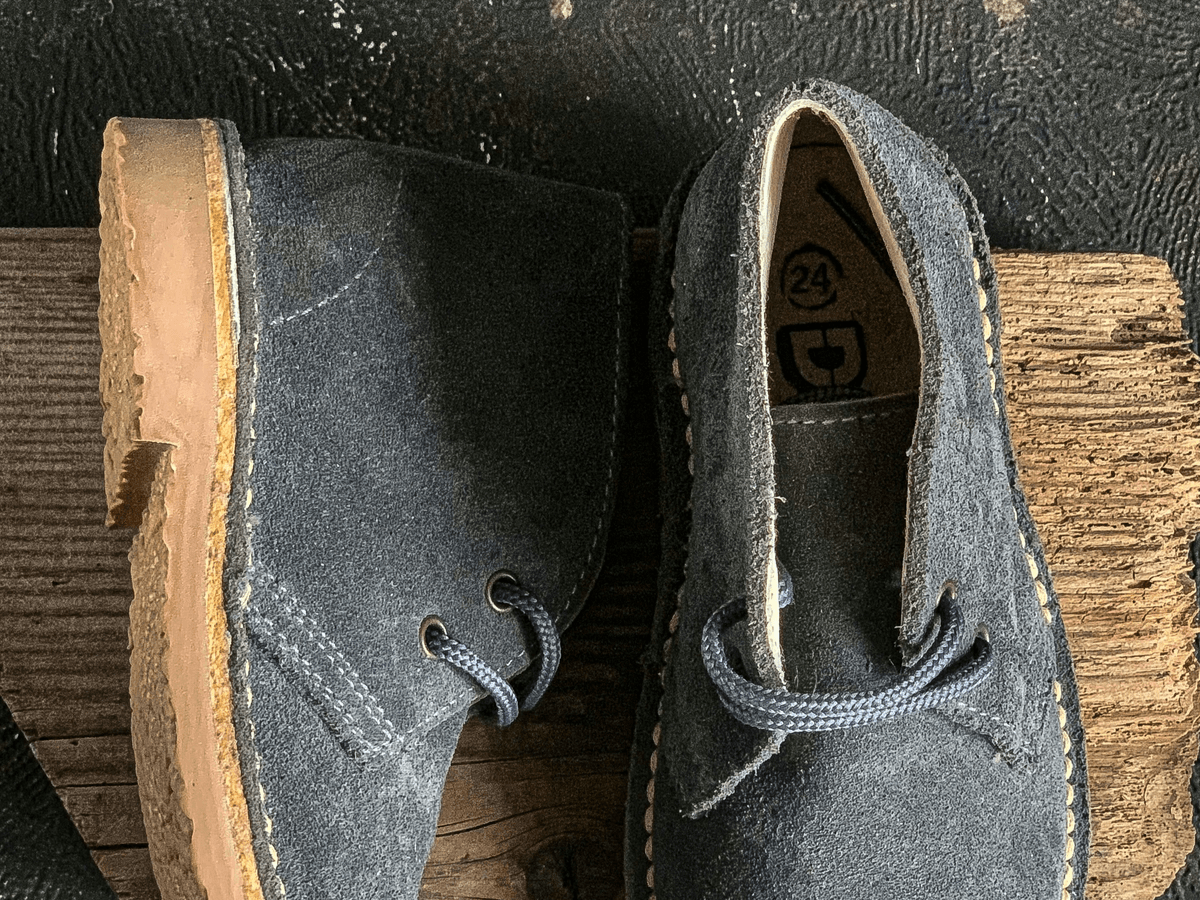
Understanding common shoe quality issues is essential for both manufacturers and consumers. Shoe defects like excess glue, wax or oil, degumming or weak cementing, abrasion marks, asymmetry in shoes, incorrect sizing, and protruding nail or sharp point can compromise the overall look and durability of footwear. Recognizing these shoe defects early helps prevent costly repairs and ensures that every pair meets high standards of craftsmanship.
Spotting shoe defects matters because they directly impact customer satisfaction and brand reputation. Whether it’s a visible abrasion mark or an asymmetrical design flaw, these issues can turn a stylish shoe into a disappointment. Regular quality inspection allows manufacturers to catch potential flaws such as improper sizing or protruding nails before shoes reach the market, saving time and money while maintaining trust with buyers.
Quality inspection plays a crucial role in keeping shoes flawless by identifying common shoe defects like excess glue, wax or oil buildup, weak cementing from degumming processes, or safety hazards like protruding nails. It acts as a final checkpoint to ensure every detail—from perfect symmetry to correct sizing—is thoroughly checked. Ultimately, diligent inspection helps produce shoes that are not only attractive but also durable and safe for consumers to wear.
Excess Glue, Wax or Oil
Excess glue, wax, or oil can turn a perfectly crafted shoe into a glaring example of poor quality control. When adhesives spill over the edges of leather or onto the sole, it not only looks unprofessional but also raises concerns about durability and overall shoe defects. Spotting these excesses early is crucial to maintain a flawless appearance and prevent future issues like peeling or weak cementing.
Identifying Excess Adhesives on Leather and Sole
Detecting excess glue, wax, or oil requires a keen eye—look for shiny patches along seams, visible residue around edges, or uneven surface textures that don’t match the rest of the shoe. These signs are common indicators of shoe defects caused by overapplication during manufacturing. A thorough inspection should include running fingers along seams and examining both the leather upper and sole for any sticky or oily spots that betray excess adhesives.
Causes of Overuse of Glues in Shoe Manufacturing
Overusing glues often stems from hurried assembly lines aiming for speed rather than precision, leading to sloppy application techniques that result in shoe defects like excess glue. Sometimes manufacturers rely heavily on adhesives to compensate for misaligned components or imperfect cuts, which can cause an overload of wax or oil-based substances as well. Additionally, lack of proper training in adhesive application can contribute significantly to this issue—ultimately affecting the shoe’s appearance and longevity.
Solutions for Removing or Preventing Excess Glue
Removing excess glue, wax, or oil involves careful cleaning with solvents designed specifically for footwear materials—think gentle alcohol-based cleaners that won’t damage leather but dissolve stubborn residues. Prevention starts with proper training on adhesive application techniques and using calibrated equipment to ensure just enough glue is used without spilling over borders—minimizing shoe defects before they even occur. Regular inspection during production helps catch these issues early so corrective action can be taken before shoes leave the factory floor.
Degumming or Weak Cementing
Weak cementing and degumming are sneaky shoe defects that can compromise the overall quality of footwear. When adhesives fail or degrade, shoes can become structurally unsound, leading to loose soles or separated parts. Recognizing signs of weak adhesion early is crucial to prevent further damage and maintain customer satisfaction.
Recognizing Weak Adhesion in Shoe Construction
Spotting degumming or weak cementing starts with a careful inspection of the shoe’s joints and seams. Look for areas where the sole appears to be lifting, peeling, or separating from the upper; these are classic shoe defects indicating poor cementing. Sometimes, you might notice cracks or gaps along the glued edges—another red flag pointing to weak adhesion that could worsen over time.
Impact of Poor Cementing on Shoe Durability
When shoes suffer from weak cementing, their durability takes a nosedive, making them prone to premature failure. Excess glue left during manufacturing can actually cause more harm than good by creating uneven surfaces that weaken bonding strength—another common shoe defect caused by improper adhesive application. Over time, this leads to issues like sole detachment, which not only affects aesthetics but also shortens the lifespan of the footwear.
Repair Techniques and Preventive Measures
To fix degumming issues, professionals often reapply high-quality adhesives designed for footwear and ensure proper curing times—preventing future shoe defects related to weak cementing. Preventive measures include thorough inspection during production, avoiding excess glue that can cause surface damage and abrasion marks later on. Consistent quality control checks help ensure each pair maintains perfect symmetry without asymmetry in shoes or incorrect sizing issues stemming from faulty assembly processes.
Abrasion Marks and Surface Damage
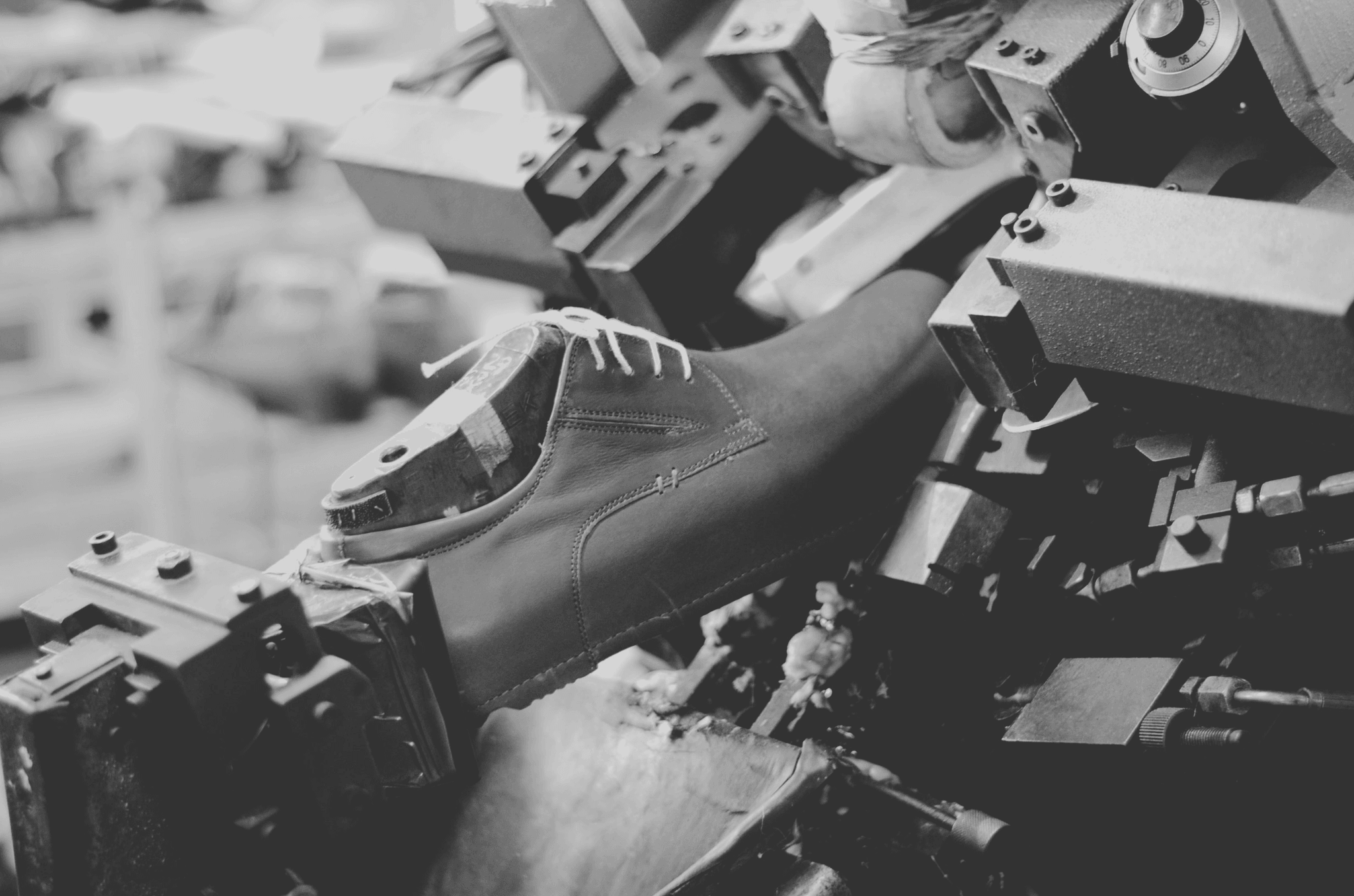
Abrasion marks and surface damage are common shoe defects that can tarnish a shoe’s appearance and reduce its lifespan. These imperfections often result from rough handling during manufacturing or packaging, but they can also be signs of poor quality control. Identifying the root cause of abrasion marks helps prevent future shoe defects and ensures a pristine final product.
Common Sources of Abrasion on Shoes
Abrasion marks frequently appear when shoes come into contact with abrasive surfaces or during improper storage, leading to surface damage. Manufacturing processes that involve excessive rubbing or friction, especially around edges and seams, can cause these surface imperfections. Additionally, using contaminated tools or materials with excess glue, wax, or oil can exacerbate abrasion issues, making shoes look worn out even before they reach customers.
Differentiating Quality Issues from Wear and Tear
It’s important to distinguish between surface damage caused by manufacturing flaws—like abrasion marks—and normal wear and tear after use. While improper handling during production might leave visible scratches or scuffs (a sign of poor quality control), genuine wear occurs naturally over time with use. Recognizing this difference is crucial for identifying shoe defects early; persistent abrasion marks that appear right out of the box point to issues like weak cementing or surface damage rather than customer misuse.
How to Minimize Abrasion During Production
Preventing abrasion marks as a common shoe defect starts with meticulous inspection during manufacturing stages. Ensuring proper handling techniques reduces the risk of surface damage caused by accidental contact with abrasive surfaces or tools contaminated with excess glue, wax, or oil. Implementing quality checks for asymmetry in shoes—since uneven surfaces can increase susceptibility to abrasion—and addressing protruding nails or sharp points beforehand also significantly minimize surface damage before market release.
Asymmetry in Shoes
When it comes to shoe defects, asymmetry can be a sneaky culprit that undermines overall quality. Customers notice when shoes aren’t perfectly aligned, and even minor asymmetries can lead to discomfort or a perception of poor craftsmanship. Ensuring symmetry isn’t just about aesthetics; it’s a vital step in preventing shoe defects that could cause long-term durability issues or customer dissatisfaction.
Uneven stitching, misaligned components, or inconsistent sole placement often stem from manufacturing lapses like improper handling of excess glue, wax, or oil during assembly. These substances can cause parts to shift slightly, resulting in asymmetry in shoes. Additionally, if the cementing process suffers from weak adhesion—degumming or weak cementing—shoes may warp or become uneven over time, further accentuating asymmetry.
To fix and prevent asymmetry in production, manufacturers should implement precise inspection routines that catch misalignments early. Properly calibrated machinery and skilled workers are essential for controlling excess glue and avoiding uneven surfaces that lead to shoe defects. Regular quality checks focused on symmetry help ensure each pair maintains perfect balance from heel to toe—because nobody wants their shoes to look like they’re mismatched on purpose!
Incorrect Sizing
Getting the sizing right is crucial in avoiding shoe defects that can turn a stylish pair into a customer complaint. Incorrect sizing often leads to discomfort, returns, and the dreaded fit issue, which can be traced back to manufacturing oversights or measurement errors. Ensuring proper sizing through thorough inspection helps prevent shoe defects related to ill-fitting shoes and keeps customers happy.
The Importance of Accurate Shoe Fit
Accurate shoe fit isn’t just about comfort; it’s about maintaining the integrity of the entire shoe construction. Poorly sized shoes are prone to defects like excess glue, wax or oil that might seep out if the fit is off, or asymmetry in shoes that can result from inconsistent measurements. When shoes aren’t correctly sized, issues such as protruding nails or sharp points may also become more apparent, posing safety hazards for wearers.
Common Sizing Errors and Their Causes
Many sizing errors stem from miscalculations during pattern making or improper measurement techniques, leading to consistent inaccuracies across batches. These errors often cause defects like incorrect sizing, which may also be associated with surface damage such as abrasion marks due to tight fits causing excessive friction during production. Additionally, improper sizing can exacerbate issues like weak cementing or degumming because parts don’t align properly, increasing the risk of shoe defects.
How to Ensure Proper Sizing Through Inspection
To prevent incorrect sizing and related shoe defects, rigorous inspection protocols should include checking each pair against precise measurements and fit standards before finishing touches are applied. Inspectors must look for asymmetry in shoes—any deviation from perfect symmetry could indicate a sizing problem—and verify that no protruding nails or sharp points exist that could compromise safety or quality. Regularly reviewing manufacturing processes for excess glue, wax or oil buildup and correcting these issues early helps maintain consistent size accuracy and prevents costly rework caused by defective shoes.
Protruding Nail or Sharp Point
A protruding nail or sharp point in shoes is a sneaky defect that can cause serious safety hazards for wearers. Not only can these sharp edges lead to cuts and injuries, but they also tarnish the overall quality perception of the footwear. Detecting and correcting these shoe defects before market release is crucial to ensure customer safety and brand reputation.
Safety Hazards of Sharp Edges in Shoes
When a shoe has a protruding nail or sharp point, it transforms from stylish to dangerous in seconds. These sharp edges can puncture socks, cause cuts on the skin, or even lead to infections if not properly addressed. Shoe defects like these are often overlooked during production but can result in costly recalls and unhappy customers when they slip through inspection.
Typical Manufacturing Oversights Leading to Sharp Points
Many times, manufacturing oversights such as improper finishing, rushed assembly, or neglecting quality checks lead to protruding nails or sharp points in shoes. Excess glue, wax, or oil used during assembly might mask these defects initially but can cause issues later if not cleaned properly. Degumming or weak cementing may also contribute by loosening components that reveal sharp edges over time—these shoe defects are often preventable with diligent inspection.
Ways to Detect and Correct Protrusions Before Market
Detecting protruding nails or sharp points requires thorough visual inspections combined with tactile checks—don't just rely on sight alone! Using magnifying tools during quality inspection helps spot tiny hazards that could turn into major safety issues post-sale. To correct these shoe defects, manufacturers should trim excess materials carefully and ensure proper finishing techniques—preventing future issues with asymmetry in shoes or incorrect sizing that could exacerbate safety concerns.
Conclusion
Ensuring top-notch shoe quality is no small feat, but with a keen eye for common shoe defects like excess glue, wax or oil, and issues such as degumming or weak cementing, manufacturers can significantly reduce returns and customer complaints. Recognizing abrasion marks and asymmetry in shoes early in the process helps maintain a brand’s reputation for excellence. Proper inspection and attention to details like incorrect sizing and protruding nails or sharp points are essential steps toward delivering flawless footwear.
The Role of China Inspection Pro in Ensuring Shoe Quality
China Inspection Pro plays a vital role in identifying shoe defects before they reach the shelves. Their expert team meticulously examines shoes for issues such as excess glue, wax or oil, degumming or weak cementing, abrasion marks, asymmetry in shoes, incorrect sizing, and protruding nails or sharp points. By catching these defects early, they help brands uphold their quality standards while minimizing costly recalls and repairs.
Top Tips for Preventing Common Shoe Defects
Prevention begins with rigorous quality checks during manufacturing to avoid shoe defects like excess glue or wax that can mar the appearance and comfort of shoes. Regularly inspecting for signs of degumming or weak cementing ensures that shoes stay durable over time. Additionally, implementing strict controls on asymmetry in shoes and correct sizing protocols will reduce customer dissatisfaction caused by poorly fitting footwear.
Achieving Excellence with Expert Quality Inspection Services
Partnering with professional inspection services guarantees that issues such as abrasion marks and protruding nails are detected before shipment—saving time and money down the line. Expert inspectors also ensure that no sharp points pose safety hazards to consumers by thoroughly examining each pair of shoes for potential flaws like protruding nails. Ultimately, leveraging these services leads to consistent delivery of high-quality shoes free from common shoe defects.