
Introduction
In the fast-paced world of industrial operations, overlooking the importance of Pressure Switch Inspection can lead to costly downtime and safety hazards. Regular inspection routines ensure that pressure switches function correctly, preventing unexpected failures that could compromise equipment and personnel safety. Incorporating a thorough Pressure Switch Inspection plan not only safeguards your operations but also extends the lifespan of critical components.
Maintaining peak performance requires more than just a quick glance; it calls for comprehensive testing procedures such as Pressure test, calibration check, and performance test including response time analysis. These steps help identify potential issues early, allowing for timely repairs or replacements before they escalate into major problems. A well-executed Pressure Switch Inspection backed by detailed reports like a mill test report guarantees reliability and compliance with industry standards.
China Inspection Pro elevates inspection standards by providing expert services that encompass all aspects of Pressure Switch Inspection. Their team specializes in conducting meticulous inspections, including insulation resistance tests and function checks for switches, ensuring every component operates within specified parameters. Leveraging advanced tools and industry expertise, China Inspection Pro helps clients achieve safety excellence while adhering to stringent quality benchmarks.
Understanding Pressure Switch Functionality
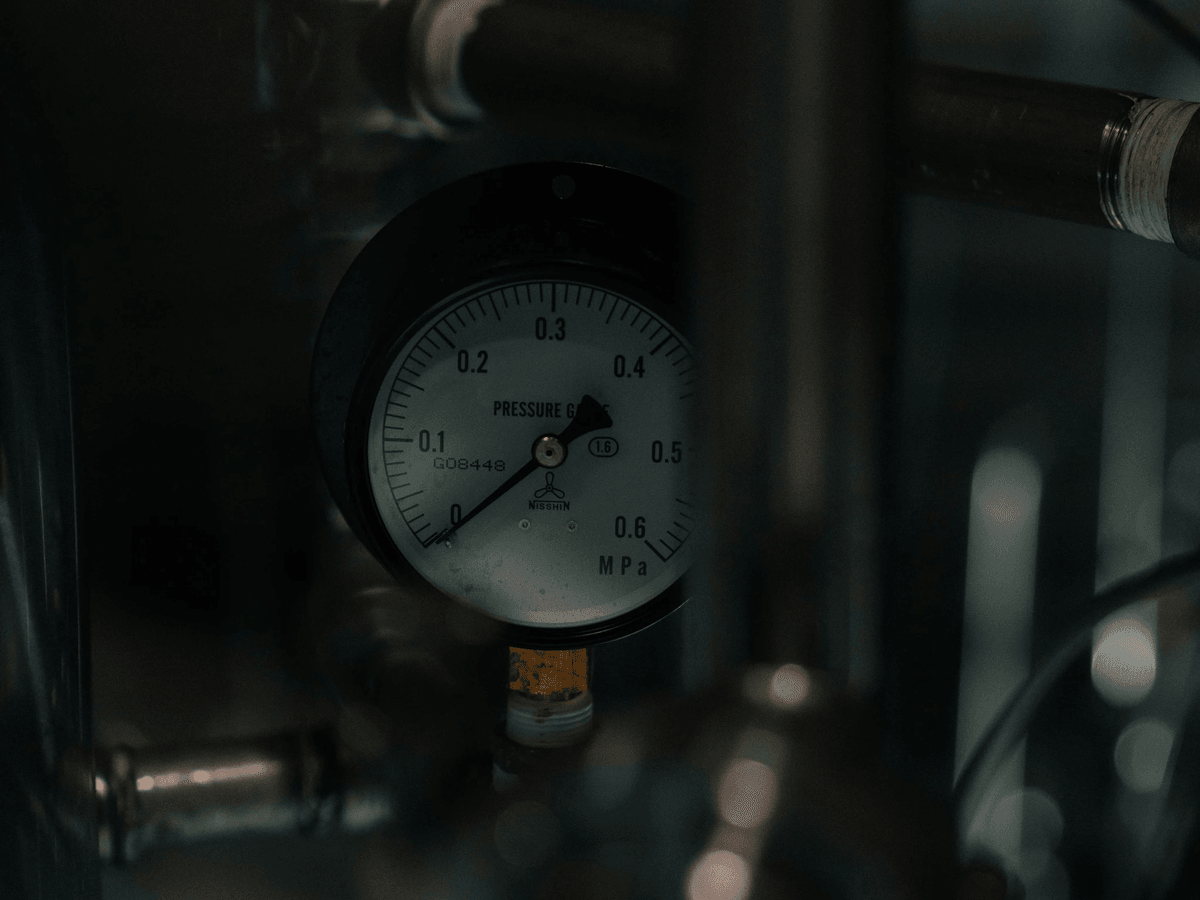
Pressure switches are essential components in industrial systems, acting as the gatekeepers that turn equipment on or off based on pressure levels. Their proper operation relies on precise calibration checks and regular Pressure Switch Inspection to ensure safety and efficiency. When performing a pressure test, technicians scrutinize how well the switch responds under varying conditions, making sure it triggers at the correct pressure point.
A thorough understanding of pressure switch functionality begins with recognizing their basic principles. These devices detect changes in system pressure and activate or deactivate electrical circuits accordingly. During a Pressure Switch Inspection, inspecting key components such as diaphragms, springs, and contacts helps identify potential issues before they cause system failures.
Common types of pressure switches used across industries include diaphragm switches, piston switches, and electronic models. Each type has unique features suited for different environments; however, all require periodic performance testing including calibration checks to maintain accuracy. Regularly reviewing mill test reports during inspections provides insights into manufacturing standards and helps verify that the switches meet industry specifications.
When conducting an inspection plan for pressure switches, performing a function check for switches is vital to confirm operational integrity. This involves simulating system pressures to observe responses and ensure appropriate activation points are maintained through calibration checks. Additionally, an insulation resistance test can prevent faults by detecting deteriorated insulation that might compromise safety during Pressure Switch Inspection routines.
In summary, understanding how each component works allows technicians to perform comprehensive inspections that include a detailed pressure test and performance test including response times and stability assessments. Combining these tests with reviewing historical data from mill test reports ensures the switch’s reliability over time—making Pressure Switch Inspection an indispensable part of preventive maintenance strategies.
Preparing for a Pressure Switch Inspection
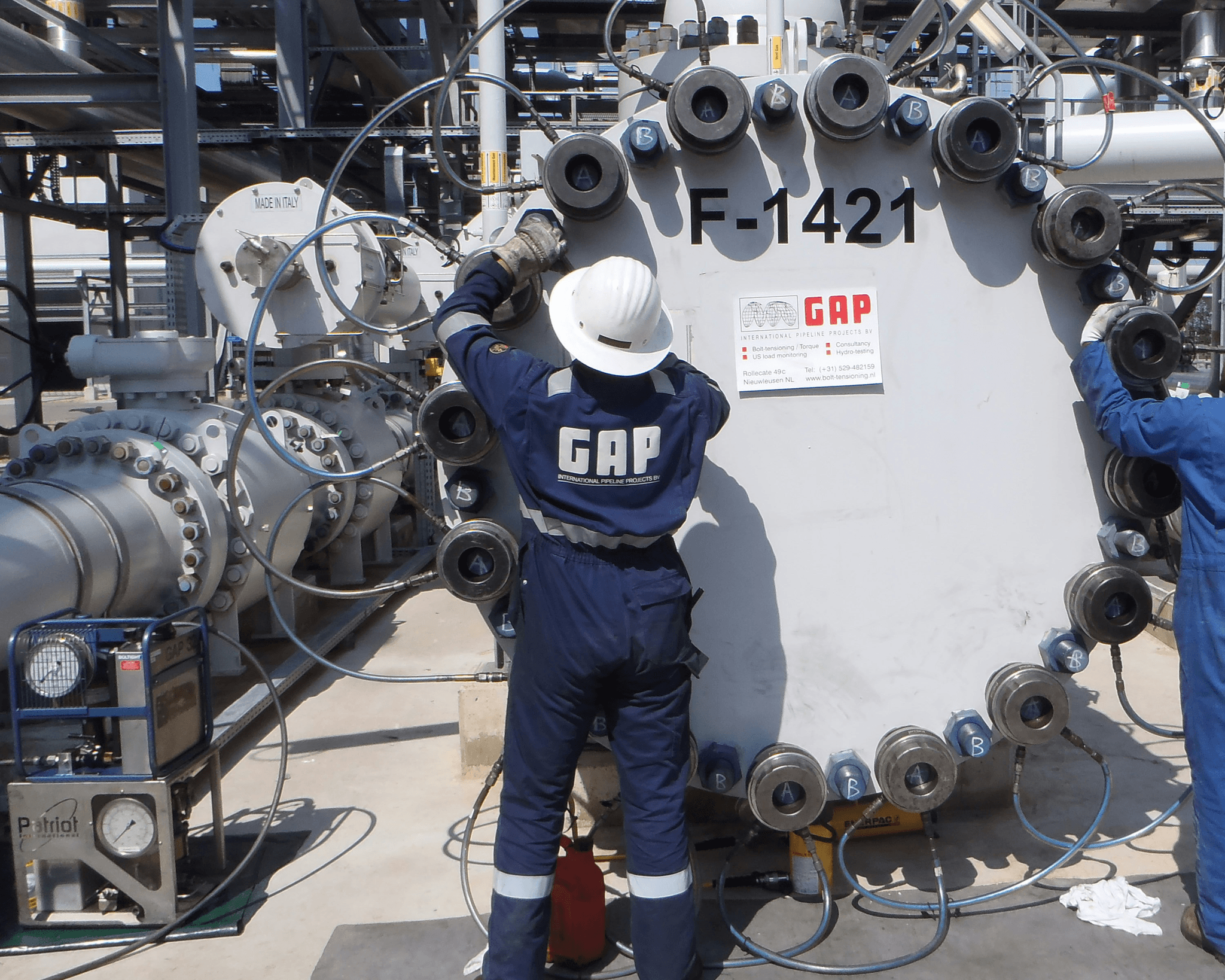
Getting ready for a pressure switch inspection isn’t just about grabbing your toolkit and diving in; it’s about laying the groundwork to ensure everything runs smoothly and accurately. Proper preparation helps prevent costly mistakes and ensures the inspection results are reliable, especially when dealing with critical components like pressure switches. From gathering essential documentation to creating a safe environment, every step counts toward a successful pressure switch inspection.
Gathering Necessary Documentation and Tools
Before starting your pressure switch inspection, collecting all relevant documentation is crucial. This includes previous mill test reports, which provide vital information about the switch’s manufacturing standards and performance history. Additionally, having tools such as calibration check devices, insulation resistance testers, and pressure testing equipment on hand will facilitate thorough testing of the pressure switch’s functionality and accuracy.
Having these documents and tools ready allows you to perform comprehensive tests like the pressure test to verify if the switch responds correctly under specified conditions. The mill test report offers insights into the original quality standards, helping you compare current performance against initial specifications during your performance test including response time and stability assessments. Ensuring that all necessary equipment is available minimizes delays during inspection and maximizes efficiency in verifying whether the pressure switch meets safety and operational standards.
Reviewing Past Inspection and Maintenance Records
A quick review of past inspection records can reveal patterns or recurring issues that might influence your current pressure switch inspection process. These records often include previous calibration checks, insulation resistance tests, or any repairs made following earlier function checks for switches failures or anomalies detected previously. Understanding what has been done before helps you focus on potential problem areas during your upcoming evaluation.
By analyzing these historical data points alongside recent performance tests including response times or stability metrics, you can better anticipate possible faults such as electrical malfunctions or mechanical wear that may have developed over time. This proactive approach ensures no detail is overlooked during your comprehensive assessment; it also aids in determining whether further repairs or replacements are necessary based on documented trends from prior inspections.
Setting Up a Safe Inspection Environment
Creating a safe environment for inspecting a pressure switch involves more than just donning protective gear; it requires careful planning around electrical safety protocols and proper handling of high-pressure components. Before conducting any tests—be it an insulation resistance test or calibration check—ensure power sources are disconnected to prevent accidental energization that could lead to electrical hazards.
Designate a controlled workspace where pressurized systems are depressurized before performing critical tasks like performing a functional check for switches or conducting a pressure test with monitored response responses under safe conditions. Adequate lighting, clear signage, and accessible emergency shut-offs contribute significantly to safety during this process while allowing you to focus on accurate results from your performance test including response time measurements without distractions.
Conducting a Comprehensive Pressure Switch Test Plan
A thorough Pressure Switch Inspection requires a well-structured test plan that covers all critical aspects of the device's performance. This process begins with performing a function check for switches to verify they activate correctly under specified conditions. Ensuring that each switch responds accurately is vital for preventing future failures and maintaining operational safety.
Next, conducting a pressure test and monitoring response helps confirm the switch's reliability under actual working conditions. During this step, observing how quickly and consistently the switch reacts to pressure changes provides insight into its overall health. A detailed pressure test can reveal subtle issues before they escalate into costly downtime or safety hazards.
Calibration check for accurate operation is an essential part of any comprehensive Pressure Switch Inspection. Regular calibration ensures that readings are precise, avoiding false alarms or missed triggers in industrial settings. Performing this calibration check periodically guarantees the device maintains its accuracy over time, aligning with industry standards.
An insulation resistance test is crucial to prevent faults caused by electrical leakage or deterioration of internal components. This insulation resistance test should be incorporated into your inspection routine to identify potential electrical failures early on. Maintaining high insulation resistance levels prolongs the lifespan of your pressure switches and enhances safety.
Analyzing performance test including response time and stability provides valuable data about how well the pressure switch functions during dynamic conditions. Monitoring these parameters helps detect slow responses or unstable behavior that could compromise system integrity. A comprehensive performance test ensures your equipment operates smoothly and reliably under varying pressures.
Finally, reviewing and interpreting a mill test report offers detailed documentation of the pressure switch’s manufacturing quality and compliance status. This report serves as an authoritative reference during inspection, confirming that components meet industry standards before deployment or after repairs. Leveraging insights from a mill test report can streamline decision-making in your Pressure Switch Inspection process.
Identifying Common Pressure Switch Failures
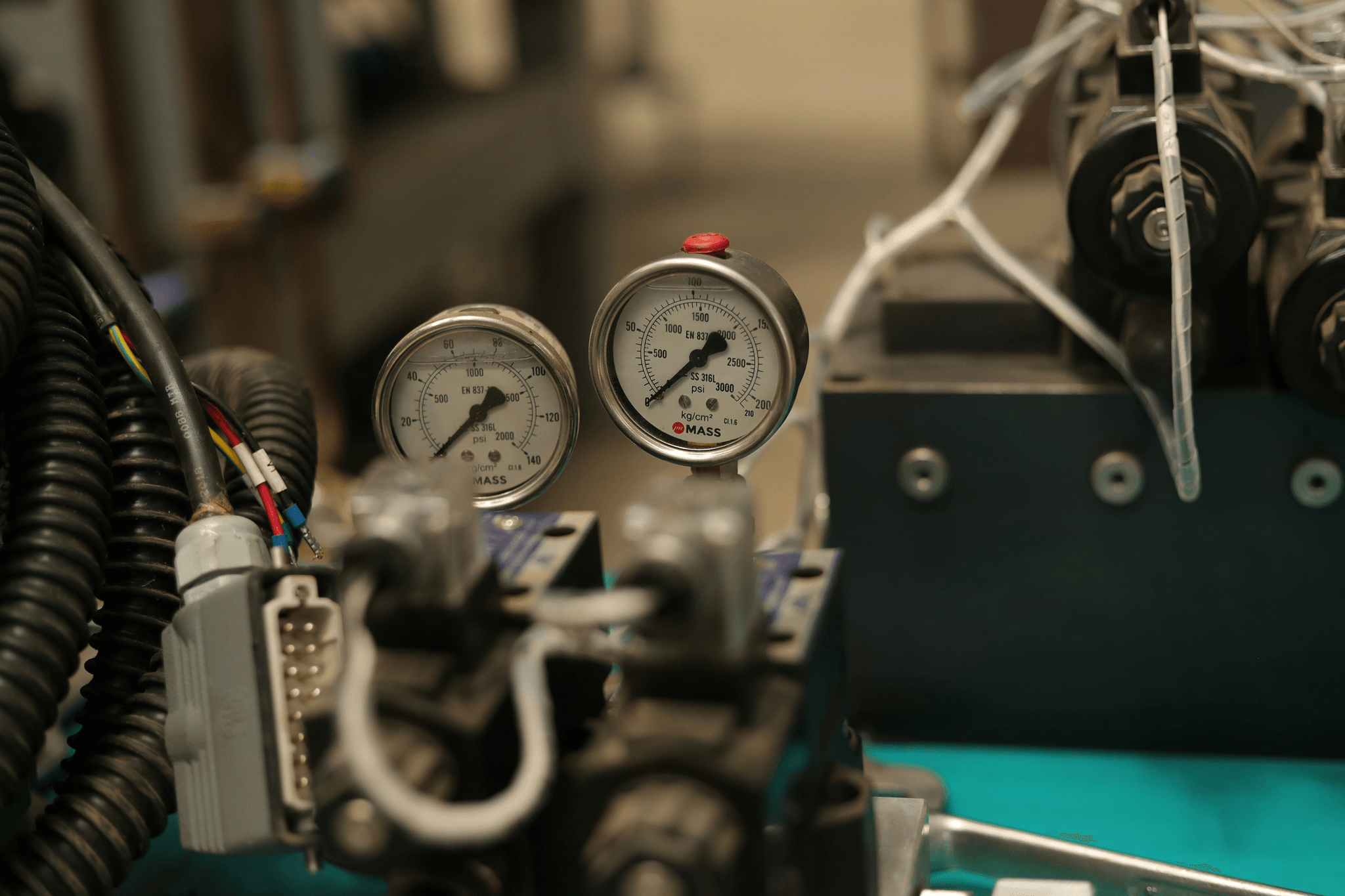
Understanding the typical failures that can occur during Pressure Switch Inspection is crucial for maintaining operational safety and efficiency. Mechanical wear, electrical issues, calibration drifts, and environmental influences are common culprits behind switch malfunctions. Recognizing these signs early can save time and prevent costly downtime.
Signs of Mechanical Wear or Damage
Mechanical components in pressure switches are susceptible to wear over time, especially if they undergo frequent pressure cycles. During Pressure Switch Inspection, look for signs such as physical deformation, corrosion, or broken parts that could compromise switch operation. Mechanical wear often manifests through inconsistent responses during a function check for switches or abnormal pressure readings in the mill test report.
Electrical Malfunctions and Contact Failure
Electrical issues like contact failure are a frequent cause of pressure switch malfunctioning. These problems may show up during a performance test including checking electrical continuity or insulation resistance tests to ensure proper insulation and contact integrity. Faulty contacts can lead to unreliable switching action, which becomes evident when analyzing inspection data or reviewing past maintenance records.
Calibration Drifts and Inaccurate Readings
Calibration drifts are subtle yet critical failures that can cause inaccurate readings over time, impacting process control accuracy. During a calibration check, technicians might notice discrepancies between actual pressure levels and switch responses—highlighting the need for recalibration to restore precision. Regular calibration checks should be part of your Pressure Switch Inspection plan to prevent performance issues caused by drift.
Impact of Environmental Conditions on Performance
Environmental factors such as temperature extremes, humidity, dust, or corrosive atmospheres can significantly affect pressure switch performance. These conditions may accelerate wear or cause insulation resistance tests to fail prematurely if not properly managed during inspection routines. Incorporating environmental considerations into your Pressure Switch Inspection plan ensures long-term reliability and reduces unexpected failures.
Documenting and Reporting Inspection Results
Thorough documentation is the backbone of a successful Pressure Switch Inspection. Clear and detailed reports ensure that every aspect of the inspection, from the initial plan to the final findings, is accurately recorded. Including comprehensive notes on the results of the pressure test, calibration check, and insulation resistance test helps stakeholders understand the switch’s current condition and any potential issues that need attention.
When it comes to recommendations for repairs or replacements, precise insights derived from a well-executed performance test including response time and stability are invaluable. These reports should highlight mechanical wear, electrical malfunctions, or calibration drifts uncovered during the function check for switches. Providing actionable advice based on these findings can prevent costly downtime and extend equipment lifespan.
Leveraging China Inspection Pro for quality assurance takes your Pressure Switch Inspection to a new level. Their expertise ensures that your inspection results are backed by rigorous standards, including detailed mill test report analysis and thorough pressure tests. This professional backing guarantees that your documentation not only meets compliance but also provides confidence in decision-making related to repairs or upgrades.
Conclusion
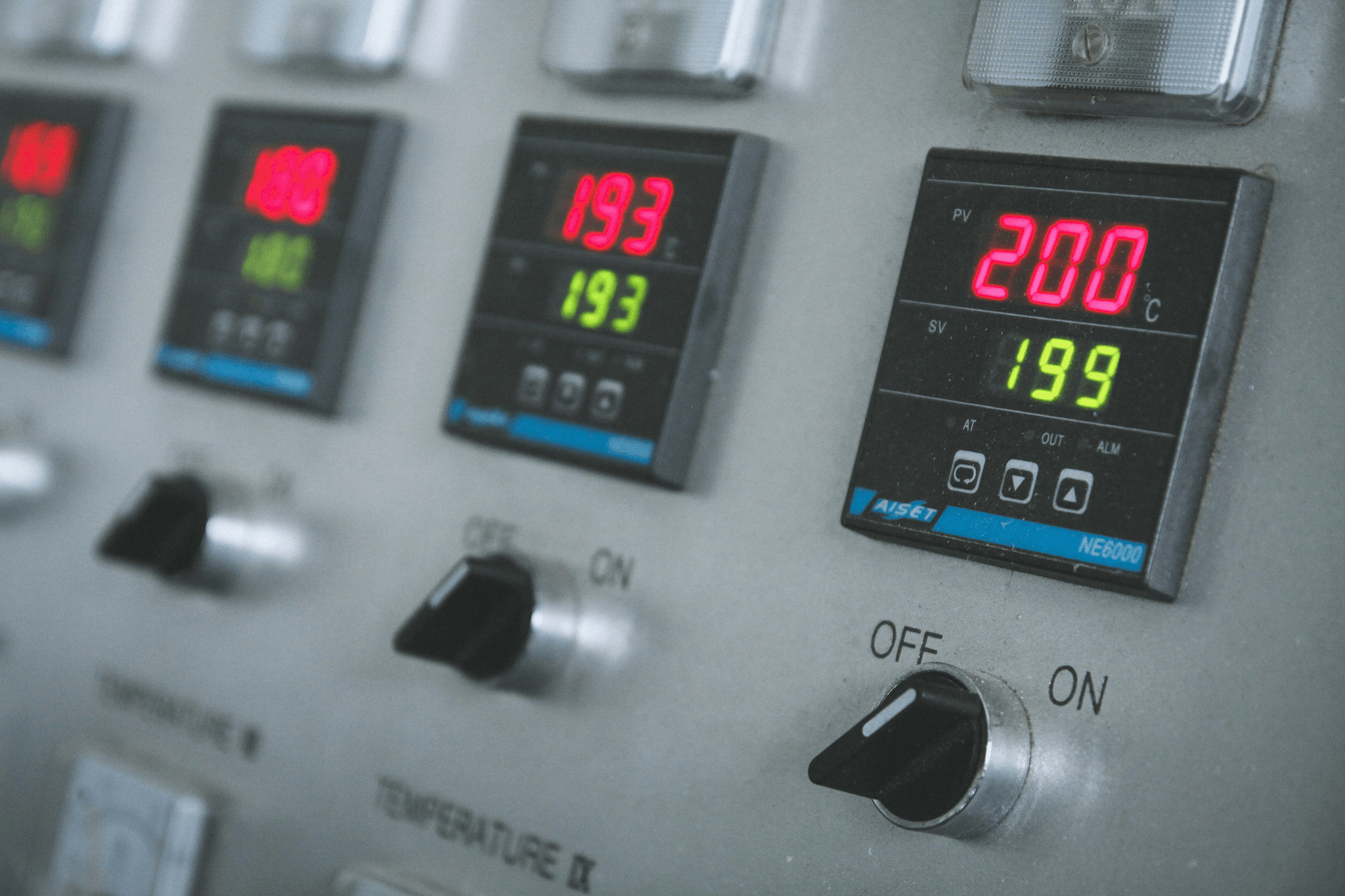
A well-executed Pressure Switch Inspection is the cornerstone of safe and efficient industrial operations. Regularly conducting these inspections ensures that your equipment performs reliably, reduces downtime, and prevents costly failures. Incorporating comprehensive procedures like a pressure test, calibration check, performance test including response time analysis, and insulation resistance test can significantly extend the lifespan of your pressure switches while maintaining compliance with industry standards.
Benefits of Routine Pressure Switch Inspection
Routine Pressure Switch Inspection offers numerous advantages that directly impact operational safety and productivity. By consistently performing function checks for switches and reviewing mill test reports, you gain early insights into potential issues before they escalate into major failures. These regular inspections also help in fine-tuning calibration checks and conducting pressure tests to verify accuracy, ensuring your system remains within specified parameters. Ultimately, a proactive approach minimizes unplanned outages and enhances overall system reliability.
Tailoring Inspection Plans for Industry Compliance
Every industry has its unique requirements when it comes to pressure switch performance standards. Customizing inspection plans allows you to focus on critical areas such as electrical contact integrity or environmental influences affecting the device’s operation. Incorporating specific elements like insulation resistance tests or detailed performance tests including response time evaluations ensures compliance with local regulations and international standards alike. This tailored approach not only safeguards your assets but also demonstrates due diligence during audits or certifications.
Achieving Excellence with Professional Inspection Services
Partnering with professional services for Pressure Switch Inspection elevates your maintenance game from good to exceptional. Experts bring advanced tools for conducting thorough pressure tests, calibration checks, and comprehensive performance testing including response times—delivering precise results every time. Leveraging their expertise means you receive detailed reports—including a meticulous mill test report—and actionable recommendations for repairs or replacements that align with industry best practices. Investing in professional inspection services guarantees peace of mind knowing your equipment operates at peak efficiency while meeting all safety benchmarks.