
Introduction
In the fast-paced world of warehousing, quality control checks serve as the backbone of operational efficiency and customer satisfaction. Understanding the importance of quality assurance is not just a box to tick; it’s a fundamental aspect that defines quality in every process, from receiving goods to shipping them out. Without robust QA quality measures in place, businesses risk costly errors and dissatisfied customers, which can ultimately tarnish their reputation.
Understanding the Importance of Quality Control
Quality control is essential for maintaining high standards in warehouse operations, ensuring that products meet specified requirements before they reach consumers. By implementing effective QC quality control measures, organizations can minimize waste and reduce operational costs while enhancing overall productivity. Moreover, a solid grasp of what defines quality in warehousing allows teams to identify areas for improvement and streamline processes accordingly.
Key Aspects of Warehouse Quality Assurance
Warehouse quality assurance encompasses various elements such as standardized procedures, employee training, and regular audits to ensure compliance with established standards. Key aspects include defining clear metrics for performance evaluation and fostering a culture that prioritizes continuous improvement among all staff members involved in QA quality activities. By focusing on these critical components, organizations can create an environment where everyone is invested in achieving excellence through diligent quality control checks.
Common Challenges in Quality Control Checks
Despite its significance, implementing effective quality control checks often comes with challenges like human error and inconsistent processes that can lead to product discrepancies. Additionally, managing inventory effectively while ensuring compliance with regulatory standards adds another layer of complexity to warehouse operations. Addressing these common challenges requires proactive strategies that leverage technology and ongoing training initiatives aimed at enhancing the skills necessary for successful QC quality control.
Defining Quality in Warehouse Operations

In the realm of warehouse operations, defining quality is paramount. Quality control checks serve as the backbone of effective quality assurance, ensuring that every product meets established standards before it reaches the customer. Without a clear definition of what constitutes quality, businesses can face inconsistencies that jeopardize their reputation and efficiency.
Importance of Defining Quality Standards
Defining quality standards is crucial for any warehouse operation aiming to achieve excellence in qa quality assurance. These standards act as benchmarks against which all products are measured, providing clarity and direction for warehouse personnel. When everyone understands what defines quality, it minimizes confusion during quality control checks and fosters a culture committed to high standards.
Moreover, well-defined quality standards help streamline processes within the supply chain. They provide a framework for qc quality control measures that ensure consistency across various stages of product handling and storage. In turn, this leads to improved customer satisfaction and loyalty, as clients receive products that meet or exceed their expectations consistently.
The Role of Quality Control in Supply Chains
Quality control plays a critical role in maintaining the integrity of supply chains by ensuring that every link operates under defined qa quality parameters. From raw materials to finished goods, effective qc quality control helps identify issues early on and mitigates risks associated with poor-quality products entering the market. This proactive approach not only saves time but also reduces costs associated with returns and rework.
Furthermore, integrating robust quality assurance practices throughout the supply chain enhances collaboration among stakeholders. When everyone—from suppliers to logistics providers—is aligned on what defines quality, it cultivates a more efficient workflow where potential problems can be addressed before they escalate into larger issues during delivery or storage phases.
Best Practices for Establishing Quality Metrics
Establishing effective quality metrics is essential for measuring success in warehouse operations and ensuring ongoing improvement in qa quality processes. Best practices include defining clear key performance indicators (KPIs) that align with overall business objectives while being specific enough to track progress accurately over time. Common metrics might include defect rates during inventory inspections or turnaround times for order fulfillment related to qc quality control efforts.
Additionally, regularly reviewing these metrics ensures they remain relevant as market demands evolve or operational challenges arise. By fostering an environment where continuous improvement is prioritized based on data-driven insights from these metrics, warehouses can adapt quickly while maintaining high-quality standards across all aspects of their operations.
Quality Control Jobs: Skills and Responsibilities
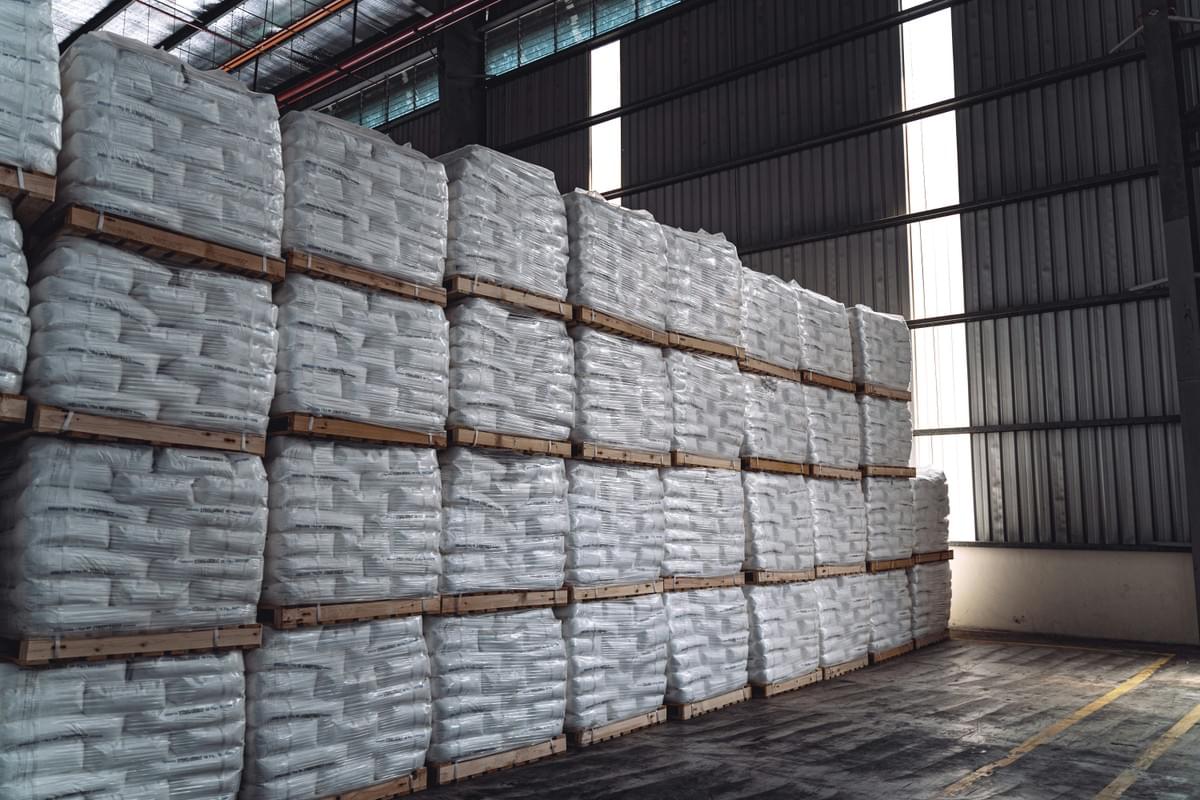
Quality control jobs are pivotal in maintaining the integrity of warehouse operations, ensuring that products meet predefined standards before reaching consumers. These roles not only involve executing quality control checks but also require a deep understanding of quality assurance processes. By effectively defining quality and adhering to established metrics, professionals in this field contribute significantly to operational success.
Essential Skills for Quality Control Personnel
To excel in quality control jobs, personnel must possess a unique blend of technical skills and soft skills. Proficiency in data analysis is crucial, as it enables them to interpret results from quality control checks and make informed decisions. Additionally, strong communication skills are essential for articulating findings and collaborating with various teams to enhance overall quality assurance efforts.
Attention to detail is another key skill that cannot be overlooked; it ensures that even the smallest discrepancies are identified during qc quality control inspections. Familiarity with industry-specific regulations and standards is also vital for maintaining compliance while performing tasks related to qa quality assurance. Furthermore, problem-solving abilities help personnel tackle challenges that may arise during the inspection process or when discrepancies are found.
Job Roles within Quality Assurance Teams
Quality assurance teams consist of various roles, each contributing uniquely to the overarching goal of ensuring product excellence through effective quality control practices. At the forefront are Quality Control Inspectors who conduct thorough inspections and perform routine quality control checks on inventory items before they leave the warehouse. They play a critical role in identifying defects or inconsistencies that could affect customer satisfaction.
Another important role is that of a Quality Assurance Manager who oversees the entire QA process, develops protocols for qc quality control measures, and ensures compliance with regulatory standards throughout operations. This position requires strategic thinking and leadership skills to foster collaboration among team members while promoting a culture of continuous improvement in defining quality metrics across all departments.
Additionally, Data Analysts specializing in QA contribute by analyzing performance data related to inventory management and product quality trends over time. Their insights help refine processes further by identifying areas where improvements can be made within existing systems or through technology integration aimed at enhancing overall efficiency.
The Impact of QC Quality Control on Efficiency
The implementation of robust qc quality control practices directly influences operational efficiency within warehouses by minimizing errors and reducing waste associated with defective products. When employees perform diligent quality control checks at every stage—from receiving goods to shipping—issues can be caught early on, thereby preventing costly returns or customer dissatisfaction down the line.
Moreover, investing in training programs focused on qa quality assurance principles empowers staff members with knowledge about best practices for conducting inspections effectively while utilizing available technology tools efficiently during their workflow processes. This not only streamlines operations but also fosters accountability among team members regarding their responsibilities towards maintaining high-quality standards.
Ultimately, establishing clear expectations around job roles within QA teams enhances productivity as everyone understands their contribution toward achieving organizational goals centered around delivering top-notch products consistently—thus creating a win-win scenario for both businesses and consumers alike.
Addressing Human Error in Quality Checks

In the realm of quality control checks, human error remains a significant hurdle that can compromise the integrity of quality assurance processes. Understanding where these errors originate is essential for improving overall efficiency and reliability within warehouse operations. By identifying these sources, businesses can implement targeted strategies to mitigate risks associated with human mistakes in QA quality.
Identifying Sources of Human Error
Human error can stem from various factors, including inadequate training, fatigue, and environmental distractions during quality control checks. For instance, if personnel are not well-versed in defining quality standards or lack familiarity with the products being assessed, the likelihood of mistakes increases dramatically. Additionally, high-pressure situations often lead to rushed decisions that compromise the accuracy of QC quality control measures.
Recognizing these sources allows organizations to take proactive steps toward minimizing errors in their QA quality assurance processes. Regularly reviewing workflows and conducting assessments can shed light on potential pitfalls that may lead to inaccuracies. Ultimately, a thorough understanding of these factors is crucial for developing effective strategies to enhance accuracy in warehouse operations.
Training Programs to Enhance Accuracy
Implementing robust training programs is vital for enhancing accuracy among personnel responsible for quality control checks. These programs should focus not only on technical skills but also on fostering a deeper understanding of what it means to define quality within the context of warehouse operations. By equipping employees with comprehensive knowledge about QA quality assurance principles and practices, organizations can significantly reduce human error rates.
Moreover, ongoing training sessions that address emerging challenges and updated regulations ensure that staff remain informed and competent in their roles within QC quality control teams. Incorporating hands-on practice alongside theoretical learning encourages retention and boosts confidence among employees when performing critical tasks related to inventory management or compliance checks. A culture centered around continuous learning ultimately leads to improved outcomes in overall efficiency.
Implementing Technology to Reduce Mistakes
Leveraging technology is an invaluable strategy for mitigating human error during quality control checks and enhancing overall effectiveness within warehouse operations. Automation tools such as barcode scanners or RFID systems streamline inventory tracking processes while minimizing manual input errors associated with traditional methods. This integration allows personnel to focus more on critical decision-making aspects rather than time-consuming data entry tasks prone to mistakes.
Additionally, utilizing software solutions designed specifically for QA quality assurance enables real-time monitoring and reporting capabilities that help identify discrepancies quickly before they escalate into larger issues affecting product integrity or customer satisfaction levels. Such technology-driven approaches not only increase operational efficiency but also foster a culture where accuracy is prioritized at every level of warehousing activities.
Overcoming Inventory Management Issues
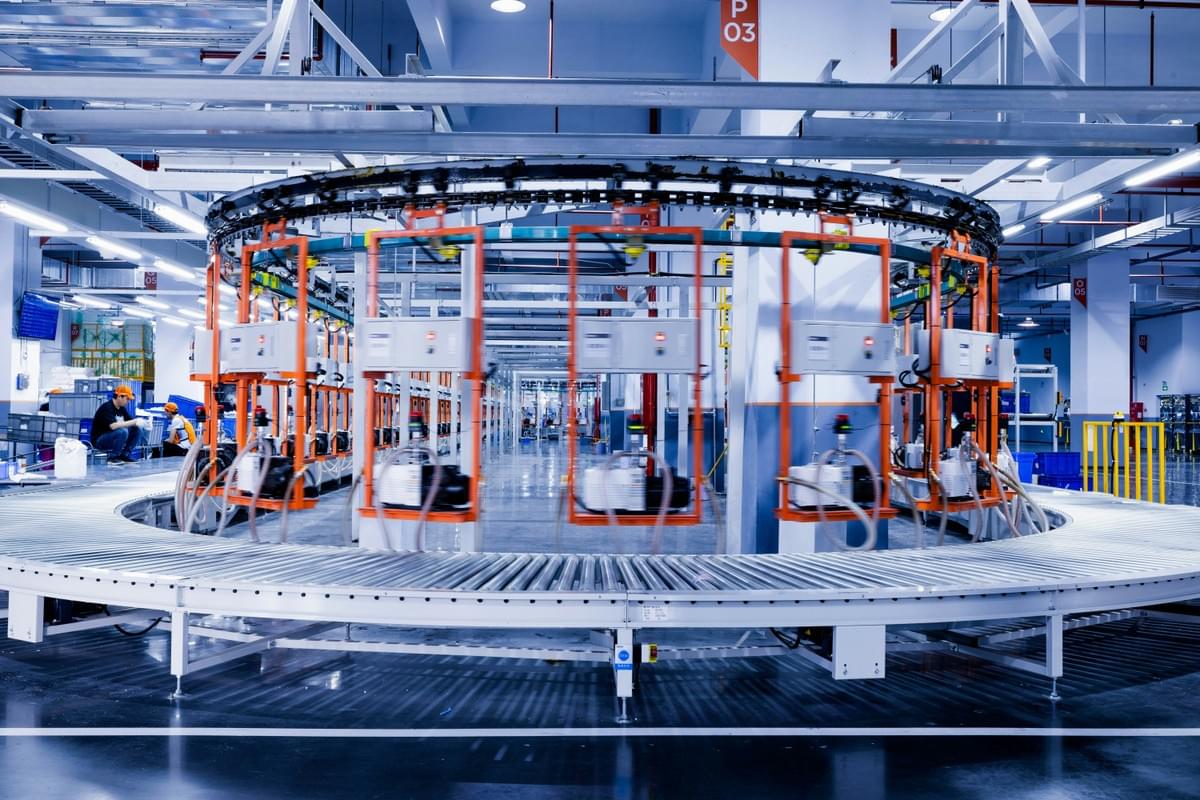
In the complex world of warehouse operations, effective inventory management is crucial for maintaining high standards of quality assurance. Poor inventory oversight can lead to significant discrepancies, resulting in damaged goods or stockouts that ultimately affect customer satisfaction. Therefore, understanding the connection between inventory and quality is essential for any business aiming to define quality in their operations.
The Connection Between Inventory and Quality
Inventory acts as the lifeblood of any warehouse; it’s not just about having products on hand but ensuring that these products meet established quality standards. Quality control checks are vital at each stage of the inventory process to identify issues before they escalate into larger problems. When businesses fail to integrate quality assurance into their inventory management practices, they risk compromising their overall qa quality and customer trust.
Strategies for Effective Inventory Quality Control
To ensure effective inventory quality control, organizations must implement a series of best practices tailored to their specific needs. Regular audits and systematic quality control checks can help identify discrepancies in stock levels or product conditions early on, allowing for timely corrective actions. Additionally, fostering a culture where all employees understand the importance of qa quality can significantly enhance accountability and ownership over inventory processes.
Leveraging Technology for Better Inventory Oversight
In today's fast-paced environment, leveraging technology is no longer optional—it's essential for robust inventory management and qc quality control. Automated systems can track stock levels in real-time, providing insights that allow teams to make informed decisions quickly while minimizing human error during quality control checks. By adopting advanced technologies like RFID tagging or AI-driven analytics, warehouses can enhance their ability to maintain high-quality standards while streamlining operations.
Solutions for Regulatory Compliance
In the world of warehouse operations, regulatory compliance is a crucial aspect that cannot be overlooked. Quality control checks must align with established regulations to ensure that products meet safety and quality standards. Understanding these regulations is the first step toward effective quality assurance and maintaining a high level of qa quality in your operations.
Understanding Regulatory Standards in Quality Assurance
Regulatory standards serve as the backbone of quality assurance in warehouse settings, dictating how quality control checks should be conducted. These standards vary by industry but generally encompass guidelines for product safety, handling, and documentation practices. By understanding and adhering to these standards, companies can define quality more effectively while minimizing risks associated with non-compliance.
Moreover, staying updated on regulatory changes is essential for any warehouse operation aiming to maintain compliance. This knowledge helps prevent costly penalties and ensures that all qc quality control measures are up to par with current requirements. In essence, a robust understanding of regulatory standards can enhance overall operational efficiency while reinforcing a culture of qa quality throughout the organization.
Role of China Inspection Pro in Compliance
China Inspection Pro plays an instrumental role in helping businesses navigate the complexities of regulatory compliance within their supply chains. Their expertise ensures that quality control checks are not only thorough but also adhere to both local and international regulations. With their assistance, companies can streamline their qc quality control processes while ensuring that all products meet stringent safety and performance benchmarks.
Furthermore, China Inspection Pro offers tailored solutions designed to address specific compliance challenges faced by warehouses operating globally. They provide comprehensive audits and inspections that help organizations identify gaps in their current practices, thereby enhancing overall qa quality assurance efforts. By leveraging such services, businesses can confidently tackle compliance issues head-on while focusing on core operations.
Developing a Compliance Strategy for Quality Control
Creating an effective compliance strategy for quality control involves several key steps that integrate both people and technology into the process. First, organizations must conduct a thorough assessment of existing policies related to qa quality assurance and identify areas needing improvement or adjustment based on regulatory requirements. This foundational work sets the stage for implementing robust training programs aimed at equipping employees with essential skills related to regulatory adherence.
Next comes the integration of technology into your qc quality control framework—think automated tracking systems or software solutions designed specifically for monitoring compliance metrics over time. This technological enhancement not only streamlines processes but also provides real-time insights into potential issues before they escalate into significant problems affecting product integrity or customer satisfaction.
Finally, fostering a culture committed to continuous improvement is vital; regular reviews of your compliance strategy will ensure it evolves alongside changing regulations and market demands—keeping your warehouse ahead of potential pitfalls associated with non-compliance.
Conclusion
In the ever-evolving landscape of warehouse operations, the importance of quality assurance cannot be overstated. As businesses strive to enhance their efficiency and customer satisfaction, future trends in warehouse quality assurance will likely focus on data-driven approaches and automation. By embracing these trends, organizations can streamline their quality control checks and ensure that they meet or exceed defined quality standards.
Future Trends in Warehouse Quality Assurance
Looking ahead, one of the most significant trends in warehouse quality assurance is the integration of artificial intelligence (AI) and machine learning (ML) into quality control processes. These technologies can help define quality metrics more accurately and predict potential issues before they arise, minimizing human error in QC quality control efforts. Additionally, a shift toward sustainability will influence how companies approach QA quality assurance, emphasizing eco-friendly practices that do not compromise product integrity.
Enhancing Quality Control Through Technology
Technology plays a pivotal role in enhancing quality control across warehouses by automating routine tasks and providing real-time data analytics. Advanced systems can monitor inventory levels and flag discrepancies instantly, allowing teams to conduct effective quality control checks with greater accuracy. Moreover, mobile applications are becoming essential tools for personnel involved in QA quality roles, enabling them to document findings swiftly and efficiently while on the move.
Building a Culture of Quality in Warehousing
Creating a culture of quality within warehousing operations requires commitment from all levels of staff—from management to frontline workers involved in various quality control jobs. This culture is fostered through continuous training programs that emphasize the importance of adherence to defined standards and encourage proactive problem-solving regarding QC challenges. Ultimately, when employees recognize their role in ensuring high-quality outputs, it leads to improved morale and operational efficiency across the board.