
Introduction
In the fast-paced world of manufacturing, understanding New Product Introduction (NPI) is essential for staying competitive. NPI refers to the process of bringing a new product from concept to market, and it encompasses various stages including design engineering, market research, and mass production. This structured approach ensures that products meet customer needs while adhering to industry standards.
Understanding New Product Introduction
So, what does NPI mean in manufacturing? At its core, NPI is about transforming innovative ideas into tangible products that can be produced at scale. This process involves thorough planning and execution across multiple disciplines, including market research and manufacturing procedures, to ensure that every aspect of the product aligns with business objectives.
Importance of NPI in Manufacturing
The importance of NPI in manufacturing cannot be overstated; it is the linchpin that holds together new product development efforts. A well-executed NPI process minimizes risks associated with mass manufacturing by identifying potential issues early on in the design engineering phase. Furthermore, an efficient NPI strategy enhances a company's ability to respond swiftly to market demands and technological advancements.
Overview of the NPI Process
The NPI process consists of several key stages that guide a product from initial concept through to mass production. It begins with comprehensive market research aimed at identifying customer needs and analyzing competitors before moving into concept development where ideas are generated and refined. Subsequent phases involve detailed design engineering, establishing manufacturing procedures, testing prototypes for quality assurance, and finally scaling up production for launch into the marketplace.
Market Research

Market research is the backbone of any successful new product development (NPI) strategy. It provides the necessary insights to guide decisions throughout the NPI process, ensuring that products not only meet customer expectations but also stand out in a crowded marketplace. By focusing on understanding customer needs, analyzing competitors, and defining the target market, businesses can set themselves up for success in mass manufacturing.
Identifying Customer Needs
To kick off the NPI process effectively, identifying customer needs is crucial. This involves gathering data through surveys, interviews, and focus groups to understand what consumers truly desire in a product. By listening closely to feedback and preferences, manufacturers can tailor their offerings to align with market demands, thus enhancing their chances of success during mass production.
Moreover, understanding customer needs helps in creating a product that resonates well with its intended audience. When manufacturers grasp what drives consumer decisions—be it functionality, price point, or design—they can make informed choices throughout the design engineering phase. Ultimately, this leads to products that not only satisfy but delight customers.
Analyzing Competitors
In addition to understanding customers, analyzing competitors is a vital component of market research within the NPI process. By examining what similar products exist in the market and how they perform, businesses can identify gaps and opportunities for innovation. This competitive analysis allows manufacturers to differentiate their offerings from others in mass manufacturing while ensuring they are addressing unmet needs.
Competitor insights also provide valuable lessons on potential pitfalls and best practices within manufacturing procedures. Companies can learn from both successes and failures in order to refine their own strategies for product development and launch. Ultimately, this thorough analysis equips businesses with knowledge that empowers them to carve out a unique space in an increasingly competitive landscape.
Defining Target Market
Defining the target market is another essential step that stems from effective market research during new product development (NPI). Knowing who your ideal customers are helps streamline marketing efforts and informs critical decisions about design engineering and production processes. By narrowing down demographic factors such as age, income level, and geographic location, manufacturers can create targeted strategies that resonate with specific groups.
Additionally, understanding your target audience allows you to tailor features and pricing structures accordingly during mass production stages. This focused approach not only enhances customer satisfaction but also boosts sales potential by ensuring that marketing messages hit home where they matter most. In essence, defining your target market lays the groundwork for successful implementation of manufacturing procedures throughout the entire NPI process.
Concept Development

Concept development is a pivotal stage in the NPI process, where ideas transform into tangible products. This phase not only involves creativity but also a keen understanding of market dynamics, customer needs, and feasibility. It sets the foundation for successful new product development by ensuring that concepts are viable and aligned with manufacturing procedures.
Brainstorming Product Ideas
Brainstorming product ideas is where the magic begins in the NPI process. Teams gather to generate innovative concepts that address specific customer needs or gaps in the market. This collaborative effort often leads to unexpected solutions that can significantly impact mass manufacturing and set a product apart from competitors.
During brainstorming sessions, it's essential to encourage free thinking without immediate judgment; every idea has potential! Once a list of promising concepts emerges, these ideas can be refined further through discussion and analysis. Ultimately, this creative phase lays the groundwork for more structured evaluations in later stages of design engineering.
Feasibility Studies
After generating ideas, conducting feasibility studies is crucial to assess their practicality within the manufacturing process. These studies evaluate technical requirements, production costs, and potential return on investment (ROI). Understanding what does NPI mean in manufacturing at this stage helps teams determine which concepts are worth pursuing before committing resources to mass production.
Feasibility studies also involve analyzing market trends and consumer behavior to ensure that proposed products align with current demands. If an idea proves unfeasible due to high costs or low demand, it’s better to pivot early rather than face setbacks later on in the NPI process. This strategic approach not only saves time but also optimizes resources for viable projects.
Prototyping and Initial Design
Once feasibility is established, prototyping becomes a vital step in concept development within new product development. Creating prototypes allows teams to visualize their ideas and identify any design flaws early on before full-scale production begins. This iterative process helps refine designs based on feedback from stakeholders while considering how they will fit into existing manufacturing procedures.
Initial designs should incorporate feedback loops where adjustments can be made quickly based on testing results or user input during prototype evaluations. Engaging with potential users at this stage can provide invaluable insights into usability and functionality that might otherwise be overlooked. Ultimately, effective prototyping enhances collaboration between design engineering teams and ensures smoother transitions into subsequent phases of mass production.
Design Engineering

Design engineering is a critical phase in the new product development (NPD) process, bridging the gap between concept and mass production. It involves detailed product design, ensuring that every aspect of the product aligns with the requirements identified during market research. By focusing on functionality, aesthetics, and manufacturability, design engineering plays a vital role in shaping successful products that not only meet customer needs but also fit seamlessly into the manufacturing procedures.
Detailed Product Design
When diving into detailed product design, engineers analyze all specifications to create a comprehensive blueprint for manufacturing. This stage involves selecting materials, defining tolerances, and determining assembly methods to ensure that the final product can be produced efficiently during mass manufacturing. A well-executed detailed design minimizes potential issues down the line and serves as a cornerstone of an effective NPI process.
Utilizing CAD Software
In today's digital age, utilizing CAD (Computer-Aided Design) software has revolutionized how products are designed in manufacturing. CAD tools allow engineers to create precise 2D and 3D models of their designs, facilitating easy modifications and improvements throughout the design engineering phase. This technology not only enhances collaboration among teams but also ensures that designs are optimized for both performance and manufacturability—key factors when considering what does NPI mean in manufacturing.
Collaborating with Design Teams
Collaboration among various design teams is essential for a successful new product development journey. Engaging cross-functional teams—comprising engineers, designers, marketers, and production specialists—ensures diverse perspectives are considered during design engineering. This teamwork fosters innovation while aligning everyone with common goals related to mass production efficiency and adherence to quality standards throughout the entire NPI process.
Manufacturing Procedures
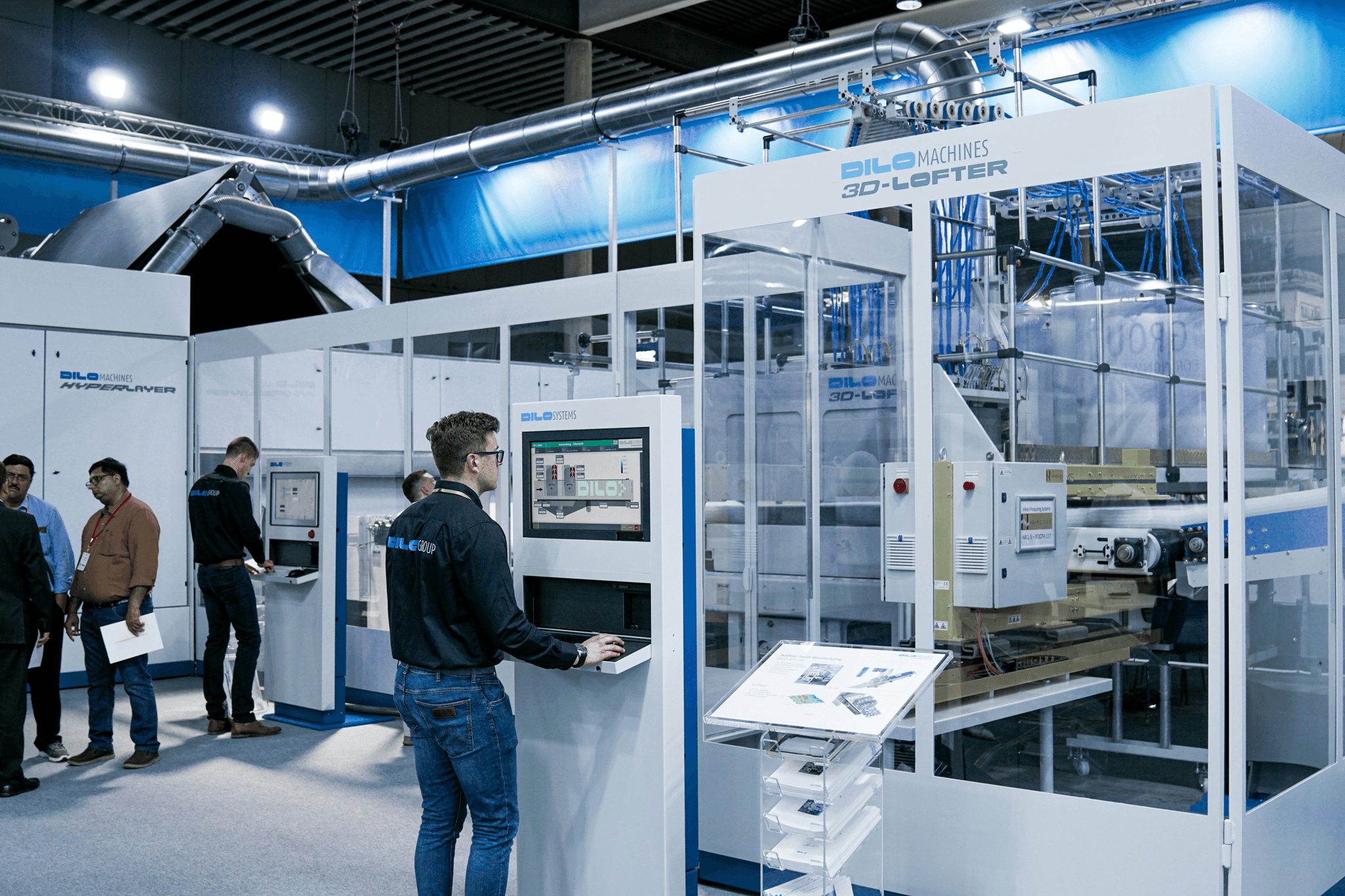
When it comes to new product development (NPI), manufacturing procedures are the backbone that supports the entire process. Understanding what does NPI mean in manufacturing is crucial, as it encompasses everything from establishing production processes to ensuring quality control. A well-structured approach in these areas can significantly enhance efficiency and product quality, paving the way for successful mass production.
Establishing Production Processes
Establishing effective production processes is a cornerstone of the NPI process. This involves mapping out each step of the manufacturing process, from initial material sourcing to final assembly, ensuring that every phase aligns with design engineering specifications. By clearly defining these procedures, manufacturers can streamline operations and minimize bottlenecks during mass manufacturing.
Moreover, a solid production process lays the groundwork for scalability, which is vital when transitioning from small-scale prototypes to mass production. It allows teams to identify potential challenges early on and implement solutions before they escalate into costly issues. Ultimately, a well-defined manufacturing process not only enhances productivity but also boosts team morale by providing clarity and direction.
Selecting Suppliers and Materials
The selection of suppliers and materials plays a pivotal role in determining the success of any new product development initiative. Choosing reliable suppliers ensures that high-quality materials are available for each stage of the manufacturing process, which directly impacts product performance and customer satisfaction. In this context, understanding what does NPI mean in manufacturing includes recognizing how supplier relationships can influence overall project timelines and costs.
Additionally, evaluating materials based on durability, cost-effectiveness, and compatibility with design engineering requirements is essential for optimizing production efficiency. The right materials not only contribute to superior product quality but also facilitate smoother transitions through various stages of mass production. By fostering strong partnerships with suppliers who align with their values and standards, manufacturers can create a robust supply chain that supports ongoing innovation.
Quality Control Measures
Quality control measures are indispensable in ensuring that products meet both industry standards and consumer expectations during the NPI process. Implementing rigorous testing protocols at various stages of production helps identify defects early on—before they snowball into larger issues during mass manufacturing runs. This proactive approach not only saves time but also reduces costs associated with recalls or rework.
Furthermore, incorporating feedback loops within quality control systems allows teams to continuously improve their processes based on real-world data gathered from prototype testing or initial market releases. By prioritizing quality at every step—from selecting materials to final inspections—manufacturers position themselves for long-term success in an increasingly competitive landscape. Ultimately, effective quality control measures reinforce brand reputation while supporting sustainable practices within new product development efforts.
Testing and Validation

In the realm of new product development, testing and validation are critical to ensuring that a product meets the intended design specifications and customer expectations. This phase is where the rubber meets the road, as it involves rigorous scrutiny of prototypes before they transition to mass manufacturing. The NPI process emphasizes thorough testing to identify any potential issues early on, which can save time and resources in later stages.
Conducting Prototype Testing
Prototype testing is a key step in verifying whether a concept can withstand real-world conditions and user demands. During this phase, various tests are conducted to evaluate functionality, durability, and user experience—essentially answering the question: what does NPI mean in manufacturing? By subjecting prototypes to stress tests or usability trials, teams can gather valuable data that informs necessary adjustments before moving forward with mass production.
Moreover, effective prototype testing helps identify potential design flaws that might not have been evident during initial concept development or design engineering. This proactive approach reduces risks associated with launching a product that may not perform as expected in the market. Ultimately, comprehensive prototype testing ensures that when you reach mass manufacturing, you’re confident in your product’s quality and performance.
Addressing Design Flaws
Once prototype testing reveals design flaws or areas for improvement, addressing these issues becomes paramount in the NPI process. Ignoring identified problems at this stage could lead to costly recalls or damage to brand reputation after mass production begins. By iterating on designs based on feedback from testing phases, teams can refine their products significantly.
Design engineering plays a crucial role here; engineers collaborate closely with designers to implement changes effectively while maintaining manufacturability within established manufacturing procedures. This collaboration ensures that solutions are practical for scaling up production without compromising quality or increasing costs substantially. Addressing design flaws early not only enhances product reliability but also streamlines future manufacturing processes.
Ensuring Compliance with Standards
Compliance with industry standards is non-negotiable when it comes to new products entering the market—especially in sectors like electronics or automotive where safety regulations are stringent. Ensuring compliance during the testing phase helps mitigate legal risks and enhances consumer trust in your brand’s commitment to quality—a vital aspect of what does NPI mean in manufacturing today.
This involves conducting thorough reviews against regulatory requirements and industry benchmarks throughout various stages of prototype development and validation processes. Engaging third-party inspection services can provide an additional layer of assurance regarding adherence to standards while also streamlining your own quality control measures during mass production phases. Ultimately, ensuring compliance safeguards both your investment and your customers’ well-being.
Mass Production
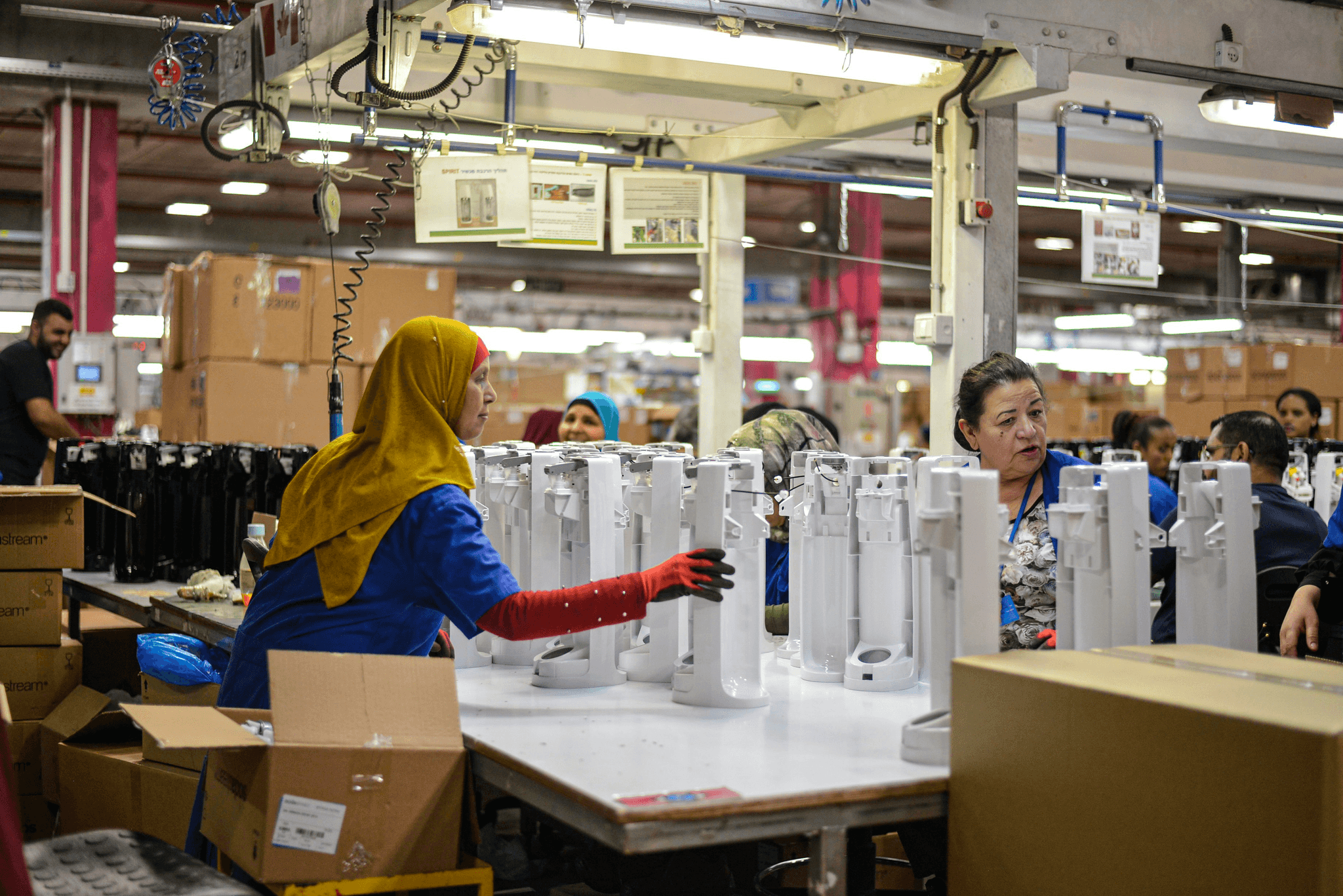
Once the product has successfully navigated through the earlier stages of the NPI process, it’s time to dive into mass production. This phase is where all the planning and design engineering efforts come to fruition, transforming prototypes into market-ready products at scale. Understanding what does NPI mean in manufacturing becomes crucial here, as effective strategies are essential for a smooth transition from small-scale production to mass manufacturing.
Scaling Up Manufacturing
Scaling up manufacturing requires a careful evaluation of existing processes and resources. The goal is to ensure that the manufacturing procedures established during earlier phases can be efficiently expanded without compromising quality or performance. This involves optimizing workflows, increasing production capacity, and sometimes even investing in new technology to support higher volumes while maintaining adherence to the NPI process.
In this stage, it’s vital to align all team members on production goals and timelines. Communication between design engineering teams and manufacturing units becomes paramount; any discrepancies can lead to costly delays or defects in mass production runs. By fostering collaboration across departments, companies can better manage their resources and ensure that every aspect of new product development aligns with market expectations.
Implementing Continuous Improvement
Continuous improvement is not just a buzzword; it's a necessity in mass manufacturing environments aiming for efficiency and quality. Companies should regularly analyze their manufacturing processes for bottlenecks or inefficiencies that could hinder productivity or increase costs. Utilizing methodologies like Lean Manufacturing or Six Sigma can help identify areas for improvement within the manufacturing procedures.
By fostering a culture of continuous improvement, businesses encourage employees at all levels to contribute ideas that enhance efficiency or quality control measures during mass production runs. Regular training sessions can also keep teams updated on best practices and innovative techniques within design engineering and other relevant fields. Ultimately, this commitment helps maintain competitive advantage in an ever-evolving marketplace.
Partnering with Quality Inspection Services
Quality inspection services play an integral role in ensuring that products meet industry standards before they reach consumers’ hands during mass production phases. Collaborating with these specialized services allows manufacturers to implement rigorous quality control measures throughout the entire manufacturing process—right from raw material selection through final assembly stages.
These partnerships not only help identify defects early but also provide valuable feedback for refining both product designs and manufacturing procedures moving forward. Regular inspections ensure compliance with safety regulations while enhancing customer satisfaction by delivering reliable products that perform as promised—an essential aspect of successful new product development strategies.
Moreover, strong relationships with quality inspection services foster trust between manufacturers and suppliers alike—creating a more cohesive supply chain overall! The importance of understanding what does NPI mean in manufacturing cannot be overstated; it encompasses every detail from initial concept through mass production execution.
Conclusion
In the fast-paced world of manufacturing, understanding the NPI process is crucial for successfully bringing a new product to market. A structured approach to New Product Introduction (NPI) not only streamlines the journey from concept to mass production but also enhances collaboration among teams involved in design engineering and manufacturing procedures. By recognizing the significance of each step within the NPI process, manufacturers can avoid common pitfalls and ensure that their products meet customer needs effectively.
The Value of a Structured NPI Process
A well-defined NPI process serves as a roadmap for organizations aiming to transform innovative ideas into tangible products. It helps in clarifying what does NPI mean in manufacturing by outlining essential phases such as market research, design engineering, and testing. This structured approach minimizes risks associated with mass manufacturing by ensuring that every aspect of product development is meticulously planned and executed.
Moreover, having a systematic framework allows teams to identify potential challenges early on, leading to more efficient problem-solving during the manufacturing process. By adhering to established procedures, companies can enhance their overall productivity while maintaining high-quality standards throughout production. Ultimately, this structured methodology not only saves time but also fosters a culture of continuous improvement within the organization.
Key Takeaways for Successful NPI
To achieve success in new product development through an effective NPI process, several key takeaways should be prioritized. First and foremost is the importance of thorough market research; understanding customer needs and analyzing competitors are foundational steps that inform every subsequent action in design engineering and production planning. Additionally, engaging cross-functional teams early on ensures diverse perspectives are considered throughout all stages of development.
Another critical takeaway involves embracing flexibility within established manufacturing procedures; while structure is vital, adaptability allows teams to pivot when necessary based on real-time feedback or unforeseen challenges during mass production phases. Lastly, prioritizing quality control measures at every stage—from prototyping through final inspection—ensures that products not only meet specifications but also exceed customer expectations.
Final Thoughts on New Product Development
In conclusion, navigating the complexities of new product development requires an unwavering commitment to following a structured NPI process that encompasses all aspects from concept inception through mass manufacturing. By understanding what does NPI mean in manufacturing and emphasizing collaboration across design engineering and production teams, organizations can significantly enhance their chances of success in today’s competitive landscape.
As industries continue evolving with technological advancements and shifting consumer demands, embracing these principles will empower manufacturers to innovate boldly while delivering high-quality products that resonate with their target markets.