
Introduction
In the fast-paced world of the aftermarket auto industry, delivering high-quality products isn't just a bonus—it's a necessity. Consumers rely heavily on the assurance that every auto part they purchase meets stringent quality standards, which is why Aftermarket Auto Product Inspection has become a cornerstone of industry success. Ensuring these components adhere to recognized standards like ASTM D7603-10 and ISO 6310 not only boosts consumer confidence but also helps manufacturers avoid costly recalls and reputation damage.
Automotive quality control plays a pivotal role in safeguarding consumer safety, especially when it comes to aftermarket parts that may not be subject to original equipment manufacturer (OEM) oversight. By rigorously applying standards such as ISO 3006 and SAE J 2670 during the inspection process, companies can identify potential issues before parts reach the market. This proactive approach minimizes risks associated with manufacturing variability and ensures compliance with global safety regulations like ASTM C1674-11.
Navigating the complex landscape of industry standards for auto product inspection can feel overwhelming, but it's essential for maintaining competitive edge and regulatory compliance. Familiarity with guidelines such as ISO 7141 and ASTM D7603-10 helps streamline inspection protocols, ensuring consistency across batches. Partnering with experienced inspectors who understand these standards guarantees that every component undergoes thorough evaluation, ultimately elevating product quality in an increasingly demanding marketplace.
Understanding Aftermarket Auto Product Inspection
Aftermarket Auto Product Inspection is a critical process that ensures automotive parts and accessories meet industry standards before reaching consumers. This inspection process evaluates products for safety, durability, and compliance with established guidelines like ASTM D7603-10 and ISO 6310, which are vital for maintaining quality across the auto aftermarket. By implementing rigorous testing protocols, companies can identify defects early, reducing recalls and boosting consumer confidence in their offerings.
In the realm of Aftermarket Auto Product Inspection, organizations such as China Inspection Pro play a pivotal role by applying comprehensive standards like ISO 3006 and SAE J 2670 during evaluations. These standards help streamline inspection procedures, making sure each product aligns with global benchmarks such as ASTM C1674-11 for corrosion resistance or ISO 7141 for dimensional accuracy. Their expertise ensures that every component adheres to strict criteria, safeguarding both manufacturers’ reputations and end-users' safety.
However, evaluating aftermarket auto parts isn't without its hurdles. Common challenges include variability in manufacturing processes that can lead to inconsistent product quality or deviations from specifications outlined in ASTM D7603-10. Additionally, staying current with evolving standards like ISO 6310 or SAE J 2670 requires continuous training and technological upgrades—an ongoing battle for many inspectors striving to maintain high-quality control levels.
Essential Automotive QC Standards and Guidelines
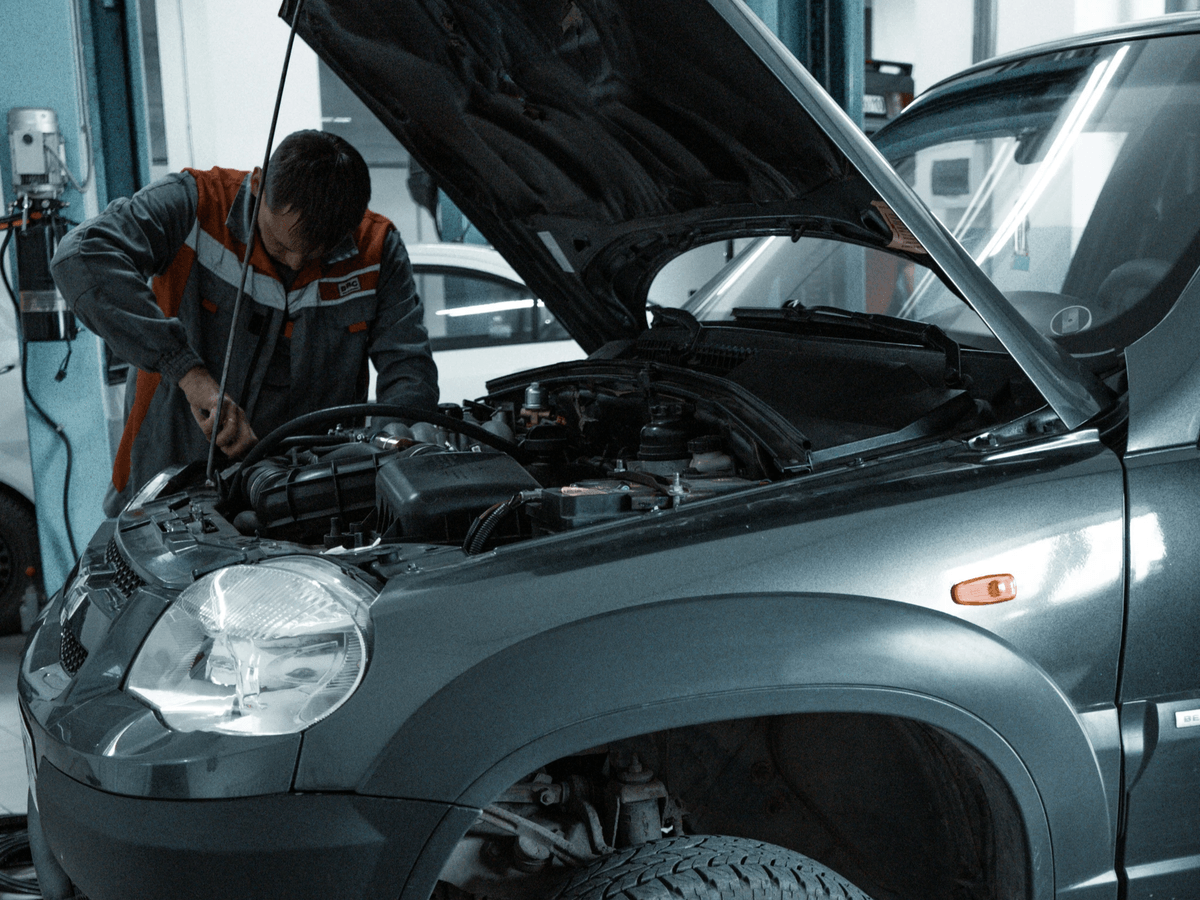
Navigating the world of Aftermarket Auto Product Inspection requires a solid grasp of the key standards that keep quality in check. These guidelines, like ASTM D7603-10, ISO 6310, ISO 3006, ISO 7141, SAE J 2670, and ASTM C1674-11, serve as the backbone for ensuring auto parts meet safety and durability benchmarks. For companies involved in aftermarket auto product inspection, understanding these standards is crucial to delivering reliable products that pass muster across borders.
Overview of ASTM D7603-10 and Its Relevance
ASTM D7603-10 is a pivotal standard in the realm of aftermarket auto product inspection, especially when evaluating coatings and surface treatments on auto parts. This standard provides detailed procedures for assessing coating thickness and adhesion strength—critical factors in aftermarket auto parts that must withstand harsh conditions. Incorporating ASTM D7603-10 into your inspection process helps ensure that each component adheres to industry expectations for durability and performance during aftermarket auto product inspection.
ISO 6310 and ISO 3006 for Auto Part Quality
ISO 6310 sets out the specifications for automotive electrical connectors, emphasizing quality assurance during aftermarket auto product inspection by defining testing methods for electrical performance and environmental resistance. Meanwhile, ISO 3006 focuses on testing procedures for mechanical properties of various auto components—vital data points when conducting thorough aftermarket auto product inspections to prevent future failures. Both standards are integral to maintaining consistency across international markets by aligning with global benchmarks in automotive part quality.
SAE J 2670 and ASTM C1674-11 in Practice
SAE J 2670 offers comprehensive testing methods related to corrosion resistance—a common concern during aftermarket auto product inspection—ensuring parts can withstand exposure without compromising safety or function. Similarly, ASTM C1674-11 provides guidelines for evaluating thermal shock resistance on automotive materials; this is especially relevant when inspecting products destined for diverse climates or extreme conditions post-market release. Applying SAE J 2670 alongside ASTM C1674-11 in your aftersales inspections guarantees that each part meets rigorous standards before hitting the road.
Ensuring compliance with these essential standards not only boosts consumer confidence but also streamlines the process of bringing high-quality aftermarket auto products into global markets through diligent aftermarket auto product inspection practices.
Best Practices for Effective Auto Product Inspection

Achieving top-notch quality in aftermarket auto products requires a meticulous approach to inspection protocols. Implementing rigorous procedures ensures that each component meets industry standards like ASTM D7603-10 and ISO 6310, reducing the risk of defects slipping through. By establishing clear benchmarks aligned with these standards, companies can streamline their inspection process and maintain consistency across batches, ultimately boosting consumer confidence in aftermarket auto products.
Implementing Rigorous Inspection Protocols
Developing comprehensive inspection protocols is essential for reliable aftermarket auto product inspection. These protocols should incorporate detailed checklists based on ASTM D7603-10 and ISO 3006 to verify dimensions, material integrity, and safety features. Regular training on standards such as ISO 7141 and SAE J 2670 equips inspectors with the skills needed to identify non-conformities early, preventing defective parts from reaching the market and ensuring compliance with global automotive quality expectations.
Utilizing Advanced Testing Technologies
Leveraging cutting-edge testing technologies elevates the effectiveness of aftermarket auto product inspection significantly. Techniques like non-destructive testing (NDT) aligned with ASTM C1674-11 allow for precise evaluation without damaging components, saving time and resources. Incorporating automated systems equipped with AI-driven analysis further enhances accuracy by quickly identifying deviations from specifications outlined in ISO 6310 or SAE J 2670, making inspections faster and more reliable while adhering to industry standards.
Turning Inspection Results Into Actionable Insights
Transforming inspection data into actionable insights is a game-changer for continuous improvement in aftermarket auto manufacturing. Analyzing results against benchmarks set by ASTM D7603-10 and ISO 3006 helps pinpoint recurring issues or manufacturing variability that need addressing. Using these insights to refine production processes ensures ongoing compliance with key standards like ISO 7141 or SAE J 2670, fostering a culture of quality that benefits both manufacturers and consumers alike.
Ensuring your aftermarket auto products meet stringent industry standards isn’t just good practice—it’s essential for building trust in today’s competitive market!
Role of Quality Inspection in Product Development
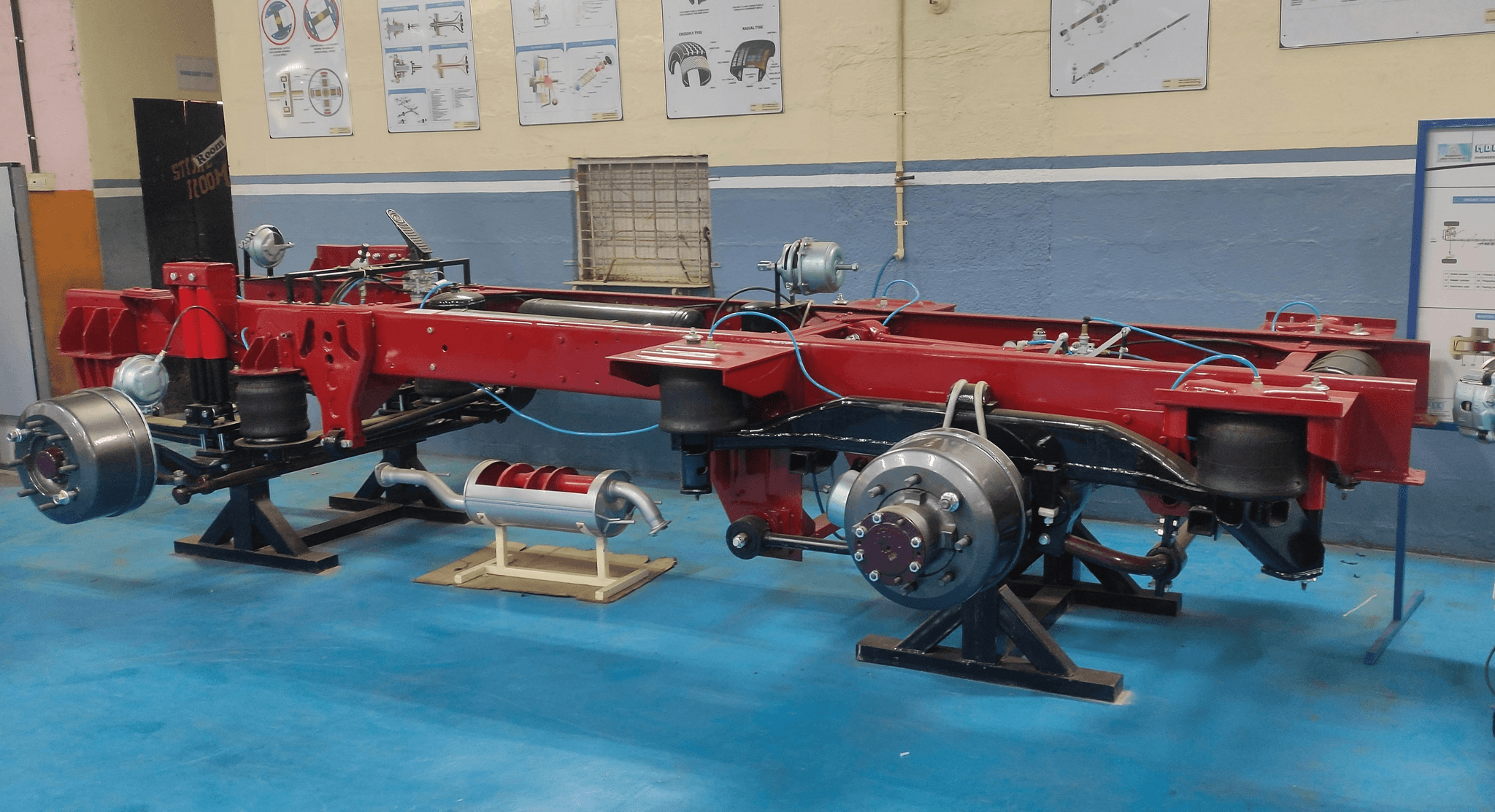
Effective Aftermarket Auto Product Inspection plays a pivotal role in shaping the development process, ensuring that each component meets stringent industry standards like ASTM D7603-10 and ISO 6310 before hitting the market. By integrating comprehensive inspection protocols early on, manufacturers can identify potential issues related to manufacturing variability, which often stem from inconsistent raw materials or assembly processes. Utilizing standards such as ISO 3006 and SAE J 2670 during development helps streamline quality checks, reducing costly recalls and boosting consumer confidence.
Implementing robust Aftermarket Auto Product Inspection practices also involves adherence to specific guidelines like ASTM C1674-11, which guides testing for durability and corrosion resistance. These standards serve as a blueprint for evaluating auto parts against industry benchmarks, ensuring compliance before the product reaches consumers. When manufacturers incorporate these standards into their product development cycle, they minimize risks associated with non-compliance and reinforce their commitment to high-quality auto components.
Moreover, continuous improvement is fueled by feedback derived from thorough QC inspections aligned with ISO 7141 and other relevant standards. This iterative process enables teams to refine manufacturing processes based on real-world inspection data, leading to better control over manufacturing variability. Regular application of Aftermarket Auto Product Inspection not only guarantees compliance but also fosters innovation by highlighting areas for enhancement—ultimately resulting in safer, more reliable automotive products.
Future Trends in Automotive Quality Control
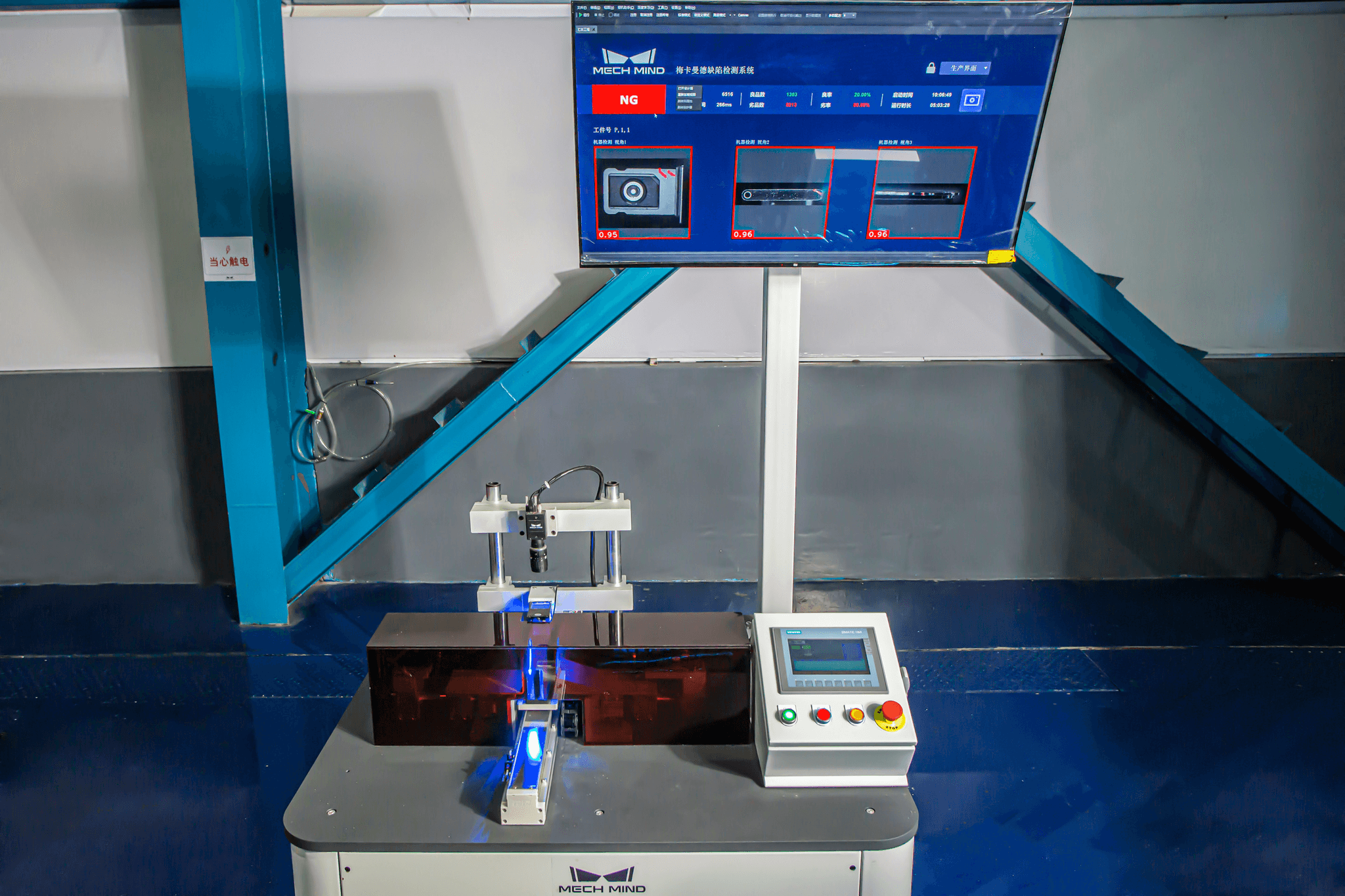
The landscape of Aftermarket Auto Product Inspection is rapidly evolving, driven by technological advancements that promise more precise and efficient quality assessments. Industry standards like ASTM D7603-10, ISO 6310, and ISO 3006 are set to be complemented—and sometimes challenged—by innovations such as AI and automation. Staying ahead means adapting these standards to new tools that can detect subtle defects and ensure compliance across global markets.
Integration of AI and Machine Learning
Artificial intelligence is transforming how we approach Aftermarket Auto Product Inspection by enabling real-time defect detection and predictive analytics. These technologies leverage data from standards like ASTM D7603-10 and ASTM C1674-11 to identify patterns that human inspectors might miss, improving accuracy in evaluating auto parts against ISO 6310 or SAE J 2670 criteria. As machine learning algorithms become more sophisticated, they will help manufacturers proactively address variability in production, ensuring every aftermarket component meets the highest quality benchmarks.
Increasing Role of Automation in Inspection
Automation is taking center stage in auto QC processes, reducing human error while increasing throughput for aftermarket auto product inspection. Automated systems can now perform tasks aligned with ISO 3006 and ISO 7141 standards faster than ever before, inspecting thousands of parts against stringent criteria like those outlined in ASTM D7603-10 or SAE J 2670 without fatigue or bias. This shift not only streamlines operations but also ensures consistent adherence to quality guidelines, making compliance with industry standards more reliable than ever.
How Industry Standards Evolve with Technology
As new inspection technologies emerge, industry standards such as ASTM D7603-10 and ISO 6310 are continuously updated to incorporate best practices for digital inspection methods. For example, the integration of AI insights into routine checks may lead to revisions in ASTM C1674-11 or updates within SAE J 2670 documentation to reflect new testing capabilities. This evolution ensures that aftermarket auto product inspection remains relevant amidst technological progress—balancing innovation with rigorous compliance.
Conclusion

In the fiercely competitive world of aftermarket auto parts, ensuring top-notch quality through rigorous Aftermarket Auto Product Inspection is more than just a checkbox — it's a necessity. Adhering to industry standards like ASTM D7603-10, ISO 6310, and ISO 3006 not only boosts consumer confidence but also safeguards your brand’s reputation. When companies prioritize stringent QC protocols, backed by recognized standards such as ASTM C1674-11 and SAE J 2670, they create a solid foundation for market success and customer loyalty.
Maintaining high-quality benchmarks with standards like ISO 7141 and ASTM D7603-10 helps identify manufacturing variabilities early on, making sure each product meets safety and performance expectations. These standards serve as the backbone of effective Aftermarket Auto Product Inspection, guiding manufacturers through consistent testing processes that prevent costly recalls or reputational damage. When you embrace these guidelines, you're not just inspecting; you're elevating your entire product development cycle.
Partnering with experienced professionals like China Inspection Pro ensures that your auto parts meet or exceed all relevant standards in the industry. Their expertise in Aftermarket Auto Product Inspection guarantees compliance with key benchmarks such as ISO 6310, ISO 3006, SAE J 2670, and ASTM C1674-11. Collaborating with trusted inspectors allows you to turn inspection results into actionable insights—fueling continuous improvement and keeping your products ahead of evolving industry standards.