
Introduction
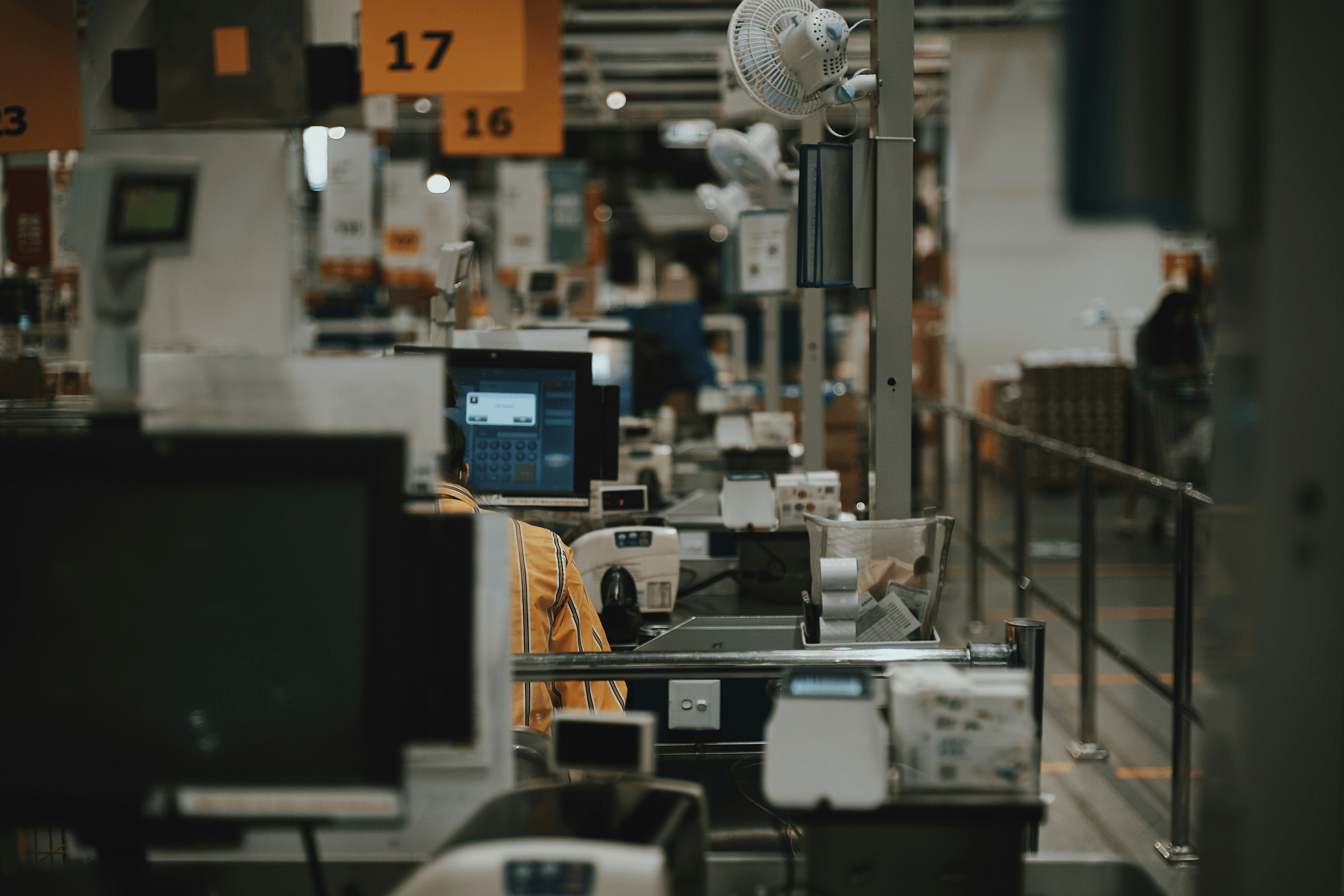
In today’s fast-paced market, smart product inspection has become a cornerstone of successful operations across various industries, including food manufacturing. The ability to ensure that products meet quality standards not only safeguards consumer health but also enhances brand reputation. As businesses strive for excellence, the integration of advanced quality assurance practices is essential for maintaining competitive advantage.
Importance of Smart Product Inspection
Smart product inspection is crucial in identifying defects before they reach consumers, thereby reducing waste and increasing efficiency. By leveraging technology and data analytics, companies can streamline their quality control processes and achieve higher levels of accuracy in detecting issues. This proactive approach not only minimizes risks but also fosters trust among stakeholders, making it a vital component of modern manufacturing.
The Role of Quality Assurance
Quality assurance plays a pivotal role in establishing and maintaining high standards throughout the production cycle. It encompasses systematic processes designed to prevent defects and ensure that products consistently meet specified requirements. With effective quality assurance practices in place, organizations can enhance their overall quality control efforts and drive continuous improvement initiatives.
Techniques for Effective Quality Control
To achieve effective QC quality control, companies must employ a variety of techniques tailored to their specific needs and industry demands. From visual inspections to automated systems powered by AI, the methods available are diverse and impactful. Implementing these techniques not only enhances the reliability of product inspection but also contributes to long-term operational success.
Understanding Product Inspection
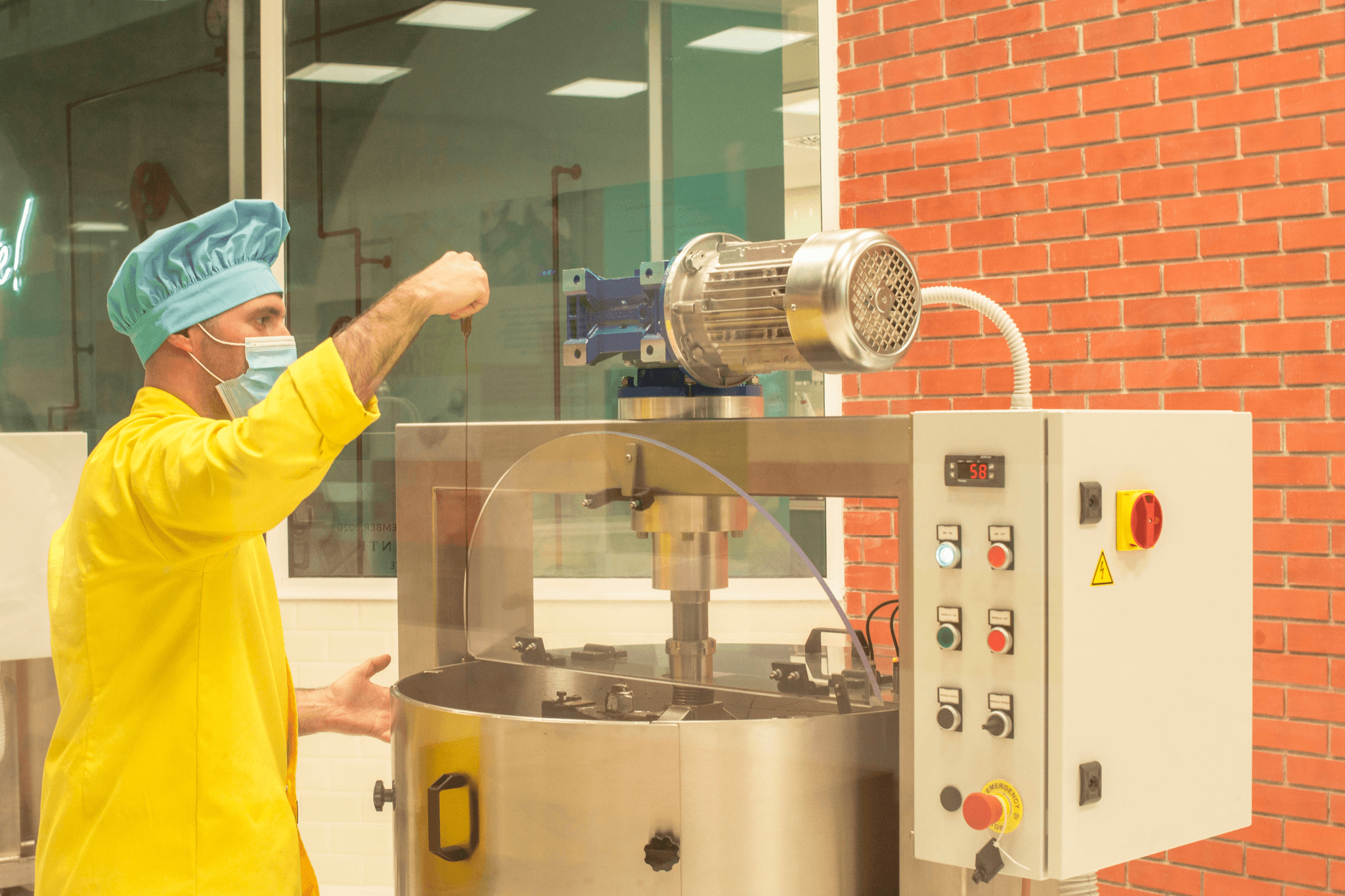
Product inspection is a crucial component of quality assurance that ensures products meet specific standards before they reach consumers. This process involves various methods to assess the quality and control of products, ultimately safeguarding both the manufacturer’s reputation and customer satisfaction. By implementing effective product inspection techniques, companies can minimize defects and enhance their overall quality assurance quality.
What is Product Inspection?
Product inspection refers to the systematic examination of products at different stages of production to verify their conformity to predetermined specifications. This can include visual checks, measurements, and tests designed to identify any deviations from quality standards. The primary goal is to ensure that every item produced meets safety, functionality, and aesthetic requirements essential for customer satisfaction.
Key Objectives of Quality Assurance
The key objectives of quality assurance in product inspection revolve around ensuring reliability, safety, and compliance with regulatory standards. Quality assurance aims to prevent defects through proactive measures rather than reactive fixes after issues arise. By focusing on these objectives, businesses can streamline their operations while maintaining high levels of quality control throughout the manufacturing process.
Benefits of Effective QC Quality Control
Effective QC quality control offers numerous benefits that extend beyond just catching flaws in products; it also enhances operational efficiency and reduces costs associated with returns or rework. Companies practicing rigorous product inspection often experience improved customer loyalty due to consistently high-quality offerings. Additionally, effective quality assurance practices can lead to a positive brand image in competitive markets like food manufacturing, where safety and reliability are paramount.
Visual Inspection Techniques

In the world of quality assurance, visual inspection techniques are pivotal in ensuring that products meet the required standards before they reach consumers. The naked eye, combined with trained observation skills, can often identify defects that automated systems might miss. However, as technology evolves, integrating these techniques into a comprehensive quality control strategy becomes essential for effective product inspection.
The Art of the Naked Eye
The naked eye plays a crucial role in product inspection, where human intuition and experience come into play. Skilled inspectors can quickly spot irregularities in texture, color, or finish that may indicate deeper issues in manufacturing processes. This technique is particularly valuable in industries where aesthetics matter significantly—think luxury goods or high-end food manufacturing—where quality assurance quality is non-negotiable.
Moreover, relying on human observation fosters an understanding of subtle nuances that machines might overlook. Trained inspectors develop an eye for detail over time and can often detect problems before they escalate into costly recalls or reputational damage. Ultimately, while technology aids in efficiency and precision, the art of the naked eye remains a cornerstone of effective quality control.
Using Technology for Enhanced Observation
The marriage of technology and human expertise has revolutionized visual inspections across various industries. Tools such as high-resolution cameras and image recognition software enhance the capabilities of inspectors by providing detailed analysis and documentation during product inspection processes. This synergy not only improves accuracy but also streamlines workflows within quality assurance teams.
For instance, augmented reality (AR) applications allow inspectors to visualize defects or potential issues superimposed on real-world images—making it easier to assess product integrity at a glance. Additionally, using drones equipped with cameras for large-scale inspections has become increasingly popular in sectors like construction and agriculture where traditional methods may fall short. By incorporating these technological advancements into their strategies, companies can elevate their overall quality control efforts while still emphasizing the importance of human oversight.
Automated Inspection Systems
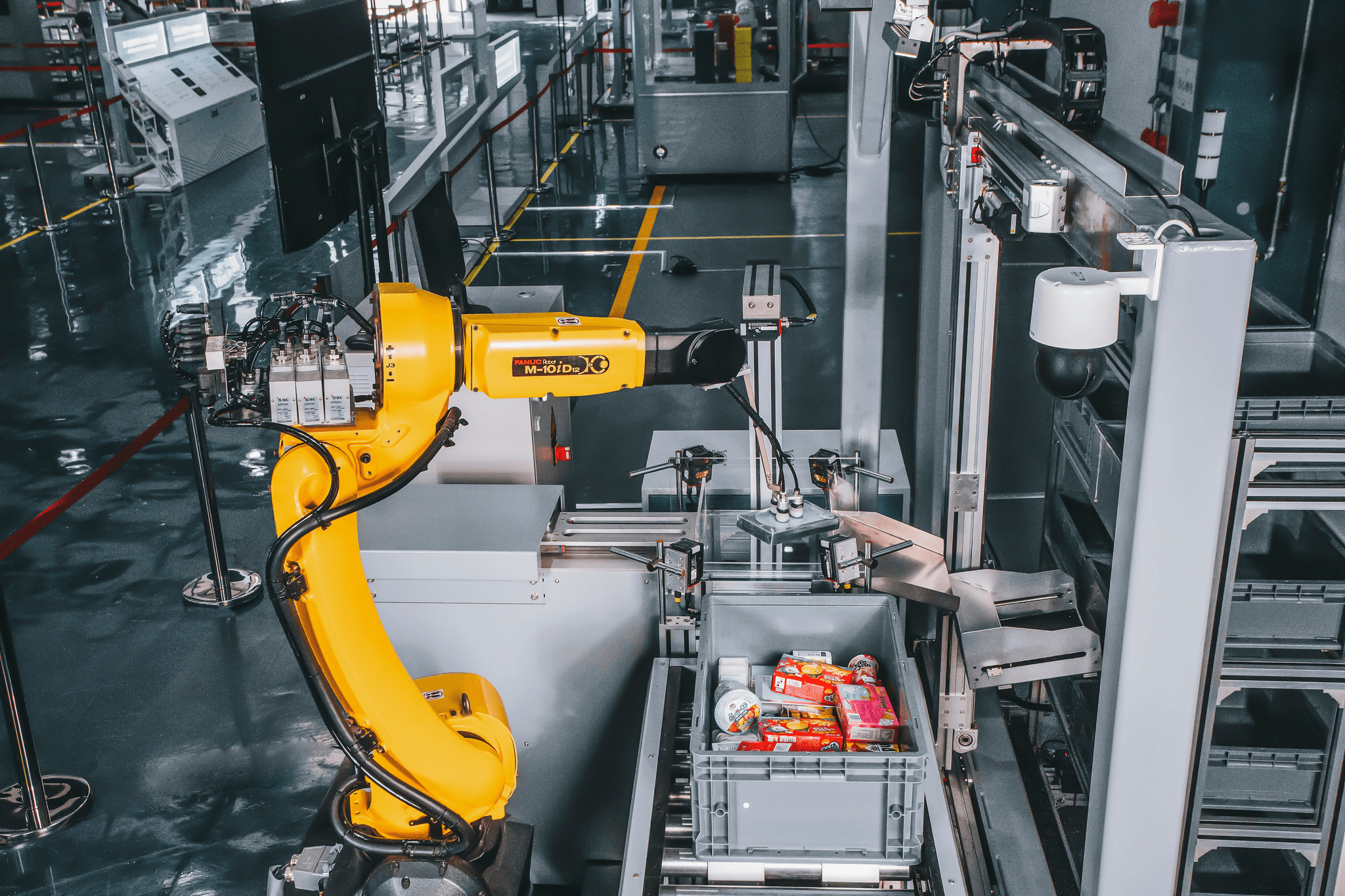
In the ever-evolving landscape of quality control, automated inspection systems are revolutionizing how industries approach product inspection. By harnessing advanced technologies, companies can enhance their quality assurance processes, ensuring that products meet stringent standards with remarkable efficiency. This shift towards automation not only streamlines operations but also significantly reduces human error in the realm of quality and control.
The Rise of AI in Quality Control
Artificial Intelligence (AI) is becoming a pivotal player in the field of quality assurance quality. With its ability to analyze vast amounts of data quickly and accurately, AI systems can detect anomalies that might be missed by human inspectors during product inspection. As companies increasingly adopt these technologies, the precision and reliability of quality control are reaching new heights, making it easier to maintain high standards across various industries.
Benefits of Machine Learning Algorithms
Machine learning algorithms offer numerous benefits that enhance the effectiveness of automated inspection systems in quality control. These algorithms can learn from past data, continuously improving their accuracy over time as they adapt to new patterns and trends in production processes. By implementing machine learning into product inspection protocols, manufacturers not only increase efficiency but also achieve a level of consistency that is vital for maintaining high-quality standards.
Case Study: Automation in Food Manufacturing
A noteworthy example of automation's impact on food manufacturing lies within a leading company that integrated an automated visual inspection system into its production line. This system employs AI-driven cameras to monitor products for defects such as mislabeling or contamination—issues critical to food safety and compliance with regulatory standards. The results were impressive: a significant reduction in errors and an overall enhancement in both product inspection accuracy and consumer trust, showcasing how effective automation can transform quality assurance practices.
Destructive vs. Non-Destructive Testing
In the realm of product inspection, understanding the differences between destructive and non-destructive testing is paramount for effective quality assurance. These two methodologies serve distinct purposes in assessing material integrity, and selecting the appropriate technique can significantly impact quality control outcomes. With industries increasingly demanding high standards, mastering these testing methods is essential for ensuring that products meet rigorous quality assurance quality benchmarks.
Assessing Material Integrity
Assessing material integrity is a crucial aspect of quality assurance that can determine a product's longevity and reliability. Destructive testing involves subjecting materials to stress until they fail, providing clear insights into their limits and weaknesses; however, this method often means the product cannot be reused or sold afterward. On the other hand, non-destructive testing allows for thorough evaluations without compromising the item's usability, making it a favored choice in various sectors like food manufacturing and aerospace.
Choosing the Right Method for Quality Assurance
When it comes to choosing between destructive and non-destructive testing methods for quality assurance, several factors come into play. The decision often hinges on the specific requirements of the product being inspected—its intended use, regulatory standards, and cost implications are all critical considerations in this process. For instance, while destructively testing components in high-stakes industries may yield definitive results regarding safety margins, opting for non-destructive techniques can preserve valuable resources while still ensuring robust quality control.
Examples from Various Industries
Different industries utilize both destructive and non-destructive testing approaches based on their unique needs and challenges associated with product inspection. In construction or automotive sectors, destructive tests like tensile strength assessments are common to ensure structural integrity under extreme conditions. Conversely, industries such as food manufacturing favor non-destructive methods like ultrasonic or radiographic inspections to maintain product integrity without sacrificing inventory—ensuring that both safety standards and consumer satisfaction are upheld.
Statistical Process Control
Statistical Process Control (SPC) is a powerful methodology that leverages statistical techniques to monitor and control quality during the product inspection process. By employing data-driven decision-making, organizations can identify variations in their processes and take corrective actions before defects occur. This proactive approach not only enhances quality assurance but also optimizes production efficiency, making it a cornerstone of effective quality control.
Implementing Data-Driven Decision Making
The foundation of effective quality assurance lies in the ability to make informed decisions based on real-time data. By collecting and analyzing data from various stages of production, companies can pinpoint areas requiring improvement or intervention in their product inspection protocols. This shift toward a data-centric mindset fosters a culture of continuous improvement, where insights gleaned from statistical analysis directly influence quality control measures.
Data-driven decision-making is particularly crucial in industries such as food manufacturing, where even minor deviations can lead to significant safety concerns. Companies that embrace this approach are better equipped to maintain high standards of QC quality control while ensuring compliance with industry regulations. Ultimately, organizations that prioritize data analysis will find themselves ahead of the curve in maintaining product integrity and consumer trust.
Understanding Control Charts and Metrics
Control charts are essential tools within SPC that visually represent process performance over time, allowing teams to track variability and identify trends effectively. These charts help distinguish between common cause variation—natural fluctuations inherent in any process—and special cause variation—unexpected changes that may indicate underlying issues needing immediate attention. By understanding these metrics, organizations can enhance their product inspection efforts by focusing on significant deviations that impact overall quality assurance.
Incorporating control charts into regular QC quality control practices enables teams to establish baseline performance metrics for ongoing monitoring. This practice not only helps maintain consistent product standards but also facilitates timely interventions when processes veer off course. The clarity provided by visual representations allows stakeholders at all levels to engage meaningfully with the data, driving collective commitment to maintaining high-quality outputs.
Real-World Application in Quality Control
Many industries have successfully implemented Statistical Process Control as part of their overall strategy for enhancing product inspection and ensuring adherence to stringent quality standards. In food manufacturing, for example, SPC has become indispensable for monitoring critical factors such as temperature and humidity during processing stages—elements crucial for preserving food safety and preventing spoilage. Companies utilizing this approach have reported substantial improvements in both efficiency and compliance with regulatory requirements.
A notable case study involves a leading food manufacturer that integrated SPC into its operations after experiencing frequent inconsistencies in product quality. By leveraging control charts alongside real-time monitoring systems, they were able to identify root causes behind variances quickly and implement corrective actions effectively. The result was not only enhanced QC quality control but also increased customer satisfaction due to consistently high-quality products entering the market.
Continuous Improvement Strategies
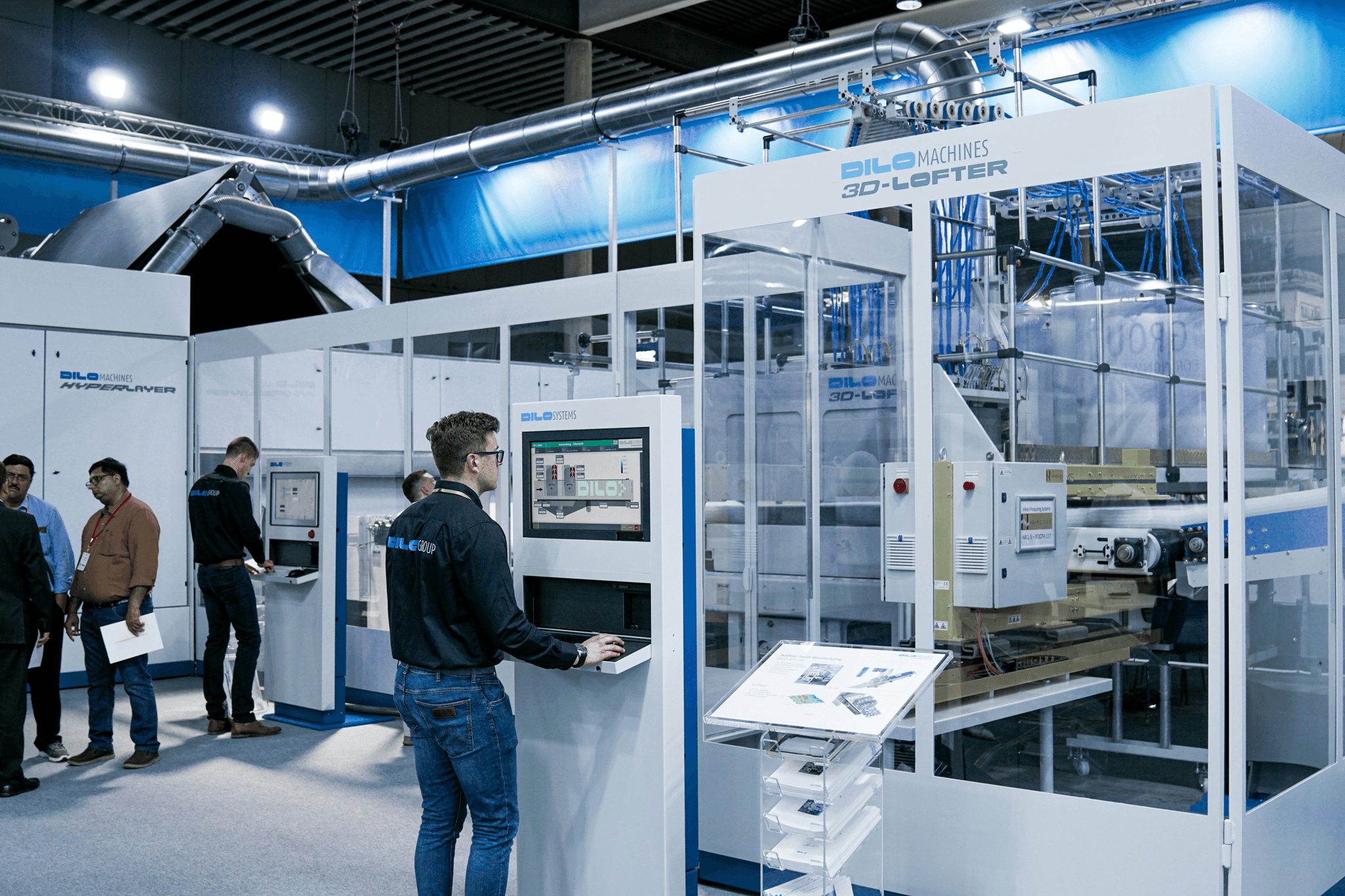
In the realm of quality assurance, continuous improvement is not just a buzzword; it's a necessity. Implementing feedback loops allows organizations to gather insights from every stage of product inspection, ensuring that quality control measures are both effective and adaptable. By fostering an environment where feedback is valued, companies can identify weaknesses and innovate solutions that enhance overall product quality.
The Role of Feedback Loops in Quality
Feedback loops serve as the backbone of effective quality assurance practices. They enable teams to assess the outcomes of their product inspections and determine what works and what doesn’t, creating a dynamic system of learning and adaptation. This iterative process not only enhances the accuracy of quality control but also builds a culture where continuous improvement is ingrained in everyday operations.
Techniques for Enhancing Product Inspection
To elevate product inspection standards, various techniques can be employed to streamline processes and improve outcomes. Utilizing advanced technology such as AI-driven analytics can provide deeper insights into potential defects during production, making quality assurance more proactive than reactive. Additionally, training employees on the latest methodologies in QC quality control ensures that everyone is equipped with the knowledge to uphold high standards.
Success Stories of Continuous Quality Improvements
Many industries have successfully implemented continuous improvement strategies leading to remarkable advancements in their product inspection processes. For example, food manufacturing companies have embraced real-time monitoring systems that track temperature and humidity levels during production, significantly reducing spoilage rates while enhancing overall safety standards. These success stories illustrate that when organizations commit to ongoing refinement in their quality assurance practices, they not only meet but often exceed customer expectations.
Conclusion
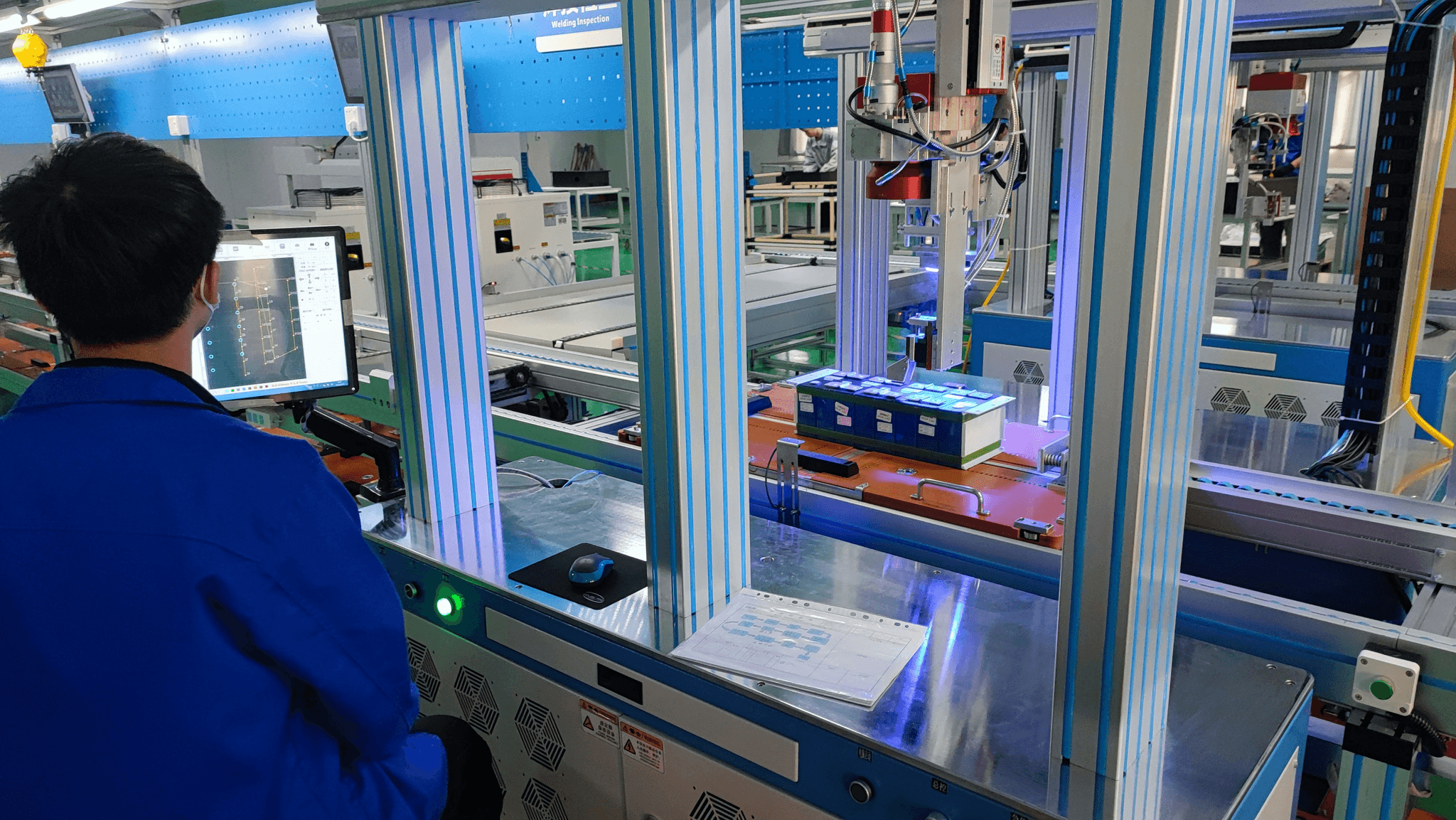
In the ever-evolving landscape of manufacturing and production, adopting smart techniques for product inspection is no longer optional; it's essential. Embracing innovative methods not only enhances quality assurance but also drives efficiency and reduces costs. As industries increasingly rely on technology, integrating advanced quality control measures will differentiate leaders from laggards.
Adopting Smart Techniques for Product Inspection
Smart techniques in product inspection leverage cutting-edge technologies to ensure that products meet stringent quality standards. By incorporating AI and machine learning into quality assurance processes, businesses can achieve unprecedented levels of accuracy and speed in their inspections. This shift towards automated solutions not only streamlines operations but also minimizes human error, making QC quality control more reliable than ever before.
Elevating Standards with Quality Assurance
Quality assurance is the backbone of any successful manufacturing process, ensuring that every product meets or exceeds customer expectations. By implementing robust quality control systems, companies can elevate their standards and foster a culture of continuous improvement. With effective QC quality control practices in place, organizations can build trust with consumers and enhance their brand reputation across various sectors, including food manufacturing.
Future Trends in Quality Control and Inspection
Looking ahead, the future of quality control and inspection is bright with technological advancements on the horizon. Innovations such as real-time data analytics, predictive maintenance, and enhanced automation are set to transform how industries approach product inspection. As we embrace these trends, the focus will remain on achieving higher levels of quality assurance while adapting to changing market demands.