
Introduction
Ensuring the proper classification of defects for garment inspection is crucial in maintaining high-quality standards across the apparel industry. When defects are accurately categorized, manufacturers and inspectors can quickly identify issues that could compromise the product’s integrity or customer satisfaction. Proper defect classification helps streamline quality control processes, saving time and resources while safeguarding brand reputation.
Clear differentiation between critical defects for garments, major defects for garments, and minor defects for garments allows teams to prioritize repairs and prevent defective items from reaching consumers. This precision not only improves overall product quality but also ensures compliance with industry regulations and customer expectations. Understanding how to classify these defects effectively is fundamental in setting acceptable quality limits for garment inspection, which serves as a benchmark for acceptable defect levels.
The role of China Inspection Pro in garment inspection cannot be overstated, especially when it comes to defect classification. Their expertise helps brands establish realistic acceptable quality limits for garment inspection, balancing cost efficiency with quality assurance. Partnering with professionals like China Inspection Pro ensures that defect detection is accurate, consistent, and aligned with international standards—making sure your garments meet both safety and style benchmarks.
Understanding the Types of Garment Defects
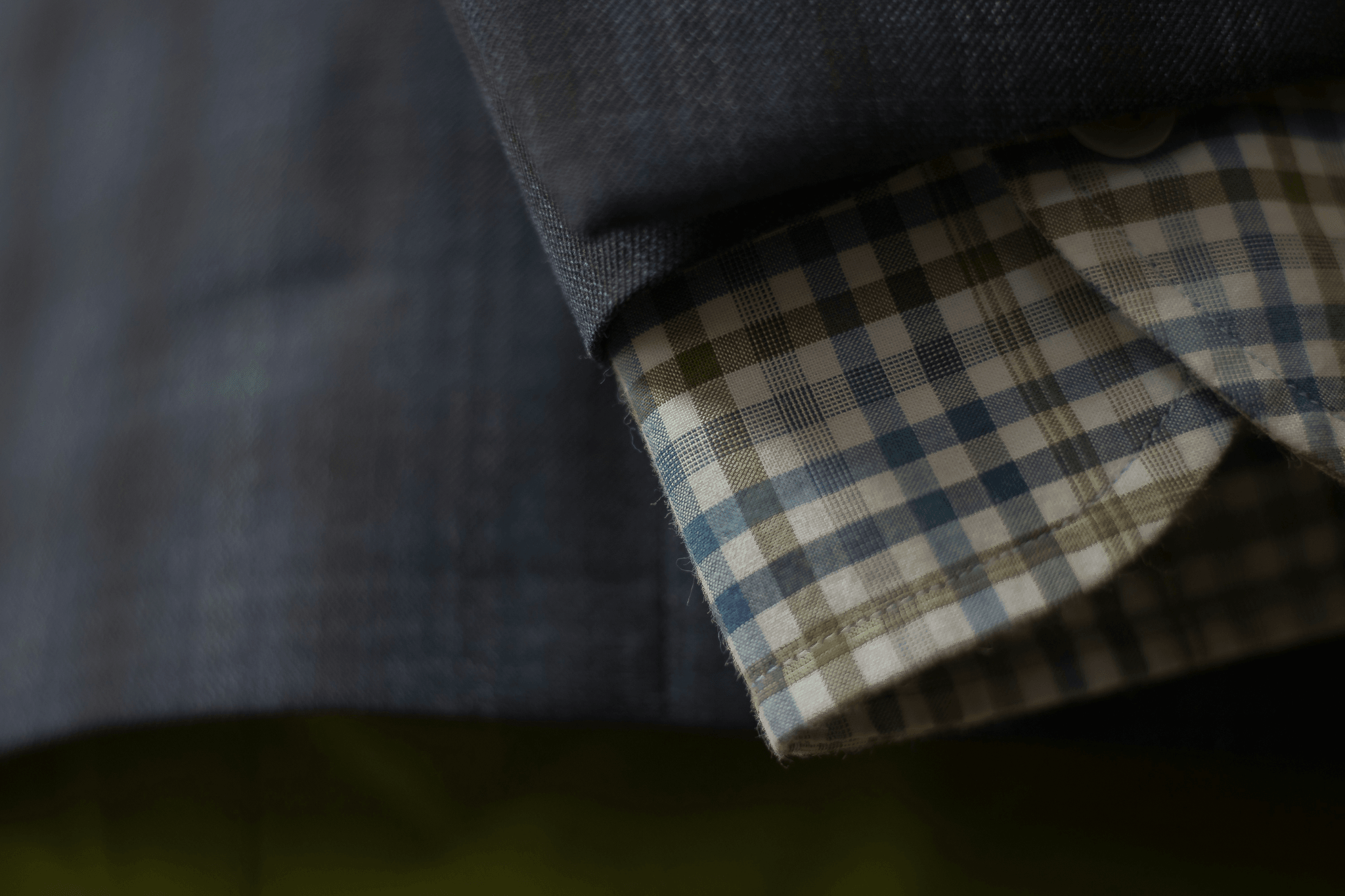
Getting a grip on the different types of defects for garment inspection is crucial for maintaining quality and customer satisfaction. Not all flaws are created equal, and knowing their severity helps in setting acceptable quality limits for garment inspection. From critical to minor, each defect type impacts the final product differently, guiding inspectors and manufacturers on where to focus their attention.
Critical defects for garments and their impact
Critical defects for garments are the deal-breakers—serious flaws that compromise safety, functionality, or compliance with industry standards. These defects can include broken zippers, tears in fabric, or faulty stitching that jeopardize the garment’s integrity. Identifying critical defects for garments during inspection helps ensure only safe and compliant products reach consumers, making defect classification vital to uphold industry standards and meet acceptable quality limits for garment inspection.
Major defects for garments that affect usability
Major defects for garments are significant enough to affect usability but may not be as severe as critical flaws. Examples include uneven hems, loose buttons, or fabric pulls that diminish the garment's appearance or durability. Recognizing major defects for garments during inspection allows teams to prioritize corrections while understanding how these flaws influence overall product quality within acceptable quality limits for garment inspection.
Minor defects for garments and customer perception
Minor defects for garments tend to be cosmetic issues that do not impact wearability but could influence customer perception if left unaddressed. Small stains, slight color inconsistencies, or minor fabric pilling fall into this category; they usually don’t compromise safety or functionality but can affect brand reputation. Properly categorizing minor defects for garments during inspection helps maintain high standards without unnecessarily escalating issues beyond acceptable quality limits for garment inspection.
Categorizing defects based on severity and frequency
To streamline the process of defect classification during garment inspections, categorizing based on severity and frequency is essential. This approach ensures critical defects are flagged immediately while minor imperfections are documented without causing unnecessary delays. Establishing clear categories aids in applying appropriate acceptable quality limits for garment inspection—balancing cost-efficiency with product excellence.
Examples of common defects found during inspection
During routine inspections, some common examples of defect types include broken stitches (critical), uneven seams (major), loose threads (minor), fabric pulls (major), misaligned prints (minor), and small color spots (minor). Recognizing these typical flaws helps inspectors quickly classify them according to their impact on safety and usability—forming a foundation to set realistic acceptable quality limits for garment inspection across production batches.
Establishing Acceptable Quality Limits for Garment Inspection

Setting clear Acceptable Quality Limits for garment inspection is crucial to maintaining product standards while keeping costs in check. These limits serve as a benchmark to determine when defects for garment inspection are acceptable or require corrective action. By defining these thresholds, manufacturers can streamline their quality control processes and prevent unnecessary rework or waste.
Defining Acceptable Quality Limits for Garments
When it comes to defects for garment inspection, establishing acceptable quality limits means setting the maximum number of critical, major, and minor defects allowed before a batch is rejected or approved. Critical defects for garments are non-negotiable since they compromise safety or compliance; major defects impact usability but may be tolerable within certain limits; minor defects mostly influence customer perception but do not affect functionality significantly. Clearly defining these limits helps ensure that only garments meeting quality standards reach consumers, reducing returns and enhancing brand reputation.
Thresholds for Minor and Major Defects
Thresholds for minor defects for garments should be set higher than those for critical or major ones because they tend to be less impactful on overall product performance. For example, a few small fabric pulls (minor defects) might be acceptable up to a certain point, whereas multiple torn seams (major defects) could render the entire batch unfit. Balancing these defect thresholds ensures that production remains efficient without sacrificing essential quality aspects related to defect classification.
Balancing Cost and Quality in Defect Limits
Balancing cost and quality involves setting defect limits that prevent excessive rejections while maintaining product integrity—especially when considering defect classification categories like critical, major, and minor flaws. Overly strict acceptable quality limits can inflate costs due to frequent re-inspections or remakes; too lenient limits risk customer dissatisfaction with subpar products containing unacceptable defect levels. Implementing industry-standard thresholds tailored through defect classification helps optimize this balance effectively.
Industry Standards and Regulations
Industry standards and regulations play a vital role in determining acceptable quality limits for garment inspection by providing universally recognized benchmarks aligned with safety, durability, and aesthetics requirements. These standards often specify maximum allowable counts of critical defects for garments—such as holes affecting safety—and set permissible levels of major and minor flaws based on defect classification systems. Adhering to these regulations ensures compliance across markets while guiding the development of effective defect classification criteria.
How China Inspection Pro Supports Setting Realistic AQ Limits
China Inspection Pro offers expert guidance in establishing realistic acceptable quality limits by leveraging extensive industry experience with defect classification systems—covering all categories from critical defects for garments down to minor flaws influencing customer perception. Their team helps define thresholds tailored specifically to your product line by analyzing defect data within the context of industry standards and market expectations. With their support in categorizing faults accurately during garment inspection, you can confidently implement AQ limits that balance cost efficiency with high-quality output—making sure your products pass muster every time.
Methods to Classify and Record Defects Effectively

Accurate classification and recording of defects for garment inspection are essential to maintain quality standards and meet acceptable quality limits for garment inspection. Implementing structured methods ensures that critical defects for garments are identified promptly, preventing costly recalls or customer dissatisfaction. A systematic approach also helps in differentiating major defects for garments that compromise usability from minor defects that might only affect aesthetic appeal.
Conducting Visual and Functional Inspection
Visual inspection remains the backbone of defect detection, allowing inspectors to spot critical defects for garments such as torn seams, fabric holes, or color inconsistencies. Functional inspection complements this by testing garment features like zippers, buttons, and elastic stretches to identify major defects for garments affecting usability. Together, these inspections help establish a clear picture of the defect landscape, ensuring each flaw is categorized correctly within the framework of acceptable quality limits for garment inspection.
Using Standardized Checklists and Inspection Sheets
Standardized checklists streamline the process of defect classification by providing a consistent reference point across different inspectors and production batches. These sheets should include categories for critical defects for garments—such as structural failures—and major or minor defects aligned with industry standards. By using these tools diligently, teams can accurately record each defect type, making it easier to analyze trends related to acceptable quality limits for garment inspection over time.
Leveraging Technology for Accurate Defect Recording
Modern technology offers innovative ways to enhance defect recording accuracy—think high-resolution cameras, digital checklists, or mobile apps—that reduce human error in classifying defects for garment inspection. Automated image analysis can flag critical defects for garments faster than manual checks, enabling real-time adjustments in production processes. When combined with data on acceptable quality limits for garment inspection, these technological tools help ensure that no defect slips through the cracks while maintaining efficiency.
Training Inspection Teams for Consistency
Even the most sophisticated systems falter without properly trained personnel who understand how to distinguish between critical defects for garments versus minor imperfections that do not affect product integrity. Regular training sessions reinforce knowledge about acceptable quality limits for garment inspection and how to categorize each flaw accurately during visual or functional inspections. Consistent training ensures uniformity across teams so that defect classification remains reliable regardless of who is inspecting.
Case Studies Demonstrating Effective Classification
Real-world case studies reveal how companies successfully implement methods to classify and record defects effectively—highlighting improvements in identifying critical defects for garments early in production stages or reducing false positives on minor flaws. These examples underscore the importance of combining visual checks with technological solutions within established acceptable quality limits for garment inspection frameworks. Learning from such cases can inspire your team’s approach toward precise defect classification and better overall product quality management.
Applying Defect Classification in Quality Control Processes
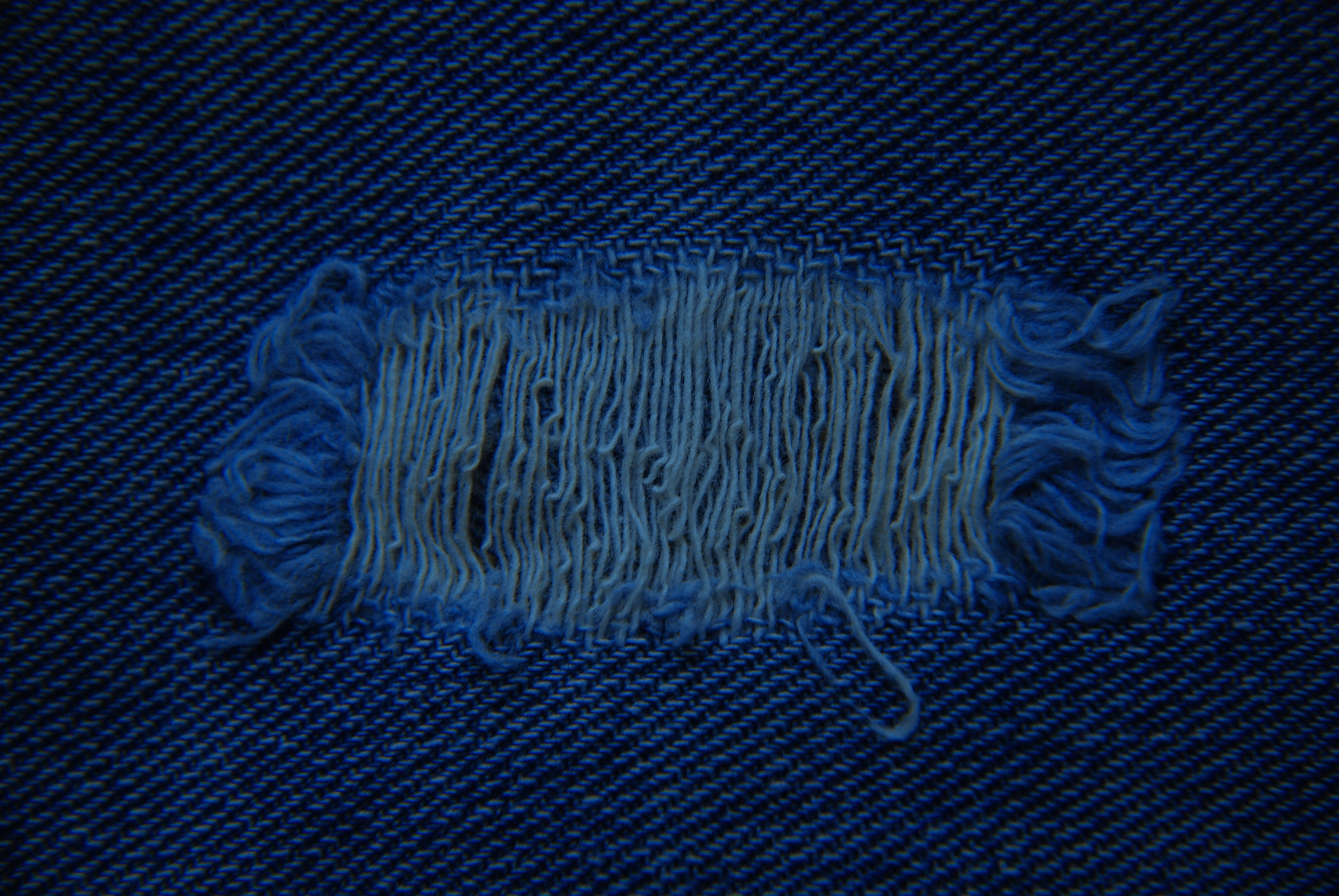
Effective quality control hinges on accurately applying defect classification to the garment inspection process. By systematically integrating defect data into manufacturing workflows, teams can swiftly identify patterns and address issues before they escalate. Recognizing the difference between critical defects for garments and minor defects for garments allows inspectors to focus on what truly impacts product quality and customer satisfaction.
Integrating Defect Data into Manufacturing Workflow
The first step in streamlining quality control is embedding defect data into every stage of manufacturing. When defect classifications—such as critical defects for garments—are clearly defined, it becomes easier to flag issues early and prevent costly rework or recalls. Incorporating this data ensures that every team member understands the importance of adhering to acceptable quality limits for garment inspection, reducing variability and enhancing overall consistency.
Prioritizing Corrections Based on Defect Severity
Not all defects are created equal; some require immediate attention while others can be addressed later. Critical defects for garments demand urgent correction because they compromise safety or compliance, whereas minor defects for garments might be acceptable within specified limits. Setting clear thresholds for acceptable quality limits for garment inspection helps prioritize corrections efficiently, ensuring resources are allocated where they matter most without overreacting to minor flaws.
Communicating Findings with Suppliers and Factories
Transparent communication about defect types—whether critical, major, or minor—is crucial when collaborating with suppliers and factories. Sharing detailed defect classifications helps everyone understand which issues warrant immediate action versus those that fall within acceptable quality limits for garment inspection. This clarity fosters a proactive approach to fixing defects for garments before shipment, ultimately reducing returns and enhancing brand reputation.
Using Classifications to Improve Production Quality
Applying precise defect classifications enables continuous improvement by providing actionable insights into recurring issues like critical defects for garments or minor flaws that influence customer perception. Analyzing defect data against industry standards helps set realistic acceptable quality limits for garment inspection, guiding process adjustments that elevate overall product quality. Over time, this leads to fewer major defects for garments slipping through the cracks and a more consistent output.
Role of China Inspection Pro in Streamlining Quality Control
Partnering with China Inspection Pro brings expertise in implementing robust defect classification systems aligned with industry standards and regulations. Their services help establish clear protocols around critical defects for garments and other defect categories, ensuring adherence to acceptable quality limits for garment inspection across production lines. With their support, brands can streamline their quality control processes—saving time, reducing costs, and delivering flawless products every time.
Continuous Improvement Through Defect Analysis
Tracking defects for garment inspection over time is crucial for maintaining high-quality standards. By analyzing defect trends, manufacturers can identify patterns in critical defects for garments and major defects for garments, which often indicate systemic issues. Monitoring these defect types helps ensure that minor defects for garments are kept within acceptable quality limits for garment inspection, preventing them from escalating into more severe problems.
Identifying root causes of critical defects for garments and major defects for garments is a vital step toward continuous improvement. When defect analysis reveals recurring issues, it becomes easier to pinpoint the underlying causes—whether it’s material flaws, manufacturing errors, or process inefficiencies. Understanding these causes allows teams to address the core problem rather than just treating symptoms, ultimately helping to set realistic acceptable quality limits for garment inspection.
Implementing corrective actions and preventive measures based on defect analysis can significantly reduce the occurrence of critical defects for garments and major defects for garments. When teams respond promptly to defect data, they can adjust processes or enhance training to prevent future occurrences. This proactive approach ensures that minor defects for garments stay within acceptable quality limits for garment inspection and that overall product quality improves steadily.
Monitoring quality performance against acceptable quality limits for garment inspection is essential to keep defect levels in check. Regularly reviewing defect data ensures that critical defects and major defects do not exceed predefined thresholds, safeguarding compliance with industry standards. This ongoing oversight helps maintain a balance between cost efficiency and product excellence while minimizing the risk of shipping defective products.
Enhancing product quality with data-driven decisions involves leveraging detailed defect records to refine manufacturing processes continually. By analyzing trends in all types of defects—critical, major, and minor—teams can make informed adjustments that improve overall quality control systems. Staying aligned with acceptable quality limits for garment inspection ensures products meet customer expectations while reducing costly rework or returns.
Conclusion
Clear and consistent defect classifications are the backbone of efficient garment inspection processes. By establishing well-defined categories for critical, major, and minor defects for garments, brands and manufacturers can streamline quality control and reduce costly rework. When defect types are clearly understood, teams can easily identify what needs immediate attention versus what is acceptable within quality limits.
Ensuring compliance through precise acceptable quality limits for garment inspection is vital to maintaining brand reputation and customer satisfaction. Recognizing the differences between critical defects for garments that threaten safety or compliance, major defects that impair usability, and minor defects that influence perception helps set realistic thresholds. Properly defining these limits ensures that defect management aligns with industry standards and regulatory requirements, preventing unnecessary rejection of products while maintaining high-quality standards.
Partnering with China Inspection Pro offers a strategic advantage in navigating the complexities of defect classification and quality assurance. Their expertise helps set accurate acceptable quality limits for garment inspection, ensuring that defect thresholds are both practical and compliant. With their support, companies can better identify critical defects for garments early in production, minimizing risks and optimizing overall quality control efforts.