
Introduction
Ensuring top-notch quality in Chinese aluminum foil manufacturing isn’t just a goal; it’s a necessity in today’s competitive market. Precision in Aluminum Foil Inspection, especially focusing on critical factors like the Thickness of Aluminum Foil, helps producers meet strict standards and satisfy customer demands. With rigorous inspection practices, manufacturers can detect even the slightest imperfections that could compromise product performance or safety.
Accurate Aluminum Foil Inspection plays a pivotal role in maintaining consistency across batches and ensuring that each roll adheres to industry benchmarks. Key aspects such as assessing Water Vapor Transmission of Materials and conducting Wettability Tests are essential to guarantee the foil’s barrier properties and surface quality. When these parameters are thoroughly checked, companies build trust with clients and stand out from the crowd.
That’s where China Inspection Pro steps in—by elevating quality control standards through advanced inspection techniques tailored specifically for aluminum foil production. Their expertise ensures that every sheet undergoes comprehensive evaluation, from measuring Thickness of Aluminum Foil to testing water vapor barriers and surface wettability. Partnering with professionals like China Inspection Pro means embracing continuous improvement and securing your reputation for excellence.
Overview of Aluminum Foil Production in China
China has firmly established itself as a powerhouse in aluminum foil manufacturing, with key players like Yunnan Aluminium and CHALCO leading the charge. These industry giants utilize advanced production lines that rely heavily on rigorous Aluminum Foil Inspection to maintain high standards. Ensuring consistent Thickness of Aluminum Foil across large volumes is crucial, as even minor deviations can impact product performance and customer satisfaction.
The manufacturing process involves multiple stages, from rolling to finishing, all governed by strict industry standards. During each step, comprehensive Aluminum Foil Inspection helps identify potential issues like uneven thickness or surface defects early on. This proactive approach ensures the Water Vapor Transmission of Materials remains within acceptable limits and that Wettability Tests confirm surface quality meets specifications.
Despite technological advancements, several challenges persist in maintaining quality assurance throughout the aluminum foil production cycle. Variations in Thickness of Aluminum Foil can occur due to equipment wear or raw material inconsistencies, requiring continuous inspection efforts. Additionally, evaluating Water Vapor Transmission of Materials and conducting Wettability Tests are vital to guarantee the foil's barrier properties and surface wettability meet global standards.
Critical Inspection Areas in Aluminum Foil
Ensuring top-notch quality in aluminum foil production hinges on meticulous inspection of several critical areas. Among these, monitoring the thickness of aluminum foil is paramount, as even minor deviations can compromise performance and safety standards. Aluminum Foil Inspection processes focus heavily on maintaining precise thickness to meet industry specifications and customer expectations.
Accurate assessment of water vapor transmission of materials is another vital aspect of aluminum foil inspection. This property determines how well the foil acts as a barrier against moisture, which is crucial for packaging applications. Regular testing ensures that the water vapor transmission levels stay within acceptable limits, safeguarding product integrity and brand reputation.
Surface quality, particularly wettability, plays a significant role in the functionality of aluminum foil. Conducting wettability tests for surface quality helps identify issues like uneven coatings or surface contamination that could affect adhesion or sealing properties. Incorporating wettability tests into routine aluminum foil inspection guarantees consistent surface performance and durability.
Monitoring Thickness of Aluminum Foil
The thickness of aluminum foil directly influences its mechanical strength and barrier properties, making it a key focus area during aluminum foil inspection. Precision measurement tools are used to ensure the thickness remains uniform across large rolls, preventing weak spots or excess material waste. When inspecting thickness, technicians rely on advanced non-destructive testing methods to deliver quick and reliable results without damaging the product.
Incorporating rigorous checks on the thickness of aluminum foil during production helps manufacturers adhere to strict industry standards while reducing rejection rates. Consistent thickness also contributes to better control over packaging quality and energy efficiency in manufacturing processes. Ultimately, thorough aluminum foil inspection centered around thickness ensures products meet both regulatory requirements and consumer expectations.
Assessing Water Vapor Transmission of Materials
Water vapor transmission is a critical parameter monitored through specialized testing during aluminum foil inspection because it directly impacts moisture barrier performance. Tests such as gravimetric or cup methods evaluate how effectively the foil prevents water vapor penetration—an essential factor for food preservation and pharmaceutical packaging. Ensuring low water vapor transmission levels through accurate assessment sustains product freshness and extends shelf life.
Regularly assessing water vapor transmission during production allows companies to identify any inconsistencies early on—be it due to manufacturing flaws or material defects—and rectify them promptly. This vigilance not only maintains compliance with international standards but also enhances consumer trust in premium-quality products. In essence, assessing water vapor transmission is an indispensable part of comprehensive aluminum foil inspection strategies.
Conducting Wettability Tests for Surface Quality
Wettability tests are integral to evaluating surface quality in aluminum foil inspection because they reveal how well liquids spread across the material’s surface—a key factor for sealing and coating applications. Poor wettability can lead to adhesion problems or compromised barrier layers, so precise testing ensures surfaces meet required specifications before shipping out products. These tests often involve applying controlled droplets of liquid onto the foil surface and measuring contact angles for accuracy.
By routinely conducting wettability tests during production runs, manufacturers can detect surface imperfections early—such as contamination or uneven coatings—that might impair functionality later on. Incorporating this step into your overall aluminum foil inspection process guarantees consistent surface performance across batches while minimizing costly rework or returns down the line. Ultimately, thorough wettability testing elevates overall product reliability through meticulous attention to surface quality.
Techniques and Technologies in Aluminum Foil Inspection

Modern aluminum foil production demands cutting-edge inspection techniques to ensure each roll meets stringent quality standards. From non-destructive testing to precise measurement tools, the right technology makes all the difference in maintaining optimal quality control. These advanced methods help detect issues like irregular thickness, compromised water vapor barriers, or surface wettability problems before they reach consumers.
Using Non-Destructive Testing Methods
Non-destructive testing (NDT) is a game-changer for aluminum foil inspection because it allows for thorough evaluation without damaging the product. Techniques such as ultrasonic or eddy current testing can quickly identify inconsistencies in the thickness of aluminum foil, ensuring uniformity across large batches. This kind of aluminum foil inspection helps manufacturers catch defects early, saving time and reducing waste while maintaining high standards for water vapor transmission of materials and surface wettability.
Advanced Measurement Tools for Thickness
When it comes to assessing the thickness of aluminum foil, precision is paramount. Modern measurement tools—like laser micrometers and X-ray gauges—offer incredibly accurate readings that are essential for compliance with industry standards. Regularly employing these advanced measurement tools during aluminum foil inspection ensures that each roll maintains consistent thickness, which directly impacts water vapor transmission qualities and surface wettability performance.
Laboratory Tests for Water Vapor and Wettability
For critical properties like water vapor transmission of materials and wettability, laboratory testing remains indispensable in aluminum foil inspection protocols. Water vapor tests evaluate how well the foil acts as a barrier against moisture—a key quality indicator—while wettability tests assess surface smoothness and adhesion properties crucial for packaging applications. Incorporating these laboratory tests into routine aluminum foil inspection guarantees that products meet both regulatory requirements and consumer expectations regarding barrier performance.
Role of Quality Inspection in Maintaining Standards
Quality inspection plays a pivotal role in upholding industry standards for aluminum foil production. It ensures that the aluminum foil meets strict specifications, especially regarding the thickness of aluminum foil, which directly impacts performance and safety. Regular aluminum foil inspection helps identify deviations early, preventing subpar products from reaching the market and safeguarding consumer trust.
Effective quality control also involves assessing water vapor transmission of materials, a critical factor for packaging applications. By conducting thorough wettability tests and other assessments, inspectors verify that the aluminum foil provides adequate barrier properties. This comprehensive approach guarantees that each roll maintains its integrity against moisture and other environmental factors, reinforcing product reliability.
Moreover, rigorous inspection processes help manufacturers stay ahead of regulatory requirements and industry benchmarks. Consistent monitoring of key parameters like thickness of aluminum foil and water vapor transmission ensures compliance with international standards. It ultimately boosts brand reputation by demonstrating a commitment to excellence through meticulous aluminum foil inspection.
How China Inspection Pro Supports Producers
China Inspection Pro offers specialized services tailored to enhance aluminum foil inspection processes, focusing on critical areas such as thickness of aluminum foil and water vapor transmission testing. Their team employs advanced non-destructive testing methods to accurately measure the thickness of aluminum foil without damaging samples, ensuring precise quality control. Additionally, they perform detailed wettability tests to assess surface properties that influence water vapor transmission rates—making sure every batch adheres to stringent standards.
By providing comprehensive inspections for water vapor transmission of materials, China Inspection Pro enables producers to identify potential weaknesses early in the manufacturing process. Their expertise extends to optimizing testing protocols for the wettability test, ensuring reliable results that reflect real-world performance. This support helps manufacturers maintain consistent quality levels while reducing waste caused by undetected defects related to improper thickness or moisture barriers.
Partnering with China Inspection Pro means leveraging cutting-edge technology combined with industry knowledge—empowering producers to meet global demands confidently. Their tailored solutions streamline quality assurance workflows around key metrics like thickness of aluminum foil and water vapor transmission properties—keeping products competitive on international markets.
Ensuring Compliance with Industry Regulations
Maintaining compliance requires rigorous attention to details such as the thickness of aluminum foil and its water vapor transmission capabilities—both critical parameters in regulatory standards worldwide. China Inspection Pro’s expert team conducts detailed inspections using state-of-the-art equipment designed specifically for accurate measurement of these factors during each production stage. Consistent monitoring ensures that all products pass necessary tests including wettability assessments that confirm surface quality aligns with industry mandates.
Their thorough approach extends beyond mere measurement; they also review documentation and certification processes related to water vapor transmission data and other relevant specifications mandated by authorities globally. This proactive strategy minimizes risks associated with non-compliance penalties or product recalls due to inadequate testing or overlooked deviations in key attributes like the thickness of aluminum foil or moisture barrier performance.
By aligning manufacturing practices with international regulations through diligent inspections—covering aspects from basic measurements to complex wettability tests—China Inspection Pro helps brands build trust across markets worldwide. Staying ahead in compliance not only preserves market access but also enhances consumer confidence in their products’ safety and effectiveness concerning critical parameters such as water vapor transmission rates.
Impact of Rigorous Inspection on Market Reputation
A strong reputation hinges on consistent delivery of high-quality products—a goal achieved through meticulous aluminum foil inspection routines focused on parameters like thickness of aluminum foil and water vapor transmission resistance. When manufacturers prioritize rigorous inspection practices—including detailed wettability tests—they demonstrate a commitment to excellence that resonates with consumers and clients alike.
This dedication translates into fewer defective batches reaching shelves or end-users, significantly reducing complaints related to moisture ingress or surface imperfections identified during inspections like wettability tests or measurements for water vapor transmission properties. Over time, this consistency builds brand loyalty while positioning companies as leaders who value quality assurance at every step—including precise checks on critical features such as the uniformity in thickness and effective moisture barriers provided by their products.
In today’s competitive landscape where product integrity is paramount, those who invest heavily in comprehensive Aluminum Foil Inspection enjoy enhanced credibility among stakeholders—from regulators demanding strict adherence standards to end consumers seeking reliable packaging solutions—and ultimately strengthen their market standing significantly.
Best Practices for Effective Aluminum Foil Quality Control
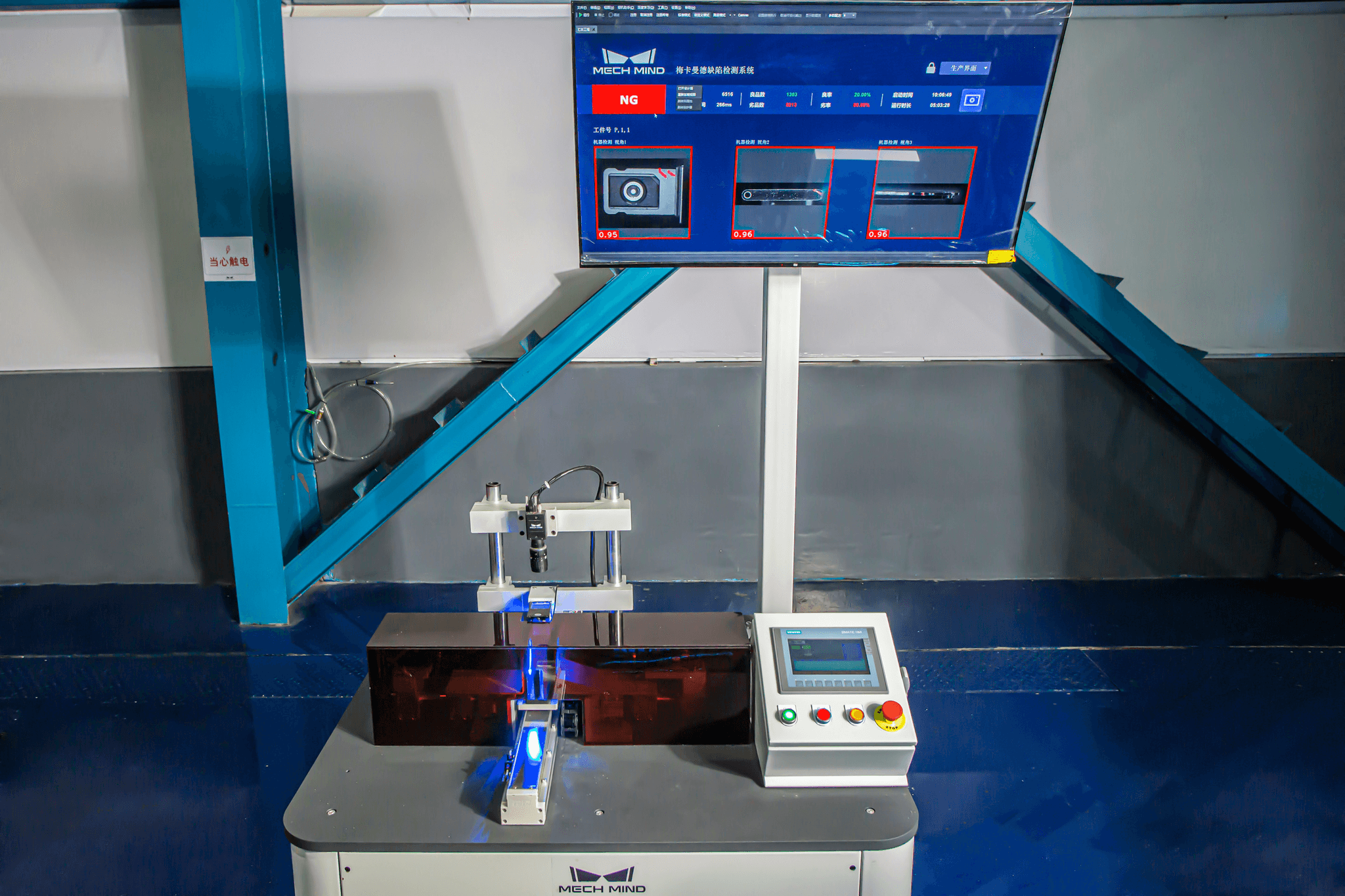
Implementing robust quality control measures is essential to ensure that aluminum foil meets industry standards and customer expectations. Regular calibration and maintenance of inspection equipment play a pivotal role in maintaining the accuracy of Aluminum Foil Inspection processes. By keeping measurement tools precise, manufacturers can consistently monitor the Thickness of Aluminum Foil, ensuring uniformity across batches and reducing rejection rates.
Equally important is investing in comprehensive staff training and certification programs. Well-trained technicians are better equipped to conduct Water Vapor Transmission assessments accurately and perform Wettability Tests with confidence. Continuous education on the latest inspection techniques ensures that teams stay sharp, minimizing errors and enhancing overall product quality through meticulous Aluminum Foil Inspection.
Incorporating feedback loops into the quality management system fosters a culture of continuous improvement. Analyzing data from Aluminum Foil Inspection results allows for quick identification of issues related to Thickness of Aluminum Foil or Water Vapor Transmission properties. These insights enable proactive adjustments, refining processes such as Wettability testing procedures to uphold high standards consistently.
Choosing the Right Inspection Partner
Selecting a reliable inspection partner is crucial in ensuring the quality of aluminum foil products, especially when it comes to critical factors like the Thickness of Aluminum Foil, Water Vapor Transmission of Materials, and Wettability Test results. A good partner understands the nuances of aluminum foil inspection and can tailor their methods to meet specific industry standards. Whether it's verifying uniform Thickness of Aluminum Foil or assessing water vapor barriers, partnering with experts makes all the difference in maintaining top-tier quality.
Why Trust China Inspection Pro Matters
Trusting China Inspection Pro means entrusting your aluminum foil manufacturing process to professionals who excel at Aluminum Foil Inspection. Their expertise ensures accurate measurement of Thickness of Aluminum Foil, which directly impacts product performance and safety standards. They also conduct rigorous assessments on Water Vapor Transmission of Materials and perform Wettability Tests to guarantee surface quality and moisture resistance—crucial factors for market competitiveness.
Case Studies of Successful Quality Improvements
One notable case involved a Chinese aluminum foil manufacturer struggling with inconsistent Thickness of Aluminum Foil across batches. By implementing China Inspection Pro’s comprehensive Aluminum Foil Inspection protocols, they achieved a 15% reduction in thickness variation and improved their Water Vapor Transmission properties significantly. Another success story saw a company enhance their Wettability Test procedures, leading to better surface adhesion qualities that satisfied international standards—showcasing how professional inspections directly elevate product reliability.
How Professional Inspections Enhance Brand Trust
Professional inspections like those offered by China Inspection Pro reinforce brand trust by ensuring every roll meets strict criteria for Thickness of Aluminum Foil and water vapor barriers. Consistent quality control through precise Water Vapor Transmission assessments and Wettability Tests builds confidence among clients and end-users alike. Ultimately, investing in expert aluminum foil inspection elevates your brand reputation by demonstrating unwavering commitment to excellence in every layer produced.
Conclusion

In the competitive world of aluminum foil manufacturing, superior aluminum foil inspection is the secret weapon that unlocks a real competitive advantage. Ensuring the thickness of aluminum foil meets strict standards, monitoring water vapor transmission of materials, and conducting wettability tests are all vital steps in delivering top-tier products. When producers prioritize rigorous inspection practices, they not only improve product quality but also build trust with clients and stand out in a crowded market.
Unlocking Competitive Advantage with Superior Inspection
A well-executed aluminum foil inspection process transforms good products into industry leaders by guaranteeing consistent quality. Paying close attention to the thickness of aluminum foil ensures uniformity that customers rely on for their applications, whether packaging or insulation. Additionally, assessing water vapor transmission of materials and performing wettability tests help identify potential flaws early, saving costly recalls and reputation damage down the line.
The Future of Aluminum Foil Quality Control in China
Looking ahead, advancements in aluminum foil inspection technology promise even greater precision and efficiency. Innovations such as non-destructive testing methods will make it easier to monitor critical parameters like thickness of aluminum foil without damaging the product. As water vapor transmission testing becomes faster and more accurate, manufacturers can better anticipate performance issues before products hit the market—setting new standards for excellence.
Partnering for Excellence with China Inspection Pro
Partnering with China Inspection Pro elevates your quality control game by providing expert inspections tailored specifically to aluminum foil's unique challenges—be it measuring thickness or evaluating water vapor transmission rates. Their team’s proficiency in conducting wettability tests ensures surface quality remains impeccable across batches. Choosing a trusted partner means your brand benefits from consistent quality assurance that boosts customer confidence and cements your position as an industry leader.