
Introduction
In the world of parenting, baby wipes are a staple item that plays a crucial role in maintaining hygiene and comfort for infants. However, not all baby wipes are created equal; the quality of these products can significantly impact a child's health and well-being. This brings us to the importance of Baby Wipe Inspection, which ensures that these essential products meet safety standards and provide peace of mind for parents.
Importance of Baby Wipe Quality
When it comes to baby wipes, quality is paramount. Parents trust that these products will be gentle on their baby's sensitive skin while effectively cleaning messes. Poor-quality wipes can lead to skin irritations or allergic reactions, making rigorous Baby Wipe Inspection vital in safeguarding infants' health.
Key Players in Baby Wipe Inspection
The landscape of baby wipe inspection involves various stakeholders, including manufacturers, regulatory bodies, and independent testing facilities. Each player has a role in ensuring that the wipes produced adhere to stringent safety and quality standards. It’s a collaborative effort where everyone works together to guarantee that consumers receive safe and effective products.
The Role of HRIPT in Safety
One critical component in the realm of baby wipe safety is the Human Repeat Insult Patch Test (HRIPT). This test evaluates how a product interacts with human skin over repeated applications, providing valuable insights into its safety profile. By incorporating HRIPT into their quality assurance processes, manufacturers can better understand potential risks associated with their baby wipes before they reach consumers.
Understanding Baby Wipe Inspection
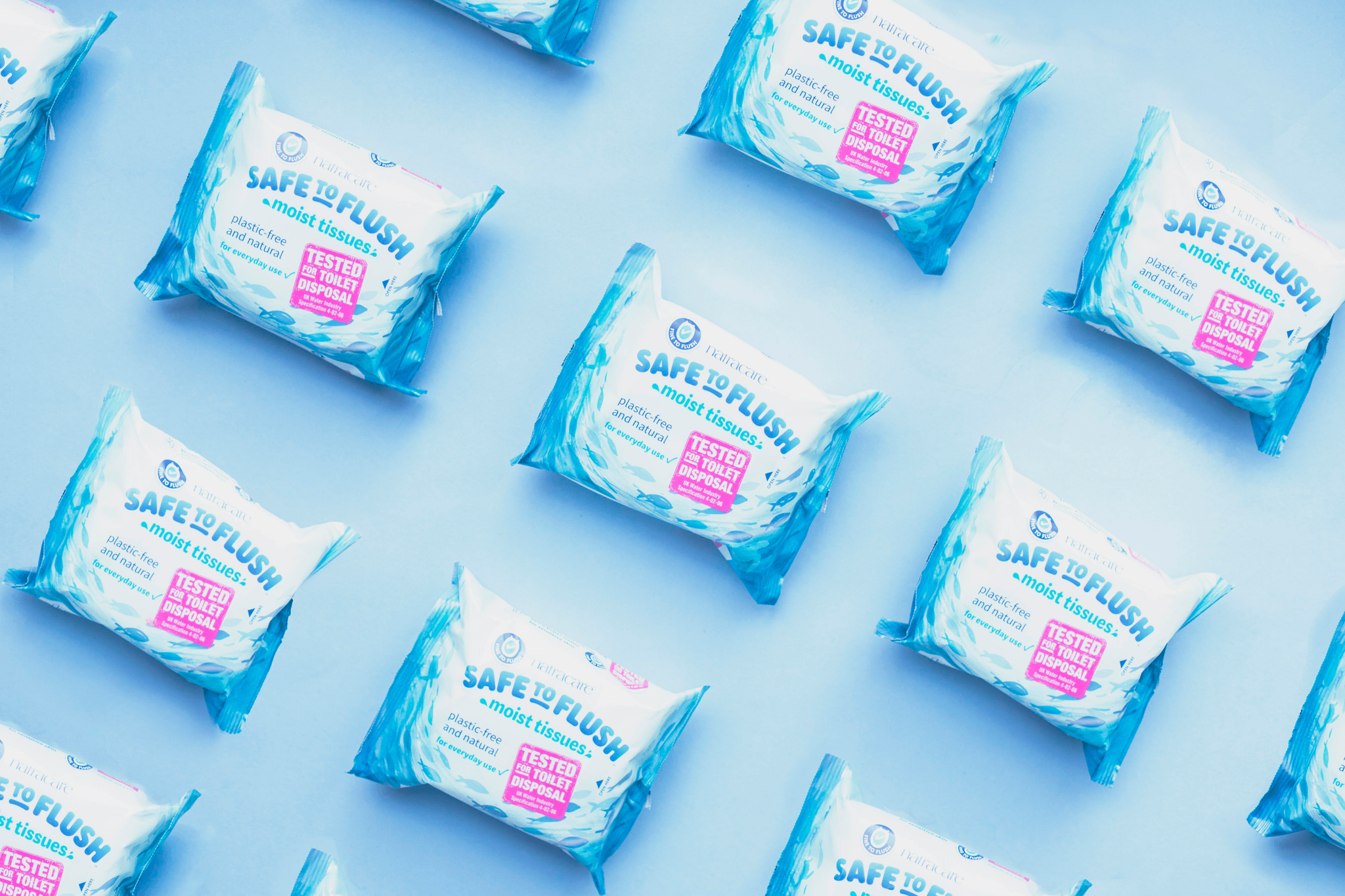
This is where Baby Wipe Inspection plays a pivotal role, serving as a safeguard against potential irritants and harmful substances. Through rigorous testing and evaluation, manufacturers can confirm that their products meet safety standards, providing peace of mind for parents.
How Inspections Ensure Safety
Baby Wipe Inspection is fundamentally about identifying any potential hazards before they reach consumers. These inspections assess everything from chemical composition to microbial contamination, ensuring that each wipe is safe for use on sensitive skin. By adhering to these stringent checks, companies can mitigate risks associated with allergic reactions or other adverse effects on babies.
When inspections are conducted properly, they act as an early warning system for manufacturers regarding any flaws in their products. This proactive approach not only protects consumers but also helps brands maintain their reputation in a competitive market. Ultimately, thorough inspections are essential for fostering trust between consumers and manufacturers.
Common Quality Standards for Baby Wipes
Quality standards for baby wipes vary by region but often include guidelines set by organizations such as ASTM International and ISO (International Organization for Standardization). These standards cover various aspects including absorbency, pH balance, and the absence of harmful chemicals—critical factors that contribute to the overall safety profile of baby wipes. Adhering to these benchmarks ensures that every product released into the market meets minimum safety requirements.
In addition to general quality standards, specific tests like the Human Repeat Insult Patch Test (HRIPT) evaluate how well baby wipes perform against skin irritation over repeated uses. Such testing is vital in determining whether a product can be labeled hypoallergenic or suitable for sensitive skin types. The combination of these standards and tests fortifies consumer confidence in choosing safe products for their little ones.
The Process of Inspecting Baby Wipes
The process of inspecting baby wipes begins with sourcing raw materials that meet established quality criteria; this sets the foundation for product integrity. After production, samples undergo various tests including physical assessments and microbiological evaluations to ensure compliance with safety regulations. Each step—from ingredient sourcing through final inspection—is crucial in maintaining high-quality standards throughout the manufacturing process.
During inspection, teams often utilize advanced technologies alongside traditional methods to analyze wipe composition thoroughly—this includes checking moisture levels and assessing texture consistency among batches. If any anomalies are detected during this phase, corrective actions can be implemented immediately before products hit store shelves. Thus, comprehensive inspections not only enhance product quality but also ensure ongoing adherence to regulatory requirements.
The Human Repeat Insult Patch Test
What is HRIPT?
The Human Repeat Insult Patch Test (HRIPT) is a clinical study designed to assess skin sensitivity and allergic responses to substances applied repeatedly over time. During this test, small amounts of the product are applied to patches placed on participants' skin at regular intervals. The goal is to monitor any adverse reactions that may develop due to repeated exposure, making it an essential step in Baby Wipe Inspection.
This method not only highlights immediate reactions but also identifies delayed hypersensitivity responses that could occur after several exposures. Essentially, HRIPT acts as an early warning system for potential allergens in baby wipes that could harm delicate skin. By utilizing this testing approach, manufacturers can ensure their products meet safety standards before reaching consumers.
Importance of HRIPT for Baby Wipes
The importance of HRIPT for baby wipes cannot be overstated; it serves as a benchmark for product safety and efficacy. Given that babies have particularly sensitive skin prone to rashes and allergies, ensuring that baby wipes do not provoke negative reactions is paramount for both parents and manufacturers alike. Conducting thorough Baby Wipe Inspection through HRIPT helps build trust between brands and consumers by demonstrating commitment to safety.
Moreover, failing to conduct proper HRIPT can lead to significant consequences including recalls, legal issues, or damage to brand reputation if a product causes harm. With an increasing number of parents prioritizing ingredient transparency and safety in their choices, having HRIPT results readily available can differentiate brands in a competitive market. Thus, integrating HRIPT into the quality assurance process enhances overall consumer confidence.
Interpreting HRIPT Results
Interpreting the results from an HRIPT requires careful analysis by trained professionals who can discern between various levels of skin irritation or allergy responses observed during testing phases. Typically categorized into grades ranging from 0 (no reaction) to 4 (severe reaction), these results guide manufacturers in understanding how their products will perform under real-world usage conditions during Baby Wipe Inspection processes.
A higher grade indicates greater risk for adverse effects upon repeated exposure; thus manufacturers must take these findings seriously when formulating their products further or adjusting marketing claims regarding gentleness and hypoallergenic properties. Additionally, understanding patterns in results across different demographics can help tailor products specifically designed for various sensitivities among infants.
In conclusion, interpreting HRIPT results not only aids in improving existing formulations but also contributes significantly towards advancing industry standards regarding baby wipe safety protocols—ensuring parents have peace of mind when choosing products for their little ones.
Evaluating Raw Materials
Sourcing Quality Ingredients
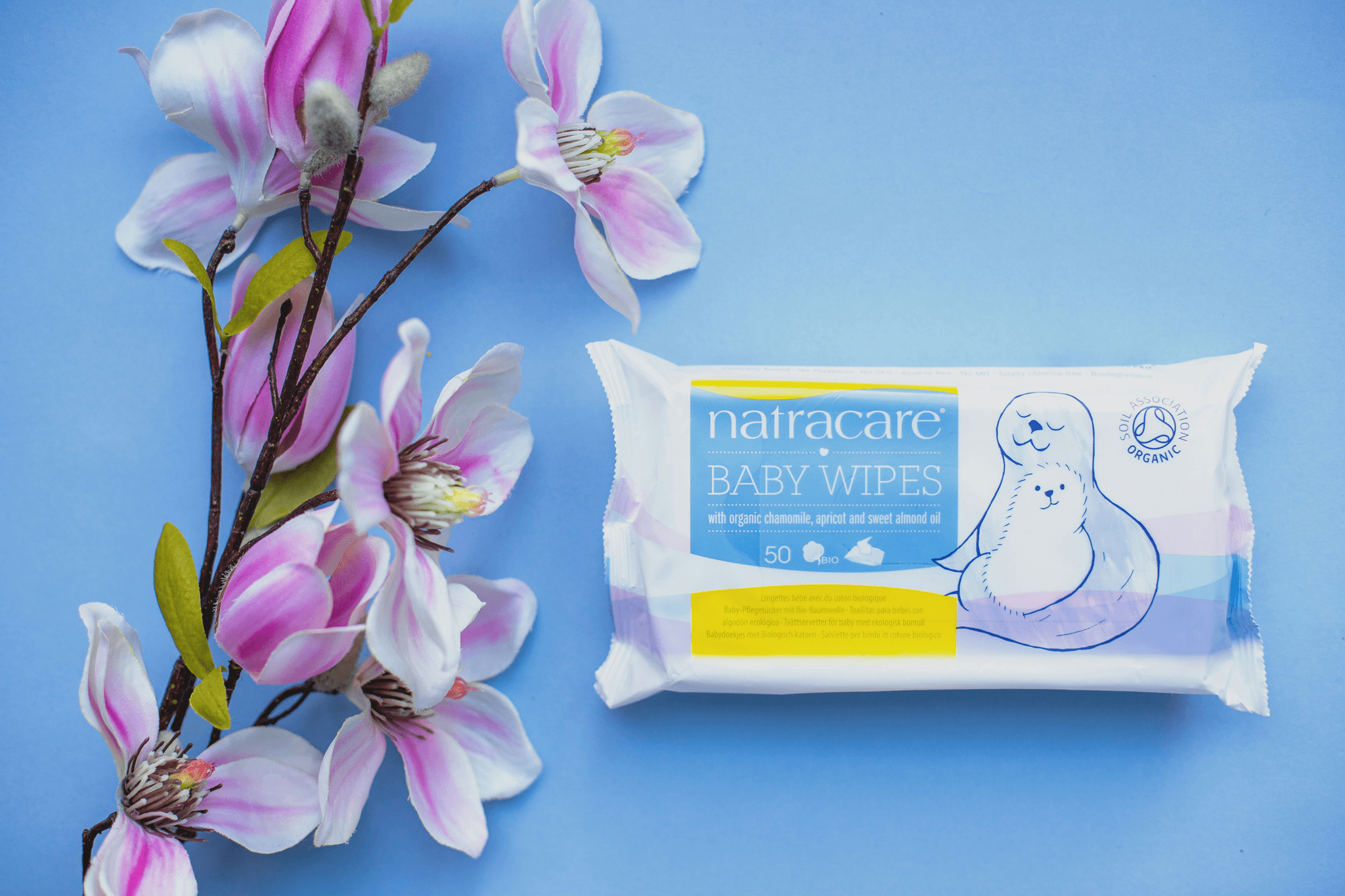
Sourcing quality ingredients is a non-negotiable step in producing safe baby wipes. Manufacturers must conduct thorough research to identify suppliers who adhere to high-quality standards and ethical practices. This diligence not only enhances the product's integrity but also plays a pivotal role in passing Baby Wipe Inspections, which are vital for ensuring consumer safety.
Moreover, using premium materials can significantly reduce the likelihood of adverse reactions, making tests like the Human Repeat Insult Patch Test (HRIPT) more favorable. When ingredients are sourced from reputable suppliers, manufacturers can be more confident in their product's performance and safety profile. After all, happy babies lead to happy parents!
The Impact of Material Quality on Safety
The impact of material quality on safety cannot be overstated; it's essentially the backbone of any successful baby wipe brand. High-quality materials minimize risks associated with skin irritations and allergic reactions—issues that can arise if inferior substances are used. Therefore, Baby Wipe Inspections often focus heavily on evaluating these materials to ensure they meet established health guidelines.
Incorporating safe and effective ingredients means that brands can confidently market their products as hypoallergenic or dermatologically tested, further enhancing consumer trust. If a product fails HRIPT due to poor material choices, it not only jeopardizes individual health but also tarnishes brand reputation in an increasingly competitive market. Ultimately, prioritizing material quality is a win-win for both manufacturers and consumers.
Regulatory Compliance and Raw Materials
Navigating regulatory compliance is essential when evaluating raw materials for baby wipes; it’s like following a treasure map where X marks the spot for safety! Compliance with local and international regulations ensures that all components used in production are safe for infants’ delicate skin while meeting industry standards during Baby Wipe Inspections. This adherence protects brands from legal repercussions and fosters consumer confidence.
Regulatory bodies often require extensive documentation regarding ingredient sourcing and testing results—such as those from HRIPT—to verify compliance with established guidelines. Manufacturers must stay updated on changing regulations to maintain their certifications and avoid costly recalls or penalties down the line. In this ever-evolving landscape of baby wipe production, staying compliant isn’t just good practice; it's essential for long-term success.
The Role of Testing Facilities

When it comes to ensuring the safety and quality of baby wipes, testing facilities play a pivotal role. These organizations are responsible for conducting thorough inspections and tests that verify compliance with industry standards. Their expertise helps manufacturers ensure that their products are safe for the sensitive skin of infants, making them an essential part of the baby wipe inspection process.
Leading Testing Organizations
Several leading testing organizations specialize in product safety and quality assurance in the baby wipe industry. Notable names include SGS, Intertek, and Bureau Veritas, each known for their rigorous testing protocols and commitment to consumer safety. These organizations conduct various assessments, including the Human Repeat Insult Patch Test (HRIPT), which evaluates potential allergic reactions to baby wipes.
Services Offered by China Inspection Pro
China Inspection Pro stands out among testing facilities by offering a comprehensive range of services tailored specifically for baby wipe inspection. Their offerings include material analysis, microbiological testing, and HRIPT evaluations to ensure that wipes meet both safety standards and consumer expectations. With a focus on transparency and accuracy, they provide detailed reports that help manufacturers make informed decisions about product quality.
Importance of Third-Party Verification
Third-party verification is crucial in building trust between consumers and manufacturers in the baby wipe market. By relying on independent testing facilities like China Inspection Pro, companies can demonstrate their commitment to quality through unbiased assessments that validate their claims about safety and efficacy. This level of transparency not only boosts consumer confidence but also enhances brand reputation in an increasingly competitive market where parents prioritize safety above all else.
Case Studies in Quality Control
Through various case studies, we can glean valuable insights into what works, what doesn’t, and how Baby Wipe Inspection plays a pivotal role in maintaining safety standards.
Successful Baby Wipe Brands
Some brands have truly set the gold standard in baby wipe quality through rigorous Baby Wipe Inspection processes. Companies like Huggies and Pampers have consistently demonstrated their commitment to safety by implementing comprehensive testing protocols, including the Human Repeat Insult Patch Test (HRIPT). These brands not only prioritize high-quality ingredients but also invest in third-party evaluations to validate their claims, reinforcing their reputations as trusted names among parents.
Their success stories often highlight how thorough inspections can lead to innovation and customer loyalty. For instance, one leading brand introduced hypoallergenic wipes after identifying gaps in consumer needs through feedback collected during inspections. This proactive approach not only enhanced their product line but also significantly boosted consumer trust.
In essence, successful baby wipe brands understand that consistent quality checks and adherence to safety standards are crucial for maintaining market leadership. By leveraging Baby Wipe Inspection as part of their core strategy, they ensure that every product released meets or exceeds expectations.
Lessons Learned from Inspection Failures
Not all stories end on a positive note; some lessons come from unfortunate missteps in the industry. A notable case involved a popular brand that faced backlash due to contaminated wipes reaching store shelves—a failure directly linked to insufficient Baby Wipe Inspection protocols. This incident highlighted the importance of rigorous testing procedures like HRIPT and how neglecting them can lead to severe consequences for both consumers and manufacturers.
Ultimately, these failures underscore an essential truth: effective quality control is not merely about compliance—it's about safeguarding families and building lasting relationships with consumers who rely on these products daily.
How Quality Control Affects Consumer Trust
Quality control isn’t just an operational requirement; it’s a cornerstone of consumer trust in baby wipe brands. When parents see companies committing wholeheartedly to rigorous Baby Wipe Inspection practices—including HRIPT—they feel more confident purchasing those products for their children’s sensitive skin. Transparency around testing results further enhances this trust; when brands openly share information about ingredient sourcing and safety testing protocols, they foster loyalty among discerning consumers.
Conversely, lapses in quality assurance can quickly erode this trust base—one negative experience can overshadow years of positive reputation-building efforts. Consumers today are more informed than ever; they actively seek out brands that prioritize safety through stringent inspection measures like HRIPT before making purchasing decisions. Consequently, companies must recognize that investing time and resources into robust quality control systems is vital not just for compliance but also for nurturing long-term relationships with customers.
In summary, effective quality control directly influences how consumers perceive brands within the baby wipe market—making it essential for manufacturers aiming for longevity and success.
Conclusion
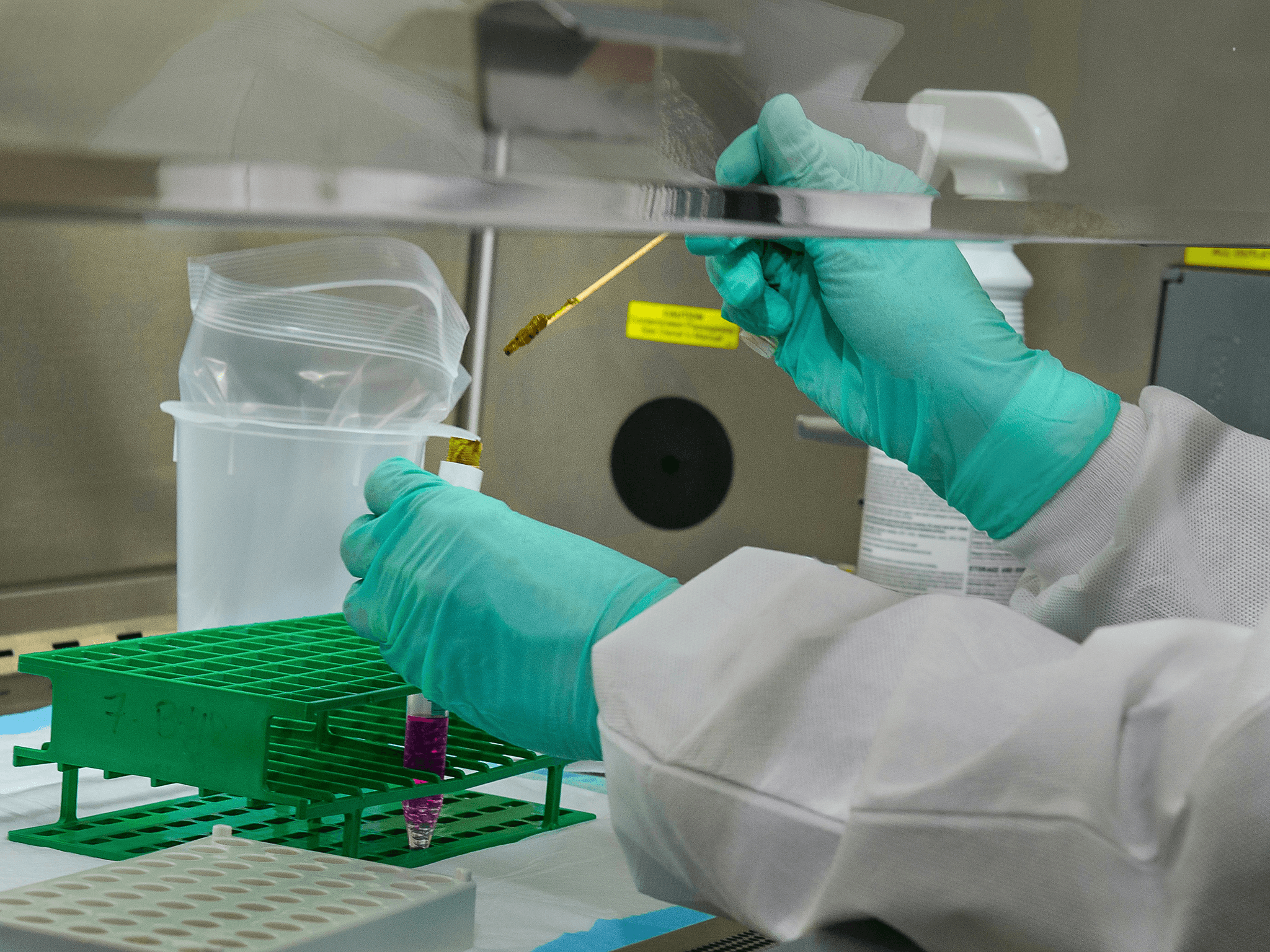
In wrapping up our exploration of baby wipe inspection, it’s clear that ensuring the safety and quality of these essential products is no small feat. From stringent testing methods to the pivotal role of the Human Repeat Insult Patch Test (HRIPT), each step in the process plays a crucial part in safeguarding our little ones. Ultimately, a commitment to high standards not only protects babies but also fosters trust among parents.
Key Takeaways from Baby Wipe Inspection
The inspection process for baby wipes is multifaceted, focusing on both ingredient quality and product safety. The Human Repeat Insult Patch Test (HRIPT) stands out as a vital method for assessing potential skin reactions, ensuring that wipes are gentle enough for delicate skin. Moreover, consistent adherence to established quality standards helps manufacturers maintain consumer confidence and loyalty.
The Future of Baby Wipe Safety
As we look ahead, the future of baby wipe safety appears promising yet challenging. Innovations in material sourcing and testing technology will likely enhance the effectiveness of baby wipe inspections significantly. The integration of real-time data analytics could allow manufacturers to respond swiftly to any safety concerns, further solidifying the importance of HRIPT in product development.
Importance of Continuous Quality Monitoring
Continuous quality monitoring is essential in maintaining high standards throughout the lifecycle of baby wipes. Regular inspections not only help identify potential issues before they escalate but also ensure compliance with evolving regulations and consumer expectations. Ultimately, prioritizing ongoing assessment will keep brands accountable and parents informed about their choices regarding baby wipe safety.