
Introduction
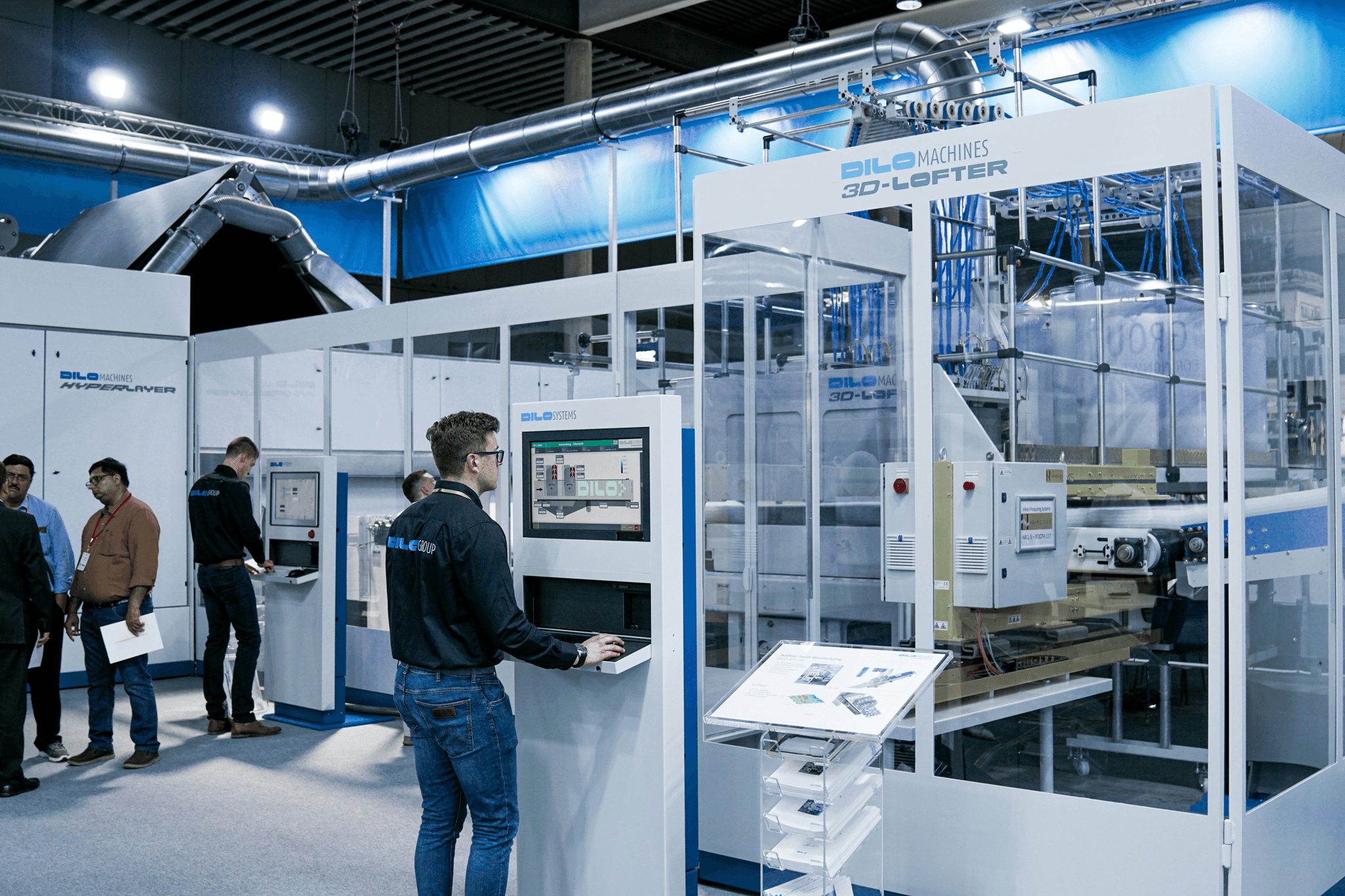
In today's fast-paced and competitive market, the importance of quality control cannot be overstated. Quality control companies are at the forefront of ensuring that products meet stringent standards, thereby safeguarding consumer trust and brand reputation. As industries evolve, so do the supplier quality roles and responsibilities that underpin effective quality management systems, making it crucial for organizations to adapt their strategies accordingly.
Why Quality Control Matters Today
Quality control matters today more than ever because it directly impacts customer satisfaction and loyalty. In an age where consumers have access to endless options, a single defect can tarnish a brand's image irreparably. Furthermore, robust QC quality check processes not only help in maintaining product consistency but also enhance operational efficiency by minimizing waste and reducing costs associated with rework or returns.
Key Attributes of Top Quality Control Companies
Top quality control companies share several key attributes that set them apart in the industry. They employ skilled professionals who understand the intricacies of supplier quality roles and responsibilities, ensuring thorough oversight throughout the supply chain. Additionally, these companies utilize advanced technology for quality control monitoring, enabling real-time data analysis and timely interventions to maintain high standards.
The Future of Quality Control Solutions
The future of quality control solutions looks promising as technology continues to reshape how businesses manage their production processes. Innovations such as artificial intelligence and machine learning are set to revolutionize QC practices by providing deeper insights into potential issues before they escalate. Moreover, as industries like fertilizer production place greater emphasis on sustainability, the role of quality control will expand to include eco-friendly practices that align with global trends towards responsible manufacturing.
Understanding Supplier Quality Roles and Responsibilities

In the realm of quality control, understanding supplier quality roles and responsibilities is crucial for maintaining high standards. Quality control companies rely on a well-defined structure to ensure that every link in the supply chain operates seamlessly. This section will explore essential skills for quality control professionals, effective navigation of the supply chain, and the importance of communication in overseeing quality.
Essential Skills for Quality Control Professionals
Quality control professionals are the backbone of any effective QC operation, armed with a diverse skill set that enables them to tackle challenges head-on. Key skills include analytical thinking, problem-solving abilities, and a keen attention to detail—qualities that ensure thorough qc quality checks are performed consistently. Additionally, familiarity with various quality management systems and standards is essential; this knowledge allows professionals to implement best practices across different industries.
Moreover, interpersonal skills play a significant role in fostering collaboration among teams within supplier quality roles and responsibilities. A successful quality control consultant not only understands metrics but also knows how to communicate findings effectively to stakeholders at all levels. In an environment where precision is paramount, these professionals must be adept at balancing technical expertise with soft skills to drive continuous improvement.
Navigating the Supply Chain Effectively
Navigating the supply chain effectively requires an acute understanding of each component's impact on overall product quality. Quality control companies often employ sophisticated methodologies to assess supplier performance regularly; this ensures alignment with established standards and mitigates risks associated with subpar materials or processes. By implementing robust qc quality checks throughout the supply chain journey—from raw material sourcing to final product delivery—companies can uphold their reputation for excellence.
Additionally, it’s essential for professionals in this field to develop strong relationships with suppliers; trust and transparency foster an environment where issues can be addressed proactively before they escalate into larger problems. This collaborative approach not only enhances supplier performance but also contributes significantly to effective quality production management strategies that benefit everyone involved in the process. Ultimately, navigating these complexities requires strategic foresight combined with operational agility.
Importance of Communication in Quality Oversight
In any discussion about supplier quality roles and responsibilities, communication stands out as a vital element in ensuring successful outcomes. Effective dialogue between team members facilitates timely decision-making regarding qc quality check results while keeping everyone aligned on project goals and expectations. Moreover, clear communication channels help identify potential issues early on—preventing costly setbacks down the line.
Quality control monitoring depends heavily on accurate reporting mechanisms; without them, valuable insights may go unnoticed or unaddressed altogether. Establishing consistent feedback loops between departments fosters accountability while empowering teams to take ownership of their contributions toward maintaining high-quality standards across all operations—including fertilizer production where precision is critical for safety and efficacy.
Ultimately, prioritizing open lines of communication not only streamlines processes but also cultivates a culture centered around continuous improvement—a hallmark trait among leading quality control companies striving for excellence in their respective fields.
Highlights of Leading Quality Control Companies
In the ever-evolving landscape of quality assurance, a few companies stand out as paragons of excellence. These quality control companies not only set benchmarks for others but also redefine what it means to ensure supplier quality roles and responsibilities are met with precision. Let’s take a closer look at three leaders in the field: China Inspection Pro, SGS, and Bureau Veritas.
China Inspection Pro: Excellence in Inspection
China Inspection Pro has carved a niche for itself by delivering unparalleled inspection services that emphasize attention to detail and accuracy. This company excels in qc quality checks across various sectors, ensuring that products meet stringent international standards before they reach consumers. Their team of skilled professionals understands the critical role of quality control monitoring, making them a trusted partner for businesses looking to uphold their reputation.
One notable aspect of China Inspection Pro is its commitment to transparency and communication throughout the inspection process. This aligns perfectly with the essential skills required for effective supplier quality roles and responsibilities within organizations today. By leveraging advanced technologies, they provide real-time updates, allowing clients to make informed decisions swiftly.
Moreover, their expertise extends into niche markets like electronics and textiles, where precise measurements can significantly impact product success. With a focus on continuous improvement and customer satisfaction, China Inspection Pro exemplifies how dedicated efforts in qc quality check processes can lead to substantial gains in overall product quality.
SGS: Global Leader in Quality Assurance
SGS stands tall as a global leader among quality control companies, renowned for its comprehensive suite of services that span multiple industries. Their rigorous approach ensures that every aspect of supplier quality roles and responsibilities is meticulously addressed through innovative solutions tailored to client needs. Whether it's food safety or industrial manufacturing, SGS has established itself as a benchmark for excellence in quality assurance.
What sets SGS apart is its commitment to integrating cutting-edge technology into its operations—enhancing both efficiency and accuracy in quality control monitoring processes. This tech-savvy approach allows them not only to keep pace with industry demands but also to anticipate future trends shaping the landscape of qc quality checks globally. Clients benefit from data-driven insights that help refine production management strategies while minimizing risks associated with subpar products.
Furthermore, SGS's extensive network enables them to provide localized support while maintaining global standards—a crucial factor for businesses operating across borders today. Their ability to adapt quickly ensures that they remain at the forefront of best practices in sustainable management within various sectors.
Bureau Veritas: Multi-Industry Quality Solutions
Bureau Veritas has long been synonymous with reliability when it comes to multi-industry solutions focused on enhancing product integrity through robust inspection services. This organization emphasizes the importance of understanding specific market needs while ensuring compliance with regulatory requirements—a critical element within supplier quality roles and responsibilities frameworks across diverse sectors such as construction or agriculture.
One area where Bureau Veritas shines brightly is its role concerning fertilizer production; they understand how vital it is for agricultural products to meet stringent safety standards without compromising efficacy or environmental sustainability. Their expertise helps clients navigate complex regulations while implementing best practices in qc quality checks throughout production cycles—ultimately leading toward improved yield outcomes.
Additionally, Bureau Veritas offers consulting services aimed at optimizing existing processes related to production management strategies—ensuring every step aligns seamlessly with overarching business goals focused on growth and sustainability initiatives alike! By fostering collaboration between stakeholders involved in these projects, they bolster confidence among clients seeking reliable partners committed not just today but well into tomorrow's evolving marketplace dynamics too!
The Role of Quality Control Consultants

In today's rapidly evolving market, quality control consultants play a pivotal role in enhancing quality processes across various industries. These professionals bring specialized knowledge and experience that can help organizations navigate the complex landscape of supplier quality roles and responsibilities. By implementing tailored strategies, they ensure that companies not only meet but exceed industry standards, ultimately driving customer satisfaction and loyalty.
How Consultants Enhance Quality Processes
Quality control consultants are adept at identifying inefficiencies in existing systems and proposing actionable solutions that lead to improved outcomes. Their expertise allows them to streamline qc quality check procedures, ensuring that every aspect of the production process is scrutinized for potential improvements. By leveraging advanced quality control monitoring techniques, these consultants can provide real-time insights into production workflows, enabling companies to make informed decisions swiftly.
Moreover, consultants often facilitate training sessions for staff members on best practices in quality production management. This empowers teams to take ownership of their roles in maintaining high standards throughout the supply chain. With a consultant's guidance, organizations can foster a culture of continuous improvement where everyone is invested in upholding quality benchmarks.
Case Studies: Successful Quality Improvements
One notable example of effective collaboration with a quality control consultant comes from the fertilizer industry. A leading fertilizer manufacturer faced challenges with product consistency due to variations in raw materials and processes. By partnering with a specialized consultant, they implemented rigorous qc quality check protocols and enhanced their monitoring systems, resulting in a 30% reduction in defects over six months.
Another case involved an electronics company struggling with supplier compliance issues that threatened their reputation among consumers. The consultant introduced comprehensive training programs focused on supplier quality roles and responsibilities while establishing clear communication channels between suppliers and internal teams. As a result, the company saw significant improvements in supplier performance metrics within just three months.
These success stories illustrate how engaging the right quality control consultant can transform operational efficiency while reinforcing commitment to excellence across all levels of production.
Choosing the Right Quality Control Consultant
Selecting an appropriate quality control consultant is crucial for achieving desired outcomes in your organization's quest for excellence. Start by assessing potential candidates’ backgrounds—look for those with proven experience working alongside reputable quality control companies or within your specific industry niche. Their familiarity with common challenges faced during qc quality checks will be invaluable as you work towards elevating your processes.
It's also essential to evaluate their approach toward collaboration; successful partnerships thrive on open communication and mutual respect between parties involved in optimizing production management strategies. Ask for case studies or references from previous clients to gauge how effectively they've addressed similar issues before making your final decision.
In conclusion, choosing the right consultant can significantly impact your organization's ability to maintain high-quality standards while navigating complex supply chains effectively—ensuring long-term success amidst ever-changing market demands.
Quality Check Processes: What to Expect

In the realm of quality control, understanding the check processes is crucial for both suppliers and manufacturers. Quality control companies implement structured procedures designed to ensure products meet established standards before they hit the market. By familiarizing yourself with these processes, you can better navigate supplier quality roles and responsibilities while enhancing your overall quality production management.
Overview of QC Quality Check Procedures
QC quality check procedures are systematic steps that guide the inspection and testing of products throughout their lifecycle. These procedures typically include initial assessments, in-process inspections, and final evaluations to ensure compliance with specifications. By adhering to these established protocols, quality control consultants can help organizations identify defects early on, reducing waste and improving efficiency.
During these checks, various metrics are evaluated depending on the industry—be it manufacturing or agriculture—where the role of quality control in fertilizer production becomes particularly significant. For instance, analyzing nutrient levels in fertilizers requires precise measurements that adhere to regulatory standards. Understanding these nuances allows businesses to maintain high-quality outputs while meeting customer expectations.
Technology's Impact on Quality Control Monitoring
The advent of technology has revolutionized how quality control monitoring is conducted across industries. Automated systems now allow for real-time data collection and analysis during QC quality checks, enabling faster decision-making and enhanced accuracy in inspections. As a result, many leading quality control companies leverage advanced software solutions that integrate seamlessly into existing workflows.
Moreover, technologies like AI and machine learning are being adopted to predict potential failures based on historical data trends—a game changer for maintaining supplier quality roles and responsibilities effectively. These innovations not only streamline processes but also significantly reduce human error during inspections, ensuring consistent product excellence across various sectors.
Common Pitfalls in Quality Checks and How to Avoid Them
Despite best efforts, common pitfalls can arise during QC quality checks that may compromise product integrity or lead to costly rework. One major issue is inadequate training for personnel involved in inspections; without proper knowledge of protocols or tools used for monitoring, errors are more likely to occur. Therefore, investing in robust training programs ensures that teams understand their roles within the broader context of quality production management.
Another frequent pitfall is a lack of communication between departments involved in the supply chain process; this often leads to misaligned expectations regarding product specifications or timelines for delivery from suppliers. To avoid this trap, fostering open lines of communication among all stakeholders will enhance collaboration and accountability within supplier relationships while maintaining high-quality standards throughout production cycles.
Lastly, failing to adapt QC processes as technology evolves can hinder an organization's ability to stay competitive within its industry landscape—especially when it comes to utilizing cutting-edge tools for effective monitoring by reputable quality control companies. Regularly reviewing and updating your QC procedures ensures alignment with current best practices while minimizing risks associated with outdated methods.
Quality Production Management Strategies

In the fast-paced world of manufacturing, integrating quality control into the production workflow is essential for maintaining high standards. Quality control companies emphasize that a seamless integration ensures that every stage of production meets predefined quality benchmarks. By embedding QC practices into daily operations, organizations can enhance efficiency and minimize defects, ultimately leading to higher customer satisfaction.
Integrating Quality Control in Production Workflow
The first step in effective quality production management is incorporating supplier quality roles and responsibilities directly into the production process. This means that everyone involved, from suppliers to assembly line workers, understands their part in upholding quality standards. Regular training sessions led by a quality control consultant can reinforce these roles and ensure that employees are equipped with the necessary skills to perform their tasks effectively.
Moreover, implementing a systematic QC quality check at various stages of production allows for early detection of potential issues. This proactive approach not only minimizes costs associated with rework but also fosters a culture of continuous improvement within the organization. When teams collaborate on maintaining high-quality outputs, it becomes easier to identify bottlenecks and streamline processes.
The Role of Quality Control in Fertilizer Production
Quality control plays a pivotal role in fertilizer production, where even minor deviations can have significant agricultural impacts. Ensuring that fertilizers meet stringent safety and efficacy standards is crucial for both manufacturers and end-users alike. Leading quality control companies often specialize in this sector by providing tailored solutions that address specific challenges associated with fertilizer manufacturing.
A robust QC monitoring system helps track raw materials and finished products throughout the supply chain, ensuring compliance with industry regulations. This vigilance not only protects consumers but also enhances brand reputation by demonstrating commitment to product integrity. Additionally, collaborating with knowledgeable quality control consultants can provide insights into best practices tailored specifically for fertilizer production.
Best Practices for Sustainable Quality Management
Sustainable quality management goes beyond mere compliance; it’s about creating lasting value through responsible practices. One key strategy involves leveraging technology to enhance QC monitoring capabilities across all stages of production. Automation tools can facilitate real-time data collection and analysis, allowing organizations to make informed decisions quickly while adhering to supplier quality roles and responsibilities.
Another best practice is fostering open communication channels among teams involved in the production process—this includes regular feedback loops between departments like R&D, manufacturing, and marketing. By sharing insights gained from qc quality checks or customer feedback, businesses can adapt their strategies promptly to meet evolving market demands while ensuring consistent product excellence.
Lastly, prioritizing employee engagement through training programs focused on sustainability principles reinforces a company’s commitment to long-term success in managing product quality efficiently. When everyone understands their contribution towards sustainable practices within the framework set by top-quality control companies, achieving organizational goals becomes significantly more attainable.
Conclusion

In the ever-evolving landscape of business, understanding how to evaluate quality control companies has become crucial for maintaining high standards and ensuring product integrity. Companies must assess potential partners not only by their reputation but also by their alignment with specific supplier quality roles and responsibilities that are essential for effective collaboration. This careful evaluation can lead to stronger partnerships and ultimately, superior products that meet customer expectations.
Evaluating Quality Control Companies Effectively
When it comes to evaluating quality control companies, a multi-faceted approach is essential. Look for firms that demonstrate a robust understanding of qc quality check processes, as this will indicate their capability in maintaining high-quality standards throughout the production cycle. Additionally, consider their experience in various industries; a diverse background often translates into innovative solutions tailored to your unique needs.
A critical aspect of this evaluation is the company's commitment to continuous improvement. Quality control consultants can provide valuable insights into how well these companies adapt to changing market demands and technological advancements. By prioritizing these factors, businesses can ensure they partner with organizations that will enhance their overall quality production management strategies.
Leveraging Technology for Better Quality Assurance
Technology has revolutionized the way we approach quality assurance in recent years, making it easier than ever for companies to implement effective quality control monitoring systems. With tools like artificial intelligence and machine learning, organizations can analyze data more efficiently and identify potential issues before they escalate into costly problems. Embracing these technologies not only streamlines qc quality check processes but also fosters a culture of proactive management.
Furthermore, leveraging technology allows businesses to maintain transparency throughout the supply chain, which is vital when navigating supplier quality roles and responsibilities. Enhanced communication channels facilitated by technology enable teams to collaborate more effectively and address concerns promptly—ultimately leading to improved product outcomes. As technology continues to advance, so too will the possibilities for enhancing quality assurance practices across industries.
Trends Shaping the Future of Quality Control
The future of quality control is being shaped by several key trends that promise exciting developments in how we manage product integrity and compliance standards. One significant trend is the increasing focus on sustainability within production processes; this includes examining the role of quality control in fertilizer production as industries seek greener solutions without compromising on performance or safety standards.
Additionally, an emphasis on data-driven decision-making is becoming increasingly prevalent among leading quality control companies as they harness analytics tools for real-time insights into product performance and compliance levels. The rise of remote inspections powered by digital technologies also signifies a shift towards more flexible approaches in ensuring product excellence while minimizing disruptions caused by geographical barriers or unforeseen circumstances.
As we look ahead, it's clear that adaptability will be essential for both organizations and individuals involved in quality management roles—whether they're working directly within production lines or serving as external consultants guiding businesses toward best practices in sustainable development.