
Introduction

In a world where consumers are increasingly discerning, the essence of quality control testing cannot be overstated. Quality assurance and quality control are not mere buzzwords; they represent the backbone of any production process, ensuring that products meet established standards. Understanding what is the purpose of quality control testing? is crucial for companies aiming to maintain their competitive edge.
Quality matters in production because it directly influences customer satisfaction and brand loyalty. When products are consistently high-quality, customers are more likely to return and recommend those products to others. Conversely, poor quality can lead to costly recalls, damaged reputations, and a loss of market share—demonstrating that investing in quality assurance is not just an option but a necessity.
Key players in quality assurance include quality assurance specialists who meticulously oversee the processes that ensure product integrity. These professionals employ various techniques and methods to evaluate product standards and prevent errors before they reach consumers. Their role is vital in implementing effective quality inspection protocols that uphold the company's commitment to excellence.
What is Quality Control Testing?

Quality control testing is a systematic process designed to ensure that products meet specified standards and requirements. It encompasses various activities that validate the quality of a product, service, or system throughout its lifecycle. Essentially, quality control acts as a safety net, catching defects before they reach consumers and ensuring that what is delivered meets the expectations laid out by both the company and its customers.
Defining Quality Control and Assurance
Quality control refers to the operational techniques and activities used to fulfill requirements for quality. In contrast, quality assurance is a broader concept focused on ensuring that processes are in place to prevent defects from occurring in the first place. Together, these practices answer an essential question: what is the purpose of quality control testing? The ultimate goal is to provide confidence that products not only meet regulatory standards but also satisfy customer needs.
The Role of Quality Assurance Specialists
Quality assurance specialists play a pivotal role in maintaining high standards within production environments. They are responsible for developing and implementing processes that ensure consistent product quality through rigorous testing and evaluation methods. Their expertise allows them to identify potential issues early on, making them invaluable when considering what is quality inspection and how it can be effectively integrated into production workflows.
Quality Control: A Necessity or a Luxury?
In today’s competitive market landscape, one might wonder: is quality control merely an optional add-on or an indispensable aspect of production? The reality is clear—quality control has evolved from being seen as a luxury to being recognized as essential for any business aiming for longevity and success. Companies that prioritize quality assurance testing often find themselves reaping benefits such as reduced costs associated with returns or rework while enhancing their brand reputation among customers.
Importance of Quality Inspection
Quality inspection is a cornerstone of effective quality control, serving as the bridge between production and consumer satisfaction. It ensures that products meet established standards and specifications, ultimately answering the question: what is the purpose of quality control testing? By implementing rigorous quality inspection processes, companies can uphold their commitment to excellence and reliability.
Evaluating Product Standards
Evaluating product standards is essential for maintaining high-quality assurance levels. Quality control processes involve assessing whether products conform to predetermined specifications, which helps in identifying any deviations early on. This proactive approach not only safeguards brand reputation but also reinforces customer trust in the quality assurance specialist's ability to deliver consistent results.
Preventing Costly Errors
One of the primary benefits of quality inspection lies in its capacity to prevent costly errors before they escalate into significant issues. By identifying defects during various stages of production, businesses can mitigate risks associated with recalls or rework—both of which can be financially draining. Ultimately, understanding what is quality control and implementing effective inspections leads to reduced waste and enhanced operational efficiency.
Enhancing Customer Satisfaction
Customer satisfaction hinges on delivering products that meet or exceed expectations, making quality inspection a vital component in this equation. When consumers receive high-quality items consistently, they are more likely to develop brand loyalty and provide positive feedback—key factors for long-term success. Thus, investing in robust quality assurance testing not only enhances customer satisfaction but also drives repeat business and referrals.
Quality Control Methods Explained
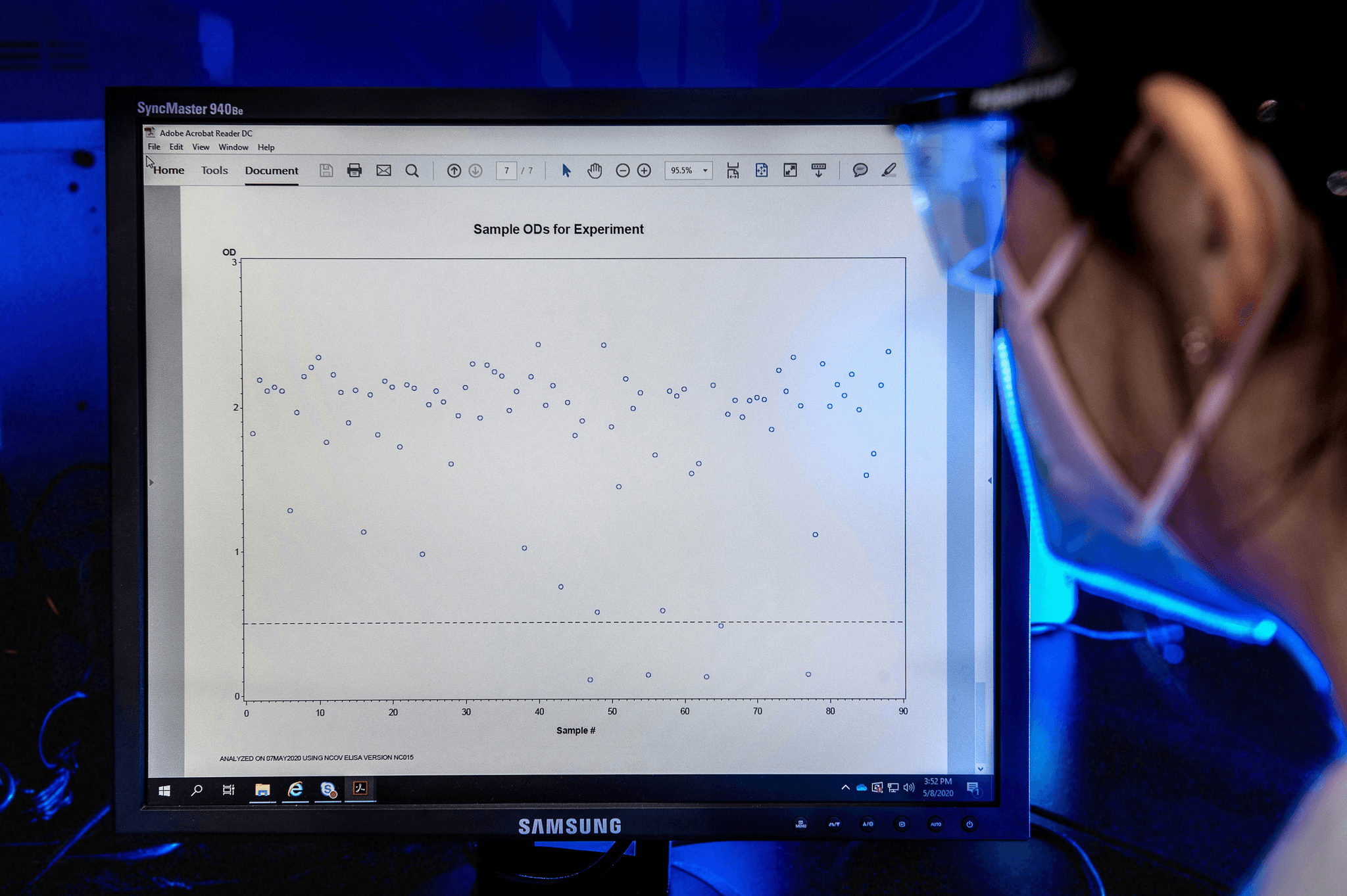
Quality control methods are essential for ensuring that products meet established standards and customer expectations. Understanding these methods allows businesses to implement effective quality assurance strategies that can enhance overall production processes. In this section, we will explore various quality control techniques, including statistical process control, acceptance sampling, and real-world applications.
Statistical Process Control Techniques
Statistical Process Control (SPC) is a vital technique in quality assurance that utilizes statistical methods to monitor and control production processes. The purpose of quality control testing in this context is to identify variations in the manufacturing process before they lead to defects. By employing SPC, quality assurance specialists can analyze data trends over time, ensuring that processes remain within acceptable limits and maintaining high-quality standards.
In practice, SPC involves the use of control charts to visualize data points related to production metrics. These charts help identify patterns or anomalies that may indicate potential issues with product quality or consistency. Ultimately, implementing statistical process control techniques not only enhances product quality but also improves operational efficiency by reducing waste associated with defective items.
Acceptance Sampling in Quality Control
Acceptance sampling is another crucial method in the realm of quality inspection and assurance testing. This approach involves inspecting a random sample of products from a batch rather than examining every single item, which can be time-consuming and costly. Essentially, acceptance sampling helps determine whether a batch meets predetermined quality criteria without the need for exhaustive testing.
The purpose of this method is clear: it allows companies to make informed decisions about accepting or rejecting entire batches based on a limited number of samples. Quality assurance specialists often employ acceptance sampling as part of their strategy to minimize risks while ensuring compliance with industry standards. By effectively using acceptance sampling techniques, businesses can streamline their operations while maintaining high levels of product integrity.
Real-World Applications of Quality Control
Quality control methods are not just theoretical concepts; they have practical applications across various industries that demonstrate their importance in everyday operations. For instance, in manufacturing sectors like automotive or electronics, rigorous quality inspection processes ensure that components meet safety regulations and performance standards before reaching consumers' hands. The question what is the purpose of quality control testing? becomes evident as these practices prevent costly recalls and bolster brand reputation.
Additionally, service industries such as healthcare utilize quality assurance practices to maintain high service standards and patient safety protocols—proving that effective quality control extends beyond tangible products into services as well. Moreover, companies leveraging advanced technologies like automation and AI for real-time monitoring are reaping significant benefits from enhanced accuracy in their quality assessments. Ultimately, real-world applications underscore how vital robust quality assurance strategies are for driving business success across diverse sectors.
How Quality Control Testing Benefits Companies

Quality control testing serves as a cornerstone for companies striving to deliver exceptional products and services. By implementing robust quality assurance practices, businesses can enhance their overall reputation in the marketplace. Ultimately, understanding what is the purpose of quality control testing? is vital for any organization looking to thrive in a competitive landscape.
Improving Brand Reputation
A strong brand reputation hinges on consistent quality assurance and reliable quality control measures. When customers know they can trust a brand to deliver high-quality products, they are more likely to become repeat buyers and advocates. In this context, quality inspection plays an essential role in maintaining that trust; it ensures that every product meets established standards before reaching consumers.
Moreover, when companies prioritize quality assurance testing, they significantly reduce the likelihood of defects or recalls, which can tarnish a brand's image overnight. By committing to rigorous quality control processes, businesses not only protect their reputation but also cultivate customer loyalty over time. Thus, investing in effective quality control what is essentially about safeguarding one’s brand in an ever-evolving market.
Streamlining Production Processes
Streamlining production processes is another significant benefit of implementing thorough quality control systems within a company. Quality assurance specialists play a crucial role here by identifying inefficiencies and areas for improvement throughout the production cycle. When everyone understands the importance of quality inspection at each stage of production, it fosters collaboration and encourages proactive problem-solving.
Additionally, effective quality control methods help ensure that resources are utilized efficiently—reducing bottlenecks and expediting delivery times. This not only enhances operational efficiency but also allows companies to respond swiftly to market demands without compromising on product integrity. Ultimately, understanding what is the purpose of quality control testing? becomes clear: it’s about refining processes for better outcomes.
Reducing Waste and Increasing Efficiency
One of the most compelling reasons for investing in robust quality assurance practices is their ability to reduce waste while increasing efficiency across operations. Ineffective production often leads to unnecessary costs associated with rework or scrapping defective products—expenses that can quickly add up over time if left unchecked. Quality control techniques such as statistical process control help identify trends early on so that corrective actions can be taken before issues escalate.
Moreover, when organizations commit themselves fully to consistent quality assurance testing protocols, they often discover hidden efficiencies within their workflows that were previously overlooked. This newfound insight allows companies not just to save money but also enhances overall productivity levels—a win-win situation! In essence, embracing effective strategies around what is the purpose of quality control testing? translates directly into tangible business benefits like reduced waste and heightened operational efficiency.
Challenges in Quality Control Testing

Quality control testing is crucial, but it doesn't come without its hurdles. Companies often face a myriad of challenges that can hinder their quality assurance efforts. Understanding these obstacles is essential for maintaining effective quality control and ensuring that products meet the desired standards.
Common Pitfalls to Avoid
When discussing what is the purpose of quality control testing, it's vital to recognize common pitfalls that many organizations encounter. One major mistake is neglecting the importance of thorough documentation; without proper records, tracking quality issues becomes nearly impossible. Additionally, failing to involve all team members in quality assurance can lead to inconsistencies and misunderstandings about quality inspection protocols.
Another pitfall lies in treating quality control as a mere checkbox exercise rather than an integral part of the production process. This mindset can result in superficial inspections and missed defects, ultimately affecting product reliability and customer satisfaction. Companies must prioritize continuous improvement and adapt their quality assurance strategies to avoid falling into these traps.
Navigating Regulatory Requirements
Navigating regulatory requirements is another significant challenge for those involved in quality assurance testing. Different industries have specific regulations that dictate how products must be tested and inspected; failure to comply can result in hefty fines or even product recalls. Understanding what is required not only ensures compliance but also reinforces the importance of maintaining high-quality standards throughout production.
Quality control specialists must stay informed about changes in regulations and industry standards, which can often be confusing or cumbersome to track. This requires ongoing training and education for both staff and management alike, ensuring everyone understands their role within the overall framework of quality assurance. By proactively addressing regulatory requirements, companies can strengthen their commitment to effective quality control.
The Impact of Global Supply Chains
The global nature of modern supply chains presents unique challenges for quality inspection processes as well. When sourcing materials from multiple countries, variations in manufacturing practices can lead to discrepancies in product quality—a concern that directly impacts what is the purpose of quality control testing? Ensuring consistent standards across borders requires robust communication channels and coordinated efforts among all stakeholders.
Moreover, cultural differences may influence perceptions regarding what constitutes acceptable levels of quality assurance—which means companies need to remain vigilant when managing international partnerships. The complexity introduced by global supply chains necessitates a comprehensive approach to ensure that every component meets established standards before reaching consumers’ hands. By embracing these challenges head-on, organizations can enhance their overall efficiency while safeguarding their brand reputation.
Conclusion
In the ever-evolving landscape of production, the essence and purpose of quality control testing cannot be overstated. Quality assurance is not merely a checkpoint; it is a fundamental aspect that ensures products meet established standards and customer expectations. By understanding what quality control is and its significance, companies can foster a culture of excellence that resonates throughout their operations.
Summarizing the Purpose of Quality Control Testing
What is the purpose of quality control testing? At its core, quality control serves to identify defects before they reach consumers, safeguarding both brand reputation and customer satisfaction. Quality inspection processes are designed to catch errors early in production, which can save companies from costly recalls or reputational damage down the line.
Quality assurance specialists play a critical role in this process by implementing rigorous testing protocols that ensure compliance with industry standards. The importance of these specialists cannot be underestimated; they are the gatekeepers who ensure that only products meeting stringent criteria make it to market. Ultimately, effective quality control not only enhances product reliability but also builds lasting trust with consumers.
The Future of Quality Assurance in Industry
Looking ahead, the future of quality assurance seems poised for transformation driven by technological advancements and globalization. As industries embrace automation and data analytics, quality control will evolve beyond traditional methods into more predictive approaches that anticipate issues before they arise. This shift will redefine what we consider to be effective quality assurance testing.
Moreover, as global supply chains become increasingly complex, maintaining consistent quality across borders will require innovative solutions and collaboration among international partners. Companies must adapt their strategies to address emerging challenges while ensuring robust quality inspection processes remain intact. In this dynamic environment, staying ahead means continuously refining practices to uphold high standards of quality control.
Leveraging Expertise from China Inspection Pro
One avenue for enhancing quality assurance efforts lies in leveraging expertise from specialized firms like China Inspection Pro. These organizations bring invaluable insights into local regulations and best practices for effective quality control in diverse markets. By partnering with such experts, businesses can navigate complexities and elevate their own standards through tailored solutions.
The knowledge gained from working alongside seasoned professionals can significantly enhance internal capabilities related to what is considered top-tier quality assurance testing methodologies today. Furthermore, tapping into this expertise allows companies to streamline their operations while ensuring compliance with international benchmarks for product safety and reliability. Ultimately, leveraging specialized knowledge stands as an essential strategy for any organization aiming to thrive in today's competitive landscape while maintaining exceptional levels of product integrity.