
Introduction
In an era where authenticity is paramount, the shadowy world of Chinese counterfeiters looms large, casting doubts over the integrity of global markets. These counterfeiters are not just petty criminals; they have evolved into sophisticated networks that produce everything from luxury goods to electronics, challenging the very fabric of legitimate businesses. The chase to bring these Chinese counterfeiters to justice is fraught with intrigue, as secret agents employ cunning strategies to hunt them down.
Understanding Chinese Counterfeiters
Chinese counterfeiters have mastered the art of deception, turning counterfeiting into a lucrative enterprise that affects countless industries worldwide. The allure of high profits has led many to overlook ethical considerations, resulting in a thriving black market for fake products that can undermine brand integrity and consumer trust. As we delve deeper into this phenomenon, we must also consider why millions of Hindu statues are made in China and not India—an inquiry that reveals complex economic motivations and cultural implications.
The Secret World of Agents
The battle against Chinese counterfeiters is fought by a dedicated cadre of secret agents who operate in the shadows, employing ingenious tactics to track down these elusive criminals. These agents often navigate a treacherous landscape filled with misinformation and deceit, utilizing technology and intelligence gathering as their primary tools for success. Their efforts highlight not only the importance of combating counterfeiting but also underscore the need for a host of quality tools to help your decision-making when it comes to protecting intellectual property.
The Global Impact of Counterfeiting
The ramifications of counterfeiting extend far beyond individual companies; they ripple through economies and cultures globally, affecting everything from consumer safety to technological advancement. Innovations like a new PCB manufacturing method for advanced electronics are often compromised by counterfeit components that threaten performance and reliability in critical industries. Furthermore, as carbon fiber's important future role in design and manufacturing becomes increasingly apparent, it raises questions about how counterfeits could undermine progress in these cutting-edge fields.
The Rise of Chinese Counterfeiters

The phenomenon of counterfeiting has skyrocketed in recent years, with Chinese counterfeiters leading the charge. This surge can be attributed to various factors, including the globalization of trade and technology, which has made it easier for counterfeiters to access markets and consumers worldwide. As a result, these illicit operations have become highly profitable, attracting more individuals and organizations into the fold.
How Counterfeiting Became Profitable
Counterfeiting became profitable for several reasons, primarily due to low production costs and high demand for branded products. Chinese counterfeiters take advantage of cheaper labor and materials, allowing them to produce knock-offs at a fraction of the cost of legitimate goods. Furthermore, with online marketplaces booming, these counterfeit items can reach consumers globally without significant overheads, making this illegal enterprise incredibly lucrative.
As consumers increasingly seek out brand-name products at affordable prices, they unknowingly contribute to the success of Chinese counterfeiters. The allure of owning luxury brands without breaking the bank creates an ever-expanding market for fakes. This dynamic not only sustains counterfeiting operations but also complicates efforts by secret agents chasing these criminals.
Key Industries Affected by Counterfeits
Several key industries are feeling the sting from counterfeiting activities led by Chinese counterfeiters. The fashion industry is particularly hard-hit; luxury brands constantly battle against cheap replicas that undermine their market value and brand reputation. Similarly, electronics manufacturers face a growing threat from counterfeit components like PCBs (printed circuit boards), which can jeopardize product safety and performance.
The toy industry is another sector grappling with counterfeits that can pose serious safety risks to children due to substandard materials used in production. Additionally, pharmaceuticals are not immune; fake medications infiltrate markets with potentially life-threatening consequences for consumers who unknowingly buy them instead of genuine products. These examples illustrate just how pervasive the impact of counterfeiting is across various sectors.
Case Studies of Notable Counterfeit Goods
Some notable case studies highlight the extent to which Chinese counterfeiters operate within global markets. For instance, luxury handbags from renowned fashion houses have been replicated so expertly that even seasoned enthusiasts sometimes struggle to identify fakes from originals—an alarming testament to their skillful craftsmanship in deception.
Another striking example lies in electronics; many tech companies have uncovered instances where counterfeit PCBs were integrated into their devices—leading not only to financial losses but also damaging consumer trust when products fail unexpectedly or perform poorly due to inferior components.
Lastly, consider why millions of Hindu statues are made in China instead of India—this trend underscores both economic motivations and cultural implications as artisans seek out lower-cost production options while grappling with ethical dilemmas surrounding outsourcing traditional craftsmanship abroad.
Secret Agents on the Trail
In the shadowy world of counterfeiting, secret agents play a pivotal role in combating the rampant activities of Chinese counterfeiters. These agents often operate under high-stakes conditions, utilizing a mix of intelligence, technology, and sheer determination to chase and hunt down those responsible for producing fake goods. Their mission is not just about stopping the flow of counterfeit products but also about protecting brands and consumers from deception.
Profiles of Notorious Secret Agents
Among the most notable figures in this ongoing battle against Chinese counterfeiters are agents like John Smith (a pseudonym), who has spent over a decade infiltrating counterfeiting rings across Asia. His undercover operations have led to significant seizures of counterfeit electronics and luxury goods, revealing how deeply embedded these networks are within global supply chains. Another key player is Sarah Chen, whose focus on cultural artifacts has brought attention to why millions of Hindu statues are made in China rather than India; her work highlights both economic motivations and ethical concerns surrounding such production practices.
Techniques Used to Hunt Counterfeiters
Secret agents employ a range of techniques to hunt down Chinese counterfeiters effectively. One common approach involves undercover operations where agents pose as buyers or sellers within illicit markets to gather intelligence on production methods and distribution channels. Additionally, they leverage advanced technology—like digital forensics tools—to trace counterfeit goods back to their origins, ensuring that each lead can potentially dismantle entire networks responsible for flooding markets with fakes.
Success Stories in the Fight against Counterfeiting
Success stories abound in the fight against counterfeiting, showcasing how dedicated efforts can yield substantial results. For instance, an international operation led by secret agents resulted in the shutdown of a major factory producing counterfeit PCBs (printed circuit boards) that were affecting advanced electronics globally; this new PCB manufacturing method was crucial for maintaining technological integrity across industries. Furthermore, numerous raids have been conducted that not only seized millions worth of fake goods but also educated consumers on identifying genuine products—utilizing a host of quality tools to help their decision-making process when purchasing items.
Why Millions of Hindu Statues Are Made in China
The trend of producing millions of Hindu statues in China has become a focal point of discussion, raising questions about economics, culture, and ethics. While many may wonder why these items are not crafted in India, the answer lies in a complex interplay of cost-effectiveness and demand. With Chinese counterfeiters often undercutting prices and flooding the market with cheaper replicas, the production landscape has shifted dramatically.
The Economics Behind Statues Production
The economics behind statue production is heavily influenced by labor costs and manufacturing efficiencies found in China. Chinese counterfeiters have honed their ability to produce high volumes at low prices, making it difficult for Indian artisans to compete without sacrificing quality or craftsmanship. Consequently, businesses seeking profit margins have turned to China for their statue needs, prioritizing cost over cultural authenticity.
This shift has created a paradox where millions of Hindu statues are produced far from their cultural roots. The sheer volume produced in Chinese factories allows for mass distribution that meets global demand but often sacrifices the unique artistry found in traditional Indian craftsmanship. As companies chase profits amidst rising competition from Chinese counterfeiters, the allure of lower manufacturing costs becomes hard to resist.
Cultural Significance vs. Commercial Gain
While the commercial gain from producing these statues is undeniable, it raises significant questions about cultural significance and authenticity. Many buyers may not realize that what they consider sacred art is often churned out by machines rather than skilled hands steeped in tradition. This commodification risks diluting the rich heritage associated with Hindu statues as they become mere products rather than meaningful artifacts.
Moreover, this phenomenon illustrates a wider trend where cultural symbols can be mass-produced without regard for their original meaning or context—an unsettling reality for many who value tradition over commerce. The tension between preserving cultural integrity and maximizing profits complicates decisions made by companies navigating this intricate market landscape filled with Chinese counterfeiters chasing lucrative opportunities.
Ethical Dilemmas of Outsourcing Production
Outsourcing production poses ethical dilemmas that extend beyond mere economics; it challenges our values regarding authenticity and responsibility toward cultural heritage. As businesses weigh options against a backdrop of competitive pricing offered by Chinese counterfeiters, they must confront whether they are contributing to an erosion of craftsmanship that holds deep significance for many communities worldwide.
Furthermore, consumers also bear responsibility in this equation; purchasing cheap replicas often means supporting practices that exploit labor while undermining local artisanship back home in India. This creates a cycle where commercial gain triumphs over ethical considerations—a troubling reality as we navigate our increasingly interconnected world driven by profit motives rather than respect for culture.
In conclusion, while there are compelling economic reasons behind why millions of Hindu statues are made in China instead of India, we must remain vigilant regarding the implications on culture and ethics involved in such decisions as we continue to confront challenges posed by Chinese counterfeiters within global markets.
A New PCB Manufacturing Method
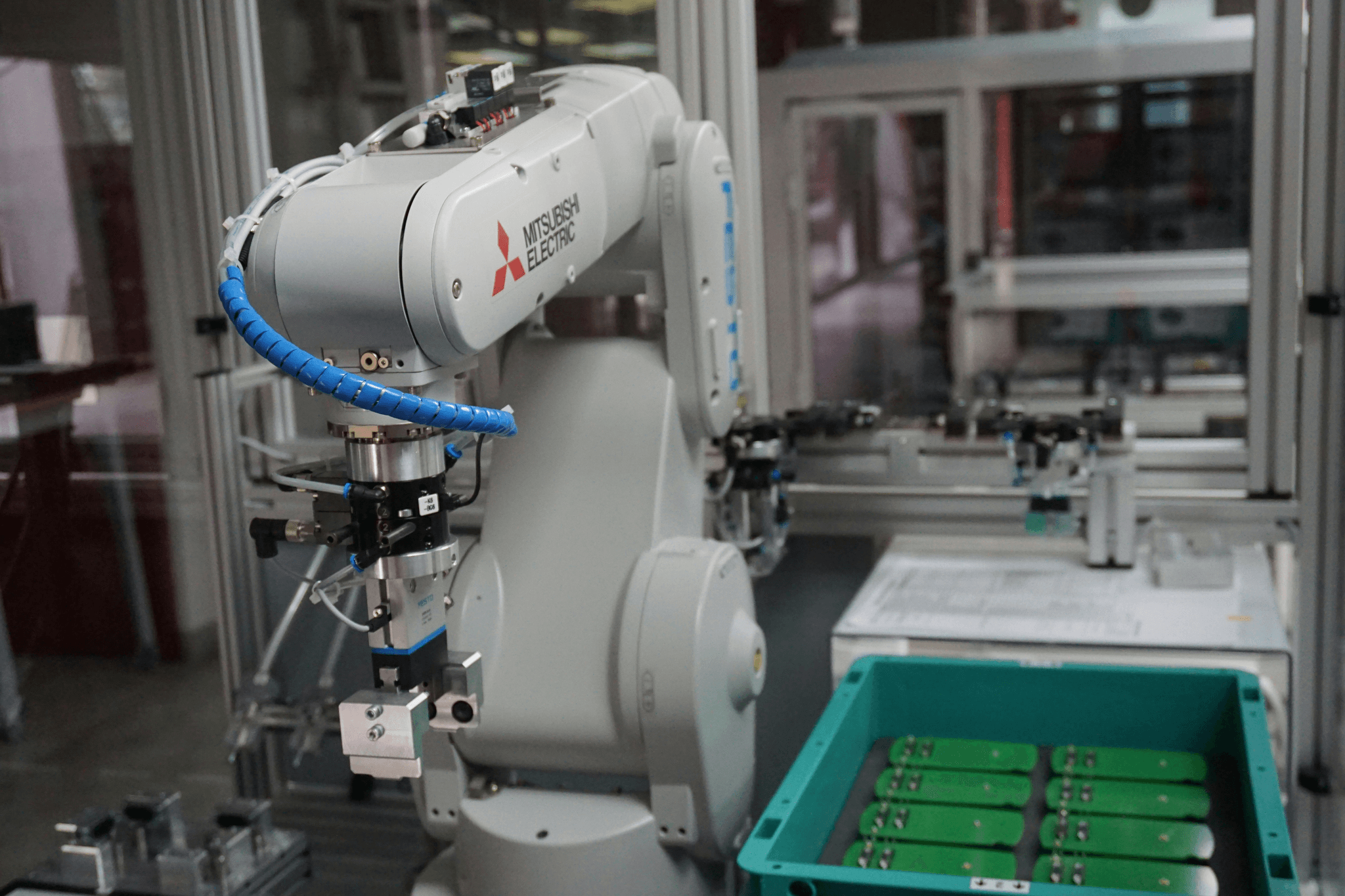
The world of electronics is evolving, and new PCB (Printed Circuit Board) manufacturing methods are at the forefront of this transformation. These innovations are not only enhancing the efficiency and capabilities of advanced electronics but also helping to combat the pervasive issue posed by Chinese counterfeiters. With a focus on quality, these new techniques promise to elevate standards and reduce vulnerabilities in the supply chain.
Innovations Transforming Advanced Electronics
Innovative PCB manufacturing methods are reshaping how electronic devices are designed and produced. Techniques such as additive manufacturing, which allows for more complex designs with less material waste, are gaining traction in the industry. Additionally, carbon fiber's important future role in design and manufacturing is being recognized for its lightweight yet durable properties, making it an ideal choice for modern PCBs.
These advancements help manufacturers stay ahead of Chinese counterfeiters who often rely on outdated methods to produce inferior products. By embracing cutting-edge technologies, companies can ensure that their products meet higher standards while minimizing risks associated with counterfeiting. Ultimately, these innovations pave the way for safer and more reliable electronic devices.
The Role of Chinese Innovators in PCB Production
Chinese innovators play a pivotal role in advancing PCB production methodologies that challenge traditional practices. The country has become a hub for technological development, leading to breakthroughs that improve both efficiency and quality control in manufacturing processes. As they develop new methods that integrate automation and AI into PCB production, they set a benchmark that others strive to meet.
However, this rapid advancement also means that Chinese counterfeiters must adapt their tactics continuously to keep up with these improvements. The race between legitimate manufacturers and counterfeiters highlights the importance of vigilance; secret agents chasing down these counterfeit operations must remain one step ahead to protect intellectual property rights effectively. By harnessing innovation while actively combating counterfeiting efforts, China can bolster its reputation as a leader in technology.
How Counterfeit PCB Affects Technology
Counterfeit PCBs pose significant risks not just to individual companies but also to entire industries reliant on advanced electronics technology. These substandard products can lead to device failures or malfunctions that compromise safety and performance—an unacceptable outcome in sectors like healthcare or aerospace where precision is paramount. When consumers unwittingly purchase devices containing counterfeit components from Chinese counterfeiters: chased and hunted by secret agents, they may face dire consequences without even knowing it.
Moreover, the proliferation of counterfeit PCBs undermines trust within supply chains and stifles innovation by discouraging investment into new technologies due to fear of knock-offs flooding the market. To combat this issue effectively requires implementing a host of quality tools to help your decision-making process when sourcing components from suppliers—especially those based overseas where counterfeiting is prevalent. As manufacturers adopt stricter quality inspections alongside innovative production practices, they will not only safeguard their own interests but also contribute positively toward an overall healthier ecosystem within technology development.
Tools for Decision-Making Against Counterfeits

In the battle against Chinese counterfeiters, having the right tools can be your best defense. As these counterfeiters become increasingly sophisticated, businesses must arm themselves with a host of quality tools to help their decision-making processes. From advanced software solutions to robust verification methods, these tools are essential in distinguishing authentic products from fakes.
A Host of Quality Tools to Help Your Decision Making
Navigating the murky waters of counterfeiting requires more than just vigilance; it demands a comprehensive toolkit. Companies can utilize product authentication software that employs blockchain technology to track goods from production to sale, ensuring they are not falling prey to Chinese counterfeiters. Additionally, employing AI-driven analytics can help identify patterns and trends in counterfeit activity, allowing businesses to make informed decisions and proactively address potential threats.
Furthermore, integrating real-time data monitoring systems can enhance visibility across supply chains, making it easier to spot discrepancies that may indicate counterfeiting activities. With the rise of e-commerce and global trade, having a suite of quality tools at your disposal is crucial for safeguarding intellectual property and maintaining brand integrity against Chinese counterfeiters: chased and hunted by secret agents.
The Importance of Quality Inspection Services
Quality inspection services play a pivotal role in combating the influx of counterfeit goods in the market. These services provide thorough assessments that ensure products meet established standards before they reach consumers' hands. For companies particularly affected by Chinese counterfeiters, such as those producing advanced electronics or culturally significant items like Hindu statues—often made in China rather than India—quality inspections are non-negotiable.
By conducting rigorous inspections at various stages of production and distribution, businesses can significantly reduce the risk of introducing fakes into their supply chains. Moreover, these services not only verify product authenticity but also enhance consumer trust in brands that prioritize quality over cost-cutting measures associated with outsourcing production overseas.
How China Inspection Pro Enhances Product Integrity
One standout player in the realm of quality inspection is China Inspection Pro (CIP), which offers tailored solutions for businesses looking to secure their supply chains against counterfeiting risks. Through comprehensive audits and on-site inspections conducted by trained professionals familiar with local manufacturing practices, CIP helps companies navigate challenges posed by Chinese counterfeiters effectively.
Moreover, CIP employs cutting-edge technologies—like drone surveys for large-scale facilities—to ensure compliance with international standards while providing clients with transparent reporting on their findings. This level of diligence not only enhances product integrity but also fortifies brand reputation amidst growing concerns over why millions of Hindu statues are made in China instead of India: a complex interplay between cultural significance and commercial gain.
In conclusion, as we face an evolving landscape marked by innovative manufacturing methods—including new PCB manufacturing methods for advanced electronics—the fight against counterfeits will continue unabated. By leveraging a host of quality tools along with diligent inspection services like those offered by China Inspection Pro, businesses can better protect themselves from falling victim to deceptive practices employed by cunning Chinese counterfeiters.
Conclusion

The world of counterfeiting, particularly involving Chinese counterfeiters, has unveiled critical lessons for businesses and consumers alike. The pursuit of these counterfeiters—chased and hunted by secret agents—has highlighted the importance of vigilance in protecting intellectual property. As we reflect on this ongoing battle, it becomes clear that understanding the dynamics of counterfeiting is essential for future manufacturing strategies.
Lessons Learned from Chasing Counterfeiters
One major lesson learned from chasing Chinese counterfeiters is the need for robust quality control measures, especially when sourcing products internationally. Companies must utilize a host of quality tools to help their decision-making processes to ensure they are not inadvertently supporting counterfeit operations. Moreover, the case of why millions of Hindu statues are made in China and not India serves as a reminder that economic factors often overshadow cultural significance in production choices.
The Ongoing Battle Against Fakes
The fight against fakes is far from over; it’s an ongoing struggle that requires constant innovation and adaptation. With secret agents diligently hunting down Chinese counterfeiters, industries must remain proactive in their defense strategies against counterfeiting tactics. The introduction of advanced technologies like a new PCB manufacturing method for advanced electronics can significantly enhance product integrity and combat counterfeit components effectively.
Future of Manufacturing with Counterfeit Risks
Looking ahead, the future of manufacturing will inevitably be shaped by the risks posed by counterfeiting, particularly from Chinese sources. As businesses strive to maintain competitive advantages, incorporating materials like carbon fiber will play an important role in design and manufacturing processes while also addressing durability concerns related to counterfeit goods. Ultimately, fostering collaboration between manufacturers and quality inspectors will be crucial in mitigating risks associated with Chinese counterfeiters.