
Introduction

In the world of industrial operations, Valve Inspection is the unsung hero that keeps machinery running smoothly and safely. Whether it's conducting a Seat Leak Test or Valve Backseat Test, regular inspections help identify potential issues before they become costly disasters. Skipping proper inspection procedures can lead to leaks, equipment failures, and safety hazards that threaten both personnel and productivity.
Neglecting thorough Valve Material Inspection or overlooking critical steps like Valve Welding Inspection can result in material failures or weld defects that compromise valve integrity. Without diligent visual and dimensional checking, even the most advanced testing methods might miss hidden flaws. Effective inspection practices—such as Valve Low Pressure Air Tests and Valve Hydrostatic Testing—are essential for ensuring valves operate reliably under various conditions.
Implementing comprehensive valve inspection routines not only prolongs equipment lifespan but also enhances safety and efficiency across your plant. By integrating techniques like Valve Backseat Tests and hydrostatic assessments into your maintenance schedule, you can catch issues early and prevent costly downtime. Ultimately, a well-executed valve inspection program safeguards your operations while boosting overall performance.
Challenges in Identifying Seat Leak Issues
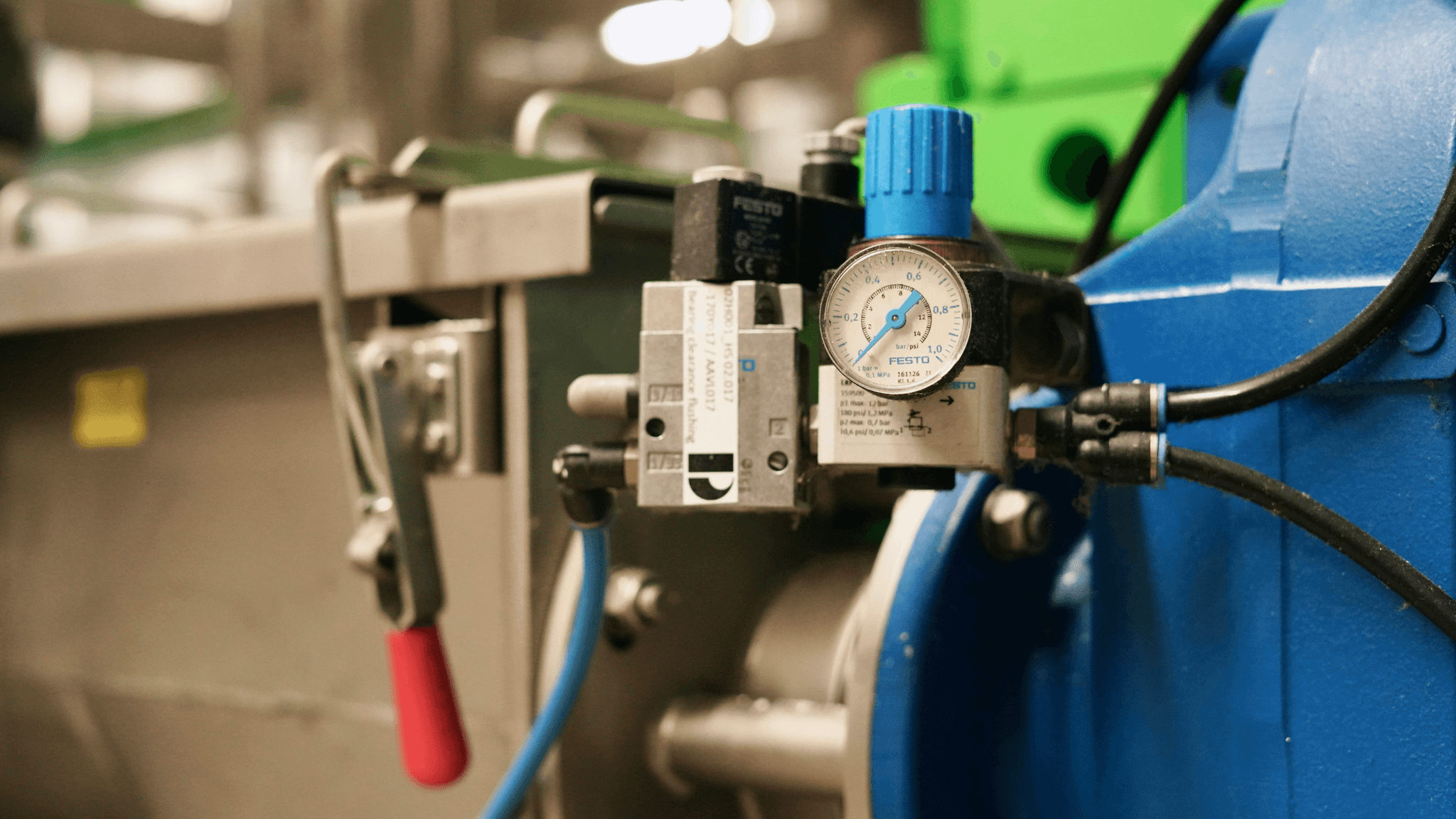
Spotting a seat leak in valves can sometimes feel like finding a needle in a haystack. Even with diligent Valve Inspection, some leaks are sneaky, hiding behind the valve seat or within intricate internal components. Recognizing subtle signs such as pressure drops or irregular flow is crucial, but relying solely on visual cues can be misleading because small leaks often escape the naked eye.
Visual and Dimensional Checking, while essential, have their limitations when it comes to detecting seat leaks. These methods might overlook microscopic imperfections or internal wear that only become apparent during more sophisticated Valve Backseat Tests. For this reason, professionals turn to specialized Valve Inspection techniques to ensure no leak slips through unnoticed.
Accurate Seat Leak Test techniques and tools are vital for reliable Valve Inspection outcomes. Using methods like the Valve Backseat Test or other advanced valve testing equipment provides definitive results on seat integrity. Incorporating these tests into your routine helps prevent costly failures and ensures your valves perform safely under pressure.
Material Inspection Complexities
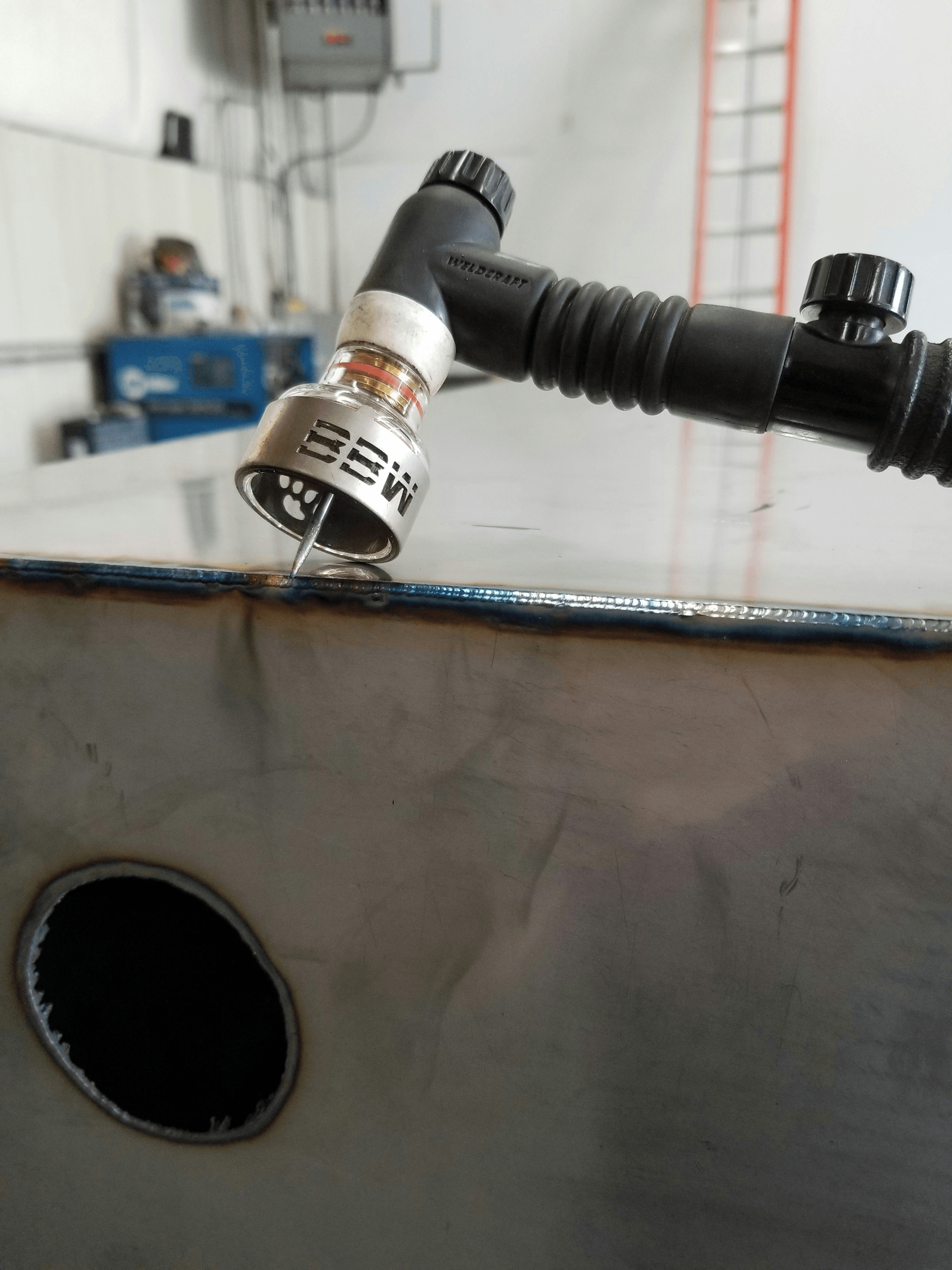
Valve material inspection can be a tricky business, akin to deciphering a secret code buried in metal. Differentiating valve material properties requires a keen eye and the right tools, because not all metals are created equal—stainless steel, bronze, cast iron—they each have unique characteristics that impact valve performance and longevity. Proper Valve Inspection involves understanding these nuances to prevent future failures and ensure the integrity of every component.
When conducting a Valve Backseat Test or Valve Low Pressure Air Test, inspectors often encounter common material failures such as corrosion, cracking, or deformation. These issues are usually hidden beneath the surface but can lead to disastrous seat leak problems if overlooked during visual and dimensional checking. Detecting these flaws early through thorough Valve Material Inspection helps avoid costly downtime and safety hazards down the line.
Best practices for valve material inspection include employing advanced non-destructive testing methods like ultrasonic testing or magnetic particle inspection alongside traditional visual checks. Combining these techniques ensures that any hidden cracks or material inconsistencies are uncovered before they compromise the valve’s performance. Regular Valve Welding Inspection also plays a crucial role in verifying weld quality during repairs or manufacturing, ensuring all materials meet industry standards and preventing future leaks or failures.
Difficulties in Valve Welding Inspection
Valve welding inspection is a critical step in ensuring the integrity and safety of your valves, but it’s often riddled with challenges. Common welding defects such as cracks, porosity, and incomplete fusion can be elusive during routine visual and dimensional checking. These imperfections, if left unchecked, may lead to seat leak issues or even catastrophic failures during valve operation.
One of the main difficulties lies in accurately identifying welding flaws that are hidden beneath the surface. Relying solely on visual inspection may miss subsurface defects, which is why techniques like non-destructive testing (NDT) are essential for reliable valve welding inspection. Methods such as ultrasonic testing or radiography can uncover hidden cracks or incomplete welds that would otherwise compromise valve performance and safety.
Ensuring compliance with industry standards requires a thorough understanding of acceptable weld quality levels and defect limits. Valve backseat tests and seat leak tests are often performed post-welding to verify sealing integrity, but these tests alone might not reveal all weld-related issues. Combining proper valve material inspection with advanced welding inspection techniques helps confirm that the welds meet stringent specifications, reducing the risk of future leaks or failures.
Conducting Reliable Valve Low Pressure Air Tests
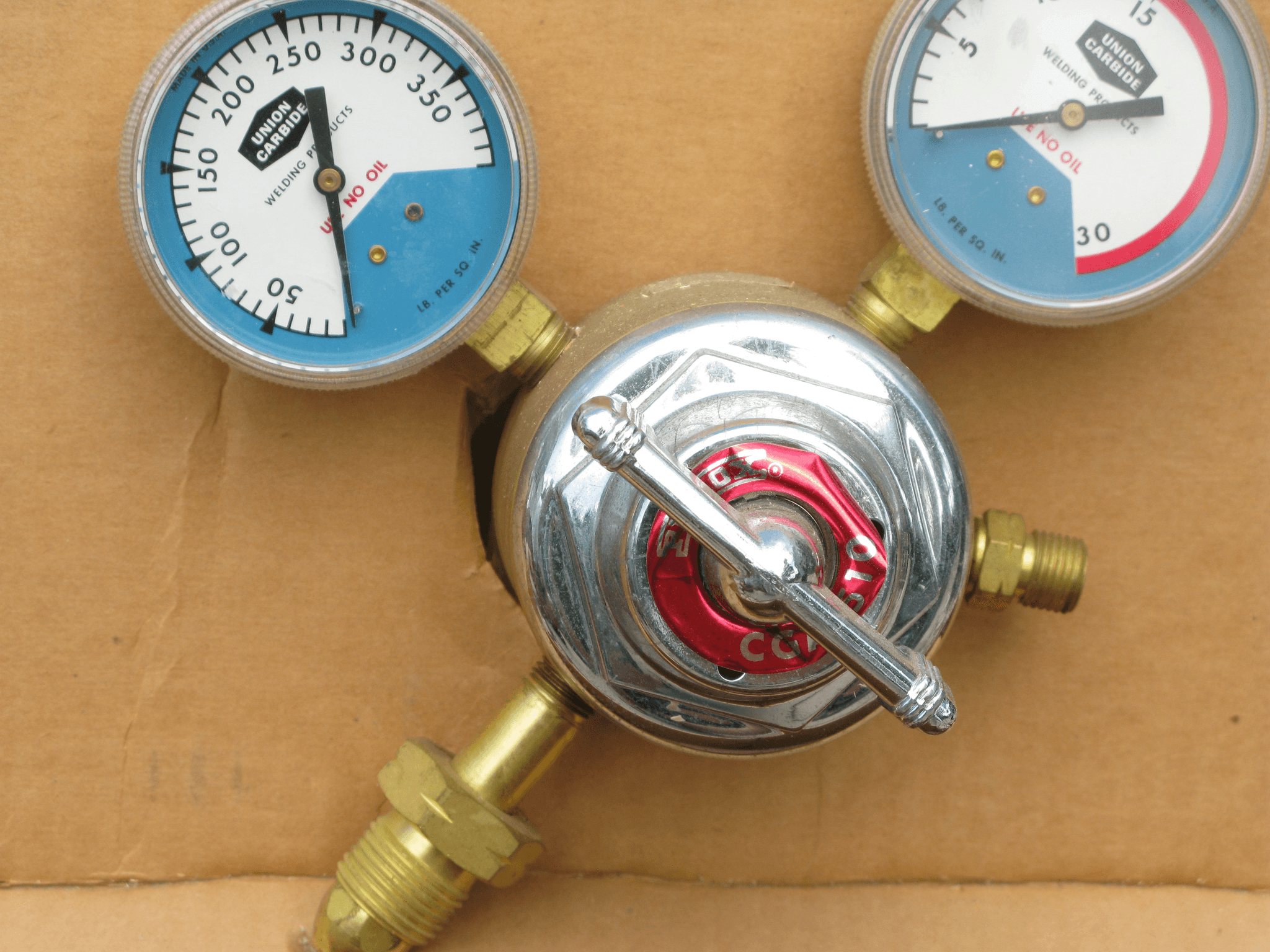
Performing a Valve Low Pressure Air Test is a critical step in ensuring the integrity of your valve before it goes into service. This test helps identify potential seat leak issues and confirms that the valve’s sealing surfaces are functioning correctly. Proper preparation and execution of this test can save you from costly failures down the line, making Valve Inspection an essential part of your maintenance routine.
Preparing for a Valve Low Pressure Air Test
Before diving into the Valve Low Pressure Air Test, thorough preparation is key. First, ensure that all safety protocols are in place and that the valve is isolated from the system to prevent any accidental releases. Conduct a Visual and Dimensional Checking to verify that no external damage or misalignment could affect test results, and confirm that the valve's seat area is clean for an accurate Seat Leak Test. Additionally, inspect the valve material properties during Valve Material Inspection to ensure compatibility with testing conditions, avoiding unexpected failures during testing.
Troubleshooting Unusual Test Results
Unusual results during a Valve Low Pressure Air Test can be perplexing but are often indicative of underlying issues like defective valve seats or compromised welding joints. If you notice persistent air leaks despite proper setup, consider performing a Valve Backseat Test to isolate whether seat leakage is occurring at specific sealing surfaces or due to internal flaws. Remember, some leaks may stem from improper Valve Welding Inspection—weld defects can compromise pressure integrity—so always revisit your welding quality checks if anomalies persist.
Interpreting Findings for Accurate Assessment
Once you've completed your Valve Low Pressure Air Test, interpreting the results accurately is crucial for reliable decision-making. A stable pressure indicates good sealing performance; however, any drop suggests potential seat leak issues or material degradation requiring further inspection. If leaks are detected, follow up with targeted inspections such as Valve Hydrostatic Testing or more detailed Valve Material Inspection to pinpoint root causes—this ensures your assessment leads to effective repairs rather than guesswork.
Challenges in Valve Hydrostatic Testing
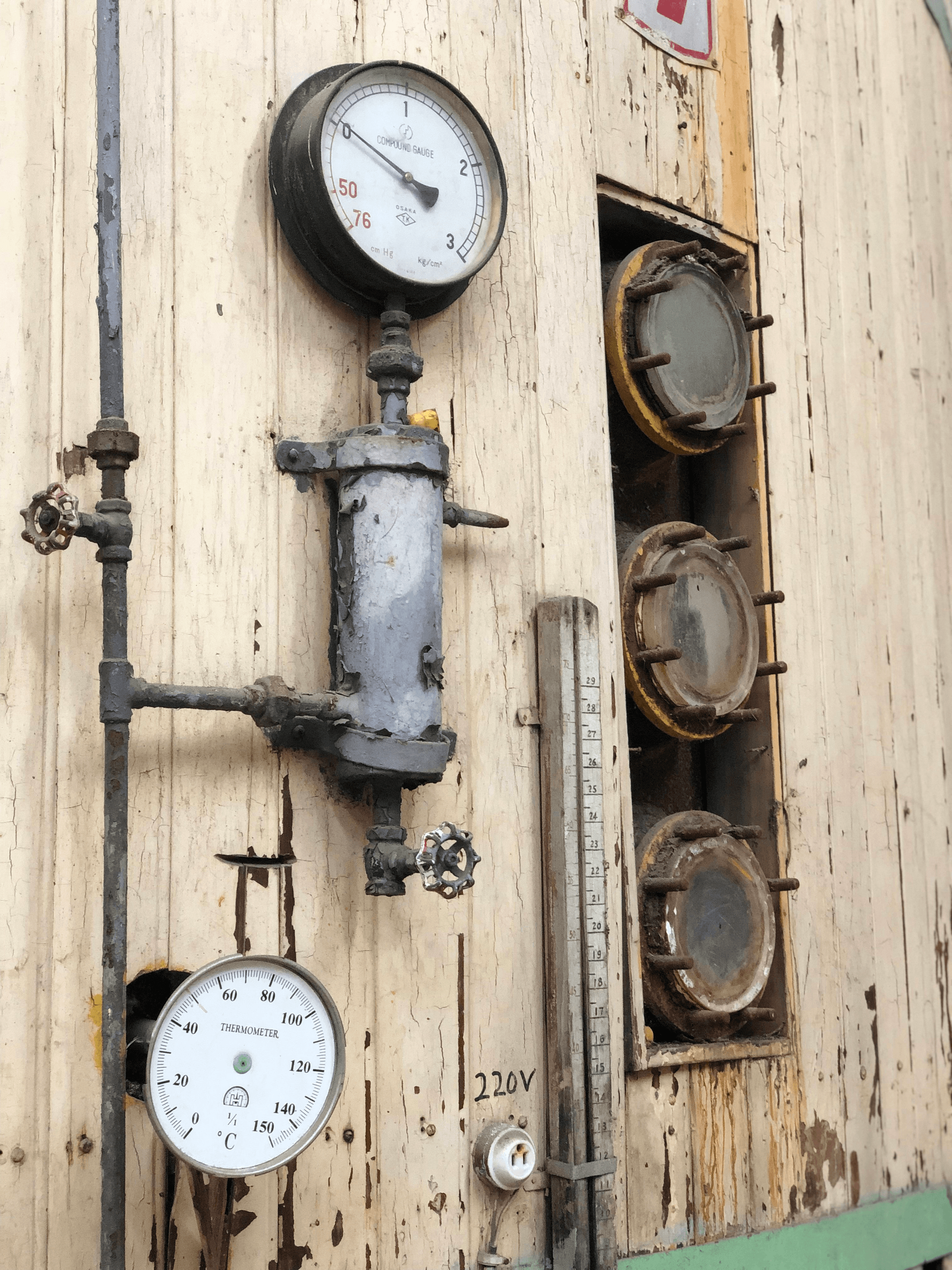
Valve hydrostatic testing is a critical step in valve inspection, ensuring the integrity and safety of valves before they are put into service. However, this process can be fraught with challenges that may lead to test failures if not properly managed. Understanding common causes of failures, proper setup procedures, and effective analysis techniques are essential for reliable valve hydrostatic testing.
Common Causes of Test Failures
One of the most frequent reasons for valve hydrostatic test failures is inadequate preparation, especially neglecting thorough Valve Material Inspection prior to testing. If the valve components are compromised or have hidden defects, they’re more likely to leak during the test—highlighting the importance of comprehensive Valve Inspection beforehand. Additionally, improper sealing during the Valve Backseat Test or overlooked issues in visual and dimensional checking can lead to false negatives or positives during hydrostatic testing.
Another common cause involves issues with welding defects or improper assembly which compromise the valve's structural integrity. Faulty welds or material inconsistencies often escape initial inspection but become apparent under pressure during hydrostatic tests. These problems underscore why rigorous Valve Welding Inspection is vital and why skipping this step might result in costly test failures later on.
Lastly, failure to adhere to standardized testing procedures—such as incorrect pressure application or inadequate safety measures—can cause test failures or dangerous situations. Not conducting a proper Valve Low Pressure Air Test beforehand can miss leaks that would otherwise be detected early, saving time and resources during hydrostatic testing.
Setting Up and Conducting Valve Hydrostatic Testing
Proper setup for Valve Hydrostatic Testing begins with meticulous planning—ensuring all connections are secure and that all safety protocols are followed diligently. Before starting the test, performing a thorough visual and dimensional checking helps confirm that no external damage or misalignments will affect results; this is crucial for accurate readings later on. During setup, it’s also wise to conduct a Valve Low Pressure Air Test as a preliminary step to identify any obvious leaks before applying full pressure.
Once everything is in place, gradually increase the pressure according to industry standards while continuously monitoring for leaks or deformation—these could indicate underlying issues missed during initial inspections like poor material quality or welding defects. Recording pressure data carefully allows operators to analyze trends over time and determine whether the valve passes or fails based on established criteria in industry standards compliance documents.
When conducting these tests, ensure that all personnel understand how to interpret signs of failure such as drops in pressure or visible leaks around welds and seats—a key part of effective Valve Inspection practices. Properly conducted hydrostatic tests not only verify structural integrity but also validate previous inspections like seat leak tests; skipping any step can undermine confidence in valve reliability.
Analyzing Hydrostatic Test Results Effectively
Once the hydrostatic test concludes, detailed analysis is essential for making informed decisions about valve usability. A drop in pressure indicates potential seat leak issues that require further investigation through additional Seat Leak Tests or internal inspection methods—highlighting how each inspection stage builds upon another within comprehensive Valve Inspection routines.
If leaks are detected at specific points such as welds or seals, it’s critical to perform targeted Valve Welding Inspection combined with material checks to identify root causes like corrosion fatigue or defective materials contributing to failure modes observed during testing stages. Interpreting results accurately depends on understanding how factors such as improper assembly or aging materials impact overall performance; thus, correlating data from visual checks with pressure trends provides a clearer picture of what repairs may be needed.
Effective evaluation also involves comparing findings against industry standards and manufacturer specifications—this ensures compliance while helping prioritize maintenance actions based on severity levels identified through thorough analysis of hydrostatic testing outcomes.
By mastering these challenges—from preventing common causes of failure through careful setup and precise analysis—you elevate your plant’s safety standards while extending your valves’ lifespan through diligent inspection practices.
The Role of China Inspection Pro in Valve Inspection
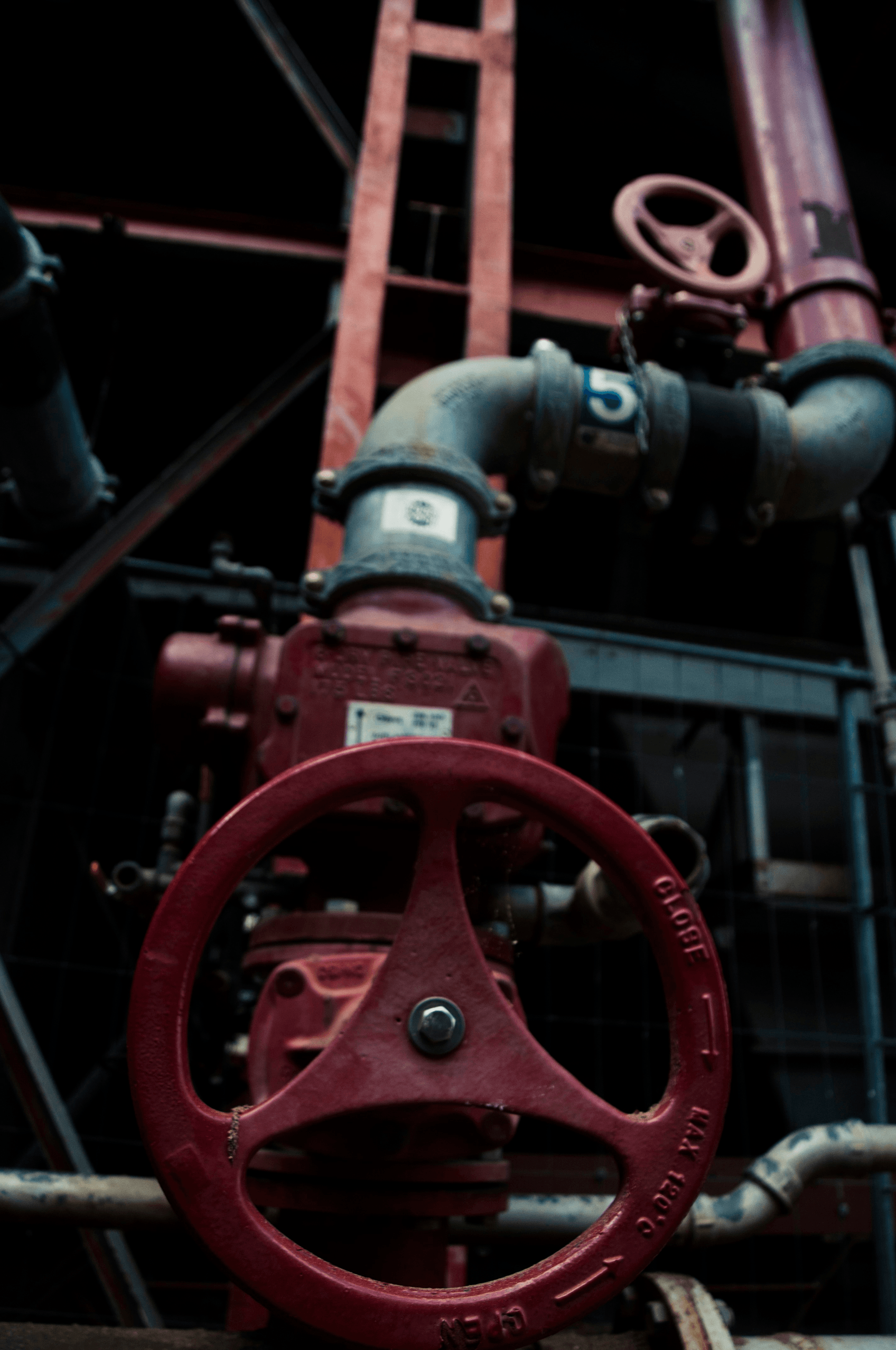
China Inspection Pro has established itself as a trusted partner in the realm of valve inspection, ensuring that every component meets rigorous quality and compliance standards. Their team employs comprehensive Valve Inspection procedures, including precise Seat Leak Tests and Valve Backseat Tests, to guarantee optimal performance. By leveraging advanced tools for Valve Material Inspection and Valve Welding Inspection, they help clients identify potential issues before they escalate into costly failures.
Integrating inspection services from China Inspection Pro into your workflow is seamless and efficient. They offer tailored solutions that incorporate Visual and Dimensional Checking to catch surface-level defects early on. Their expertise extends to conducting reliable Valve Low Pressure Air Tests and Valve Hydrostatic Testing, providing you with confidence that your valves can withstand operational pressures while maintaining safety standards.
Real-world success stories highlight how industry leaders have benefited from China Inspection Pro’s meticulous approach to valve inspection. Companies have improved their maintenance routines by utilizing their detailed Valve Inspection reports, which include thorough assessments of seat leak integrity and welding quality. This proactive approach has resulted in fewer unexpected shutdowns and extended valve lifespan, proving that quality assurance through expert inspection is a game-changer.
Conclusion
Choosing the right inspection method for your valve needs is crucial to maintaining operational integrity and safety. Whether it’s a simple Valve Backseat Test or a comprehensive Valve Material Inspection, selecting the appropriate approach ensures issues are caught early. Remember, a well-planned Valve Inspection strategy can save you from costly downtime and potential safety hazards down the line.
Overcoming common valve inspection challenges efficiently requires a combination of proper techniques and expert knowledge. Visual and Dimensional Checking can only go so far, so incorporating reliable Valve Low Pressure Air Tests and Valve Hydrostatic Testing is essential for thorough assessment. By understanding the limitations of each method, you can tailor your inspection process to address specific issues like seat leaks or welding defects more effectively.
Elevating plant safety and reliability with expert inspection hinges on integrating multiple testing methods seamlessly. From performing precise Valve Seat Leak Tests to detailed Valve Welding Inspections, each step adds an extra layer of confidence in your equipment’s performance. Investing in comprehensive inspections not only extends valve lifespan but also safeguards your operations against unexpected failures.