
Introduction
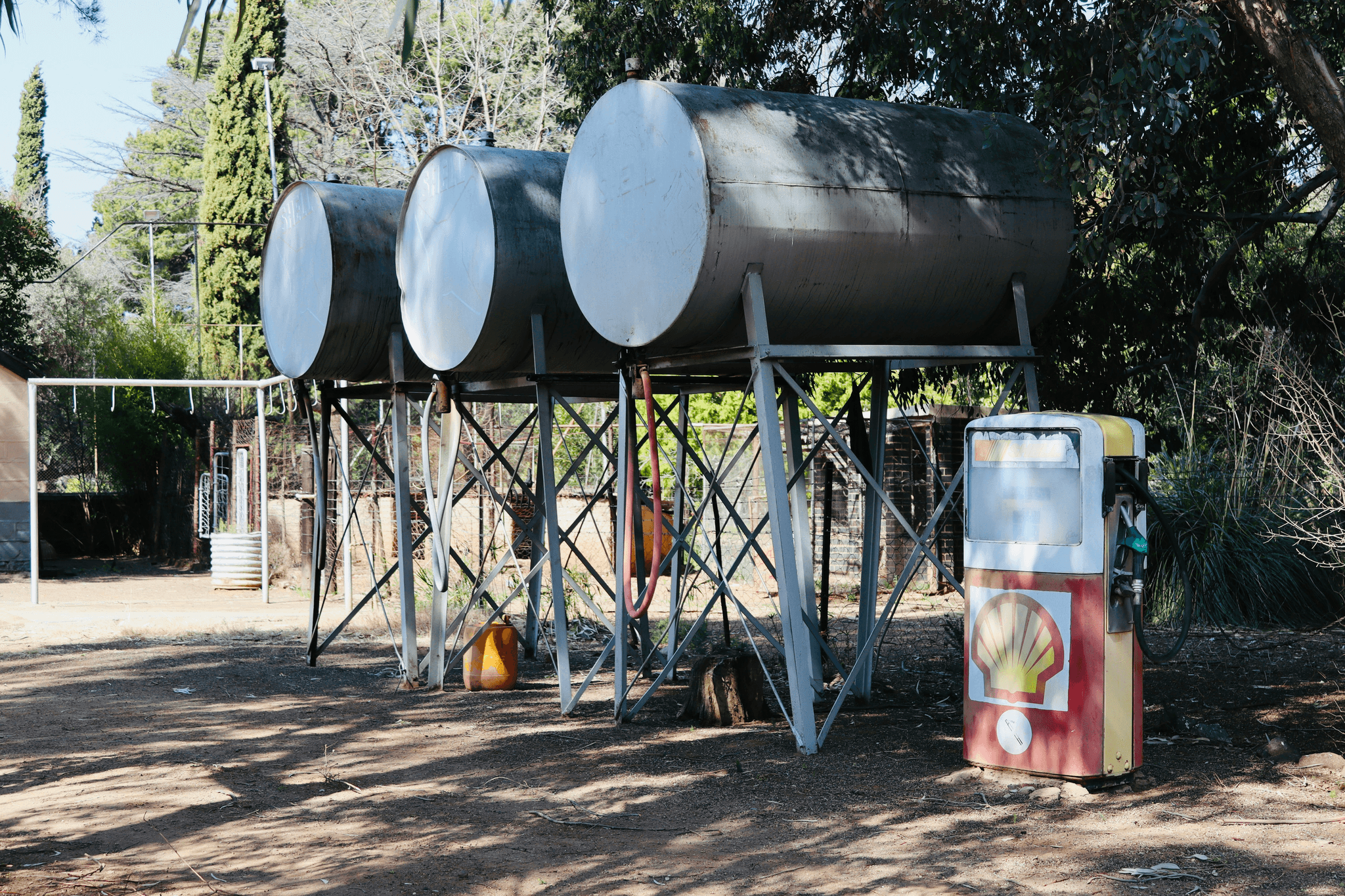
Ensuring the safety and integrity of above ground storage tanks is no small feat, but it's a task that demands meticulous attention. Reliable above ground storage tank inspection is vital to prevent leaks, environmental hazards, and costly downtime. When you follow a thorough storage tank inspection procedure, you not only protect your assets but also stay compliant with industry standards and regulations.
A well-executed storage tank inspection can reveal issues before they escalate into major problems. Proper procedures help identify corrosion, structural weaknesses, or internal damage—especially during an internal inspection of the shell plate—so repairs can be made proactively. Incorporating third party inspection for storage tank adds an extra layer of objectivity and confidence in the results, ensuring your inspection meets all regulatory standards.
Preparing effectively for an above ground storage tank inspection involves understanding the key elements of an Inspection and Test Plan for storage tanks. This plan guides your team through every step of the process, from external visual checks to internal inspections, making sure nothing gets overlooked. Whether you're conducting your own storage tank inspection or relying on experts, proper preparation guarantees a smooth process and reliable outcomes.
Why Reliable Above Ground Storage Tank Inspection Matters
Reliable above ground storage tank inspection is crucial because it ensures the structural integrity and safety of your tanks over their lifespan. Regularly performing a comprehensive storage tank inspection helps catch potential issues early—like corrosion or leaks—that could lead to environmental contamination or costly shutdowns. Investing in quality inspections means peace of mind knowing your tanks are compliant with industry standards and ready to perform under demanding conditions.
Key Benefits of Proper Storage Tank Inspection Procedures
Implementing proper storage tank inspection procedures offers numerous benefits beyond regulatory compliance; it extends the lifespan of your tanks and reduces maintenance costs over time. A thorough internal inspection—such as examining the shell plate—and external visual checks help detect hidden flaws before they become critical failures. Engaging third party inspectors for storage tanks ensures impartiality and adherence to best practices, providing confidence in every aspect of the process.
How to Prepare for an Effective Storage Tank Inspection
Preparation begins with developing a comprehensive Inspection and Test Plan for storage tanks that covers all necessary steps—from external visual inspections to internal assessments like shell plate evaluations. This plan should outline specific tools needed for each phase of the above ground storage tank inspection process while addressing safety protocols and environmental considerations. Whether conducting an internal or external examination, being well-prepared guarantees that each stage aligns with industry standards and regulatory requirements.
Understanding the Storage Tank Inspection Procedure
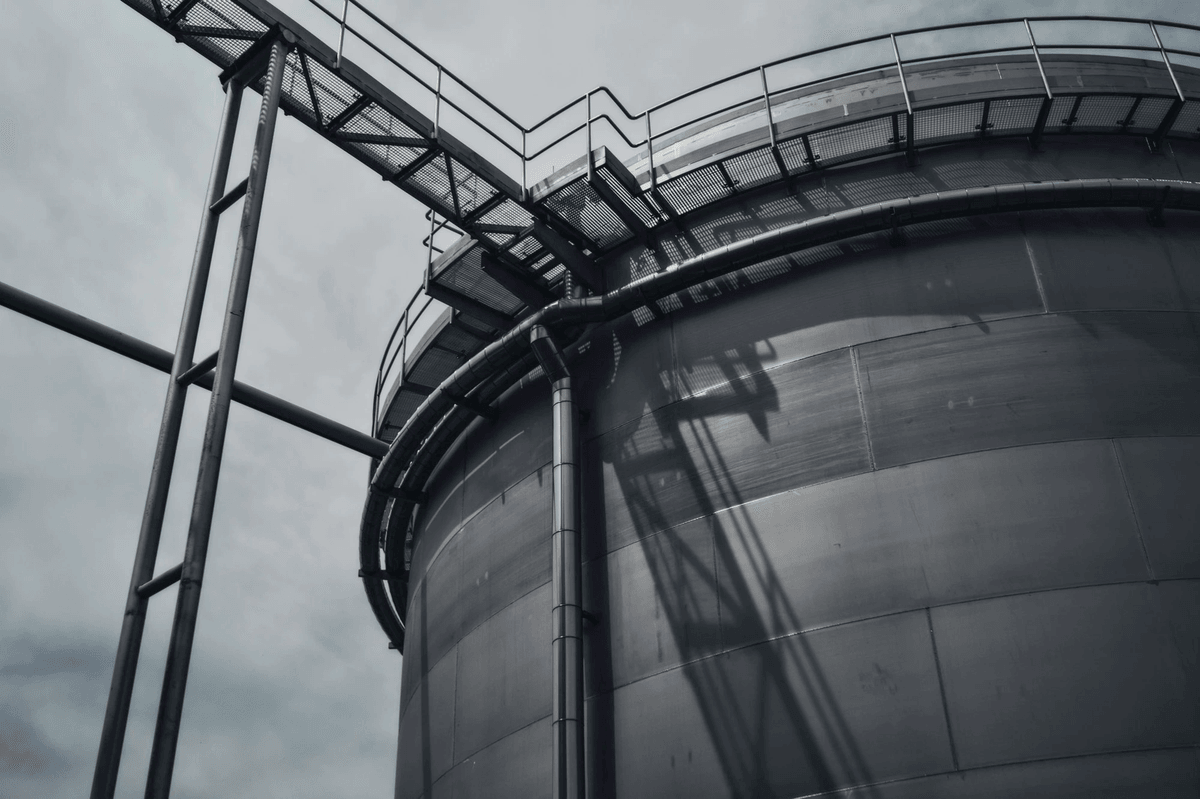
A thorough understanding of the storage tank inspection procedure is essential for ensuring safety, compliance, and longevity of above ground storage tanks. This process involves a systematic approach that covers both external and internal assessments, adhering to regulatory standards and industry best practices. A well-planned storage tank inspection not only detects early signs of damage but also helps in planning maintenance activities effectively.
The storage tank inspection procedure typically begins with a detailed review of previous inspection records and an assessment plan aligned with the Inspection and Test Plan for Storage Tank. This plan acts as a roadmap, guiding inspectors through each phase of the inspection process while ensuring all critical aspects are covered. Whether conducting external visual checks or internal inspections such as shell plate evaluations, following a structured approach guarantees comprehensive coverage and minimizes overlooked issues.
Incorporating third-party inspection for storage tank adds an extra layer of objectivity to the process. Independent experts bring specialized knowledge that enhances the accuracy of findings during above ground storage tank inspections. Their insights can be invaluable in identifying subtle signs of corrosion or structural weaknesses that might otherwise go unnoticed, especially during internal inspections like shell plate assessments.
Step-by-Step Inspection Guidelines
The first step in any storage tank inspection is planning—this includes reviewing previous reports and preparing all necessary tools based on the specific type of storage tank being inspected. External visual inspections should start from the top down, looking for signs of corrosion, dents, or leaks that could compromise structural integrity. During internal inspections—such as inspecting shell plates—inspectors carefully examine welds, seams, and corrosion pockets to assess internal integrity.
Next comes checking for leaks and structural stability by using appropriate testing methods like hydrostatic testing or ultrasonic thickness measurements. These tests help verify whether the tank’s shell plate remains within safe thickness limits and if there are any hidden leaks that could lead to environmental hazards or operational downtime. For optimal results in above ground storage tank inspections, documenting each step meticulously ensures traceability and supports future maintenance planning.
Finally, after completing both external and internal evaluations—including shell plate assessment—the inspector compiles findings into a detailed report aligned with your Inspection and Test Plan for Storage Tank. Recommendations for repairs or further testing are then provided based on observed issues during the entire process. Following this step-by-step guidance guarantees a comprehensive approach to maintaining your above ground storage tanks' safety standards.
Common Tools and Equipment Used
Effective above ground storage tank inspection relies heavily on specialized tools designed to detect issues without invasive procedures whenever possible. Visual aids like borescopes are crucial during internal inspections—especially when evaluating shell plates—for reaching tight spaces while assessing weld quality or corrosion spots inside the tank structure. Ultrasonic thickness gauges measure wall thickness accurately during both external checks and internal assessments if access permits.
Other essential equipment includes dye penetrant testers used to identify cracks in welds or metal surfaces; these are particularly useful during third-party inspection for storage tanks where impartiality is key to uncovering hidden flaws objectively. Leak detection devices such as pressure decay testers help confirm whether any leaks exist around joints or seams detected visually but not yet confirmed through other means—critical steps in an effective storage tank inspection procedure.
For comprehensive assessments aligned with industry best practices, inspectors also utilize drones equipped with high-resolution cameras for external visual checks on large tanks where manual access is limited—and especially valuable when conducting third-party inspections for storage tanks across remote sites or difficult-to-reach locations.
Regulatory Standards and Industry Best Practices
Adhering to regulatory standards is non-negotiable when performing an above ground storage tank inspection; these guidelines set by agencies such as API (American Petroleum Institute) provide detailed protocols tailored specifically for different types of tanks involved in industrial operations worldwide. Industry best practices recommend regular visual examinations complemented by advanced nondestructive testing methods like ultrasonic testing during each scheduled evaluation phase—especially when developing an Inspection and Test Plan for Storage Tank—to ensure ongoing safety compliance.
Third-party inspection services play a vital role here—they bring impartiality coupled with expertise that aligns your operations with local regulations while adhering strictly to international standards such as API 653 or ASME BPVC Section V & VIII requirements—which specify how often inspections should occur depending on age, usage conditions, etc., thus safeguarding long-term asset integrity through diligent monitoring processes.
In conclusion, understanding the detailed steps involved in your specific storage tank inspection procedure allows you to implement proactive maintenance strategies effectively while complying with regulatory standards—and engaging third-party experts ensures unbiased assessments that uphold industry best practices across all phases of your above ground storage tank management program.
Conducting a Comprehensive Storage Tank Inspection
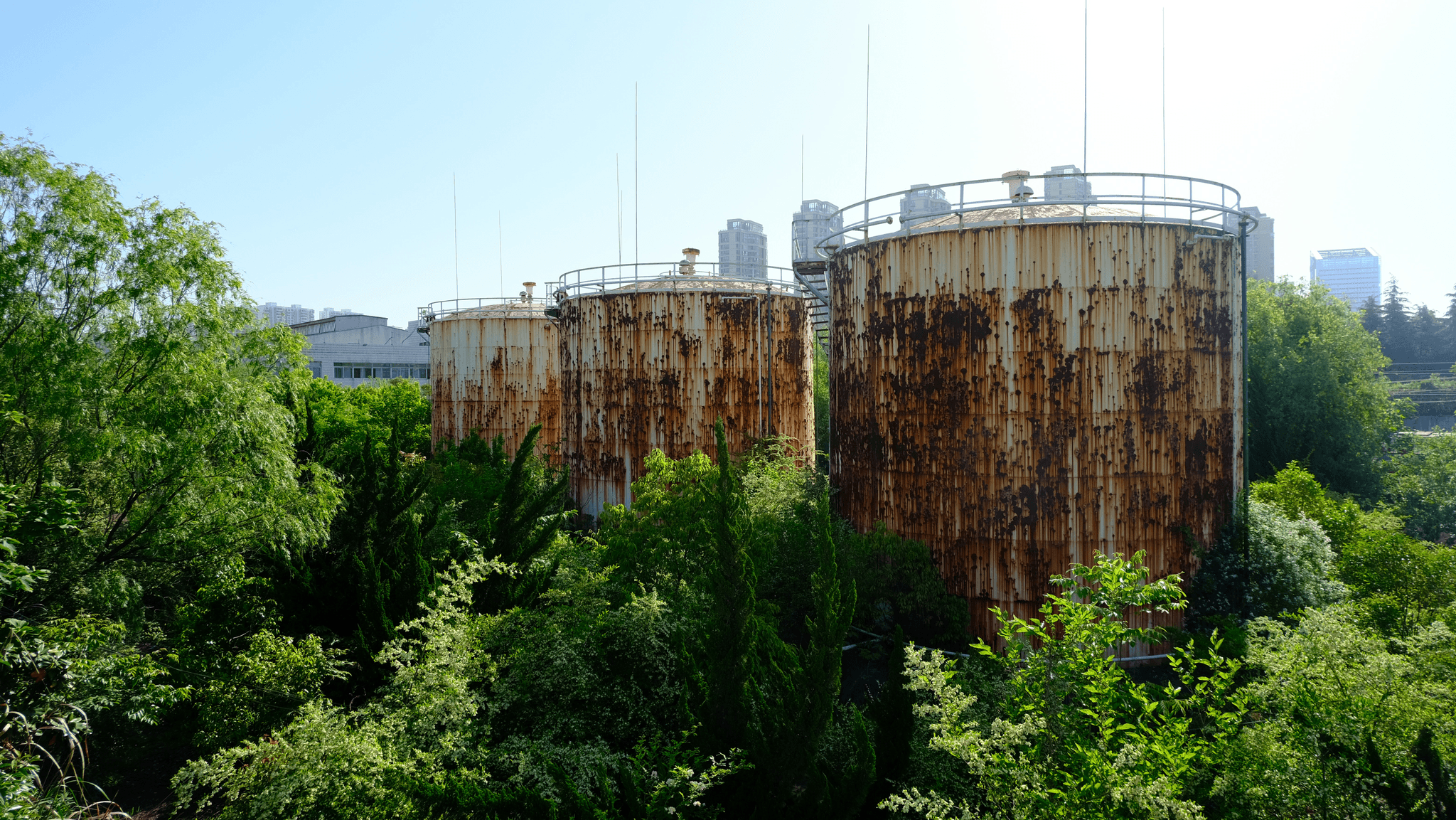
Performing an effective storage tank inspection requires meticulous attention to detail and adherence to the proper storage tank inspection procedure. This process not only ensures safety and compliance but also extends the lifespan of the tank. A thorough external visual inspection for damage and corrosion forms the foundation of any reliable above ground storage tank inspection, allowing inspectors to identify early signs of deterioration before they escalate into costly failures.
During the internal inspection, special focus is given to inspecting the shell plate for internal integrity. This step is crucial because internal corrosion or pitting can compromise structural stability without obvious external signs. Incorporating a detailed assessment of the shell plate during your internal inspection ensures that potential issues are caught early, aligning with best practices outlined in your comprehensive Inspection and Test Plan for Storage Tank.
When conducting a storage tank inspection, checking for leaks and overall structural stability is essential. Leaks can lead to environmental hazards and regulatory violations, so identifying them promptly is vital. Third Party Inspection for Storage Tank services often bring an unbiased perspective, verifying that all aspects of the storage tank inspection meet industry standards and regulatory requirements.
External Visual Inspection for Damage and Corrosion
The first step in any above ground storage tank inspection involves a careful external visual check for damage such as dents, cracks, or deformation. Corrosion spots—especially at weld joints or areas exposed to harsh weather—must be documented thoroughly as part of your overall storage tank inspection procedure. Regular external inspections help prevent minor issues from developing into major failures, making them an integral part of any comprehensive Inspection and Test Plan for Storage Tank.
Internal Inspection-Shell Plate for Internal Integrity
The internal inspection phase focuses on evaluating the shell plate's condition inside the tank—an area often overlooked until problems arise. Using specialized tools like ultrasonic thickness gauges allows inspectors to assess corrosion levels accurately without dismantling entire sections. Incorporating this step into your storage tank inspection routine aligns with industry best practices and ensures that potential weaknesses are identified early during your planned internal inspections.
Checking for Leaks and Structural Stability
Detecting leaks requires both visual cues—such as damp spots or residues—and technical methods like pressure testing or ultrasonic leak detection techniques used during third-party inspections. Ensuring structural stability involves assessing welds, supports, foundations, and other load-bearing components against established standards within your Inspection and Test Plan for Storage Tank. Regularly verifying these elements guarantees long-term safety while maintaining compliance with regulations governing above ground storage tanks.
Importance of Third Party Inspection for Storage Tank
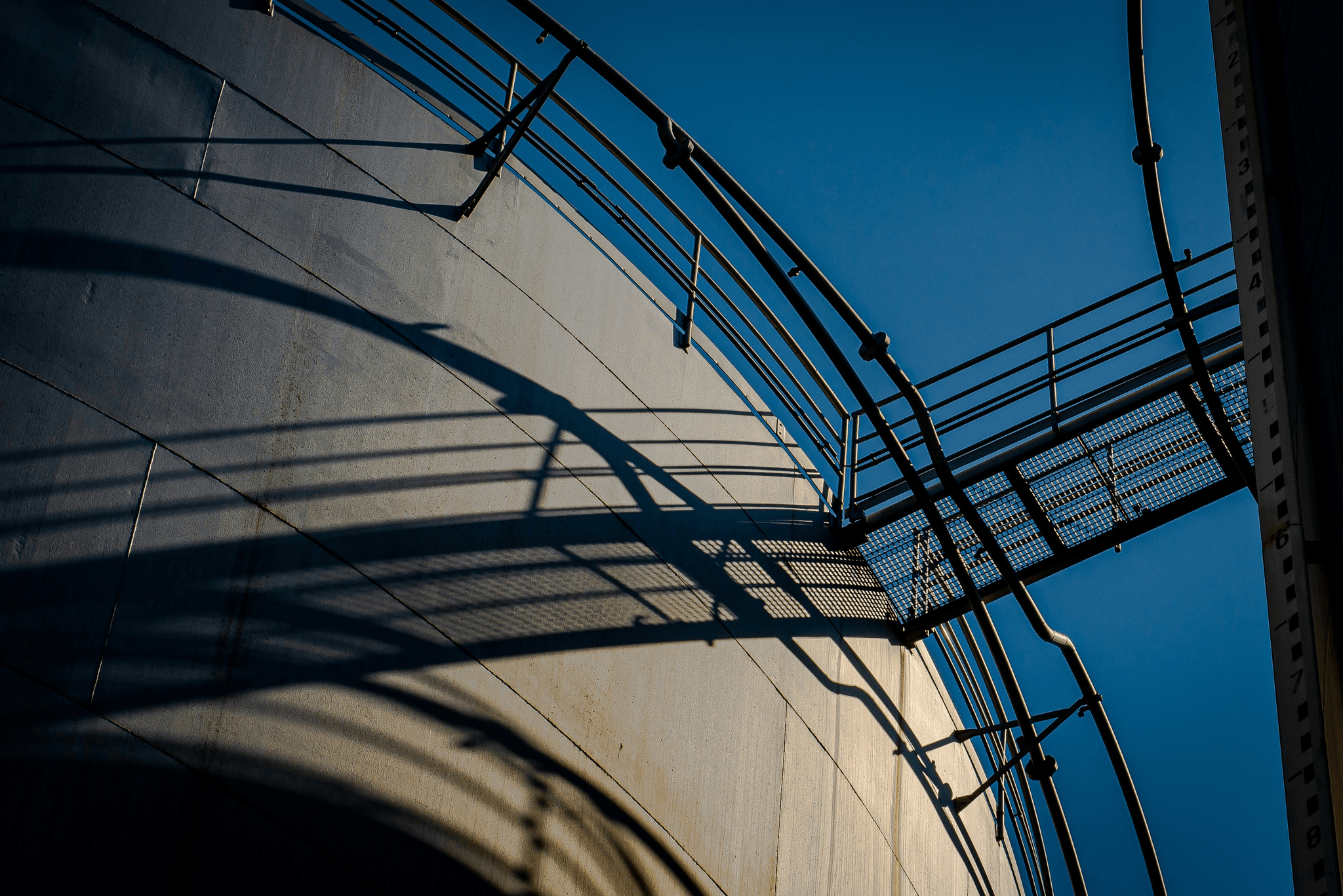
When it comes to Above Ground Storage Tank Inspection, relying solely on internal teams might not always cut it. Third Party Inspection for Storage Tank brings an unbiased eye to the storage tank inspection procedure, ensuring that every nook and cranny is scrutinized without any conflicts of interest. These independent experts can identify issues that in-house teams might overlook, making the entire storage tank inspection process more reliable and thorough.
Engaging a third party like China Inspection Pro plays a pivotal role in elevating the quality checks during storage tank inspection. Their expertise helps develop a comprehensive Inspection and Test Plan for Storage Tank tailored to specific types and conditions, ensuring all critical components are assessed properly. This external validation not only boosts confidence in the integrity of your tanks but also aligns with regulatory standards, reducing potential legal or safety risks down the line.
Objectivity and compliance are cornerstones of effective storage tank inspection procedures. Third Party Inspection for Storage Tank guarantees that inspections are conducted impartially, following industry best practices and regulatory standards meticulously. By incorporating third-party audits into your storage tank inspection routine, you ensure that each shell plate and internal component undergoes rigorous evaluation—making sure leaks or corrosion issues are caught early before they escalate.
Developing an Inspection and Test Plan for Storage Tank
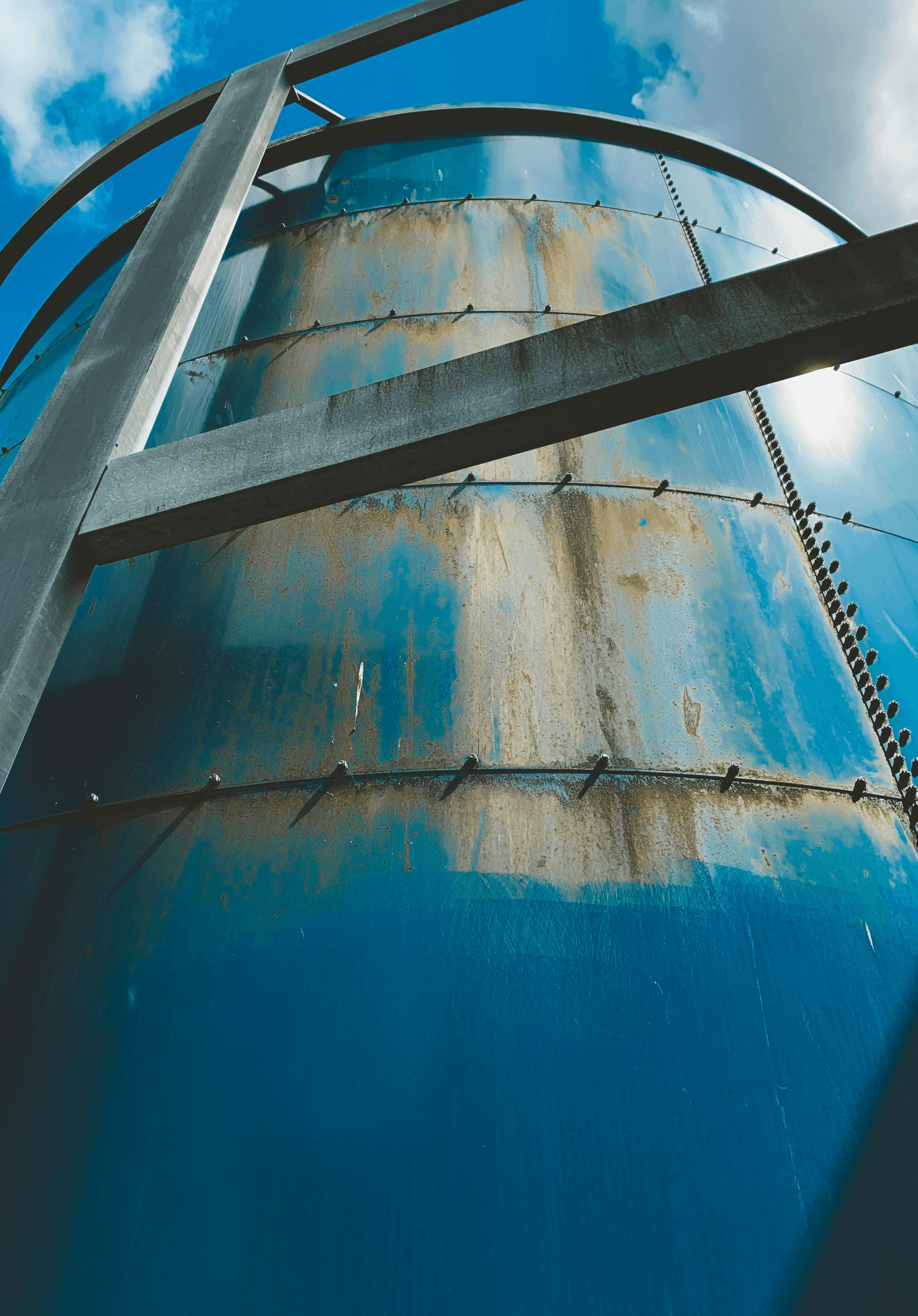
Creating a comprehensive Inspection and Test Plan for Storage Tank is the cornerstone of ensuring safety, compliance, and longevity. A well-structured plan guides the entire Above Ground Storage Tank Inspection process, detailing specific procedures, tools, and checkpoints. It serves as a roadmap to systematically evaluate every aspect of the storage tank’s integrity, from external visual inspections to internal assessments like Shell Plate inspections.
An effective inspection plan must incorporate clear criteria for when and how each component will be checked during the storage tank inspection procedure. This includes specifying inspection intervals, defining acceptable standards, and outlining procedures for detecting corrosion or structural weaknesses. Remember, Third Party Inspection for Storage Tank adds an extra layer of objectivity—ensuring your plan aligns with industry standards while maintaining impartiality.
In developing your plan, it’s crucial to customize it based on the type of storage tank in question—whether it's a fixed roof tank or a floating roof design—and its contents. Different tanks have unique vulnerabilities; thus, tailoring your inspection approach ensures all critical areas are thoroughly examined during each storage tank inspection. Incorporating safety and environmental considerations into your plan also helps mitigate risks associated with leaks or spills during both internal and external inspections.
A robust Inspection and Test Plan for Storage Tank should also specify the tools used in external visual inspections—like borescopes or ultrasonic thickness gauges—and detail procedures for internal inspections such as Shell Plate assessments. These steps are vital in identifying early signs of deterioration that could compromise the tank's structural integrity over time. Regularly updating this plan based on findings from previous storage tank inspections keeps your maintenance proactive rather than reactive.
Finally, engaging third-party inspectors can significantly enhance the quality of your storage tank inspection process by providing unbiased evaluations aligned with regulatory standards. Their expertise ensures that every aspect—from corrosion checks to leak detection—is performed thoroughly according to industry best practices. An effective inspection plan not only complies with regulations but also extends the lifespan of your storage tanks by catching issues early before they escalate.
Post-Inspection Steps and Maintenance
Once the storage tank inspection is complete, the next critical phase involves analyzing the findings to determine necessary actions. Carefully reviewing the results from the storage tank inspection procedure helps identify areas of concern, such as corrosion or structural weaknesses. This step ensures that issues are addressed proactively, preventing costly failures and ensuring compliance with industry standards for Above Ground Storage Tank Inspection.
A comprehensive approach to repair and maintenance strategies is essential after conducting a storage tank inspection. Based on the inspection outcomes, especially those involving internal inspection-shell plate assessments, tailored repair plans should be developed. Implementing an effective Inspection and Test Plan for Storage Tank guarantees that all repairs meet safety standards and prolongs the lifespan of the tank, emphasizing the importance of Third Party Inspection for Storage Tank to validate these efforts.
Documentation and reporting are vital components in maintaining transparency and regulatory compliance following a storage tank inspection. Accurate records of inspection results, repair activities, and maintenance schedules should be compiled systematically. This documentation not only facilitates future inspections but also demonstrates adherence to safety protocols during audits, reinforcing why thorough reporting is a cornerstone of any successful Above Ground Storage Tank Inspection program.
Conclusion
Properly conducting an above ground storage tank inspection is crucial for maintaining safety, compliance, and operational efficiency. When you follow a thorough storage tank inspection procedure, you can identify potential issues early, preventing costly repairs and environmental hazards down the line. Engaging in regular storage tank inspections ensures that your facility remains compliant with industry standards and regulatory requirements.
A well-structured Inspection and Test Plan for Storage Tank forms the backbone of an effective inspection process. This plan should be tailored to specific tank types, incorporating both external visual checks and internal inspections—especially of critical areas like the shell plate—to verify internal integrity. Remember, a comprehensive storage tank inspection isn’t just about spotting damage; it’s about safeguarding your investment for long-term safety.
Partnering with a trusted provider for Third Party Inspection for Storage Tank adds an extra layer of confidence. Independent experts bring objectivity and specialized knowledge to the inspection process, ensuring all aspects of the storage tank inspection procedure are thoroughly covered. China Inspection Pro’s role in this arena exemplifies how professional services can elevate your compliance efforts while providing peace of mind that your tanks meet all necessary standards.
Maintaining storage tank integrity over time requires consistent attention to detail during each inspection cycle. An effective internal inspection—particularly of shell plates—and diligent adherence to the established Inspection and Test Plan for Storage Tank help prolong equipment lifespan. Ultimately, investing in reliable above ground storage tank inspections is not just about meeting regulations; it’s about securing safe operations now and into the future.