
Introduction

In the bustling world of travel, passengers want to trust that their luggage—whether it’s a sleek wheeled upright luggage or a compact carry-on luggage—will arrive intact and ready for the journey ahead. That’s where rigorous luggage inspection steps in, ensuring each piece meets high standards and passes through quality checks before hitting the baggage claim. When travelers see well-inspected, durable rolling luggage or garment bags, they gain confidence that their belongings are protected from damage and theft.
High-quality standards in luggage manufacturing aren’t just about aesthetics; they’re about safety, durability, and peace of mind. Whether it’s a sturdy wheeled upright luggage designed for international trips or a specialized garment bag for business travel, meeting strict quality benchmarks is essential. These standards help manufacturers deliver reliable products that withstand the rigors of travel, reducing returns and boosting brand reputation.
Quality control plays a pivotal role in excelling at luggage inspection because it ensures every component—from zippers on carry-on luggage to wheels on rolling luggage—is thoroughly examined. Effective inspection processes catch potential issues early, preventing defective items from reaching consumers. By mastering quality control, brands can elevate their reputation for durability and safety while building trust with travelers who rely on their products every trip they take.
The Fundamentals of Luggage Inspection

Luggage inspection is the backbone of ensuring quality and safety in travel gear, especially for popular items like wheeled upright luggage and carry-on luggage. Whether it’s a sleek rolling luggage or a sturdy garment bag, every piece must pass rigorous checks to meet industry standards. Proper inspection guarantees durability, functionality, and peace of mind for travelers.
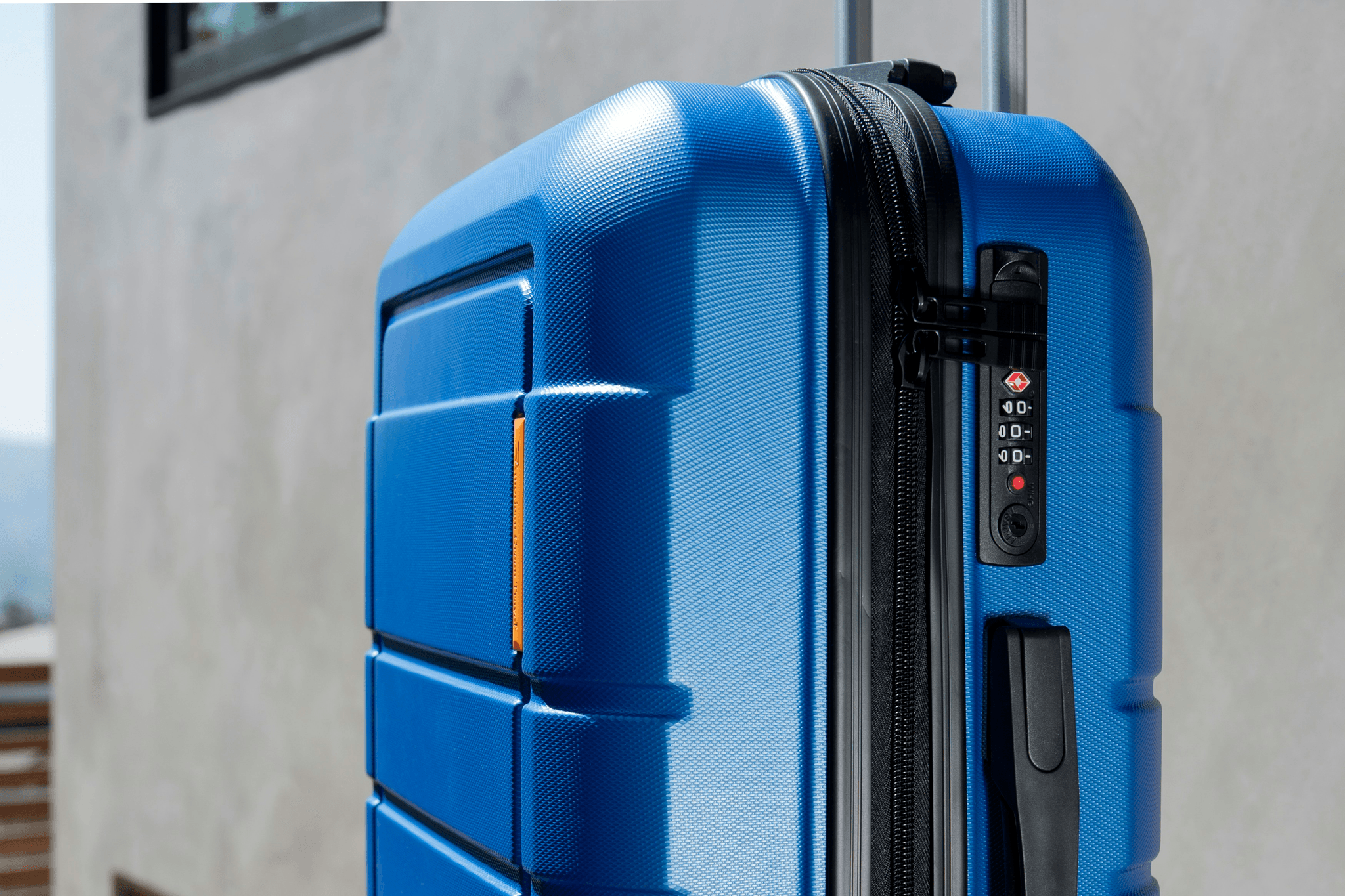
When conducting luggage inspection, key components such as zippers, handles, wheels, and seams are scrutinized thoroughly. These elements directly impact the overall performance of wheeled upright luggage and rolling luggage, which are most prone to wear and tear during transit. A detailed evaluation helps identify potential weak points that could compromise the integrity of carry-on luggage or larger travel cases.
Material durability plays a crucial role in the longevity of all types of travel accessories, including garment bags and rolling luggage. Strong fabrics that resist tears and abrasions ensure that each piece can withstand the rigors of frequent travel. Zippers also receive special attention during inspection; high-quality zippers prevent jamming or breaking at critical moments when travelers need their luggage to perform flawlessly.
The design aspect influences how inspectors focus their attention during the process. For example, compact carry-on luggage demands precise checks on size compliance and locking mechanisms to prevent issues at airport security gates. Similarly, innovative features in garment bags require thorough testing to confirm they open smoothly without risking damage to delicate clothing or accessories.
Standards for Wheeled Upright Luggage
When it comes to luggage inspection, wheeled upright luggage has become the go-to choice for travelers seeking convenience and durability. Ensuring these rolling luggage pieces meet high standards is crucial for both manufacturers and consumers. Proper inspection guarantees that every carry-on luggage or larger rolling luggage can withstand the rigors of travel without failing at the worst moment.
Industry-Leading Tests for Rolling Suitcases
To maintain top-tier quality, industry-leading tests are essential for evaluating rolling suitcases during luggage inspection. These tests simulate real-world scenarios like rough handling, repeated wheel rotations, and impact resistance to ensure durability. A thorough inspection process helps identify weak points in the design of wheeled upright luggage, preventing defective units from reaching consumers and safeguarding their investment in quality carry-on luggage or garment bags.
Ensuring Wheel and Handle Durability
Wheels and handles are the backbone of any good rolling luggage, making their durability a focal point during luggage inspection. Manufacturers must rigorously test wheels for smooth rotation under heavy loads and resistance to debris or uneven surfaces. Handles need to withstand repeated pulling without bending or breaking—especially important when inspecting high-quality wheeled upright luggage designed for frequent travelers who rely on their gear to perform mile after mile.
Compliance with International Safety Regulations
International safety regulations set the bar high for all types of travel gear, including wheeled upright luggage. During baggage inspection, compliance checks ensure that each piece adheres to safety standards such as stability during movement and secure locking mechanisms on carry-on luggage or garment bags. Meeting these regulations not only boosts consumer confidence but also minimizes risks associated with faulty wheels or handles that could lead to accidents during transit.
Quality Checks for Garment Bags and Travel Accessories

When it comes to luggage inspection, garment bags and travel accessories often get overlooked, but they deserve just as much scrutiny as wheeled upright luggage. These smaller companions must withstand the rigors of travel while keeping clothes wrinkle-free and accessories secure. Proper quality checks ensure that your carry-on luggage and garment bags are durable, functional, and ready for adventure.
Material Flexibility and Tear Resistance
The first line of defense in luggage inspection for garment bags and travel accessories is assessing material flexibility and tear resistance. High-quality fabrics allow for easy packing without compromising strength, which is crucial for rolling luggage that endures constant handling. When inspecting these items, manufacturers focus on ensuring that the material can bend without cracking or tearing, especially when subjected to the stresses of frequent use or rough handling during baggage checks.
In the world of carry-on luggage, material durability directly impacts consumer confidence; nobody wants a tear mid-flight! During quality control, experts test fabric flexibility by stretching or folding samples repeatedly to simulate real-world conditions. This process guarantees that the luggage inspection process filters out any products prone to damage, ensuring only resilient options reach consumers.
Closure Mechanism Inspection and Securing Features
Closure mechanisms are the unsung heroes of reliable luggage inspection—without them, your belongings might as well be on a free-for-all ride through baggage claim. For garment bags and travel accessories like toiletry kits or organizer pouches, zippers, clasps, buckles, and Velcro must function flawlessly under pressure.
During inspection, each closure feature undergoes rigorous testing: zippers are checked for smooth operation after repeated opening and closing cycles; clasps are evaluated for secure locking; Velcro strips are tested against pull strength to prevent accidental opening en route. This meticulous process ensures that your carry-on luggage stays closed tight during transit while being easy enough to open at your destination—no more fumbling with broken closures!
Fit for Travel: Ensuring Proper Size and Functionality
Finally, an essential aspect of quality checks involves verifying that garment bags and other travel accessories fit their designated purpose perfectly—because oversized or undersized items can cause headaches at security checkpoints or during packing. In particular, wheeled upright luggage designed as carry-on should meet strict size standards set by airlines worldwide to avoid unexpected fees or gate-checking surprises.
During inspection for rolling luggage meant as cabin-friendly carry-on options, manufacturers measure dimensions meticulously to ensure compliance with international standards while maintaining optimal functionality—like smooth wheels or retractable handles—that make travel seamless rather than stressful. Proper sizing also guarantees that clothing stays organized without excess bulk while providing ease of maneuverability through busy airports.
The Inspection Process for Rolling Luggage
Ensuring top-notch quality in wheeled upright luggage involves a meticulous inspection process that spans from pre-production to final checks. This comprehensive approach helps identify potential issues early, preventing subpar products from reaching consumers. Whether it’s a sleek carry-on luggage or a rugged rolling luggage, each step in the inspection process guarantees durability, safety, and customer satisfaction.
Pre-Production Quality Assurance Methods
Before the first wheel turns on a new line of rolling luggage, rigorous pre-production quality assurance methods are put into place. These methods include material testing to verify that fabrics and shells meet durability standards required for luggage inspection. For example, suppliers must pass tests for tear resistance and flexibility—crucial factors for wheeled upright luggage that endures frequent handling during travel.
Design reviews are also essential in this phase; they ensure that every garment bag or carry-on luggage design complies with safety and functionality standards before manufacturing begins. This proactive approach minimizes defects related to zippers, handles, or locking mechanisms—common trouble spots during luggage inspection. By catching issues early, manufacturers save time and money while boosting confidence in their final product.
In-Process Monitoring Techniques
Once production kicks off, continuous in-process monitoring techniques keep quality on track throughout the manufacturing cycle of rolling luggage. Visual inspections are performed at various stages to spot inconsistencies in material application or assembly errors—think loose wheels or faulty zippers on wheeled upright luggage pieces. Automated measurement tools also help verify dimensions for carry-on luggage to ensure they fit airline restrictions without compromising internal space.
Operators conduct functional tests on components like handles and wheels during assembly; these tests simulate real-world conditions such as dragging or lifting the rolling luggage over uneven surfaces. Regular sampling of garments bags ensures fabric flexibility remains intact after sewing and finishing processes—crucial for travel accessories subjected to rigorous baggage handling routines.
Post-Production Final Quality Assurance Checks
The final phase involves thorough quality assurance checks designed to catch any remaining flaws before the product reaches consumers’ hands. During this stage, each piece of rolling luggage undergoes a comprehensive visual examination for cosmetic imperfections and structural integrity—no one wants a suitcase with scratches or misaligned zippers when they’re rushing through airports! Functional testing is also repeated; wheels are spun multiple times while handles are extended repeatedly to confirm durability.
Specialized testing labs may even simulate travel conditions by dropping or tumbling the finished product—a crucial step for ensuring that wheeled upright luggage can withstand the rigors of travel without breaking down prematurely. For garment bags and other travel accessories, inspection teams verify that closure mechanisms secure properly and that sizes conform strictly to international standards for carry-on luggage compatibility.
The Role of China Inspection Pro in Quality Control
China Inspection Pro plays a pivotal role in elevating the standards of luggage inspection, especially for wheeled upright luggage, garment bags, and other travel accessories. Their meticulous approach ensures that each piece undergoes rigorous testing to meet international safety and durability benchmarks. By catching potential flaws early, they help brands deliver rolling luggage that consumers can trust for their journeys.
How China Inspection Pro Elevates Luggage Quality
When it comes to luggage inspection, China Inspection Pro’s expertise shines brightest in scrutinizing every detail of wheeled upright luggage and carry-on luggage. They evaluate critical components like wheels, handles, zippers, and fabric integrity—ensuring these elements withstand the rigors of travel. Their comprehensive inspections prevent defective rolling luggage from reaching consumers, thereby boosting brand reputation and customer satisfaction.
Comprehensive Inspection Services for International Brands
International brands rely on China Inspection Pro for thorough quality checks across various travel accessories, including garment bags and carry-on luggage. Their services encompass material flexibility assessments, tear resistance tests, and closure mechanism evaluations—key factors that determine a product’s durability during travel. With their global reach, they provide tailored solutions that align with diverse safety standards worldwide for all types of rolling luggage.
Turning Inspection Findings into Actionable Improvements
Inspection results from China Inspection Pro are more than just reports—they’re blueprints for improvement. Brands receive detailed feedback on issues found during luggage inspection processes for wheeled upright luggage or garment bags and can swiftly implement corrective measures. This proactive approach ensures continuous quality enhancement in production lines and guarantees that each piece of rolling luggage meets or exceeds industry standards before hitting the shelves.
Conclusion
Staying ahead in the competitive world of luggage manufacturing requires unwavering commitment to rigorous luggage inspection standards. When wheeled upright luggage, garment bags, or carry-on luggage pass through meticulous quality checks, consumers gain confidence in their durability and safety. Elevating the standards of luggage inspection not only prevents defects but also sets brands apart as trustworthy providers of travel essentials.
Staying Ahead with Stringent Luggage Inspection Standards
In today’s fast-paced travel industry, high-quality standards for luggage inspection are essential to meet customer expectations and regulatory requirements. Whether it’s rolling luggage or a compact garment bag, thorough inspection processes ensure every piece withstands the rigors of travel. By consistently applying strict quality control measures, manufacturers can prevent issues like broken wheels or faulty zippers that could tarnish their reputation.
Building Consumer Trust Through Quality Control
Consumers want assurance that their carry-on luggage and other travel accessories will perform flawlessly during trips. Implementing comprehensive luggage inspection procedures demonstrates a brand’s dedication to quality and safety, fostering trust among travelers worldwide. When every aspect of wheeled upright luggage and garment bags is scrutinized before reaching shelves, customers feel confident investing in products built to last.
Future Trends in Luggage Inspection and Quality Assurance
Looking ahead, innovations such as smart sensors and AI-driven inspections promise to revolutionize how we evaluate rolling luggage and other travel gear. These advancements will enable faster detection of defects in materials or design flaws in carry-on luggage, further elevating quality assurance standards. Staying ahead means embracing these future trends now—ensuring that every piece of wheeled upright luggage or garment bag meets the highest expectations for durability and safety.