
Introduction
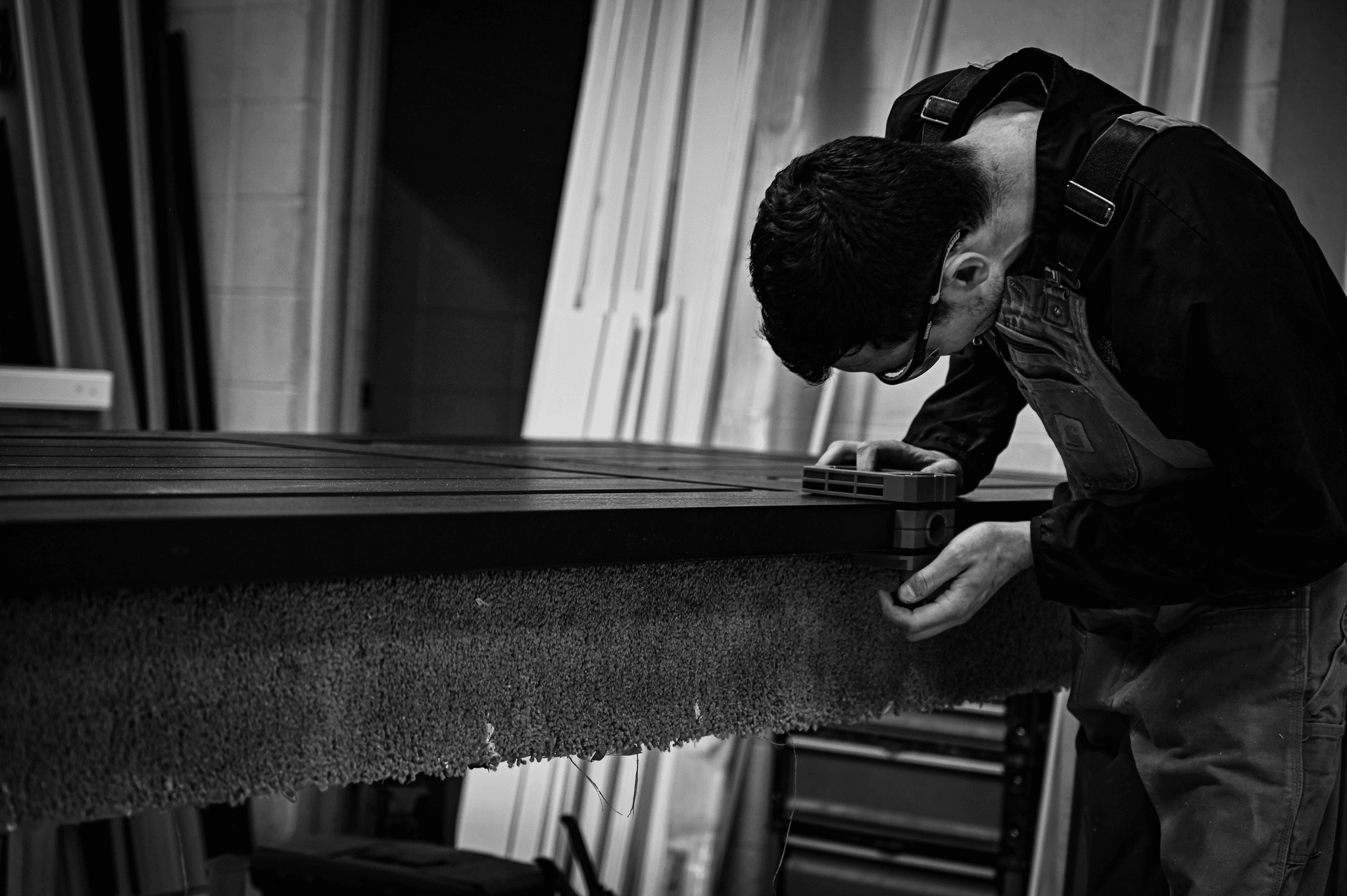
Creating beautiful, durable wooden furniture is both an art and a science. Ensuring every piece meets high standards requires meticulous attention to detail, especially during manufacturing and inspection processes. A thorough Wooden Furniture Inspection is essential to catch defects early, saving time and money while elevating product quality.
Ensuring Excellence in Wooden Furniture Manufacturing
Achieving excellence in wooden furniture manufacturing involves understanding the different Types of wooden furniture and their unique characteristics. From classic tables to intricate cabinets, each piece demands precise craftsmanship and quality control. Implementing a comprehensive Wooden Furniture Inspection ensures that every item adheres to strict standards, preventing costly reworks or returns down the line.
The Importance of Wooden Furniture Inspection
Wooden Furniture Inspection plays a pivotal role in identifying Common Defects in Wooden Furniture, such as surface flaws, structural weaknesses, or warping. Detecting issues like Fungal Infections or Damage from Insects at an early stage helps maintain product integrity and customer satisfaction. Regular inspections using a detailed Wooden Furniture Inspection Checklist allow manufacturers to address problems proactively rather than reactively.
How a Wooden Furniture Inspection Checklist Saves You Money
Utilizing a well-structured Wooden Furniture Inspection Checklist streamlines the quality assurance process by systematically highlighting potential problem areas. This proactive approach reduces waste caused by defective pieces and minimizes costly recalls or repairs later on. Investing in thorough inspections not only safeguards your reputation but also significantly boosts your bottom line by avoiding unnecessary expenses related to poor-quality products.
Overview of Wooden Furniture Manufacturing
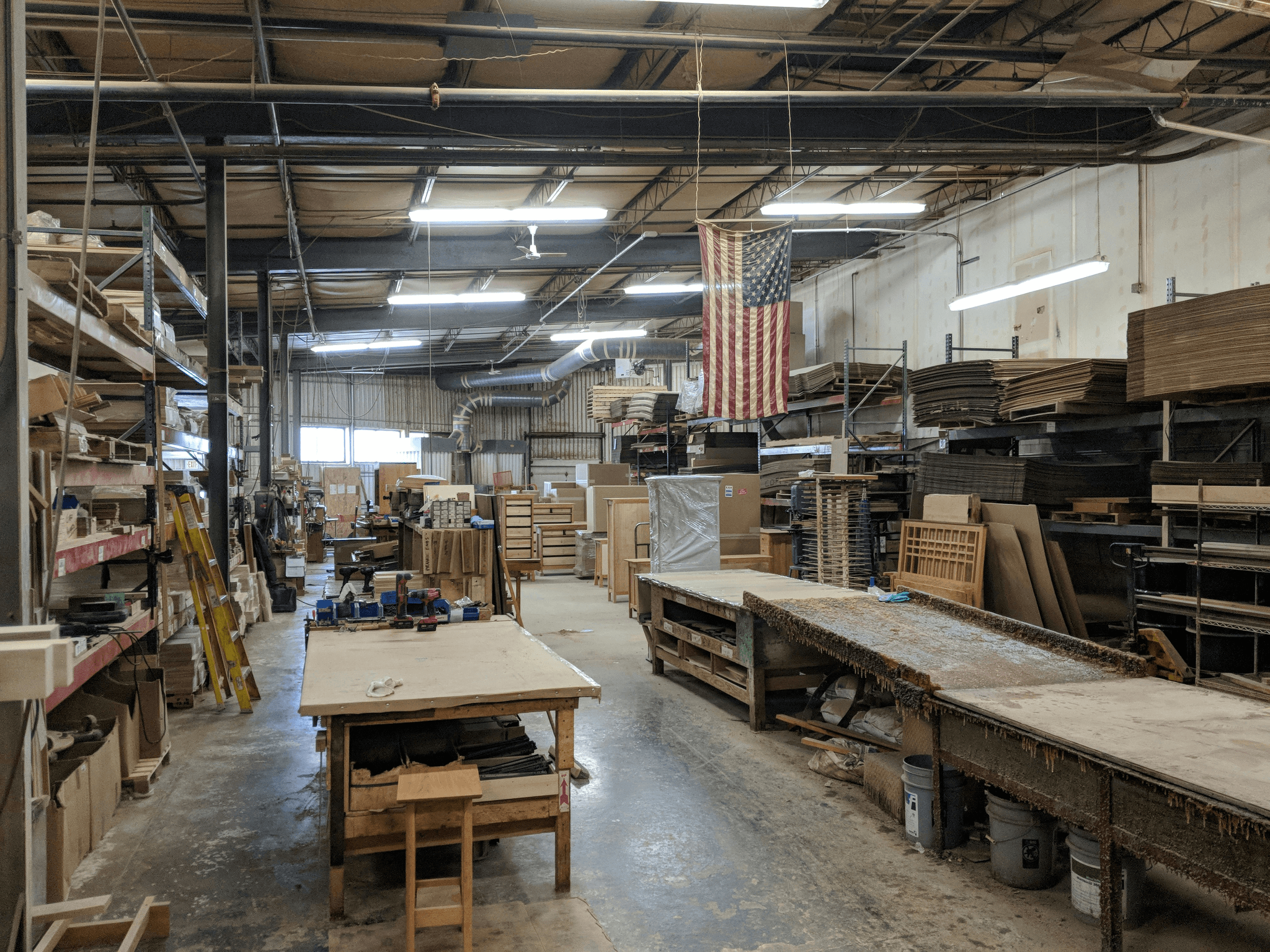
Wooden furniture manufacturing is a fascinating blend of craftsmanship and precision, where understanding the different types of wooden furniture is crucial for ensuring quality. From classic oak dining tables to sleek modern cabinets, each piece has its unique characteristics that influence how it should be inspected. A thorough Wooden Furniture Inspection helps identify potential defects early, saving manufacturers time and money while maintaining high standards.
In the world of quality production, selecting the right materials is essential. Common materials used in wooden furniture include hardwoods like teak and mahogany for durability, as well as softwoods like pine and cedar for affordability. During the manufacturing process, a Wooden Furniture Inspection Checklist ensures that these materials meet the necessary standards to prevent common defects in wooden furniture such as warping or surface flaws.
The manufacturing process involves several critical control points where inspection plays a vital role. From raw material selection to finishing touches, each stage requires careful scrutiny to prevent issues like fungal infections or damage from insects. Regular inspections using a detailed Wooden Furniture Inspection Checklist help identify these potential problems early on, ensuring only top-quality products reach consumers.
Key Factors in Wooden Furniture Inspection

Ensuring top-notch quality in wooden furniture production requires a keen eye on various inspection factors. Wooden Furniture Inspection involves scrutinizing every detail to detect potential issues before they reach customers. From the types of wooden furniture to common defects, understanding these key elements helps manufacturers maintain high standards and avoid costly rework or returns.
Essential Aspects of Wooden Furniture Inspection
When conducting a thorough Wooden Furniture Inspection, several critical aspects must be evaluated. First, inspecting the types of wooden furniture is essential because each style—be it classic, modern, or rustic—has unique quality benchmarks. Second, paying attention to common defects in wooden furniture such as surface cracks, uneven finishes, or warping ensures only durable products leave the factory. Lastly, inspecting for signs of fungal infections or damage from insects is vital for long-term durability; these issues can compromise structural integrity and customer satisfaction if overlooked.
Tools and Techniques Used in Inspection
To perform an effective Wooden Furniture Inspection, professionals utilize specialized tools like moisture meters to assess wood dryness levels and magnifying glasses for surface flaw detection. Techniques such as visual inspection help identify surface defects and structural weaknesses quickly; however, more advanced methods like ultrasonic testing can reveal internal cracks or warping not visible to the naked eye. Incorporating a comprehensive Wooden Furniture Inspection Checklist ensures no detail is missed—covering everything from material quality to finish smoothness—and helps standardize inspections across batches.
Role of China Inspection Pro in Quality Assurance
China Inspection Pro plays a pivotal role in elevating your wooden furniture manufacturing process by providing expert quality assurance services tailored specifically for this industry sector. Their team conducts detailed inspections based on your specifications and industry standards—covering types of wooden furniture and common defects—to ensure products are defect-free before shipment. By leveraging their expertise in identifying issues like fungal infections or damage from insects early on, you reduce returns and enhance brand reputation while saving money through proactive quality control measures.
Identifying Common Defects in Wooden Furniture
Spotting defects early is the secret sauce of a thorough Wooden Furniture Inspection. Whether you're dealing with different Types of wooden furniture or just trying to keep quality high, understanding what to look for can save you a ton of money and headaches down the line. Knowing the common defects in wooden furniture helps manufacturers and buyers alike ensure that every piece meets the highest standards.
When conducting a Wooden Furniture Inspection, visual flaws and surface defects are often the first things to catch your eye. These imperfections can include scratches, dents, discolorations, or uneven finishes that mar the aesthetic appeal. A detailed Wooden Furniture Inspection Checklist makes it easier to identify these issues quickly, preventing defective pieces from slipping through the cracks.
Structural weaknesses and warping are more insidious problems that threaten the durability of wooden furniture. Warping can occur due to moisture exposure or improper storage, leading to misaligned joints or unstable frames. Recognizing signs of damage from insects or fungal infections during your Wooden Furniture Inspection is crucial because these issues compromise structural integrity and may not be immediately visible without careful scrutiny.
Visual Flaws and Surface Defects
Visual flaws are often the most obvious indicators of poor craftsmanship or subpar materials in wooden furniture. Scratches, cracks, uneven staining, and surface blemishes diminish both aesthetic value and perceived quality. During a comprehensive Wooden Furniture Inspection, pay close attention to finish consistency—any irregularities could suggest shortcuts in manufacturing or low-quality raw materials.
Surface defects such as splinters or peeling veneer can also be signs of inadequate finishing processes. These flaws not only impact appearance but could lead to further damage over time if left unaddressed. Incorporating a detailed Wooden Furniture Inspection Checklist helps ensure that all surface-related issues are caught before products reach customers.
Structural Weaknesses and Warping
Structural weaknesses often become apparent only after prolonged use but can sometimes be detected during inspection if you're vigilant enough. Warping occurs when wood absorbs moisture unevenly, causing panels or legs to bend out of shape—a common defect in many Types of wooden furniture like chairs or tables. During your Wooden Furniture Inspection, check for any irregular gaps between joints or misaligned parts; these are tell-tale signs of underlying structural problems.
In addition to visual cues, gently testing stability by applying slight pressure can reveal hidden weaknesses caused by damage from insects or fungal infections that have compromised internal wood fibers over time. Addressing these issues early with a robust Wooden Furniture Inspection Checklist ensures only sturdy pieces move forward into production or sale.
Fungal Infections and Their Signs
Fungal infections pose a silent threat in wooden furniture manufacturing—often hidden beneath surfaces until extensive damage has occurred. Signs include powdery residues on surfaces, dark spots under finishes, or soft areas where wood feels spongy under touch—all red flags during your Wooden Furniture Inspection process. Fungal infections thrive in humid environments; thus, inspecting for mold-like growths is essential when evaluating wood quality.
Detecting fungal infections early requires more than just visual checks; sometimes microscopic examination is necessary for certainty—making professional inspections invaluable here! Including fungi-related concerns on your Wooden Furniture Inspection Checklist helps prevent future problems related to mold growth and structural decay caused by fungi.
Protecting Wooden Furniture from Damage
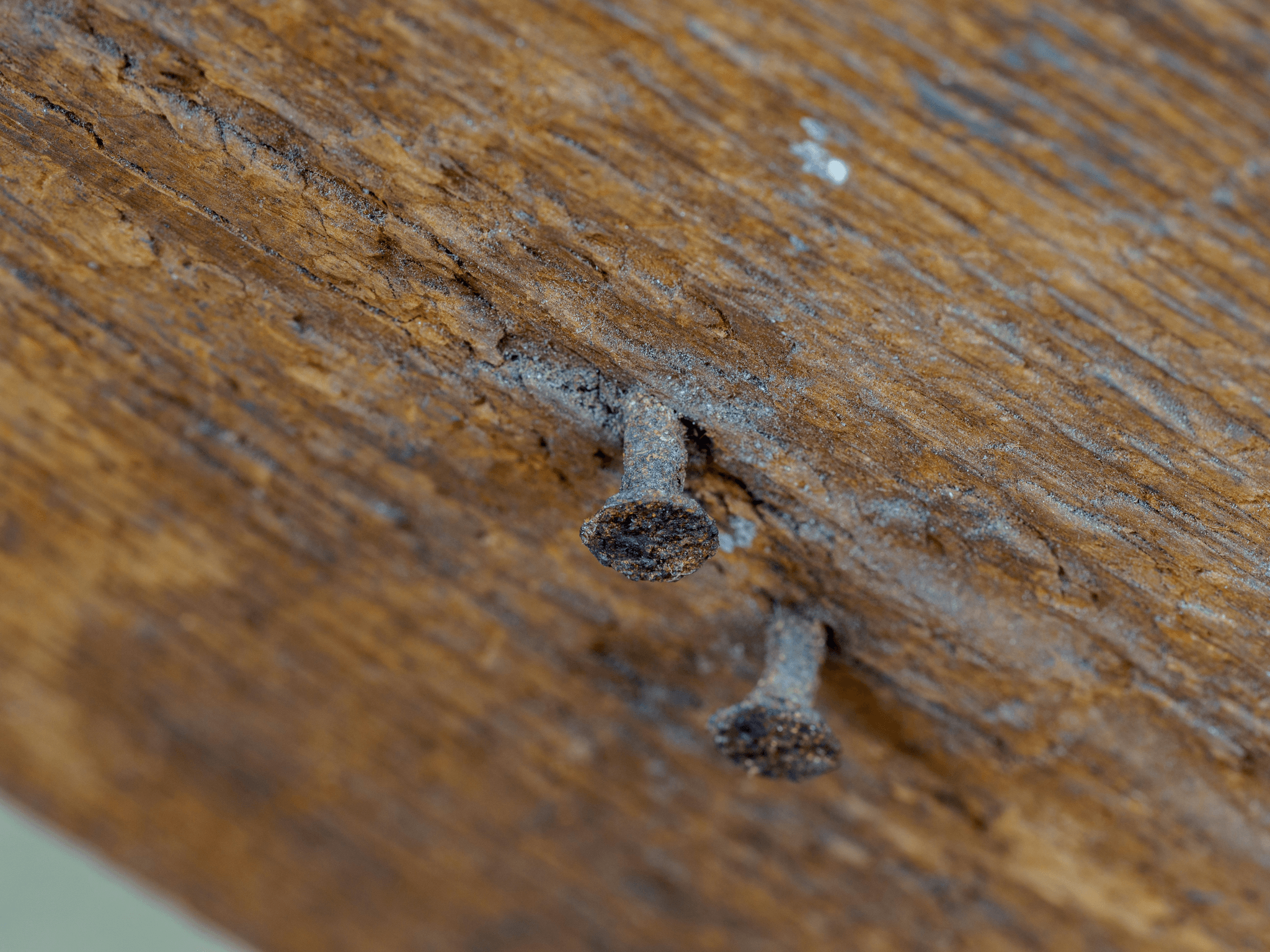
Keeping wooden furniture pristine requires more than just good looks; it demands vigilance against potential damage sources. Whether you're crafting a sleek modern piece or a traditional antique, understanding how to safeguard your investment is crucial. Implementing proper prevention strategies can save you from costly repairs and maintain the beauty of your furniture for years to come.
Damage from Insects and Prevention Strategies
Insect damage is a sneaky adversary that can compromise even the most well-made wooden furniture. Common pests like termites and beetles love to feast on wood, leaving behind structural weaknesses and unsightly holes. Regular Wooden Furniture Inspection is essential to catch early signs of insect activity, such as tiny exit holes or fine powdery residues, before significant damage occurs. Applying preventive treatments and ensuring proper storage conditions are key steps in avoiding Damage from Insects, especially during manufacturing or handling stages.
Handling and Storage Tips to Prevent Damage
Proper handling and storage are often overlooked but vital aspects of protecting wooden furniture from damage caused by environmental factors or mishaps. Always lift rather than drag pieces to prevent surface scratches or structural stress—think of it as giving your furniture a gentle hug instead of a rough shove. When storing items, keep them in dry, climate-controlled environments away from direct sunlight, which can cause warping or fading over time; this aligns with the importance of conducting thorough Wooden Furniture Inspection during storage periods. Using protective coverings like blankets or bubble wrap can also shield surfaces from accidental impacts that lead to common defects in wooden furniture.
Using Proper Treatments and Finishes
Applying the right treatments and finishes acts as an armor against external threats such as moisture, fungi, and insects—all enemies that threaten the longevity of wooden furniture. Sealants, varnishes, and specialized finishes create a barrier that prevents fungal infections—a common defect in wooden furniture when moisture seeps into unprotected wood—while also deterring Damage from Insects by making the surface less appealing for pests to inhabit. Incorporating these treatments into your manufacturing process not only enhances durability but also simplifies ongoing maintenance; regular inspections using a comprehensive Wooden Furniture Inspection Checklist help identify areas where finishes may have worn thin or become compromised.
Best Practices for Maintaining Higher Quality
Maintaining high standards in wooden furniture production requires a proactive approach that combines thorough inspections, timely issue resolution, and continuous improvement. Implementing a solid Wooden Furniture Inspection process helps identify potential flaws early, saving costs and enhancing product durability. Regularly reviewing your inspection procedures ensures that types of wooden furniture are consistently meeting quality expectations and minimizes the risk of common defects in wooden furniture slipping through the cracks.
A key aspect of maintaining higher quality is conducting a thorough Wooden Furniture Inspection at various stages of manufacturing. This includes checking for surface flaws, structural integrity, and signs of fungal infections or damage from insects. Utilizing a comprehensive Wooden Furniture Inspection Checklist ensures no detail is overlooked, especially when inspecting different types of wooden furniture with unique characteristics or vulnerabilities.
Addressing issues during manufacturing is crucial to prevent costly rework or customer dissatisfaction later on. When common defects in wooden furniture are detected early—such as warping, surface cracks, or fungal infections—corrective actions can be taken immediately. This proactive stance reduces the likelihood of damage from insects or other environmental factors compromising the final product's quality.
Implementing continuous improvement strategies is essential for elevating your wooden furniture production standards over time. Regular training on inspection techniques and updates to your Wooden Furniture Inspection Checklist keep your team sharp and aware of emerging issues like new types of defects or pest threats. Staying vigilant allows you to adapt quickly, ensuring consistent quality and reducing the risk associated with defective products reaching customers.
Conclusion
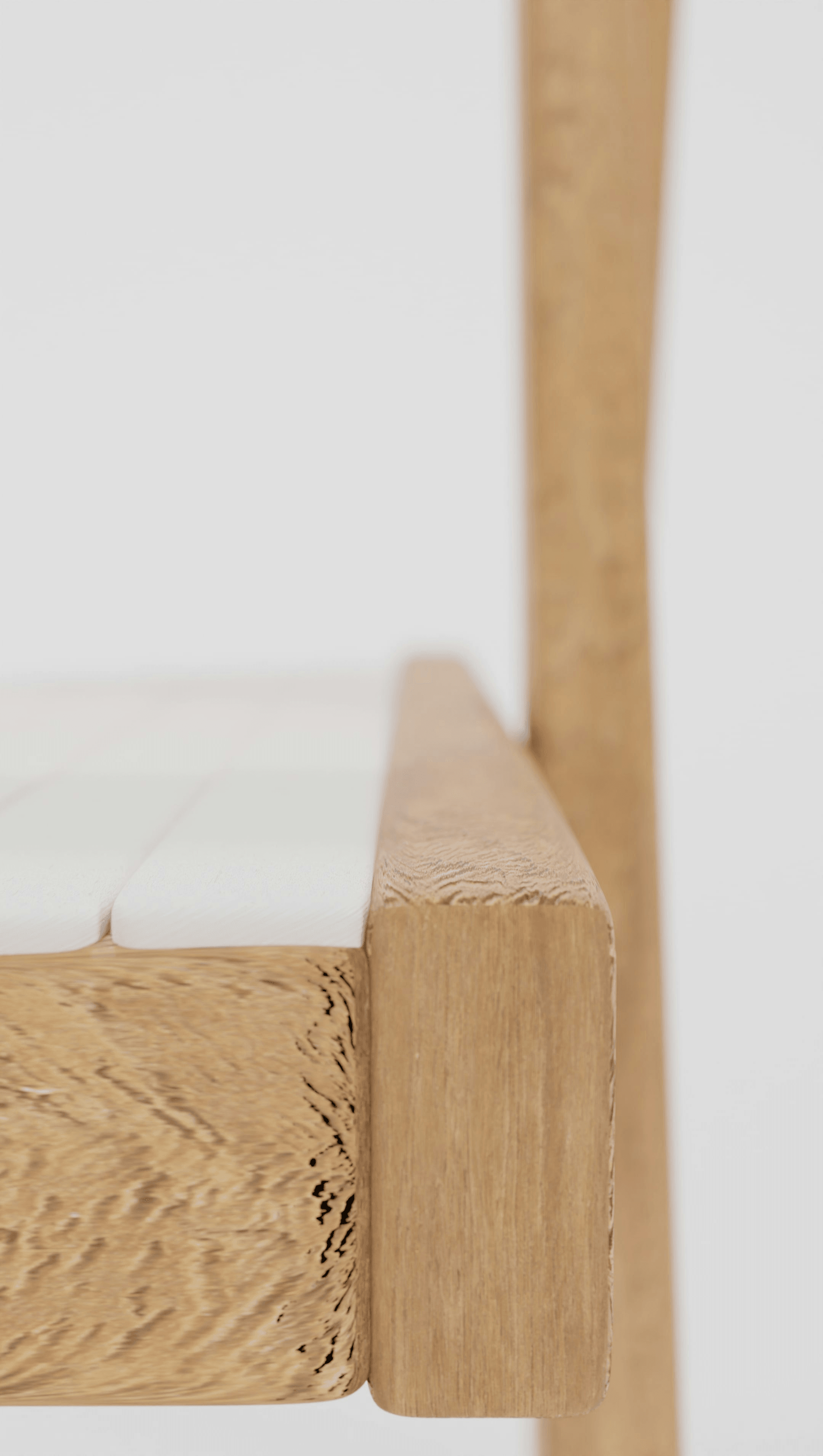
Mastering the art of Wooden Furniture Inspection is essential for ensuring top-notch quality and customer satisfaction. By understanding how to effectively use a Wooden Furniture Inspection Checklist, manufacturers can catch common defects early, saving time and money. Remember, the devil is in the details—pay close attention to types of wooden furniture, surface flaws, structural issues, and signs of fungal infections or damage from insects.
How to Use a Wooden Furniture Inspection Checklist Effectively
To get the most out of your Wooden Furniture Inspection process, always start with a comprehensive checklist tailored to different types of wooden furniture you produce. This checklist should include critical points like surface finish quality, structural integrity, and signs of common defects in wooden furniture such as warping or cracks. Regularly updating this checklist based on past inspection findings helps maintain high standards and prevents issues like fungal infections or insect damage from slipping through the cracks.
The Role of Professional Quality Inspection Services
While DIY inspections are valuable, partnering with professional services like China Inspection Pro elevates your wooden furniture production game significantly. These experts bring specialized tools and techniques used in wooden furniture inspection that can detect hidden defects not visible to the naked eye—especially crucial for identifying fungi or insect-related damage early on. Employing professional quality inspection services ensures that every piece meets rigorous standards for durability and aesthetic appeal while reducing costly returns or recalls caused by overlooked defects.
Elevate Your Wooden Furniture Production with China Inspection Pro
Taking your wooden furniture manufacturing to new heights involves integrating thorough inspections into your process—this is where China Inspection Pro shines. Their expertise in wooden furniture inspection ensures that each item adheres to international quality benchmarks by meticulously checking for common defects such as surface flaws, warping, fungal infections, or insect damage. Partnering with them means fewer surprises down the line and a reputation for delivering beautifully crafted furniture that stands the test of time.