
Introduction
In the world of manufacturing and construction, material inspection plays a pivotal role in ensuring quality and safety. Understanding what material inspection entails is crucial for businesses aiming to meet industry standards and customer expectations. This introduction will explore the significance of material inspection, its key objectives, and provide an overview of various inspection types and methods that are essential for maintaining high-quality production.
Understanding the Importance of Material Inspection
Material inspection serves as the backbone of quality assurance in numerous industries. By identifying defects or inconsistencies early on, companies can save time, money, and resources while enhancing product reliability. Whether it’s understanding what is material inspection or recognizing its critical role in preventing costly mistakes, grasping this concept is vital for anyone involved in production processes.
Key Objectives of Material Inspection
The primary objective of material inspection is to ensure that all materials meet predefined specifications before they are used in production or construction. This includes verifying compliance with safety regulations, performance standards, and customer requirements. Ultimately, effective material inspection aims to minimize risks associated with poor-quality materials while maximizing operational efficiency.
Overview of Inspection Types and Methods
When delving into what are the 4 types of inspections, it's essential to understand how each type serves a unique purpose within the quality control process. From initial inspections that set benchmarks to final inspections that confirm product readiness for market release—each step is crucial for maintaining high standards. Additionally, exploring what are the 4 methods of inspection reveals a range of techniques from visual checks to advanced non-destructive testing that help ensure integrity throughout the entire production cycle.
What is Material Inspection?
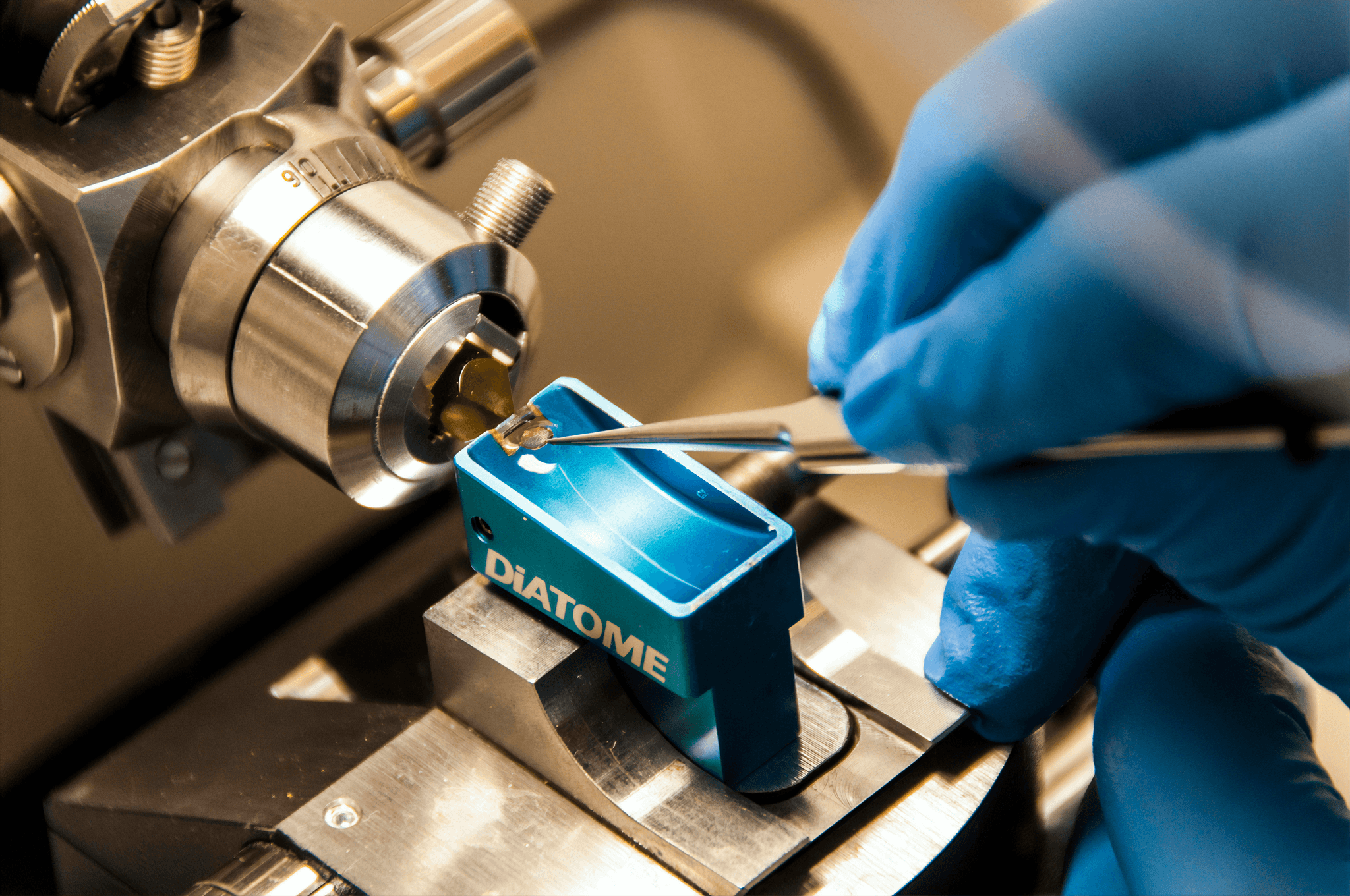
Material inspection is a systematic process that ensures the quality, safety, and compliance of materials used in various industries. It involves examining materials at different stages of manufacturing or construction to confirm they meet specified standards and requirements. By understanding what material inspection entails, businesses can significantly reduce risks associated with defects and non-compliance.
Defining Material Inspection Practices
Material inspection practices encompass a variety of techniques aimed at evaluating the condition and integrity of materials before they are utilized in production or construction. This includes assessing physical properties, dimensions, and overall quality to ensure they align with industry standards. Essentially, material inspection acts as a safeguard against subpar materials that could lead to catastrophic failures down the line.
Significance in Manufacturing and Construction
In manufacturing and construction, the significance of material inspection cannot be overstated; it serves as the backbone for ensuring product reliability and safety. Industries rely on rigorous material inspection to maintain high-quality standards while minimizing waste and reducing costs associated with rework or recalls. By prioritizing inspections, companies can enhance their reputation for quality while meeting regulatory requirements.
Real-World Applications and Industries
Material inspection finds its applications across a wide array of industries including aerospace, automotive, construction, and pharmaceuticals. In each sector, specific standards dictate how materials must be inspected to ensure safety and efficacy; for example, aerospace components undergo stringent testing due to their critical nature. From raw materials to finished products, effective material inspection practices are essential for delivering reliable results that adhere to both industry norms and consumer expectations.
What are the 4 Types of Inspections?
When it comes to ensuring quality and compliance in various industries, understanding what the four types of inspections are is crucial. These inspections serve distinct purposes and help maintain standards throughout the production process. By categorizing inspections into initial, in-process, final, and documentation types, organizations can better manage their material inspection practices.
Initial Inspection: Setting the Standard
The initial inspection is the first step in establishing a baseline for quality during material inspection. This phase involves examining materials before they enter production to ensure they meet specified requirements and standards. By catching potential issues early on, companies can save time and resources while avoiding costly reworks down the line.
Initial inspections typically focus on verifying specifications such as dimensions, materials used, and other critical attributes that define quality. It’s not just about checking boxes; this type of inspection sets a precedent for what is acceptable moving forward. Ultimately, an effective initial inspection lays the groundwork for successful manufacturing or construction processes.
In-Process Inspection: Monitoring Progress
In-process inspections play a vital role in maintaining quality throughout production by continuously monitoring progress against established standards. During this stage of material inspection, inspectors evaluate ongoing work to identify any deviations from specifications before they escalate into bigger problems. This proactive approach helps ensure that any adjustments needed can be made promptly.
By implementing regular in-process inspections, organizations can track compliance with quality standards at every stage of production or construction. This type of inspection not only enhances product integrity but also fosters a culture of accountability among workers. The result? A more efficient workflow that minimizes errors and maximizes productivity.
Final Inspection: Ensuring Quality Control
Final inspections serve as the last line of defense before products leave the facility or project site—a crucial step in material inspection practices aimed at guaranteeing quality control. This comprehensive review assesses whether all items meet predetermined specifications and performance criteria before delivery to clients or end-users. Essentially, it’s about giving that final thumbs-up (or down) to ensure everything is shipshape.
During final inspections, inspectors will look at various factors such as functionality, aesthetics, and overall workmanship to confirm compliance with industry standards and customer expectations. If discrepancies arise during this phase, corrective actions can be taken immediately to prevent unsatisfactory products from reaching customers' hands. In short, final inspections are essential for maintaining brand reputation and customer satisfaction.
Documentation Inspection: Record Keeping Essentials
Documentation inspections may not sound glamorous but are undeniably critical within material inspection processes—after all, what good is an impeccable product without proper records? This type involves reviewing all relevant paperwork associated with materials used during production or construction projects to ensure everything aligns with regulatory requirements and company policies.
Proper documentation serves multiple purposes: it provides traceability for materials used; it ensures compliance with safety regulations; plus it acts as evidence should disputes arise later on regarding product integrity or performance claims. By conducting thorough documentation inspections alongside physical evaluations of materials themselves—you're essentially covering all bases! Ultimately, meticulous record-keeping enhances accountability while simplifying audits down the line.
What are the 4 Methods of Inspection?
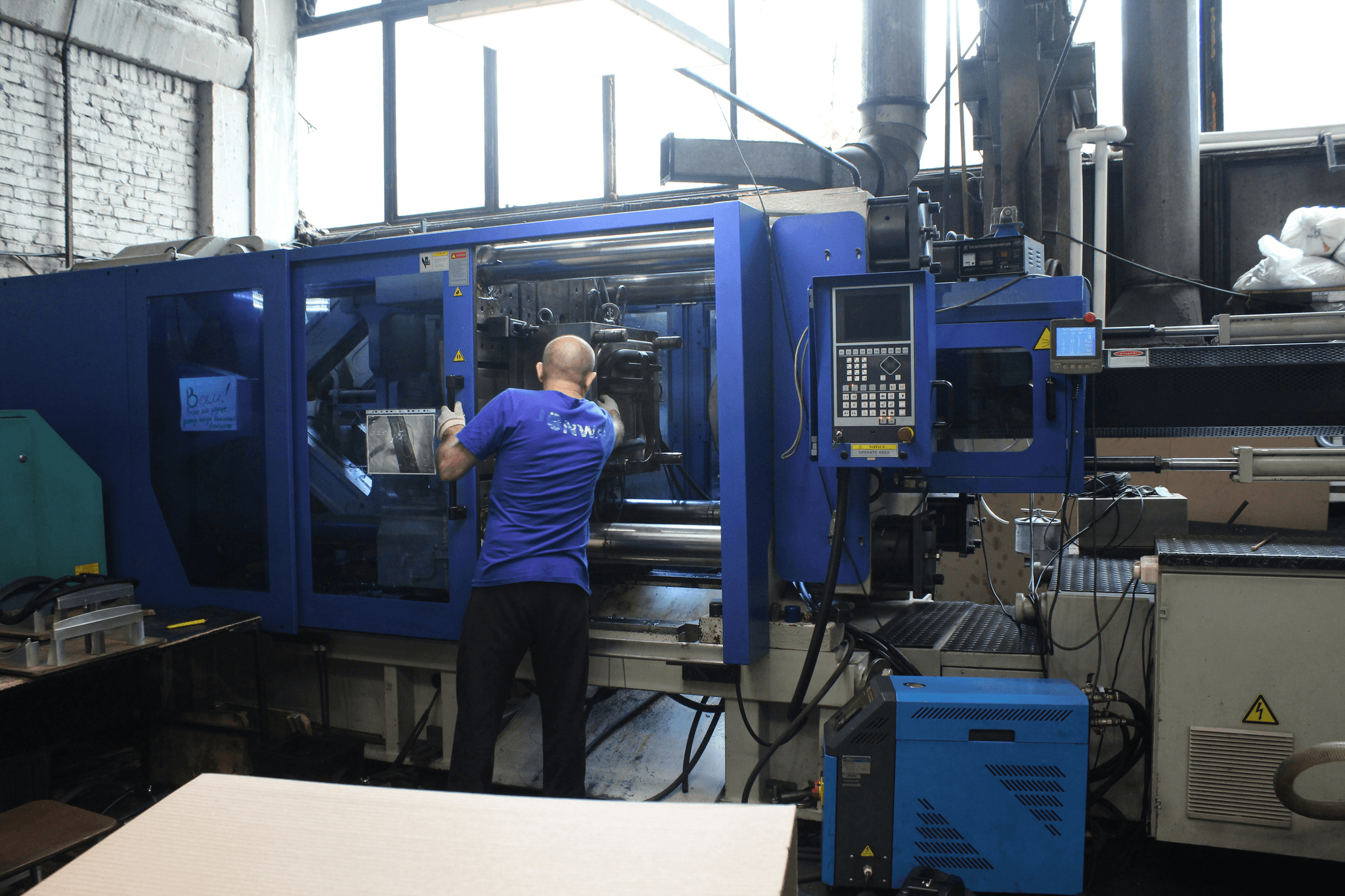
In the realm of material inspection, understanding the various methods employed is crucial for ensuring quality and safety. Each method serves a distinct purpose and is selected based on specific requirements of the project or product. Here, we will delve into four primary methods of inspection that play pivotal roles in maintaining standards across industries.
Visual Inspection: The First Line of Defense
Visual inspection is often considered the most straightforward yet vital method in material inspection. It involves examining materials or products with the naked eye to identify obvious defects such as cracks, discoloration, or irregular shapes. While it may seem simplistic, this method can catch significant issues early on, preventing costly errors down the line.
During visual inspections, inspectors assess not just surface conditions but also overall workmanship and compliance with specifications. This method is particularly effective in initial inspections where setting standards is crucial for subsequent processes. In many cases, visual inspection serves as a preliminary step before more sophisticated techniques are employed.
Dimensional Inspection: Measuring to Perfection
Dimensional inspection takes material inspection a notch higher by focusing on precise measurements of components against defined specifications. This method ensures that every aspect—length, width, height—meets required tolerances essential for functionality and interoperability within larger systems. In industries like manufacturing and construction, accurate dimensions can mean the difference between success and failure.
Utilizing tools such as calipers, micrometers, and laser measuring devices enhances accuracy during dimensional inspections. Inspectors not only verify measurements but also document them to maintain quality assurance records essential for future audits or compliance checks. Thus, dimensional inspection plays a critical role in ensuring products fit together seamlessly without compromising safety or performance.
Destructive Testing: When Precision Matters
Destructive testing might sound intimidating; however, it’s an indispensable part of rigorous material inspection when precision truly matters. This method involves testing materials to failure to understand their strength limits and other physical properties under stress conditions—think tensile strength tests or impact tests that reveal how materials behave under extreme conditions.
While destructive testing sacrifices samples to gain critical data about performance capabilities, it provides invaluable insights that can inform design choices and safety protocols in production processes. Industries such as aerospace and automotive heavily rely on this form of testing to ensure their components can withstand real-world stresses without catastrophic failures occurring later on down the line.
Non-Destructive Testing: Keeping Integrity Intact
Non-destructive testing (NDT) offers a remarkable alternative to destructive methods by allowing inspectors to evaluate materials without causing any damage whatsoever—hence its name! Techniques like ultrasonic testing, radiographic testing (using X-rays), and magnetic particle inspections enable thorough evaluations while preserving material integrity for future use.
This method is especially advantageous when dealing with expensive components or critical structures where even minor imperfections could lead to significant consequences if undetected during earlier stages of material inspection processes. NDT not only saves costs associated with wasted materials but also enhances safety by identifying hidden flaws before they escalate into serious problems.
In summary, these four methods—visual inspection, dimensional inspection, destructive testing, and non-destructive testing—each play unique yet complementary roles within the broader framework of material inspection practices across various industries today.
What are the Three Main Types of Inspections?

When it comes to ensuring quality and efficiency in various industries, understanding the three main types of inspections is vital. These inspections serve specific purposes and help maintain standards across manufacturing, construction, and environmental sectors. By knowing what these inspections entail, businesses can better navigate the complexities of material inspection.
Quality Inspections: Ensuring Compliance
Quality inspections are fundamental in verifying that materials meet specified standards and regulations. This type of inspection focuses on assessing whether products align with quality benchmarks set by industry guidelines or client specifications. By conducting thorough quality inspections, companies can prevent defects, reduce waste, and enhance customer satisfaction—ultimately leading to a more robust reputation in the market.
In essence, quality inspections are about ensuring compliance with both internal standards and external regulations. They often involve evaluating a range of factors including material properties, performance tests, and adherence to design specifications. The importance of these checks cannot be overstated; they form the backbone of any successful material inspection strategy.
Safety Inspections: Protecting Workers and Facilities
Safety inspections play a crucial role in safeguarding both personnel and physical assets within an organization. These inspections assess potential hazards associated with materials or processes used on-site to ensure that safety protocols are strictly followed. By prioritizing safety inspections as part of your material inspection routine, you create a safer working environment for employees while minimizing risks related to accidents or injuries.
Moreover, safety inspections help organizations comply with regulatory requirements designed to protect workers' health and well-being. Regular assessments can identify unsafe practices or equipment malfunctions before they lead to serious incidents. In this way, safety inspections contribute not only to employee welfare but also bolster operational efficiency through reduced downtime caused by accidents.
Environmental Inspections: Meeting Regulatory Standards
Environmental inspections focus on ensuring that operations comply with environmental laws and regulations aimed at protecting natural resources and public health. These assessments evaluate how materials impact ecosystems during manufacturing or construction processes—ensuring that pollutants are controlled effectively. In an era where sustainability is paramount, conducting thorough environmental inspections is essential for any business committed to responsible practices.
By integrating environmental considerations into material inspection routines, companies can mitigate their ecological footprint while enhancing their corporate social responsibility profile. Additionally, failing to meet environmental standards can result in hefty fines or legal repercussions; thus making these types of inspections not just beneficial but necessary for long-term success in today’s market landscape.
Choosing a Reliable Inspection Partner
In the world of material inspection, selecting the right inspection partner can be as crucial as the inspections themselves. A reliable inspection service not only ensures compliance with industry standards but also safeguards your investment by identifying potential issues before they escalate. With so many options available, understanding what to look for can make all the difference.
Criteria for Selecting an Inspection Service
When it comes to material inspection, there are several key criteria to consider when selecting an inspection service. First and foremost, look for a company with a proven track record in various industries—this will give you confidence that they understand specific requirements related to what is material inspection? Furthermore, ensure that they offer comprehensive services covering all four types of inspections: initial, in-process, final, and documentation inspections. Lastly, consider their technological capabilities; modern methods of inspection can significantly enhance accuracy and efficiency.
Why China Inspection Pro Stands Out
Among numerous options available in the market, China Inspection Pro stands out for several compelling reasons. This company specializes in delivering top-notch material inspection services tailored to meet diverse client needs across multiple sectors. Their expertise encompasses all four methods of inspection—visual, dimensional, destructive testing, and non-destructive testing—ensuring thorough evaluations that maintain quality control throughout every stage of production.
The Value of Expertise and Experience
Experience is invaluable when it comes to material inspection; seasoned professionals bring insights that can only be gained through years on the job. By choosing an experienced partner like China Inspection Pro, businesses benefit from their deep understanding of what are the three main types of inspections: quality, safety, and environmental inspections. This expertise not only enhances compliance but also fosters trust among stakeholders who rely on consistent quality assurance.
Conclusion

In the realm of manufacturing and construction, understanding the importance of material inspection cannot be overstated. Rigorous material inspection not only ensures compliance with industry standards but also enhances product quality and safety. By implementing effective inspection practices, businesses can minimize risks, reduce costs, and ultimately boost customer satisfaction.
Advantages of Rigorous Material Inspection
The advantages of rigorous material inspection extend far beyond just meeting regulatory requirements. By adopting a systematic approach to inspections, companies can identify defects early in the production process, which saves time and resources in the long run. Moreover, these inspections foster a culture of quality within organizations, leading to improved operational efficiency and enhanced reputation in the market.
Additionally, understanding what is material inspection helps stakeholders appreciate its role in safeguarding public safety and environmental standards. With various types of inspections available—such as initial, in-process, final, and documentation inspections—businesses can tailor their strategies to fit specific needs. Ultimately, rigorous material inspection acts as a cornerstone for sustainable growth across multiple industries.
The Role of Technology in Modern Inspections
Technology has revolutionized how we approach material inspection today. Advanced tools such as drones for aerial inspections or automated systems for dimensional checks are making it easier than ever to ensure compliance with quality standards. Furthermore, integrating data analytics into inspection processes allows companies to gain insights that were previously unattainable.
Modern methods of inspection like non-destructive testing (NDT) leverage cutting-edge technology to maintain the integrity of materials while still providing accurate assessments. As industries evolve and become more complex, utilizing technology will be essential for staying ahead of potential issues related to quality control or safety compliance. Thus, embracing technological advancements is crucial for any organization committed to excellence in their material inspection practices.
Future Trends in Material Inspection Practices
Looking ahead at future trends in material inspection practices reveals an exciting landscape filled with opportunities for improvement and innovation. One significant trend is the increasing use of artificial intelligence (AI) and machine learning algorithms that enhance predictive maintenance capabilities during inspections. This shift allows companies not only to reactively address issues but also proactively prevent them before they arise.
Additionally, sustainability will play a pivotal role in shaping future material inspections as industries strive towards greener practices. Inspections will likely focus more on environmentally friendly materials while ensuring compliance with evolving regulations related to environmental impact assessments. As we move forward into an era where quality assurance meets eco-consciousness, organizations must adapt their approaches accordingly while keeping core principles intact.