
Introduction
Ensuring the reliability and safety of a Double Pipe Heat Exchanger starts long before it hits operational status. A thorough Double Pipe Heat Exchanger Inspection process is essential to catch potential issues early, from fabrication flaws to structural weaknesses. By integrating comprehensive inspection methods, manufacturers can prevent costly failures and extend the lifespan of these vital heat exchange systems.
Effective Double Pipe Heat Exchanger Inspection involves multiple layers of testing, including visual and dimensional inspection during fabrication, which helps identify misalignments or surface defects early on. The Double Pipe Heat Exchanger production weld test is crucial for verifying weld integrity, preventing leaks or weaknesses that could compromise performance later. Additionally, performing hardness measurements in the final condition ensures that material properties meet specified standards, contributing to overall durability and safety.
Common challenges in evaluating double pipe heat exchangers include detecting internal flaws that are not visible externally and ensuring consistency across manufacturing batches. Techniques like the reinforcing pad air-soap test are employed for leak detection, while hydrostatic tests verify structural strength under pressure. Combining these methods with ultrasonic testing provides a comprehensive approach to identifying hidden flaws that could lead to failure if overlooked.
A well-executed Double Pipe Heat Exchanger Inspection not only enhances safety but also boosts operational efficiency by minimizing downtime caused by unexpected breakdowns. Industry leaders emphasize the importance of regular inspections using advanced testing procedures—such as hydrostatic tests and hardness measurements—to maintain optimal performance standards throughout the equipment’s lifecycle. Partnering with experienced inspectors ensures that every stage—from initial fabrication checks to final evaluations—is thoroughly scrutinized for quality assurance.
Foundations of Double Pipe Heat Exchanger Inspection
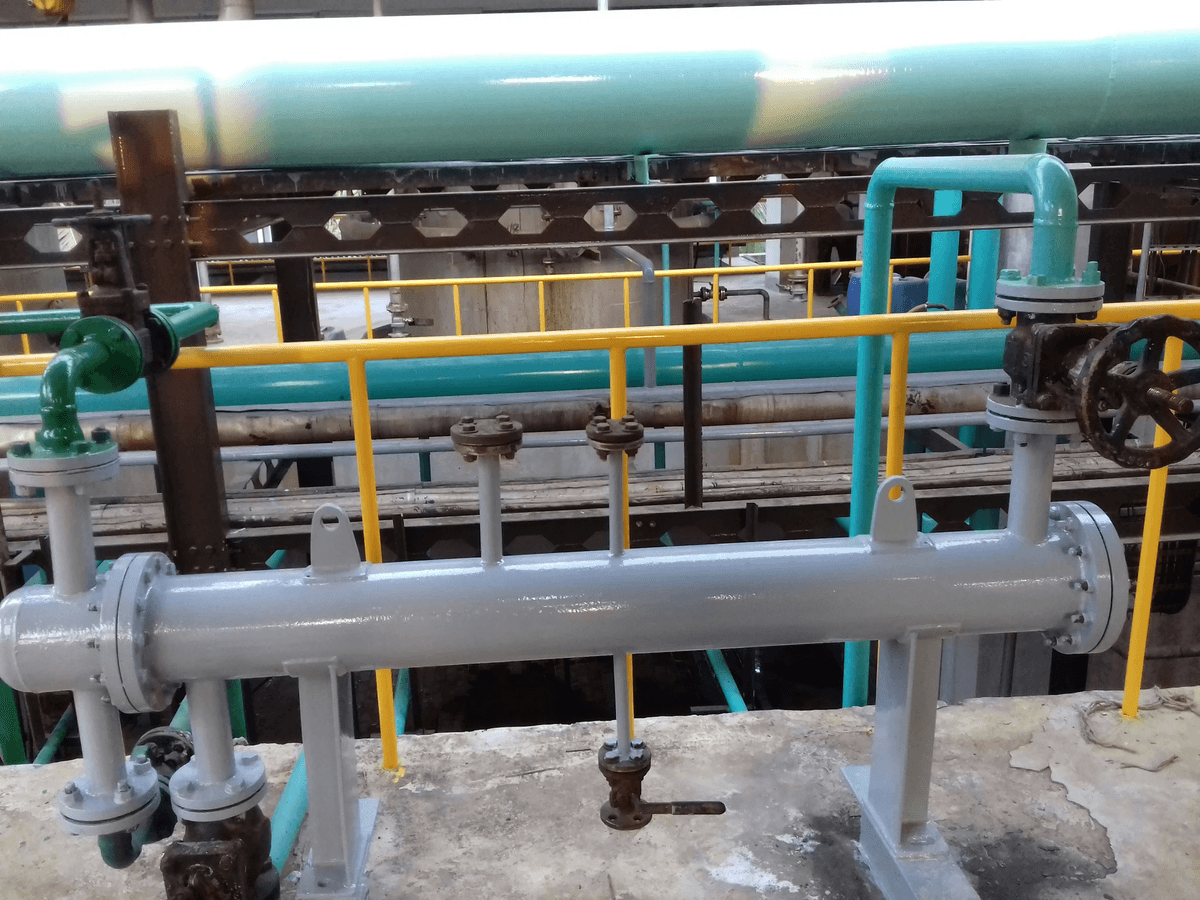
A solid foundation in Double Pipe Heat Exchanger Inspection begins with meticulous visual and dimensional inspection during fabrication. These initial checks are crucial for catching any surface imperfections, misalignments, or dimensional discrepancies early on, preventing costly rework down the line. Consistent application of Double Pipe Heat Exchanger Visual and Dimensional Inspection during fabrication ensures that each component meets strict quality standards before progressing to more advanced testing.
The significance of the Double Pipe Heat Exchanger Production weld test cannot be overstated; it acts as a gatekeeper for structural integrity. This weld test verifies that all joints are properly fused and free from defects such as cracks or porosity, which could compromise performance under operating conditions. Incorporating the Double Pipe Heat Exchanger Production weld test into the inspection process guarantees that only components passing this critical step move forward, reducing potential failures later.
In addition to visual assessments, incorporating hardness measurements in the final condition is vital for confirming material integrity. The Double Pipe Heat Exchanger Hardness measurements in final condition help verify that heat treatment processes have been effective and that materials possess the necessary strength properties. These hardness measurements serve as a final checkpoint, ensuring durability and longevity of the heat exchanger before it enters service.
Furthermore, other essential inspections like the reinforcing pad air-soap test play a role in detecting leaks early on by applying soap solutions to suspect areas—this simple yet effective method is part of comprehensive Double Pipe Heat Exchanger Inspection protocols. Post-welding, performing a hydrostatic test provides confidence in the structural strength by pressurizing the system with water to identify any leaks or weaknesses prior to operation. Combining these techniques creates a robust inspection framework that safeguards both safety and performance throughout the manufacturing process.
Key Inspection Techniques for Double Pipe Heat Exchangers
Effective Double Pipe Heat Exchanger Inspection hinges on employing a variety of precise testing methods to ensure both safety and performance. From initial visual assessments during fabrication to rigorous internal flaw detection, each technique plays a vital role in verifying the integrity of these complex systems. Incorporating these inspection techniques not only guarantees compliance with industry standards but also extends the operational lifespan of the heat exchangers.
Conducting Reinforcing Pad Air-Soap Test for Leak Detection
The reinforcing pad air-soap test is a crucial step in Double Pipe Heat Exchanger Inspection, especially after the production weld test. This non-destructive method involves pressurizing the reinforcement pads with air and applying a soap solution around weld joints to detect leaks visually through bubbling. Performing this test during fabrications ensures that any weaknesses in welds or seals are identified early, preventing costly failures later. Regular use of the reinforcing pad air-soap test aligns with best practices in Double Pipe Heat Exchanger Production weld test procedures, confirming that all welded joints are airtight before proceeding further.
Performing Hydrostatic Test to Verify Structural Strength
The hydrostatic test remains one of the most reliable techniques for Double Pipe Heat Exchanger Inspection when assessing structural strength post-assembly. During this process, water is used as a testing medium to fill and pressurize the system beyond its normal operating conditions, revealing potential leaks or weaknesses in welds and joints. Conducting this test after completing key welding phases ensures that any issues are caught early, facilitating timely repairs and maintaining quality standards established during Double Pipe Heat Exchanger Production weld tests. Additionally, documenting hardness measurements in final condition alongside hydrostatic results provides comprehensive evidence of material integrity throughout the entire inspection process.
Using Ultrasonic Testing for Internal Flaw Detection
Ultrasonic testing offers an advanced approach to internal flaw detection within double pipe systems without dismantling them completely. This technique uses high-frequency sound waves transmitted into materials to identify inconsistencies like cracks or inclusions that could compromise performance over time—an essential part of thorough Double Pipe Heat Exchanger Inspection routines. Employing ultrasonic testing after initial visual and dimensional inspection during fabrication helps confirm that no hidden flaws exist inside critical components; furthermore, it supports verifying hardness measurements in final condition by ensuring internal material homogeneity prior to commissioning.
Critical Stages of the Inspection Process
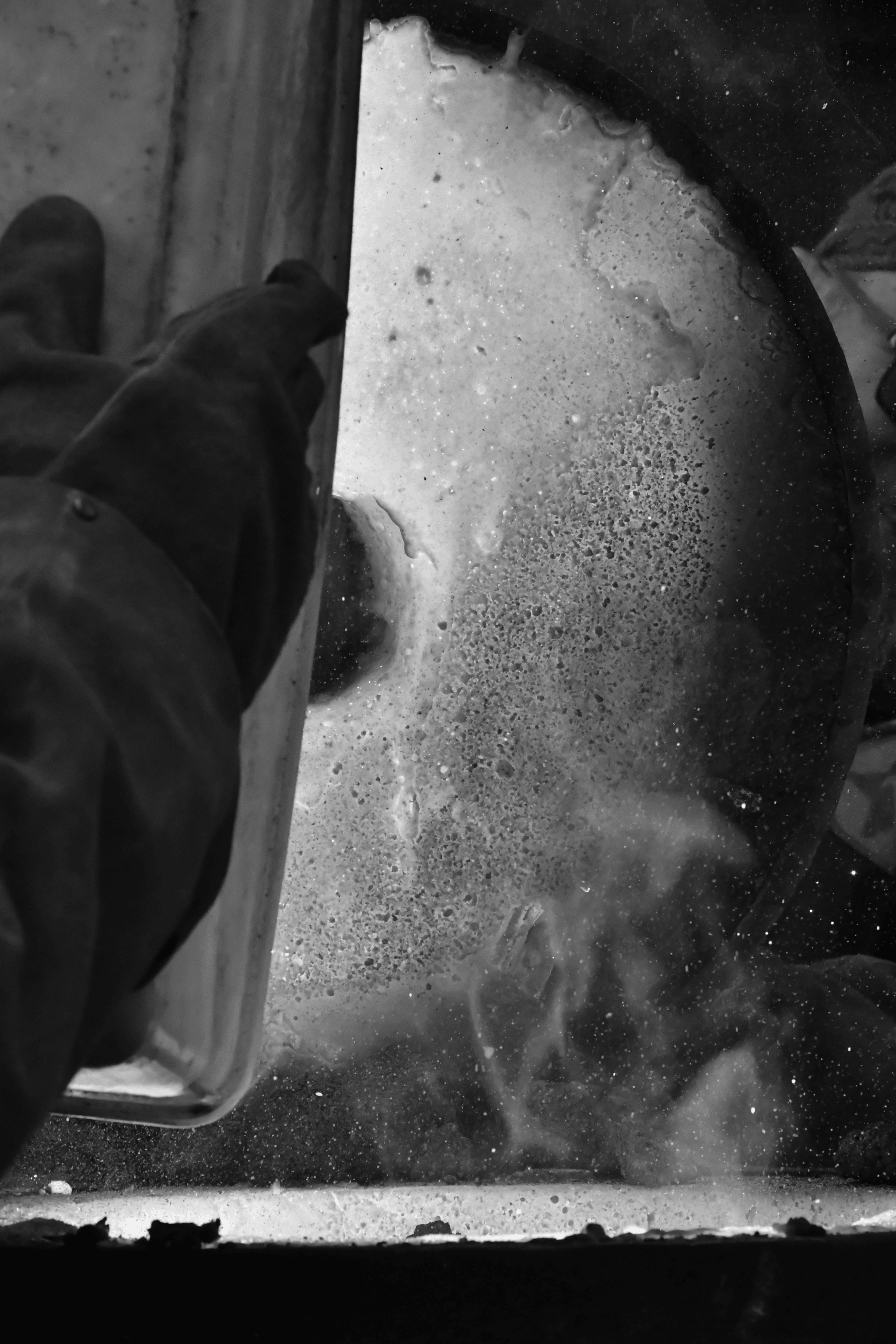
The foundation of a reliable Double Pipe Heat Exchanger begins long before it hits operational status. The initial stage involves meticulous Double Pipe Heat Exchanger Visual and Dimensional Inspection during fabrication, ensuring all parts meet design specifications and craftsmanship standards. This step is crucial because any oversight here could compromise the entire inspection process, leading to costly repairs or safety hazards down the line.
Once fabrication wraps up, the Double Pipe Heat Exchanger Production weld test takes center stage. This weld test verifies the integrity of every seam and joint, confirming that each weld meets industry standards for durability and leak prevention. Conducting a thorough Double Pipe Heat Exchanger Production weld test helps identify potential flaws early, saving time and resources before moving on to hardness measurements in final condition.
As the project advances toward completion, attention shifts to the final testing stages—particularly the Double Pipe Heat Exchanger Hardness measurements in final condition. These measurements assess material integrity post-fabrication, ensuring that heat treatment or welding processes haven't compromised the exchanger's strength. Once hardness readings are satisfactory, a comprehensive Double Pipe Heat Exchanger Hydrostatic test is performed to check for leaks and structural robustness under pressure.
Before sealing the deal, inspectors perform a Double Pipe Heat Exchanger Reinforcing pad air-soap test to detect any hidden leaks around critical reinforcement areas. This air-soap test provides an additional layer of assurance by visually revealing even tiny escape points that could jeopardize performance later on. The reinforcing pad evaluation ensures that all components are sealed tight and ready for operational stresses.
Leveraging Industry Leaders like China Inspection Pro
Partnering with industry leaders such as China Inspection Pro can significantly elevate the quality of Double Pipe Heat Exchanger Inspection. Their expertise ensures that every phase, from fabrication to final testing, adheres to rigorous standards, reducing the risk of leaks or failures down the line. By integrating their advanced inspection techniques, manufacturers can confidently pass the Double Pipe Heat Exchanger Production weld test and maintain optimal performance.
China Inspection Pro's proficiency in conducting comprehensive Double Pipe Heat Exchanger Visual and dimensional inspection during fabrication helps catch potential issues early. Their team meticulously examines each component and weld, ensuring that all dimensions meet specifications before moving forward. This proactive approach minimizes costly rework and guarantees that the Double Pipe Heat Exchanger Hardness measurements in final condition are within acceptable ranges, confirming material integrity.
Moreover, their guidance on performing critical tests like the Reinforcing pad air-soap test and Hydrostatic test adds an extra layer of assurance. These inspections verify structural integrity and leak-proof performance before installation. Leveraging such expert insights not only streamlines production but also ensures durability and safety throughout the heat exchanger’s lifespan.
Best Practices for Maintaining Inspection Consistency
Maintaining consistency in Double Pipe Heat Exchanger Inspection is vital to ensure each unit performs reliably over its lifespan. Regular calibration and equipment upkeep are the backbone of this process, preventing measurement drift and ensuring that every inspection remains accurate. When tools used for Double Pipe Heat Exchanger production weld tests or hardness measurements in final conditions are properly maintained, it minimizes the risk of overlooked flaws or misjudged weld quality.
Equally important is training teams thoroughly on the nuances of Double Pipe Heat Exchanger Inspection procedures. Skilled inspectors who understand the critical stages—such as visual and dimensional inspection during fabrication, reinforcing pad air-soap tests, and hydrostatic testing—are better equipped to identify issues early. Continuous education ensures that inspectors stay current with industry standards and apply best practices consistently across all inspection phases.
Finally, meticulous documentation of findings plays a crucial role in upholding quality standards. Recording results from each step—be it visual inspections during fabrication, weld tests, or hardness measurements in final condition—not only creates an audit trail but also facilitates trend analysis over time. Proper documentation helps teams verify that every Double Pipe Heat Exchanger passes through rigorous checks like reinforcing pad air-soap tests and hydrostatic tests without deviations from established protocols.
Conclusion
Ensuring the longevity of a double pipe heat exchanger hinges on meticulous inspection practices throughout its production and operational life. Proper Double Pipe Heat Exchanger Inspection, including critical steps like the Double Pipe Heat Exchanger Production weld test and Double Pipe Heat Exchanger Hardness measurements in final condition, helps identify potential issues early. When these inspections are thorough, they significantly reduce the risk of failures, extend equipment lifespan, and maintain optimal thermal efficiency.
Integrating advanced testing methods such as the Double Pipe Heat Exchanger Reinforcing pad air-soap test and Double Pipe Heat Exchanger Hydrostatic test is vital for achieving peak performance. These techniques provide reliable leak detection and structural verification, which are essential for high-stakes industrial applications. Regularly conducting these tests ensures that each component meets strict standards, ultimately safeguarding plant operations and minimizing costly downtime.
Partnering with seasoned professionals like China Inspection Pro makes all the difference in maintaining quality assurance. Their expertise in conducting comprehensive Double Pipe Heat Exchanger Inspection—including visual and dimensional inspection during fabrication—ensures every detail is scrutinized. Leveraging their guidance on complex procedures and advanced testing helps manufacturers deliver durable, safe heat exchangers that perform reliably under demanding conditions.