
Introduction
A well-executed Tower Inspection is the backbone of safe and reliable tower operations. Whether during fabrication or installation, a comprehensive Tower Inspection ensures all structural elements meet industry standards and safety protocols. Incorporating key procedures like Tower Visual and Dimensional Inspection during fabrication, Tower Reinforcing Pad Air-Soap Test, and Tower Hydrostatic Test helps catch issues early, saving time and money in the long run.
Ensuring safety and compliance in tower operations isn't just good practice—it's a necessity. Regularly performing essential tests such as the Tower Leak Test for sleeve type nozzles guarantees that no leaks compromise integrity or performance. A thorough approach to Tower Inspection also involves understanding when to conduct specific tests like the Tower Hydrostatic Test, which verifies the tower’s ability to withstand operational pressures without fail.
Partnering with experienced professionals like China Inspection Pro elevates your Tower Inspection process. Their expertise in conducting detailed inspections—including visual checks, dimensional assessments, and specialized tests—helps identify potential problems before they escalate. Ultimately, their role is vital in ensuring that every aspect of your tower adheres to strict safety standards and industry regulations.
Understanding Tower Inspection Fundamentals
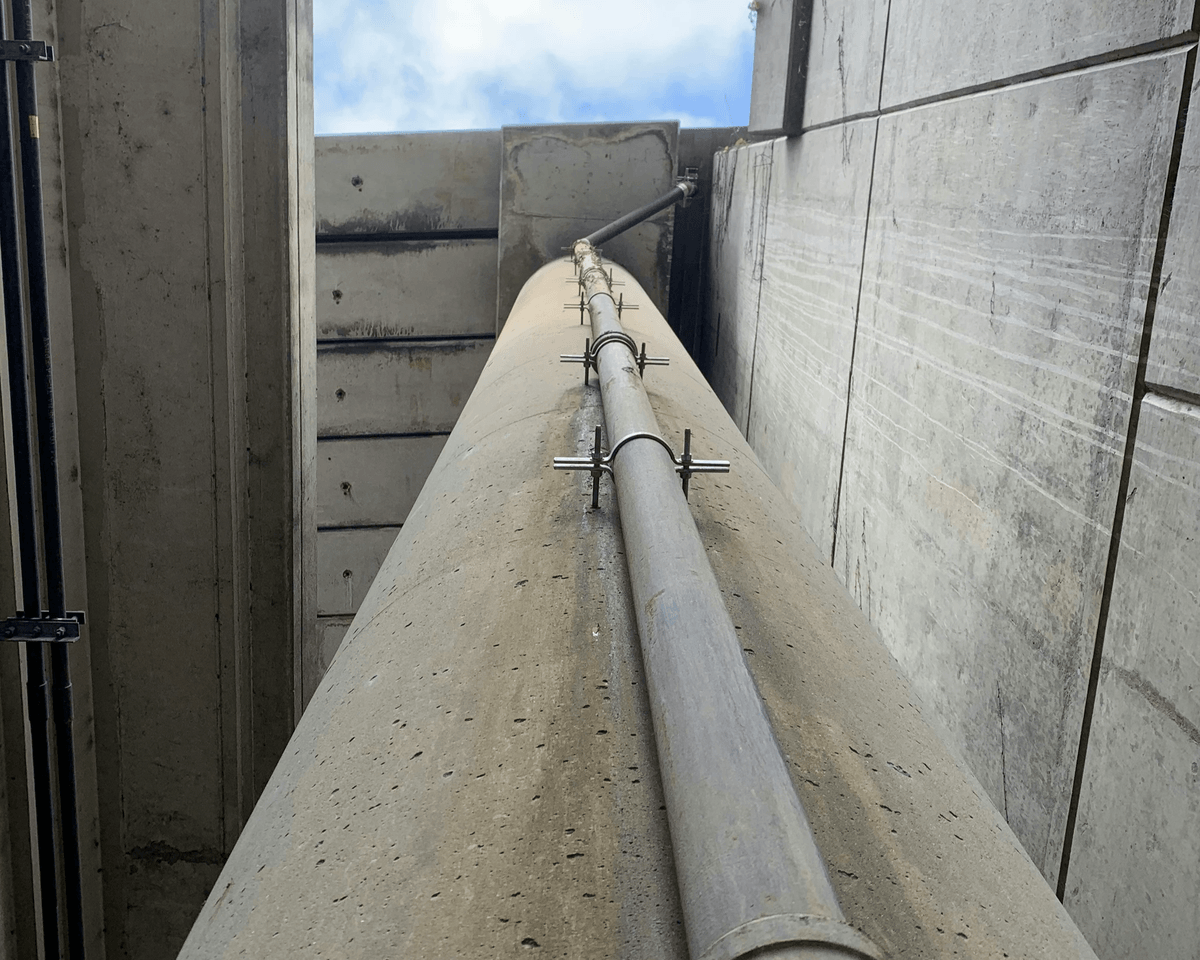
A comprehensive understanding of tower inspection fundamentals is essential for maintaining safety and structural integrity throughout the construction and operational phases. Tower inspection involves a series of meticulous checks, including visual assessments and dimensional measurements during fabrication, to ensure every component meets industry standards. These initial inspections set the foundation for subsequent testing procedures like the tower reinforcing pad air-soap test, leak tests for sleeve type nozzles, and hydrostatic testing, all aimed at catching issues early before they escalate.
During tower visual and dimensional inspection during fabrication, inspectors scrutinize each element for signs of deformation, misalignment, or material flaws. This process is critical because it helps identify potential weaknesses that could compromise the entire structure later on. Conducting thorough tower inspection at this stage ensures that reinforcement pads are correctly positioned and that welds are sound—saving time and money by avoiding costly rework down the line.
The tower reinforcing pad air-soap test is a vital step in confirming the integrity of welded joints and reinforced areas. This test involves applying soap solution to suspected leak points after pressurizing the pad with air; bubbles indicate leaks needing immediate attention. Performing a tower leak test for sleeve type nozzles follows similar principles—detecting small leaks that could lead to significant failures if left unaddressed—making these inspections indispensable parts of any comprehensive tower inspection plan.
The importance of conducting a tower hydrostatic test cannot be overstated as it verifies the overall strength and pressure-resistance of the entire structure under simulated operational conditions. This test involves filling the tower with water or another non-compressible fluid to monitor how well it handles sustained pressure without leaking or deforming. Regularly performing a tower hydrostatic test as part of your inspection routine helps ensure long-term safety and compliance with industry standards.
Preparing for an Effective Tower Inspection
Getting ready for a tower inspection isn’t just about gathering tools and crossing your fingers; it’s about setting the stage for a smooth, thorough process. Proper preparation ensures that every aspect of the tower, from visual and dimensional inspection during fabrication to critical tests like the Tower Reinforcing pad air-soap test, is covered without unnecessary delays. When you plan ahead, you reduce surprises and increase the accuracy of your findings, making sure that safety and compliance are never compromised.
Gathering Necessary Tools and Equipment
Before diving into the inspection, assemble all essential tools to perform a comprehensive Tower Inspection effectively. This includes measuring devices for dimensional inspections during fabrication, leak detection kits for identifying issues with sleeve type nozzles, and pressure gauges for conducting hydrostatic tests later on. Don’t forget specialized equipment like soap solutions for air-soap tests on reinforcing pads—these are vital in detecting leaks early in the process.
Reviewing Project Specifications and Standards
A crucial step in preparing for a successful tower inspection is reviewing project specifications and industry standards beforehand. Familiarize yourself with criteria related to Tower Visual and Dimensional Inspection during fabrication to ensure all components meet quality benchmarks. Understanding requirements for the Tower Reinforcing pad air-soap test or leak testing procedures helps inspectors identify discrepancies swiftly, saving time during actual testing phases.
Scheduling Inspection Phases for Minimal Disruption
Timing is everything when it comes to effective tower inspections—schedule each phase strategically to minimize operational disruptions. Coordinate visual inspections during fabrication so that structural integrity checks don’t interfere with ongoing construction activities; this also applies when planning the Tower Hydrostatic test or leak tests for sleeve type nozzles post-fabrication. Proper scheduling ensures safety checks like these happen seamlessly while keeping project timelines intact.
Conducting the Visual and Dimensional Inspection During Fabrication
Performing a thorough Tower Inspection during fabrication is crucial to catching issues early and ensuring the tower meets all safety and quality standards. This phase involves detailed visual and dimensional inspection, which helps identify structural flaws, misalignments, or material inconsistencies that could compromise performance later. Incorporating checks like the Tower Reinforcing pad air-soap test and leak tests for sleeve type nozzles ensures that potential leaks or weaknesses are detected before moving forward.
Inspecting Structural Integrity and Alignment
The first step in Tower Visual and Dimensional Inspection during fabrication is assessing the overall structural integrity of the tower components. Inspectors should verify that all parts are fabricated according to design specifications, paying close attention to weld seams, joint connections, and load-bearing elements. Proper alignment is essential; even slight deviations can lead to uneven stress distribution, risking future failure. Conducting a comprehensive visual inspection at this stage allows for early detection of cracks, deformation, or corrosion that could undermine tower safety.
Checking Welding Quality and Material Conditions
Welding quality plays a pivotal role in ensuring a reliable tower structure; poor welds can be silent killers in structural integrity. During the Tower Visual and Dimensional Inspection during fabrication, inspectors must scrutinize weld beads for uniformity, penetration depth, and absence of defects such as porosity or cracks. Material conditions also deserve attention—any signs of rust or contamination should be documented because they may impact subsequent tests like the Tower Reinforcing pad air-soap test or hydrostatic test. Ensuring high-quality welding now prevents costly repairs down the line when performing critical tests like the Tower Leak test for sleeve type nozzles.
Documenting Discrepancies for Corrective Actions
Accurate documentation of any discrepancies found during this inspection phase is vital to maintaining quality standards and ensuring compliance with industry regulations. Every deviation from design specifications—be it misalignment, weld defects, or material inconsistencies—should be recorded meticulously for corrective action planning. This record-keeping not only streamlines communication with fabrication teams but also provides valuable data when conducting subsequent tests such as the Tower Reinforcing pad air-soap test or preparing for the Tower Hydrostatic test.
Performing Reinforcing Pad Air Soap Test and Leak Tests
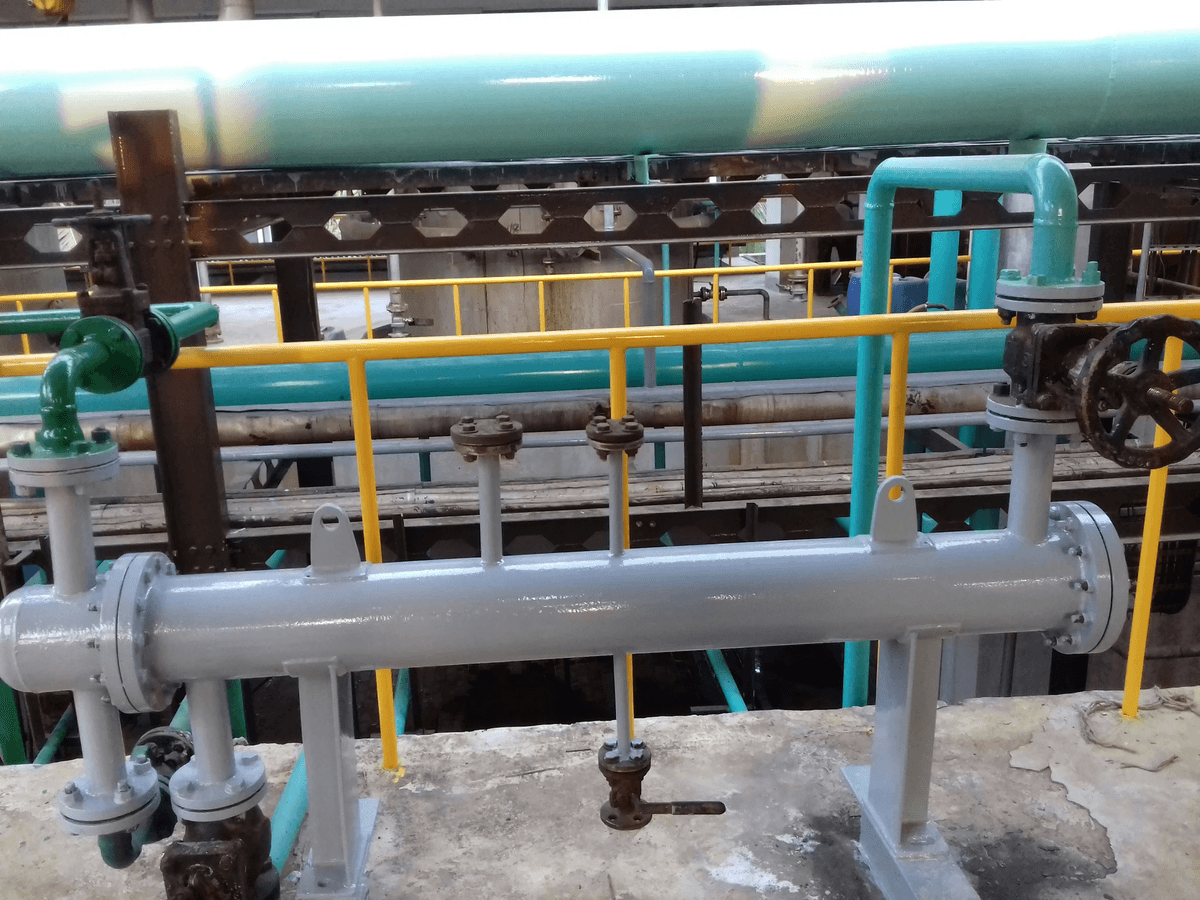
Ensuring the integrity of a tower begins with meticulous testing, especially during the crucial phases of Tower Inspection. The Tower Reinforcing pad air-soap test is a vital step that helps identify any leaks or weaknesses early in fabrication, saving time and costly repairs later. Conducting these tests diligently guarantees that every component meets safety standards before moving on to more advanced procedures like the Tower Hydrostatic test.
Step-by-Step Guide to Reinforcing Pad Air-Soap Testing
Start by preparing the reinforcing pads and ensuring they are clean and free of debris, as dirt can interfere with accurate results during the Tower Reinforcing pad air-soap test. Next, pressurize the area using a controlled air supply while applying soap solution around welds and joints; bubbles will form if there’s a leak—making it easy to spot issues during your Tower Inspection process. Finally, carefully document any leaks or irregularities detected so that corrective actions can be promptly implemented before proceeding to subsequent tests.
Detecting and Addressing Leaks in Sleeve Type Nozzles
When performing a Tower Leak test for sleeve type nozzles, pay close attention to areas prone to leakage—especially around joints and connections—since these are critical points during tower fabrication inspections. Use specialized leak detection equipment or soap solution to identify tiny leaks that could compromise structural integrity down the line; remember, even small leaks can escalate into major problems under pressure during a Tower Hydrostatic test. Once identified, address these leaks immediately through welding repairs or sealing techniques as part of your ongoing Tower Inspection routine to maintain safety standards.
Interpreting Test Results for Safety Assurance
Interpreting results from both the reinforcing pad air-soap test and leak tests is essential for comprehensive Tower Inspection; bubbles indicate potential weaknesses needing correction before further testing stages like the Tower Hydrostatic test. A clean pass without bubbles suggests that your tower components are sealed correctly—an encouraging sign for structural safety—and ready for pressure testing phases. Always correlate these findings with project specifications and industry standards to ensure total compliance while building confidence in your tower’s long-term performance.
Executing the Tower Hydrostatic Test
Successfully executing a tower hydrostatic test is a critical step in the overall tower inspection process. It ensures that the structure can withstand operational pressures without leaks or failures, reinforcing safety and compliance standards. Proper preparation, vigilant monitoring, and thorough post-test inspections are essential to achieve reliable results during this phase.
Preparing the Tower for Hydrostatic Pressure Testing
Preparation begins with a comprehensive review of previous tower visual and dimensional inspection during fabrication to identify any potential weak points before pressurization. All connections, valves, and nozzles—especially sleeve type nozzles—must be checked for integrity to prevent unexpected leaks during testing. Filling the tower with water and gradually increasing pressure allows inspectors to observe how well the structure holds up under simulated operational conditions, making sure everything aligns with industry standards.
Monitoring Pressure and Identifying Weak Points
During the tower hydrostatic test, constant monitoring of pressure levels is paramount; this is when a keen eye on every gauge becomes your best friend. Any sudden drops or fluctuations could indicate leaks or structural weaknesses that need immediate attention—think of it as a real-time health check for your tower’s backbone. If discrepancies arise, performing additional tests like the tower leak test for sleeve type nozzles or revisiting earlier steps such as the tower reinforcing pad air-soap test can help pinpoint exact failure spots.
Post-Test Inspection and Maintenance Recommendations
Once the hydrostatic pressure testing concludes successfully without leaks or deformations, it’s time for a detailed post-test inspection—this includes reviewing all data collected during pressure monitoring and confirming structural integrity through visual assessment. Any identified issues should be addressed promptly with appropriate repairs or reinforcement measures to ensure long-term safety; regular tower inspection keeps these issues in check before they escalate. Implementing maintenance based on these findings not only extends your tower’s lifespan but also guarantees ongoing compliance with safety regulations.
Leveraging Professional Quality Inspection Services
Partnering with a trusted provider like China Inspection Pro elevates your Tower Inspection game to new heights. Their team of seasoned inspectors brings unmatched expertise in conducting comprehensive Tower Visual and dimensional inspection during fabrication, ensuring every component meets stringent standards. With their support, you can confidently perform critical tests such as the Tower Reinforcing pad air-soap test, identify potential leaks early, and validate structural integrity before moving to the Tower Hydrostatic test phase.
Benefits of Partnering with China Inspection Pro
Choosing China Inspection Pro for your Tower Inspection needs offers a significant advantage in quality assurance. Their professionals excel at executing detailed visual and dimensional inspections during fabrication, catching discrepancies that might otherwise slip through the cracks. Moreover, their proficiency in performing the Tower Reinforcing pad air-soap test and Tower Leak test for sleeve type nozzles ensures that any leaks or weaknesses are detected promptly—saving time and costly rework later on.
How Expert Inspection Transforms Tower Safety and Performance
Expert inspection services provided by China Inspection Pro dramatically enhance tower safety by meticulously verifying each aspect of the tower's construction—especially during critical stages like the Tower Hydrostatic test. Their skilled inspectors interpret test results accurately, addressing issues related to leaks or weak points identified during leak tests for sleeve type nozzles or hydrostatic pressure checks. This proactive approach guarantees that your tower not only complies with industry standards but also performs reliably under operational stresses.
Ensuring Compliance with Industry Standards and Regulations
Navigating industry standards can be complex, but professional inspection services simplify this process by ensuring every phase—from visual inspections during fabrication to hydrostatic testing—is compliant with relevant regulations. China Inspection Pro’s experts meticulously document findings from each inspection step, including reinforcing pad air-soap tests and leak tests for sleeve type nozzles, providing you with certification-ready reports. This diligent oversight helps prevent regulatory setbacks and affirms your commitment to safety excellence in tower operations.
Conclusion
Conducting a thorough tower inspection is the backbone of safe and reliable tower operations. Final tips include meticulously following your tower inspection checklist, paying close attention to visual and dimensional inspections during fabrication, and ensuring all tests like the tower reinforcing pad air-soap test are properly performed. Remember, skipping steps or rushing through inspections can lead to overlooked issues that compromise safety and longevity.
Implementing findings from your tower inspection can significantly enhance the lifespan of your structure. Addressing discrepancies identified during visual and dimensional inspections during fabrication helps prevent future problems, while conducting regular tower leak tests for sleeve type nozzles ensures no hidden leaks develop over time. Incorporating routine hydrostatic tests into your maintenance schedule keeps the entire system in peak condition, reducing costly repairs down the line.
Why should industry leaders prioritize regular tower inspections? Because consistent checks—covering everything from visual assessments to hydrostatic testing—are key to maintaining compliance and operational excellence. Regularly performing these inspections, including specialized tests like the tower reinforcing pad air-soap test and leak tests for sleeve type nozzles, demonstrates a commitment to safety that sets you apart from competitors. Ultimately, proactive inspection practices safeguard assets, personnel, and reputation in this high-stakes industry.