
Introduction
In the fast-paced world of manufacturing and supply chains, a **Failed Product Inspection** can send shockwaves through your operations. The consequences often extend beyond just financial losses; they can tarnish reputations, erode customer trust, and disrupt the entire production flow. Understanding the impact of these failures is crucial for any business aiming to maintain quality and compliance in their products.
Understanding the Impact of Failed Product Inspections
When a **Failed Product Inspection** occurs, it typically highlights underlying issues that could have been addressed earlier in the process. The immediate fallout might include delayed shipments and increased costs for rework or replacements, but the long-term effects can be even more damaging. Companies risk losing valuable clients who may turn to competitors that meet quality standards consistently.
Key Reasons for Inspection Failures
Several factors contribute to **Failed Product Inspections**, ranging from inadequate communication with suppliers to poor quality control measures within organizations. Often, these failures stem from a lack of thorough documentation or insufficient testing protocols that leave critical flaws undiscovered until it's too late. Identifying and addressing these key reasons is essential for preventing future mishaps.
Why Prompt Action Matters
Taking prompt action after a **Failed Product Inspection** is not just about remedying immediate issues; it’s about safeguarding your brand's integrity and ensuring ongoing success. By swiftly implementing corrective measures such as issuing a Supplier Corrective Action Report, companies can minimize disruption while reinforcing their commitment to quality. This proactive approach not only resolves current problems but also sets a precedent for continuous improvement in product development processes.
Identify & Communicate the Problems
When faced with a **Failed Product Inspection**, the first step is to identify and communicate the problems effectively. This process is crucial not only for addressing immediate concerns but also for preventing future failures. By understanding the root causes, stakeholders can collaborate on solutions that enhance product quality and supplier reliability.
Conduct a Thorough Analysis of the Failures
To tackle a **Failed Product Inspection**, conducting a thorough analysis of the failures is paramount. This means diving deep into what went wrong—whether it was a manufacturing defect, poor materials, or lapses in quality control processes. Analyzing these failures helps pinpoint specific issues that need addressing before you can issue a Supplier Corrective Action Report.
Gather Evidence and Document Findings
Once you have analyzed the failures, it’s time to gather evidence and document your findings meticulously. Detailed documentation serves as both an informative tool for your team and as essential proof when discussing issues with suppliers or stakeholders. Collecting data—such as photographs, inspection reports, and test results—will provide a solid foundation for your discussions about how to re-inspect your shipment effectively.
Communicate Findings Effectively with Stakeholders
Effective communication of your findings is critical in managing the aftermath of a **Failed Product Inspection**. This involves not just presenting data but also contextualizing it so stakeholders understand its implications for product quality and compliance standards. Clear communication fosters collaboration among all parties involved, paving the way for proactive steps like issuing a Supplier Corrective Action Report that addresses identified weaknesses head-on.
Issue a Supplier Corrective Action Report
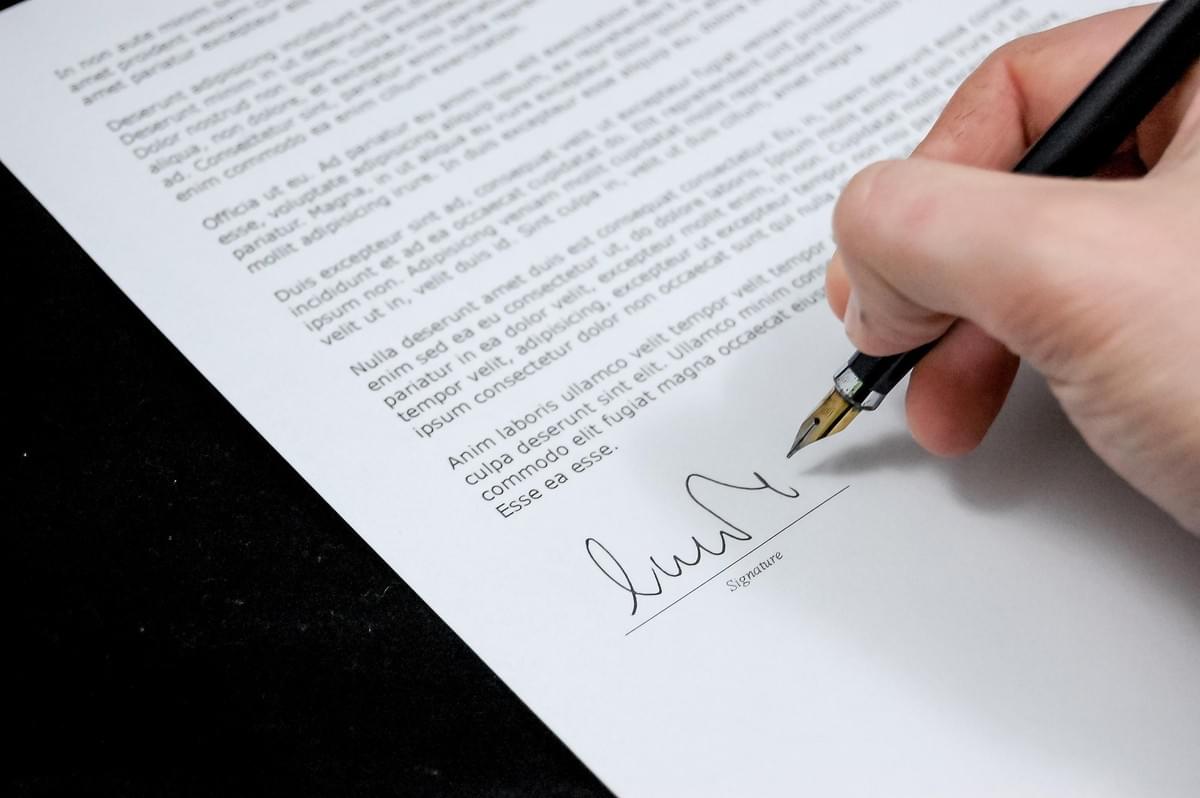
After identifying and communicating the problems stemming from a failed product inspection, the next logical step is to issue a Supplier Corrective Action Report (SCAR). This report serves as a formal document outlining the issues discovered during inspections, providing both clarity and direction for corrective measures. By taking this step, you establish accountability and create an actionable framework that guides suppliers in addressing the root causes of failures.
Outline the Necessary Steps for Action
When outlining the necessary steps for action in your SCAR, it's crucial to be clear and concise. Start by detailing each specific failure identified during your inspection process; this ensures that suppliers fully understand what went wrong. Additionally, include actionable recommendations that can help rectify these issues while emphasizing the importance of adhering to quality standards moving forward.
Collaborate with Suppliers for Long-Term Solutions
Collaboration is key when it comes to resolving issues related to failed product inspections effectively. Engage with your suppliers not just as recipients of criticism but as partners in finding long-term solutions. By fostering an environment where open dialogue is encouraged, you can work together to identify systemic problems and develop strategies that prevent recurrence—thus ensuring future compliance and success.
Set Clear Deadlines for Corrective Measures
Setting clear deadlines is vital when issuing a Supplier Corrective Action Report after a failed product inspection. Clearly defined timelines create urgency and encourage prompt action from suppliers, helping them prioritize corrective measures effectively. Make sure these deadlines are realistic yet firm; this balance will motivate suppliers while allowing them sufficient time to implement necessary changes without compromising quality.
Re-Inspect Your Shipment

When faced with a failed product inspection, the next logical step is to re-inspect your shipment. This process is crucial for identifying any lingering issues that may have gone unnoticed the first time around. By taking this proactive approach, you can ensure that your products meet quality standards and avoid costly repercussions down the line.
Plan a Reliable Re-Inspection Process
Planning a reliable re-inspection process requires careful consideration of what went wrong during the initial inspection. Start by reviewing the findings from your previous failed product inspection to identify specific areas of concern. This analysis will guide you in creating a focused re-inspection checklist, ensuring that all critical factors are addressed and that issues identified during the Identify & Communicate the Problems phase are thoroughly examined.
Establishing a systematic approach is essential in this stage; it helps streamline operations and maintains consistency across inspections. Collaborate with your quality assurance team to outline clear procedures for how each item will be assessed during the re-inspection process. Remember, clarity in planning not only enhances efficiency but also fosters accountability among team members involved in executing these checks.
Utilize Professional Services like China Inspection Pro
Engaging professional services such as China Inspection Pro can significantly enhance the reliability of your re-inspection process. These experts bring specialized knowledge and experience to ensure every detail meets quality standards, which is especially beneficial after experiencing a failed product inspection. By leveraging their expertise, you can gain insights into best practices while also benefiting from their established protocols for thorough inspections.
Moreover, professional inspectors have access to advanced tools and methodologies that can uncover problems you might overlook internally. They provide an unbiased perspective on product quality and compliance, making them invaluable partners in your journey toward rectifying any issues stemming from past failures. Investing in these services not only aids in addressing immediate concerns but also sets a precedent for future inspections.
Ensure Every Detail Meets Quality Standards
To truly turn around after a failed product inspection, it's imperative to ensure every detail meets stringent quality standards during your re-inspection efforts. This means going beyond surface-level checks; delve into specifications and compliance requirements meticulously outlined in previous reports or corrective action plans issued after you Issue a Supplier Corrective Action Report. Each aspect of your shipment should be scrutinized against industry benchmarks to guarantee conformity.
Additionally, involve relevant stakeholders throughout this phase—communication remains key! Keeping everyone informed about findings fosters transparency and encourages collaborative problem-solving if discrepancies arise again during this round of inspections. Ultimately, taking these steps not only mitigates risks associated with future shipments but also builds confidence within your supply chain regarding adherence to quality expectations.
Learn from the Experience
When faced with a failed product inspection, it's crucial to take a step back and learn from the experience. Analyzing what went wrong can provide invaluable insights into your processes and help prevent similar issues in the future. This reflection not only aids in identifying root causes but also strengthens your overall quality assurance framework.
Analyze Trends in Inspection Failures
To effectively identify and communicate the problems that led to failed product inspections, it’s essential to analyze trends in these failures over time. Look for patterns or recurring issues that might indicate systemic problems within your supply chain or production processes. By understanding these trends, you can pinpoint specific areas for improvement and tailor your corrective actions accordingly.
Additionally, tracking these trends allows you to issue a Supplier Corrective Action Report that is both comprehensive and focused on critical areas needing attention. When suppliers see data-driven evidence of repeated failures, they are more likely to collaborate on solutions that address underlying issues rather than just surface-level fixes. This analytical approach transforms inspection failures into learning opportunities, fostering a culture of continuous improvement.
Apply Lessons to Future Product Development
Once you've identified key trends from previous failed product inspections, it’s time to apply those lessons directly to future product development initiatives. Incorporating insights gained from past experiences can significantly enhance design processes and quality control measures before products even hit the inspection phase again. This proactive stance ensures that potential pitfalls are addressed upfront rather than after an inspection failure has occurred.
Moreover, when you integrate feedback loops into your product development cycle—where lessons learned influence design adjustments—you create products that are not only compliant but also resonate better with market demands. It’s all about turning past mistakes into stepping stones for innovation while minimizing risks associated with failed inspections down the line.
Establish Best Practices for Inspections
Establishing best practices for inspections is critical in ensuring consistent quality across all shipments moving forward. Develop standardized protocols that detail every aspect of the inspection process—from initial checks through final evaluations—ensuring everyone involved knows what to expect and how to maintain high standards of quality assurance. By having clear guidelines in place, you reduce ambiguity and increase accountability among team members responsible for conducting inspections.
Regular training sessions focused on these best practices will further reinforce their importance within your organization while keeping everyone updated on any changes or improvements made over time. Additionally, when re-inspecting shipments after addressing prior failures, adhering strictly to established best practices ensures that no detail is overlooked—leading to higher chances of passing subsequent inspections successfully.
Strengthen Supplier Relationships

Building strong relationships with suppliers is crucial, especially following a failed product inspection. When issues arise, it’s essential to not only address the problems but also to ensure that both parties are aligned in their goals and expectations. This collaborative approach can significantly improve the quality of future shipments and minimize the risk of repeated failures.
Build Open Lines of Communication
Effective communication is the cornerstone of any successful supplier relationship. After a failed product inspection, it’s vital to engage in open dialogues where both sides can express concerns and suggestions without hesitation. Regular check-ins can help identify potential issues before they escalate, ensuring that everyone involved understands how to best identify & communicate the problems as they arise.
Encourage Transparency and Honesty
Transparency builds trust, which is essential when addressing issues stemming from a failed product inspection. Suppliers should feel comfortable admitting mistakes or shortcomings without fear of backlash; this openness fosters an environment where everyone is motivated to improve. Encouraging honesty allows for more accurate documentation when you issue a Supplier Corrective Action Report since all parties will be on the same page regarding what went wrong.
Foster a Culture of Continuous Improvement
A culture focused on continuous improvement can transform how suppliers operate and respond after a failed product inspection. By regularly reviewing processes and outcomes together, both sides can learn valuable lessons from each experience, including how to effectively re-inspect your shipment for future quality assurance checks. This commitment not only enhances product quality but also strengthens partnerships as everyone works towards common goals.
Conclusion
In the world of product quality assurance, the aftermath of a failed product inspection can feel like a storm cloud hovering overhead. However, timely actions following such failures are crucial in mitigating risks and preventing further issues down the line. By swiftly identifying and communicating the problems, issuing a Supplier Corrective Action Report, and planning to re-inspect your shipment, companies can turn setbacks into opportunities for improvement.
Importance of Timely Actions After Inspection Failure
When faced with a failed product inspection, time is of the essence. Prompt action enables businesses to identify and communicate the problems effectively before they escalate into larger issues. The sooner you issue a Supplier Corrective Action Report, the quicker you can collaborate with suppliers to implement necessary changes and ensure future compliance.
Timely responses also foster trust among stakeholders who rely on your commitment to quality. By addressing failures head-on, companies signal their dedication to maintaining high standards and accountability in their operations. This proactive approach not only mitigates immediate risks but also lays the groundwork for stronger supplier relationships.
Building a Stronger Quality Assurance Framework
A robust quality assurance framework is essential for preventing future inspection failures. By analyzing past incidents—including those that led to failed product inspections—organizations can identify patterns that need attention. This analysis should inform best practices that will guide future inspections and help avoid repeating costly mistakes.
Incorporating lessons learned from previous experiences allows businesses to refine their processes continually. For instance, integrating regular training sessions focused on effective communication can significantly enhance how teams identify and communicate problems related to inspections. Additionally, establishing clear criteria for issuing Supplier Corrective Action Reports helps streamline responses when issues arise.
Ensuring Future Compliance and Success
Ensuring future compliance requires an ongoing commitment to excellence in every aspect of production and inspection processes. Companies must prioritize re-inspecting shipments thoroughly after implementing corrective actions; this ensures that all products meet established quality standards before reaching consumers' hands. Regular re-inspections act as a safety net against potential failures while fostering confidence in your supply chain's reliability.
Moreover, fostering strong relationships with suppliers encourages transparency around challenges they may face during production or inspections. When businesses work collaboratively with their suppliers—sharing insights from failed product inspections—they create an environment conducive to continuous improvement across all levels of operation. Ultimately, this leads not just to compliance but also positions companies for long-term success in an increasingly competitive marketplace.