
Introduction
In the fast-paced world of manufacturing, maintaining quality is not just a goal; it’s a necessity. The importance of quality in manufacturing cannot be overstated, especially when partnering with Chinese manufacturers who dominate the global supply chain. As businesses strive to meet consumer expectations and regulatory standards, ensuring that products are produced with high-quality benchmarks becomes critical for long-term success.
The Importance of Quality in Manufacturing
Quality assurance is the backbone of any successful manufacturing operation. When companies prioritize quality, they not only enhance their reputation but also build trust with their customers. This trust translates into customer loyalty and can significantly impact a company's bottom line, emphasizing the need to maintain quality across all stages of production.
Understanding Chinese Manufacturing Landscape
The Chinese manufacturing landscape is vast and varied, offering both opportunities and challenges for businesses looking to source products. With its extensive network of suppliers and manufacturers, understanding this landscape is crucial for anyone aiming to establish reliable partnerships. Navigating through this environment requires diligence—knowing where to audit the Chinese manufacturer effectively can make all the difference in securing high-quality outputs.
Strategies to Secure Quality Partnerships
Building lasting relationships with manufacturers in China demands strategic planning and clear communication from the outset. One effective approach involves drafting a vendor guide with terms & conditions that align expectations on both sides, ensuring everyone is on the same page regarding quality standards. Additionally, ongoing monitoring and improving quality at a Chinese manufacturer through regular audits can foster an environment where excellence thrives—after all, it’s about creating partnerships that endure beyond mere transactions.
[Image description=manufacturing facility in China, workers inspecting products on assembly line, paperwork for audits visible on desks, machines operating efficiently], Image name=chinese_manufacturing_quality_control, Alt tag=Maintain Quality Chinese Manufacturers through effective auditing practices
Audit the Chinese Manufacturer
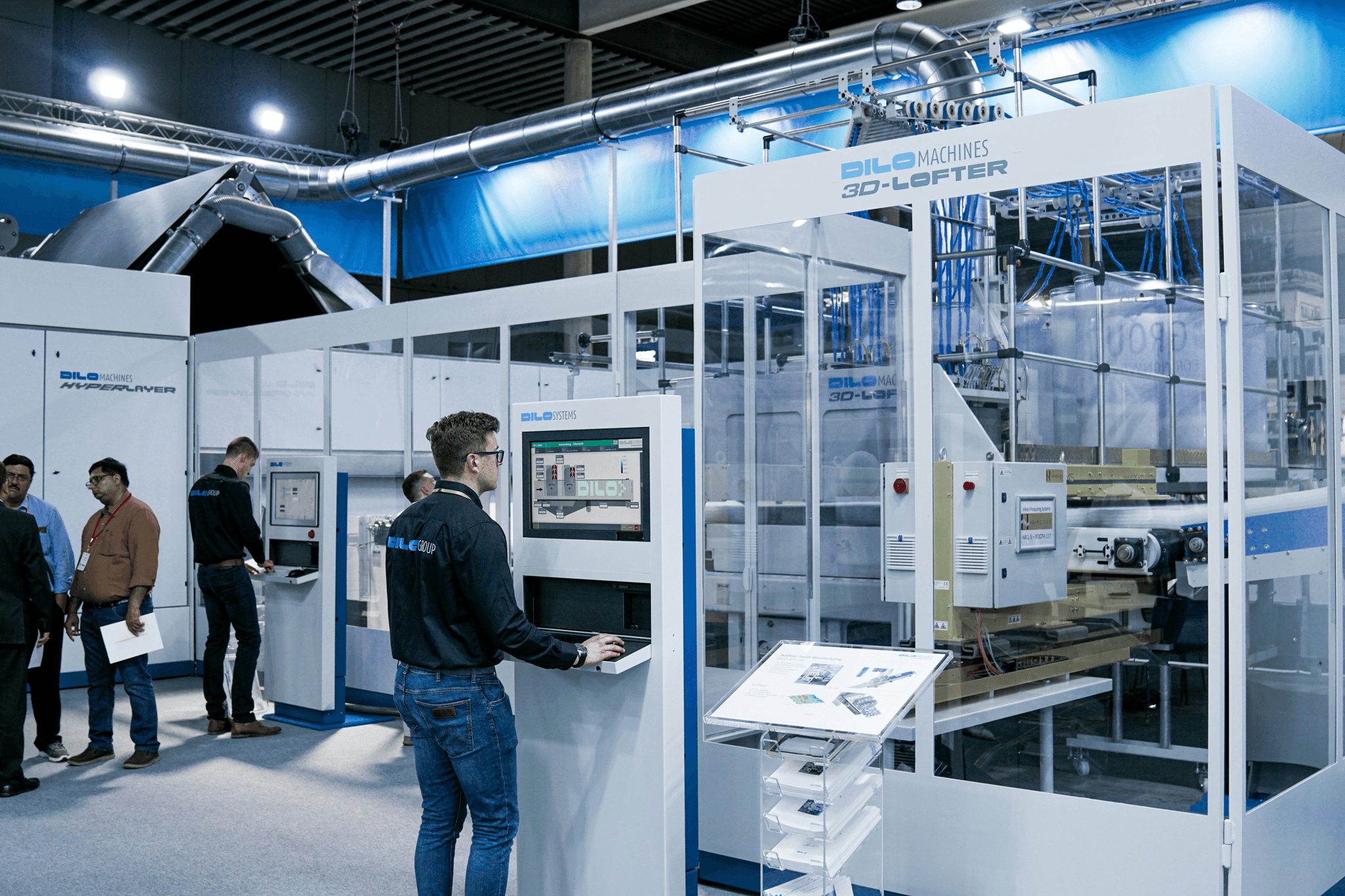
When it comes to maintaining quality with Chinese manufacturers, a thorough audit is your best friend. This process allows you to assess not just their capabilities but also their compliance with your standards and expectations. By conducting a comprehensive supplier audit, you can identify potential risks and ensure that the manufacturer aligns with your quality objectives.
Conducting a Thorough Supplier Audit
To successfully audit the Chinese manufacturer, start by investigating their operational processes, production facilities, and workforce qualifications. This includes examining their equipment, understanding their quality control measures, and reviewing any certifications they hold. A well-structured audit not only uncovers red flags but also helps in drafting a vendor guide with terms & conditions that reflects your needs.
During the supplier audit, don't shy away from asking tough questions about past performance and client references. Look for evidence of previous audits or inspections to gauge consistency in maintaining quality standards over time. The more detailed your investigation, the better equipped you'll be to make informed decisions about potential partnerships.
Key Metrics to Evaluate Manufacturing Quality
When evaluating manufacturing quality at a Chinese manufacturer, focus on key metrics such as defect rates, production efficiency, and adherence to delivery schedules. These metrics provide quantifiable data that can help you monitor and improve quality effectively over time. Additionally, consider metrics related to customer satisfaction—after all, happy customers are often the best indicators of a manufacturer's reliability.
Another crucial aspect is assessing how well the manufacturer integrates lab testing into their processes; this ensures product integrity before shipment. Process auditing should also be part of your evaluation strategy; it helps identify inefficiencies that could affect overall product quality. By keeping an eye on these key performance indicators (KPIs), you can maintain quality with confidence.
Engaging with Local Experts for Insight
Engaging local experts during your auditing process can offer invaluable insights into cultural nuances and industry practices that may not be immediately apparent from afar. These experts can help bridge language barriers and provide context on local manufacturing standards—essential when striving to maintain quality with Chinese manufacturers. Their experience can also guide you in identifying reputable suppliers who align with your values.
Moreover, local consultants often have established relationships within the industry which can facilitate smoother negotiations or even uncover hidden gems among manufacturers who might otherwise go unnoticed in broader searches. Collaborating with these experts allows for more effective monitoring and improving quality at a Chinese manufacturer through tailored recommendations based on firsthand knowledge of regional practices.
In summary, auditing a Chinese manufacturer is not just about checking boxes; it's about ensuring that every aspect of production meets your high standards for excellence while fostering long-term relationships built on trust and transparency.
Draft a Vendor Guide with Terms & Conditions

When venturing into partnerships with Chinese manufacturers, drafting a comprehensive vendor guide is crucial for establishing clear expectations and ensuring quality throughout the manufacturing process. This guide serves as a foundational document that outlines key terms, conditions, and responsibilities for both parties involved. By doing so, businesses can effectively maintain quality with Chinese manufacturers while minimizing misunderstandings that could lead to costly errors.
Essential Elements of a Comprehensive Vendor Guide
A well-crafted vendor guide should include several essential elements to ensure clarity and mutual understanding between you and your Chinese manufacturer. First, it should detail product specifications and quality standards—this ensures that everyone is on the same page regarding what constitutes acceptable quality. Additionally, incorporating terms related to payment schedules, delivery timelines, and penalties for non-compliance can help in monitoring and improving quality at a Chinese manufacturer.
Moreover, including provisions for regular audits—such as those outlined in Audit the Chinese Manufacturer—will help reinforce accountability on both sides. This enables you to establish benchmarks that align with QC checklist development and product inspection practices. Finally, don't forget to address dispute resolution mechanisms; having these in place can save you time and resources down the line.
Clarifying Expectations and Responsibilities
To foster a successful partnership with your chosen manufacturer, it's vital to clarify expectations from the outset. Clearly defined roles will ensure that both parties understand their responsibilities regarding product quality and compliance standards. For instance, specify who will be responsible for lab testing or process auditing; this clarity helps prevent overlap or gaps in responsibility that could jeopardize product integrity.
Furthermore, it's beneficial to articulate the communication protocols you expect during production runs—regular updates can aid in monitoring progress while addressing any potential issues early on. You might also consider including specific KPIs (Key Performance Indicators) related to social compliance auditing within this section of your vendor guide; tracking these metrics will further support ongoing improvements in manufacturing practices.
Ensuring Legal Compliance in Contracts
Legal compliance is non-negotiable when drafting contracts with Chinese manufacturers; it protects both parties while ensuring adherence to local laws and international trade regulations. Your vendor guide should include clauses that require compliance with relevant labor laws—this ties back into social compliance auditing practices designed to uphold ethical manufacturing standards. Additionally, ensure that your contracts address intellectual property rights clearly; protecting your innovations is critical when working across borders.
It's advisable to consult legal experts familiar with Chinese business law when finalizing these documents—a small investment here can save you significant headaches later on! Remember: an ounce of prevention is worth a pound of cure when it comes to maintaining quality with Chinese manufacturers through robust legal agreements.
Monitoring and Improving Quality at a Chinese Manufacturer

In the world of manufacturing, particularly when dealing with Chinese manufacturers, maintaining quality is paramount. This section will explore strategies that not only ensure product integrity but also foster long-term partnerships with suppliers. By implementing robust monitoring systems, businesses can enhance their quality assurance processes and ultimately secure better outcomes.
Implementing Regular Quality Checks
To maintain quality with Chinese manufacturers, regular quality checks should be a non-negotiable part of your operations. These checks can include both in-process inspections and final product evaluations to ensure that every item meets your specified standards. By conducting these audits frequently, you can identify potential issues early on and avoid costly mistakes down the line.
Integrating a QC checklist development and product inspection process into your routine will provide a structured approach to maintaining quality. This checklist should encompass critical parameters such as dimensions, materials used, and functionality to ensure comprehensive evaluations. Regular audits not only help in spotting defects but also reinforce the importance of quality among manufacturing teams.
Additionally, leveraging technology for real-time monitoring can significantly enhance these efforts. Utilizing software solutions designed for managing inspections can streamline communication between you and your Chinese manufacturers while providing data-driven insights into production trends.
Establishing Open Communication Channels
Open communication channels are essential for effective monitoring and improving quality at a Chinese manufacturer. Establishing transparent lines of communication fosters trust and ensures that any concerns about product quality or compliance are addressed promptly. Regular meetings—whether virtual or in-person—can help keep everyone aligned on expectations outlined in the vendor guide with terms & conditions.
Encouraging feedback from both sides is crucial; it allows you to understand the challenges faced by your partners while also articulating your own needs regarding lab testing or process auditing requirements clearly. This two-way street cultivates an environment where issues are discussed openly rather than hidden until they become significant problems.
Moreover, employing local experts who speak the language fluently can bridge any cultural gaps that may hinder effective communication. They can provide invaluable insights into local manufacturing practices while ensuring that messages are conveyed accurately between parties involved in maintaining quality.
Using KPIs to Measure Performance
Key Performance Indicators (KPIs) play an instrumental role in tracking how well you’re monitoring and improving quality at a Chinese manufacturer. Defining specific KPIs related to production efficiency, defect rates, lead times, and compliance metrics provides quantifiable benchmarks against which performance can be measured consistently over time.
Regularly reviewing these KPIs allows you to pinpoint areas needing improvement while recognizing achievements worth celebrating within your supply chain partnership—after all, positive reinforcement goes a long way! Furthermore, if certain metrics fall short of expectations due to lapses in social compliance auditing or other factors affecting overall performance, timely interventions become possible.
Ultimately, using KPIs not only helps maintain oversight but also aligns both parties towards common goals focused on continuous improvement—a win-win situation for all involved! By fostering this proactive approach toward performance measurement within your partnerships with Chinese manufacturers, you're setting yourself up for sustainable success without compromising on quality.
QC Checklist Development and Product Inspection
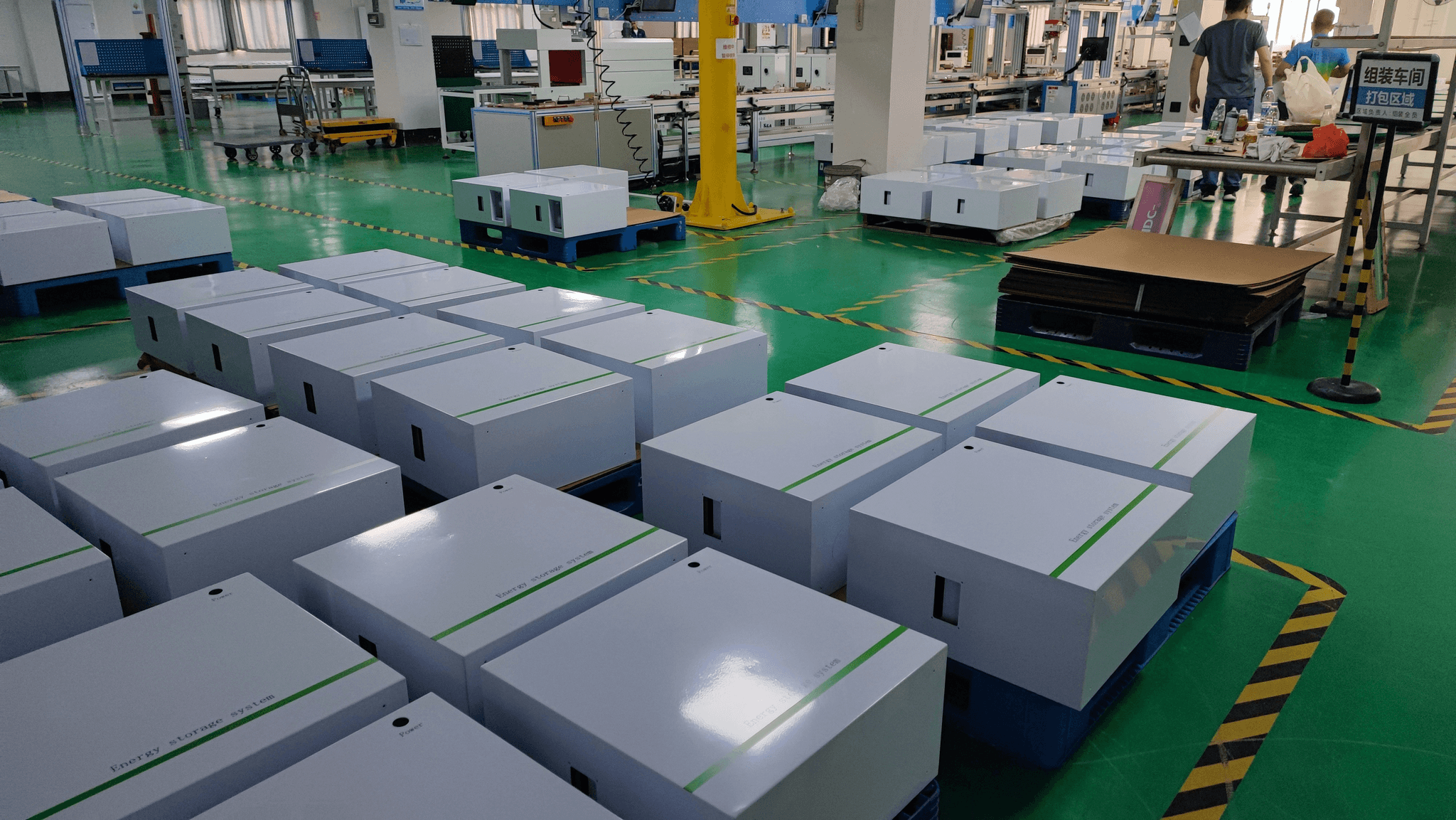
In the realm of manufacturing, particularly when dealing with Chinese manufacturers, a robust Quality Control (QC) checklist is paramount. This checklist serves as a guiding document that outlines the specific quality standards and requirements for products before they reach the market. By ensuring that every aspect of production is scrutinized, businesses can maintain quality with their Chinese manufacturers and avoid costly mistakes.
Creating an Effective QC Checklist
An effective QC checklist should be comprehensive yet straightforward, covering all critical areas of production. Start by identifying key metrics that align with your product specifications and desired outcomes; this could include dimensions, material quality, functionality, and packaging standards. Furthermore, it’s essential to involve stakeholders in the drafting process to ensure all necessary criteria are included—after all, everyone has their own perspective on what quality means.
Once your checklist is established, it should be regularly reviewed and updated based on feedback from audits or inspections conducted at your Chinese manufacturer facilities. This ongoing refinement process ensures that you adapt to evolving industry standards while maintaining quality across your supply chain. Remember that a well-structured QC checklist not only aids in monitoring but also acts as a reference point for training new staff involved in product inspection.
Utilizing China Inspection Pro for Inspections
China Inspection Pro is an invaluable tool for businesses looking to streamline their inspection processes when working with Chinese manufacturers. This service offers professional inspectors who understand local manufacturing practices and can provide insights into potential pitfalls during production runs. By leveraging such expertise, you can effectively audit the Chinese manufacturer while ensuring compliance with your established vendor guide terms & conditions.
Using China Inspection Pro allows you to conduct pre-shipment inspections efficiently; they assess products against your QC checklist before they leave the factory floor. This proactive approach minimizes risks associated with poor quality shipments arriving at your doorstep and helps maintain quality throughout the entire manufacturing process. Moreover, having third-party validation from trusted inspectors adds an extra layer of credibility to your operations.
Strategies for Addressing Quality Issues
Addressing quality issues promptly is crucial in maintaining strong partnerships with Chinese manufacturers and ensuring long-term success in product development. One effective strategy involves establishing clear communication channels between you and the manufacturer so that concerns can be raised swiftly without fear of repercussions or misunderstandings about expectations outlined in your vendor guide terms & conditions.
When issues arise during inspections or audits—whether they’re related to lab testing results or social compliance auditing—document everything meticulously for future reference and discussion during follow-up meetings with suppliers. Collaborative problem-solving often yields better results than assigning blame; work together to identify root causes and implement corrective actions that prevent recurrence.
Additionally, fostering a culture of continuous improvement within both parties enhances overall performance over time—this includes regular reviews of KPIs related to monitoring and improving quality at a Chinese manufacturer facility as well as utilizing feedback loops from product inspections effectively.
Lab Testing and Process Auditing

In the quest to maintain quality with Chinese manufacturers, lab testing and process auditing are indispensable tools. These practices not only ensure product integrity but also enhance overall efficiency in manufacturing processes. By prioritizing these elements, businesses can significantly reduce risks associated with quality issues and build stronger partnerships.
Importance of Lab Testing for Product Integrity
Lab testing is crucial for maintaining quality in products sourced from Chinese manufacturers. It provides an objective assessment of product specifications, ensuring that they meet both domestic and international standards. By incorporating lab testing into your quality assurance strategy, you can confidently verify that your products are safe, reliable, and ready for market.
Moreover, regular lab tests help identify potential defects early in the production cycle. This proactive approach allows businesses to address issues before they escalate into larger problems that could jeopardize relationships with suppliers or lead to costly recalls. Ultimately, consistent lab testing fosters trust between partners and promotes a culture of accountability among manufacturers.
Conducting Process Auditing for Efficiency
Process auditing is another vital component when aiming to maintain quality with Chinese manufacturers. This practice involves a thorough examination of manufacturing processes to identify inefficiencies or bottlenecks that could affect product output or quality. By conducting regular process audits, businesses can pinpoint areas for improvement and streamline operations.
Engaging in process auditing not only helps optimize production but also aligns well with monitoring and improving quality at a Chinese manufacturer. When manufacturers understand their workflows better, they can implement necessary changes more effectively while adhering to established standards outlined in the vendor guide with terms & conditions. This synergy ensures that both parties are committed to delivering high-quality products consistently.
Furthermore, efficient processes lead to cost savings over time—something every business values! With improved workflows established through diligent process auditing, companies can allocate resources more effectively while maintaining strong relationships with their suppliers.
Collaborating with Accredited Labs for Accuracy
To achieve reliable results from lab testing and ensure effective process auditing, collaborating with accredited labs is essential. Accredited laboratories adhere to strict guidelines set by recognized organizations, providing confidence that test results will be accurate and valid. Working alongside these labs helps maintain quality by ensuring compliance with relevant regulations.
Partnering with accredited labs also facilitates better communication about product requirements between you and your Chinese manufacturer. Clear expectations regarding testing protocols can be outlined in the draft vendor guide—an essential tool when establishing terms & conditions for collaboration on projects involving multiple stakeholders.
Additionally, leveraging the expertise of accredited labs allows businesses to stay abreast of industry trends related to lab testing methodologies as well as emerging compliance regulations tied directly into social compliance auditing practices within manufacturing environments today!
Social Compliance Auditing
In today's global economy, ensuring ethical practices in manufacturing is not just a moral obligation but also a business necessity. Companies that wish to maintain quality with Chinese manufacturers must prioritize social compliance auditing as part of their overall strategy. This process involves scrutinizing labor practices, environmental impact, and adherence to laws and regulations, which ultimately fosters trust and long-term partnerships.
Ensuring Ethical Practices in Manufacturing
To ensure ethical practices in manufacturing, companies need to establish clear standards that align with both local laws and international norms. Conducting regular audits of the Chinese manufacturer helps identify potential violations or areas needing improvement, ensuring that workers are treated fairly and work under safe conditions. Furthermore, drafting a vendor guide with terms & conditions that explicitly outlines these ethical expectations can set the tone for a responsible working relationship.
Key Indicators of Social Compliance
When assessing social compliance, several key indicators should be monitored closely. These include fair wages, reasonable working hours, non-discrimination policies, and the absence of forced labor or child labor within the manufacturing processes. By implementing robust monitoring and improving quality at a Chinese manufacturer through these metrics, businesses can ensure they are partnering with suppliers who uphold high ethical standards.
Partnering with Organizations for Best Practices
Collaborating with organizations dedicated to promoting best practices in social compliance can provide invaluable resources for manufacturers looking to enhance their operations ethically. These partnerships often offer insights into effective strategies for maintaining quality while navigating complex regulatory landscapes in China. Additionally, utilizing external expertise can assist in developing comprehensive QC checklist development and product inspection protocols that align with social compliance goals.
Conclusion
In the fast-paced world of global manufacturing, ensuring quality is not just a checkbox—it's a strategic necessity. To maintain quality with Chinese manufacturers, businesses must adopt a comprehensive approach that encompasses auditing, clear vendor guidelines, and ongoing monitoring. By integrating these practices, companies can foster relationships that yield high-quality products and sustainable success.
Key Takeaways for Quality Assurance
First and foremost, conducting thorough audits of Chinese manufacturers is essential for identifying potential risks and ensuring compliance with quality standards. A well-drafted vendor guide with terms and conditions clarifies expectations, helping to eliminate misunderstandings down the road. Moreover, consistent monitoring and improving quality at a Chinese manufacturer through regular checks can significantly enhance product integrity.
Developing Long-Term Relationships with Manufacturers
Building strong relationships with your manufacturers in China requires open communication and trust. By engaging in social compliance auditing, businesses not only ensure ethical practices but also strengthen their partnerships through transparency. The key to success lies in nurturing these relationships over time while continuously evaluating performance through metrics like QC checklist development.
Continuous Improvement for Sustainable Success
Achieving sustainable success demands an unwavering commitment to continuous improvement across all facets of manufacturing operations. Utilizing lab testing and process auditing can uncover inefficiencies while providing insights into product integrity that are crucial for long-term viability. Finally, addressing any quality issues promptly ensures that you maintain quality with Chinese manufacturers while reinforcing the partnership's foundation.