
Introduction
In today's global marketplace, ensuring product quality is paramount, and third party inspection services play a crucial role in that process. These agencies provide an unbiased assessment of goods before they reach consumers, helping businesses maintain high standards and avoid costly errors. Particularly in contexts like China FBA inspection, where products are often sourced from various manufacturers, third party inspections offer peace of mind by verifying compliance with quality regulations.
The Role of Third Party Inspection Services
Third party inspection services serve as a vital link between manufacturers and consumers by providing an objective evaluation of product quality. They help businesses identify defects or discrepancies before products are shipped, thus preventing potential losses and reputational damage. By leveraging the expertise of third party inspection agencies, companies can ensure their products meet the necessary acceptance quality limits (AQL) and adhere to industry standards.
Understanding Quality Control vs Inspection
While both quality control and inspections aim to uphold product standards, they differ significantly in their approach and execution. Quality control involves systematic processes designed to monitor production throughout its lifecycle, focusing on prevention rather than detection. In contrast, inspections typically occur at specific points—such as during parts inspection—where a thorough examination is conducted to determine if the products meet the established criteria on the quality control tests list.
Importance of AQL in Inspections
Understanding AQL (acceptable quality level) is essential for effective inspections since it sets the benchmark for acceptable defect rates within a batch of products. This metric is particularly important in China FBA inspections, where large volumes of goods must be evaluated swiftly yet accurately to ensure compliance with market expectations. By establishing clear acceptance quality limits (AQL), businesses can streamline their inspection processes while maintaining high-quality outputs that satisfy consumer demands.
What are Third Party Inspection Services?
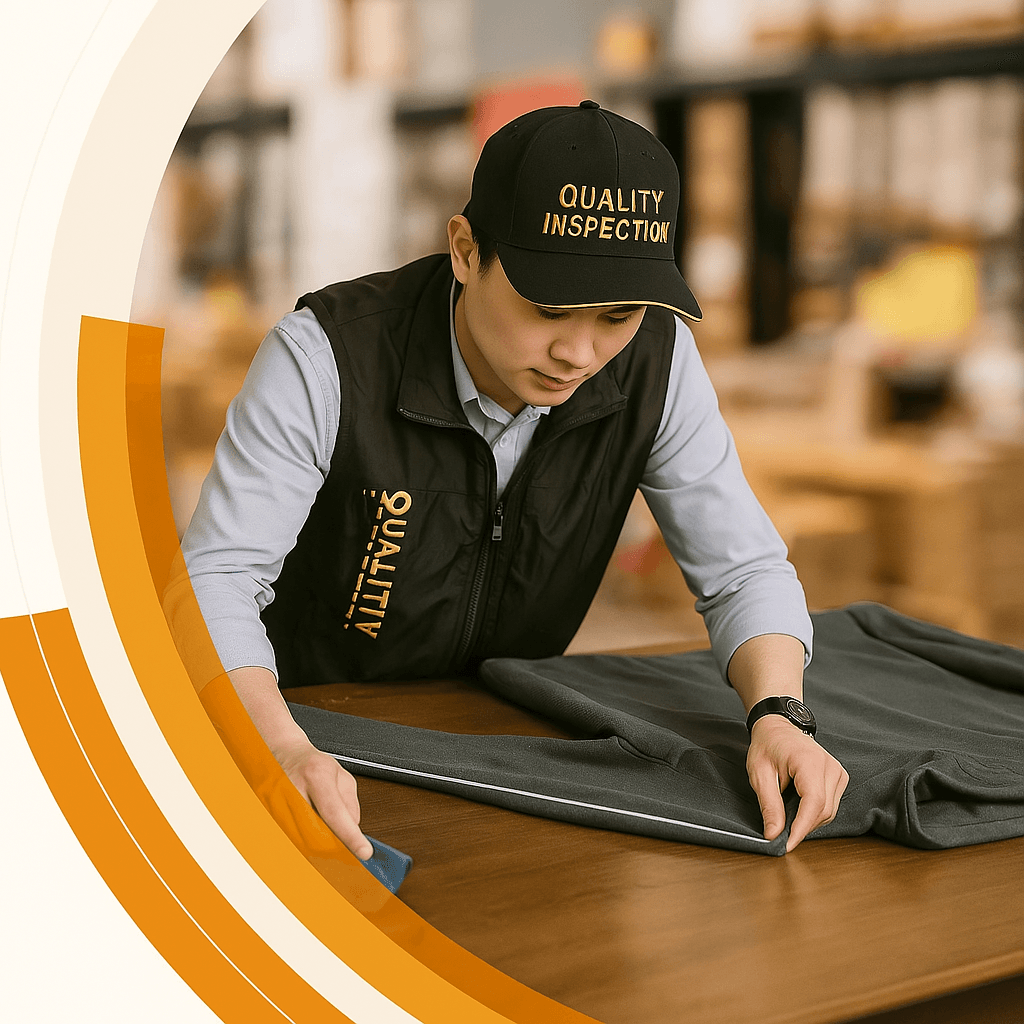
Third party inspection services play a crucial role in ensuring that products meet specified quality standards before they reach the market. These independent agencies act as unbiased evaluators, providing an essential layer of assurance for businesses and consumers alike. By leveraging their expertise, companies can avoid costly mistakes and maintain high-quality output, especially in complex supply chains like those in China.
The Basics of Third Party Inspections
At its core, third party inspections involve an external agency assessing products or processes to verify compliance with predetermined standards or specifications. This can include everything from evaluating raw materials to conducting final product inspections before shipment—essentially a gatekeeper role in quality assurance. In the context of China FBA inspection, these services become even more vital as they help sellers ensure their products meet Amazon’s stringent requirements.
Third party inspection services typically utilize established protocols such as the AQL (Acceptable Quality Level) to determine whether a batch meets quality criteria. Understanding the difference between inspection and quality control is key here; while inspections check for conformity at specific points, quality control encompasses broader practices aimed at preventing defects throughout production. Ultimately, these inspections serve as both a safety net and a strategic advantage for companies looking to uphold their reputation.
How Inspection Services Operate
Inspection services operate through a systematic approach that involves planning, execution, and reporting phases. Initially, the third party inspection agency collaborates with the client to understand specific requirements and set acceptance quality limits (AQL). Once parameters are defined, inspectors conduct on-site evaluations using established methods from their comprehensive quality control tests list.
During the actual inspection process—whether it be parts inspection or final product evaluation—inspectors meticulously assess items against predefined criteria to identify any discrepancies or defects. Their findings are then compiled into detailed reports that highlight areas of concern along with recommendations for corrective actions if necessary. This structured approach not only enhances transparency but also enables clients to make informed decisions about their products before they hit the market.
Benefits of Hiring Third Party Inspection Agencies
Hiring third party inspection agencies offers numerous benefits that extend beyond mere compliance checks; it’s about fostering trust and reliability in your supply chain. Firstly, these agencies bring specialized knowledge and experience that internal teams may lack—ensuring thorough assessments based on industry best practices. Secondly, by employing third party services for China FBA inspections or other critical evaluations, businesses can significantly reduce risks associated with subpar product quality.
Moreover, utilizing these services helps streamline operations by identifying issues early in the production process rather than post-shipment when problems could lead to costly returns or damages to brand reputation. Additionally, having an impartial inspector provides an objective viewpoint that can help facilitate better communication between manufacturers and buyers regarding expectations and deliverables related to acceptance quality limits (AQL). Ultimately, investing in third party inspection services translates into enhanced product integrity and customer satisfaction over time.
The Importance of AQL in Inspections

When it comes to ensuring product quality, AQL—or Acceptable Quality Level—plays a pivotal role in the realm of third party inspection services. This statistical measurement helps define the maximum number of defective items considered acceptable during random sampling inspections. Understanding AQL is essential for businesses, especially when navigating the complexities of global supply chains and striving for excellence in product delivery.
Defining AQL and Its Importance
AQL stands for Acceptable Quality Level, a crucial metric that quantifies the maximum percentage of defects allowed in a batch of products. It serves as a benchmark for third party inspection agencies to determine whether a shipment meets quality standards or should be rejected. By establishing clear expectations around defect rates, companies can minimize risks associated with poor quality while optimizing their production processes.
In the context of parts inspection, understanding AQL ensures that manufacturers can deliver products that meet customer satisfaction without incurring excessive costs from rework or returns. The importance of AQL extends beyond mere compliance; it fosters trust between suppliers and buyers by promoting transparency and accountability throughout the supply chain. Ultimately, adopting an effective AQL strategy not only enhances product quality but also contributes to long-term business success.
Setting Acceptance Quality Limits
Establishing acceptance quality limits involves determining specific thresholds for acceptable defect levels based on factors like industry standards and consumer expectations. Third party inspection services utilize these limits to guide their assessments during inspections, ensuring consistency and reliability in evaluating product quality. By defining these boundaries clearly, businesses can streamline their operations while maintaining adherence to regulatory requirements.
The process begins with analyzing historical data, market trends, and customer feedback to set realistic yet challenging acceptance criteria. Once established, these limits become part of the quality control tests list used by inspectors during evaluations—serving as a reference point throughout each inspection cycle. This systematic approach not only reduces variability but also empowers companies to make informed decisions regarding production adjustments when necessary.
AQL's Role in China FBA Inspections
In the context of China FBA (Fulfillment by Amazon) inspections, AQL takes on added significance as sellers strive to comply with Amazon's stringent requirements while maintaining competitive pricing strategies. Third party inspection agencies play an essential role here by conducting thorough evaluations based on predetermined acceptance quality limits tailored specifically for FBA shipments. This ensures that products meet both Amazon’s standards and customer expectations before they reach consumers.
A well-defined AQL framework helps sellers mitigate risks associated with receiving returns due to defective items or negative reviews caused by poor-quality goods—issues that can severely impact sales performance on platforms like Amazon. Moreover, incorporating robust parts inspection practices within this framework allows businesses to identify potential defects early in the production process rather than at shipment time—a proactive approach that ultimately saves time and resources.
By leveraging effective use of AQL within China FBA inspections through trusted third party inspection services, sellers can enhance their reputations while delivering high-quality products consistently over time.
The Difference Between Inspection and Quality Control
In the realm of product quality assurance, it's crucial to understand the difference between inspection and quality control. While both processes aim to ensure that products meet certain standards, they operate at different stages of production and serve distinct purposes. Third party inspection services typically focus on evaluating finished goods, while quality control encompasses a broader scope that includes monitoring processes throughout production.
Key Distinctions Explained
At its core, the key distinction between inspection and quality control lies in their timing and methodology. Inspection is often a one-time assessment conducted by third party inspection agencies to determine if products meet specified requirements or standards, such as AQL (Acceptable Quality Level). In contrast, quality control is an ongoing process that involves systematic monitoring of various aspects of production to prevent defects before they occur.
Moreover, inspections often rely on predefined criteria like acceptance quality limits (AQL) to evaluate whether batches are acceptable or need rework. Quality control tests list serves as a guide during production, ensuring that each step adheres to established protocols. This proactive approach helps identify potential issues early on, whereas inspections confirm compliance after the fact.
How Quality Control Tests List Supports Inspections
Quality control tests list plays a vital role in supporting inspections by providing a framework for evaluating product consistency and reliability. These lists outline specific tests and criteria that must be met throughout the manufacturing process, which can significantly enhance the effectiveness of third party inspection services. By adhering to these guidelines, manufacturers can reduce variability in their products and improve overall compliance with AQL standards.
When third party inspection agencies conduct assessments based on these predefined tests, they can more accurately determine whether products align with both customer expectations and regulatory requirements. Consequently, this synergy between quality control measures and inspections fosters greater confidence in product integrity during China FBA inspections or other international shipping scenarios.
Integrating Both for Optimal Results
To achieve optimal results in product quality assurance, integrating both inspection processes and robust quality control measures is essential. By merging these approaches, businesses can create a comprehensive strategy that not only checks for compliance but also actively prevents defects throughout production cycles. This integration allows companies to leverage insights from their quality control tests list while benefiting from the objective evaluation provided by third party inspection services.
For instance, implementing regular parts inspection alongside thorough quality controls ensures every component meets high standards before assembly or shipment. This dual approach reduces risks associated with non-compliance during China FBA inspections while enhancing overall customer satisfaction through improved product reliability. Ultimately, embracing both methods leads to superior product outcomes and long-term business success.
Parts Inspection: Ensuring Piece-by-Piece Quality

Parts inspection is a critical component of the manufacturing and supply chain process, focusing on the quality of individual components before they are assembled into final products. This meticulous approach ensures that every piece meets specified standards, reducing the risk of defects in the final product. Third party inspection services often specialize in parts inspection, providing objective evaluations that enhance confidence in product quality.
What is Parts Inspection?
Parts inspection involves examining individual components for quality and compliance with defined specifications. This process is essential for maintaining high standards, especially when dealing with complex assemblies where even a single defective part can compromise overall functionality. By utilizing third party inspection agencies, businesses can ensure that their parts meet the necessary acceptance quality limits (AQL), thus preventing costly errors down the line.
Processes Involved in Parts Inspection
The processes involved in parts inspection typically include visual inspections, measurements, and functional tests to verify that each component adheres to predetermined criteria. Quality control tests list may be employed to systematically assess various attributes such as dimensions, weight, and material properties during these inspections. Furthermore, third party inspection services often use statistical sampling methods to evaluate larger batches against established AQLs, ensuring a comprehensive understanding of overall quality.
Real-World Applications of Parts Inspection
In real-world applications, parts inspection plays a pivotal role across various industries including automotive, electronics, and consumer goods manufacturing. For instance, during China FBA inspections for electronic devices, each component must undergo rigorous scrutiny to ensure safety and performance standards are met before reaching consumers' hands. By integrating thorough parts inspection into their processes, companies not only bolster their reputation but also align with industry best practices regarding the difference between inspection and quality control.
Choosing the Right Inspection Agency
Selecting the right inspection agency can make or break your quality assurance process. With so many third party inspection services available, it’s essential to know what factors to consider to ensure you’re making an informed choice. This decision will ultimately impact your product quality, compliance with regulations, and overall customer satisfaction.
Factors to Consider
When choosing a third party inspection agency, several factors should be at the forefront of your decision-making process. First, assess their experience in your specific industry; agencies with expertise in parts inspection or China FBA inspection are often more equipped to handle unique challenges. Additionally, consider their geographical presence and whether they have local inspectors who understand regional compliance requirements and cultural nuances.
Another critical factor is the range of services offered by the agency. Some may focus solely on inspections while others provide a comprehensive suite that includes quality control tests lists and consulting services. Finally, always inquire about their approach to AQL (Acceptable Quality Level) settings; understanding how they define acceptance quality limits can significantly affect your product outcomes.
Reputation and Expertise of Agencies
A reputable agency will have a proven track record backed by positive client testimonials and case studies demonstrating successful inspections. Researching online reviews can give you insight into other businesses' experiences with various third party inspection agencies. Look for agencies that are transparent about their processes and methodologies; this transparency is often indicative of their commitment to quality.
Expertise is another crucial element when evaluating potential partners for China FBA inspections or parts inspections specifically tailored to your needs. Agencies with certifications from recognized bodies or those that employ highly trained inspectors are generally more reliable than those without such credentials. Don’t hesitate to ask potential agencies about their staff qualifications—after all, well-trained inspectors can significantly enhance the effectiveness of both inspections and overall quality control.
How China Inspection Pro Stands Out
China Inspection Pro distinguishes itself in a crowded marketplace through its unwavering commitment to excellence in third party inspection services. With extensive experience specifically in China FBA inspections, they understand the unique challenges e-commerce sellers face when navigating international standards and logistics complexities related to acceptance quality limits (AQL). Their robust approach combines thorough parts inspection processes with an emphasis on clear communication throughout each step.
What sets them apart further is their comprehensive quality control tests list that caters specifically to diverse industries—ensuring no stone is left unturned during assessments. Clients appreciate their proactive stance on addressing potential issues before they escalate into larger problems, which enhances overall product integrity and customer satisfaction rates significantly over time. If you're looking for an agency that integrates expertise with personalized service tailored just for you, look no further than China Inspection Pro.
Conclusion
In the competitive landscape of modern manufacturing and e-commerce, enhancing product quality through inspections is not just beneficial; it's essential. Third party inspection services play a pivotal role in ensuring that products meet rigorous standards before they reach consumers. By leveraging these services, businesses can significantly reduce the risk of defects and enhance customer satisfaction.
Enhancing Product Quality Through Inspections
The process of third party inspection, particularly in contexts like China FBA inspection, ensures that products adhere to established quality benchmarks. This proactive approach helps identify issues early on, allowing companies to address concerns before they escalate into larger problems. With a robust quality control tests list in hand, businesses can streamline their operations and maintain high standards throughout the production cycle.
The Long-Term Benefits of Quality Standards
Implementing strict quality standards has long-term benefits that extend beyond immediate gains. By establishing acceptance quality limits (AQL) and adhering to them consistently, companies foster trust with their customers and suppliers alike. Over time, this commitment to quality not only boosts brand reputation but also leads to increased sales and customer loyalty.
Encouraging Compliance with Inspection Services
Encouraging compliance with inspection services is crucial for maintaining high-quality outputs in any production environment. Understanding the difference between inspection and quality control allows organizations to create a more effective framework for monitoring product integrity at every stage of the supply chain. When businesses prioritize parts inspection through reliable third party inspection agencies, they create a culture of accountability that ultimately drives success.