
Introduction
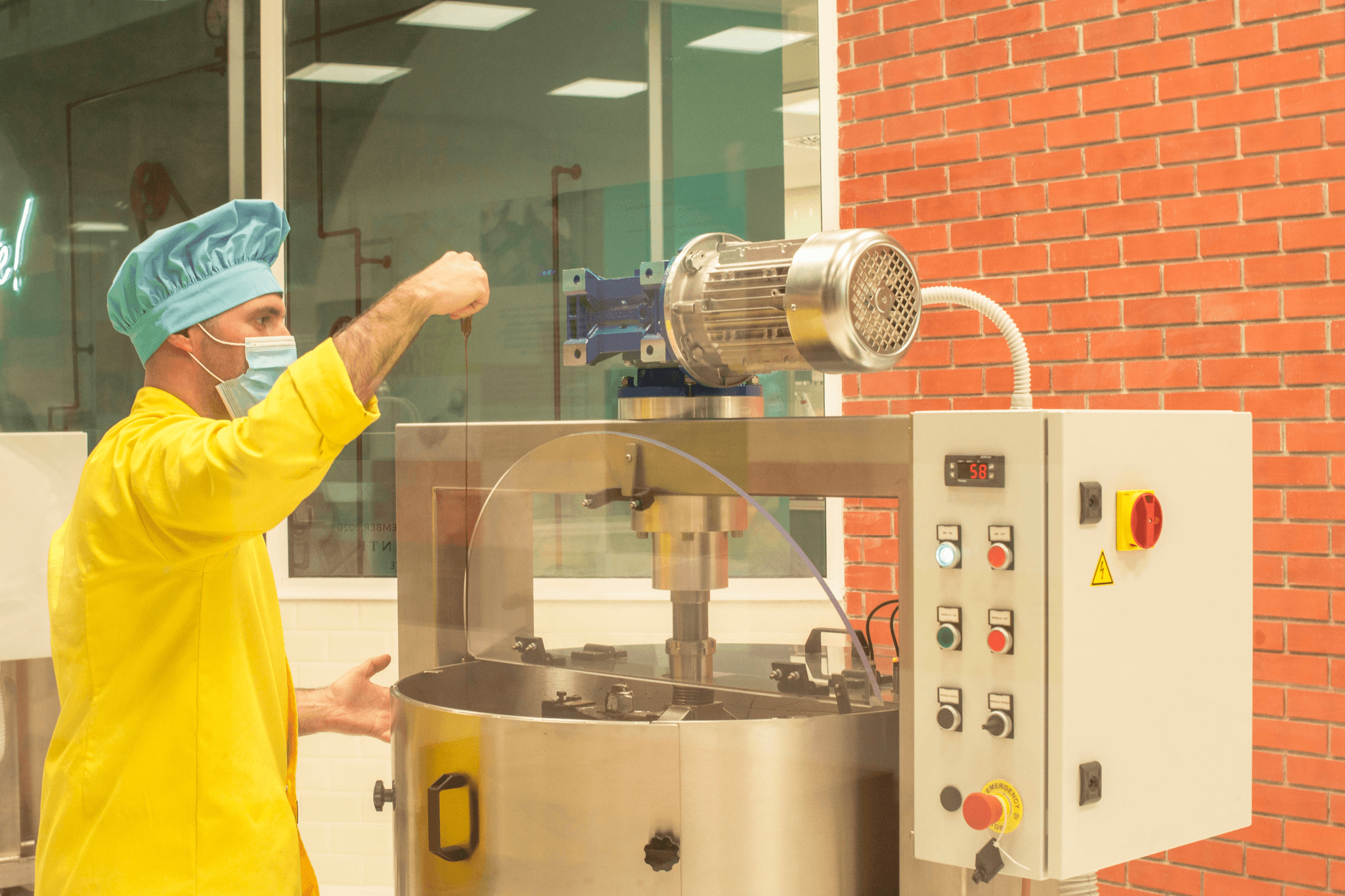
In an era where food safety is paramount, the role of food auditing companies has never been more critical. A food safety audit serves as a comprehensive evaluation of food handling processes, ensuring compliance with health regulations and industry standards. This systematic approach not only safeguards public health but also enhances the reputation of businesses in the food sector.
Understanding Food Safety Auditing
Food safety auditing is a meticulous process that involves assessing various aspects of food production and handling to ensure that they meet established safety standards. It encompasses everything from ingredient sourcing to final product delivery, ensuring that every step adheres to rigorous guidelines. Third-party food safety audits are particularly valuable, providing an unbiased perspective that can help identify potential risks and areas for improvement.
Importance of Food Consultancy Services
Food consultancy services play a vital role in guiding businesses through the complexities of compliance and best practices in food safety. These experts not only offer insights into effective management systems but also help organizations navigate the labyrinth of regulatory requirements. By partnering with experienced consultants, companies can streamline their operations and enhance their overall safety protocols.
How Auditing Enhances Compliance
Auditing enhances compliance by systematically evaluating practices against established standards, allowing businesses to pinpoint weaknesses before they become significant issues. Regular audits foster a culture of accountability within organizations, encouraging continuous improvement and adherence to best practices. With safe certification in hand from reputable food auditing companies, businesses can demonstrate their commitment to quality and safety, ultimately building consumer trust.
Overview of Food Safety Auditing
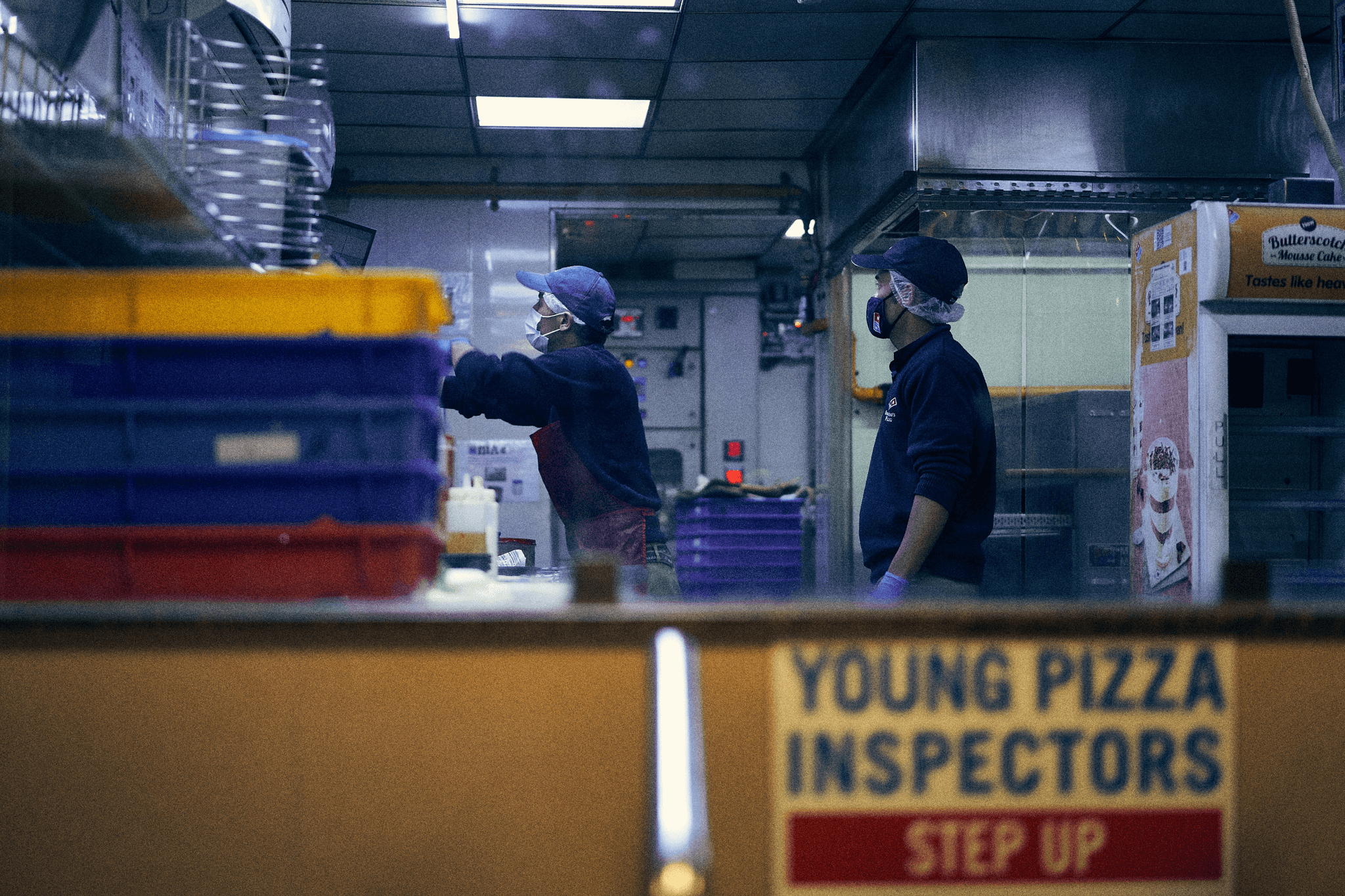
In the realm of food safety, auditing plays a pivotal role in ensuring that food businesses meet regulatory standards and maintain high-quality practices. A thorough food safety audit not only identifies potential risks but also reinforces the importance of compliance within organizations. With the rise of third-party food safety audits, businesses can gain an objective perspective on their operations, enhancing their credibility in the eyes of consumers and regulators alike.
Key Components of Food Auditing
Food auditing encompasses several key components that work together to create a comprehensive evaluation process. First and foremost is the assessment of hygiene practices, which includes everything from employee sanitation habits to equipment cleanliness. Additionally, documentation review is critical; auditors examine records related to ingredient sourcing, temperature controls, and staff training to ensure all procedures align with safe certification food standards.
Another essential component involves risk assessment—auditors identify potential hazards in food handling processes and evaluate how effectively these are managed. This proactive approach not only highlights areas for improvement but also educates staff on best practices for maintaining safety throughout production cycles. Lastly, follow-up actions are crucial; after an audit concludes, companies must implement recommended changes to foster a culture of continuous improvement.
Roles of Food Auditing Companies
Food auditing companies serve as invaluable partners in navigating the complex landscape of food safety regulations. Their primary role is to conduct thorough evaluations that identify compliance gaps while offering actionable insights for improvement. By utilizing industry expertise and experience, these companies help businesses understand their obligations under local and international laws.
Moreover, food auditing companies often provide training services tailored to address specific needs within an organization—empowering employees with knowledge about safe practices and regulatory requirements. They also facilitate third-party food safety audits that lend credibility to a company's claims regarding quality assurance and risk management strategies. Ultimately, these firms act as both watchdogs and educators in the quest for safer food systems.
Benefits of Regular Audits
Engaging in regular audits offers numerous benefits that extend beyond mere compliance with regulations; it’s about fostering trust with consumers too! Frequent assessments allow businesses to stay ahead of potential issues before they escalate into costly problems or public relations disasters. Additionally, consistent audits help maintain high standards across all operations—ensuring every product meets or exceeds safe certification food expectations.
Regular audits also enhance operational efficiency by identifying redundancies or inefficiencies within processes that can be streamlined for better performance. When employees know they are subject to routine checks, they tend to adhere more closely to established protocols—creating a culture where safety becomes second nature rather than an afterthought! Finally, successful audits can lead directly to improved marketability; customers are increasingly drawn toward brands committed to transparency and accountability through rigorous third-party evaluations.
The Process of Food Safety Auditing
In the world of food safety, understanding the auditing process is crucial for maintaining compliance and ensuring that products are safe for consumption. A thorough food safety audit can identify potential risks, streamline operations, and enhance overall quality control. This section will delve into the steps involved in conducting an audit, the tools utilized by food auditing companies, and common challenges faced during the process.
Steps in Conducting an Audit
Conducting a food safety audit involves a systematic approach to evaluate compliance with established standards. The first step typically includes planning and preparing for the audit by defining its scope and objectives—this ensures that all necessary areas are covered. Next comes the on-site assessment, where auditors from food auditing companies observe processes, interview staff, and review documentation to gather evidence of compliance or non-compliance.
Following this initial assessment, auditors compile their findings into a comprehensive report detailing strengths and weaknesses observed during the audit. This report serves as a roadmap for implementing corrective actions where needed. Finally, a follow-up is often conducted to verify that recommended changes have been enacted effectively, ensuring continuous improvement in food safety practices.
Tools and Techniques Used
Food auditing companies employ various tools and techniques to conduct effective audits that meet industry standards. One commonly used tool is checklists tailored to specific regulatory requirements; these help ensure that no critical area is overlooked during the evaluation process. Additionally, technology plays a significant role—software solutions streamline data collection and analysis while enabling real-time reporting.
Another technique involves using risk assessment matrices that help prioritize areas needing immediate attention based on potential hazards identified during audits. Furthermore, third-party food safety audits often include visual inspections aided by digital cameras or mobile devices to document findings accurately for future reference. By utilizing these innovative tools and techniques, auditors can provide more reliable assessments of compliance with safe certification food standards.
Common Challenges Faced
While conducting a food safety audit may seem straightforward on paper, several common challenges can arise throughout the process. One primary hurdle is resistance from staff who may view audits as punitive rather than constructive; overcoming this mindset requires clear communication about the benefits of audits for everyone involved in maintaining safe practices.
Another challenge lies in keeping up with constantly evolving regulations; staying informed about changes in legislation is essential for both auditors and businesses seeking safe certification food status. Lastly, coordinating schedules between auditors from third-party food safety audit firms and company personnel can be tricky—timing discrepancies may lead to incomplete assessments if not managed properly.
By recognizing these challenges ahead of time—and working collaboratively with experienced consultants—companies can navigate through them effectively while enhancing their overall commitment to food safety.
Choosing the Right Food Consultancy Service
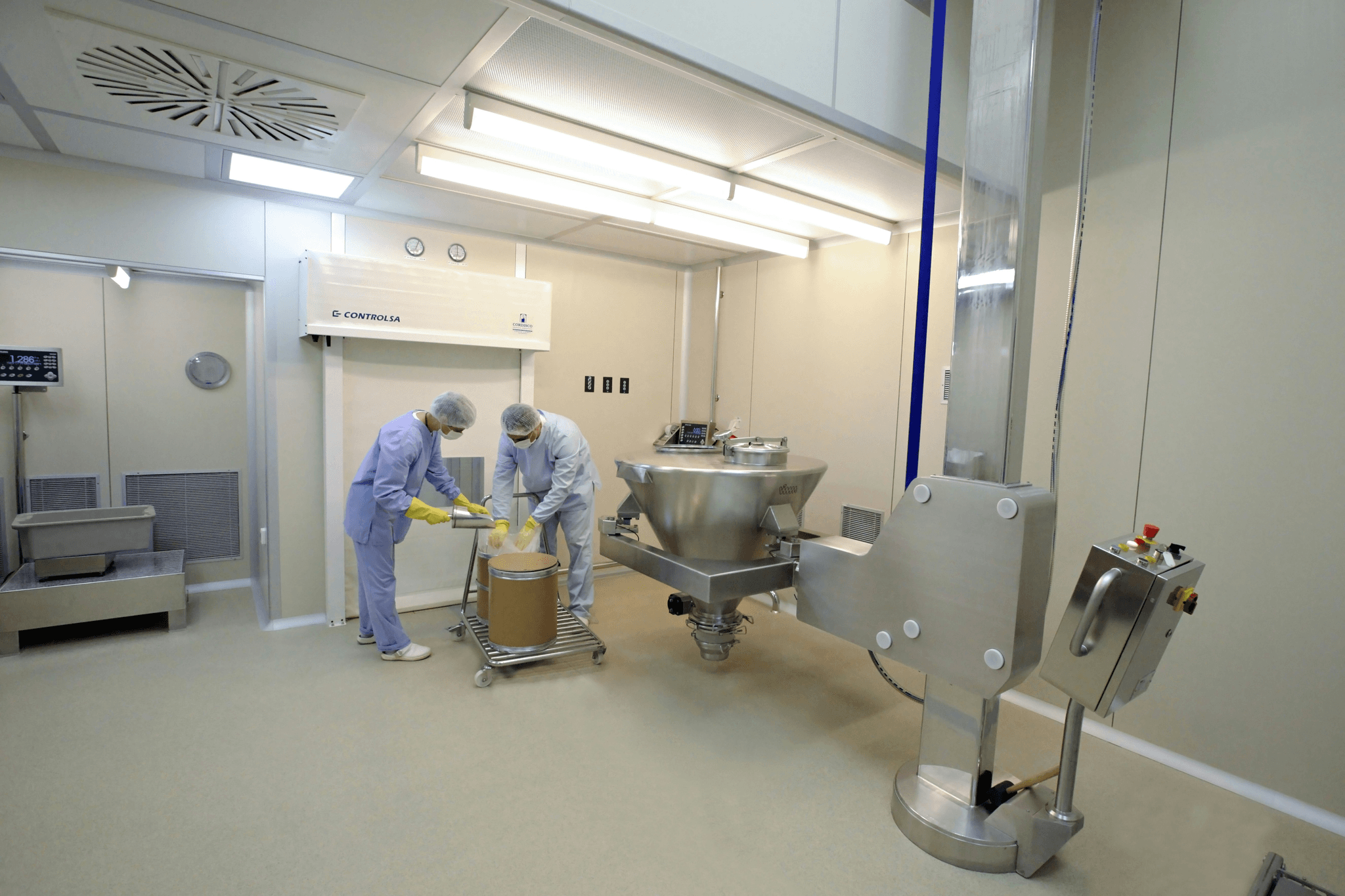
Selecting the right food consultancy service can feel like searching for a needle in a haystack, especially when there are numerous food auditing companies vying for your attention. The quality and effectiveness of the food safety audit you receive can significantly impact your business's compliance and reputation. Therefore, it's crucial to take a systematic approach to ensure you choose a consultancy that aligns with your specific needs.
Evaluating Food Auditing Companies
When evaluating food auditing companies, start by examining their credentials and experience in the industry. Look for certifications that indicate proficiency in conducting third-party food safety audits, as these demonstrate adherence to recognized standards. Additionally, consider seeking testimonials or case studies from previous clients to gauge their effectiveness and reliability.
Another key factor is how well these companies understand your unique operational challenges. A one-size-fits-all approach rarely works in food safety; thus, it’s essential to find auditors who tailor their services to fit your specific context. This personalized touch can make all the difference during a safe certification food process.
Finally, don't overlook the importance of communication skills. A good consultancy should not only provide findings but also explain them clearly and offer actionable recommendations that empower you to make improvements effectively. After all, what's knowledge without understanding?
Essential Qualities to Look For
In your quest for an ideal consultancy service, several essential qualities should be at the forefront of your selection criteria. First and foremost is expertise; look for teams comprised of professionals with extensive backgrounds in food safety regulations and auditing practices relevant to your industry sector. This expertise will ensure they’re equipped to handle any challenges that may arise during the audit process.
Another quality is adaptability; every business is unique, so choose consultants who can customize their approach based on your operational specifics and compliance requirements. You want partners who don’t just tick boxes but genuinely care about helping you achieve safe certification food standards while enhancing overall safety protocols.
Lastly, consider their commitment to ongoing support even after audits are completed. The best food auditing companies will provide continuous guidance and follow-up services that help maintain compliance over time rather than disappearing once they’ve delivered their report.
How to Make Your Selection
Making an informed selection involves balancing multiple factors rather than relying solely on price or availability of services from various food auditing companies. Start by creating a shortlist based on evaluations from previous sections—ensure each candidate demonstrates expertise, adaptability, and ongoing support capabilities.
Next, conduct interviews or consultations with potential firms; this step allows you not only to ask questions but also gauge how well they communicate complex information about audits in layman’s terms—an invaluable trait when implementing changes based on audit findings!
Finally, trust your instincts about which company feels like the right fit culturally as well as professionally; after all, building a partnership founded on mutual respect will pave the way for successful collaboration towards achieving safe certification food goals.
Case Studies: Successful Food Audits
In the world of food safety, real-life examples often speak louder than theoretical frameworks. Learning from industry leaders who have successfully navigated the complexities of food auditing can provide invaluable insights. These case studies not only highlight effective practices but also demonstrate how food auditing companies can play a pivotal role in achieving compliance and enhancing safety standards.
Learning from Industry Leaders
Industry leaders often set the benchmark for excellence in food safety audits, showcasing best practices that others can emulate. For instance, a leading multinational beverage company underwent a comprehensive third-party food safety audit that revealed critical areas for improvement. By implementing the recommendations from this audit, they not only achieved safe certification food but also significantly reduced their risk of non-compliance with regulatory requirements.
Another example is a renowned snack manufacturer that partnered with reputable food auditing companies to enhance its operational standards. Through regular audits and proactive adjustments based on findings, they improved their supply chain transparency and product quality assurance. This commitment to continuous improvement has positioned them as an industry leader in safe practices and consumer trust.
China Inspection Pro's Impact
China Inspection Pro has emerged as a significant player among food auditing companies, particularly in navigating complex regulatory landscapes in Asia. Their expertise in conducting thorough third-party food safety audits has helped numerous local manufacturers achieve compliance with international standards. By leveraging their insights, businesses have improved their internal processes and gained access to global markets through recognized safe certification food.
One notable success story involves a Chinese dairy producer that faced challenges meeting international health regulations. After engaging China Inspection Pro for an extensive audit, they implemented necessary changes which led to enhanced product quality and compliance with both local and international standards. The result? A remarkable increase in export opportunities and consumer confidence.
Measuring Outcomes and Improvements
Measuring the outcomes of successful food audits is crucial for understanding their impact on business operations and compliance levels. Many businesses report tangible improvements after engaging with competent food auditing companies; these include reduced incidents of contamination and enhanced employee training programs focused on hygiene practices. The data collected during these audits serve as benchmarks for ongoing improvements.
For example, after completing a series of third-party food safety audits, one company documented a 30% reduction in non-compliance issues within just six months post-audit implementation. Such metrics not only reinforce the value of regular assessments but also highlight how safe certification food can lead to increased market competitiveness and consumer loyalty over time.
In conclusion, learning from industry leaders through case studies demonstrates how effective audits by skilled professionals can transform operations within the realm of food safety auditing companies. As seen through successful partnerships like those with China Inspection Pro, businesses can achieve significant improvements when they prioritize compliance through structured approaches like regular third-party audits.
Regulatory Compliance and Its Importance
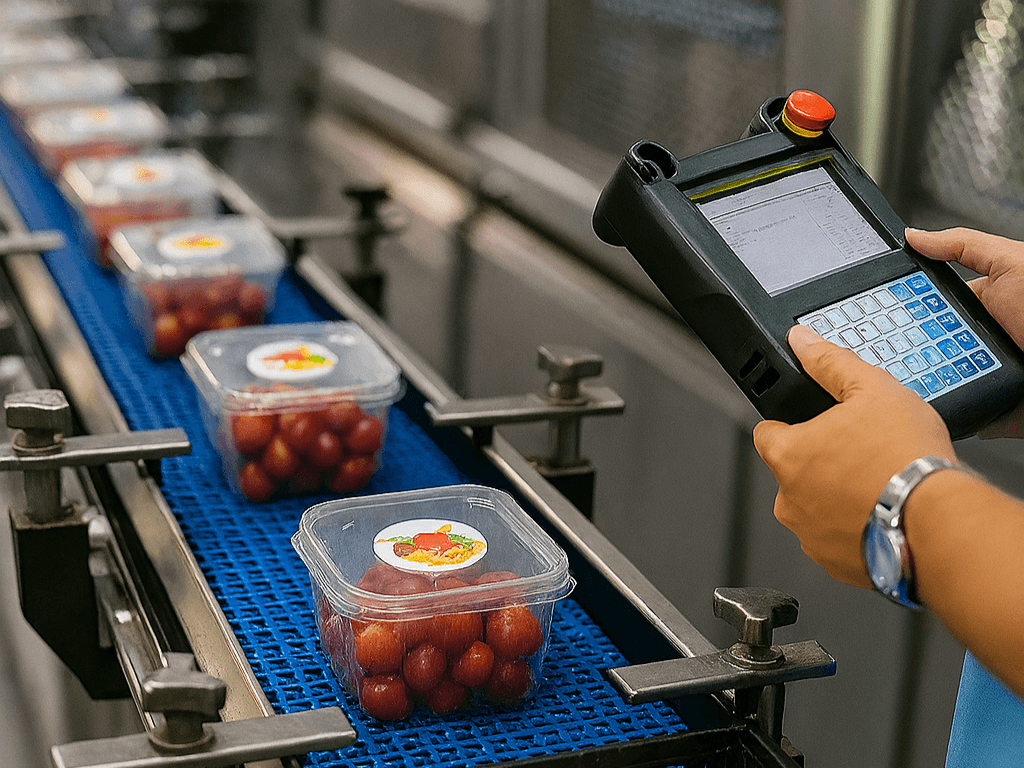
In the realm of food safety, understanding regulatory compliance is crucial for businesses aiming to maintain high standards and protect consumer health. Food safety regulations are established by government agencies to ensure that food products are safe for consumption, covering everything from production practices to labeling requirements. For food auditing companies, staying abreast of these regulations is not just a part of their job; it's the foundation upon which they build their auditing frameworks.
Understanding Food Safety Regulations
Food safety regulations vary widely across different countries and regions, but they generally aim to minimize risks associated with foodborne illnesses. These regulations often include guidelines on hygiene practices, temperature controls, and traceability of ingredients—elements that a comprehensive food safety audit will assess meticulously. By utilizing third-party food safety audits, companies can ensure that their operations align with these regulatory standards while also gaining insights into areas needing improvement.
Consequences of Non-Compliance
Failing to adhere to food safety regulations can lead to severe consequences for businesses, including hefty fines, legal action, and even shutdowns in extreme cases. Non-compliance can also damage a company's reputation, leading consumers to lose trust in its products—a risk no business can afford in today's market. Moreover, the implications extend beyond immediate financial losses; they may also affect long-term sustainability as customers increasingly prioritize safe certification food when making purchasing decisions.
How Consultancy Services Assist
Food consultancy services play a vital role in helping businesses navigate the complex landscape of food safety regulations. By partnering with experienced food auditing companies, organizations can receive tailored guidance on compliance strategies that fit their unique needs and circumstances. These consultancy services not only help mitigate risks associated with non-compliance but also enhance overall operational efficiency through regular audits and continuous improvement initiatives.
Conclusion
In summary, the landscape of food safety auditing is evolving rapidly, driven by increasing consumer demand for transparency and safety in food production. As we look to the future, food auditing companies will play a crucial role in ensuring that businesses not only meet regulatory standards but also exceed them through proactive measures. The integration of technology and innovative practices will further enhance the effectiveness of food safety audits, making them more efficient and comprehensive.
The Future of Food Safety Auditing
The future of food safety audits lies in the adoption of advanced technologies such as artificial intelligence and blockchain, which promise to revolutionize how audits are conducted. Food auditing companies are already beginning to leverage these tools to streamline processes and improve accuracy in reporting. As third party food safety audits become more commonplace, businesses will benefit from enhanced credibility and trust among consumers.
Building a Culture of Safety
Creating a culture of safety within organizations goes beyond compliance; it involves instilling values that prioritize health and hygiene at every level. Food auditing companies can guide businesses in developing training programs that emphasize best practices for employees, ensuring everyone understands their role in maintaining safe environments. By fostering this mindset, organizations can significantly reduce risks associated with foodborne illnesses while enhancing their overall reputation.
Investing in Food Consultancy Services
Investing in reputable food consultancy services is essential for any business aiming for long-term success in the industry. These services provide invaluable insights into effective practices while helping navigate complex regulations surrounding safe certification food processes. By partnering with knowledgeable consultants, companies can not only achieve compliance but also drive continuous improvement through regular audits tailored to their specific needs.