
Introduction
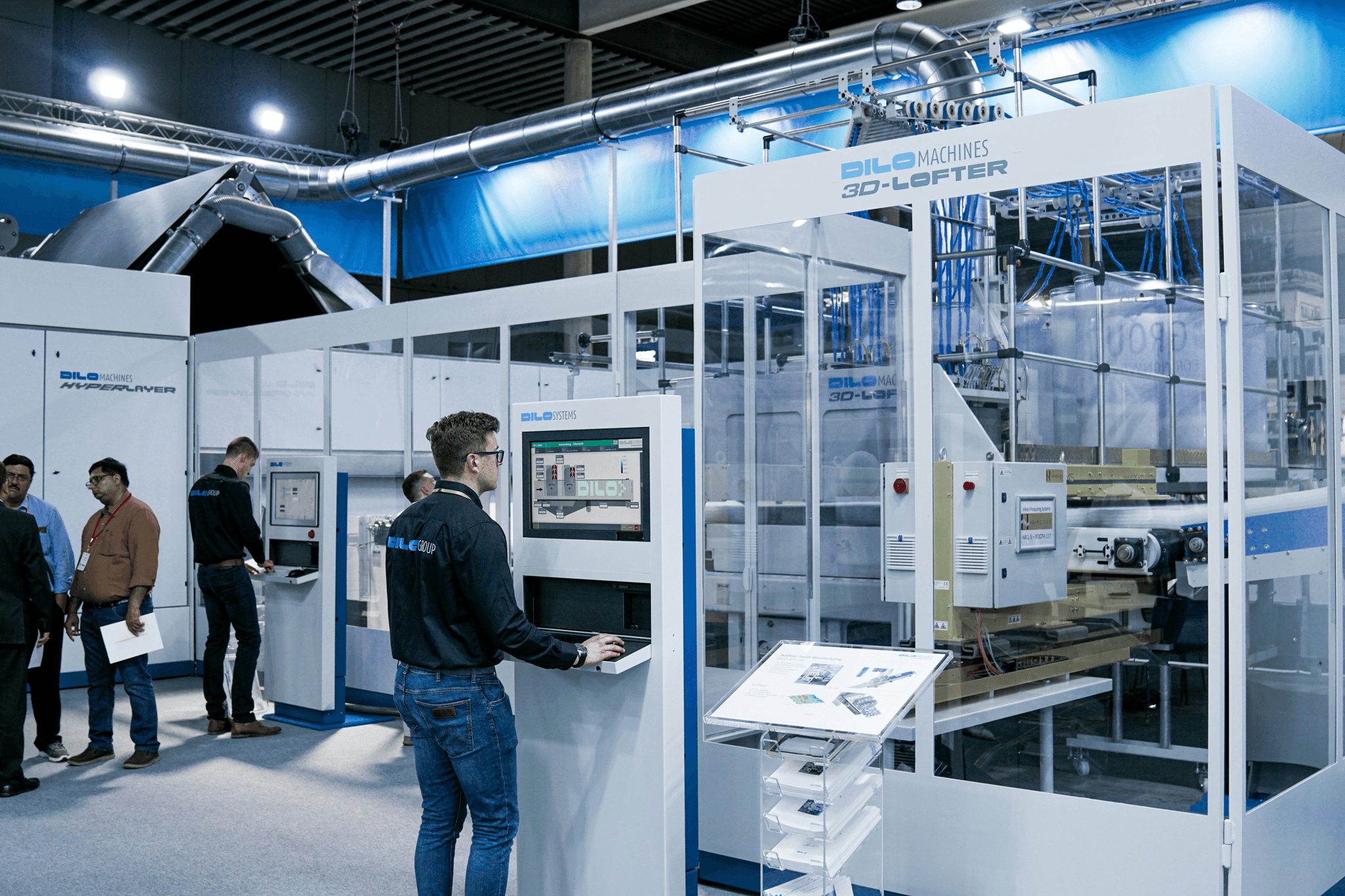
In the world of manufacturing and global trade, Vendor Inspection has become the secret weapon for ensuring product quality and reliability. Properly executed Industrial Quality Control is not just a box to check; it’s a strategic move to safeguard your brand’s reputation and bottom line. The cornerstone of this process often lies in rigorous Factory Acceptance Tests, which serve as the final gatekeeper before products leave the factory floor.
Understanding the importance of defining an clear Industrial Inspection Scope can make or break your vendor relationships. When you plan your Vendor Inspection strategy carefully, including aspects like Industrial Test Calibration, you set the stage for smooth inspections and high-quality outcomes. Without these critical steps, even the best products can slip through unnoticed, risking costly rework or failure down the line.
Unlocking the Secrets of Successful Vendor Inspection
Mastering Vendor Inspection isn’t about luck; it’s about understanding what makes an effective industrial quality control process tick. From selecting qualified inspectors to executing detailed Factory Acceptance Tests, each element plays a vital role in uncovering potential issues early on. When you unlock these secrets, you transform vendor relationships from risky gambles into reliable partnerships built on trust and transparency.
Why Industrial Quality Control Is Non-Negotiable
Industrial Quality Control is non-negotiable because subpar products can derail entire projects or damage your brand’s reputation overnight. Implementing thorough Vendor Inspection processes ensures that every component meets strict standards—especially during critical phases like Factory Acceptance Testing—where defects are caught before shipment. Investing in comprehensive checks such as Industrial Test Calibration guarantees that measurements are accurate, making quality assurance more than just a buzzword but a concrete reality.
How Factory Acceptance Tests Ensure Product Integrity
Factory Acceptance Tests are your frontline defense against defective goods reaching customers or assembly lines—think of them as a final exam for your vendors’ capabilities. These tests verify that all aspects of production align with specified requirements within your defined Industrial Inspection Scope, including calibration accuracy and performance benchmarks. By rigorously conducting these tests, companies can confidently deliver products that uphold their promises of durability and excellence while minimizing costly recalls or rework later on.
Planning Your Vendor Inspection Strategy
Getting your Vendor Inspection strategy right from the start is like laying a solid foundation for a skyscraper—without it, everything risks collapsing under pressure. A well-thought-out plan ensures your Industrial Quality Control process is thorough, efficient, and aligned with your product goals. Remember, an effective Factory Acceptance Test hinges on clear planning and understanding of the Industrial Inspection Scope, so take the time to map out every detail before diving in.
One of the first steps in planning is defining your Industrial Inspection Scope precisely. This scope acts as the blueprint for what aspects of the vendor’s manufacturing process or product you'll scrutinize during Vendor Inspection. It should cover everything from raw materials to final assembly, ensuring that your Factory Acceptance Test targets all critical quality points. Without a clear scope, you risk missing key non-conformities that could compromise product integrity later on.
Setting realistic expectations and goals is equally vital. While it’s tempting to aim for perfection in every Vendor Inspection, practical limits like time constraints and resource availability must be considered. Establish achievable objectives that focus on high-priority areas identified during initial planning; this way, your Industrial Quality Control efforts remain focused and effective. Clear goals also help measure success after each inspection cycle and refine future strategies.
Gathering essential documentation and certifications forms the backbone of any successful Vendor Inspection plan. These documents—including quality certificates, test reports, calibration records, and compliance paperwork—are critical for validating vendor claims and verifying adherence to industry standards. Having everything organized ahead of time streamlines inspections and minimizes surprises during Factory Acceptance Tests or other industrial evaluations.
Selecting the Right Inspection Partners
Choosing the right partner for Vendor Inspection is crucial to ensure your industrial quality control processes are robust and reliable. A skilled inspection agency can make or break your Factory Acceptance Test outcomes, so it's essential to evaluate their expertise thoroughly. Remember, a good inspection partner will understand the nuances of your industrial inspection scope and deliver precise results that keep your supply chain on track.
Partnering with an experienced inspection agency means you're tapping into industry best practices for factory inspections and factory acceptance tests. They should have a proven track record in handling diverse industrial test calibration requirements, ensuring all measurements meet strict standards. Ultimately, selecting the right vendor inspection partner helps you identify non-conformities early and implement corrective actions swiftly, saving time and costs down the line.
When it comes to industrial quality control, not all vendors are created equal. Prioritize agencies with a solid reputation for thorough vendor inspections and a deep understanding of your specific industry standards. Their expertise in executing comprehensive factory inspections aligned with your industrial inspection scope will give you peace of mind that product integrity is maintained throughout the process.
Why China Inspection Pro Is a Game Changer
China Inspection Pro stands out as a game-changing player in vendor inspection services because they specialize in detailed factory inspections tailored to international standards. Their team understands how critical it is to perform rigorous factory acceptance tests that align perfectly with your industrial test calibration needs. By leveraging cutting-edge technology and local expertise, they ensure every aspect of vendor performance is scrutinized within the defined scope of industrial quality control.
This company’s strength lies in its ability to streamline communication between clients and factories, reducing misunderstandings during vendor inspections. They employ highly trained inspectors who excel at identifying non-conformities during factory audits or acceptance tests, which is vital for maintaining product quality standards. Choosing China Inspection Pro means gaining a trusted partner capable of elevating your overall vendor inspection strategy while adhering strictly to your industrial inspection scope.
Evaluating Vendor History and Performance
Before entrusting an inspection agency with your valuable products, it's wise to review their history in conducting vendor inspections across similar industries. An agency’s past performance offers insights into their ability to execute comprehensive factory acceptance tests effectively while respecting the prescribed scope of work. Reliable agencies have documented success stories demonstrating consistent quality assurance results through meticulous vendor inspections.
Assessing their experience with different types of products also helps determine if they are equipped for specialized tasks like performing precise industrial test calibration or complex factory audits under tight deadlines. The right partner should demonstrate familiarity with various certification requirements and have a track record of addressing non-conformities professionally during previous projects—key indicators that they can uphold high standards during your upcoming vendor inspections.
Choosing Certified and Experienced Inspection Agencies
Opting for certified agencies ensures that you’re working with professionals who adhere to recognized industry standards for industrial quality control and vendor inspection practices. Certification from reputable bodies signifies that these agencies follow strict protocols when conducting factory inspections or executing factory acceptance tests—minimizing risks associated with subpar evaluations or missed non-conformities.
Experience matters too; seasoned inspectors bring invaluable insights into interpreting data collected during assessments or calibration checks within the scope of industrial testing procedures. When selecting an inspection partner, prioritize those who demonstrate ongoing training programs focused on current industry best practices; this commitment guarantees thoroughness when documenting findings related to vendor compliance or non-compliance issues uncovered during critical stages like factory audits or testing phases.
Preparing for the Inspection Day

Preparation is key to a successful Vendor Inspection, especially when it comes to ensuring your Industrial Quality Control measures are airtight. Setting the stage with a solid plan helps minimize surprises during the Factory Acceptance Test and keeps your industrial inspection scope on point. When everything is prepped and aligned, your team can focus on catching deviations rather than scrambling to find documents or clarify procedures.
A crucial part of this preparation involves developing a comprehensive industrial test calibration checklist. This checklist acts as your roadmap, detailing all calibration points necessary for accurate testing during the Vendor Inspection process. By clearly outlining what needs calibration—whether tools, equipment, or testing procedures—you ensure that every aspect of the factory’s processes aligns with your quality standards and industrial inspection scope.
Coordinating with vendors ahead of time smooths out potential wrinkles in the process and guarantees that everyone is on the same page before the Factory Acceptance Test begins. Clear communication about timelines, documentation requirements, and test expectations helps prevent delays and misunderstandings during Vendor Inspection. This proactive approach also allows you to verify that vendors have performed their own internal quality checks, making your industrial quality control efforts more effective.
Training your inspection team effectively is another vital step in preparing for a seamless Vendor Inspection day. Well-trained inspectors understand how to execute factory inspections thoroughly while adhering to industry standards within your industrial inspection scope. Providing hands-on training about specific test calibration methods ensures they’re confident in executing precise measurements during tests like those conducted in the Factory Acceptance Test phase.
Conducting the Inspection
Once the planning phase is complete, it's time to roll up your sleeves and dive into the actual Vendor Inspection process. This stage is critical for ensuring that every aspect of industrial quality control aligns with your expectations and standards. A thorough factory inspection combined with a well-executed factory acceptance test will help you catch potential issues early, saving both time and money down the line.
Performing a Thorough Factory Inspection
Performing a comprehensive factory inspection is the backbone of effective Vendor Inspection and industrial quality control. During this step, inspectors should meticulously examine manufacturing processes, equipment, and work environment to verify compliance against your defined Industrial Inspection Scope. Remember, this isn't just about ticking boxes; it's about understanding how each element contributes to product quality and whether it meets your specifications. Incorporating detailed checklists related to industrial test calibration ensures that measurements are accurate, reliable, and consistent throughout production.
Executing a Rigorous Factory Acceptance Test
The Factory Acceptance Test (FAT) serves as the final gatekeeper before shipment leaves the vendor’s premises. Conducting an FAT requires a clear understanding of the Industrial Inspection Scope so that all critical parameters are tested thoroughly. This includes functional testing, performance verification, and safety assessments—all aligned with your pre-established criteria for quality assurance. A well-planned FAT not only confirms product integrity but also highlights areas where additional calibration or adjustments may be necessary to meet industry standards.
Documenting Findings Accurately
Accurate documentation during Vendor Inspection is essential for transparency and future reference in industrial quality control processes. Every observation—whether it’s a non-conformance or an area exceeding expectations—must be recorded precisely, ideally supported by photos or measurement data from industrial test calibration tools. Proper documentation ensures that findings from factory inspections and acceptance tests are clear for stakeholders and serve as valuable evidence when addressing non-conformities or implementing corrective actions later on.
Analyzing and Acting on Inspection Results
Once the factory inspection or factory acceptance test is complete, the real work begins: interpreting the data. This step is crucial for maintaining high standards in industrial quality control and ensuring that your vendor inspection aligns with the established industrial inspection scope. By carefully analyzing the findings, you can identify patterns, pinpoint issues, and determine whether products meet your specifications or require further scrutiny.
A thorough review of inspection results allows you to distinguish between minor discrepancies and major non-conformities. It’s essential to document every detail accurately, as this information forms the foundation for making informed decisions about vendor performance. When it comes to factory acceptance tests, understanding the nuances of each data point helps prevent future surprises and ensures continuous improvement in your industrial quality control processes.
Addressing non-conformities professionally is key to fostering a productive relationship with vendors while upholding your standards. When issues are identified during vendor inspection or factory acceptance testing, it’s vital to communicate clearly and constructively with suppliers. Implementing corrective actions not only rectifies current problems but also enhances your industrial inspection scope by preventing similar defects in future batches.
To streamline future inspections, consider integrating lessons learned into your industrial test calibration procedures. Regular calibration ensures measurement accuracy during factory acceptance tests, which leads to more reliable data interpretation. By refining these processes based on past results, you improve overall vendor inspection effectiveness and uphold rigorous standards in industrial quality control.
Conclusion
In the world of manufacturing and procurement, ensuring product excellence hinges on meticulous Vendor Inspection and robust Industrial Quality Control. When you implement a comprehensive Industrial Inspection Scope, you not only catch defects early but also build trust with your clients by delivering consistent quality. Remember, a well-executed Factory Acceptance Test acts as the final gatekeeper—confirming that all specifications are met before products leave the factory floor.
By integrating the right Vendor Inspection strategies into your procurement process, you create a seamless flow that minimizes surprises down the line. Emphasizing Industrial Test Calibration ensures your measurement tools are accurate, which directly impacts the reliability of your inspections. Elevating your standards with professional inspection services can transform average quality control into industry-leading excellence.
Don't underestimate the power of thorough Vendor Inspection; it’s your best line of defense against costly reworks and reputation damage. Leveraging expert services for Factory Acceptance Tests and detailed inspections helps maintain high standards while saving time and resources. Ultimately, embracing these practices guarantees that every product leaving your supply chain is nothing short of exceptional.