
Introduction

In today's fast-paced industrial landscape, the importance of acceptance testing cannot be overstated. Acceptance testing serves as a crucial checkpoint to ensure that products meet specified requirements before they are deployed in real-world applications. Among the various forms of acceptance testing, the factory acceptance test (FAT) stands out as a pivotal process that validates equipment and systems prior to shipment.
Understanding Acceptance Testing in Industry
Acceptance testing encompasses a range of evaluations aimed at confirming that a product meets its intended use and specifications. In essence, it acts as a safety net, catching potential flaws before they escalate into costly issues post-deployment. One might wonder: what's the difference between FAT and SAT? While both are vital, FAT is conducted at the manufacturer's site to verify functionality, whereas SAT occurs on-site after installation.
The Significance of Factory Acceptance Tests
Factory acceptance tests play an essential role in minimizing risks associated with equipment failures or operational inefficiencies once products reach their final destination. By thoroughly assessing systems in controlled environments, stakeholders can identify any discrepancies early on and address them proactively. This not only enhances quality assurance but also boosts confidence among clients regarding their investment.
Navigating the Path from FAT to SAT
Preparing for a successful factory acceptance test requires careful planning and coordination among various stakeholders involved in the project. Questions like How do you prepare for a factory acceptance test? often arise as teams seek clarity on necessary documentation and protocols needed for effective execution. Once FAT is completed successfully, organizations can seamlessly transition to site acceptance tests (SAT), ensuring that all components function harmoniously within their intended environment.
What Is a Factory Acceptance Test?
A Factory Acceptance Test (FAT) is a critical evaluation process conducted to ensure that equipment and systems function as intended before they are shipped to the customer. This test is typically performed at the manufacturer's facility, allowing stakeholders to verify compliance with specifications and requirements. By identifying any discrepancies early, a factory acceptance test helps prevent costly issues during installation and operation.
Definition and Key Components
At its core, a factory acceptance test is designed to validate that a system meets predefined criteria before it leaves the manufacturing site. Key components of FAT include performance verification, safety checks, and functional testing against specifications outlined in contract documents. Additionally, thorough documentation of test results plays an essential role in providing evidence of compliance with quality standards.
The Process of Conducting FAT
Conducting a factory acceptance test involves several crucial steps that ensure comprehensive evaluation. Initially, preparation includes gathering necessary documentation such as user manuals and technical specifications while engaging stakeholders to clarify expectations. Once preparations are complete, the testing phase begins with systematic execution of predefined tests followed by detailed analysis and reporting on results—this process leads directly into discussions about what’s the difference between FAT and SAT.
Benefits of Performing a Factory Acceptance Test
The benefits of performing a factory acceptance test are numerous and impactful for both manufacturers and clients alike. Firstly, it fosters confidence in product quality by identifying defects early in the production cycle rather than during installation or operation—saving time and resources down the line. Secondly, successful completion of FAT can streamline subsequent stages like Site Acceptance Testing (SAT), ensuring smoother transitions between phases while enhancing overall project efficiency.
What's the Difference Between FAT and SAT?
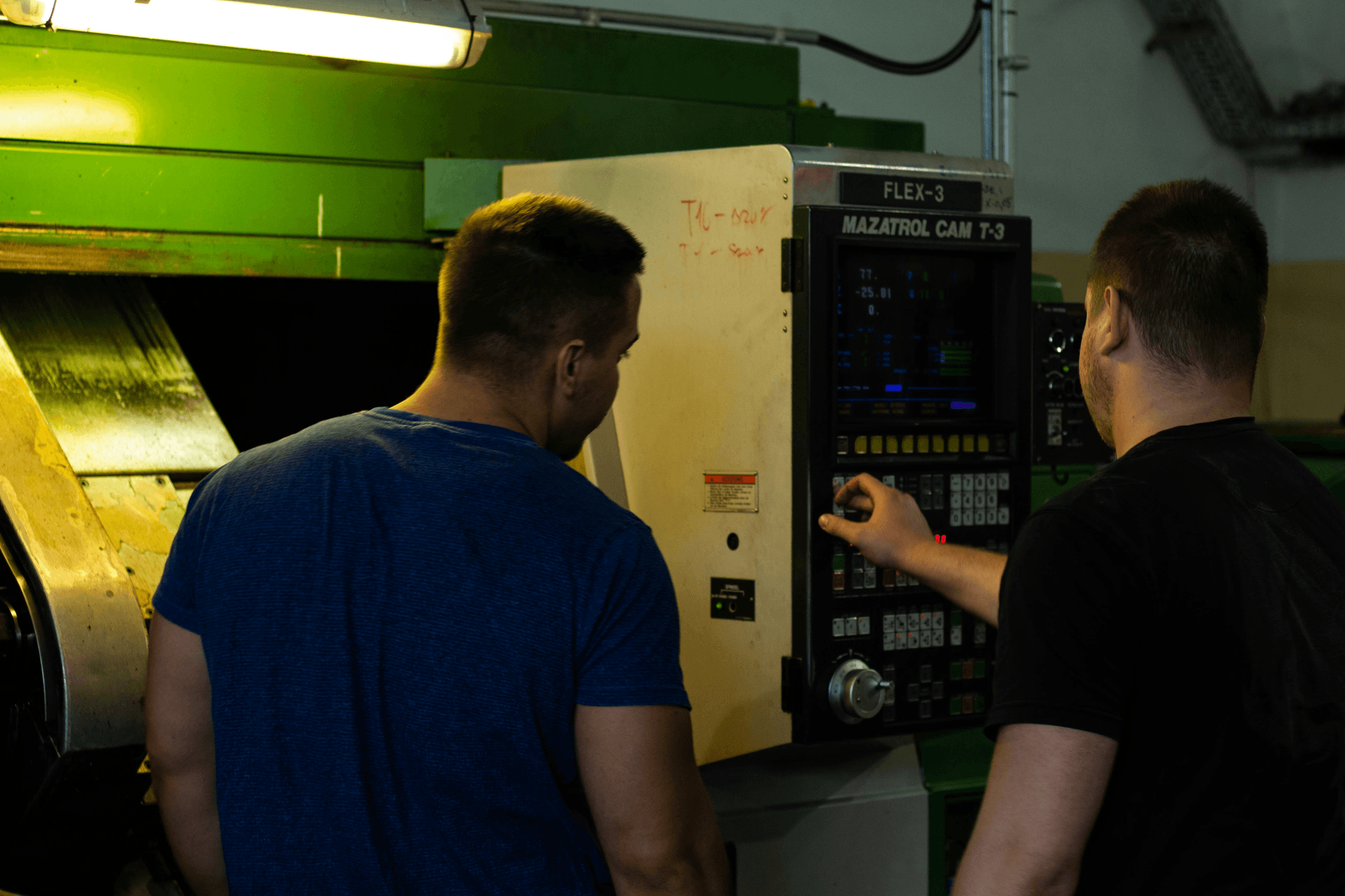
When it comes to ensuring product quality and operational readiness, two terms often come up: Factory Acceptance Testing (FAT) and Site Acceptance Testing (SAT). While both are critical in the testing process, they serve distinct purposes in the lifecycle of a product. Understanding what's the difference between FAT and SAT is essential for anyone involved in product development or deployment.
Definitions of SAT and Its Role
Site Acceptance Testing (SAT) is a process conducted after Factory Acceptance Testing to verify that a system or component operates correctly within its intended environment. Essentially, SAT checks if everything works as expected once the equipment has been installed on-site. This test serves as a final validation step before full operational use, ensuring that all systems integrate seamlessly with existing infrastructure.
Comparing Objectives of FAT and SAT
The objectives of Factory Acceptance Tests (FAT) differ significantly from those of Site Acceptance Tests (SAT). FAT primarily focuses on verifying that the equipment meets specified requirements before shipping, while SAT ensures that it functions properly in its actual operating environment. In short, FAT is about confirming design specifications; SAT checks real-world usability—effectively bridging the gap between factory conditions and field performance.
When Each Test Is Conducted
Timing is crucial when considering when each test is conducted during the project lifecycle. The Factory Acceptance Test occurs at the manufacturer's facility before shipment, allowing for any necessary adjustments without incurring additional costs associated with site modifications. Conversely, Site Acceptance Testing takes place after installation at the customer’s location to confirm that all systems work harmoniously together in their final setting.
How Do You Prepare for a Factory Acceptance Test?
Preparing for a factory acceptance test (FAT) is no small feat; it requires meticulous planning and attention to detail. A successful FAT ensures that the equipment or system meets all specified requirements before it leaves the factory, thus avoiding costly delays later on. Understanding how to prepare adequately can make all the difference between a smooth testing process and one fraught with complications.
Essential Documentation and Protocols
Essential documentation is the backbone of any successful factory acceptance test. This includes specifications, design documents, test plans, and compliance records that outline what needs to be verified during the FAT. Establishing clear protocols not only streamlines the testing process but also provides a roadmap for what’s expected, ensuring everyone involved knows their role in this critical phase.
When considering how do you prepare for a factory acceptance test, it's vital to ensure that all necessary documents are up-to-date and accessible. This means verifying that any changes made during production are reflected in your documentation. Failing to have accurate documentation can lead to misunderstandings about what constitutes success or failure during testing.
Engaging Stakeholders in the Preparation
Engaging stakeholders early in the preparation phase is crucial for a successful FAT experience. Key players such as project managers, engineers, and even end-users should be involved from day one to provide insights into what’s necessary for effective testing. Their input can help shape both the objectives of your FAT and ensure that everyone is aligned on expectations.
Moreover, involving stakeholders helps clarify what's the difference between FAT and SAT (Site Acceptance Testing). While FAT focuses on verifying functionality at the manufacturer’s facility, SAT assesses performance once installed at its final location; understanding this distinction can guide preparations effectively. Regular communication with stakeholders will keep everyone informed about progress and any changes needed along the way.
Common Pitfalls to Avoid
Even with thorough preparation, common pitfalls can derail your factory acceptance test if you're not careful. One frequent mistake is underestimating time requirements; rushing through tests can lead to missed defects or inadequate verification of functionality—nobody wants that! Additionally, failing to conduct pre-FAT meetings can result in misunderstandings about roles or expectations among team members.
Another pitfall lies in neglecting user involvement; understanding what is the difference between UAT (User Acceptance Testing) and OAT (Operational Acceptance Testing) helps clarify why user input matters so much during FAT preparations. Users often have valuable insights into operational needs that may not be captured by technical specifications alone. Lastly, overlooking alignment with Inspection Test Plans (ITP) when preparing for a factory acceptance test could lead you down an unproductive path—knowing what is the difference between ITP and FAT will keep your objectives clear.
Understanding User Acceptance Testing and Operational Acceptance Testing

In the realm of software and product development, two critical testing phases often come into play: User Acceptance Testing (UAT) and Operational Acceptance Testing (OAT). While both are essential for ensuring that a product meets user needs and operational requirements, they serve different purposes in the development lifecycle. Understanding what is the difference between UAT and OAT can help teams streamline their testing processes and achieve better outcomes.
What Is the Difference Between UAT and OAT?
User Acceptance Testing (UAT) focuses on validating a product from the end-user's perspective. It's all about making sure that the software or system meets user expectations before it goes live. On the other hand, Operational Acceptance Testing (OAT) evaluates whether a system is ready for operational deployment by assessing its functionality in real-world scenarios, ensuring it meets business needs beyond just user satisfaction.
In essence, while UAT is concerned with user experience, OAT dives deeper into operational criteria such as performance metrics, security protocols, and compliance with regulations. Both tests are crucial to achieving quality assurance but address different facets of readiness—UAT ensures users can work effectively with a product while OAT confirms that the product operates reliably in its intended environment. So when pondering what's the difference between FAT and SAT? Remember that FAT primarily checks functionality at a factory level, whereas SAT confirms readiness for actual use.
Importance of UAT in Product Development
User Acceptance Testing plays a pivotal role in product development by acting as a final checkpoint before launch. It allows real users to interact with the system or software to identify any issues or areas for improvement that might have been overlooked during earlier testing phases like Factory Acceptance Tests (FAT). By engaging actual users during this phase, developers gain valuable insights that enhance usability and overall satisfaction.
Moreover, effective UAT can significantly reduce post-launch issues by addressing potential problems early on—saving time, money, and reputation down the line. This proactive approach not only fosters confidence among stakeholders but also aligns product features closely with market needs. Ultimately, when teams ask how do you prepare for a factory acceptance test? They should consider incorporating feedback from UAT to ensure their products hit all necessary marks right out of the gate.
Role of OAT in Operational Readiness
Operational Acceptance Testing serves as an essential bridge between development completion and actual deployment within an organization’s infrastructure. It verifies that all systems function correctly under expected workloads while adhering to organizational policies regarding security and compliance—making sure everything runs smoothly once launched into production environments.
OAT acts as an assurance mechanism; without it, organizations risk encountering significant operational disruptions post-launch due to unforeseen technical glitches or non-compliance issues. By conducting thorough OAT alongside Factory Acceptance Tests (FAT), organizations can confidently transition products into active use knowing they meet both functional requirements from users’ perspectives as well as operational standards set forth by internal guidelines.
In summary, distinguishing between what is the difference between UAT and OAT helps clarify each test's unique contributions towards successful project launches while reinforcing quality assurance throughout every stage—from initial factory acceptance test evaluations through final operational readiness assessments.
The Connection Between Inspection Test Plans and Factory Acceptance Tests
In the realm of quality assurance, understanding the relationship between Inspection Test Plans (ITP) and Factory Acceptance Tests (FAT) is crucial for ensuring product reliability. While both are integral to the testing process, they serve different purposes that complement each other. Knowing what's the difference between FAT and SAT is essential, but grasping how ITP fits into this puzzle can elevate your testing strategy.
What Is the Difference Between ITP and FAT?
An Inspection Test Plan (ITP) outlines the specific inspections and tests required throughout a project's lifecycle, detailing when and how these evaluations should occur. In contrast, a Factory Acceptance Test (FAT) is a more focused evaluation performed at the manufacturer’s facility to verify that equipment meets specified requirements before it leaves for installation. Essentially, while ITP provides a roadmap for quality checks during production, FAT serves as a final checkpoint to ensure everything operates as intended.
How ITP Influences FAT Outcomes
The influence of an ITP on FAT outcomes cannot be overstated; it lays the groundwork for what will be tested during the factory acceptance test. A well-structured ITP ensures that all necessary inspections are conducted prior to FAT, thus minimizing surprises during this critical phase. By aligning your inspection protocols with your factory acceptance test objectives, you can enhance overall efficiency and improve product quality—making sure you’re not left wondering how do you prepare for a factory acceptance test?
Best Practices for Integrating ITP with FAT
To effectively integrate an Inspection Test Plan with your Factory Acceptance Tests, start by ensuring clear communication among all stakeholders involved in both processes. This means engaging everyone from engineers to project managers early on so that everyone understands their roles in achieving successful outcomes. Additionally, regularly review both documents together; this synergy not only clarifies expectations but also helps identify potential pitfalls before they become costly issues.
Conclusion
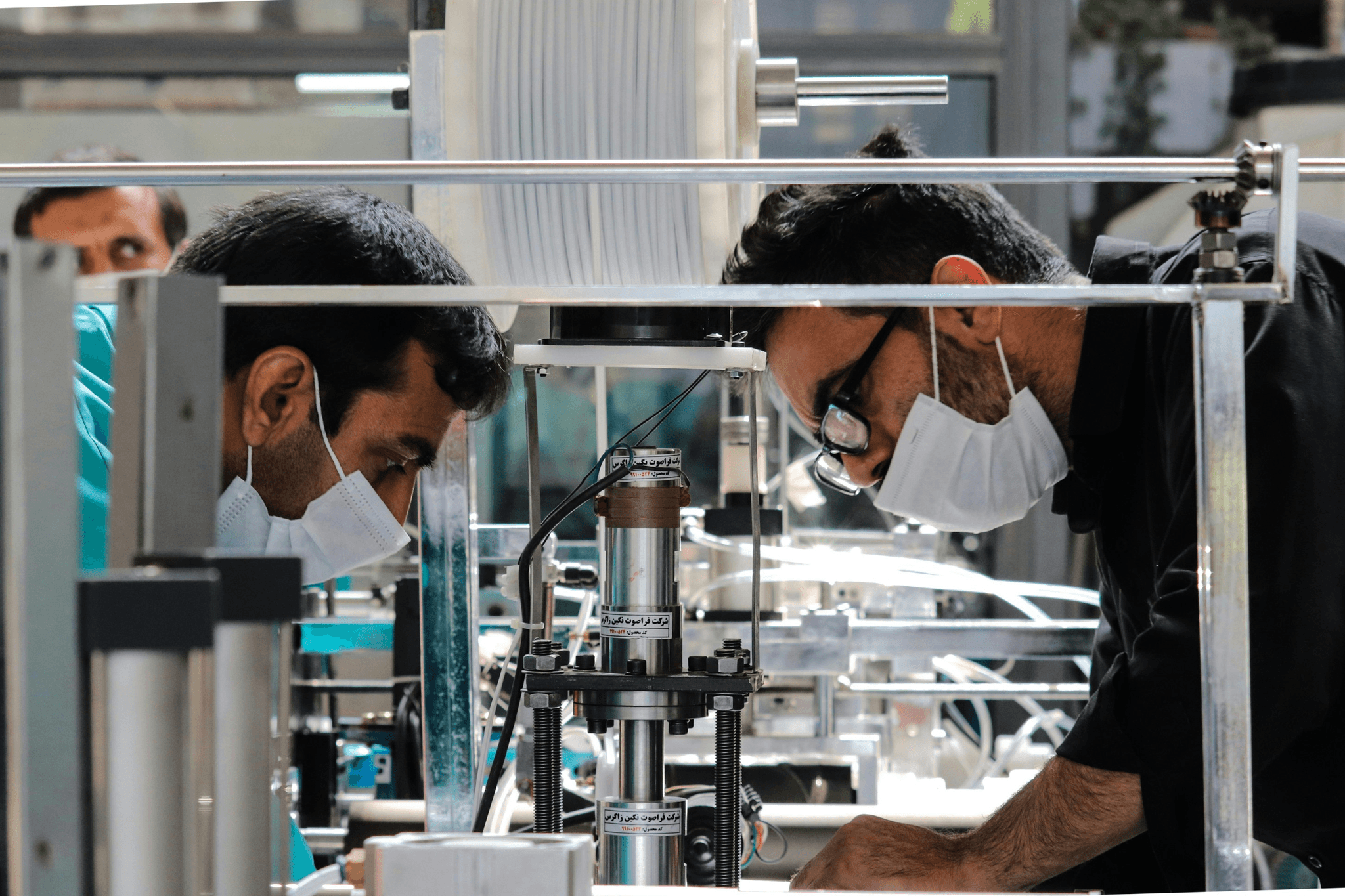
In the world of manufacturing and software development, ensuring quality through acceptance testing is paramount. Acceptance tests, particularly the factory acceptance test (FAT), play a crucial role in validating that products meet specified requirements before they reach the client. By conducting these tests, companies can identify potential issues early on, saving time and costs associated with post-deployment fixes.
Ensuring Quality Through Acceptance Testing
Quality assurance is at the heart of any successful project, and understanding what's the difference between FAT and SAT is essential for stakeholders. While FAT focuses on verifying functionality in a controlled environment, SAT ensures that systems perform well in their intended operational context. This differentiation helps teams prepare adequately for each phase of testing, ultimately leading to higher product quality.
Preparation is key when it comes to executing a factory acceptance test effectively. To ensure success, teams should ask themselves: how do you prepare for a factory acceptance test? This involves gathering essential documentation, engaging stakeholders early on, and ensuring that everyone understands their roles during the testing process.
The Role of China Inspection Pro in FAT
China Inspection Pro has emerged as a vital player in facilitating effective factory acceptance tests across various industries. Their expertise not only simplifies the process but also enhances communication between manufacturers and clients during FAT procedures. With their guidance, organizations can navigate complex testing protocols while ensuring compliance with international standards.
Moreover, China Inspection Pro’s approach helps clarify what is the difference between UAT and OAT by emphasizing user-centric perspectives throughout testing phases. By focusing on both user acceptance testing (UAT) and operational acceptance testing (OAT), they ensure products are not only functional but also ready for real-world applications after passing FAT.
Enhancing Product Standards with Effective Testing
The integration of inspection test plans (ITP) with factory acceptance tests can significantly elevate product standards within an organization. Understanding what is the difference between ITP and FAT allows businesses to align their quality assurance strategies more effectively while leveraging best practices for optimal outcomes during FAT execution.
By adopting comprehensive inspection plans alongside rigorous factory acceptance tests, companies can enhance their overall quality control processes while minimizing risks associated with product failures post-launch. Ultimately, this leads to improved customer satisfaction and trust—two critical elements for long-term success in any industry.