
Introduction
Ensuring the reliability of electrical systems hinges on thorough Electrical Insulator Inspection. When it comes to evaluating insulators, precision isn’t just a bonus—it’s a necessity. Properly preparing for each inspection by gathering all Required Documents and understanding the Electrical Insulator Special Procedures sets the foundation for success.
Without meticulous attention to detail, even minor oversights can lead to costly failures down the line. That’s why mastering every step of the Electrical Insulator Inspection process—including knowing how to handle Electrical Insulator Special Qualifications—is essential for maintaining system integrity. Equipping yourself with knowledge about the Electrical Insulator Preparation and Painting Procedure ensures that inspections are both effective and compliant.
Before diving into inspections, remember that a well-organized Packing and Shipping Procedure paired with an accurate Electrical Insulator Packing List can make all the difference in preserving insulator quality during transit. These preparations help streamline post-inspection procedures and facilitate smooth communication with stakeholders. Ultimately, investing time upfront in these essential steps guarantees a more reliable electrical infrastructure.
Understanding Electrical Insulator Inspection
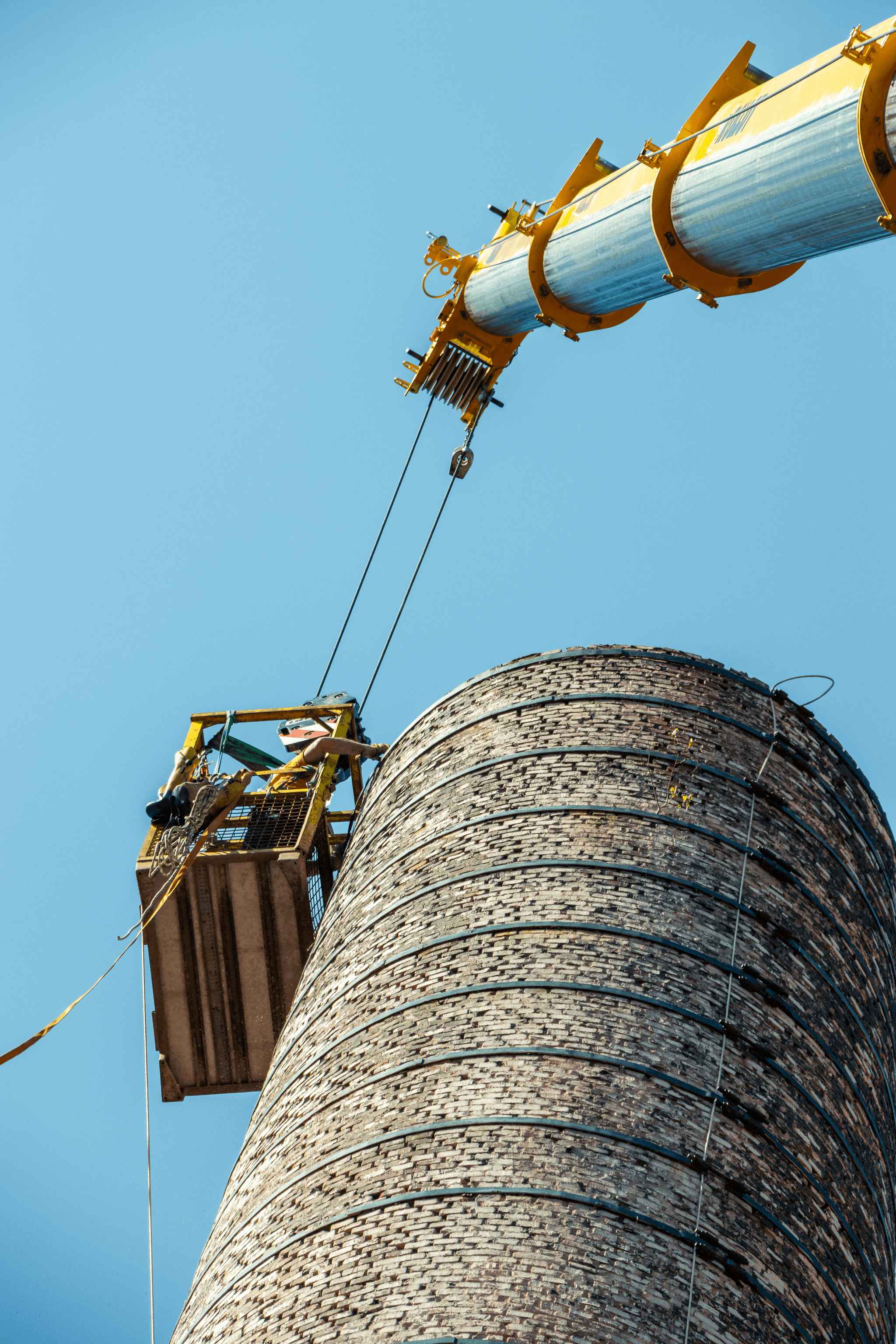
Electrical Insulator Inspection is a crucial process that ensures the reliability and safety of power transmission systems. This inspection involves a thorough examination of insulators to identify potential issues before they lead to failures or outages. Properly conducting an Electrical Insulator Inspection requires attention to detail, adherence to required documents, and familiarity with specific procedures that safeguard equipment and personnel.
A comprehensive inspection process includes multiple key components, such as visual checks, advanced testing methods, and meticulous documentation. During the inspection, inspectors must follow Electrical Insulator Special Procedures to accurately assess the condition of each unit. These procedures are vital for maintaining consistency and ensuring that all potential defects are identified early in the process.
Common defects detected during insulator checks often include cracks, contamination, chips, or signs of electrical tracking. Detecting these issues early can prevent costly repairs and system downtime. An effective Electrical Insulator Packing List helps record findings systematically and guides proper Packing and Shipping Procedures after inspection completion.
Proper preparation before inspection is essential for success. Gathering all required documents prior to starting ensures compliance with industry standards and facilitates smooth verification processes. Additionally, understanding the Electrical Insulator Preparation and Painting Procedure can help maintain insulators in optimal condition for accurate evaluation.
In summary, mastering Electrical Insulator Inspection involves a combination of thorough knowledge about required documents, adherence to special procedures, and precise packing protocols post-inspection. This approach guarantees reliable performance while safeguarding assets through detailed inspections that catch defects early.
Preparing for the Inspection
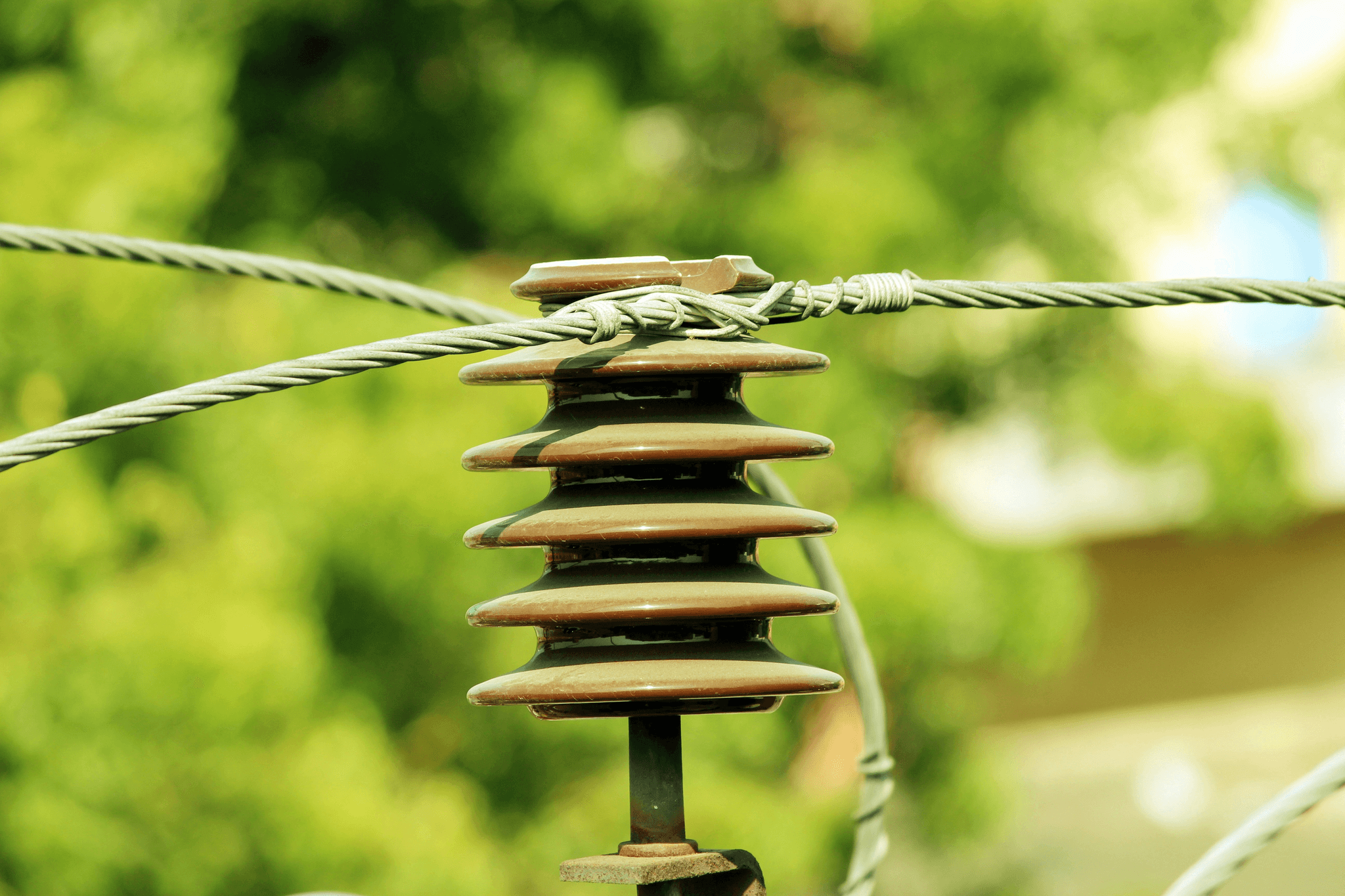
Getting ready for an Electrical Insulator Inspection isn’t just about showing up with a checklist; it’s about ensuring every piece of documentation and procedural step is in place. Proper preparation minimizes surprises and maximizes inspection accuracy, ultimately saving time and resources. By understanding the requirements and following the right protocols, you set the stage for a smooth, effective inspection process.
Gathering Required Documents for Validation
The foundation of a successful Electrical Insulator Inspection begins with gathering all necessary Required Documents. These documents typically include manufacturer certifications, previous inspection reports, maintenance records, and compliance certificates. Having these on hand not only validates the insulators’ history but also streamlines the inspection process by providing inspectors with quick access to essential information.
In addition to standard paperwork, ensure you have detailed drawings and specifications of the electrical insulators being inspected. These documents help verify that your insulators meet industry standards and are suitable for their designated applications. Remember, missing or incomplete Required Documents can delay your Electrical Insulator Inspection or lead to unnecessary re-inspections.
Electrical Insulator Special Procedures to Follow
Every electrical insulator type might require specific procedures during inspection—these are your Electrical Insulator Special Procedures. For example, high-voltage insulators may need special testing techniques like dielectric strength assessments or contamination checks that aren’t part of routine inspections. Following these procedures meticulously ensures accurate results and helps identify potential issues before they escalate.
It’s also vital to adhere to safety protocols outlined in these special procedures since working with energized equipment can be hazardous if not handled properly. Documenting each step taken during these procedures enhances traceability and accountability during your Electrical Insulator Inspection process—plus, it keeps everyone safe! Make sure your team is familiar with all applicable special procedures before starting.
Ensuring Electrical Insulator Special Qualifications Are Met
Before proceeding with an Electrical Insulator Inspection, verify that personnel involved possess the necessary electrical insulator special qualifications. These qualifications often include specific training in electrical safety standards, testing methods, and handling techniques unique to certain insulators or environments. Ensuring qualified personnel conduct or oversee inspections guarantees both accuracy and compliance.
Additionally, confirm that your team has completed any required certification courses related to electrical insulator handling or testing methods—this is crucial when performing specialized tests as part of your Electrical Insulator Inspection routine. Without proper qualifications on record, you risk invalidating inspection results or facing regulatory penalties down the line.
Planning Electrical Insulator Preparation and Painting Procedure
A well-planned Electrical Insulator Preparation and Painting Procedure can significantly impact inspection outcomes by preventing damage during handling or transportation phases. Proper cleaning methods should be outlined beforehand—removing dirt, grease, or corrosion ensures clear visual inspections later on while preparing for painting if needed enhances durability against environmental factors.
Incorporate detailed steps into your plan for packing and shipping procedures after inspection; this includes selecting appropriate packing materials aligned with an effective Electrical Insulator Packing List to prevent damage during transit. When preparing insulators for shipping post-inspection, always follow best practices so they arrive intact at their destination ready for operation—or further testing if required—without compromising quality standards established through thorough planning.
Conducting the Inspection Effectively

Conducting an effective electrical insulator inspection requires meticulous attention to detail and adherence to established procedures. Before diving into the visual assessment, ensure that all required documents are in order, including previous inspection reports and maintenance logs. This step guarantees that you’re working with accurate background information, which is crucial for identifying potential issues during the inspection process.
Visual Inspection Techniques and Tools
A successful electrical insulator inspection begins with sharp eyes and the right tools. Use high-powered flashlights, magnifying glasses, and drones for hard-to-reach areas to spot surface cracks, chips, or contamination that could compromise insulator performance. Remember, understanding the importance of electrical insulator special procedures will help you identify defects like broken sheds or carbon tracking more effectively—these are often missed if you skip proper visual techniques.
Using Advanced Testing Methods for Accurate Results
While visual cues are vital, integrating advanced testing methods elevates your electrical insulator inspection game significantly. Techniques such as insulation resistance testing or corona discharge detection can reveal hidden faults that aren’t visible to the naked eye. Before conducting these tests, verify that all electrical insulator special qualifications are met; this ensures safety and accuracy during testing procedures.
Recording Findings with an Accurate Electrical Insulator Packing List
Once you've completed your thorough inspection using both traditional and advanced methods, it’s time to document everything meticulously. An accurate electrical insulator packing list is essential for tracking defects found during the inspection process—whether cracks or contamination—and planning appropriate corrective actions. Proper recording not only streamlines packing and shipping procedures but also provides a clear record for future inspections.
Post-Inspection Procedures
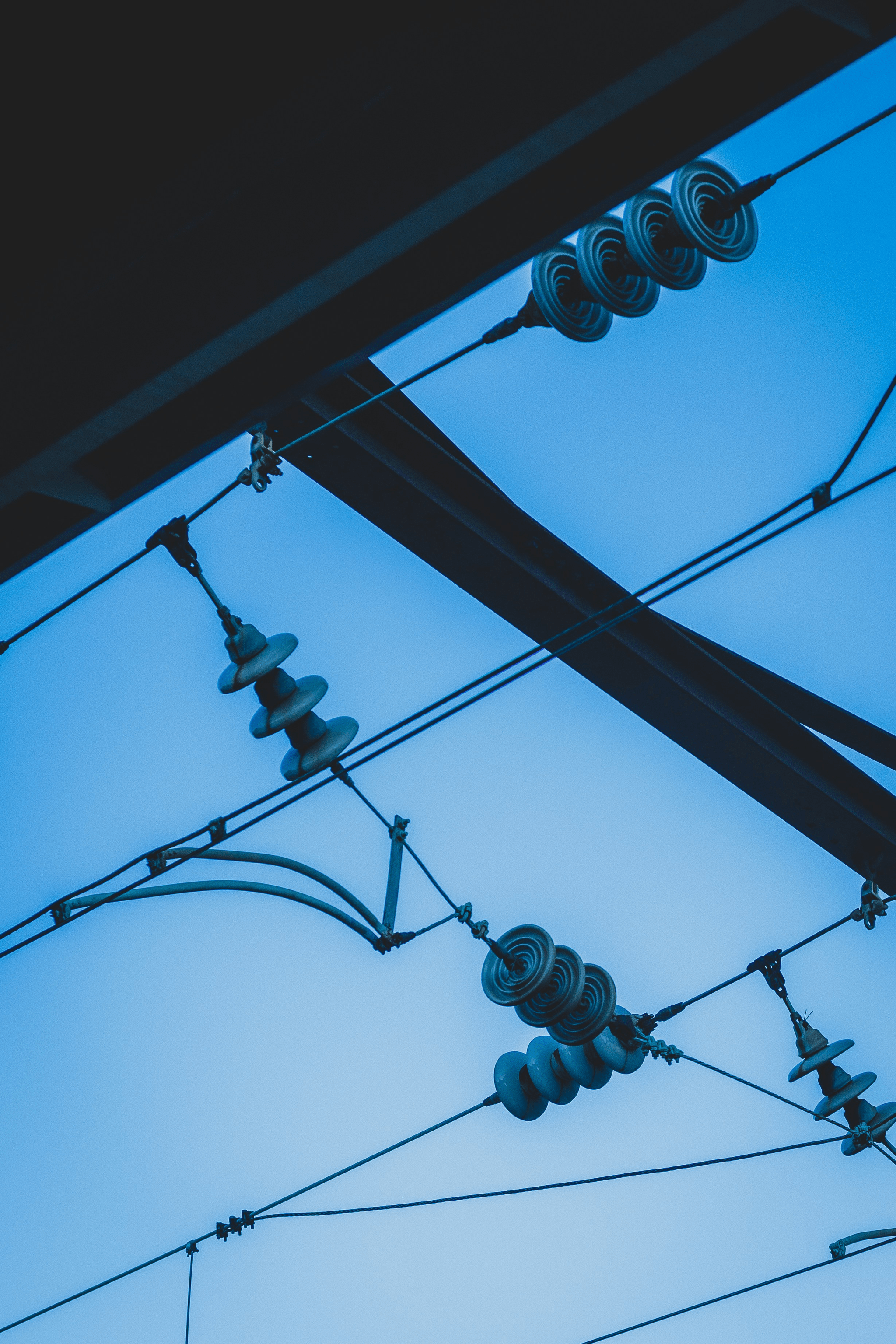
Once the Electrical Insulator Inspection is complete, it’s crucial to follow a structured packing and shipping procedure to ensure the insulators arrive at their destination safely and intact. Proper handling minimizes the risk of damage during transit, which could compromise the integrity of future inspections or operations. Always verify that all Required Documents are complete and accurate before packing, including inspection reports, certification papers, and any necessary compliance forms.
During the packing process, adhering to a well-defined Electrical Insulator Preparation and Painting Procedure helps maintain insulator quality and safety standards. This includes cleaning, inspecting for defects, applying protective coatings if needed, and securely packaging each unit. Incorporating specific guidelines from Electrical Insulator Special Procedures guarantees that each insulator is prepared correctly for shipping while meeting industry standards.
The Electrical Insulator Packing List serves as an essential document that details every item included in shipment—specifications, quantities, serial numbers, and condition notes. Ensuring this list is comprehensive and accurate streamlines customs clearance and facilitates quick reference during delivery or future inspections. Communicating these inspection results clearly with stakeholders also helps in tracking performance trends and planning maintenance schedules effectivel
Collaborating with China Inspection Pro
Partnering with China Inspection Pro elevates the entire Electrical Insulator Inspection process by ensuring every detail aligns with industry standards. Their team meticulously reviews Required Documents to verify compliance before any physical inspection begins, preventing costly oversights. With a focus on Electrical Insulator Special Procedures and Qualifications, they guarantee that inspections adhere to strict protocols, resulting in accurate and reliable results.
Their expertise doesn't stop at initial checks; China Inspection Pro emphasizes the importance of Electrical Insulator Preparation and Painting Procedures to prevent damage during handling. By adhering to a comprehensive Packing and Shipping Procedure, they safeguard insulators from potential transit issues, maintaining integrity until delivery. The detailed Electrical Insulator Packing List documentation further streamlines communication, making sure all stakeholders are aligned and informed about each insulator's condition.
Utilizing advanced testing methods alongside visual inspections, China Inspection Pro ensures every aspect of the Electrical Insulator Inspection is thorough. Their systematic approach transforms inspection findings into actionable improvements—whether it’s addressing defects or optimizing maintenance schedules—ultimately boosting reliability and performance across your electrical infrastructure.
Conclusion
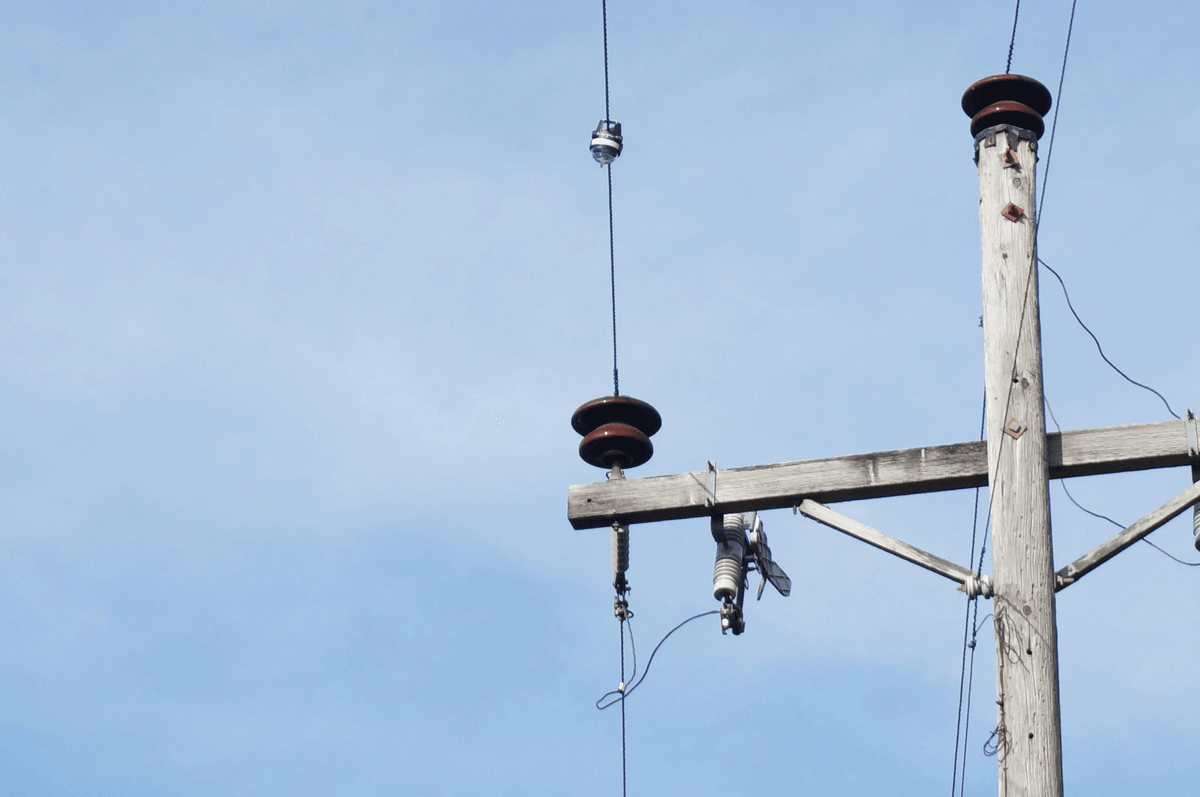
In the world of electrical infrastructure, elevating your Electrical Insulator Inspection strategies is not just a good idea—it’s essential for long-term reliability and safety. By implementing thorough inspection routines that incorporate the latest testing methods and meticulous documentation, you can catch potential issues early. Remember, paying close attention to Required Documents and following precise Electrical Insulator Special Procedures can make all the difference in ensuring your inspections are both accurate and compliant.
Ensuring compliance with industry standards is a cornerstone of successful Electrical Insulator Inspection. Regularly reviewing guidelines related to Electrical Insulator Special Qualifications helps maintain high-quality inspection practices. Incorporating an organized Electrical Insulator Packing List and adhering to the Packing and Shipping Procedure guarantees that insulators are handled correctly post-inspection, reducing risks of damage or misplacement during transit.
Partnering with seasoned professionals who understand the nuances of Electrical Insulator Preparation and Painting Procedure can elevate your overall inspection process. These experts bring invaluable insights into maintaining insulator integrity while streamlining procedures like packing and shipping procedures. When you rely on their expertise, documenting findings accurately with a comprehensive Electrical Insulator Packing List transforms raw data into actionable insights—ultimately leading to superior product quality.