
Introduction
In the fast-paced world of commerce, shipment delays can feel like a punch to the gut—disrupting plans, frustrating customers, and hurting your bottom line. Understanding why do shipment delays happen is crucial for staying ahead of potential issues and maintaining a smooth supply chain. The good news is that connecting your departments and processes effectively can turn the tide, allowing you to anticipate problems before they become costly delays.
When you stay in touch with your suppliers and conduct quality control along the manufacturing line, you’re adding layers of protection against unexpected shipment delays. Preparation for the peak season isn’t just for retail giants; it’s a vital strategy for any business aiming to meet customer expectations during high-demand periods. By mastering proactive shipping management, you can minimize shipment delays and keep your customers happy—no matter what surprises come your way.
Identifying the Root Causes of Shipment Delays
Shipment delays can often feel like a puzzle, with numerous moving parts that unexpectedly stall your deliveries. Understanding why do shipment delays happen? requires digging into the complex web of supply chain activities, manufacturing processes, and communication channels. When you ignore these root causes, it’s like trying to fix a leaky faucet without turning off the water—ineffective and messy.
One major reason for shipment delays is disruptions in the supply chain itself. Whether it’s customs holdups, transportation strikes, or raw material shortages, these issues can ripple through your entire logistics network. Analyzing supply chain disruptions with insights from DHL or FedEx can reveal patterns and vulnerabilities that contribute to delays. Staying in touch with your suppliers regularly helps you anticipate potential hiccups early on and plan accordingly.
Recognizing bottlenecks in manufacturing and logistics is another critical step toward resolving shipment delays. If production lines slow down or inventory isn’t ready on time, shipments get pushed back—damaging customer satisfaction and your reputation. Conducting quality control along the manufacturing process ensures problems are caught early before they cause big delays. Connecting your departments and processes effectively allows for smoother coordination, reducing chances of unexpected setbacks during peak seasons or normal operations.
To truly stay ahead of shipment delays, planning for the peak season is essential. When you prepare for increased demand well in advance, you minimize last-minute surprises that could cause costly delays. By combining proactive strategies like staying in touch with your suppliers and conducting quality control along the manufacturing line, you set yourself up for timely deliveries even during busy periods.
Connecting Departments and Processes for Smooth Shipping
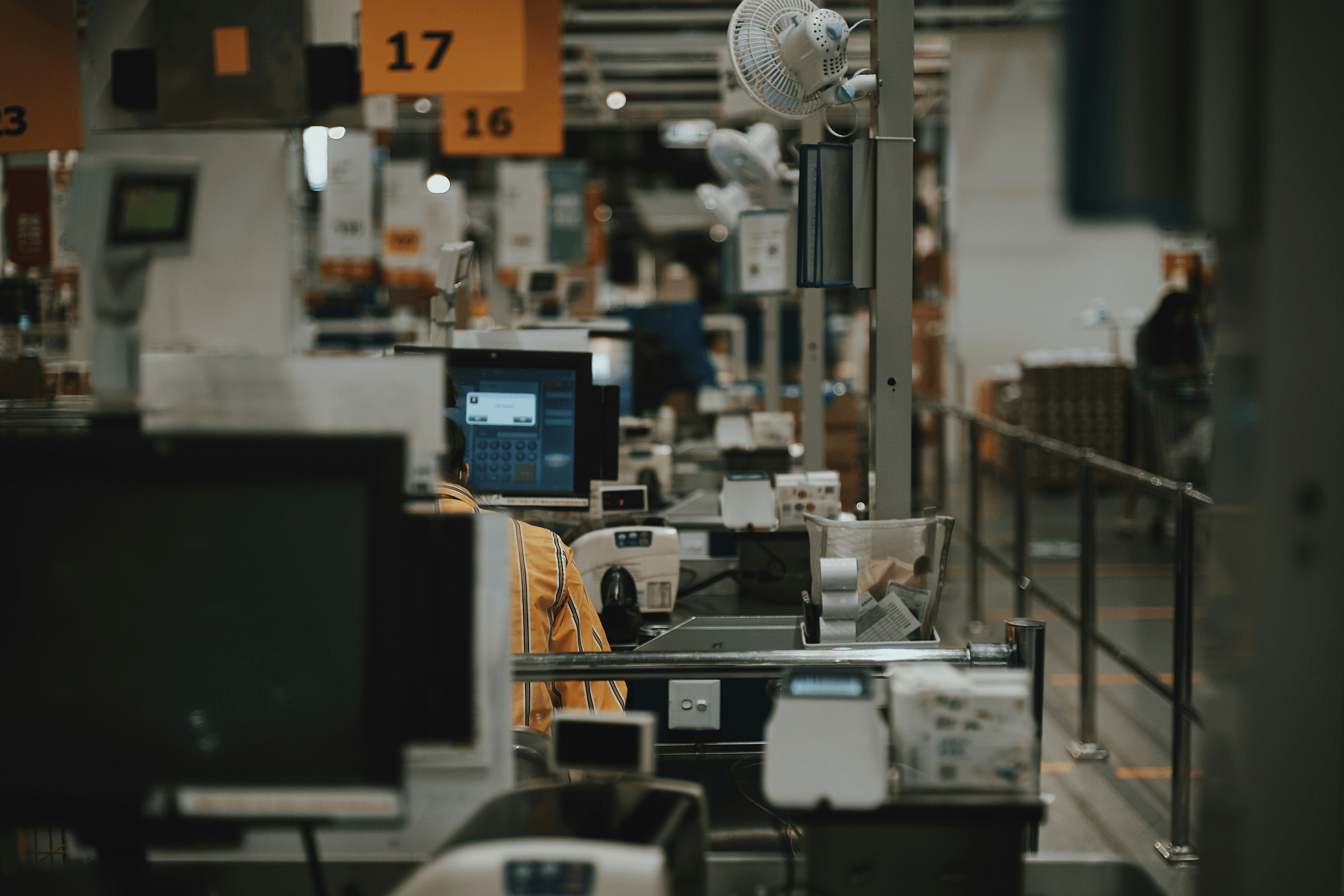
Getting your products from the drawing board to your customer’s hands isn’t just about having a great product; it’s about connecting your departments and processes seamlessly. When departments work in silos, shipment delays tend to sneak in, turning what should be a smooth ride into a bumpy road. The key is understanding why do shipment delays happen and how better coordination can turn that around, especially during peak seasons when every second counts.
One way to stay ahead of shipment delays is by looking at how giants like Apple integrate design, manufacturing, and shipping. Apple’s secret sauce involves tight collaboration across teams—designers inform manufacturing early on, which helps anticipate potential bottlenecks before they cause delays. This integrated approach helps answer the question of why do shipment delays happen and allows companies to proactively address issues before they escalate into costly setbacks.
Connecting your departments and processes isn’t just about internal communication; it’s also about staying in touch with your suppliers. Regular updates with suppliers help you anticipate possible delays and adjust plans accordingly, especially during peak seasons when demand surges. When you keep open lines of communication with suppliers, you’re better positioned to conduct quality control along the manufacturing process—spotting issues early reduces the risk of shipment delays down the line.
Leveraging technology plays a crucial role in synchronizing operations across departments. Advanced supply chain management tools enable real-time tracking of production stages, inventory levels, and logistics schedules—making it easier to identify potential causes of shipment delays long before they happen. During peak season preparations, this technological edge ensures that everyone stays aligned, so you can plan inventory and shipping strategies effectively without surprises.
Building Strong Relationships with Suppliers

Building solid relationships with your suppliers is the backbone of avoiding shipment delays and ensuring a smooth supply chain. When you stay in touch with your suppliers like Samsung, you create a foundation of trust that helps prevent unexpected hiccups that often lead to shipment delays. Regular communication not only keeps everyone on the same page but also makes it easier to connect your departments and processes, reducing the chances of why do shipment delays happen in the first place.
By negotiating clear delivery terms and expectations upfront, you set realistic timelines that help manage customer expectations and avoid last-minute surprises. When suppliers understand your needs and constraints, they’re more likely to prioritize your shipments during busy periods or when issues arise. Using real-time tracking and communication tools further enhances this relationship, allowing you to monitor progress closely and address potential shipment delays before they escalate.
Preparing for the peak season is another critical step in building strong supplier relationships. When you plan ahead—by aligning inventory levels, setting accurate lead times, and conducting quality control along the manufacturing process—you mitigate many causes of why do shipment delays happen during high-demand periods. Staying proactive with your supplier partnerships ensures you're ready for seasonal surges without compromising delivery schedules or customer satisfaction.
Conducting Quality Control Along the Manufacturing Line
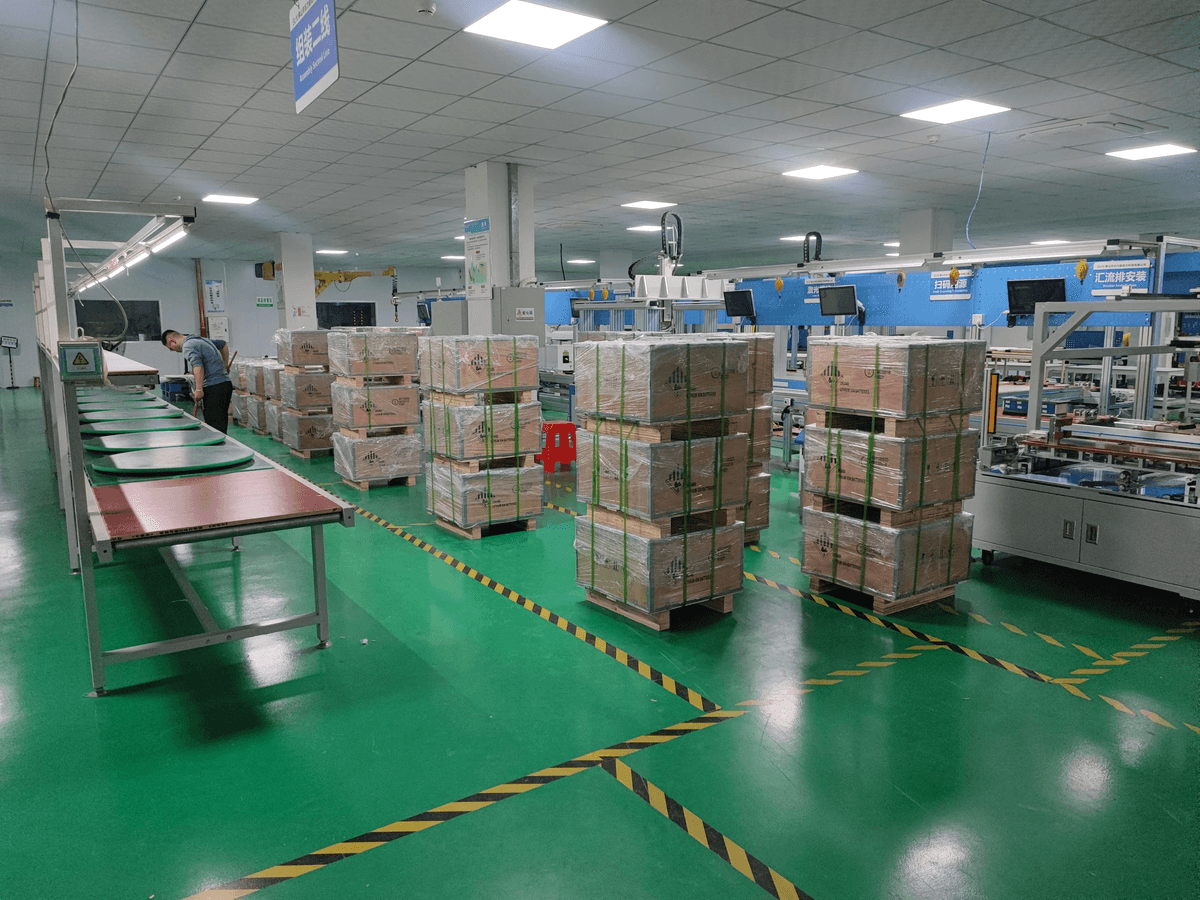
To keep shipment delays at bay, conducting quality control along the manufacturing line is essential. When you implement thorough QC checks, you catch issues early before they snowball into major delays that disrupt your supply chain. Remember, the question Why do shipment delays happen? often traces back to overlooked quality problems that could have been nipped in the bud with proper inspection procedures.
Quality inspection isn’t just about catching defects; it’s about preventing shipment delays altogether. By integrating QC checks into every stage of production, you ensure products meet standards and reduce rework or rejection rates that cause costly delays. Connecting your departments and processes—like design, manufacturing, and logistics—becomes much smoother when everyone understands the importance of consistent quality checks.
Turning inspection feedback into actionable improvements is where many companies stumble but shouldn’t. When issues are identified during quality control along the manufacturing line, promptly sharing this information with suppliers and internal teams helps prevent future shipment delays. Staying in touch with your suppliers ensures they’re aligned on quality expectations, which ultimately keeps shipments on schedule—especially during peak seasons when timing is everything.
Preparing for the peak season requires extra vigilance in conducting quality control along the manufacturing line. As demand surges, a small defect can turn into a big delay if not caught early. Regular QC inspections help maintain product flow and ensure timely delivery, so customers stay happy even during busy periods.
Preparing for the Peak Season
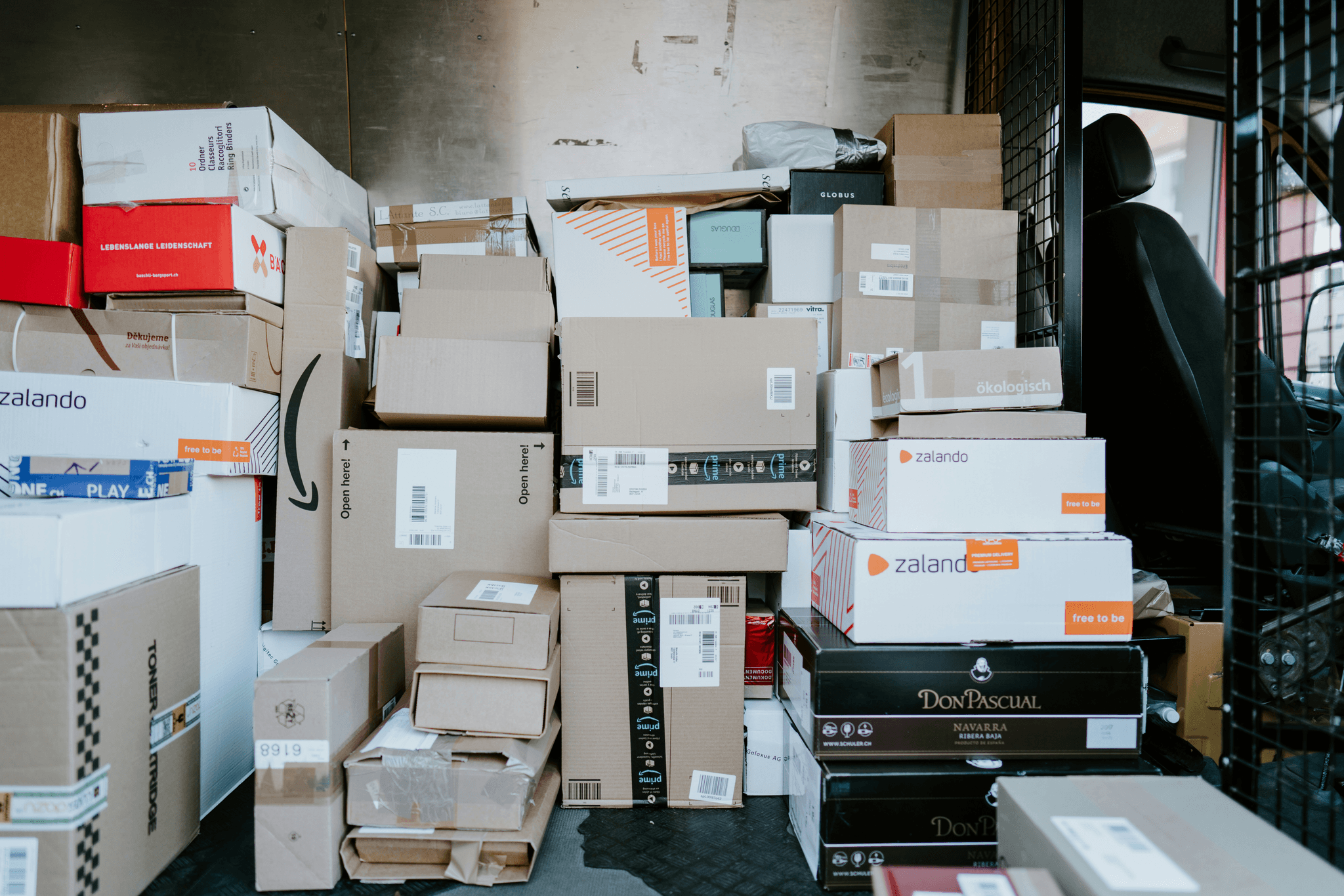
When it comes to handling Shipment Delays during the busy holiday season, preparation is your best weapon. Amazon’s approach to Prepare for the Peak Season involves meticulous planning of inventory and lead times well in advance, so you're not caught off guard when demand spikes. Remember, why do Shipment Delays happen? Often, it's due to last-minute stock shortages or overwhelmed logistics networks—so proactive planning can make all the difference.
Connecting Your Departments and Processes is crucial to avoid delays that ripple through your supply chain. When teams like sales, production, and logistics work seamlessly together, you reduce the chances of unexpected Shipment Delays. Staying in Touch with Your Suppliers throughout this period ensures that everyone stays aligned on delivery expectations and potential hiccups, helping you adapt swiftly when issues arise.
Conduct Quality Control Along the Manufacturing process before peak season hits can prevent last-minute surprises that cause Shipment Delays. A thorough QC check means fewer returns and re-ships later on—saving time and customer satisfaction. By combining this with strategic planning and supplier communication, you’ll be better prepared for high-demand periods without sacrificing quality or punctuality.
Conclusion

Mastering logistics with proper preparation is the secret sauce to minimizing shipment delays and keeping your customers happy. When you understand why do shipment delays happen, you can implement smarter strategies that prevent issues before they escalate. Connecting your departments and processes ensures everyone is on the same page, reducing miscommunications that often lead to shipment delays.
Staying proactive in shipping means continuously monitoring your supply chain, maintaining open lines of communication with your suppliers, and conducting quality control along the manufacturing process. Preparing for the peak season is crucial; it helps you anticipate high demand periods and adjust your shipping strategies accordingly. This proactive approach not only reduces shipment delays but also builds trust with your customers, leading to repeat business and glowing reviews.
Achieving on-time delivery and customer satisfaction hinges on these practices, especially when you stay in touch with your suppliers and streamline operations across departments. Remember, when you plan ahead—whether it's during peak seasons or normal operations—you’re better equipped to handle unexpected disruptions that cause shipment delays. Ultimately, mastering logistics isn't just about moving products faster; it's about creating a seamless experience that keeps customers coming back for more.