
Introduction

Ensuring safety and maintaining high quality in any workplace begins with proper Hand Tools Inspection. Regular evaluation of Types of Hand Tools helps identify potential issues before they escalate, reducing the risk of accidents and defective products. By paying close attention to RAW MATERIALS INSPECTION, companies can confirm that only durable and safe materials are used, setting the foundation for reliable tools.
Consistent inspection isn't just about safety; it also extends the lifespan of your tools. Implementing a thorough process that includes PRE-PRODUCTION INSPECTION and ASSEMBLY INSPECTION ensures early detection of defects, saving time and money down the line. Additionally, COATING INSPECTION and WEIGHT AND MEASUREMENT INSPECTION play crucial roles in maintaining tool integrity and precision over time.
By adopting a comprehensive approach to Hand Tools Inspection, organizations maximize their tools' longevity while upholding safety standards. This proactive attitude fosters a culture of quality, where regular evaluation becomes second nature. Ultimately, investing in proper inspection practices safeguards workers, enhances product quality, and provides a competitive edge in the marketplace.
Understanding Hand Tools Inspection
Getting a handle on Hand Tools Inspection is crucial for maintaining safety, performance, and longevity of your tools. By understanding the different types of hand tools and their specific inspection needs, you can prevent accidents and costly replacements down the line. Whether it’s hammers, screwdrivers, or pliers, each tool has unique characteristics that require tailored inspection strategies.
Knowing the ins and outs of RAW MATERIALS INSPECTION ensures that only durable and safe materials make it into your toolkit. This step helps identify any defects or weaknesses in raw materials before they become part of a finished product. Proper RAW MATERIALS INSPECTION lays the foundation for reliable hand tools that stand up to rigorous use.
PRE-PRODUCTION INSPECTION acts as an early warning system to catch defects before mass production begins. It allows manufacturers to verify that raw materials meet specifications and that manufacturing processes are on point. Incorporating this stage into your Hand Tools Inspection routine minimizes surprises later on.
ASSEMBLY INSPECTION is where functional integrity is put to the test—checking if all components fit properly and work seamlessly together. This step ensures that each assembled hand tool performs its intended function without hiccups or hazards. Regular Assembly Inspection keeps quality consistent across batches.
COATING INSPECTION plays a vital role in preventing corrosion and extending a tool's lifespan. Inspecting coatings for uniformity, adhesion, and damage helps maintain rust resistance and aesthetic appeal. A thorough Coating Inspection guarantees your hand tools remain in top shape despite exposure to harsh environments.
Finally, WEIGHT AND MEASUREMENT INSPECTION guarantees precision and compliance with industry standards. Accurate weight checks confirm proper balance and material distribution, while measurement verification ensures dimensions meet specifications. These inspections are vital for tasks demanding high accuracy from your hand tools.
Preparing for a Thorough Inspection
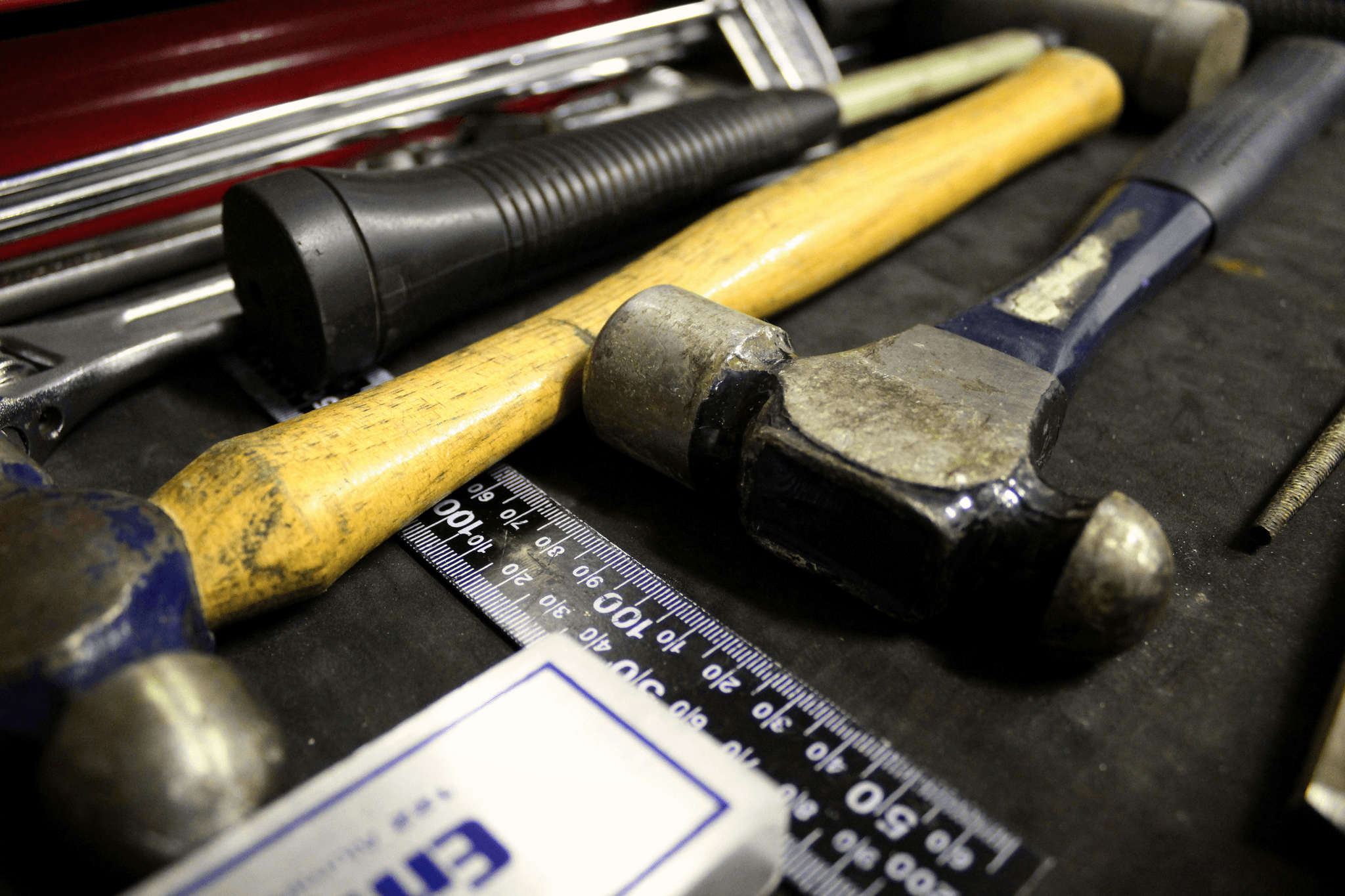
Getting ready for a comprehensive Hand Tools Inspection isn’t just about gathering random tools and hoping for the best. It requires a strategic approach to ensure every aspect of the inspection process is covered, from raw materials to final assembly checks. Proper preparation sets the stage for uncovering potential issues early and maintaining high safety standards across all types of hand tools.
First, focus on gathering all essential inspection tools and equipment needed for different types of hand tools. This includes magnifying glasses, measuring tapes, weight scales, coating testers, and defect detection devices—everything that can help identify flaws during RAW MATERIALS INSPECTION or WEIGHT AND MEASUREMENT INSPECTION. Having these tools on hand allows inspectors to perform thorough PRE-PRODUCTION INSPECTION and ASSEMBLY INSPECTION efficiently, reducing the risk of overlooking critical defects.
Next up is establishing clear Standard Operating Procedures (SOPs) tailored specifically for hand tools inspection routines. These SOPs should outline step-by-step procedures covering each phase—from initial visual checks to detailed coating inspections—ensuring consistency across inspections. When it comes to COATING INSPECTION or checking handle stability during ASSEMBLY INSPECTION, following standardized methods guarantees accurate results every time.
Finally, training staff in proper techniques for Hand Tools Inspection is vital; even the most sophisticated equipment won’t compensate for human error if staff aren’t well-versed in inspection standards. Regular training sessions should emphasize inspecting different types of hand tools at each stage—whether it's during RAW MATERIALS INSPECTION or verifying dimensions in WEIGHT AND MEASUREMENT INSPECTION—to uphold safety and quality benchmarks. Well-trained inspectors become your first line of defense against defective products slipping through the cracks.
Step-by-Step Hand Tools Inspection Process
Embarking on a thorough Hand Tools Inspection journey means systematically examining every nook and cranny of your tools to ensure safety and performance. Whether you're dealing with screwdrivers, pliers, or chisels, understanding the Types of Hand Tools involved helps tailor the inspection process. From RAW MATERIALS INSPECTION to PRE-PRODUCTION INSPECTION, each step guarantees that only top-quality tools make it into your hands and work environment.
Visual Checks for Cracks, Rust, and Wear
The first line of defense in Hand Tools Inspection is a keen eye for detail. Carefully scrutinize each tool for cracks or signs of fatigue that could compromise safety during use. Rust and corrosion are sneaky culprits that not only weaken the tool but also signal neglect in Coating Inspection practices—think of rust as a red flag waving high! Regularly performing these visual checks ensures you catch issues early, especially when inspecting different Types of Hand Tools that might have varying vulnerabilities.
Testing Handle and Blade Stability
Next up in your inspection routine is testing handle and blade stability—crucial for maintaining proper function and user safety. Loose handles or wobbly blades can turn a simple task into a hazardous situation; thus, assessing their firmness is essential. This step ties directly into ASSEMBLY INSPECTION standards because loose parts often indicate poor assembly quality or wear over time, necessitating immediate action to prevent accidents.
Checking for Proper Coating and Finish
Coating Inspection plays a vital role in extending the lifespan of hand tools by preventing corrosion and damage from environmental factors. During this phase, examine whether the coating remains intact without chips or peeling; any flaws could expose raw metal surfaces to rusting or deterioration during WEIGHT AND MEASUREMENT INSPECTION processes too. Ensuring an even finish not only boosts durability but also maintains aesthetic appeal—both important markers of high-quality hand tools.
Measuring Weight and Dimensions Accurately
Precision matters! Conduct WEIGHT AND MEASUREMENT INSPECTION to verify that each tool conforms to specified dimensions and weight standards set by industry guidelines like OSHA or ISO standards. Accurate measurements confirm proper balance—which affects usability—and help identify manufacturing inconsistencies early on in the production cycle, including during PRE-PRODUCTION INSPECTION stages.
Assessing Overall Functionality and Performance
Finally, put all elements together by assessing overall functionality—does the tool perform as expected? Is it comfortable to handle? Conduct practical tests aligned with your Types of Hand Tools to ensure they meet operational requirements while adhering to safety protocols established through ASSEMBLY INSPETION procedures. This comprehensive evaluation guarantees that every hand tool not only looks good but also functions flawlessly under real-world conditions.
Using Industry Standards and Best Practices
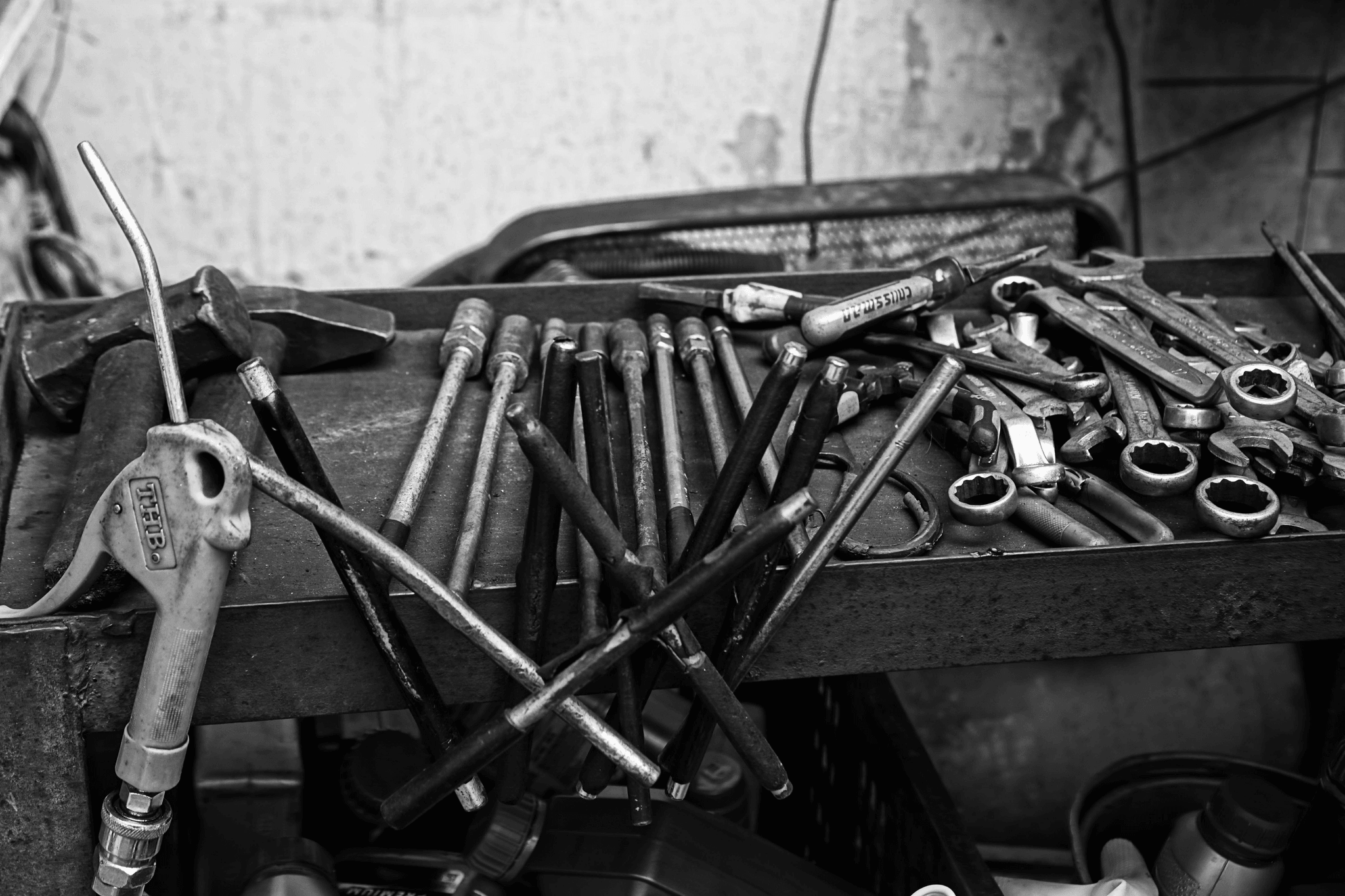
When it comes to Hand Tools Inspection, adhering to industry standards like OSHA, ANSI, and ISO guidelines is crucial for ensuring safety and quality. These organizations provide comprehensive criteria that help identify potential defects in Types of Hand Tools before they reach the end-user. By referencing these standards during RAW MATERIALS INSPECTION, PRE-PRODUCTION INSPECTION, and ASSEMBLY INSPECTION, companies can catch issues early and prevent costly recalls or accidents.
Documenting inspection results clearly is a vital step in maintaining consistency across all stages of Hand Tools Inspection. Whether you're evaluating coating integrity or measuring weight and dimensions, accurate records ensure traceability and accountability. Proper documentation also facilitates effective communication when implementing corrective actions promptly after detecting non-conformities during WEIGHT AND MEASUREMENT INSPECTION or other checks.
Implementing corrective actions promptly based on inspection findings keeps the quality cycle moving smoothly. When deficiencies are identified—perhaps during COATING INSPECTION or WEIGHT AND MEASUREMENT INSPECTION—quick responses prevent defective tools from advancing through production stages. This proactive approach not only upholds safety but also extends the lifespan of your Types of Hand Tools by addressing issues before they escalate.
Collaborating with China Inspection Pro
Partnering with China Inspection Pro elevates your Hand Tools Inspection process to a new level of precision and reliability. Their team of seasoned professionals understands the nuances of Types of Hand Tools and the critical importance of RAW MATERIALS INSPECTION for ensuring durability and safety. By integrating their expertise, you can identify potential flaws early, whether during PRE-PRODUCTION INSPECTION or ASSEMBLY INSPECTION, saving costs and preventing future mishaps.
Their comprehensive approach covers every aspect of the inspection journey—from initial RAW MATERIALS INSPECTION to detailed COATING INSPECTION—making sure each tool meets international standards. They excel at conducting WEIGHT AND MEASUREMENT INSPECTION to guarantee that each hand tool adheres to strict specifications for accuracy and compliance. This meticulous attention to detail ensures that your products not only pass inspection but also stand out in competitive markets.
Leveraging China Inspection Pro’s services transforms inspection findings into actionable insights, fostering continuous improvement in your manufacturing process. Their experts help you implement corrective actions promptly, refining your quality control measures across all types of hand tools. This proactive approach ensures your brand maintains a reputation for excellence while maximizing market advantage through superior product quality.
Conclusion
Regular Hand Tools Inspection is the backbone of workplace safety and product quality. When you stay vigilant about inspecting different Types of Hand Tools, you're not just avoiding accidents—you’re also ensuring that each tool performs at its best, reducing downtime and costly replacements. Incorporating consistent RAW MATERIALS INSPECTION, PRE-PRODUCTION INSPECTION, and ASSEMBLY INSPECTION processes guarantees that every stage of your tools’ lifecycle meets safety standards and quality benchmarks.
A thorough approach to Hand Tools Inspection—covering everything from initial raw materials to final coating—creates a safer environment for workers and boosts overall reliability. By focusing on WEIGHT AND MEASUREMENT INSPECTION along with other inspection types, companies can maintain precision and compliance while extending the longevity of their tools. Building this culture of meticulous inspection fosters trust in your products and demonstrates a commitment to excellence that customers will appreciate.
Moving forward, adopting best practices such as referencing industry standards like OSHA, ANSI, and ISO guidelines will streamline your Hand Tools Inspection process. Documenting each inspection step clearly ensures accountability and facilitates continuous improvement. The next steps involve training staff thoroughly on inspection procedures, emphasizing the importance of detailed checks like coating inspection or stability testing—because the devil is in the details when it comes to safety and quality.