
Introduction
Embarking on a manufacturing journey without a proper initial product inspection is like sailing into stormy seas blindfolded. The benefits of starting with an IPI are clear: it helps catch potential issues early, saving time and money down the line. When you understand how an effective initial product inspection sets the foundation for quality, you’re more equipped to turn inspection insights into better products that truly stand out in the marketplace.
Skipping or rushing through Steps for an Initial Production Inspection can lead to costly mistakes and delayed timelines. This is where knowing the differences between IPI vs. DPI becomes crucial—each has its role, but the initial inspection often determines whether your production process gets off on the right foot. A well-executed IPI not only prevents defects before they escalate but also enhances communication with suppliers, making sure everyone’s on the same page from day
Understanding Initial Product Inspection
An Initial Product Inspection (IPI) is the first line of defense in ensuring your products meet quality standards before they hit the market. It involves a thorough examination of samples from the production run to identify any defects or inconsistencies early on. Recognizing the benefits of starting with an IPI can save you time, money, and headaches by catching issues before they escalate into costly problems.
The role of China Inspection Pro in quality assurance cannot be overstated when it comes to conducting an effective IPI. Their team of skilled inspectors uses proven steps for an initial production inspection, ensuring every detail is scrutinized according to your specifications. By leveraging their expertise, businesses can better understand how IPI differs from other inspections like DPI and make informed decisions about their quality control processes.
During an IPI, common issues detected include surface blemishes, incorrect dimensions, missing components, or packaging errors. Identifying these problems early demonstrates the true benefits of starting with an IPI—preventing costly mistakes later in production. Knowing what issues are typically caught during initial inspections allows companies to implement corrective measures promptly and improve overall product quality.
Benefits of Starting with an IPI
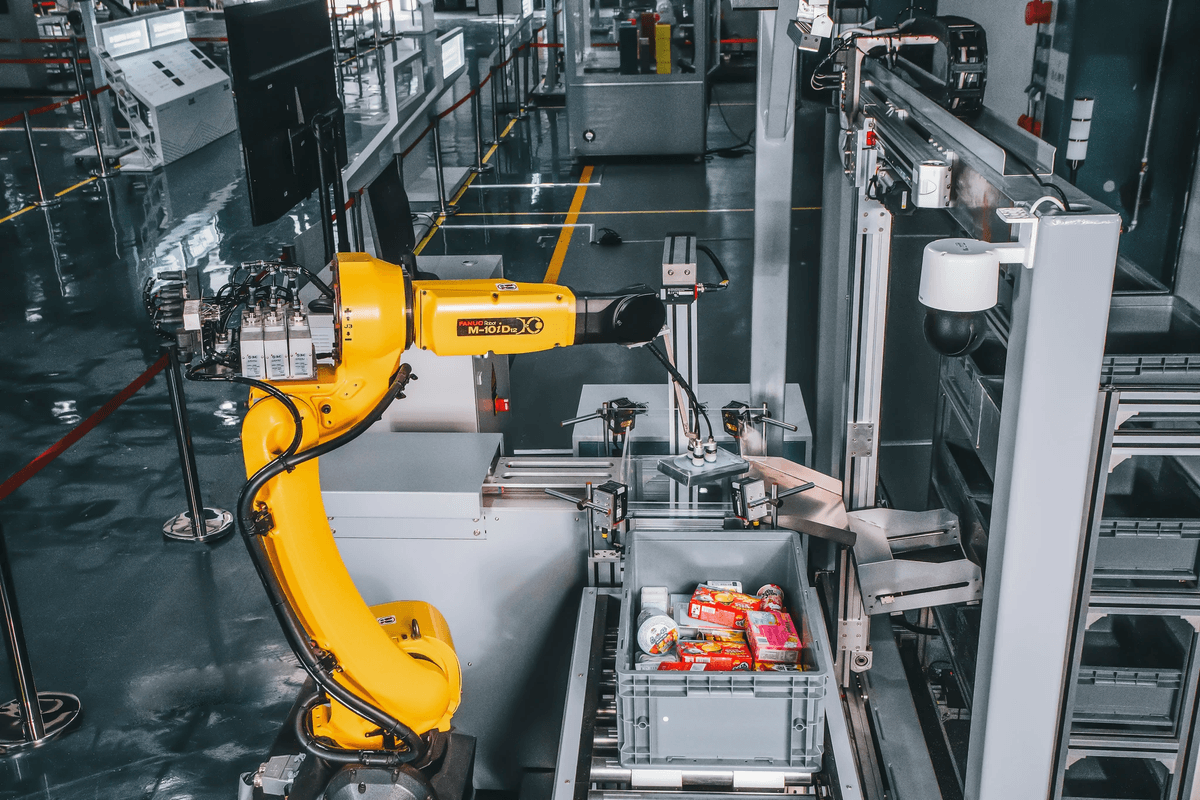
Launching your product journey with an Initial Product Inspection (IPI) offers a multitude of advantages that can save time, money, and headaches down the line. By catching issues early through a well-executed IPI, you set the stage for smoother production and better quality control. Incorporating the Benefits of Starting with an IPI into your process ensures you’re not flying blind—you're steering with a clear view.
One major benefit of starting with an IPI is preventing costly mistakes early in the production cycle. When you conduct an Initial Product Inspection at the outset, potential flaws or deviations from specifications are identified before they snowball into expensive rework or scrap. This proactive approach aligns perfectly with Steps for an Initial Production Inspection, which emphasize early detection to keep costs in check and quality high. Remember, understanding IPI vs. DPI (Final Inspection) highlights how catching issues upfront can be more cost-effective and less disruptive.
Another key advantage is enhancing communication with suppliers. An initial inspection fosters transparency and collaboration by providing clear feedback on quality expectations right from the start. This dialogue helps suppliers understand exactly what’s required, reducing misunderstandings and aligning everyone’s efforts toward common quality goals—an essential step in any successful Steps for an Initial Production Inspection process. Over time, this improved communication leads to stronger partnerships and more consistent product quality.
Finally, starting with an IPI can significantly shorten overall production timelines. By identifying problems early through a thorough initial inspection, manufacturers avoid delays caused by last-minute fixes or re-inspections later on—making the entire process more efficient. The benefits of starting with an IPI become even clearer when comparing it to DPI; while final inspections are crucial, they often come too late to prevent delays or costly corrections. Implementing steps for an initial production inspection ensures that your timeline remains tight without sacrificing quality.
Steps for an Initial Production Inspection
Embarking on an Initial Product Inspection (IPI) can seem daunting, but breaking it down into clear steps makes the process manageable and effective. The benefits of starting with an IPI are numerous, including catching issues early and saving time and money down the line. When you understand the steps for an initial production inspection, you’re better equipped to differentiate between IPI and DPI, ensuring your product quality is top-notch from the get-go.
Planning and Setting Inspection Criteria
The first step in any successful Initial Product Inspection is meticulous planning—know what to look for before inspecting. Setting clear inspection criteria is crucial because it establishes standards that align with your product specifications and quality expectations. Remember, the benefits of starting with an IPI include early issue detection; thus, defining acceptance criteria upfront helps identify potential flaws or deviations early in the process.
Executing the Inspection Process
Once your criteria are set, it's time to execute the inspection process with precision. During this phase, inspectors examine samples against predefined standards, checking for defects, dimensions, workmanship, and packaging quality—all key aspects of an initial product inspection. This step highlights how IPI vs DPI differ: while DPI focuses on final checks before shipment, IPI aims to catch problems right at the start when they’re easier—and cheaper—to fix.
Analyzing Findings and Taking Action
After completing the inspection, analyzing findings thoroughly is essential to determine whether products meet your standards or require adjustments. Documenting issues clearly ensures communication with suppliers is effective—another benefit of starting with an IPI—so corrective actions can be taken promptly. The insights gained here inform whether production needs tweaks or if you're ready to move forward confidently; this proactive approach exemplifies how steps for an initial production inspection support overall quality assurance.
IPI vs. DPI: Key Differences
Understanding the differences between Initial Product Inspection (IPI) and Final Product Inspection (DPI) is crucial for optimizing your quality assurance process. While both inspections aim to catch issues early, they serve distinct purposes and timing in the production cycle. Recognizing when to deploy each inspection type can save you time, money, and headaches down the line, making your overall quality management more effective.
When to Choose Initial Inspection Over Final Inspection
Opting for an Initial Product Inspection is particularly beneficial during the early stages of production or when launching a new supplier relationship. The Benefits of Starting with an IPI include identifying potential issues before large batches are produced, which helps prevent costly mistakes later on. Conducting an IPI allows you to review raw materials, components, and assembly processes—steps that are critical for ensuring product quality from the start.
Deciding when to choose IPI over DPI often hinges on factors like product complexity or supplier reliability. If your goal is to catch defects early in the Steps for an Initial Production Inspection process, then initiating an IPI makes sense before mass production begins. This proactive approach provides peace of mind and helps streamline subsequent inspections by addressing problems upfront.
How IPI and DPI Complement Each Other
While the Benefits of Starting with an IPI are clear, it’s important to understand how IPI and DPI work together as part of a comprehensive quality assurance strategy. The two inspections complement each other because they focus on different stages—initial versus final—ensuring continuous oversight throughout production. An initial inspection catches issues early enough for corrections without disrupting the entire process; meanwhile, a final inspection confirms that products meet all specifications before shipment.
Using both types strategically enhances overall product quality because each addresses potential problems at different points in manufacturing. For example, after conducting Steps for an Initial Production Inspection, you can implement a DPI to verify that adjustments made during initial checks have been effective and that finished goods meet your standards precisely. This layered approach maximizes benefits of starting with an IPI while maintaining thoroughness until delivery.
Making the Right Choice for Your Product
Choosing between IPI vs. DPI depends on your specific product needs, risk tolerance, and supply chain dynamics—all factors that influence which inspection type offers maximum value at each stage. If rapid feedback during early production is vital or if you’re working with new suppliers—where risks are higher—then starting with an IPI provides immediate insights into potential issues before they escalate into costly defects.
Conversely, if your focus is on confirming product integrity just prior to shipment or delivery—especially after implementing corrective actions from initial inspections—a DPI might be more appropriate at that stage to ensure everything aligns perfectly with customer expectations. Ultimately, making the right choice involves evaluating your product's complexity alongside understanding the benefits of starting with an IPI versus relying solely on DPI; combining both ensures comprehensive quality control throughout every step.
Best Practices for a Successful IPI
Executing an effective Initial Product Inspection (IPI) isn’t just about catching defects; it’s about setting the stage for seamless production and delivering top-notch products. Partnering with experienced inspection specialists ensures that your IPI is thorough and insightful, helping you understand the true benefits of starting with an IPI early in your manufacturing process. Remember, the steps for an initial production inspection should be clear and well-planned to maximize its benefits and avoid costly mistakes down the line.
When it comes to documenting and reporting, clarity is king. A detailed report of your Initial Product Inspection helps communicate findings effectively to suppliers and internal teams, making it easier to address issues promptly. This step is crucial because understanding IPI vs. DPI can help you decide when to intervene—early during IPI or later at DPI—to ensure continuous quality improvement.
Using findings from your initial product inspection wisely will dramatically improve overall production quality. The insights gained from a well-executed IPI can inform adjustments in manufacturing processes, prevent recurring issues, and ultimately save costs by avoiding rework or recalls. Remember, the true benefit of starting with an IPI lies in how effectively you leverage those insights for ongoing quality enhancement.
Conclusion
In the fast-paced world of manufacturing, understanding the benefits of starting with an Initial Product Inspection (IPI) can make all the difference. A proper IPI helps catch issues early, saving time and costs while boosting your product’s quality right from the start. By emphasizing the importance of Steps for an Initial Production Inspection, companies can set a strong foundation that prevents costly mistakes down the line and ensures smoother production flow.
Knowing when to choose IPI vs. DPI is crucial for effective quality control. While DPI focuses on final checks before shipment, IPI offers a proactive approach during production, catching problems before they escalate. Leveraging insights from your initial inspection allows you to improve communication with suppliers and refine your processes—making the entire journey from concept to consumer more efficient and reliable.
Trusting China Inspection Pro for guidance on IPI vs. DPI and implementing best practices in your initial product inspections will elevate your overall product quality. Remember, an impactful initial inspection isn’t just a one-time step; it’s a strategic move that benefits every stage of production. With expert support and diligent inspection steps, your products will consistently meet high standards, delight customers, and stand out in competitive markets.