
Introduction
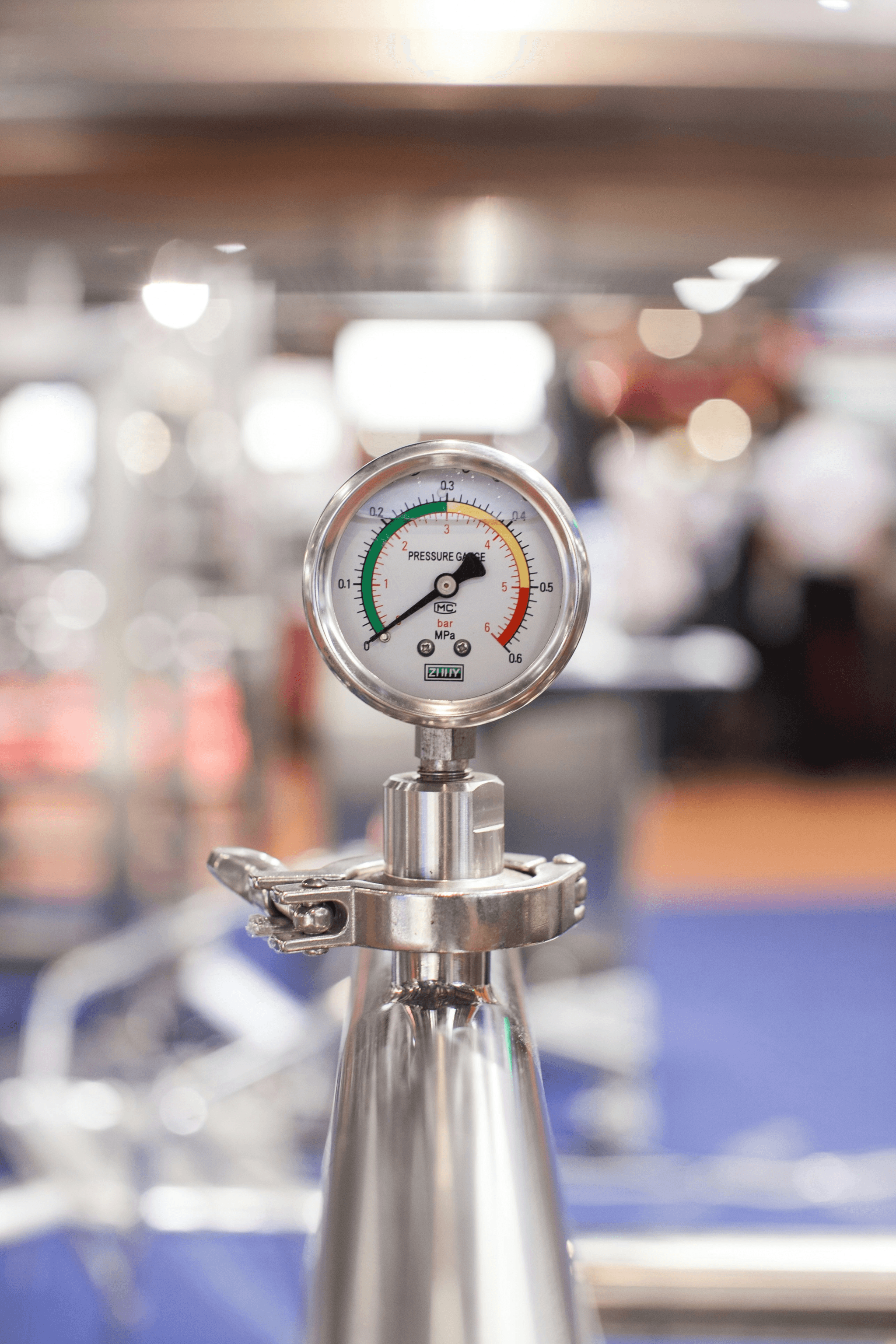
Pressure Vessel Inspection isn’t just a box to check off—it’s the backbone of safety, reliability, and efficiency in many industries. When it comes to maintaining these crucial components, understanding what are PWHT requirements in pressure vessel inspections is key to preventing costly failures and ensuring compliance with industry standards. Regularly scheduled pressure vessel inspections help catch issues early, saving companies from catastrophic accidents and hefty fines down the line.
Knowing what are PWHT requirements in pressure vessel inspections can make all the difference between a safe operation and a disaster waiting to happen. These heat treatment procedures are vital for restoring material integrity after repairs or manufacturing processes, making them an essential part of pressure vessel inspection protocols. By staying on top of these requirements, industry professionals can ensure their vessels meet safety standards while extending their lifespan.
The stakes couldn’t be higher—costs skyrocket with downtime or accidents caused by overlooked defects. Pressure Vessel Inspection plays a pivotal role in safeguarding personnel and assets, while also keeping companies compliant with regulations like ASME or API standards. Ultimately, investing in thorough inspections means fewer surprises down the road and more peace of mind knowing your equipment is operating safely and efficiently.
Fundamentals of Pressure Vessel Inspection
Pressure vessel inspection is the backbone of industrial safety, ensuring that these critical components operate reliably under high pressure. Regular inspections help identify potential issues before they escalate into costly failures or safety hazards, making them an essential part of maintenance routines. Understanding what pressure vessel inspection entails and why it’s so vital can save industries from catastrophic accidents and hefty penalties.
When it comes to Pressure Vessel Inspection, knowing the intricacies of PWHT requirements is crucial. Post-weld heat treatment (PWHT) ensures weld integrity and material toughness, which are vital for safe operation. So, when asking what are PWHT requirements in pressure vessel inspections?, it's clear that these standards help prevent stress corrosion and cracking, extending the lifespan of vessels. Incorporating PWHT into your inspection process demonstrates compliance with industry standards and keeps your equipment in top shape.
China Inspection Pro plays a pivotal role in ensuring compliance with all aspects of pressure vessel inspection. Their expertise covers adherence to local and international standards, including PWHT requirements, which are often overlooked but critical for safety. By leveraging their services, companies can confidently meet regulatory demands while maintaining optimal vessel integrity—because missing out on proper pressure vessel inspection could lead to disasters that are both costly and tragic.
Essential Inspection Techniques and Tools
When it comes to Pressure Vessel Inspection, employing the right techniques and tools is crucial to ensure safety and compliance. These methods help detect potential issues early, especially when considering PWHT requirements that might influence the inspection process. Understanding what are PWHT requirements in pressure vessel inspections can significantly impact the choice of inspection technique, making sure that all critical areas are thoroughly examined.
Non-Destructive Testing Methods Used in Pressure Vessel Checks
Non-Destructive Testing (NDT) methods are the backbone of effective Pressure Vessel Inspection because they allow inspectors to evaluate vessel integrity without damaging the equipment. Techniques like ultrasonic testing, radiography, magnetic particle testing, and dye penetrant testing help identify flaws such as cracks or corrosion that could compromise safety. When considering what are PWHT requirements in pressure vessel inspections, NDT methods become even more vital—they verify that post-weld heat treatments have been properly applied and that residual stresses have been minimized.
Visual Inspection: The First Line of Defense
Visual inspection remains the most straightforward yet powerful tool in any Pressure Vessel Inspection arsenal. It provides immediate insight into surface conditions, weld quality, corrosion signs, or deformation—essential clues for assessing vessel health. Recognizing what are PWHT requirements in pressure vessel inspections during visual checks ensures welds meet industry standards; any discoloration or surface irregularities might indicate improper heat treatment or other underlying issues needing further NDT evaluation.
Ultrasonic and Radiographic Testing Explained
Ultrasonic and radiographic testing stand out as advanced techniques for detecting internal flaws that aren't visible on the surface—crucial when evaluating pressure vessels subjected to strict PWHT requirements. Ultrasonic testing uses sound waves to measure material thickness or locate subsurface defects with precision; radiography employs X-rays or gamma rays to produce detailed images of internal structures. Knowing what are PWHT requirements in pressure vessel inspections guides inspectors on how these tests confirm whether heat treatments have achieved desired metallurgical properties without compromising integrity.
Key Inspection Standards and Regulations
Navigating the world of Pressure Vessel Inspection requires a solid understanding of the standards that keep these critical components safe and compliant. Industry regulations like the ASME Boiler and Pressure Vessel Code serve as a blueprint for ensuring pressure vessels are built, maintained, and inspected to prevent failures. When it comes to PWHT requirements, knowing what are PWHT requirements in pressure vessel inspections is vital for maintaining integrity and safety.
Standards such as API 510 complement these regulations by providing specific guidelines on pressure vessel maintenance, repair, and inspection practices. Adhering to industry standards ensures that pressure vessel operators meet legal obligations while safeguarding personnel and assets. For example, understanding what are PWHT requirements in pressure vessel inspections helps inspectors verify that heat treatment processes have been correctly applied to prevent brittle fractures or residual stresses.
China Inspection Pro plays a crucial role in ensuring compliance with these standards by offering expert inspection services tailored to international regulations. They help clients understand what are PWHT requirements in pressure vessel inspections through detailed assessments of heat treatment procedures. In doing so, China Inspection Pro guarantees that every pressure vessel inspection aligns with key standards like ASME and API 510, reducing the risk of costly violations or safety incidents.
The Importance of PWHT in Pressure Vessel Safety
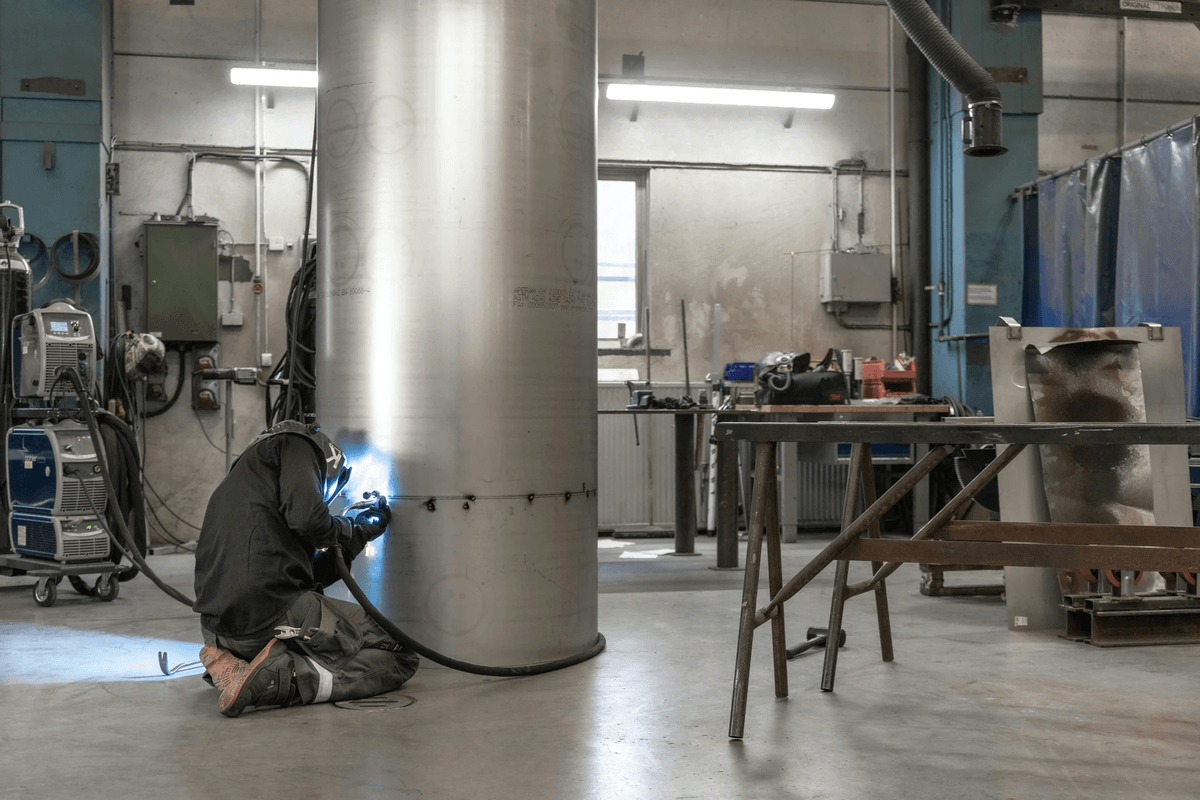
Post-weld Heat Treatment (PWHT) is a crucial step in ensuring the safety and longevity of pressure vessels. This process involves controlled heating and cooling to relieve residual stresses caused by welding, which can otherwise lead to cracks or failure over time. Incorporating PWHT requirements into pressure vessel inspection routines helps maintain structural integrity and prevents costly disasters.
What Are PWHT Requirements in Pressure Vessel Inspections?
Understanding what are PWHT requirements in pressure vessel inspections is fundamental for compliance and safety assurance. These requirements specify the necessary heat treatment procedures that must be performed after welding or repairs to reduce residual stresses and improve material properties. Failing to meet these PWHT requirements can compromise the vessel’s ability to withstand operational pressures, making regular inspection vital for verifying adherence.
Typical Heat Treatment Procedures for Pressure Vessels
Typical heat treatment procedures for pressure vessels involve precise temperature control, often ranging from 580°C to 700°C, depending on the material specifications. During this process, the vessel is heated uniformly, held at a specific temperature, then cooled slowly—often through furnace cooling—to ensure optimal stress relief. Conducting these procedures correctly as part of pressure vessel inspection ensures that all PWHT requirements are met, reducing risks associated with weld-induced weaknesses.
When and Why PWHT Is a Must-Have
When is PWHT a must-have? Essentially, anytime a pressure vessel undergoes welding or significant repairs, implementing proper PWHT becomes non-negotiable—this aligns perfectly with pressure vessel inspection standards. The why behind this necessity lies in minimizing residual stresses that could lead to cracking or failure under operational conditions; neglecting PWHT can turn a seemingly minor repair into a catastrophic event down the line. Ensuring compliance with PWHT requirements during each inspection cycle guarantees that your pressure vessels stay safe and reliable over their lifespan.
Common Challenges in Pressure Vessel Inspection
Pressure vessel inspection is a critical process that keeps industrial operations safe and compliant. However, several hurdles can complicate the detection of issues like corrosion, hidden defects, or material fatigue. Understanding these challenges is key to developing effective inspection strategies and ensuring that PWHT requirements are met to prolong vessel life.
Detecting and Managing Corrosion and Erosion
Corrosion and erosion are silent enemies lurking on pressure vessels, often hidden beneath paint or insulation layers. Regular pressure vessel inspection helps identify early signs of material degradation before they escalate into catastrophic failures. Addressing these issues requires not only keen eyes but also adherence to PWHT requirements, which can sometimes help mitigate corrosion effects through proper heat treatment techniques.
Failing to detect corrosion early can lead to thinning walls or leaks, jeopardizing safety and compliance standards. Managing this challenge involves employing advanced inspection methods like ultrasonic testing or radiography to reveal hidden damage—especially when visual inspection falls short. Remember, understanding what are PWHT requirements in pressure vessel inspections can be crucial in restoring integrity after corrosion-related damage.
Addressing Hidden Defects Through Advanced Inspection Methods
Not all defects are obvious; some hide deep within the metal structure, making them tricky to spot during routine visual checks alone. This is where advanced inspection methods come into play—ultrasonic testing, radiography, and phased-array ultrasonics are invaluable tools for uncovering internal cracks or inclusions that could compromise safety standards.
Addressing these hidden defects often ties back to understanding what are PWHT requirements in pressure vessel inspections because post-weld heat treatment (PWHT) can help relieve residual stresses that cause cracking over time. When defects go undetected due to inadequate inspection techniques, the risk of sudden failure increases dramatically—highlighting the importance of comprehensive evaluation protocols aligned with industry standards.
The Impact of Material Aging and Fatigue
Over time, even the toughest materials succumb to aging and fatigue—wearing down their ability to withstand operational pressures safely. Regular pressure vessel inspection must account for these factors by monitoring changes in material properties that could indicate weakening or impending failure.
Recognizing what are PWHT requirements in pressure vessel inspections becomes especially relevant here; proper heat treatments can sometimes rejuvenate aged metals or reduce residual stresses from prior use. Ignoring aging effects during inspections might lead you down a dangerous path where fatigue cracks go unnoticed until it's too late—making proactive measures essential for maintaining long-term integrity.
Best Practices for Maintaining Pressure Vessel Integrity
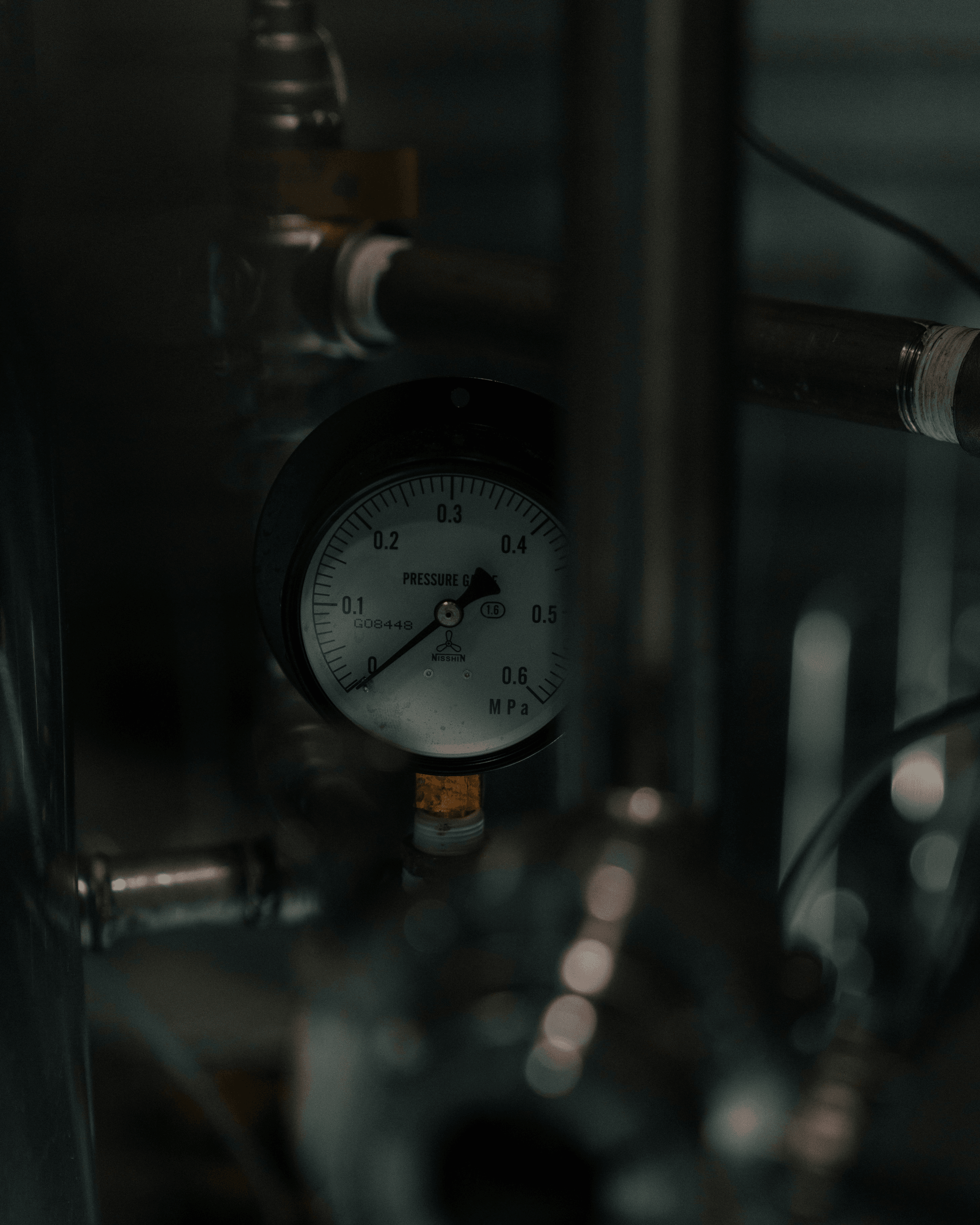
Maintaining the integrity of pressure vessels is no small feat, but a well-crafted approach to inspection can make all the difference. Developing a comprehensive inspection schedule ensures that potential issues are caught early, especially when it comes to meeting PWHT requirements. Knowing what are PWHT requirements in pressure vessel inspections helps prevent costly failures and keeps operations running smoothly.
A robust inspection schedule should incorporate regular checks aligned with industry standards and manufacturer recommendations. This proactive approach not only addresses common defects but also emphasizes understanding what are PWHT requirements in pressure vessel inspections—critical for ensuring safety and compliance. When you know what are PWHT requirements in pressure vessel inspections, you’re better equipped to plan timely heat treatments that mitigate risks like stress corrosion or material fatigue.
Record-keeping and documentation are the backbone of effective pressure vessel maintenance. Proper documentation provides proof of adherence to standards such as Pressure Vessel Inspection protocols, including what are PWHT requirements in pressure vessel inspections. Keeping detailed records about when inspections occurred, what tests were performed, and how PWHT was applied ensures compliance with regulations and facilitates future assessments of vessel integrity.
Training and certification of inspection personnel play a vital role in maintaining high standards for Pressure Vessel Inspection practices. Skilled inspectors who understand what are PWHT requirements in pressure vessel inspections can accurately identify issues related to heat treatment processes or other defects. Continuous education on evolving standards related to Pressure Vessel Inspection guarantees that teams stay sharp, knowledgeable, and ready to uphold safety.
Conclusion
Regular Pressure Vessel Inspection acts as the backbone of industrial safety, catching potential issues before they turn into catastrophic failures. By diligently following inspection routines, companies can prevent costly downtime, safeguard personnel, and ensure compliance with industry standards. Remember, when it comes to pressure vessels, prevention is always better than repair—or worse—disaster.
Leveraging expert services from China Inspection Pro can significantly boost your inspection outcomes. Their team understands what are PWHT requirements in pressure vessel inspections and ensures all standards are met meticulously. Partnering with seasoned professionals means you’re not just ticking boxes but actively enhancing the safety and longevity of your pressure vessels.
Staying ahead with up-to-date inspection practices and PWHT requirements is essential in today’s fast-evolving regulatory landscape. Knowing what are PWHT requirements in pressure vessel inspections helps maintain optimal vessel integrity while avoiding penalties or operational halts. Continuous education and expert guidance enable your team to adapt swiftly to changes, ensuring your facility remains compliant and safe.