
Introduction
In the bustling world of retail, quality assurance plays a pivotal role in ensuring that products meet the expectations of consumers while maintaining operational efficiency. But what is quality assurance in retail? It's not just about checking products off a list; it's a comprehensive strategy that involves multiple facets, including meticulous inspections, adherence to standards, and fostering a culture of continuous improvement. Understanding quality assurance in retail means recognizing its impact on customer satisfaction and brand loyalty.
Trust is the cornerstone of any successful retail operation. The importance of customer trust cannot be overstated; it drives repeat business and enhances brand reputation. When customers feel confident in the quality of products they purchase, they are more likely to return for future transactions, making it crucial for retailers to implement robust quality assurance practices.
Key players in quality assurance include manufacturers, retailers, third-party inspection services, and regulatory bodies. Each has a unique role that contributes to the overarching goal of delivering high-quality products to consumers. Together, these players form an ecosystem where collaboration and communication are essential for achieving excellence in quality assurance in retail.
What is Quality Assurance in Retail?
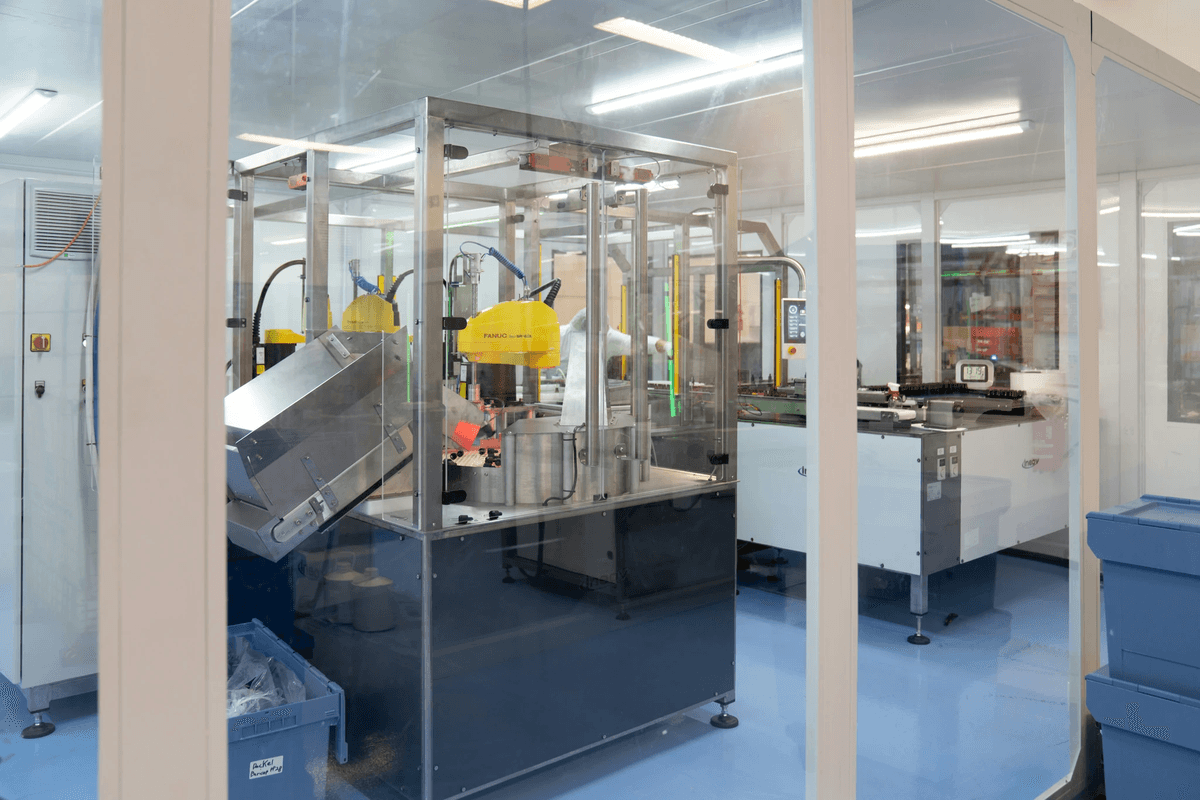
Quality assurance in retail is a systematic process that ensures products and services meet established standards before they reach the customer. It encompasses various activities aimed at preventing defects and ensuring quality throughout the supply chain. By focusing on quality assurance, retailers can enhance operational efficiency and build stronger relationships with their customers.
Definition and Fundamentals
At its core, quality assurance in retail refers to the methods and practices employed to ensure that products are consistent, reliable, and meet customer expectations. This involves setting clear quality benchmarks, conducting regular inspections, and employing rigorous testing protocols. Understanding what is quality assurance in retail requires recognizing its role as a proactive measure rather than a reactive fix for issues that arise post-sale.
Benefits of Quality Assurance
The benefits of quality assurance in retail extend far beyond mere compliance with regulations; they encompass improved product reliability, enhanced brand reputation, and increased customer loyalty. When retailers prioritize quality assurance, they minimize returns and complaints while maximizing customer satisfaction—leading to repeat business. Additionally, a strong QA framework can streamline operations by identifying inefficiencies early on.
Impact on Customer Satisfaction
Customer satisfaction is intricately linked to the effectiveness of quality assurance practices in retail. When customers receive high-quality products consistently, their trust in the brand deepens—resulting in higher retention rates and positive word-of-mouth marketing. Ultimately, understanding what are the 7 pillars of QA or what are the 5 stages of quality assurance becomes crucial for any retailer aiming to enhance their overall customer experience.
What are the 7 Pillars of QA?
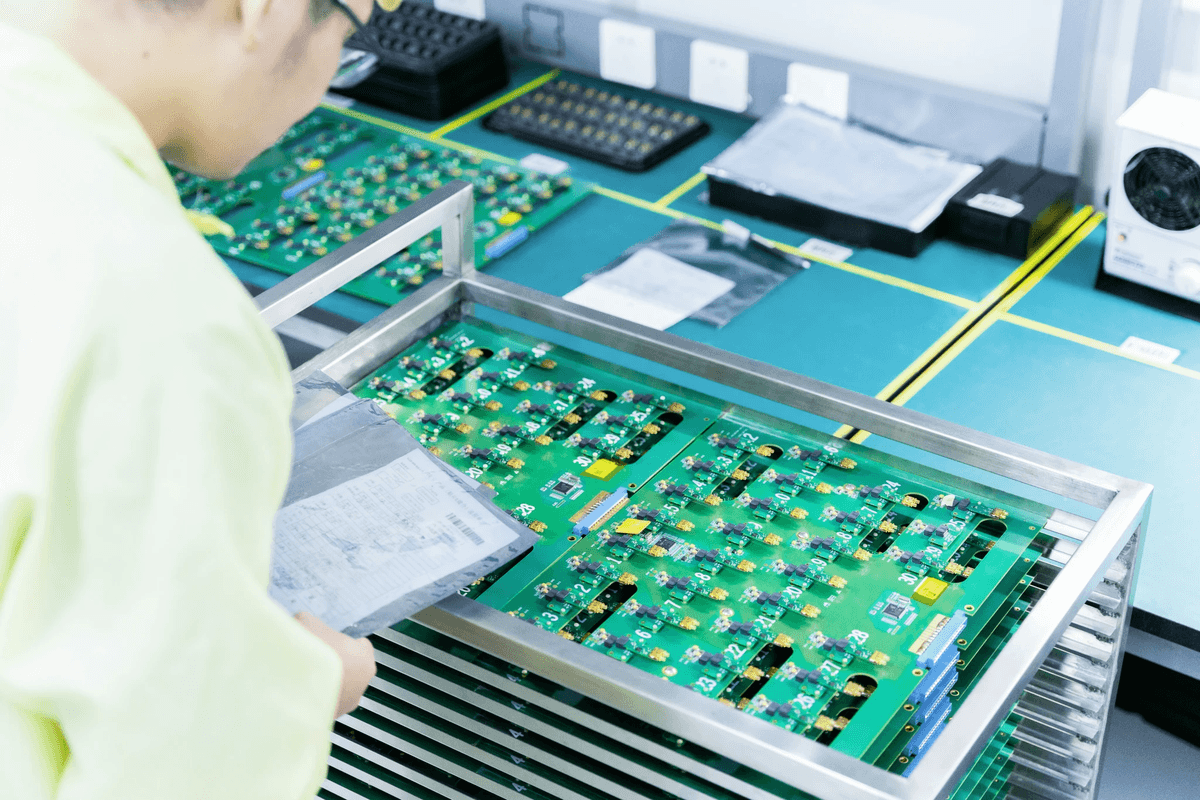
Quality assurance in retail is built upon several foundational concepts known as the 7 Pillars of QA. These pillars serve as guiding principles that help organizations maintain high standards, improve customer satisfaction, and foster a culture of continuous improvement. Understanding these pillars is essential for any retailer looking to enhance their quality assurance processes.
Overview of the Pillars
The 7 Pillars of QA encompass key elements that collectively contribute to effective quality management in retail. They include customer focus, leadership commitment, involvement of people, process approach, system approach to management, continual improvement, and factual decision-making. Each pillar plays a vital role in ensuring that quality assurance in retail is not just a checkbox exercise but an integral part of the organizational culture.
By implementing these pillars effectively, retailers can address critical questions like What is quality assurance in retail? and How can it benefit my business? The synergy between these pillars enhances operational efficiency and strengthens customer trust—two crucial components for any successful retail venture.
Customer Focus and Requirement Analysis
At the heart of quality assurance in retail lies unwavering customer focus and thorough requirement analysis. Understanding what customers want and expect from products or services allows retailers to tailor their offerings accordingly. This proactive approach not only fulfills customer needs but also builds lasting relationships based on trust.
Effective requirement analysis involves gathering feedback through surveys, reviews, or direct interactions with customers. By analyzing this data, retailers can identify areas for improvement and ensure they meet or exceed expectations consistently—ultimately answering the question: What are the 5 stages of quality assurance? This stage often serves as a crucial starting point for refining product offerings and service delivery.
Continuous Improvement in Retail
Continuous improvement is one of the most dynamic pillars within the framework of quality assurance in retail. By fostering an environment where feedback is valued and utilized for growth, retailers can adapt to changing market conditions swiftly while enhancing their operational processes. This ongoing cycle not only addresses current deficiencies but also anticipates future challenges.
Incorporating continuous improvement means regularly revisiting all aspects related to What are the 4 principles of quality assurance? It encourages employees at all levels to contribute ideas for enhancing product quality and service delivery—making everyone part of the solution rather than just spectators. Ultimately, embracing continuous improvement positions retailers favorably against competitors who may overlook this critical aspect.
What are the 5 Stages of Quality Assurance?

Quality assurance in retail is a systematic process that ensures products meet certain standards before reaching customers. Understanding what are the 5 stages of quality assurance can help retailers implement effective QA strategies that enhance customer satisfaction and build trust. Each stage plays a crucial role in creating a seamless retail experience, ensuring that quality remains at the forefront.
Planning Your QA Strategy
The first step in the journey of quality assurance in retail is planning your QA strategy. This involves identifying key objectives, understanding customer expectations, and determining the resources needed to achieve these goals. A well-thought-out plan sets the foundation for what is quality assurance in retail, guiding teams through subsequent stages while ensuring alignment with overall business objectives.
In this planning phase, it’s essential to consider what are the 4 principles of quality assurance: leadership and commitment, involvement of people, process approach, and continual improvement. These principles will help shape your strategy and ensure everyone on your team understands their roles in maintaining high-quality standards. By engaging all stakeholders early on, you foster a culture of accountability and shared responsibility for quality.
Implementation and Execution
Once you have your strategy mapped out, it’s time for implementation and execution—the heart of what is quality assurance in retail! This stage involves putting plans into action by deploying processes designed to monitor product quality throughout the supply chain. Teams must communicate effectively to ensure everyone understands their responsibilities while adhering to established guidelines.
During implementation, it’s crucial to integrate tools that facilitate tracking progress against defined metrics related to customer satisfaction and product performance. This proactive approach helps identify potential issues before they escalate into problems affecting customers’ experiences. Remember that this stage embodies one of the core elements from what are the 7 pillars of QA: continuous improvement—constantly refining processes based on real-world feedback.
Monitoring and Feedback Loops
Monitoring and feedback loops form an integral part of maintaining high standards within any retail operation focused on quality assurance in retail. This stage involves regularly assessing outcomes against set benchmarks while gathering feedback from both customers and employees alike—essentially closing the loop on communication within your organization.
By analyzing data collected during this phase, retailers can uncover trends related to product performance or service delivery issues needing attention or adjustment—what are the 5 stages of quality assurance if not a cycle? Feedback loops not only help improve current practices but also inform future strategic decisions about product offerings or service enhancements based on real-time insights from those who matter most: your customers!
What are the 4 Principles of Quality Assurance?

Quality assurance in retail is not just a set of processes; it’s a philosophy that guides organizations toward excellence. To ensure effective quality assurance, there are four key principles that every retailer should embrace: leadership and commitment, involvement of people, and a process approach. By understanding and implementing these principles, retailers can significantly enhance their QA strategies and ultimately improve customer satisfaction.
Leadership and Commitment
Leadership plays a crucial role in establishing a culture of quality assurance in retail. Leaders must demonstrate unwavering commitment to quality standards, setting the tone for the entire organization. When leaders prioritize quality assurance, it fosters an environment where employees understand its importance and feel motivated to contribute to achieving high standards.
Moreover, effective leadership involves not just talking the talk but walking the walk when it comes to quality assurance in retail. This means allocating resources for training and development while actively participating in QA initiatives themselves. By leading by example, management can inspire staff to take ownership of their roles within the framework of quality assurance.
Implementing this principle also requires continuous communication about goals related to what is quality assurance in retail? Leaders should regularly share updates on performance metrics and celebrate achievements related to QA initiatives. This transparency builds trust within teams and reinforces everyone’s commitment to maintaining high-quality standards.
Involvement of People
The second principle emphasizes that involving people at all levels is vital for successful quality assurance in retail. Employees who feel valued are more likely to engage actively with QA processes, leading to improved outcomes across the board. Encouraging input from frontline staff—those who interact with customers daily—can provide invaluable insights into potential areas for enhancement.
Training programs designed around what are the 7 pillars of QA? can empower employees by giving them the skills they need to identify issues early on before they escalate into larger problems. Additionally, fostering an inclusive atmosphere where team members feel comfortable sharing feedback encourages collaboration focused on continuous improvement.
Ultimately, when people are involved in shaping quality practices within an organization, they become invested stakeholders rather than mere participants following directives imposed from above. This sense of ownership drives innovation while reinforcing accountability—a win-win situation for any retailer aiming for excellence through effective quality assurance.
Process Approach in Retail
Taking a process approach is another cornerstone principle underpinning effective quality assurance strategies across various sectors—including retail! This method entails understanding how different processes interconnect within an organization while identifying opportunities for streamlining operations without compromising product or service integrity.
By analyzing workflows through this lens—what are the 5 stages of quality assurance?—retailers can pinpoint bottlenecks or redundancies that hinder efficiency or affect customer experience negatively! Adopting standardized procedures ensures consistency across all touchpoints throughout your operation—from procurement through distribution right down until checkout!
Furthermore, implementing robust documentation practices allows teams involved with QA efforts clarity regarding expectations at every stage along their journey towards delivering outstanding products/services consistently over time! In doing so retailers will be able not only meet but exceed consumer demands—all thanks largely due diligence paid towards maintaining rigorous adherence towards established protocols surrounding Quality Assurance!
Role of Quality Inspection Services
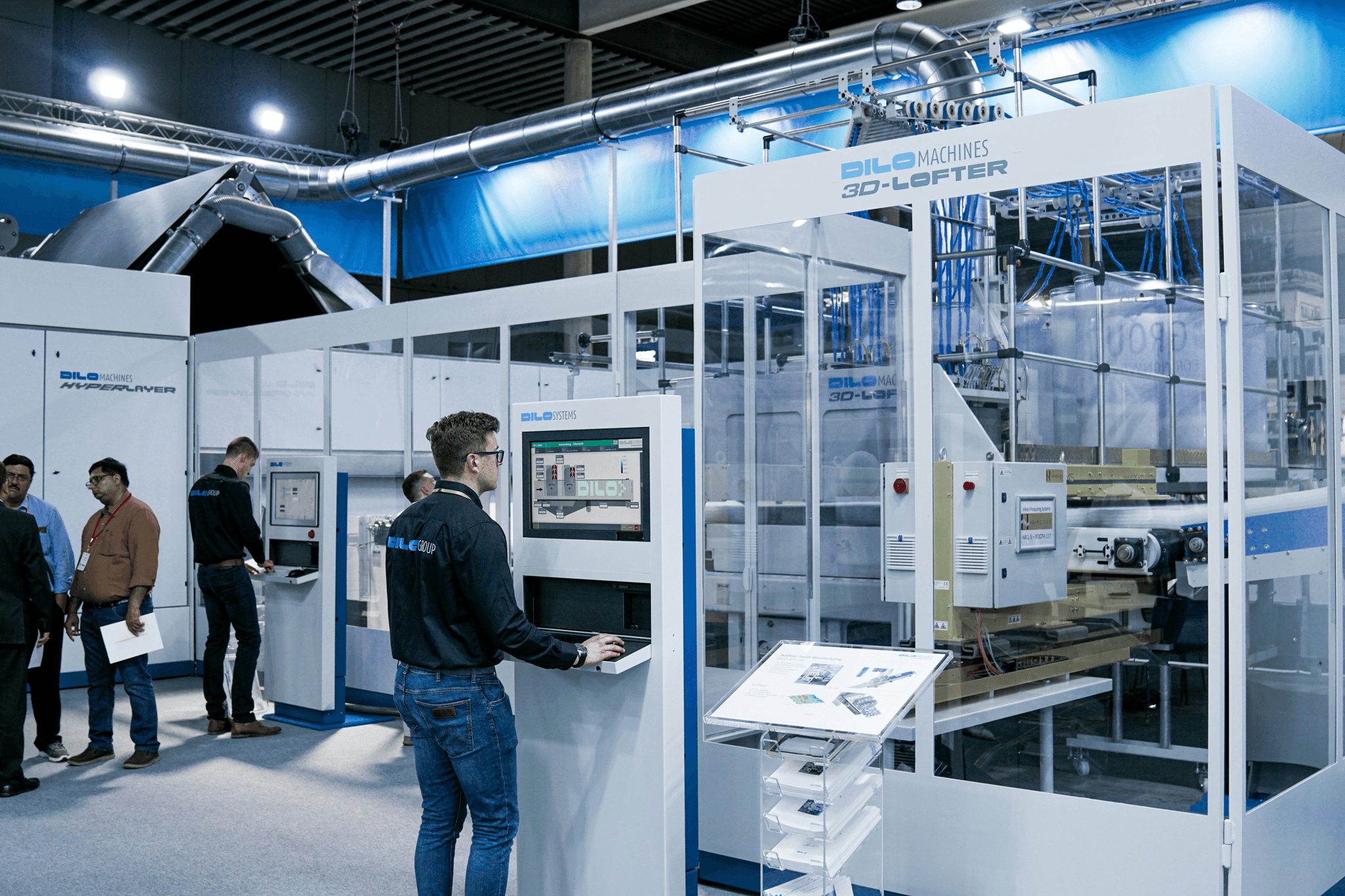
Quality inspection services play a pivotal role in ensuring that quality assurance in retail is not just a buzzword but a practiced reality. These services provide an extra layer of scrutiny, helping businesses adhere to standards that customers expect and deserve. By integrating these inspection processes, retailers can significantly enhance their reputation and operational efficiency.
China Inspection Pro’s Expertise
China Inspection Pro specializes in delivering top-notch quality assurance in retail through comprehensive inspection services tailored to various industries. With years of experience, they understand the nuances of what is quality assurance in retail and how it applies across different product categories. Their expertise includes pre-production inspections, during production checks, and final random inspections, ensuring every phase meets established standards.
Real-World Case Studies
Consider the case of a mid-sized apparel retailer facing high return rates due to quality issues. After partnering with China Inspection Pro for systematic quality checks throughout production, they saw an impressive 30% reduction in returns within just three months. This real-world example illustrates how understanding what are the 5 stages of quality assurance can lead to tangible improvements in product reliability and customer satisfaction.
How Quality Inspections Boost Retail Growth
Implementing rigorous quality inspections not only minimizes defects but also fosters customer loyalty—essential for long-term retail growth. By demonstrating commitment to the principles outlined in what are the 4 principles of quality assurance, retailers can build trust with their customers and differentiate themselves from competitors. Ultimately, investing in quality inspection services translates into improved sales figures as happy customers share their positive experiences.
Conclusion

In the fast-paced world of retail, understanding quality assurance in retail is not just a luxury—it's a necessity. As we've explored, building a robust quality-focused culture can significantly impact customer satisfaction and trust. By embracing the principles and stages of quality assurance, retailers can ensure they meet and exceed consumer expectations.
Building a Quality-Focused Culture
Creating a quality-focused culture starts with leadership commitment to the values of quality assurance in retail. Leaders must embody and communicate the importance of what is quality assurance in retail? This cultural shift involves every employee, encouraging them to take ownership of their roles in achieving high standards through collaboration and shared goals.
Moreover, fostering an environment where feedback is welcomed can enhance processes related to what are the 7 pillars of QA? Employees who feel valued are more likely to contribute ideas for improvement, which ties back into continuous improvement—a key aspect of successful retail operations. When everyone from management to frontline staff prioritizes quality, it leads to consistent customer experiences that build trust and loyalty.
Leveraging Technology for Quality Assurance
In today's digital age, leveraging technology for quality assurance is vital for staying competitive. Tools such as data analytics and automated inspection systems streamline processes associated with what are the 5 stages of quality assurance? These technologies not only improve efficiency but also enhance accuracy in identifying areas needing improvement.
Additionally, technology enables real-time monitoring that supports effective decision-making based on immediate feedback loops within the QA framework. Retailers can harness these tools to analyze trends and adapt strategies quickly—ultimately leading to better customer satisfaction while reinforcing what are the 4 principles of quality assurance? Embracing these innovations will propel retailers into a future where they can anticipate needs rather than merely react.
Future Trends in Retail Quality Assurance
Looking ahead, several trends will shape the landscape of quality assurance in retail. One significant trend is personalization; as consumers demand tailored experiences, retailers must adapt their QA practices accordingly to ensure they meet individual preferences effectively. This evolution will require an agile approach rooted in understanding what is quality assurance in retail?
Additionally, sustainability will play an increasingly important role as consumers become more environmentally conscious; thus retailers must integrate sustainable practices into their QA processes while adhering to what are the 7 pillars of QA?. Lastly, advancements in artificial intelligence (AI) will continue revolutionizing how retailers assess product quality—enabling smarter decision-making based on predictive analytics rather than historical data alone.